4.7
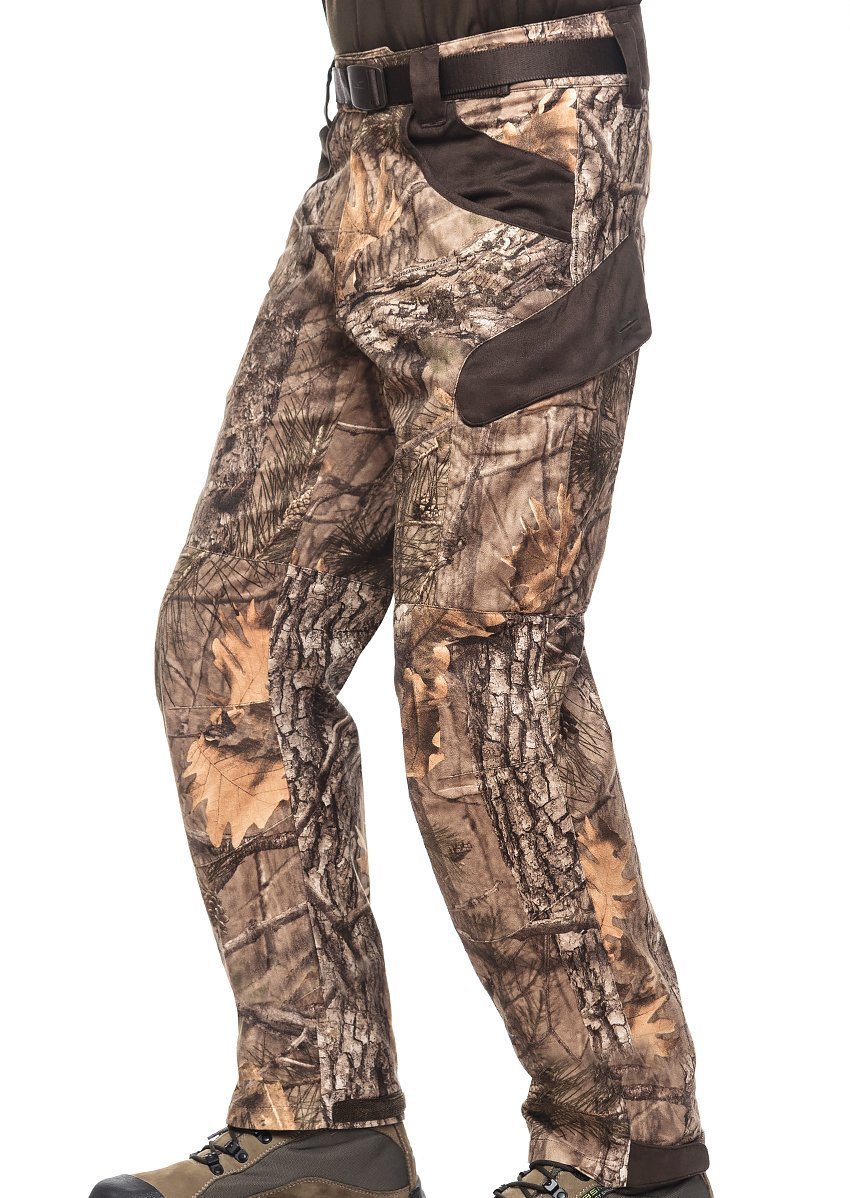
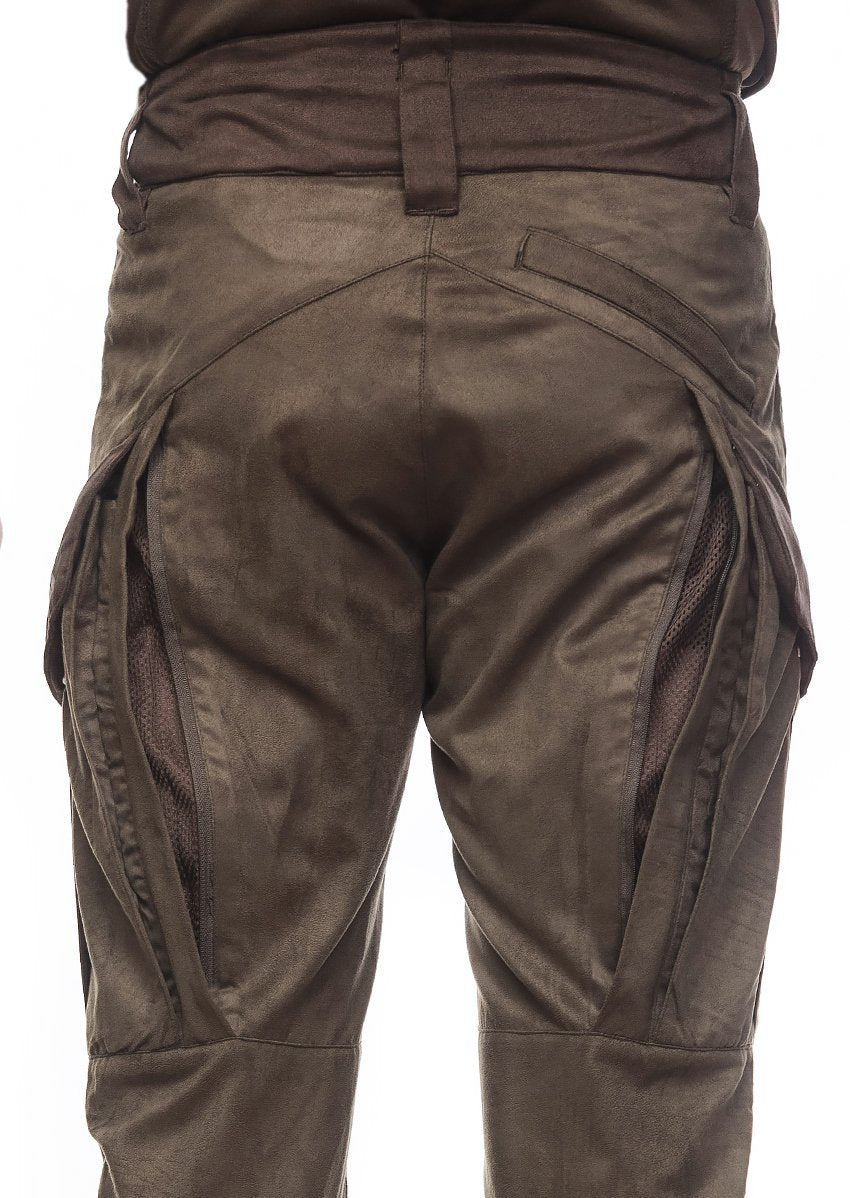
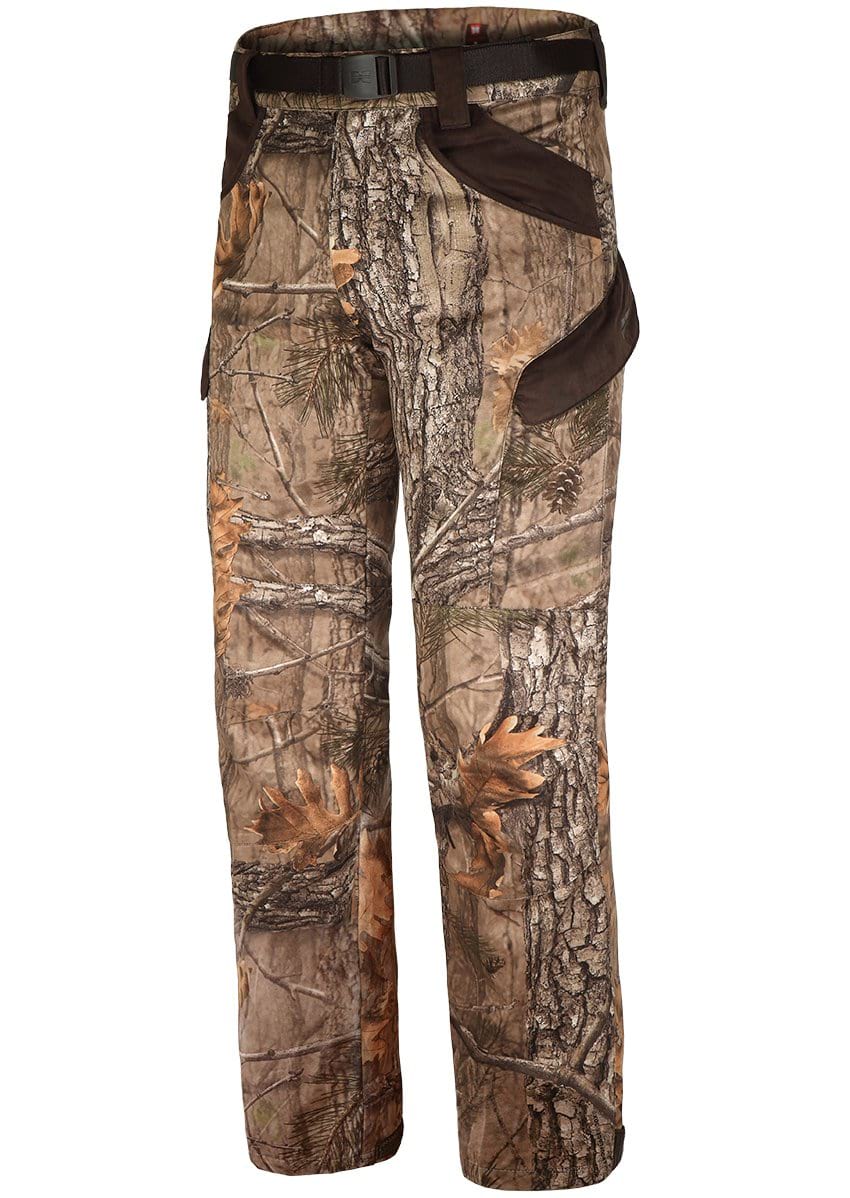
The Hillman XPR Silent Hunting Pants in Ranger Green feature reinforced knees and thighs, built-in belt, zippered fly, multiple pockets, and water-repellent fabric for quiet outdoor movement. Shown on a white background.

XPR tylios medžioklės kelnės | Žalios

Pardavimo kaina89.00 EURReguliari kaina 139.00 EUR
4.7
best_XPR Silent Hunting Pants | Camo_2025_top - mens_womens_gear_hillman
4.6
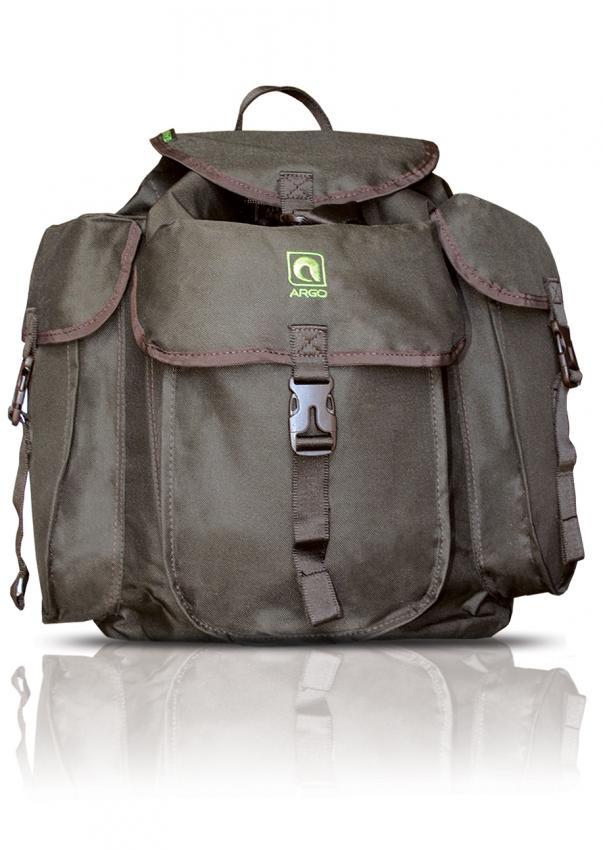
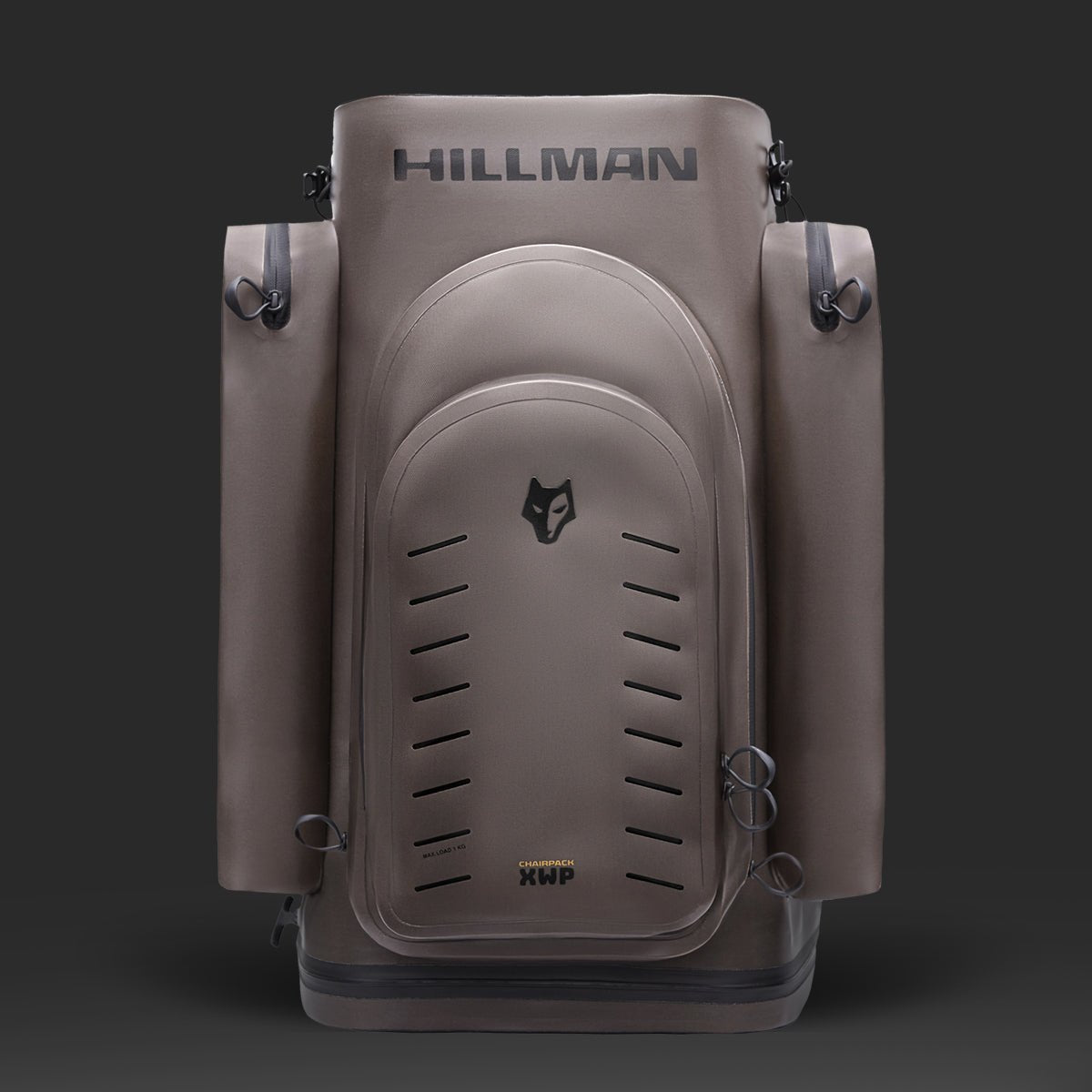
The Hillman Hunting Backpack ARGO® is showcased in green with large capacity. It has a top flap, buckle closure, two side pockets, and the Hillman logo on the front. Made from waterproof fabric, this lightweight backpack is perfectly reflected on a white surface.

Medžioklės kuprinė ARGO®

Pardavimo kaina35.00 EURReguliari kaina 49.00 EUR
5.0
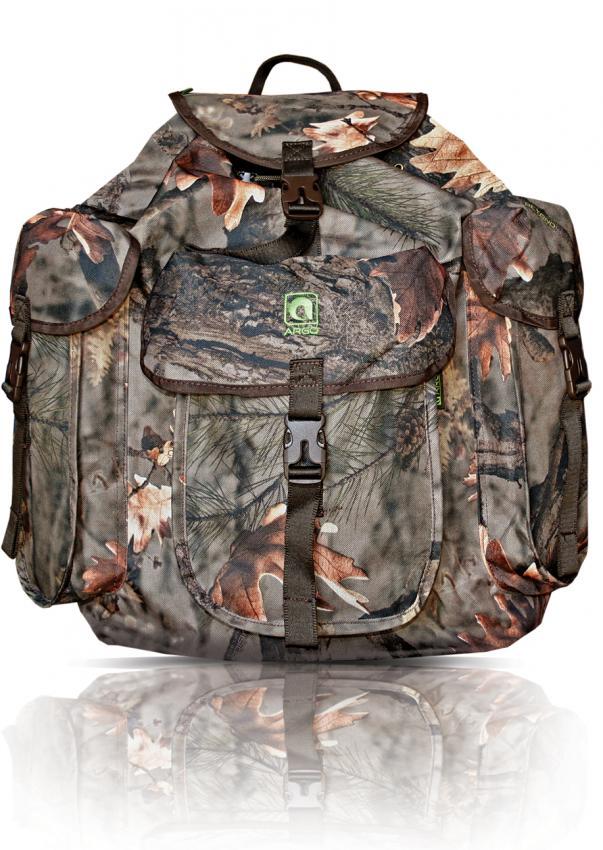
The Hillman Hunting Backpack ARGO® Camouflage is made of durable fabric, featuring multiple pockets and a buckle strap. It has a green logo patch on the front flap and an earthy color palette, resembling a forest setting.

Medžioklės kuprinė ARGO® kamufliažinė

Pardavimo kaina35.00 EURReguliari kaina 49.00 EUR

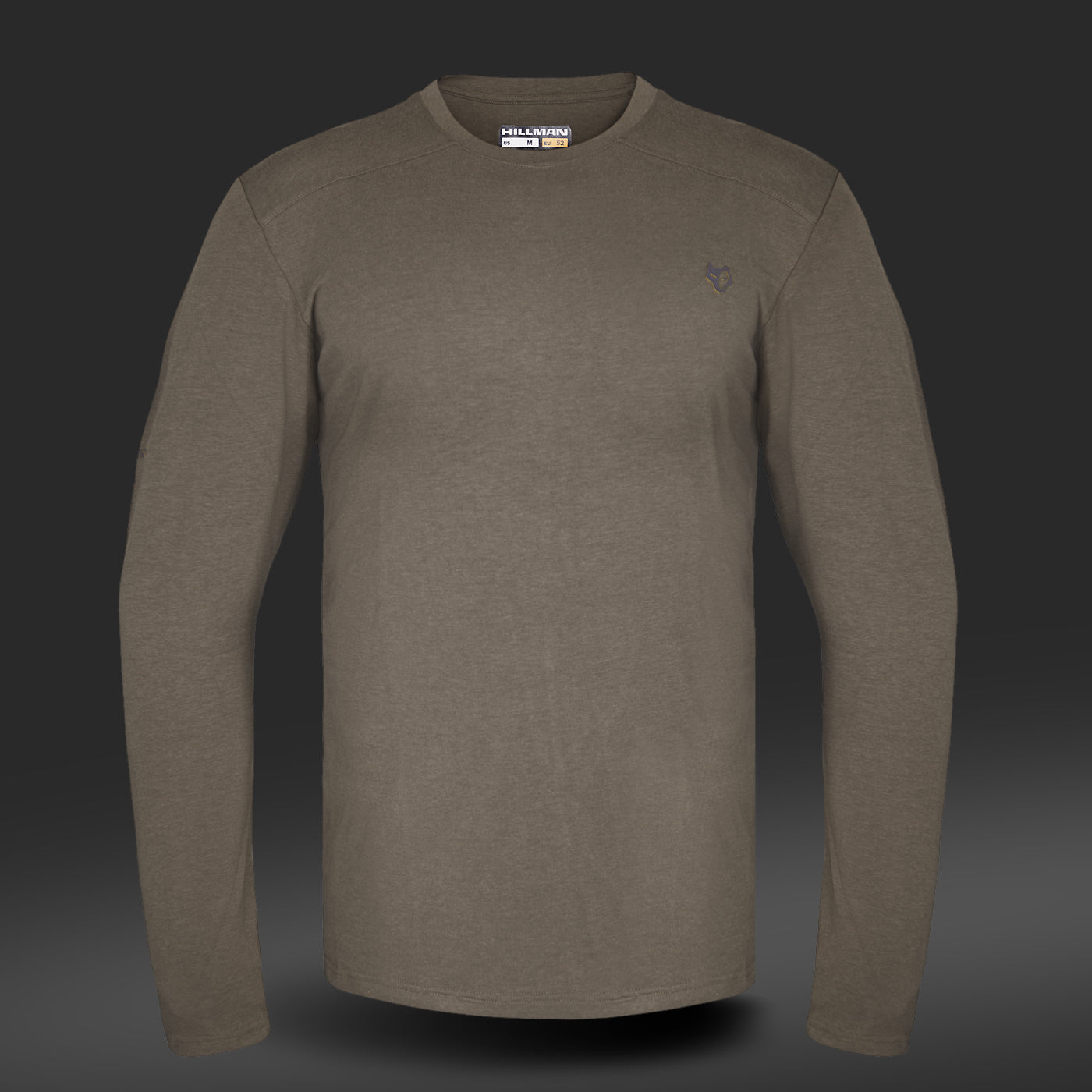
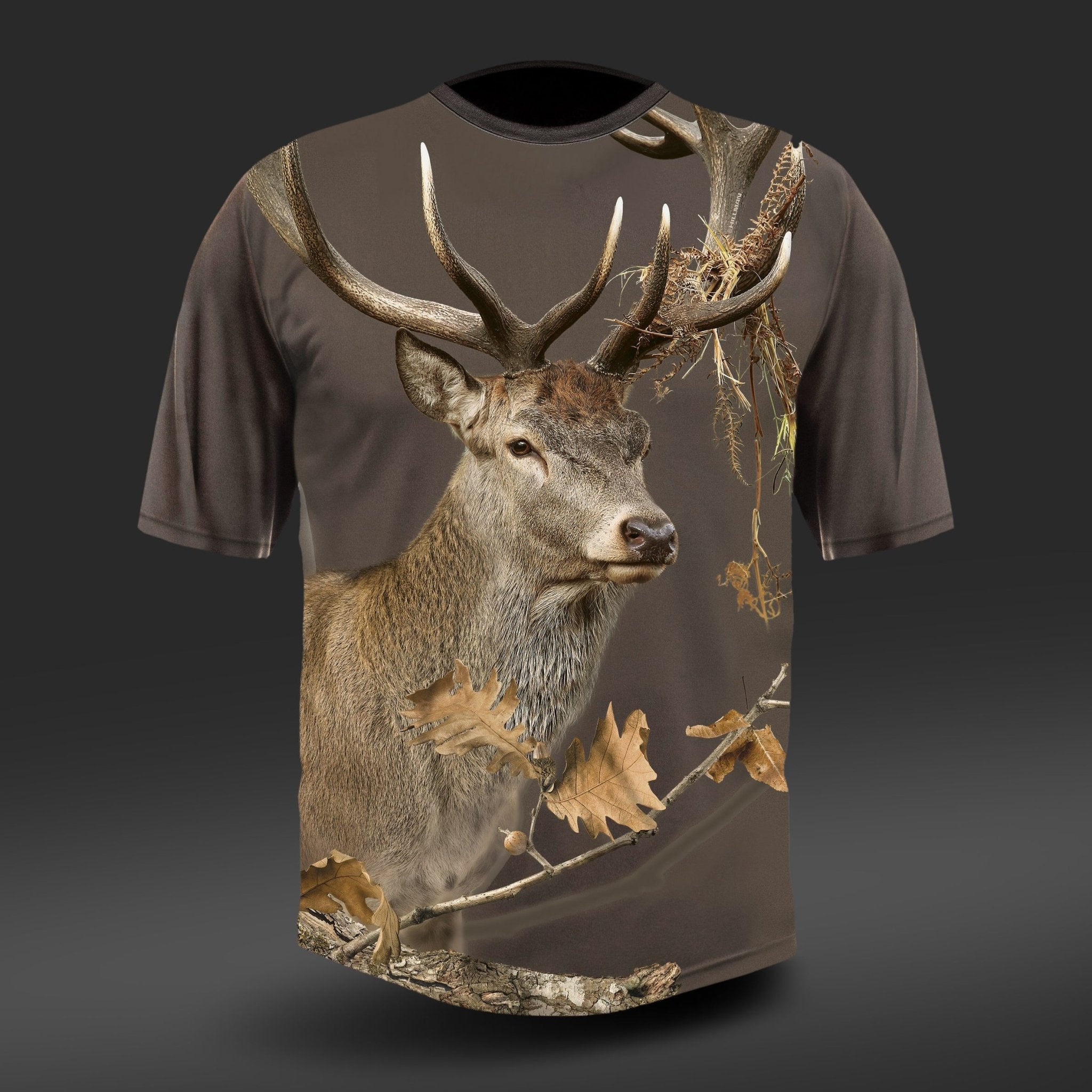
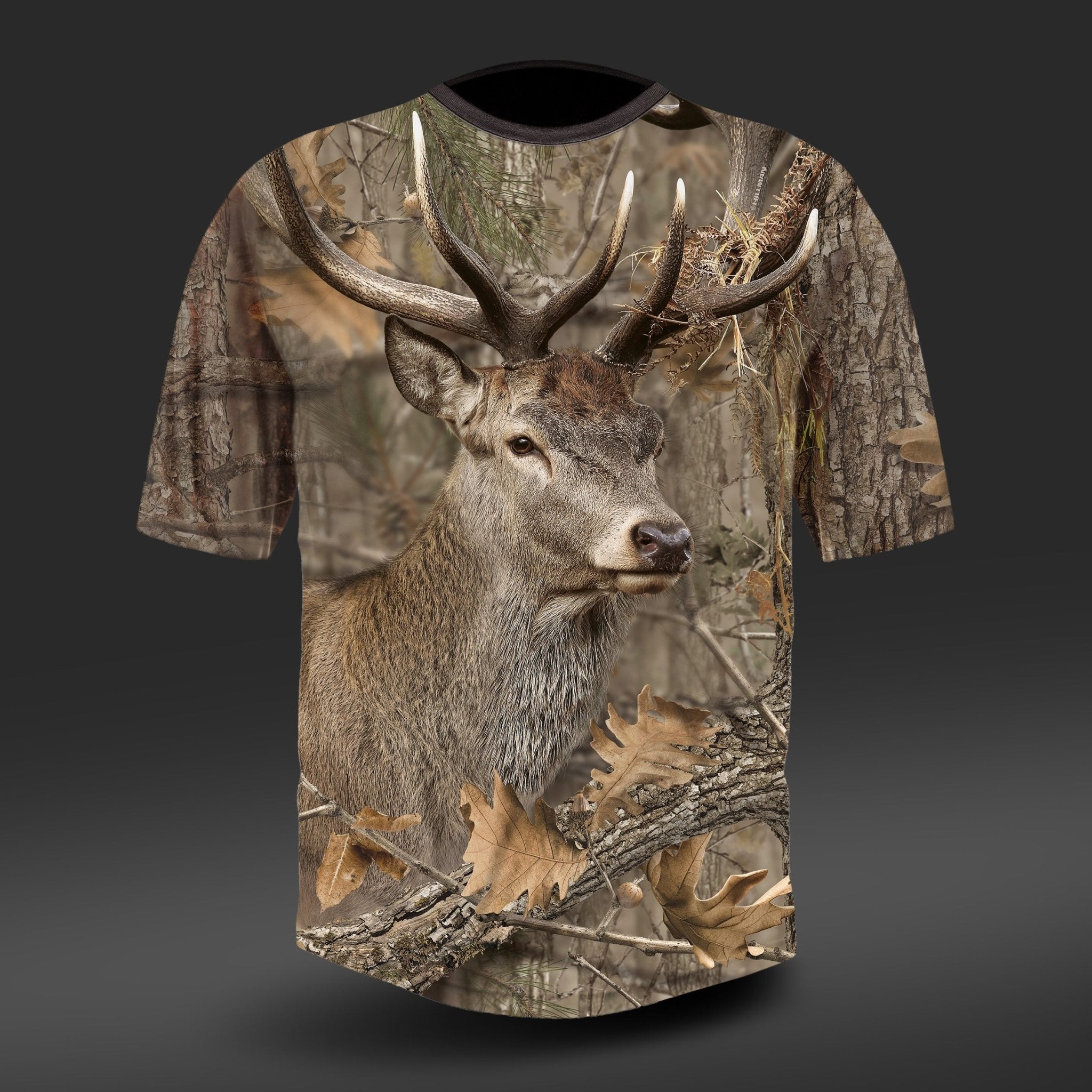
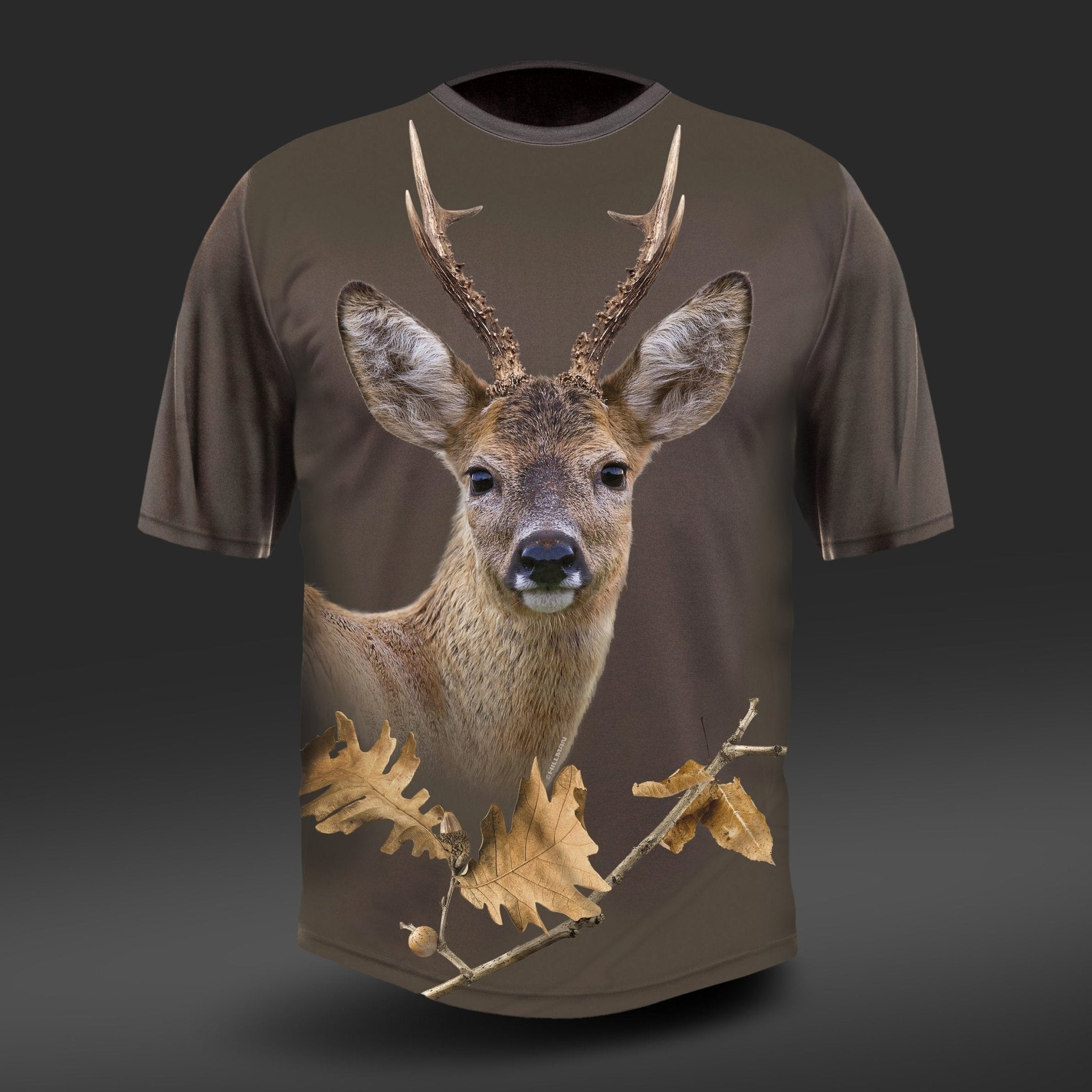
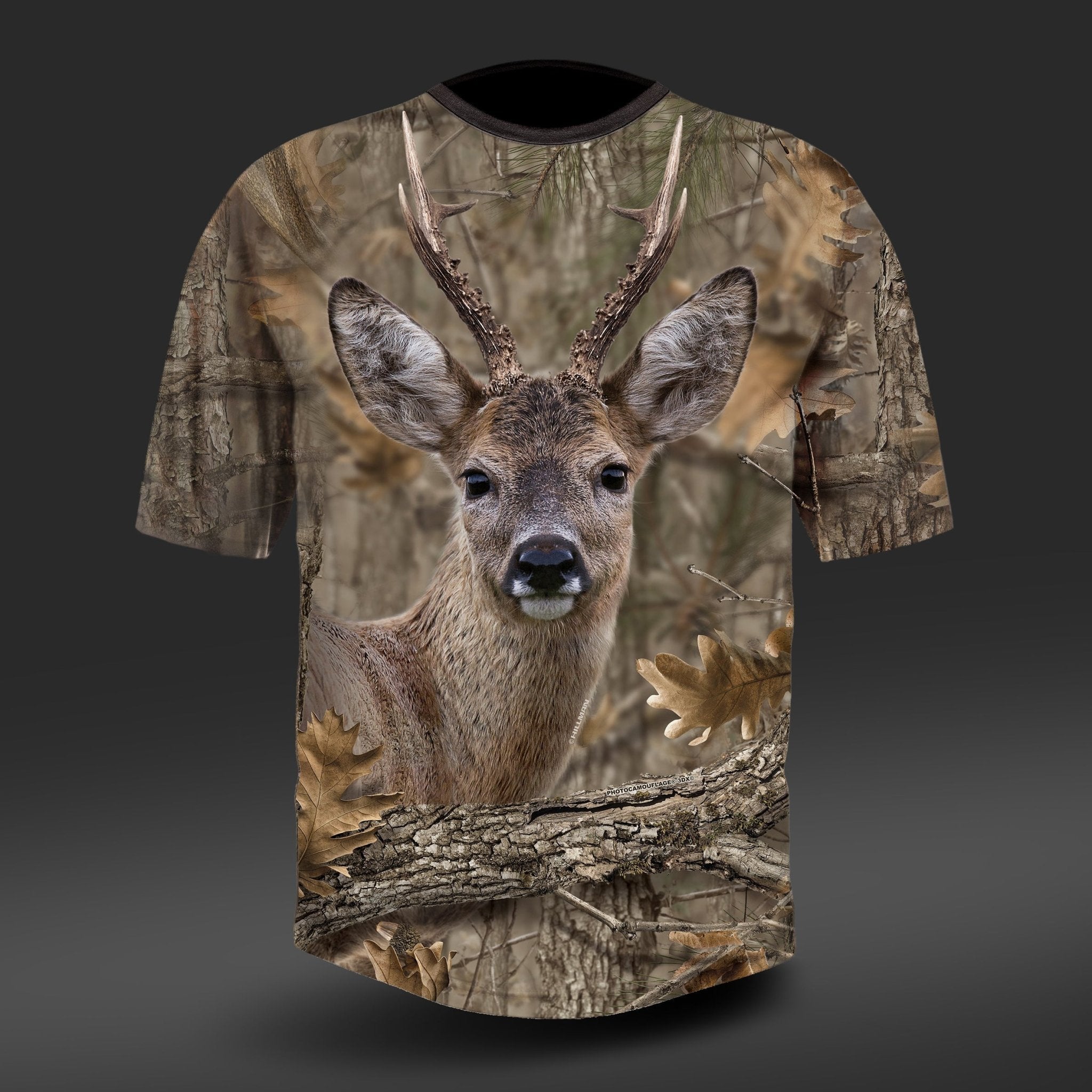
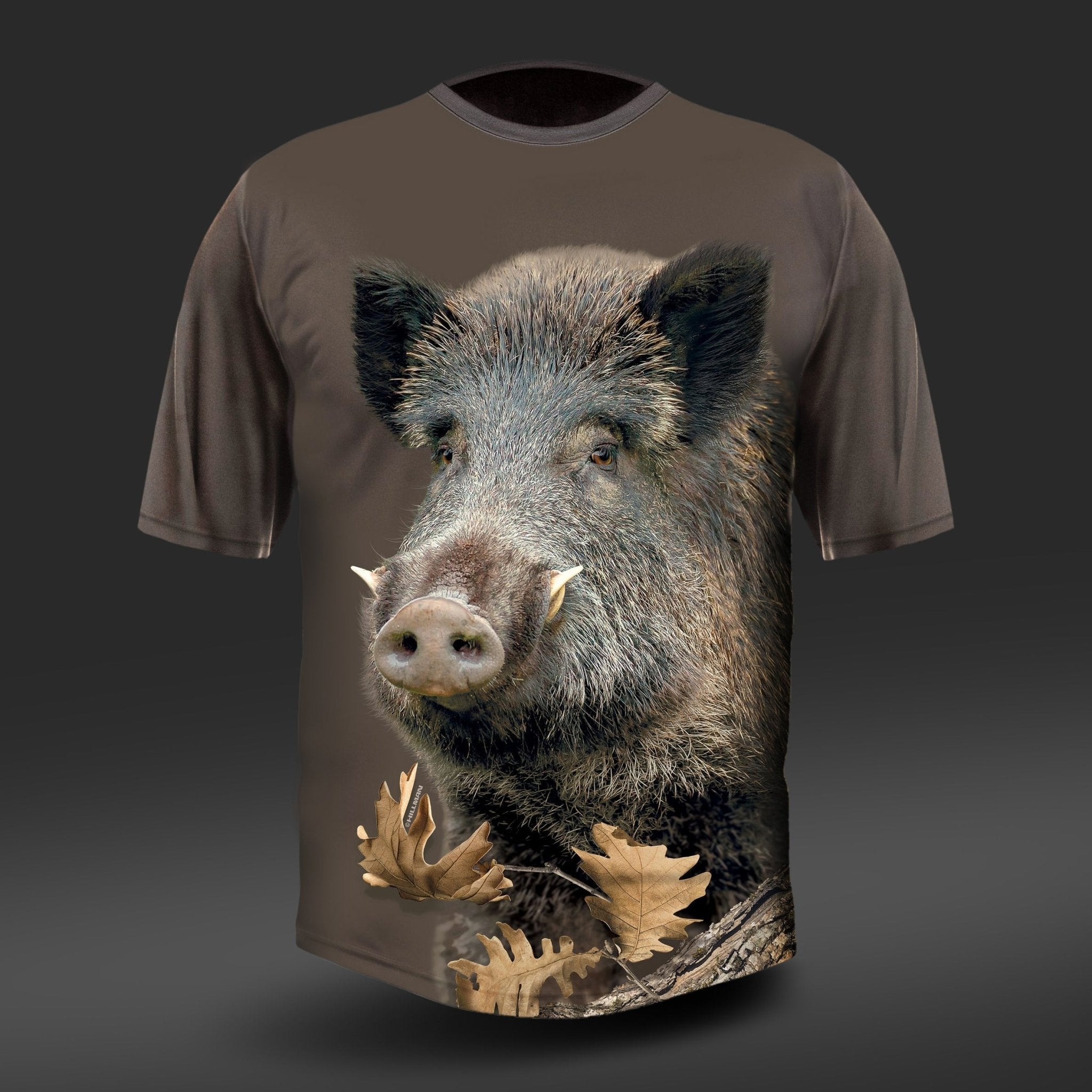
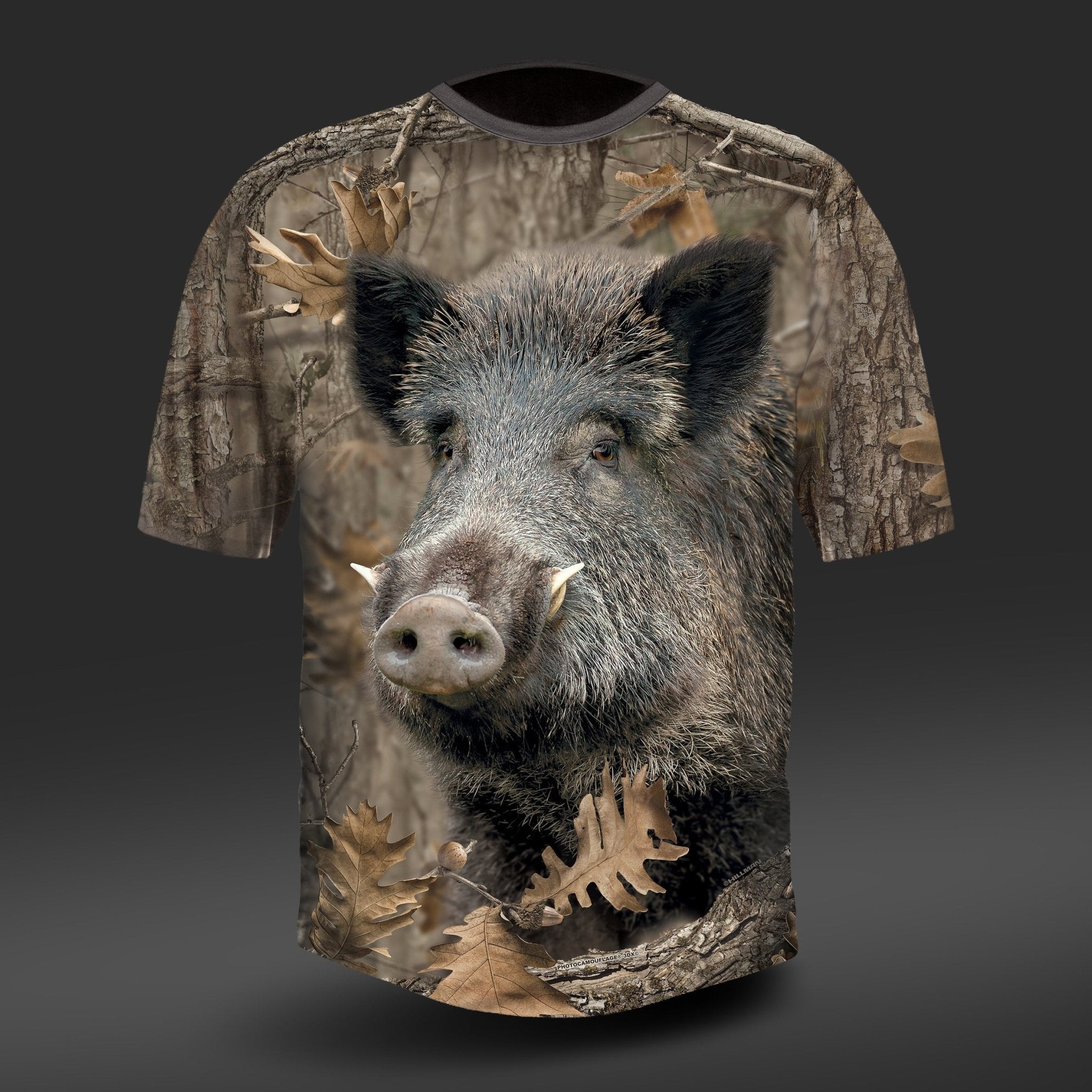
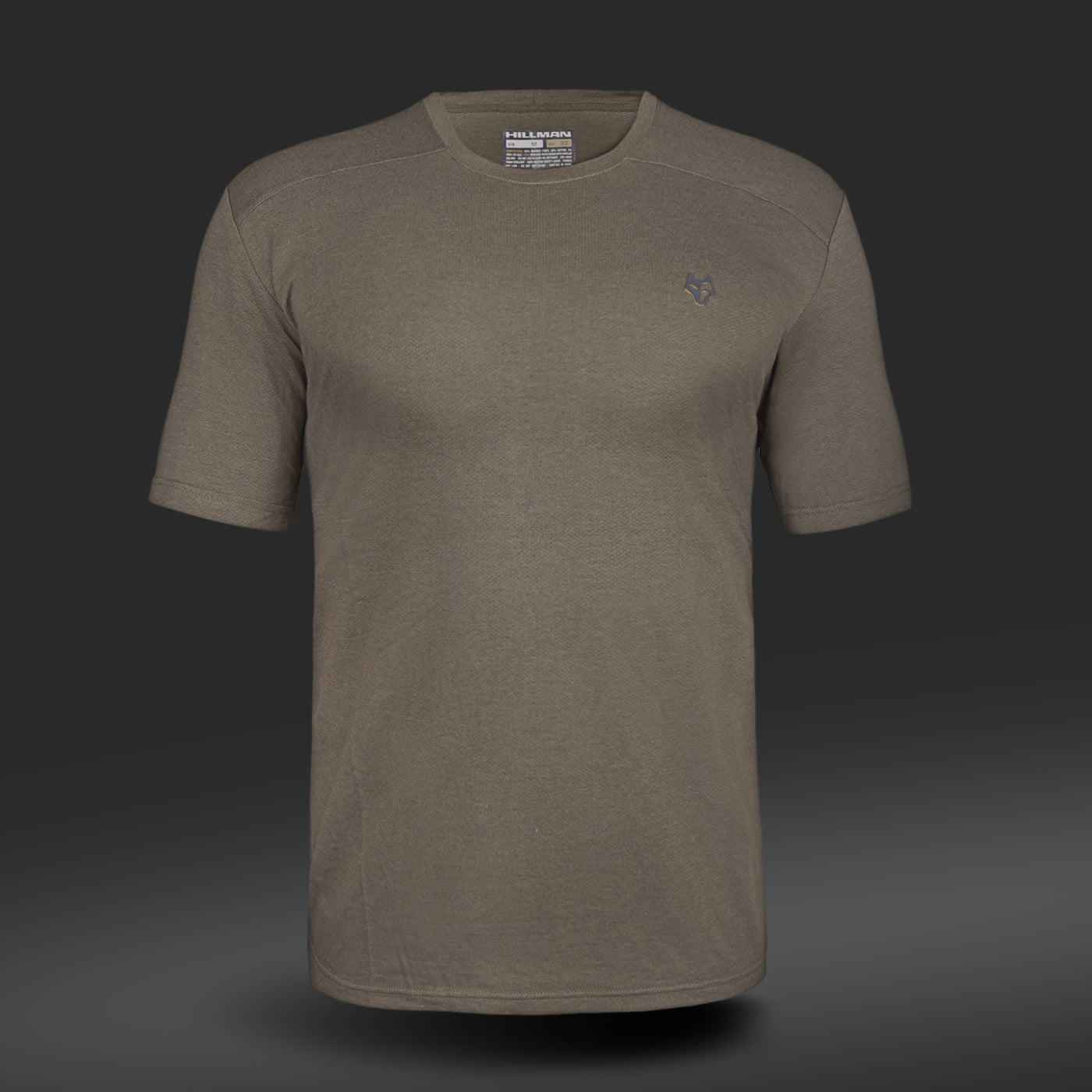
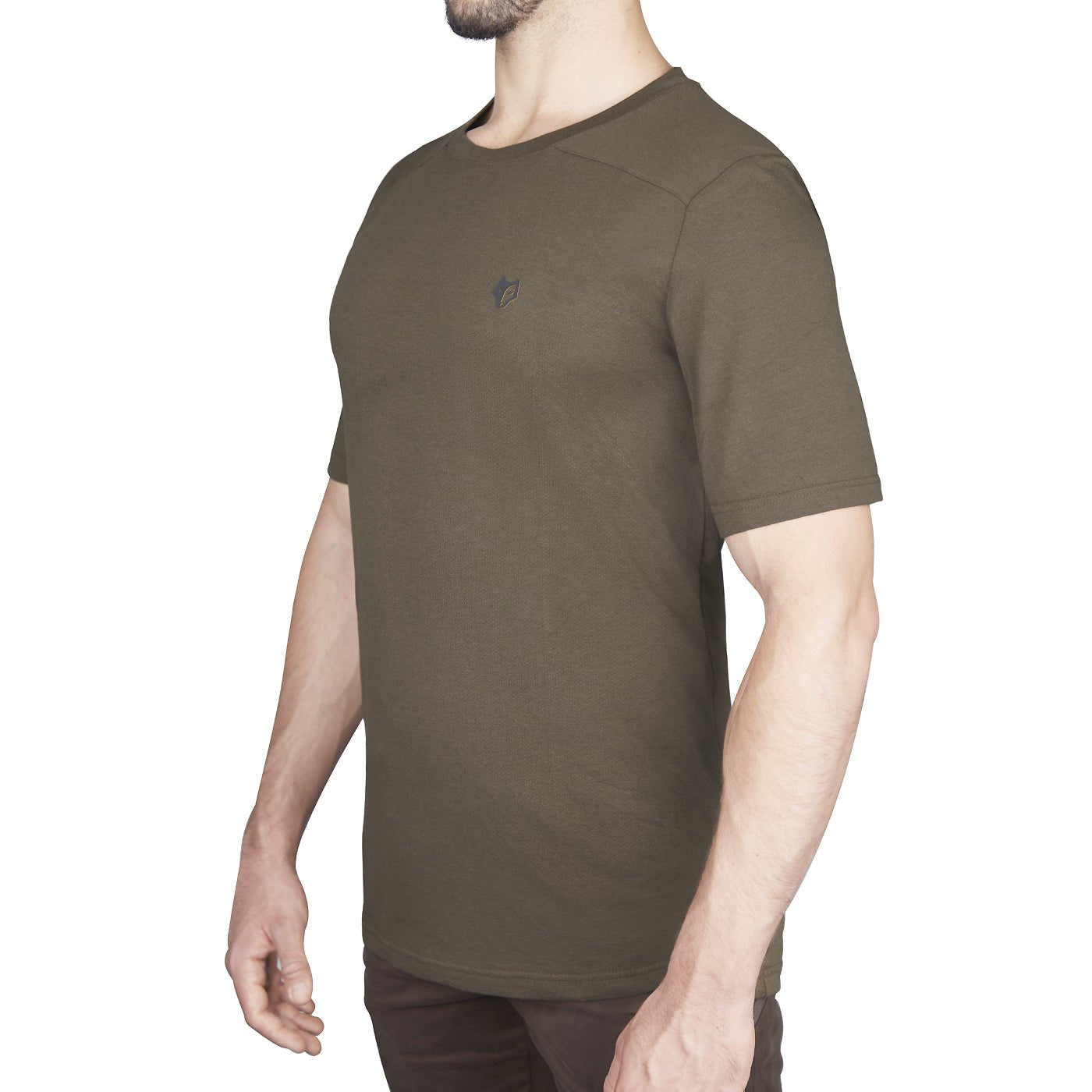
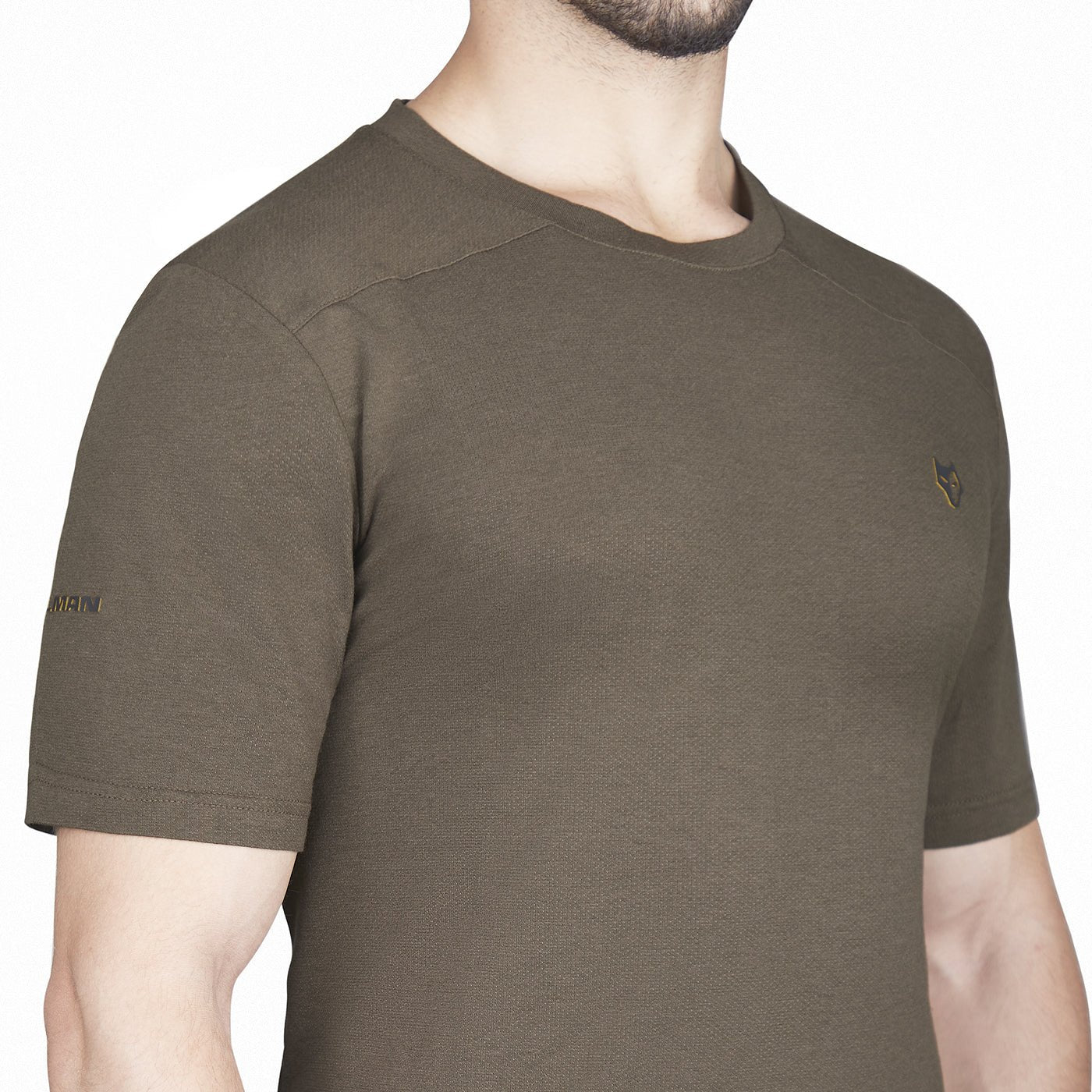
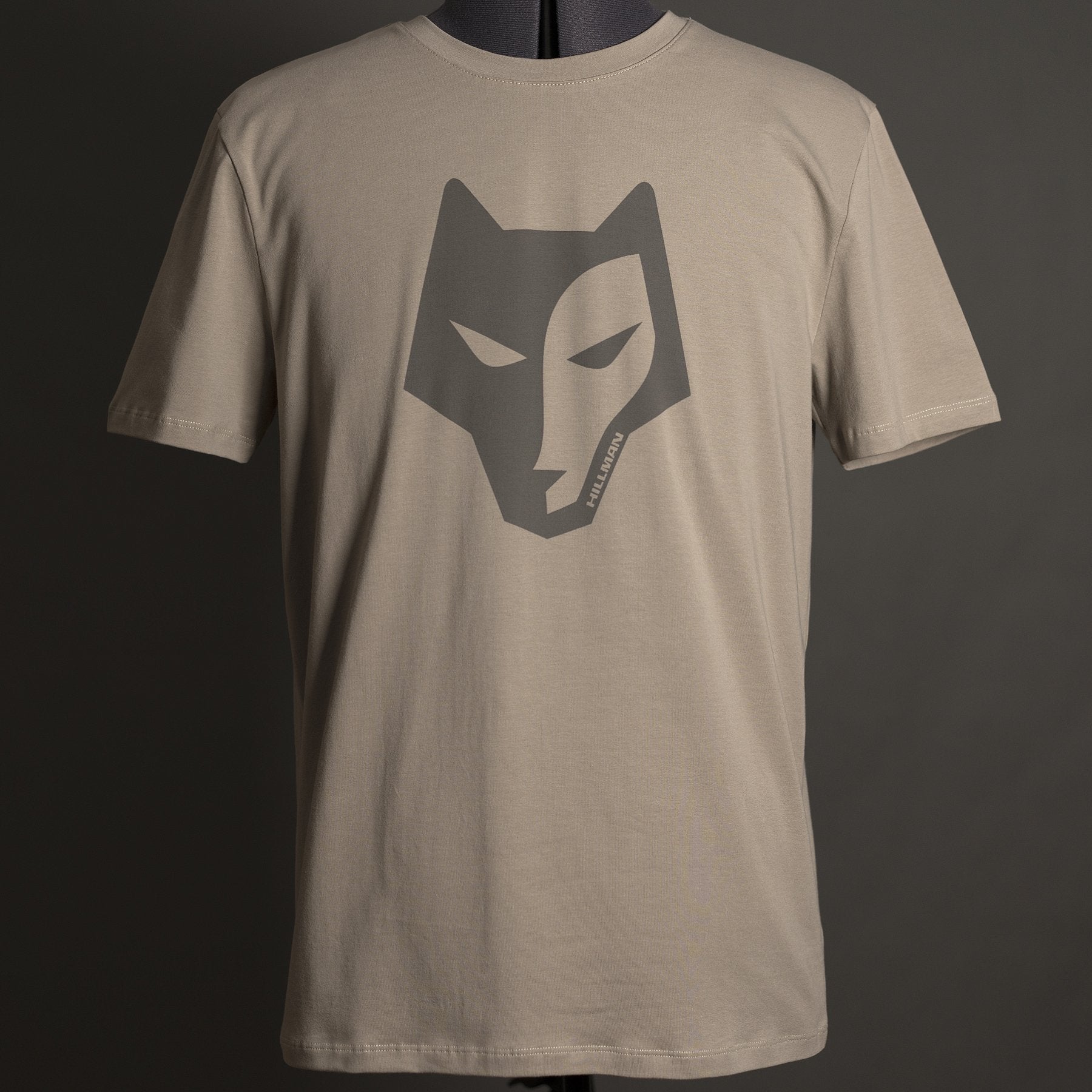
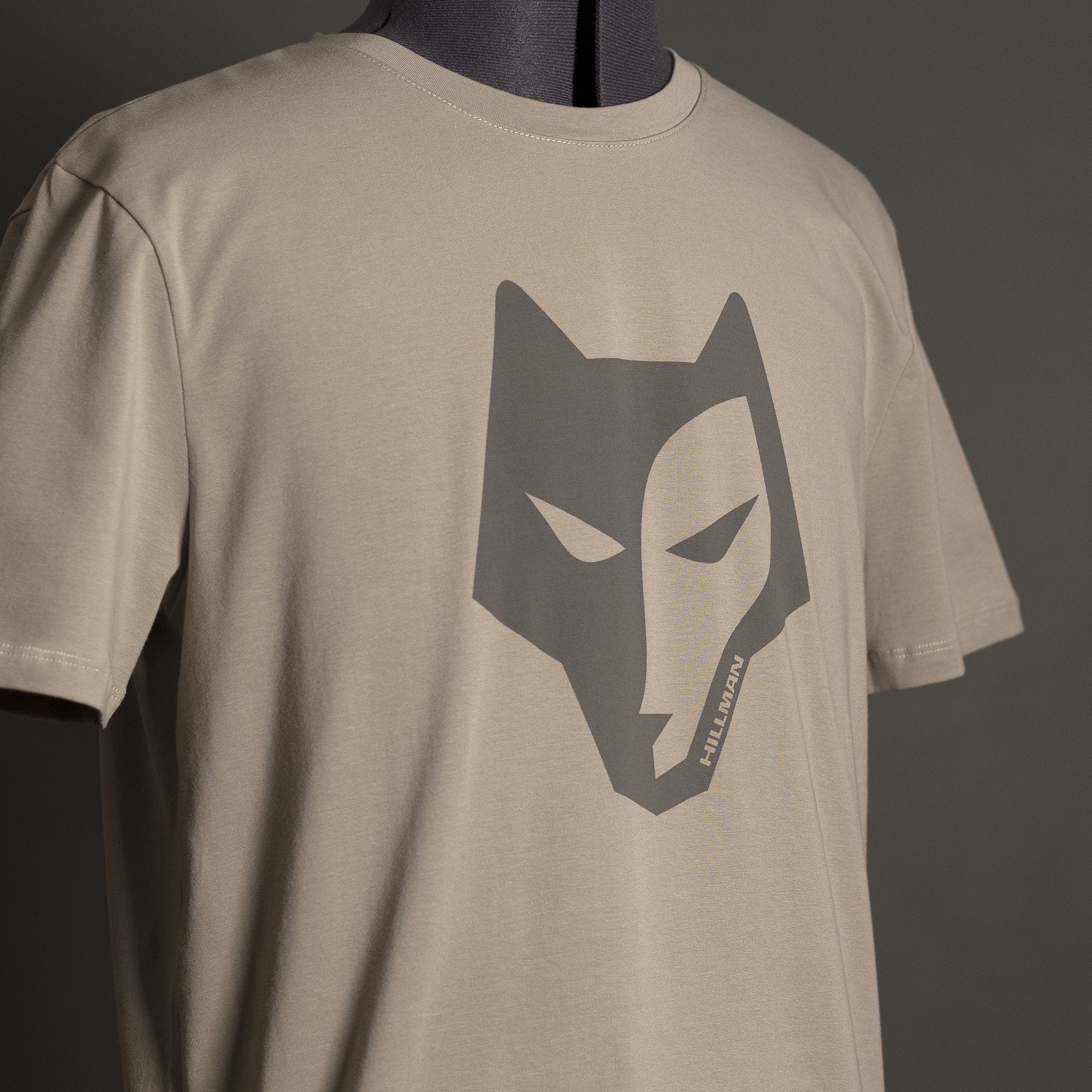
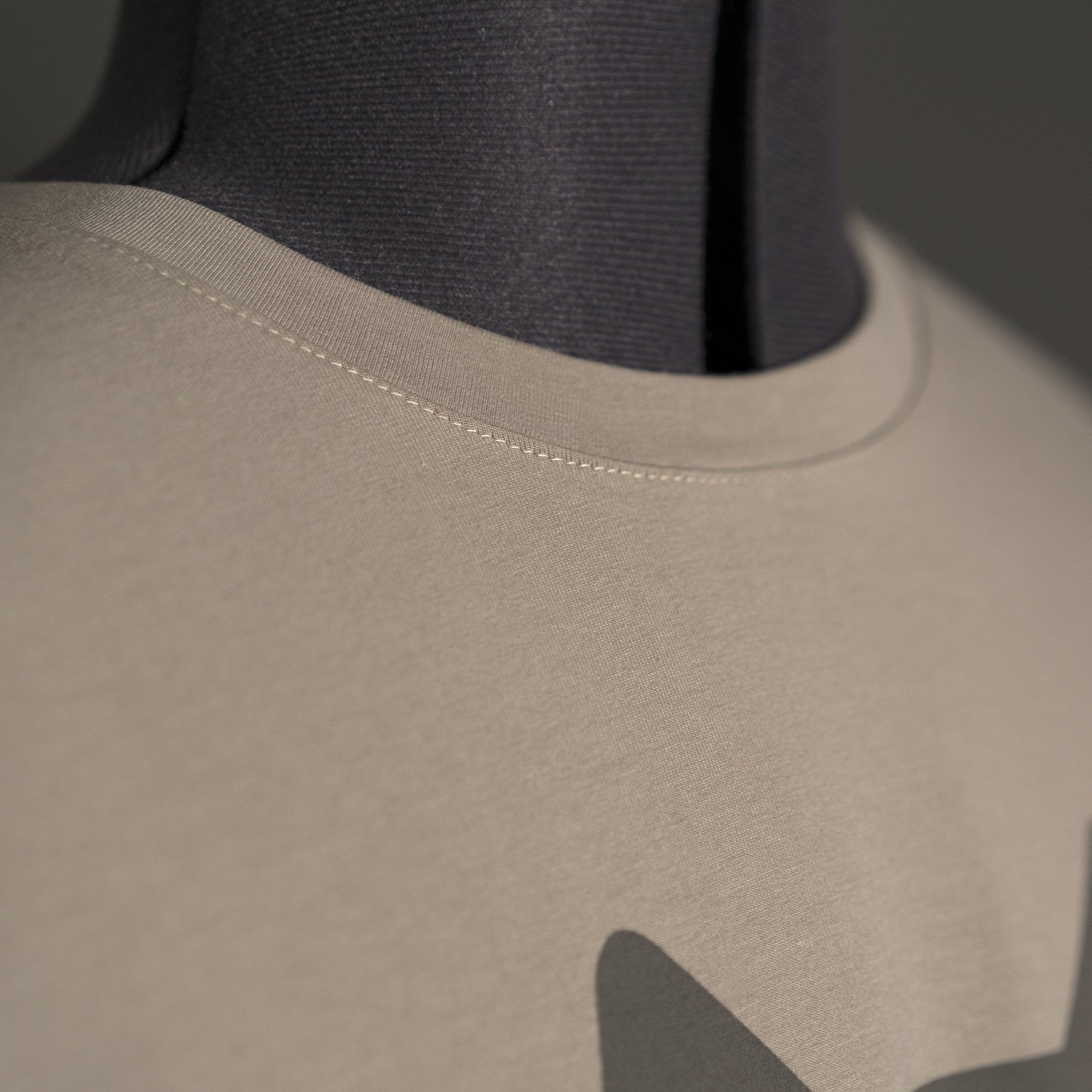
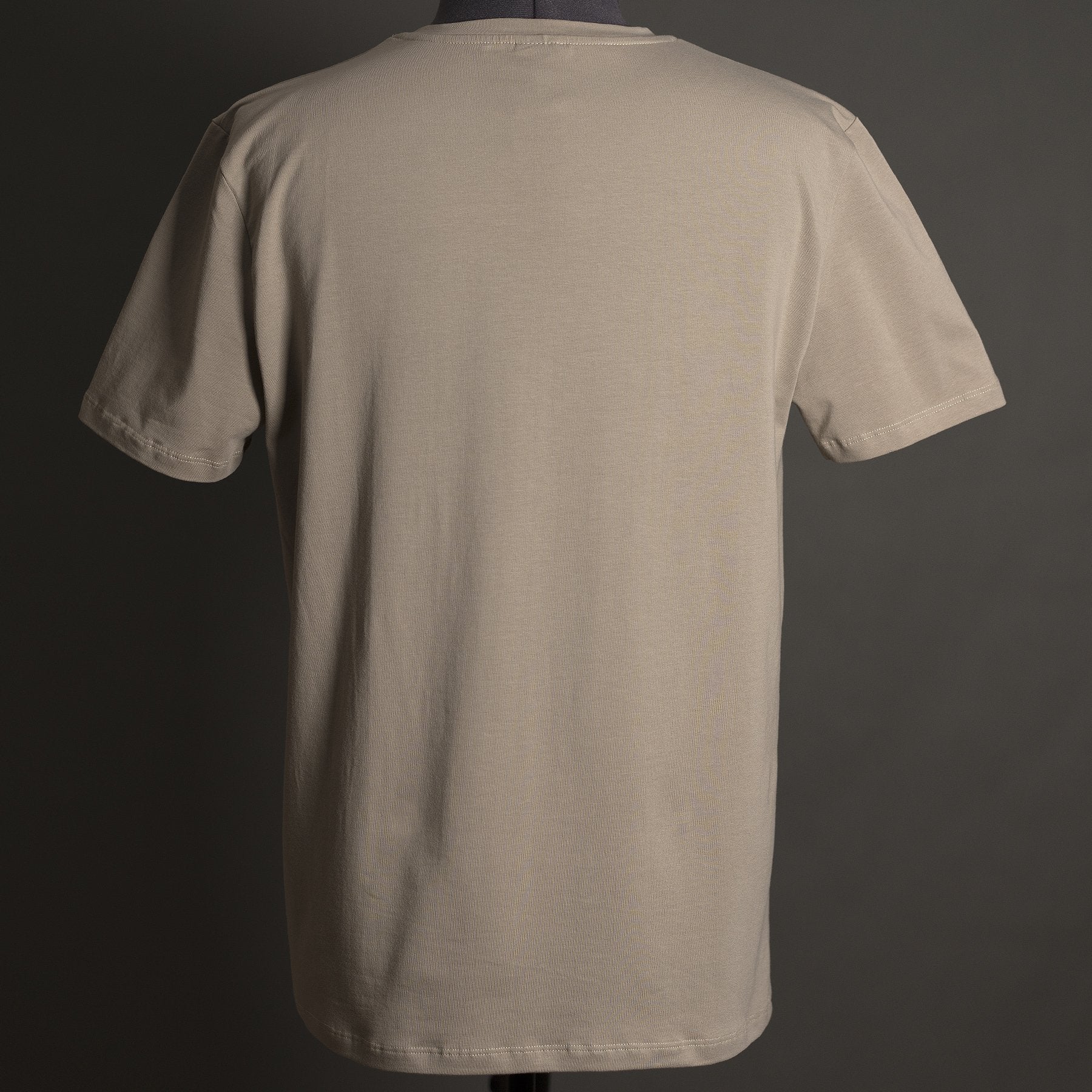
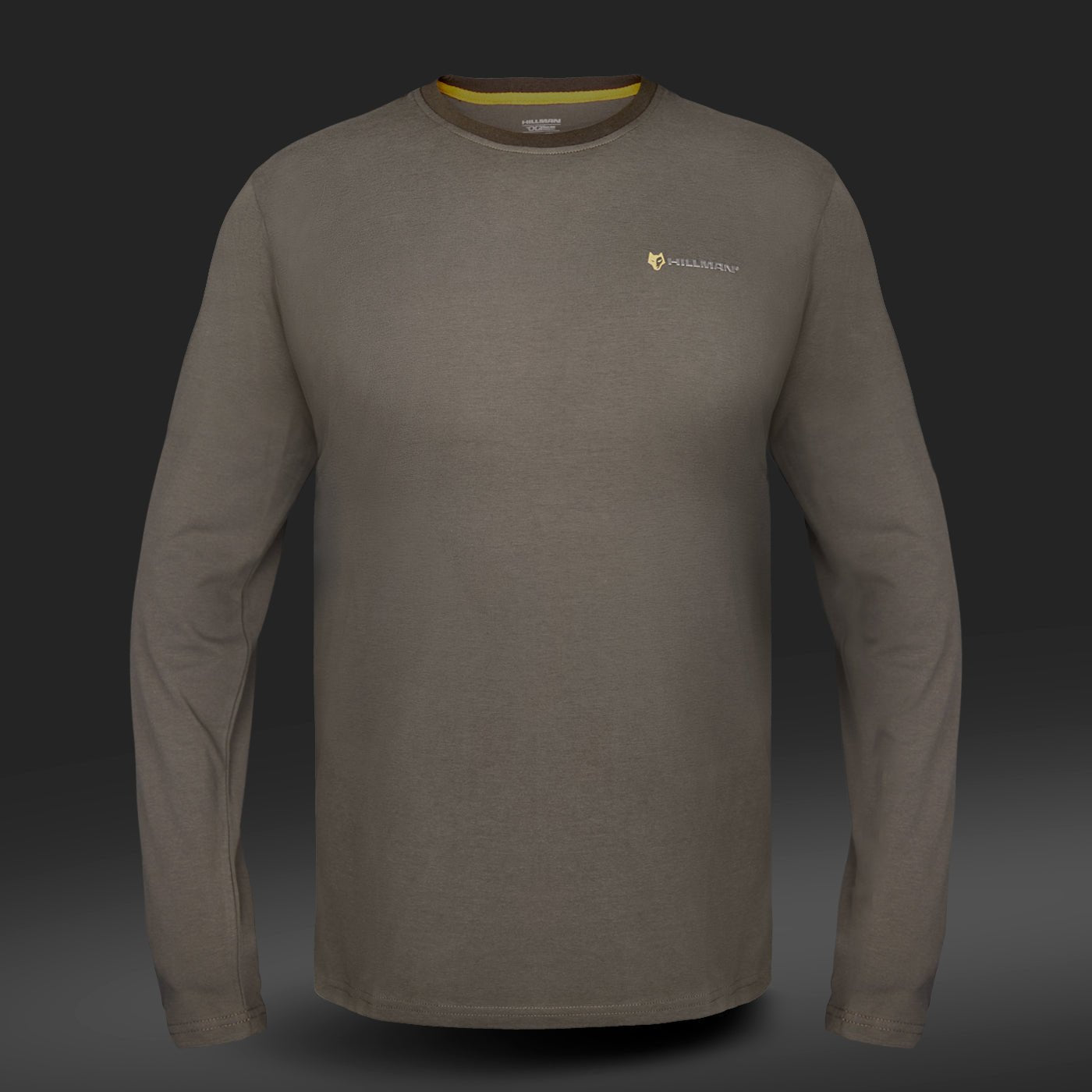
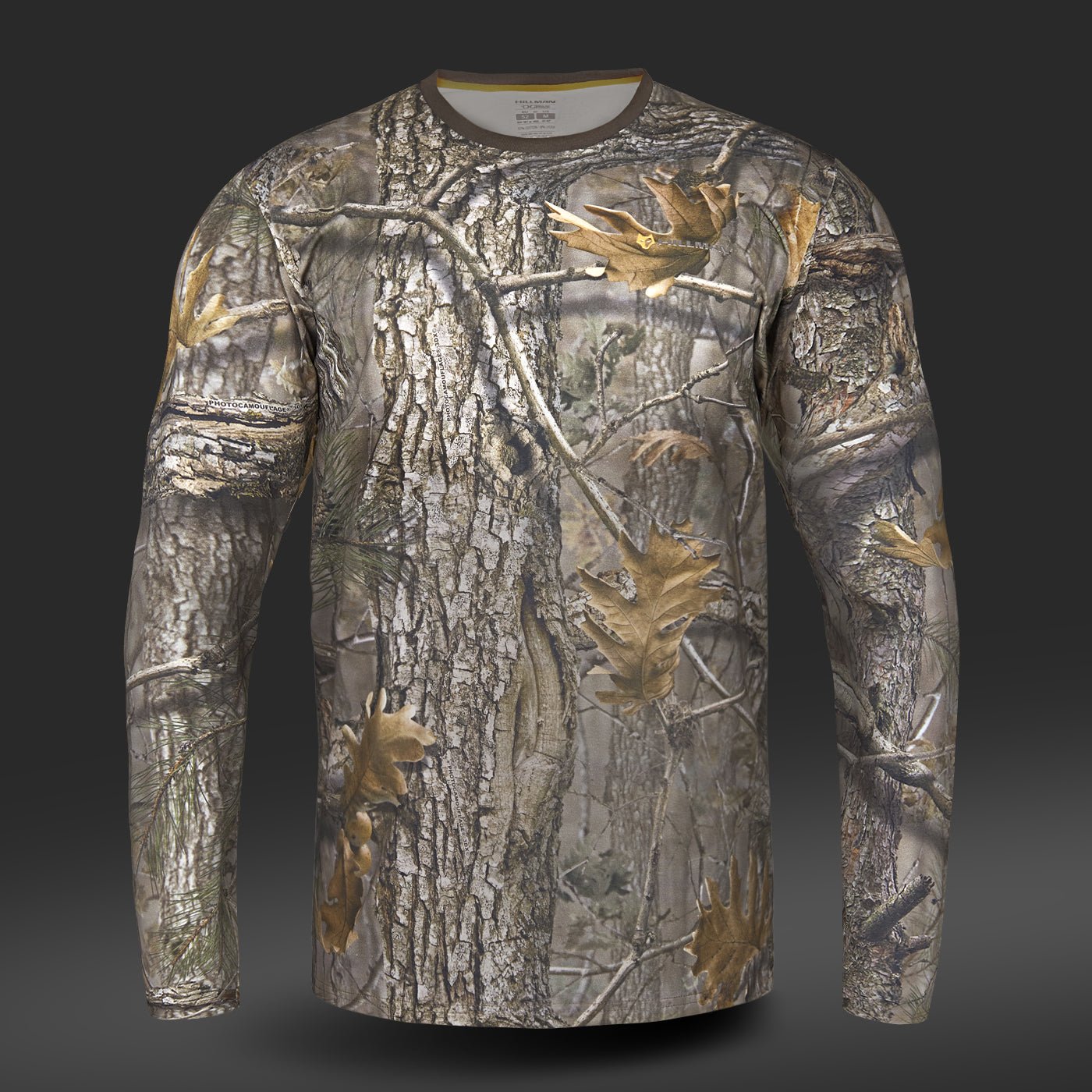
Alfa marškinėliai

Pardavimo kaina29.00 EURReguliari kaina 49.00 EUR
4.8
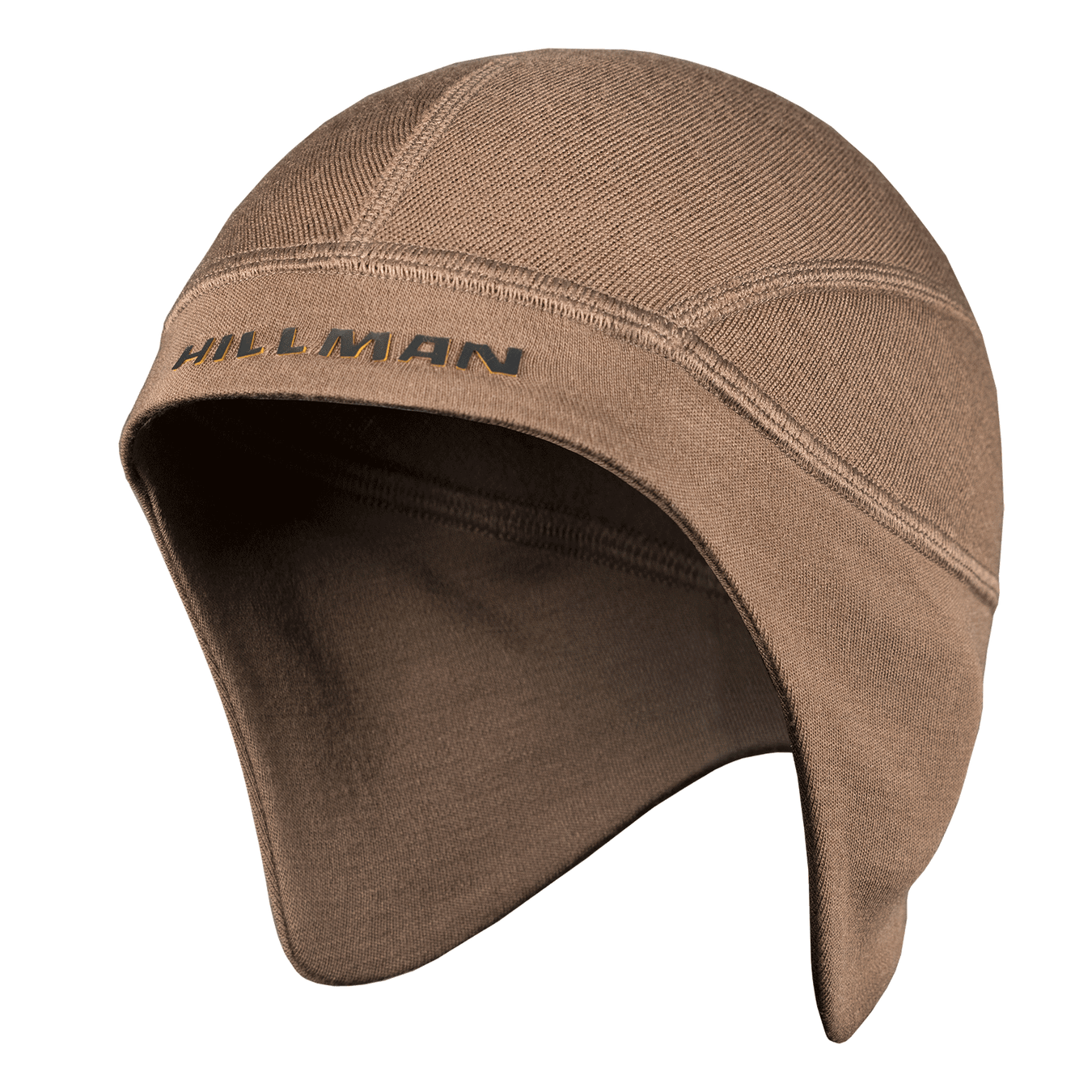
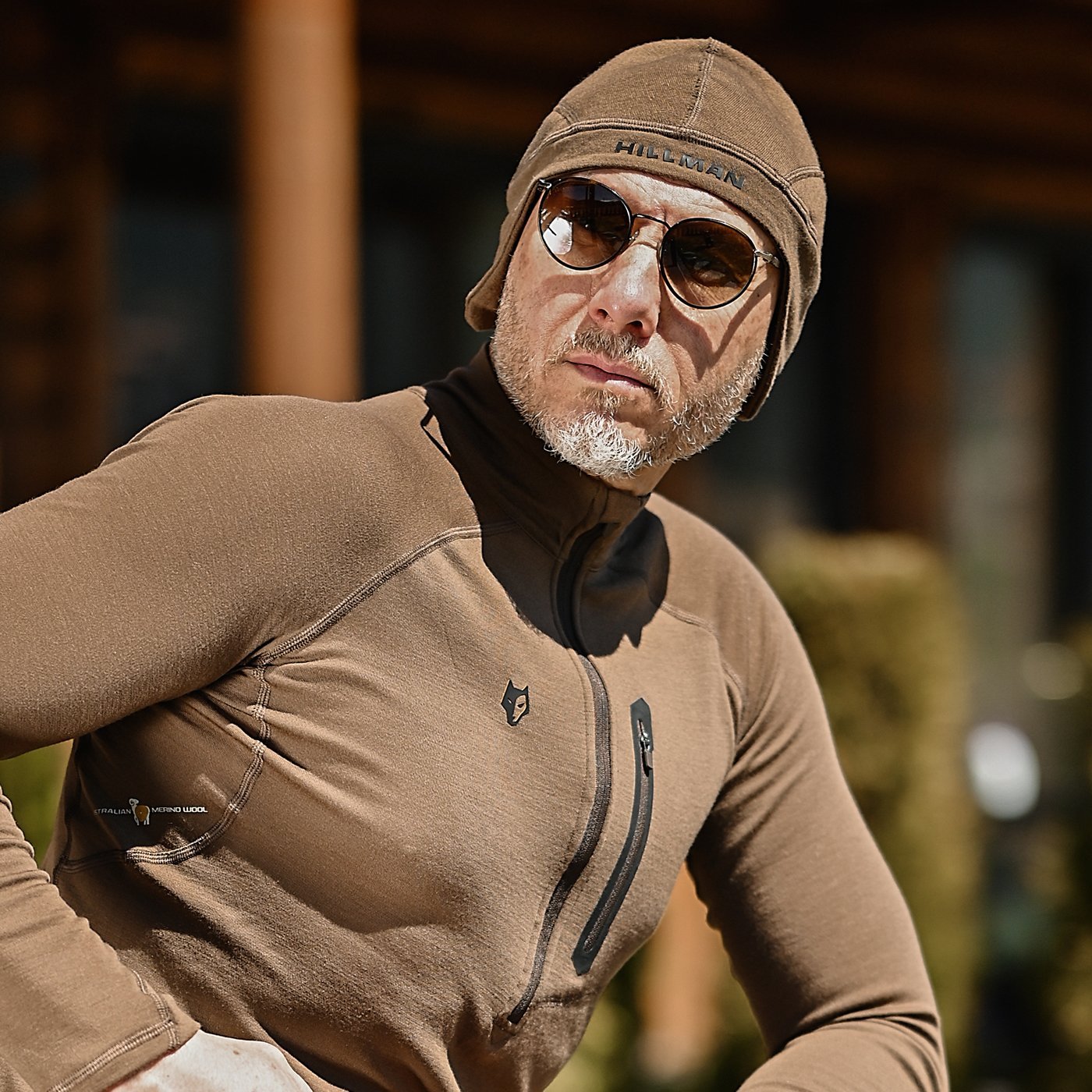
best_[16μm] Anatomic Merino Beanie_2025_top - mens_womens_gear_hillman

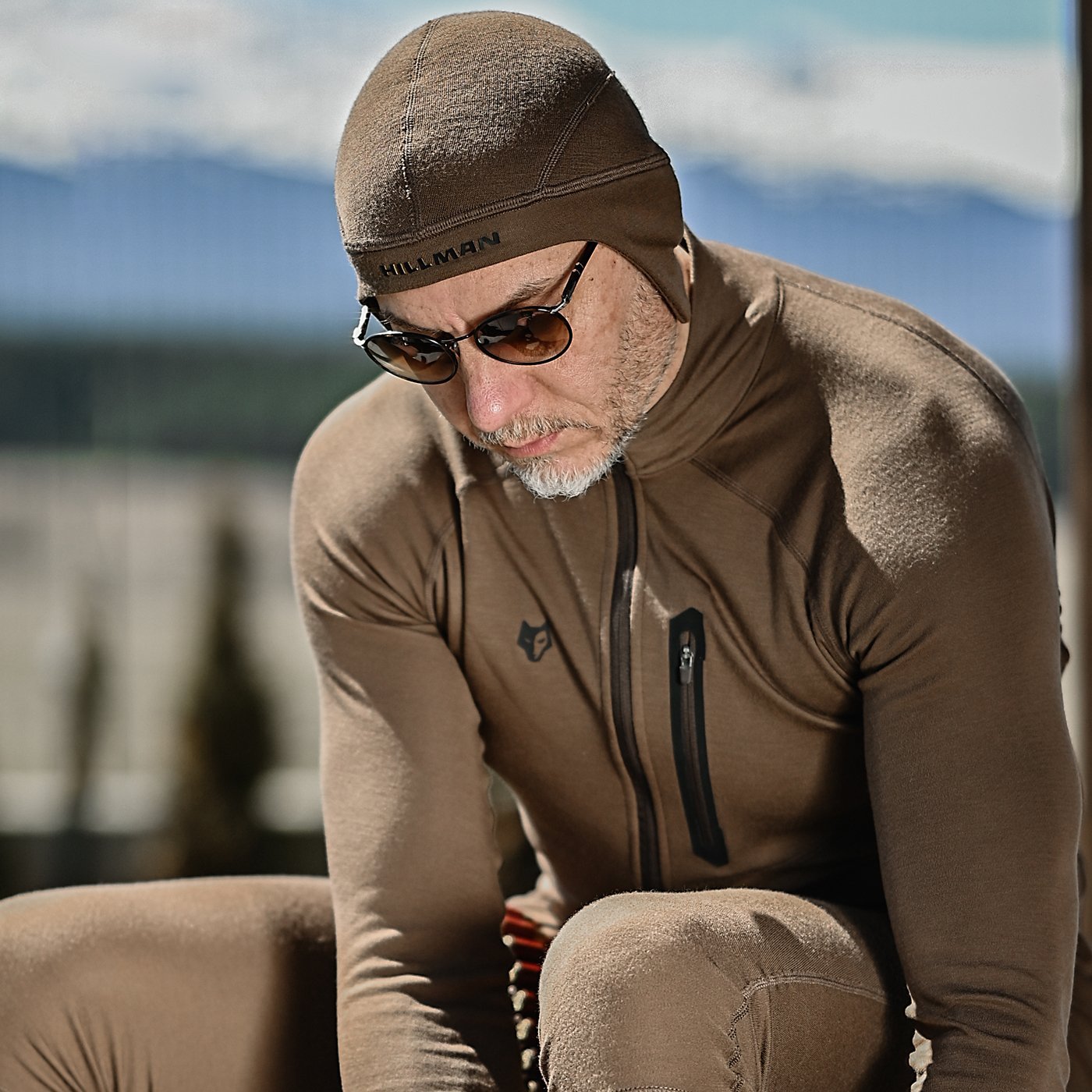
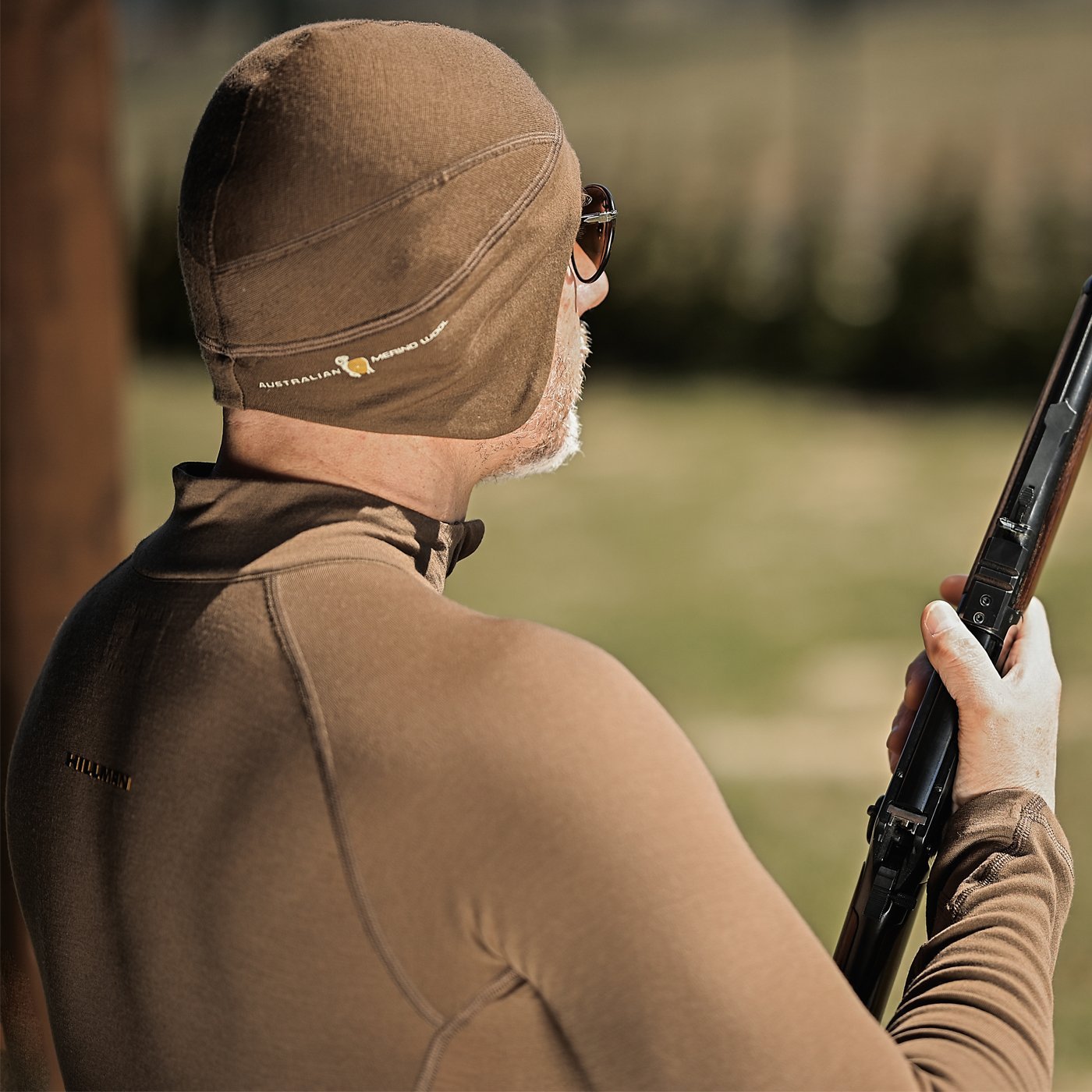
[16 μm] Anatominė merino vilnos kepurė
Pardavimo kaina29.00 EURReguliari kaina 39.00 EUR

Sezono geriausi: svarbiausių prekių pasirinkimai

Tvarkingai išbandyta ir įrodyta, kad tai geriausia įranga bet kuriuo sezonu, sukurta sėkmingai tauriųjų elnių, stirnų, šernų, danielių, gemzių, muflonų, fazanų, kurapkų, ančių, žąsų, tetervinų ir slankų medžioklei.

Įvaldykite kiekvieną lemiamą medžioklės datą su mūsų patikimiausia sezono įranga. Nuo pirmosios dienos iki rujos įkarščio šie lauke patikrinti būtini daiktai užtikrina išskirtinį našumą, kai sėkmė svarbiausia. Kiekvienas daiktas yra atrenkamas ir išbandytas atsižvelgiant į konkrečius briedžių, elnių, kalakutų ir ančių medžioklės sezonų poreikius.

Svarbiausia įranga, geriausias našumas:

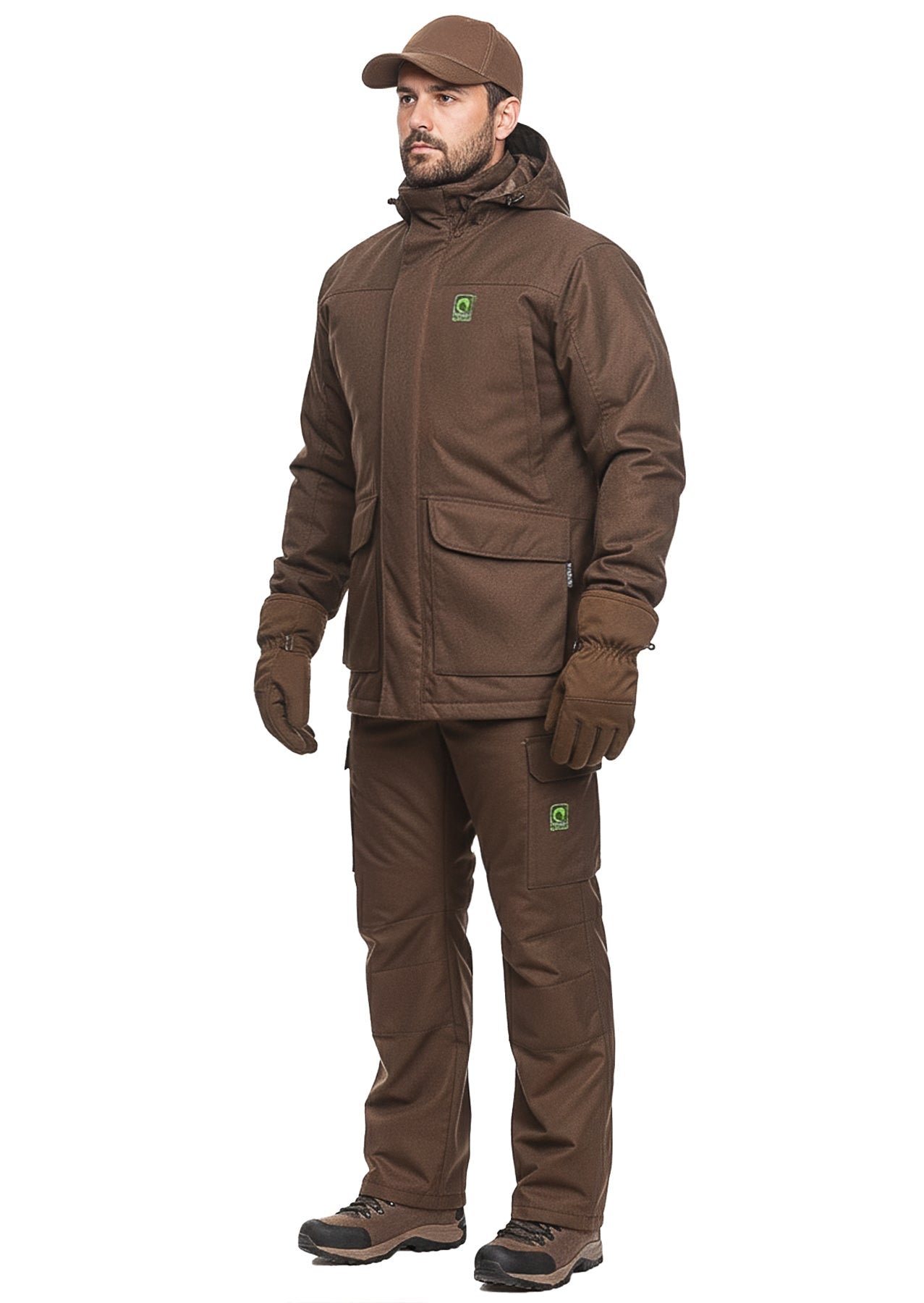
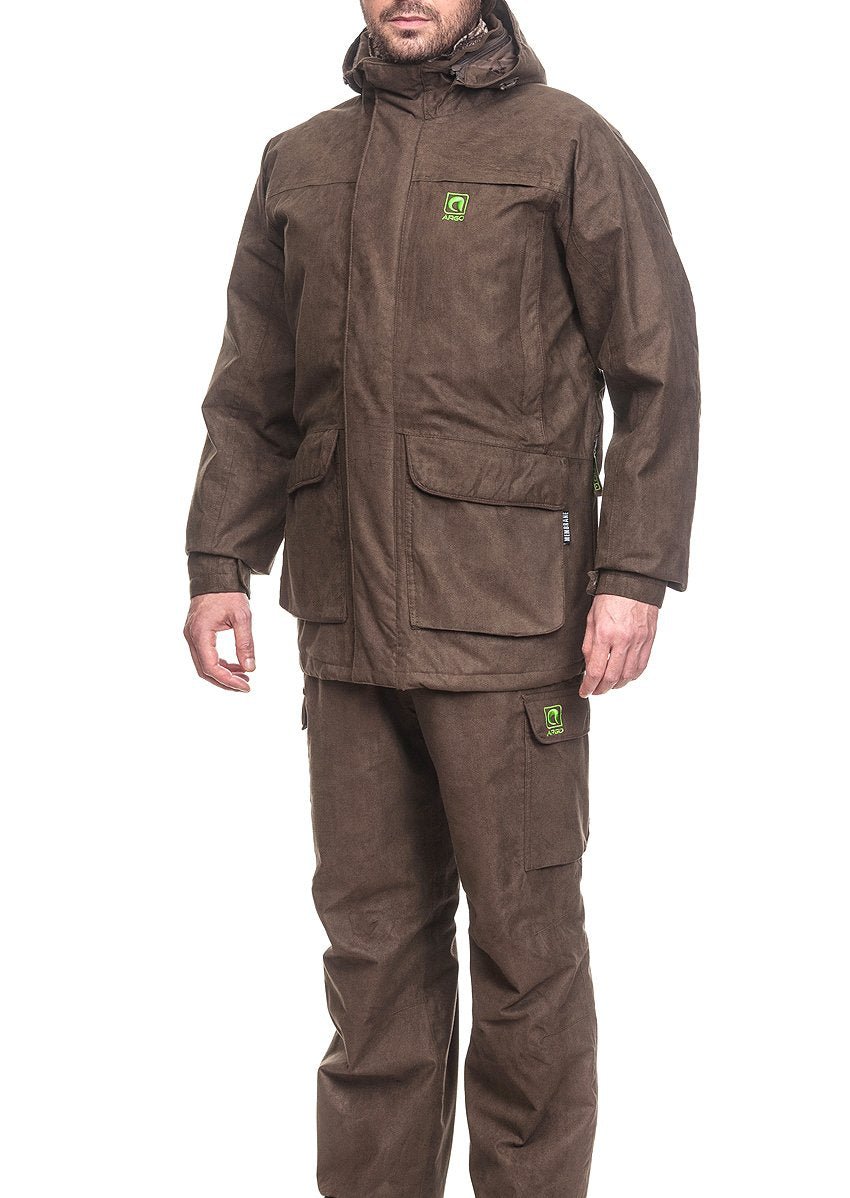
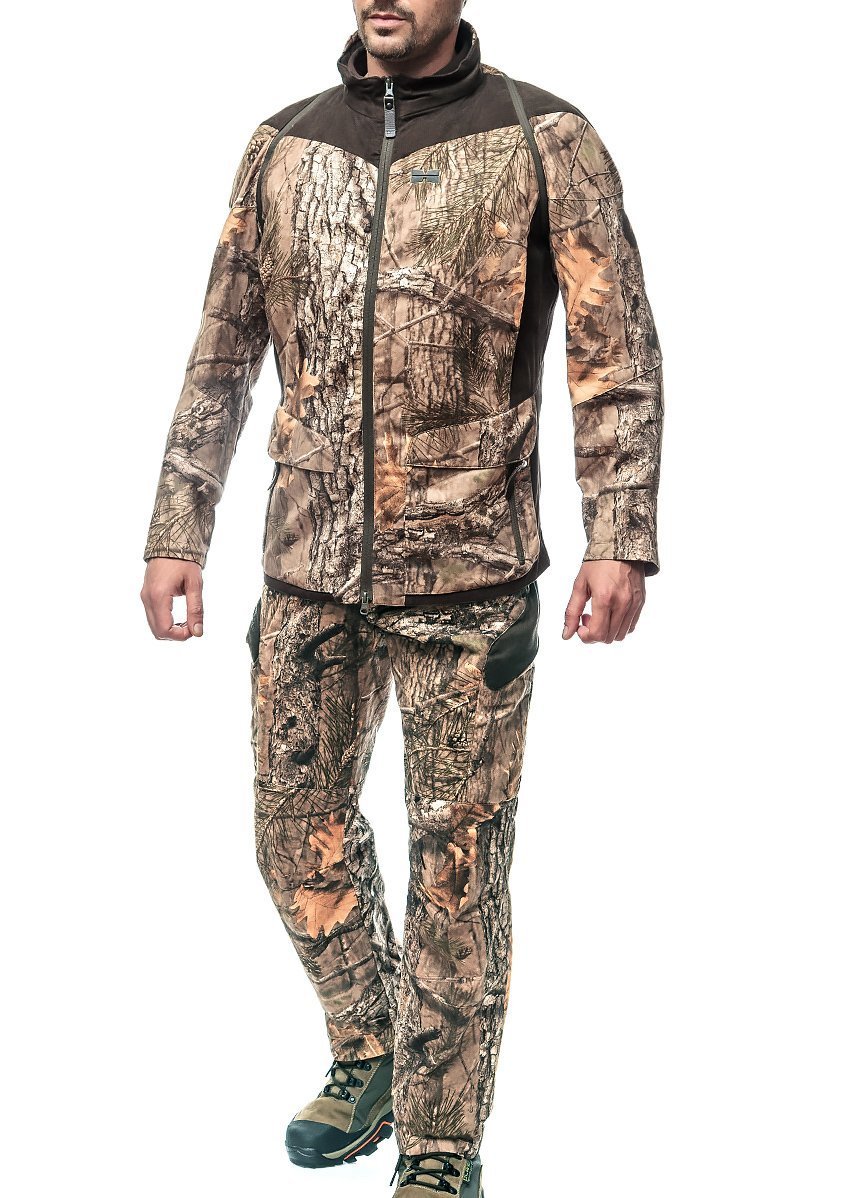
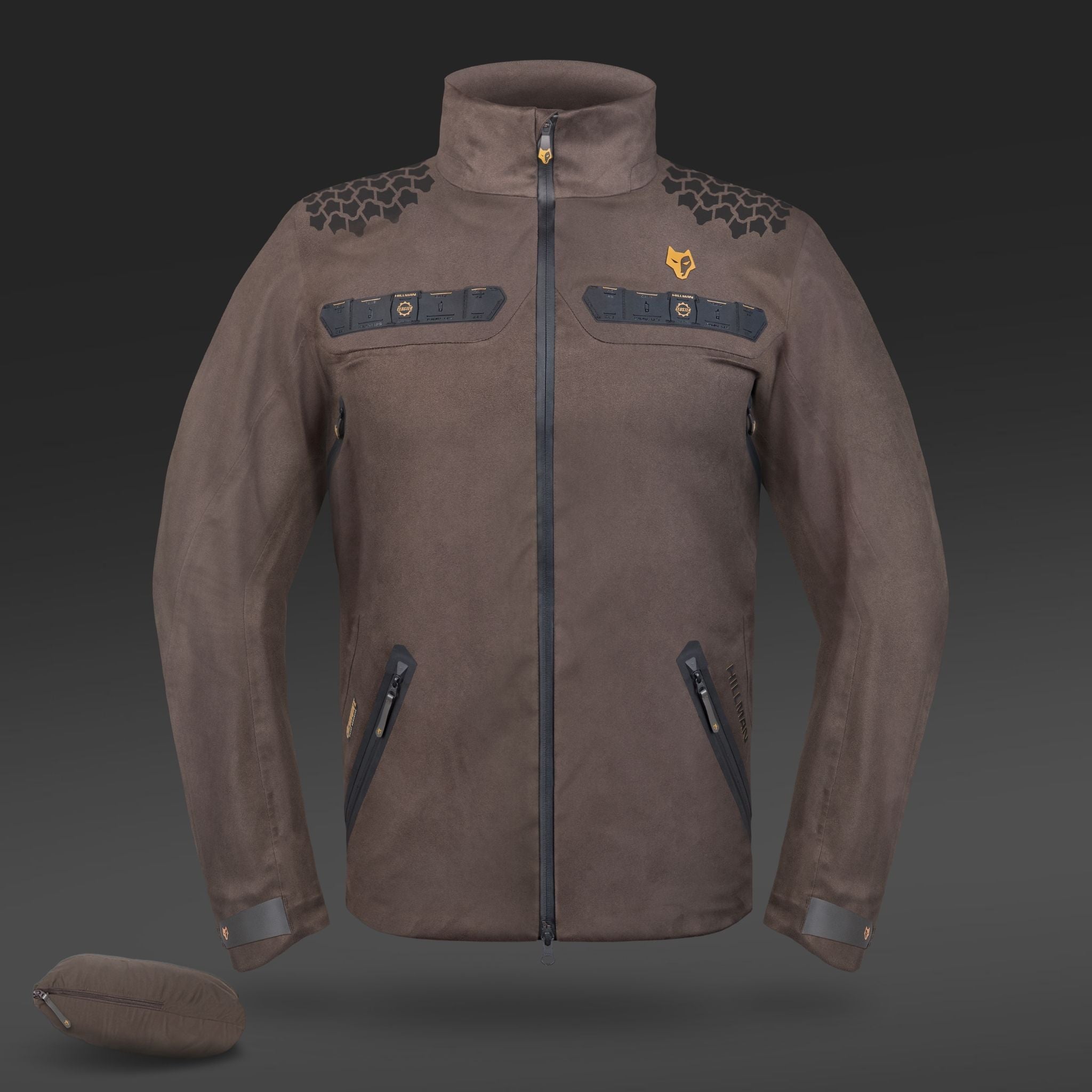
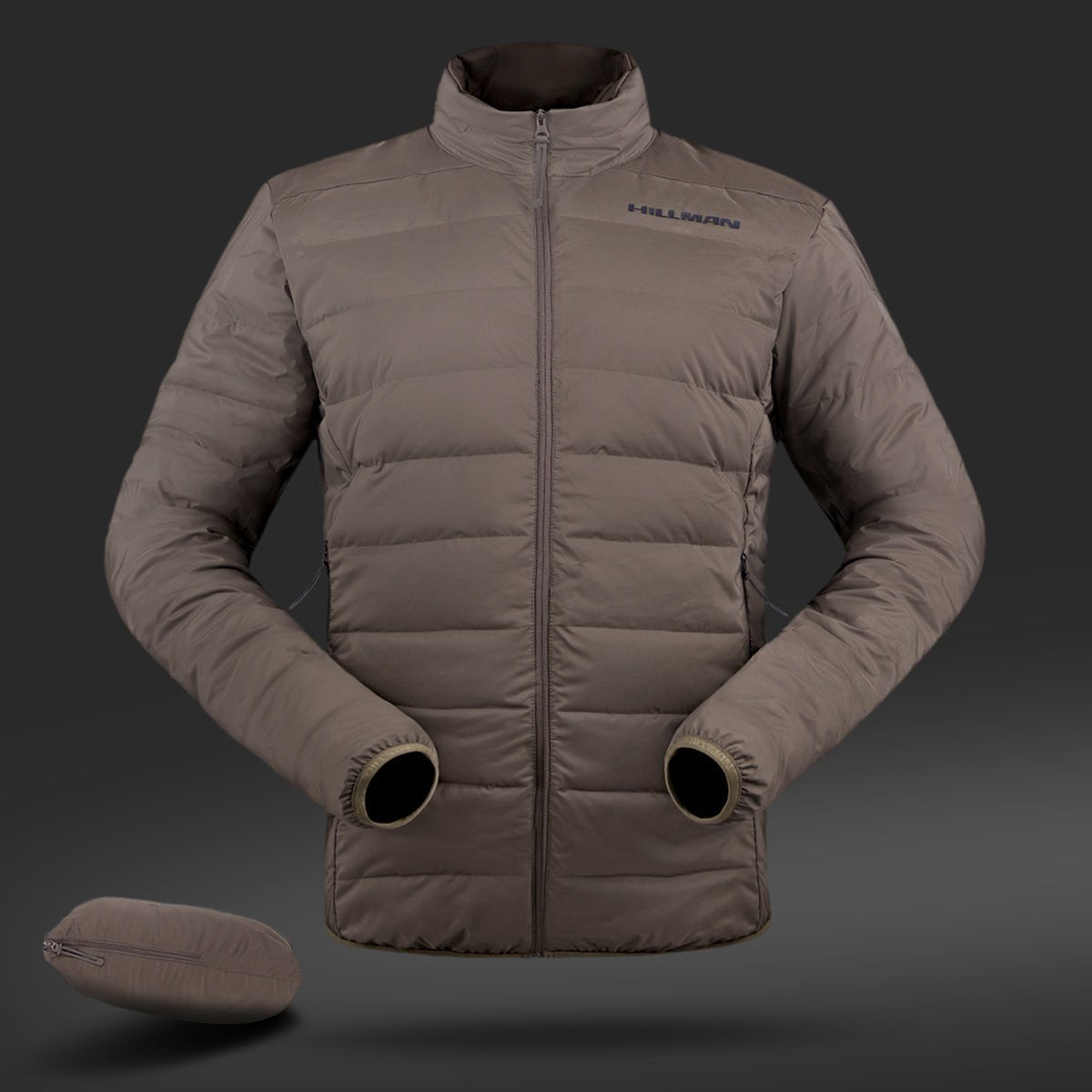
  • Orui atsparios striukės ir kelnės su pažangiu maskuojančiu raštu, visiškai atsparios oro sąlygoms ir strateginiu izoliaciniu sluoksniu.
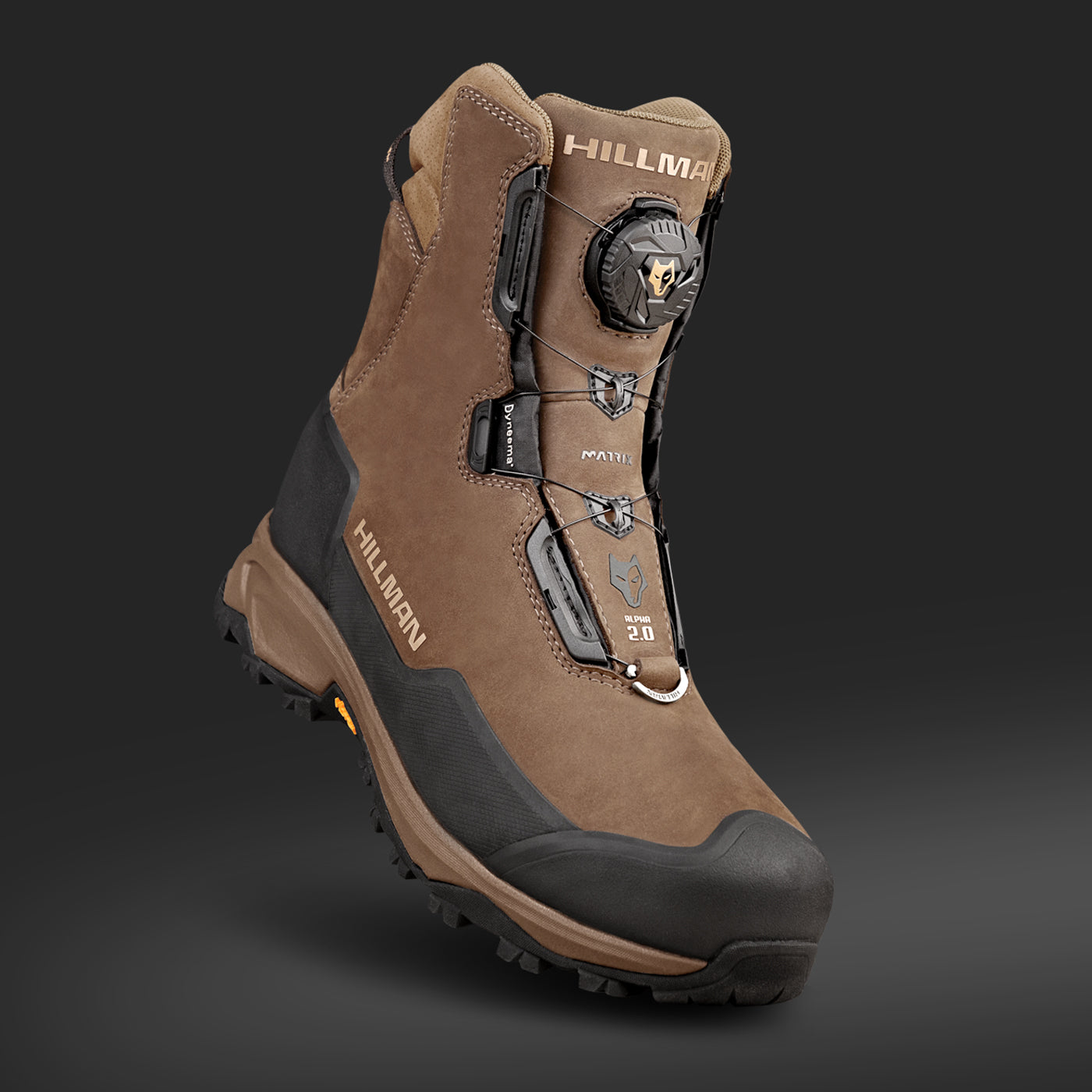
  • Sezonui paruošti batai, sukurti nenuilstamam važiavimui sudėtingu reljefu ir ekstremaliomis sąlygomis
  • Medžioklei optimizuotos kuprinės, sukurtos taip, kad tyliai sutvarkytų ir nešiotųsi įrangą tankioje dykynėje

Sezono privalumas:

  • Laiko patikrinti bestseleriai, kuriais pasitiki atsidavę medžiotojai visais metų laikais
  • Konkrečiai datai pritaikyta įranga, pritaikyta prie pagrindinių medžioklės laikotarpių
  • Tvirtas patikimumas, suderintas su medžiotojams skirtu funkcionalumu, siekiant didžiausios sėkmės lauke

DUK

Does the same jacket really work for both early season roe deer and late season boar?

Not ideally. Early season roe in September: you're moving, it's warm, and a heavy waterproof shell will have you soaked from the inside before you've covered a mile. Late-season boar drives in January are a different situation entirely. The layering system exists for exactly this reason. One shell, different combinations underneath.

What gear actually matters most for the rut?

Silent fabric, full stop. Red deer rut in October, fallow in November. Both species are on edge and covering ground fast. A stag will wind you before he sees you, but a rattling sleeve or a zip pulled at the wrong moment finishes the approach just as effectively. Scent control and quiet construction matter more during the rut than at any other time.

Chamois and mouflon hunting: Does standard deer gear cut it?

The terrain is the problem, not the animal. High altitude means unpredictable weather, loose rock, and serious elevation change in a short distance. Boot grip and ankle support become critical. A waterproof shell that breathes on a steep climb matters more than insulation level. Most low-ground deer gear isn't built with that kind of terrain in mind.

What's worth upgrading before duck season opens?

Waterproof pants before anything else. A soaked hunter sitting in a marsh blind at 5 am in October is miserable and done early. Gloves are the other thing people underestimate until they're trying to work a call or reload with numb fingers. Everything else you can make work.

Does boot choice actually change between pheasant and woodcock hunting?

More than people expect. Pheasant in stubble and root crops means dry, firm ground mostly, and you're covering real distance behind dogs. Lightweight and grippy. Woodcock in wet alder and thick cover means standing water, mud, and roots. A fully waterproof boot with serious ankle support is a different piece of kit entirely. The same day can ask a lot of both.

How do you gear up for a mixed bag day, partridge in the morning and duck in the afternoon?

Pack light and layer. Partridge in September is warm work, especially behind pointers on open ground. By the time you're at the marsh for evening flight, the temperature has dropped and you want your waterproof shell and an extra layer. A pack that carries what you need without slowing you down between the two is where a lot of hunters compromise without realising it.

Is grouse hunting harder on gear than most other bird shooting?

The terrain is. Scottish and Scandinavian grouse ground is wet, boggy, and uneven. Boots take more punishment than on any driven lowland day. Waterproofing gets tested constantly, not by rain necessarily but by heather, peat, and standing water underfoot all day. Reinforced toe caps and serious sole construction earn their place fast up there.