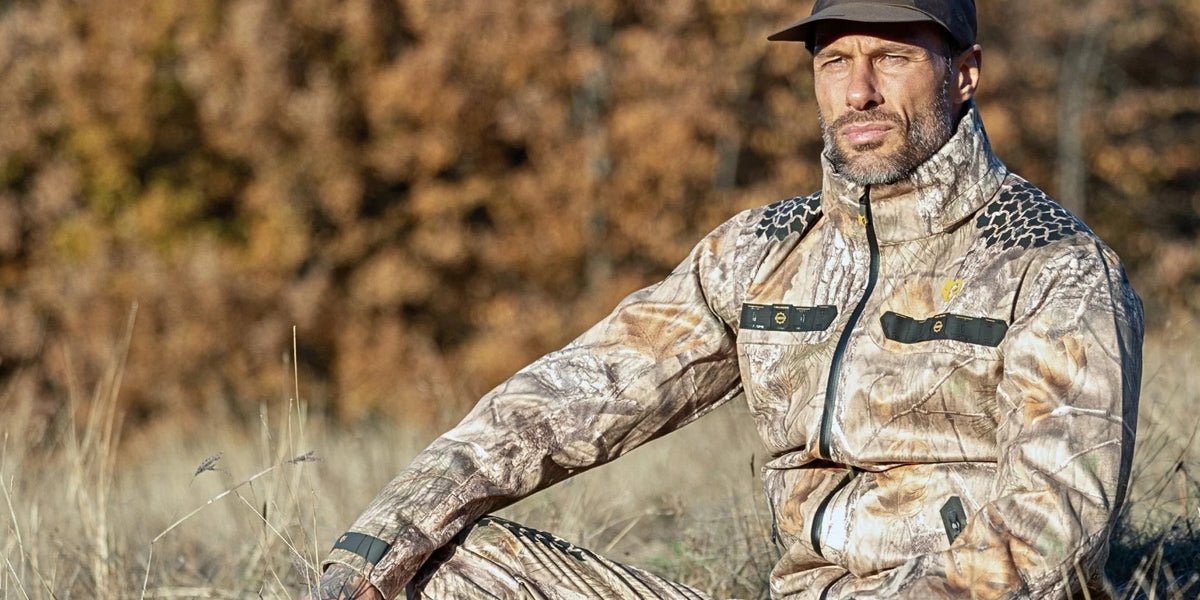
The article reviews the best hunting rain gear for 2026, tailored for the unpredictable and often extreme weather conditions across the UK and EU. It emphasizes the importance of breathable, lightweight, quiet, and durable gear for different hunting styles and terrains. Hillman’s rainwear is highlighted as a top performer, outscoring competitors in versatility and weather resistance. The piece also offers practical tips on layering, gear maintenance, and choosing the right setup for woodland stalking, hill stalking, and driven shoots.
The Hunting Guide
Explore the best hunting gear, hunting news, and cutting-edge hunting innovations on The Hunting Guide – the expert-driven blog for seasoned hunters.
How to Choose Hunting Trousers: Wet Grass, Brush, Long Walks
This article explains how to choose hunting trousers that remain comfortable and reliable in wet grass, rough brush and during long walks in the field. It looks at waterproofing, breathability, durability, fit and silent movement, while also covering how trousers should work with boots and changing weather conditions.
How to Break In Hunting Boots Before a Serious Hunting Trip?
Breaking in hunting boots is not about forcing stiff leather to soften overnight. It is about learning how the boots behave before rough ground, wet weather, and long hours start exposing problems. A proper break-in gives you time to sort heel movement, pressure points, socks, and support before the hunt becomes serious.
How to Dress for Hunting: A Layering System To Keep You Warm
Dressing for hunting is less about piling on warmth and more about timing your layers so you don’t trap sweat. Stay a bit cool when you start, adjust early, and let each layer handle its job. Get that balance right and you stop thinking about clothing halfway through the day.
Packing Light for Hunting Without Regret
Carrying less isn’t about proving a point, it’s about staying sharp, mobile, and capable when the hunt stretches out over days. The article breaks down how experienced hunters cut weight without cutting essentials, focusing on planning, multipurpose gear, and disciplined choices. In the end, it’s not about a lighter pack at the start, but about still moving well when it matters.
Hunting Field Repairs: Fixing Zips, Seams, and Tears
Field repairs aren’t about perfect fixes, they’re about keeping gear usable when something fails miles from anywhere. Most problems come down to simple things like worn sliders, small tears, or loose seams that can be stabilised with basic tools. If you slow down, assess properly, and fix the real cause, most gear will hold long enough to finish the trip.
Gloves, Hats & Neck Gaiters: Small Layers for Long Stalks
Cold hands don’t fail all at once, they slowly take away feel and control. Good gloves keep grip, warmth, and dexterity balanced, especially in wet and windy conditions. Add a hat and neck gaiter, and those small layers start making a real difference over long days out.
Best Hunting Boots for Mixed Terrain Trips: One Pair or Two?
For mixed terrain hunts, there’s no perfect boot - only the one that stays stable, dry, and supportive as conditions change. One pair works if it’s versatile and reliable, but two pairs help in wet environments where drying time matters. In the end, fit, break-in, and real-world performance matter more than labels or categories.
A Practical Checklist for Clothing, Boots, and Small Items
A solid checklist keeps small mistakes from ruining your day. Good clothing, reliable boots, and a few simple extras help you stay focused and comfortable. It’s not about packing more, just bringing what actually works when you’re out there.
Breathable Rain Gear That Doesn’t Turn Into a Sauna
Breathable rain gear is not just about keeping rain out, it is about letting moisture escape so you stay dry from the inside during movement. The right balance of waterproof rating, breathability, and proper layering determines whether your gear performs or turns into a trap for heat and sweat. In real hunting conditions, durability, ventilation, and maintenance matter just as much as the fabric itself.
Scent Control Without Marketing: What Actually Helps
True scent control in deer hunting is less about buying products and more about understanding wind direction, thermals, and personal discipline. Human scent can never be completely eliminated, only reduced, so managing access routes, sweat, clothing storage, and positioning is far more important than relying on sprays or cover scents alone. In the end, success comes from controlling how and where your scent travels, not believing you can become invisible to a deer’s nose.
Merino vs Synthetics for Multi-Day Hunts: Hunting Base Layers
Merino and synthetic base layers both manage moisture well, but they differ in real multi-day hunting conditions. Synthetics dry faster and handle abrasion better, while merino resists odour longer and stays warm even when slightly damp. The best choice depends on movement level, humidity and how many days the same layer must perform without washing or drying time.
One Layering System, Three Climates: Changing Weather Ready
A layering system isn’t about staying warm all day, but about adapting as conditions, activity levels, and weather change. When base, mid, and outer layers work together to manage moisture, heat, and protection, comfort stays stable even as the day shifts. The best system is flexible, breathable, and adjusted throughout the day rather than worn the same way from start to finish.
Hunting Insight: Quiet Hunting Clothing Around The World
Quiet hunting clothing isn’t a single feature but a system shaped by fabric, fit, moisture, movement, and environment, which is why what feels silent in one country or terrain can be noisy in another. Sound is influenced as much by temperature, humidity, and how gear moves with the body as by the material itself. True silence comes from balanced layering and thoughtful gear choices that work with conditions, not against them.
How to Choose Hunting Boots for Unknown Ground Conditions
Choosing hunting boots for unknown ground is about balance rather than labels or reputation. When grip, fit, waterproofing, insulation, and support work together, boots fade into the background and allow natural movement as conditions change. The right pair keeps feet dry, stable, and comfortable over long hours, even when terrain and weather refuse to behave as expected.
Cultural Differences in Hunting Clothing Around the World
Hunting clothing varies widely across cultures, shaped by history, environment, and social tradition as much as by performance. What feels practical or normal in one country can signal respect, identity, or experience in another. When hunting abroad, understanding these differences helps you fit in, stay effective, and appreciate the deeper culture behind the sport.
Comfort During Back-to-Back Hunt Days in Different Climates
Back-to-back hunt days in changing climates aren’t just a matter of dressing once and hoping for the best: comfort shifts as the body tires, weather transitions, and movement patterns change. Smart layering, breathable base layers, and adaptable outerwear help manage heat, moisture, wind and fatigue over long periods without adding unnecessary bulk or distraction. Ultimately, good clothing supports focus rather than comfort alone, allowing hunters to stay present and effective across consecutive days outdoors.
Lightweight Hunting Gear for Hunters Who Travel Frequently
This piece explains why lightweight hunting gear matters for frequent travel, stressing that excess weight drains energy, slows movement, and disrupts focus. It highlights how adaptable, breathable, and packable clothing improves comfort in changing conditions and makes travel logistics easier. Ultimately, it argues that lightweight gear becomes a long-term investment because it reduces friction, simplifies decisions, and supports better performance in the field.