
Sustainable Hunting Gear: How Eco-Friendly Materials Are Changing the Game

Explore how sustainable hunting gear and eco-friendly materials help protect wildlife habitats while delivering reliable performance in the field.
Most hunters notice changes in the land long before the rest of the world does. A dry spring that should’ve been green. A stretch of woods where the ground feels different than last year. Fewer birds in a patch that’s usually loud at dawn. The terrain talks, if you pay attention, and lately the story has been shifting.
That’s one of the reasons sustainable hunting gear isn’t just another trend. It comes from hunters watching the natural environments they move through: the wood lots, the fields, the creeks, the thick places where prey beds down, and realizing that conservation efforts have to show up in everyday choices. The clothing worn. The materials carried. Even the camouflage clothing was pulled from the pack.
Sustainable hunting practices aren’t about giving something up. They’re about keeping something alive. The land, the animals, and the seasons that all of us depend on. And as brands move toward sustainable materials and eco-friendly materials, gear is beginning to look and feel different: lighter, cleaner, built with more intention.
Hunters have always relied on durability and warmth, and stability in their jackets, pants, and layers. But now there’s a new expectation layered into that old list: sustainability. If hunting gear can do its job without taking more than it needs from the environment, that’s the best choice a hunter can make.
Sustainable Hunting Gear and Why It Matters More Than Ever

Spend enough time outdoors and you start to see the small shifts that add up. A section of land where invasive plants spread. Tracks you used to see every season suddenly disappear. Water is pooling in places where it never used to stand. These changes come from many sources, but environmental impact is always part of the story.
Sustainable hunting gear is a response to that: a way to respect nature and still walk deep into it. Using sustainable materials reduces pressure on natural resources, and it’s surprising how much difference the right gear can make. One jacket is made with recycled materials instead of raw fabrics. One pair of pants is constructed with cleaner processes. One layer that uses less water in production. Small things, but they build toward something bigger.
How Sustainable Hunting Gear Reduces Environmental Impact

Every component matters: the fabric, the insulation, the color, the camo pattern, even the thread. Sustainable hunting gear avoids unnecessary waste and cuts down on harmful chemicals. Hunters may not always see that part directly, but the difference shows up over time, in cleaner streams, healthier soil, and more stable wildlife habitats.
The Role of Hunters in Modern Sustainable Hunting Practices
Hunters have long understood conservation, even if the rest of the world forgets that part. Tags, limits, habitat work, all of it aim toward preserving biodiversity and giving animals a future. Sustainable hunting practices simply extend that mindset into the gear itself.
When hunters choose clothing and accessories made with sustainable materials, they support the environment they depend on. It’s a quiet choice, but a powerful one.
Camouflage Clothing Built With Purpose and Responsibility

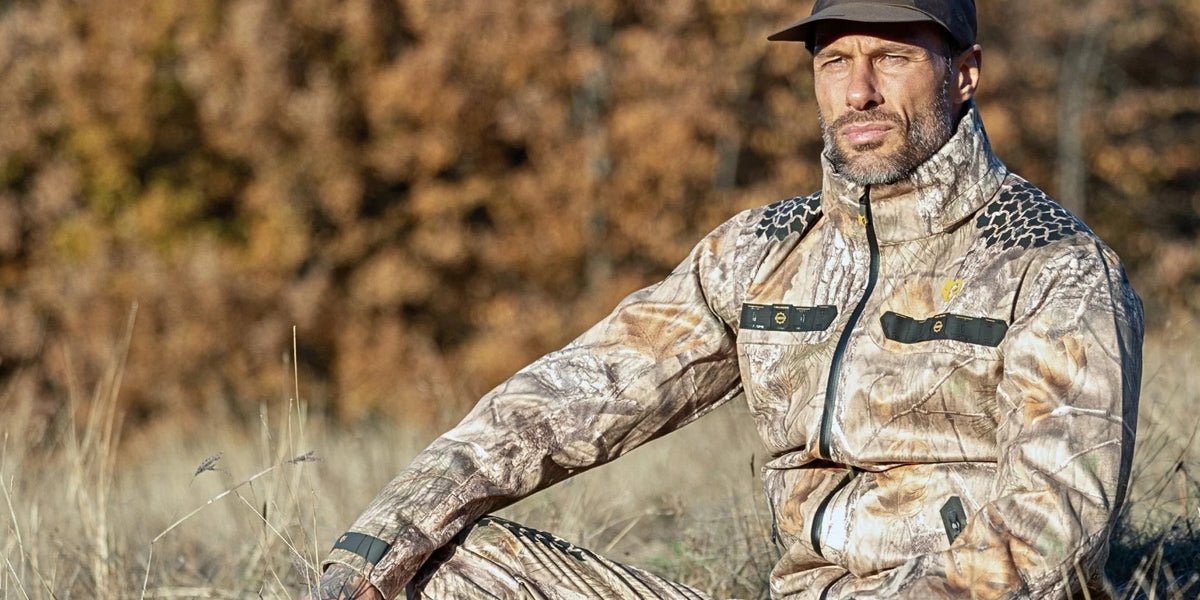
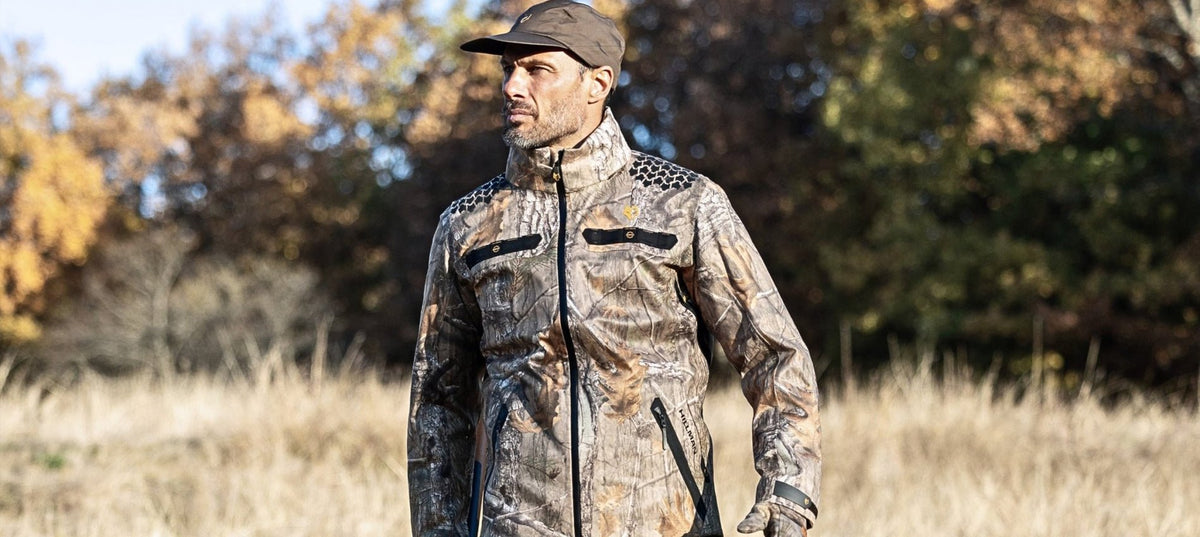
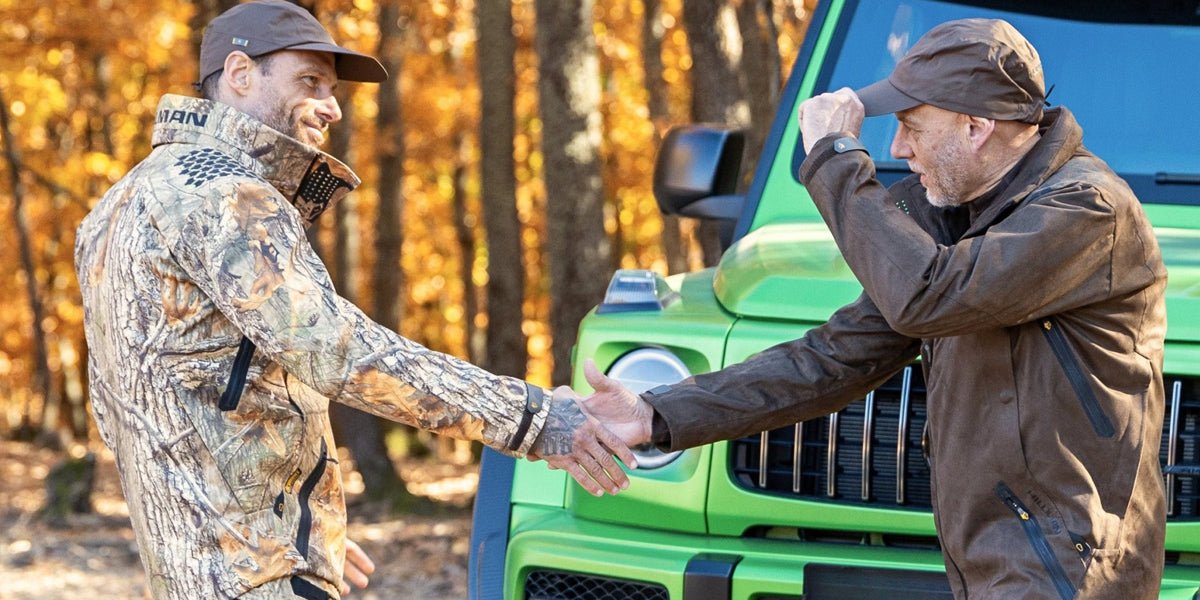
Good camouflage clothes never scream for attention. They blend, soften edges, blur shape. Hunters rely on camo patterns because prey sees movement and outlines before it notices anything else. But the story of camouflage clothing is changing too. It’s no longer just about blending into terrain; it’s about not harming it in the process.
Camouflage Clothes Made From Eco-Friendly Materials
Traditional camo used to require heavy dyes and chemical baths. Now, many brands have shifted to eco-friendly materials: recycled fibers, plant-based dyes, and printing methods that use less water. Clothing made this way leaves fewer pollutants behind.
Hunters still get the warmth, durability, and breathability they expect, but the environmental footprint of the clothing shrinks.
How Camouflage Patterns Blend Into Natural Environments Without Harming Them

A camo pattern should reflect terrain: wood textures, leaf clusters, thorn shadows, rocky breaks. But modern camouflage patterns can be designed using processes that reduce waste. With better digital printing, small batches, and recycled materials, camo patterns become more responsible without losing effectiveness. Hunters set foot into the land more lightly, without leaving the silent pollution of outdated fabric treatments.
Sustainable Hunting and the Shift Toward Better Materials
Gear built today doesn’t just need to perform; it needs to last longer while taking less from the world around it. Sustainable materials help solve that. They support long seasons, rough terrain, and cold mornings without draining natural resources.
Choosing Sustainable Materials That Support Wildlife Habitats

Some sustainable materials come from renewable sources. Others are made from recycled waste. Either way, they help protect wildlife habitats by reducing demand for brand-new resources. Hunters moving through brush and broken land know how fragile these areas can be. Using sustainable hunting gear becomes a meaningful step toward preserving those spaces.
Why Recycled Materials Are Becoming a Core Part of Hunting Gear
Recycled materials aren’t the cheap, fragile fabrics people once assumed they were. Modern recycled components are stronger, warmer, and more stable than ever. Recycled polyester, recycled insulation blends, and recycled waterproof layers stand up to hard use, rain, wind, and long hunts.
Hunters can explore terrain, climb into stands, stalk game, and hike through mud without worrying that recycled means weaker.
How Other Materials Fit Into the Future of Sustainable Hunting

Not everything can be recycled yet. Some gear still relies on other materials, but newer processes allow brands to create tough, dependable gear with far less waste. A mix of natural fibers, recycled components, and low-impact waterproof treatments makes clothing safer for the environment and still tough enough for any hunt.
Camouflage Patterns Designed for Hunters and the Environment
Camouflage patterns reflect the terrain: open fields, thick brush, rocky slopes, tree bark, and the broken shapes of wild land. Sustainable camo patterns use cleaner printing processes and avoid toxic dyes that harm soil and water.
What Makes Camouflage Patterns Effective Without Impacting Nature

A good camo pattern isn’t loud in design or color. It blends, disappears, and responds to terrain naturally. Some patterns use muted tones, some use fragmented shapes, and some use the soft look of spring vegetation.
When patterns are printed sustainably, the land stays cleaner, water sources stay safer for animals, and the camo stays effective without leaving chemical footprints behind.
Creating a Camo Pattern That Balances Game Behavior and Environmental Stewardship
Hunters know game animals read their environment carefully. A pattern must respect how prey react to shape and motion. At the same time, environmental stewardship means creating camo in ways that don’t poison soil or waste water. The best patterns manage to do both, blending invisibly into terrain while keeping sustainability intact.
Hunting Gear That Balances Performance and Sustainability

Performance will always matter. Hunters need clothing that holds warmth, keeps dry, and stays dependable across the hardest terrain. But sustainable hunting gear has proven that clean production doesn’t mean weaker gear. If anything, sustainability pushes innovation forward.
Upgrading Hunting Gear With Recycled Materials and Responsible Components
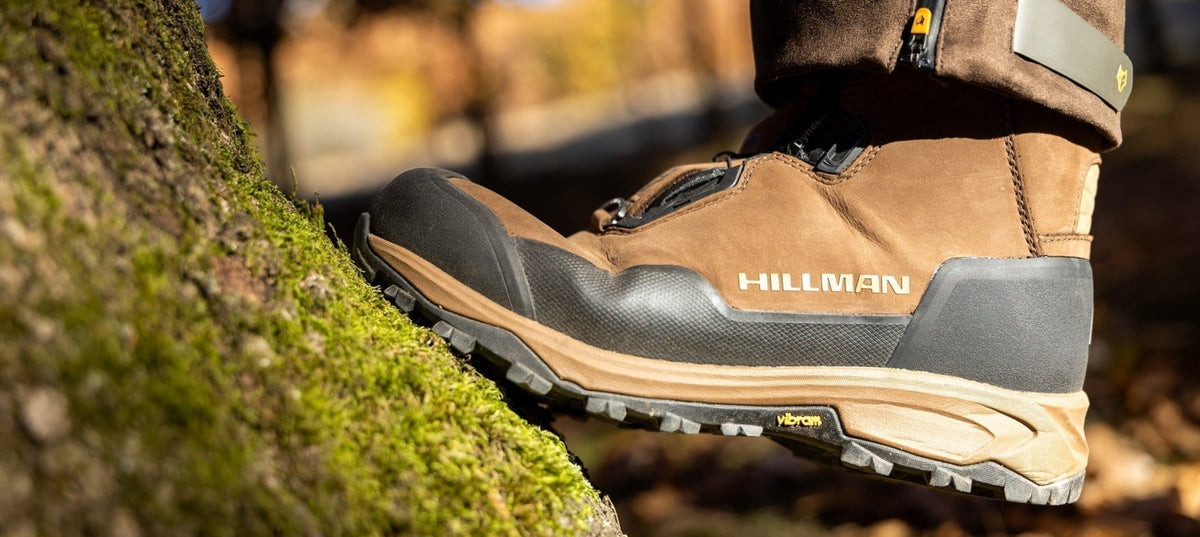
Every season brings better options: gear using responsible components, recyclable fibers, and stitching that holds under pressure. Jackets, pants, and hunting layers built with recycled materials now match the strength of traditional options. The shift is subtle, but hunters feel it. The gear performs, lasts, and still respects the land.
How Sustainable Materials Improve Durability, Warmth, and Stability in the Field

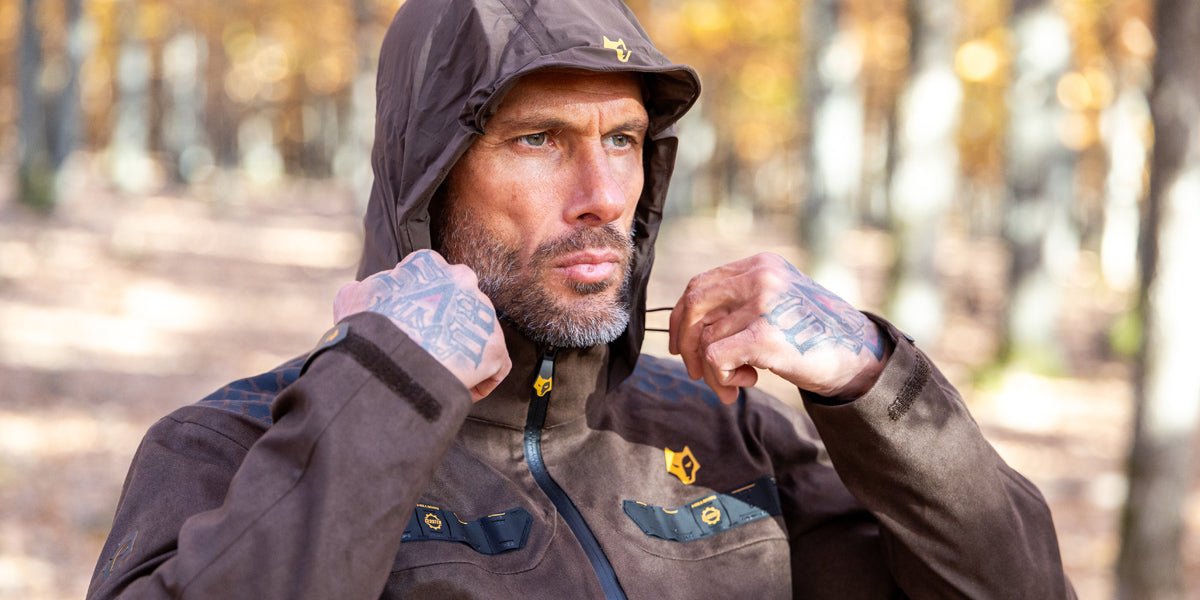
Recycled insulation blends retain warmth surprisingly well. Lightweight, sustainable fabrics help hunters move quietly. Even waterproof shells made with more responsible coatings hold their ground in rain and wet brush.
This isn’t theory. It plays out in the field. Hunters moving through cold valleys, muddy edges, and uneven terrain find that sustainable gear offers the stability and durability they need.
Jackets, Pants, Layers, and Accessories Built for Sustainable Hunting

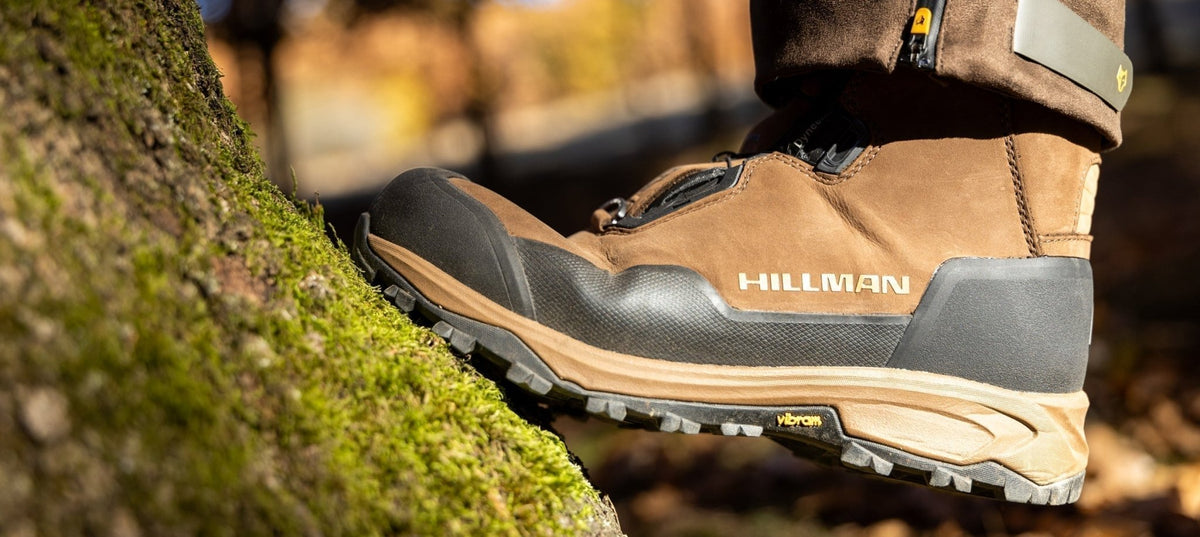
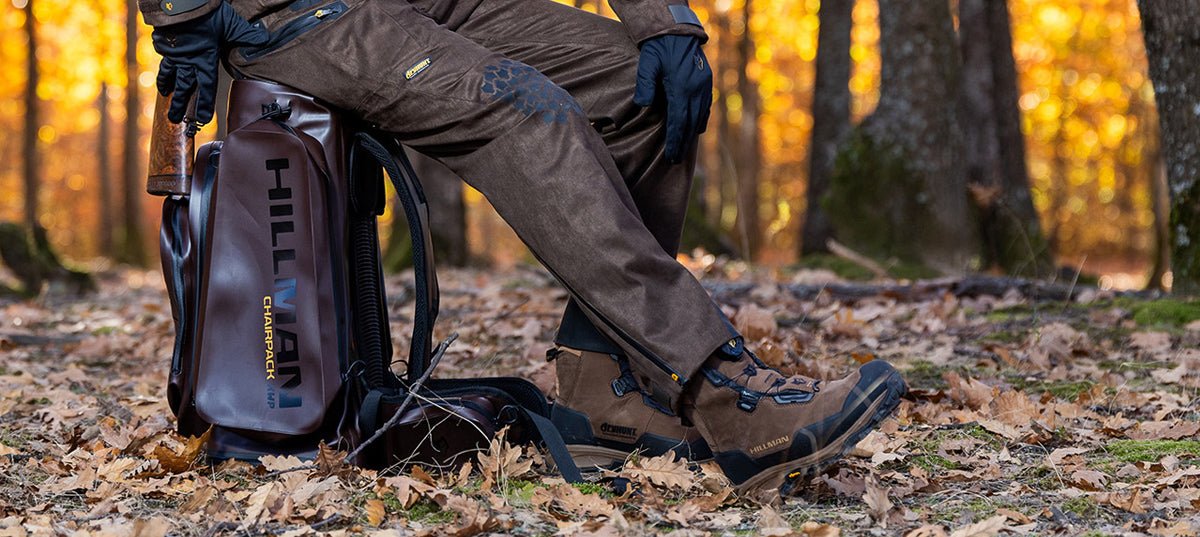
Warmth, safety, durability, nothing is lost. Jackets stay wind-ready. Pants hold against thick brush. Layers insulate without bulk. Hunting accessories built with sustainability in mind: gloves, vests, hoodies, and lightweight packs all support long days outside.
Hillman includes a single mention here, naturally: the company uses sustainable materials across key pieces, showing how responsible design fits into real-world hunting demands.
Sustainability Shapes the Future of Hunting

Sustainable hunting isn’t a slogan. It’s a direction, guided by hunters who want to preserve the land, protect biodiversity, and ensure future generations can experience the same wild spaces.
Sustainable hunting gear blends performance with responsibility. Camouflage clothing, recycled materials, eco-friendly materials, and modern hunting accessories now offer durability without draining natural resources. Hunters stand in the field wearing the future: clothing and gear that blend into the terrain while preserving it.

Every step, every season, every hunt becomes part of something bigger, a commitment to the land and the life it holds.



Share: