Hunting Camo Pants – Lightweight & Briar Proof | XPR
Hunting Trousers Built for Real Field Conditions
Out in the field, your hunting trousers take more abuse than just about anything else you wear. At dawn, they're soaked through with wet grass. An hour later, they're snagging on blackthorn and bramble in thick cover, then it's mud, then rain, then a long, cold sit on a high seat with the damp creeping in. That's an ordinary day in the great outdoors, and ordinary clothing doesn't survive many of them. One snagged thread turns into a torn knee. A damp patch turns into cold legs that nag at you all day. And stiff fabric turns every quiet step into a sound that carries further than you'd like.
A good pair of waterproof trousers takes all of that off your plate. The fabric stays silent as you move, it'll repel water and shake off mud, and reinforced panels stand up to thorns that would open ordinary cloth. The cut lets you walk, kneel, and crawl without the material fighting you the whole way. That's really the line between gear that does the job and clothing that just covers your lower half. Sort it out, and you'll stay out longer, move more freely, and keep your head on the hunt instead of on your kit.
How to Choose the Best Trousers for Hunting?

There's no single pair that's right for everyone. The best hunting pants for you come down to a few simple things: the ground you hunt, the weather you face, how much you're on the move, and the fit you like. Sort those out one at a time, and the decision pretty much makes itself.
Choose by Terrain
Open ground like fields and farmland barely touches the fabric, so a lighter trouser is fine there. Woodland and thick cover are a different story. Brambles and blackthorn find every weak seam you've got, so this is where you want reinforced, thorn-resistant panels. Wetlands and forest floors stay wet long after the rain's stopped, which puts waterproofing first. A trouser cut to sit over your boots also stops water running straight in at the boot line. Up in the mountains it flips again: one that moves with you and breathes on the climb beats heavy armour every time.
Choose by Weather
Weather is the next call. On a wet morning, whether it's properly raining or just heavy dew on wet grass, the fabric has two jobs: repel water so your legs stay dry, and keep enough breathability that your own sweat isn't soaking you from the inside. Wind does the damage people tend to forget, cutting straight through on exposed ground, so windproofing earns its place right alongside the waterproofing. Warm early-season hunts flip the priority. Then it's a lighter weave and a couple of ventilation zips doing the work, keeping you cool instead of dry.
Once the cold weather sets in, it's all about layering. Your trousers are the outer layer on your lower half, and underneath, a merino wool base layer or a pair of long johns adds real warmth without the bulk. When it turns properly cold, on deep-winter days, long static sits, or a hard late-season morning, insulated pants or active insulation underneath keep you going as the temperature drops and the snow moves in.
Choose by Movement
Finally, how you hunt. An active stalk asks for stretch and unrestricted movement, low weight and silent fabric so you can close the distance without a sound. Driven days and rough shooting mean standing, walking and pushing through cover for hours, so durability and a comfortable waist matter more than shaving off grams. Long static waits on a high seat or stand are about staying warm and dry while sitting still, where the priority shifts to insulation and waterproofing over freedom of movement. Most hunters lean toward one style, and the right trouser follows from there.
Best Hunting Pants for Different Types of Hunting

Once you know how you hunt, the features that matter come into focus. Here is what to prioritise for the three situations most hunters find themselves in.
Stalking Trousers for Quiet Movement
Stalking lives and dies on silence and freedom of movement. You want a light trouser with a quiet face fabric that does not rustle against cover, plus stretch panels and an articulated cut so you can step slow, freeze, and move again without the material holding you back. Quick-drying fabric helps too, since a stalk often starts in dew-soaked grass. The less you notice your trousers, the closer you get.
Waterproof Stalking Trousers for Wet Ground
Plenty of the best hunting happens in the worst conditions. Waterproof stalking trousers earn their place on rainy mornings, in heavy dew, on sodden forest floors and during those grey early starts when everything is wet. Fabric that will repel water keeps your lower legs dry as you brush through wet grass and undergrowth, and good breathability stops you overheating on the move. The goal is simple: stay dry from the weather and from your own sweat, so a good pair of waterproof trousers turns a long wet stalk from cold, clammy misery into just another morning in the great outdoors.
Men's Hunting Trousers for Driven and Rough Shooting
Driven and rough shooting are hard on trousers. You are on your feet for hours, walking between drives, standing at the peg, kneeling, and forcing through dense cover after birds. Men's shooting trousers for this need tough, reinforced panels that resist wear at the knees and stress points, a roomy comfortable cut for constant movement, and enough protection for a full day out in whatever the weather conditions throw at you. Deep, well-placed pockets for cartridges and kit finish the job. These are shooting trousers designed for the way a hard day actually unfolds, and build matters most here, because this is where weak trousers fail first.
Technologies Behind Hillman Hunting Trousers

A few core features do the real work in a Hillman trouser, from the fabric out to the smallest field detail.
Water-Repellent and Breathable Fabric
Hillman's hunting trousers use a dual DWR water-repellent, breathable fabric that holds off rain and wet grass while letting heat and sweat escape. You stay dry on the outside without cooking on the inside, which is the balance cheap waterproofs never manage. It will not pretend to be a full Gore-Tex or Dryhunt shell, but for stalking and shooting it keeps your legs dry and comfortable through the weather conditions a real day throws up, and it dries fast once the rain passes.
Reinforced Knees and Thorn-Resistant Panels
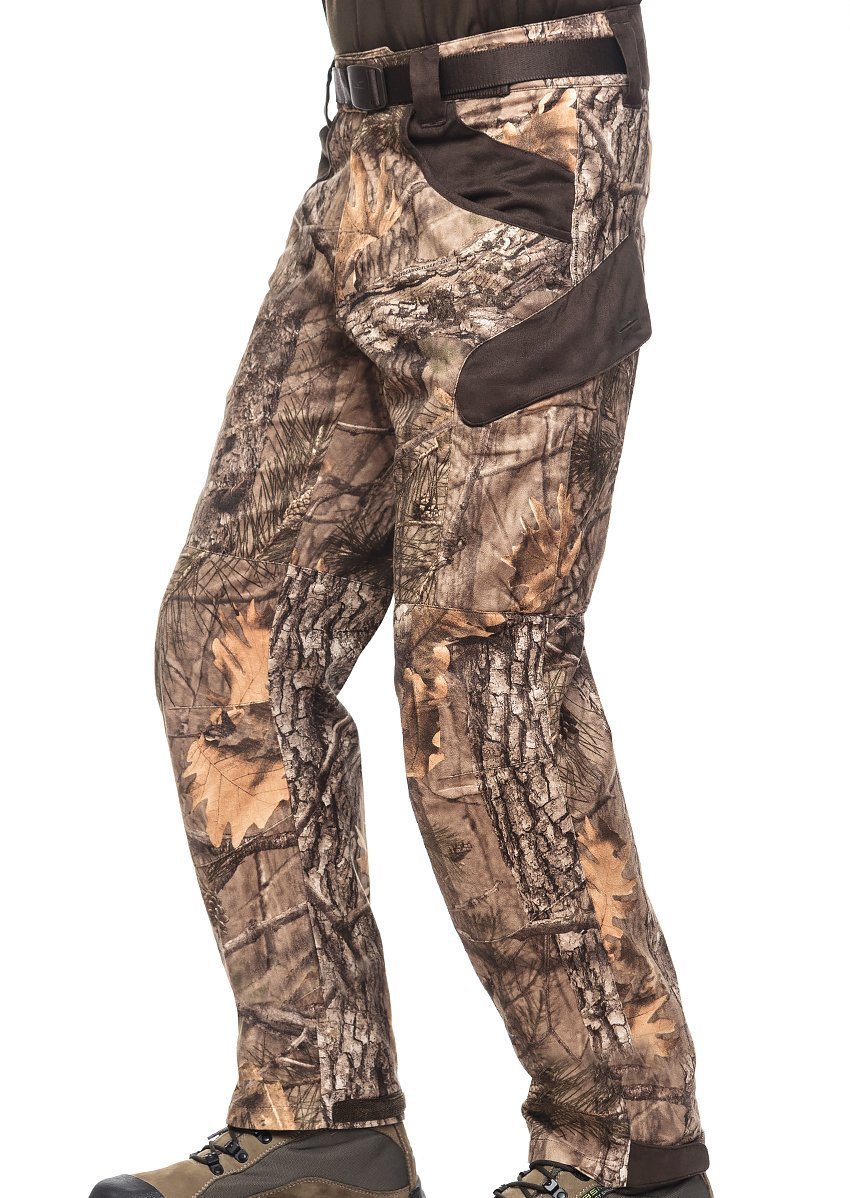
Cover goes after the same places every time: the knees, from all the kneeling and crawling, the seat, and the lower legs that brush past everything. So that's where the reinforcement goes. Reinforced, thorn-resistant panels guard the knees and the other high-wear zones, soaking up the punishment that tears ordinary fabric open, whether that's kneeling on rough ground, crawling into position, or shoving through blackthorn. And none of that toughness costs you any movement: articulated knees and stretch panels let the trousers bend with your leg instead of fighting it, so they stand up to a hammering and still feel easy to walk in. That's the reason a pair like this is worth spending on: you get seasons out of them, not one rough month.
Functional Pockets and Field Details
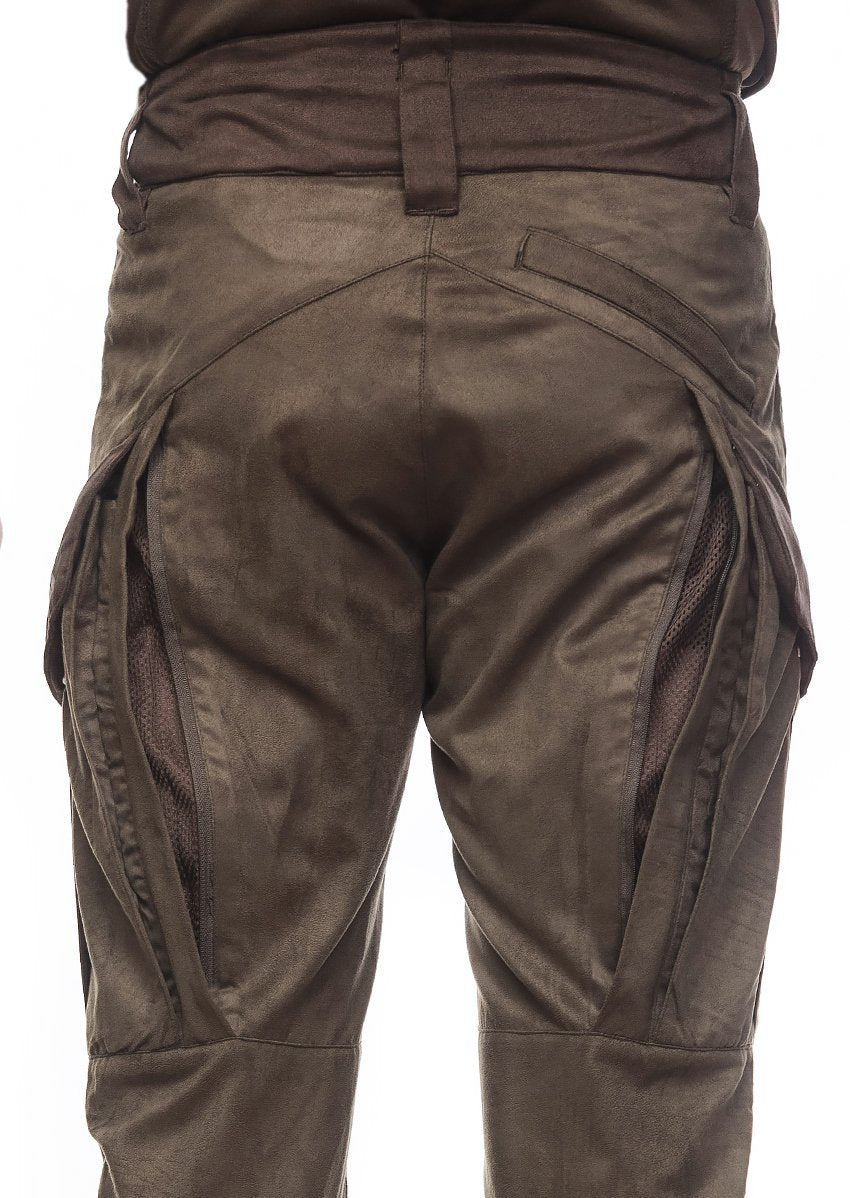
The details are what you notice on a long day. The small things matter most late in the day. The pockets are deep and sit where your hands go, so your knife, calls, gloves and hat stay within reach. Hip and back pockets hold your daily kit. Belt loops carry the rest of your gear. The waist stretches as you add layers under your trousers. None of it looks fancy. But these details make the trousers feel like real gear, not just clothing.
Hillman XPR Hunting Trousers: Lightweight, Silent, and Thorn-Resistant

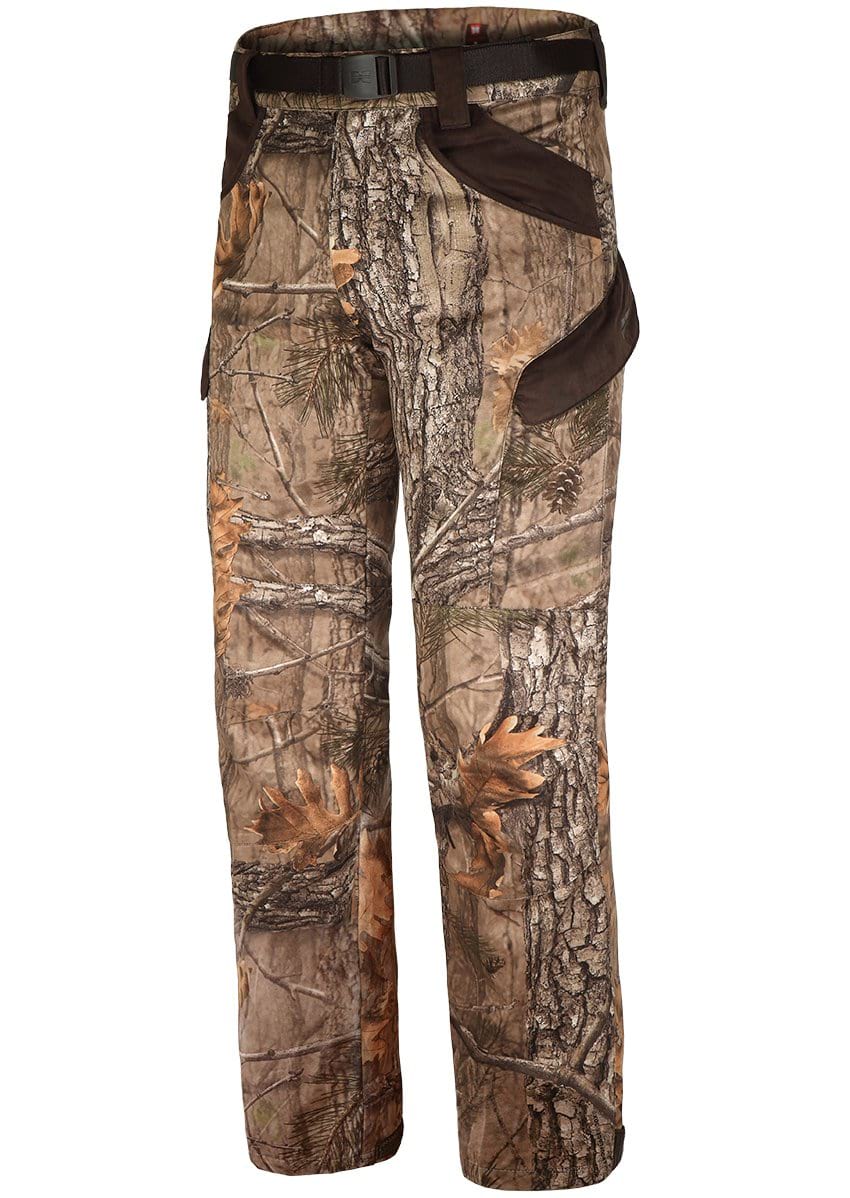
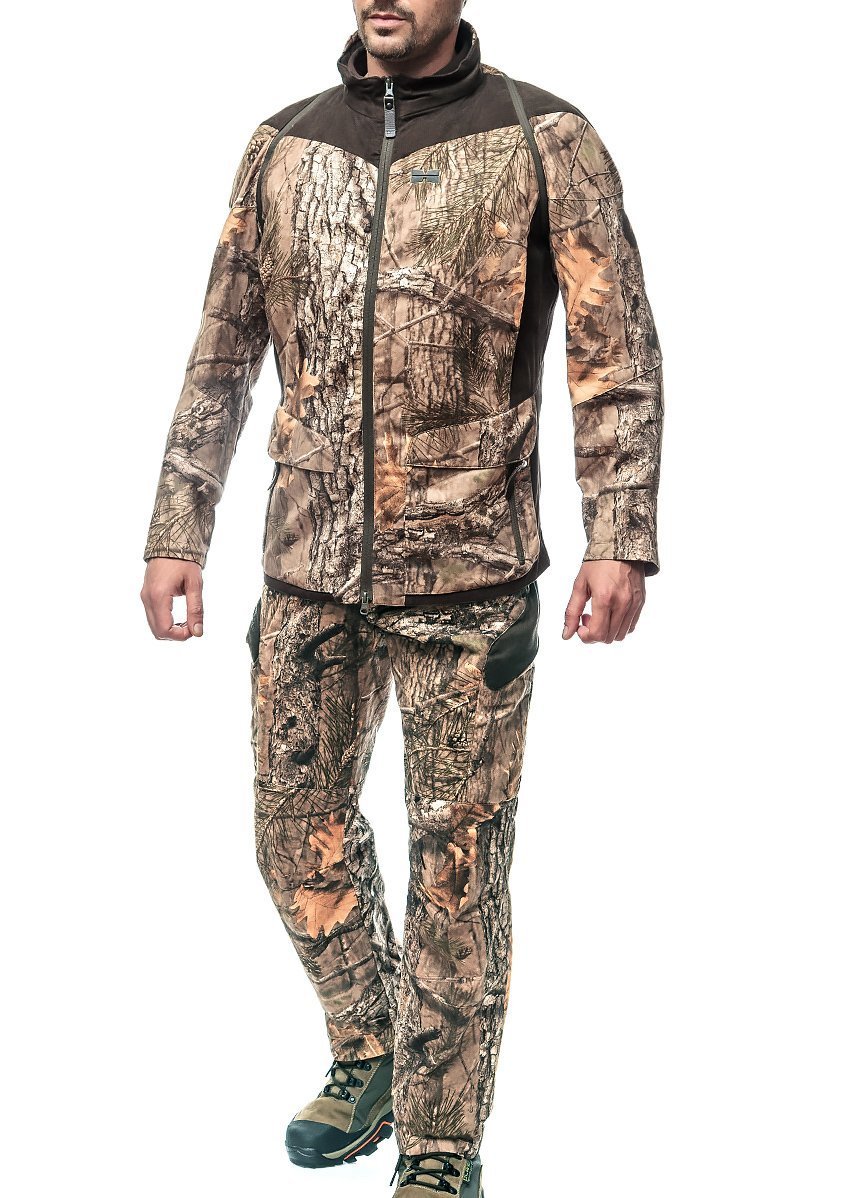
The Hillman XPR is the trouser this collection is built around, and it is a genuine all-rounder. It is light enough for active stalking, with a quiet face fabric that keeps you silent through thick cover, yet it is reinforced exactly where hunting punishes a trouser most. The knees and high-wear panels resist thorns and abrasion, articulated knees and stretch keep your movement unrestricted, and a water-repellent finish shrugs off rain and wet grass. Add a comfortable elasticated waist, belt loops, d-rings and deep multiple pockets, and you have a great pair that handles stalking, rough shooting and long days across varied terrain, year-round. It is excellent value for a trouser this capable, and from your first order it is easy to see why hunters keep coming back to it: it is the kind of trouser you simply stop thinking about.
Watch the XPR hunting pants in action and see how their silent fabric, thorn-resistant build and flexible design support movement through rough hunting terrain.
Camo Pattern vs Ranger Green Hunting Pants
The XPR comes in two finishes that share the exact same build: a woodland camo pattern and solid Ranger Green. Underneath they are identical trousers, so the only real question is concealment versus versatility.
Camo pants make sense when staying hidden matters most. For bowhunting, sitting over deer, or close-range work in woodland where game is watching for movement and shape, a camo pattern in earthy, dirt-camo tones breaks up your outline against the cover. The flip side is that camouflage is specific. It belongs in the field and looks out of place almost everywhere else.
Ranger Green is the practical all-rounder. A solid, subdued green works for stalking, rough shooting and walked-up days, pairs cleanly with almost any jacket, and passes without comment on a formal driven day where camo would not. It is also the easier pick if one pair has to cover both hunting and general outdoor trousers duty. If concealment is the priority, go camo. If you want one versatile, do-anything pair, Ranger Green is hard to beat.

FAQs
How quickly do thorns actually damage standard hunting trousers in real cover?
Do thorn-proof trousers sacrifice too much breathability for summer woodland stalking?
How do you stop water getting in around the boot line during a wet day?
Are thorn-proof trousers worth it specifically for woodcock shooting?
Do waterproof hunting trousers perform differently on a high seat versus an active stalk?
How do you know when thorn-proof trousers have genuinely reached the end of their life?
Can thorn-proof hunting trousers double for rough shooting and formal driven days in the same week?
Shop Related Collections