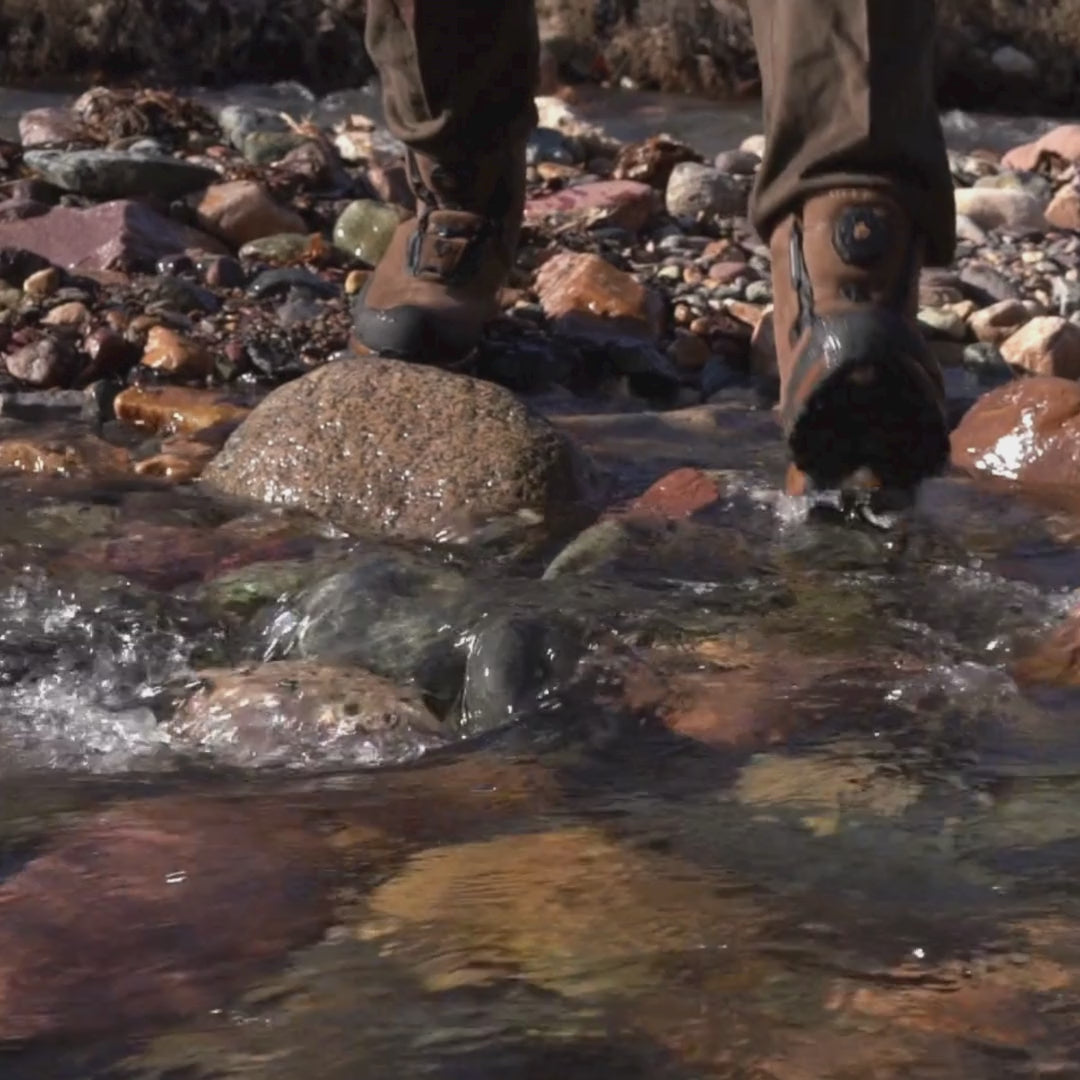
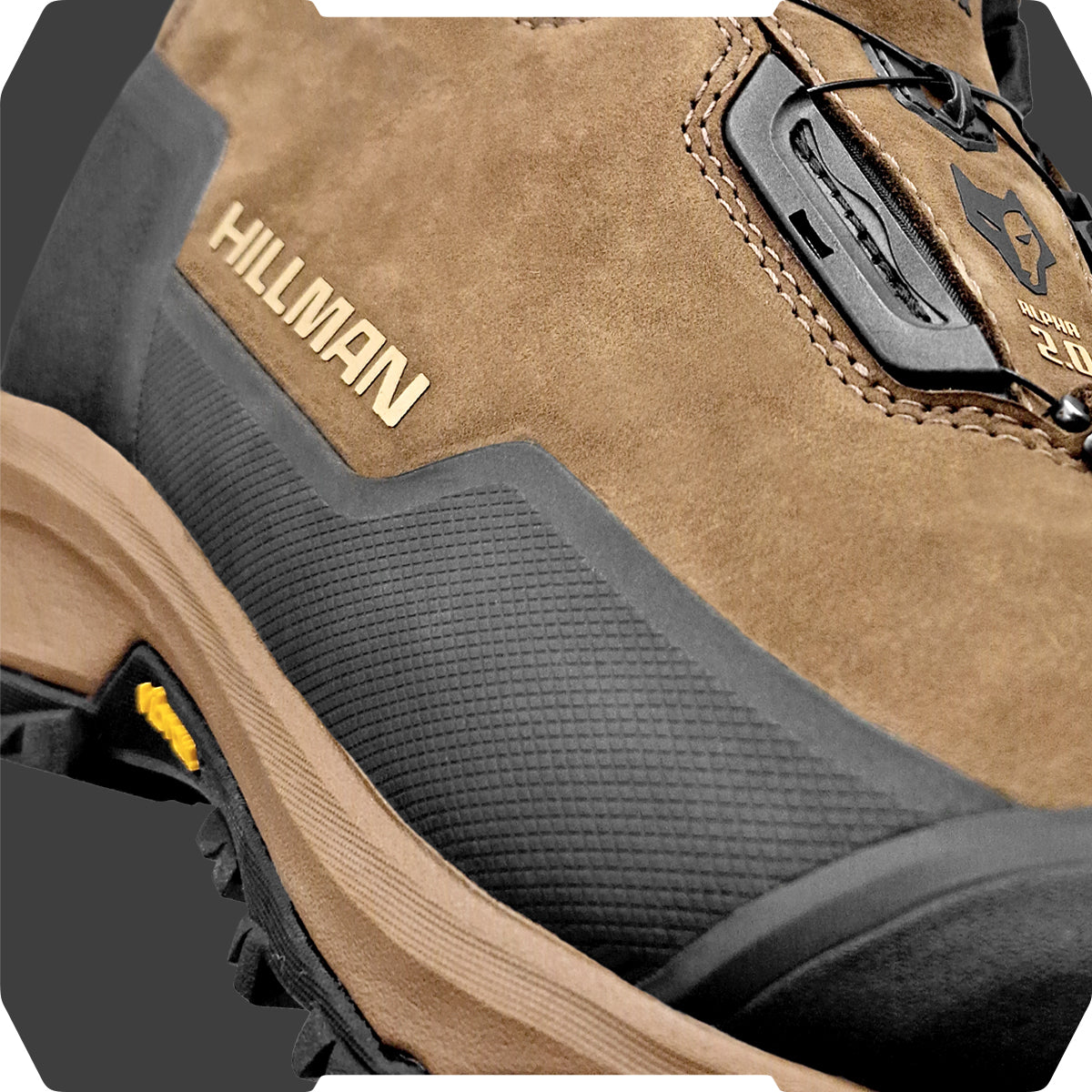
Insulated Hunting Boots Winter Waterproof | Aerogel 2.0
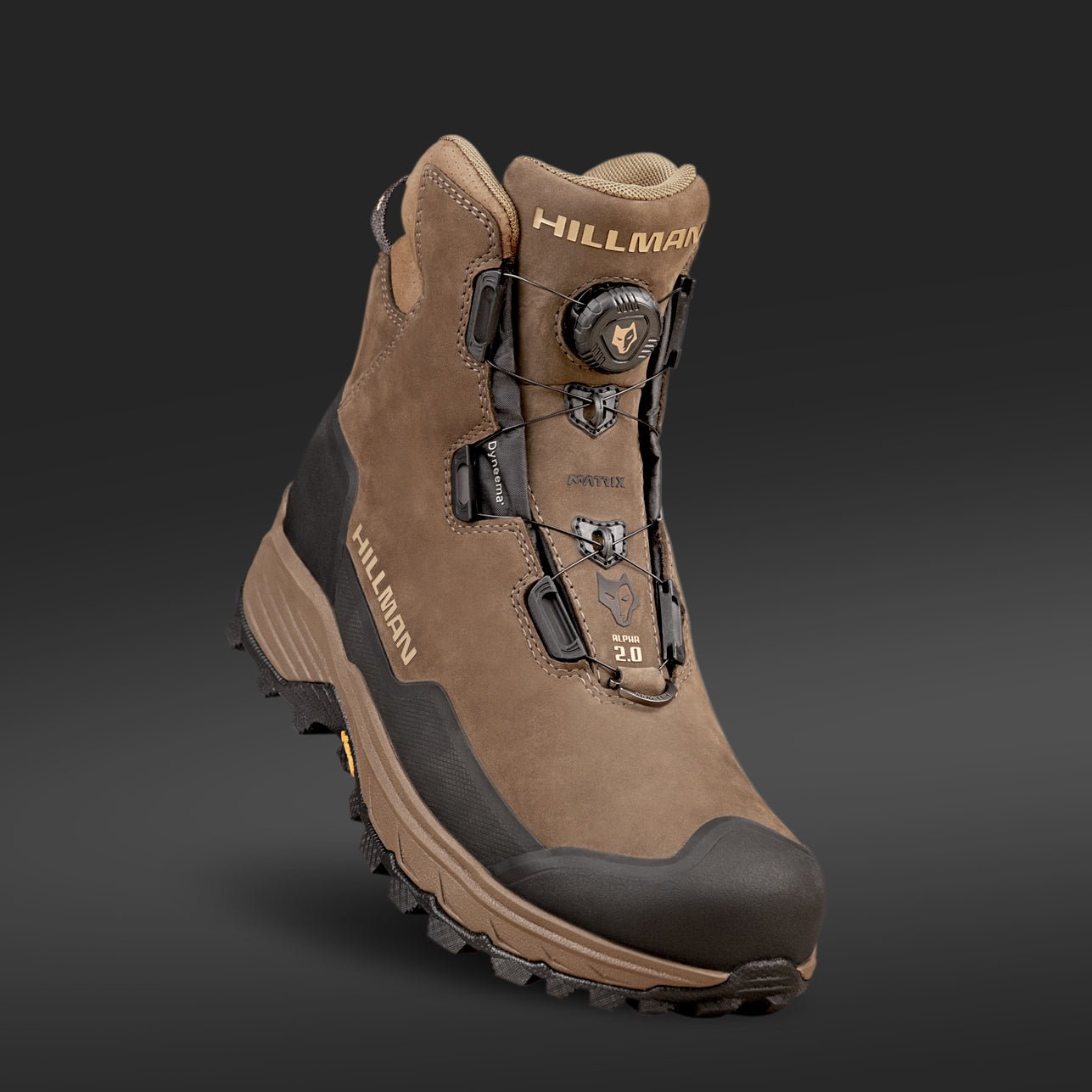
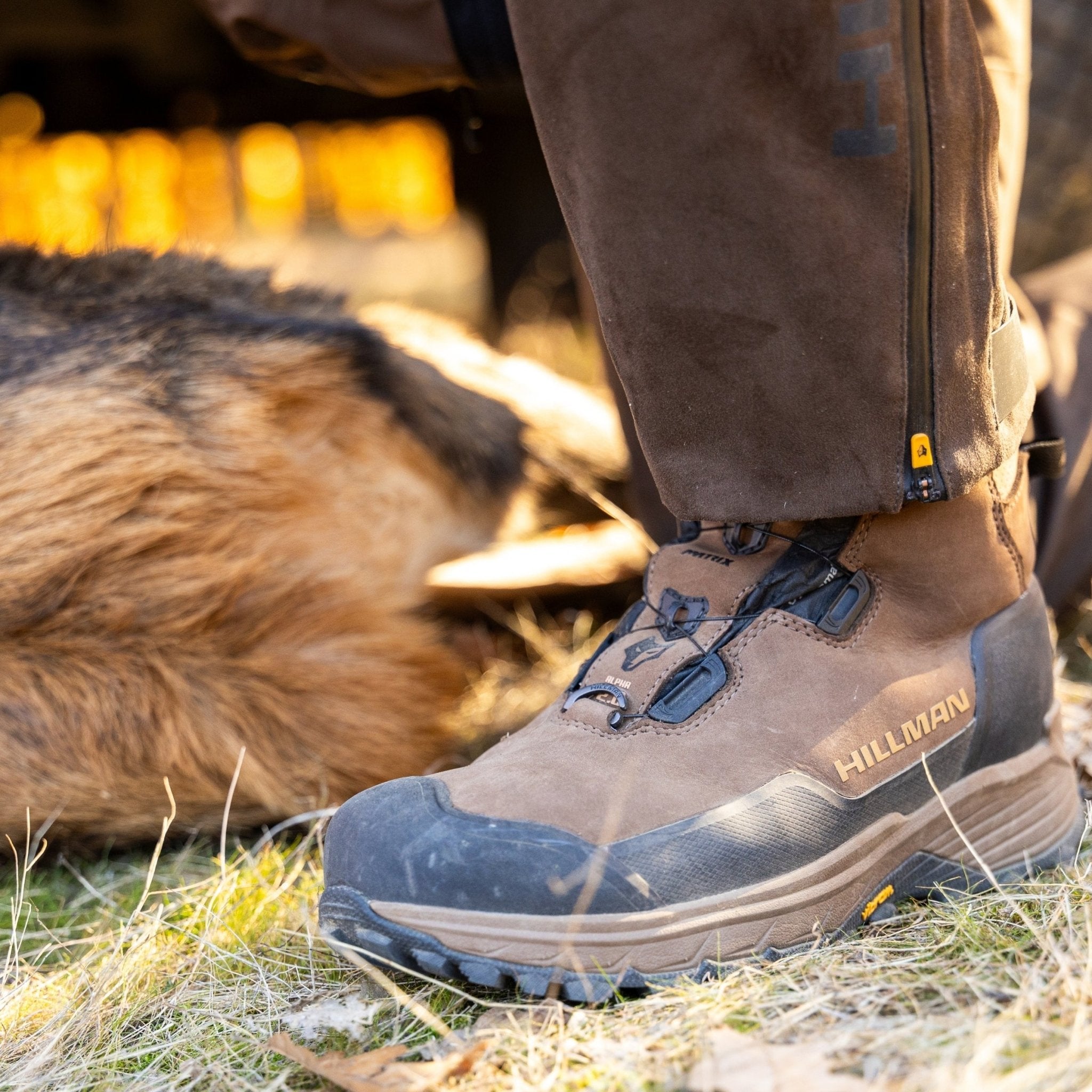
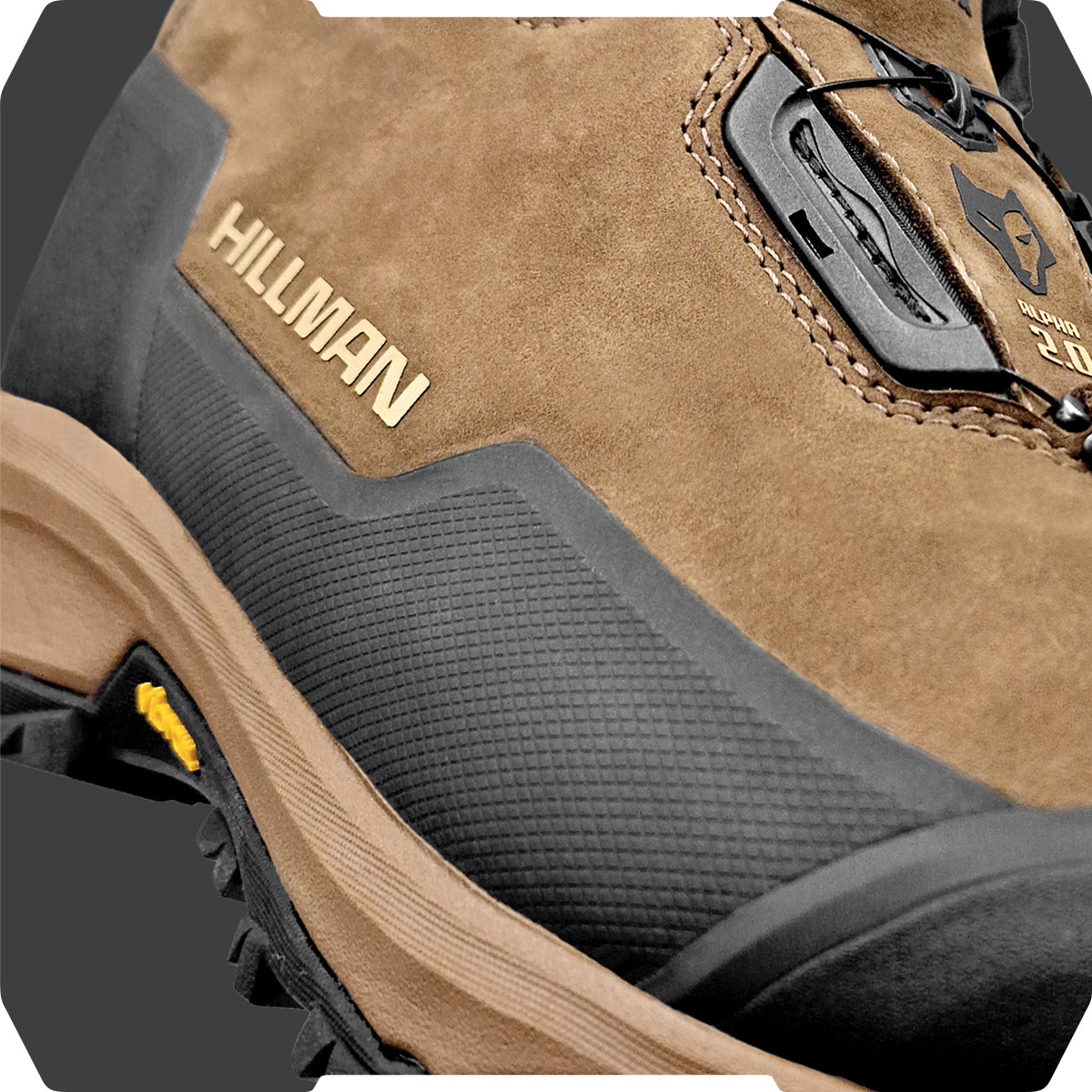
Waterproof Hunting Boots | DryHunt 2.0
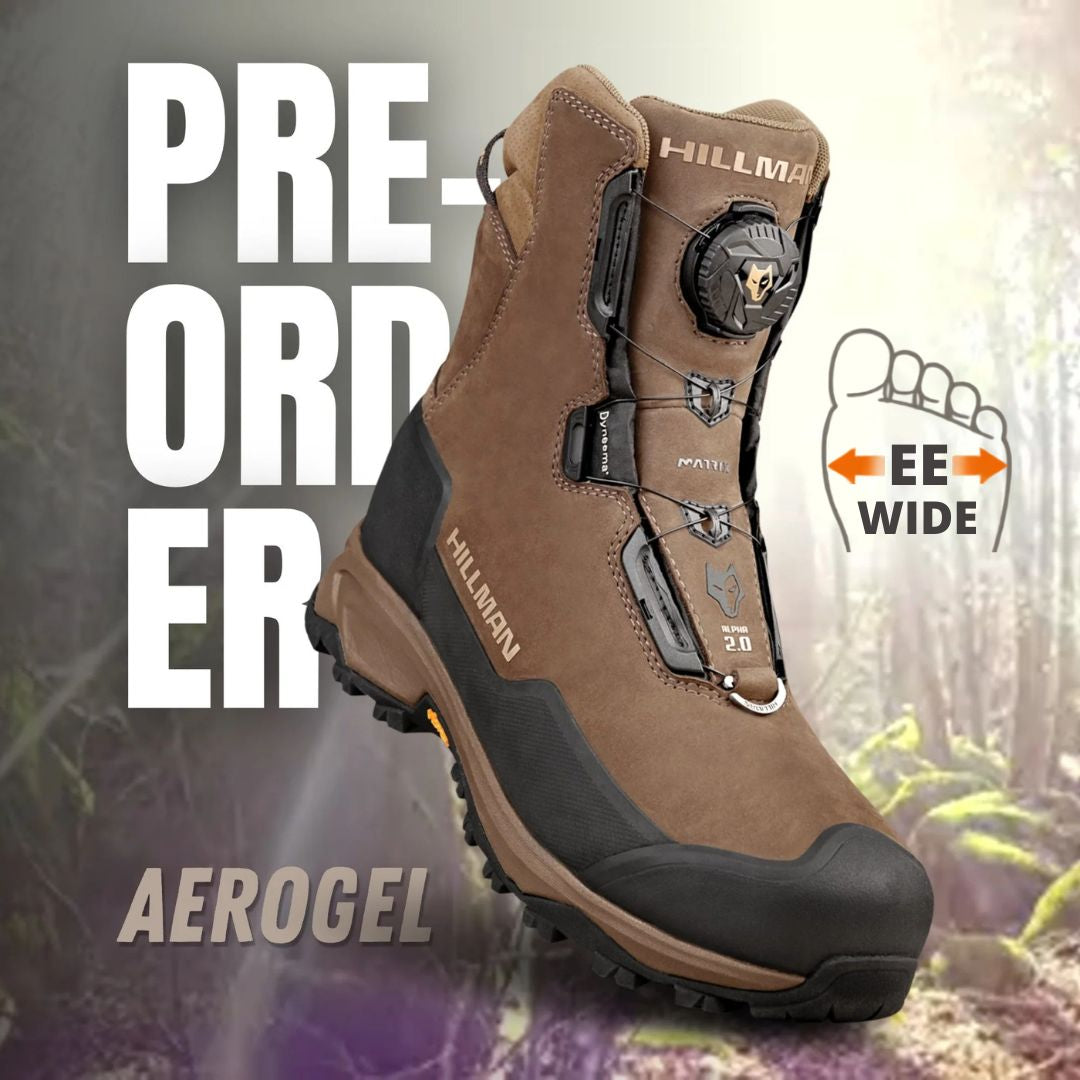
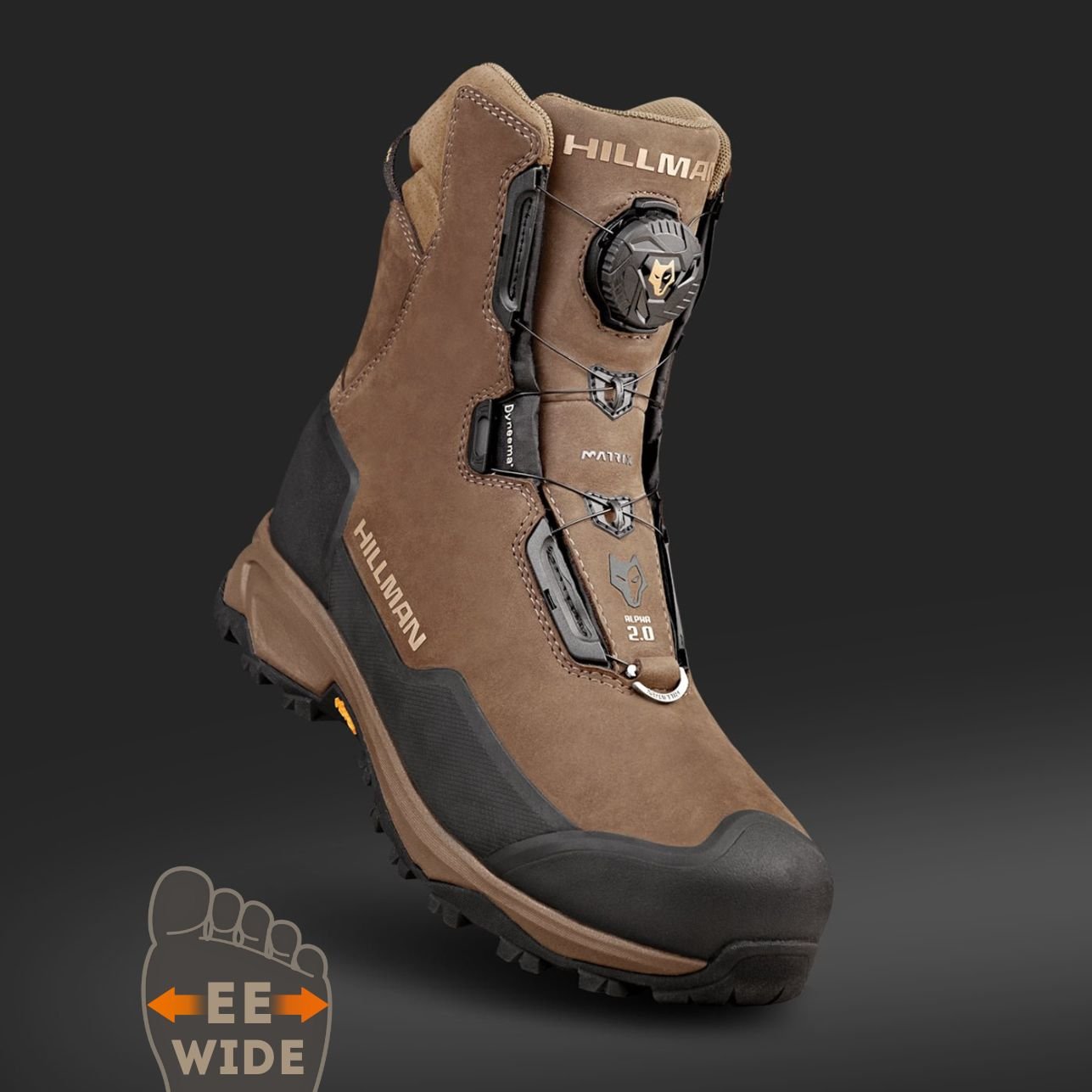
PRE-ORDER | Wide Width Insulated Hunting Boots | Aerogel 2.0 | Delivery 25 Sep
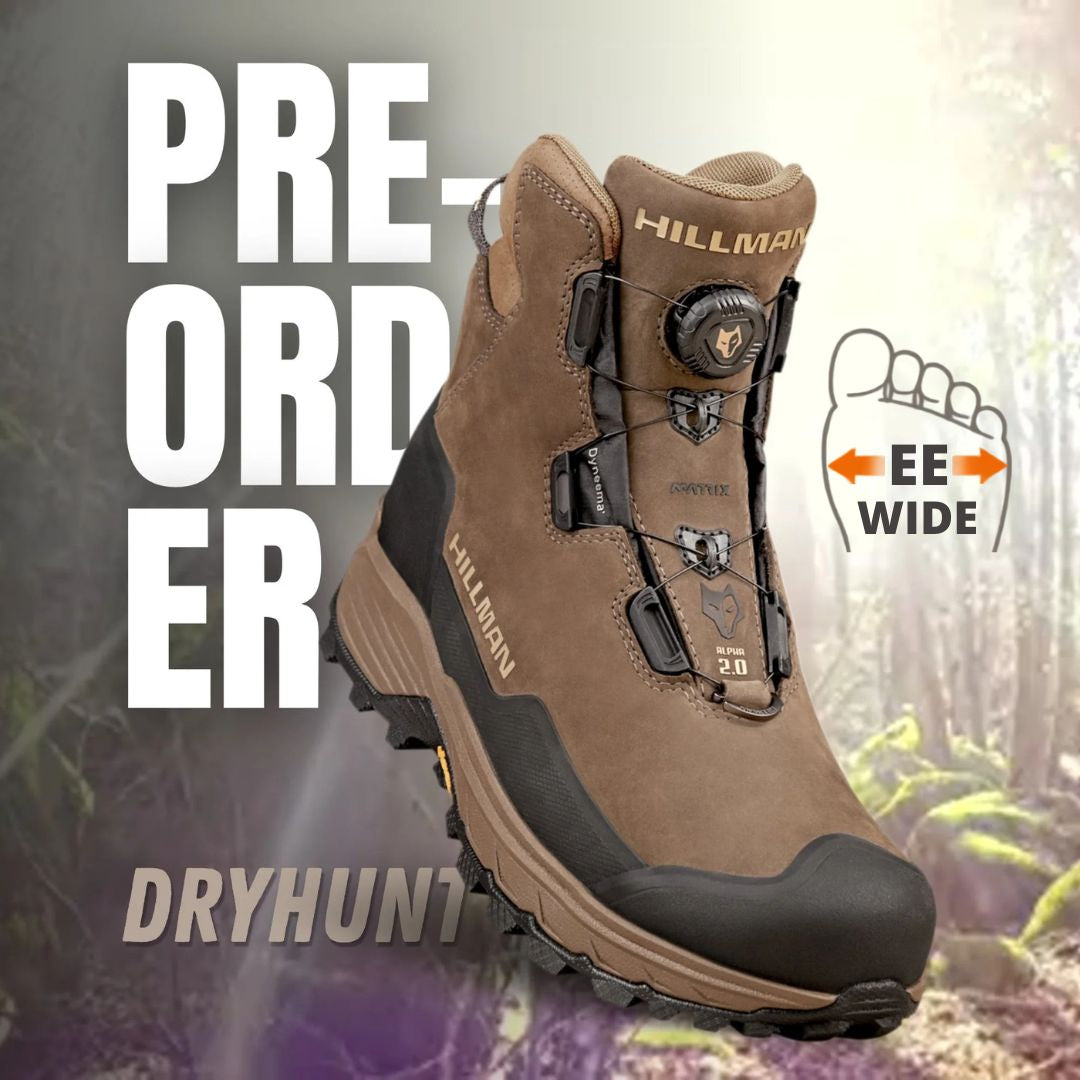
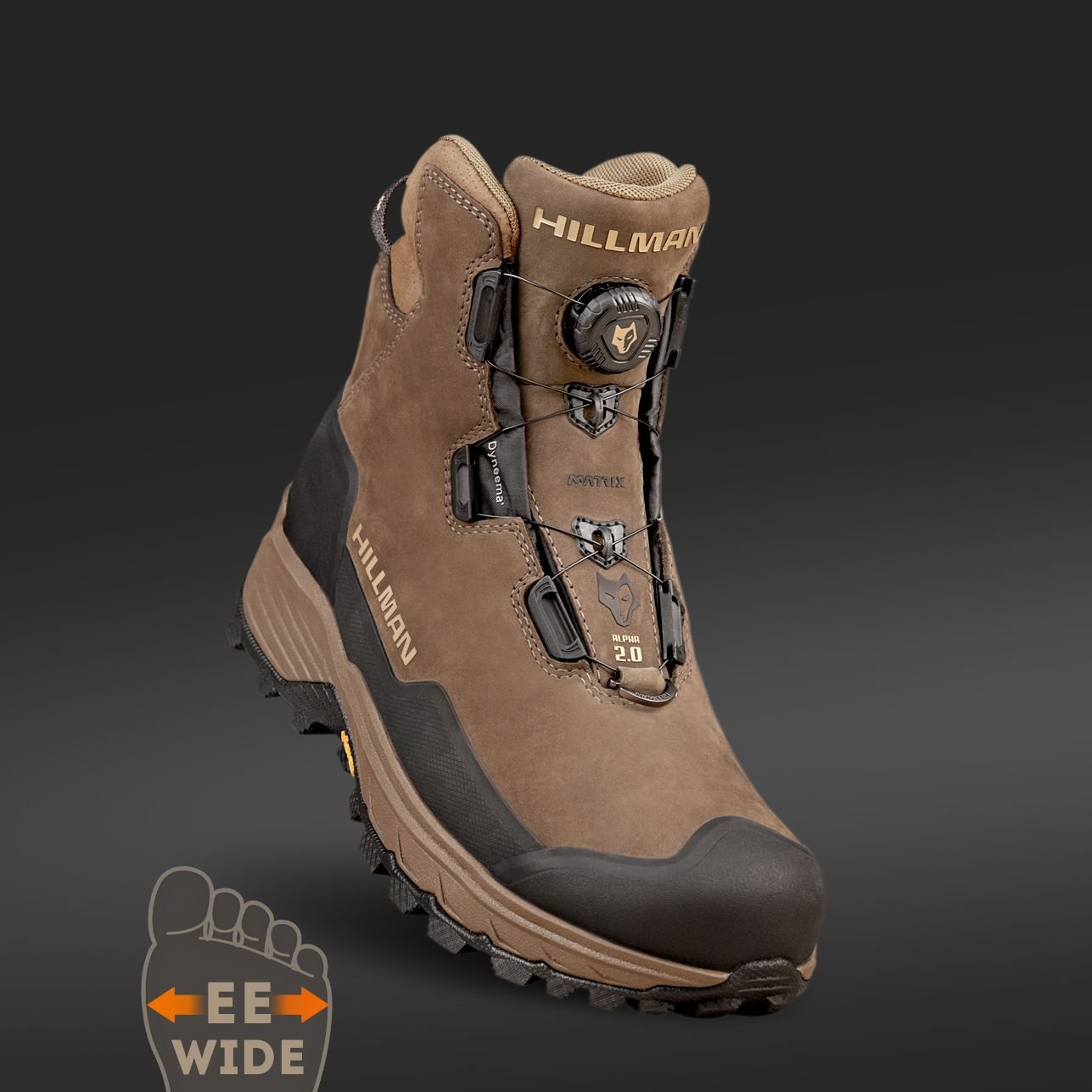
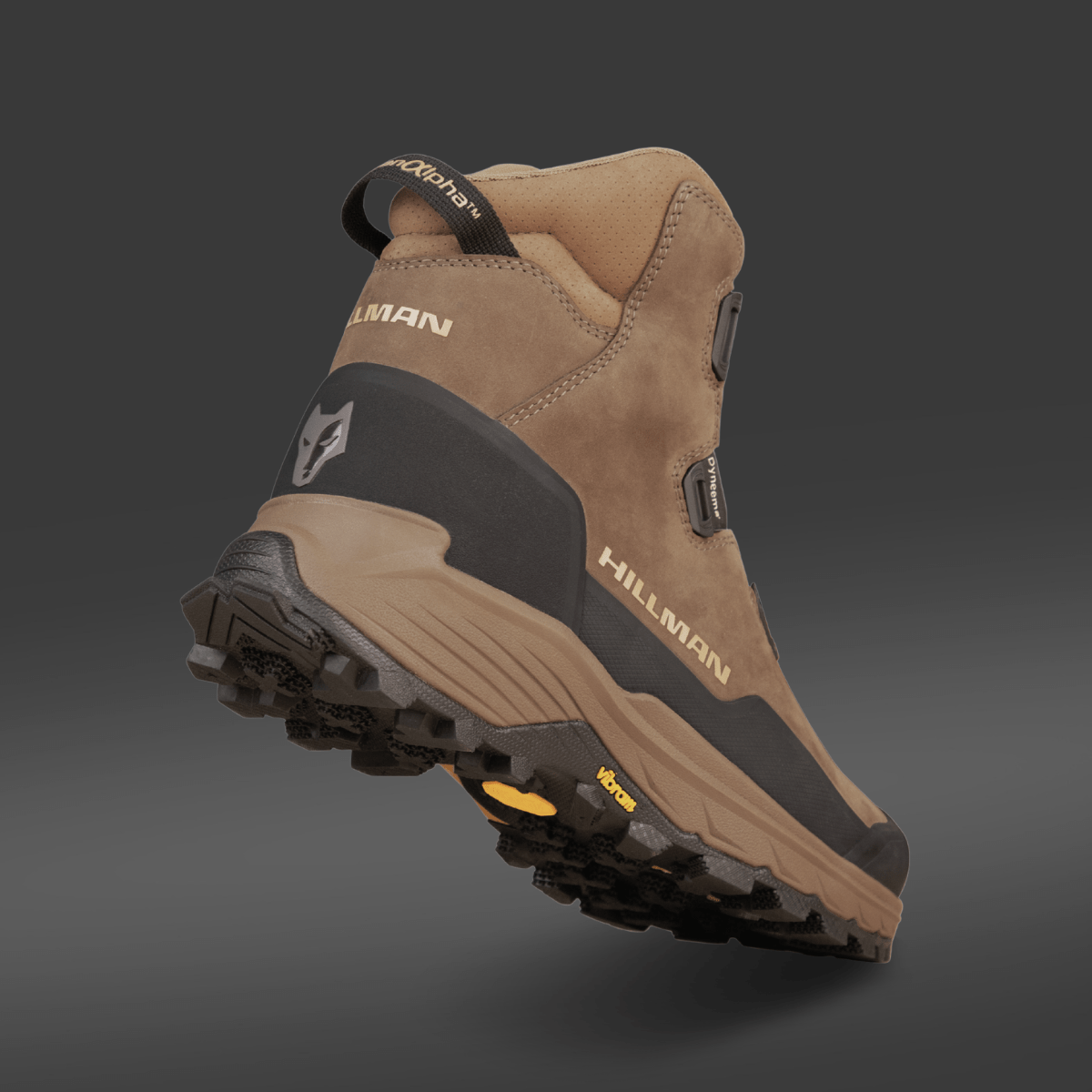
PRE-ORDER | Wide Width Waterproof Hunting Boots | DryHunt 2.0 | Delivery 25 Sep
Why Waterproof Hunting Boots Matter More Than Regular Outdoor Boots
A regular hiking boot is fine on a dry trail. The hunt isn't a dry trail. You're out before light, shins deep in wet grass. Then mud. Then a stream. Then frozen ground. You sit for hours, then walk long distances, whatever the weather's doing. Other boots tap out. They soak through. They wear thin. They skate the second the ground goes greasy. First it's wet feet. Then cold feet. Then you're done for the day.
Waterproof hunting boots are built for the ugly parts. Water stays out. Heat stays in. The sole grips when the trail turns to soup. And here's the bit people miss: the good ones breathe. Your sweat gets out instead of pooling in your socks. Cheap boots seal you up and cook you by lunch. Ours don't. Dry feet, warm feet, and you continue hunting long after other brands send folks home.
How to Choose the Best Waterproof Hunting Boots?

The best hunting boots for you? Down to four things. How wet and cold it gets. The ground you cover. How much you move. How they fit. Get those right, and it's simple. High-quality boots all share a few traits: real waterproofing, a membrane that breathes, strong grip, solid support, and a comfortable boot from the first mile. Here's how to sort it.
Choose Waterproof Boots by Terrain
Start with the ground. Woods and open fields go easy on a boot, so a lighter one's fine. Rock is another story. Rocky terrain and technical terrain want a stiff sole and great traction, plus a boot that won't roll you on loose terrain. Mud and wetlands? Waterproofing first. Snow and ice? Tread that bites. The real test is up high. Mountain hunting on steep, mountainous terrain punishes soft boots, which is why mountain hunters and sheep hunters live in stiff mountain hunting boots. Rule of thumb: more sole stiffness for rugged terrain and rock, a softer sole for ground feel on the flat. Pick for the varied terrain you actually cross, not the tough terrain in your daydreams.
Choose by Weather and Temperature
Then the cold. Cool weather, and a breathable waterproof boot keeps your feet dry without stewing them. Colder, and you want hunting boots waterproof and insulated, sealing water out while holding heat in. Extreme cold, or a late-season elk hunt where you sit for hours? Reach for warmer insulated waterproof hunting boots that keep your toes alive. Winter big game hunting is where insulated boots earn every gram. Buy for your worst days, not your average ones.
Choose by Movement and Hunting Style
Last, your style. Stalking and upland work want light boots that move fast and stay quiet. Treestand hunting is the flip side; whitetail hunters sit still for hours, so warmth trumps weight. Waterfowl hunting means wet, sucking mud, so grip and waterproofing lead. Covering long distances on foot? Light beats heavier boots every time. Most hunters lean one way. The boot follows.
Best Waterproof Hunting Boots for Different Conditions

Know your weather, your ground, your pace, and the right boot type jumps out. Three jobs, really. Here's each.
Men's Waterproof Hunting Boots for Wet Ground and Rain
Rain, mud, wet grass. You want full waterproof protection and sealed seams that shut water out. A breathable membrane counts just as much, so sweat escapes and your feet stay dry inside too. That's what keeps men's waterproof hunting boots comfy through creek crossings, boggy fields, and all-day drizzle. In the wet conditions of waterfowl hunting or a rainy stalk, they keep wet feet cold.
Insulated Waterproof Hunting Boots for Cold Weather
Cold changes the game. Now warmth matters as much as staying dry. Insulated waterproof hunting boots trap heat and keep your feet warm on snow and frozen ground, through long sits in a treestand. Good insulation does it without the brick feel, and a breathable lining stops sweat pooling inside. Even in extreme cold, warm toes and dry feet keep you put, no cold feet marching you home early.
Lightweight Waterproof Hunting Boots for Active Hunts
Cover ground and weight is king. A lighter waterproof boot makes stalking, upland hunting, and long early-season walks way easier on the legs. You keep the waterproof protection and grip, lose the bulk. It feels closer to a hiking boot, with real ground feel over long distances. Plenty of hunters notice it in their legs by dark. Lighter means quicker and quieter when it matters.
Hillman's Waterproof Boots Technologies

A handful of technologies do the real work in every Hillman boot. Here's what keeps your feet dry, warm, and planted.
Dryhunt® Waterproof Breathable Membrane
Dryhunt® is our waterproof, breathable membrane. It's the heart of the boot. Rain, snow, slush- none of it gets in. But heat and sweat push out, so your feet stay dry from the weather and from your own graft. This new technology breathes up to 300% better than standard waterproofing. We've hammered it over the past year. The upshot is simple: no wet feet, no cold, soggy socks by noon.
Watch the Dryhunt breathability test and see how Hillman's membrane performs against a world-leading waterproof membrane in moisture release and comfort.
Matrix® and Aerogel Insulation for Warmth Without Bulk
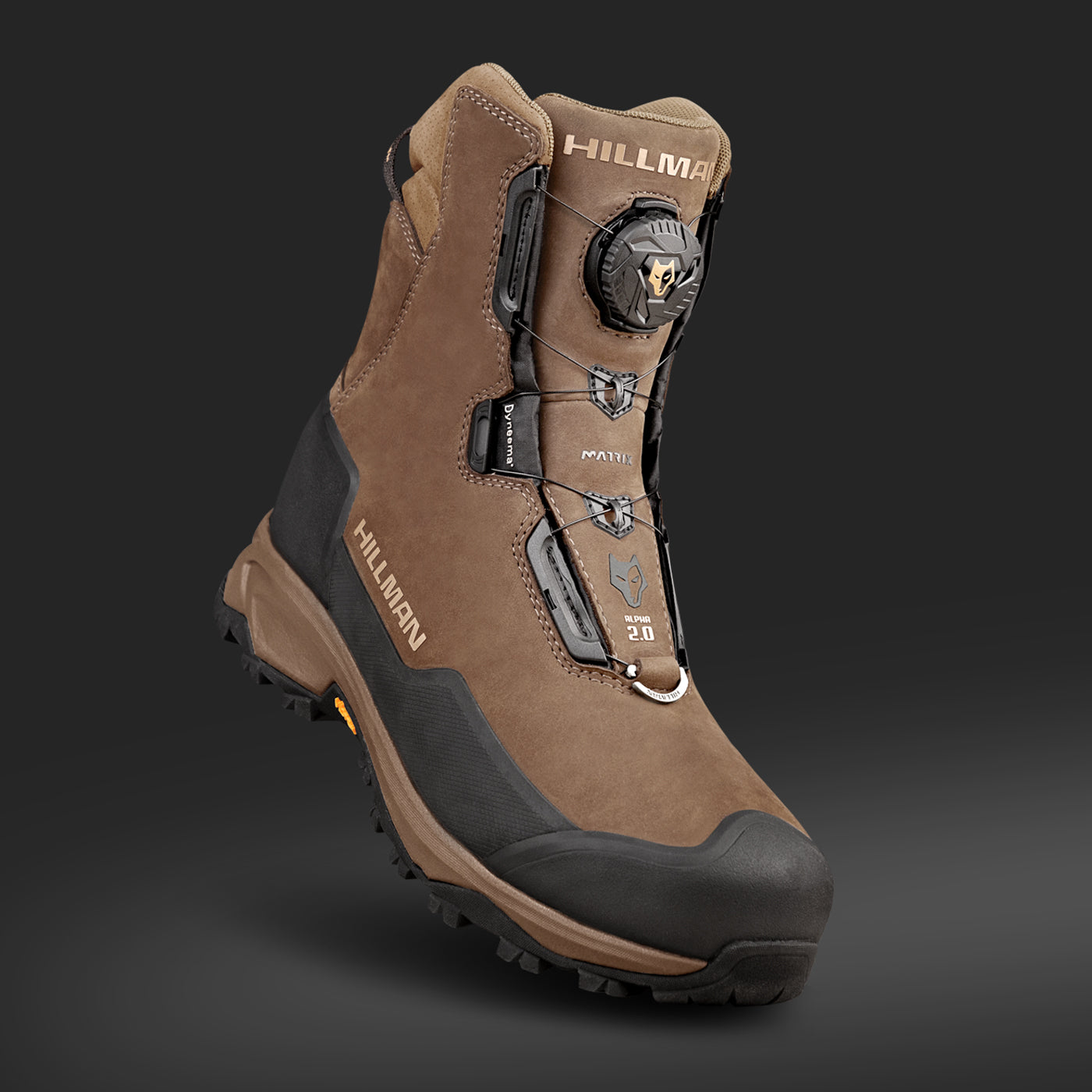
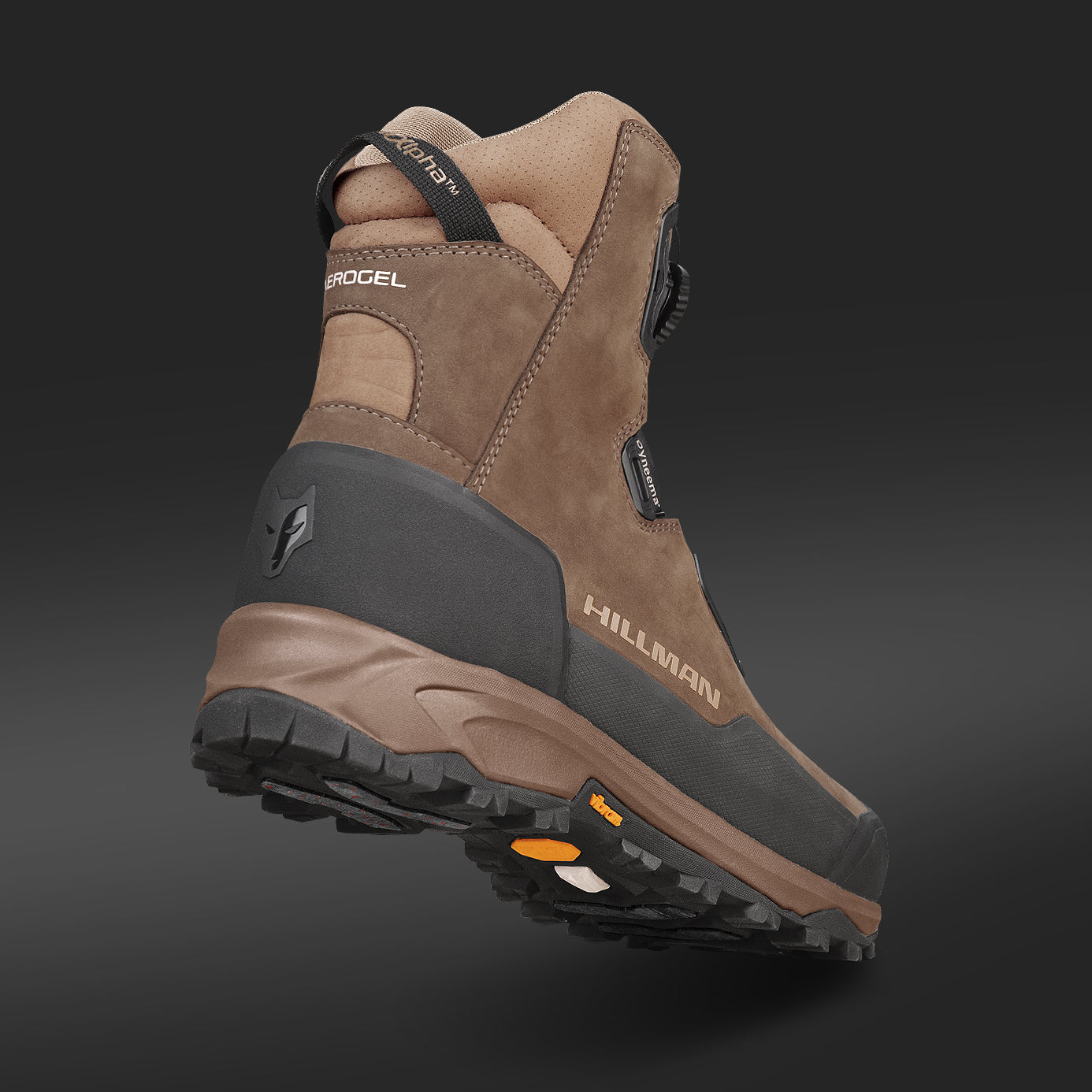
Old winter boots stuff in thick padding and weigh you down. Not our way. Matrix® and Aerogel insulation hold warmth in a thin, light layer, tested to -30°C in our warmest boots. Serious heat for extreme cold, minus the bulk. Our insulated boots stay lighter than the heavier boots most brands push. And it won't pack flat on a long sit, so your feet stay warm even dead still.
Vibram® Grip for Mud, Rock and Frozen Ground
Vibram® outsoles give you grip you can trust. The Vibram sole and its Vibram Mega Grip compound dig into mud, wet rock, loose dirt, and roots for great traction. Hit ice or frozen ground and our Vibram® Arctic Grip™ soles hold where plain rubber lets go. That grip keeps you steady on slick rock and loose terrain, so footing is the last thing on your mind.
Freelock™ Lacing and Secure Fit
Our Freelock™ lacing system sets your fit in seconds, gloves on. One pull and your heel and foot lock down, no knots to wrestle in the cold. Under it is a firm ankle bone support structure, giving you real ankle support and providing stability on side-hills and broken ground. Tight for the climb, loose for the flat, snug again in a blink. Order your normal size. A new pair needs next to no break-in.
Alpha Aerogel 2.0 – Insulated Waterproof Hunting Boots

The Alpha Aerogel 2.0 is our warmest waterproof boot, built for extreme cold and long, frozen sits. Matrix® and Aerogel insulation hold heat to -30°C, no old-school bulk. The Dryhunt® membrane seals water out and lets sweat go, so your feet stay dry and warm together. Vibram® Arctic Grip™ bites ice and frozen ground. The upper, tough full-grain leather and Dyneema®, shrugs off rock, brush, and sharp debris. Treestand sits. A late-season elk hunt. A frozen high seat. It's the best waterproof hunting boot we make for deep cold, and for a lot of mountain hunters, the perfect boot when the mercury bottoms out.
Watch the Alpha Aerogel 2.0 boots in action and see how their waterproof build, insulated design and durable outsole perform in tough hunting conditions.
Alpha 2.0 Dryhunt – Waterproof Hunting Boots for Grip and Comfort
The Alpha 2.0 Dryhunt is the lighter, quicker boot, built for wet ground and warmer days. Its Dryhunt® membrane breathes up to 300% better than standard waterproofing, so your feet stay dry from rain and from your own sweat on the move. The Vibram sole grabs mud, wet rock, and loose trails, even when it all turns slick. Light enough for long stalks and upland days, it moves like a mountain hunting boot or a fast hiking boot, with a Freelock™ fit that stays put instead of slipping mid-hike. When the hunt keeps you moving over wet, rough terrain, this waterproof hunting boot is the one for the job.
See the Alpha 2.0 Dryhunt boots in action and how their waterproof protection, extreme grip, and comfort support hunters on wet, rough terrain.
Waterproof vs Insulated Hunting Boots
Both boots here are fully waterproof. The real call is insulation: how much warmth you need. Breathable waterproof boots keep you cool and dry when you're moving, or it's mild. Insulated waterproof hunting boots pile on heat for cold, still days. Both come in standard and wide-fit. Here's your side.
Choose Waterproof Boots for Active and Mild-Weather Hunts
Move a lot, or hunt mild and wet? Go breathable and light. A waterproof boot like the DryHunt 2.0 lets sweat out and keeps you quick on your feet. Pile on insulation, and you'll just overheat, then chill when you stop. For early-season stalking and upland days, light and flexible beats max warmth. It's the boot many hunters grab before other boots when the ground's wet but the air is warm.
Choose Insulated Waterproof Boots for Cold and Static Hunts
Genuinely cold, or sitting still for hours? Warmth wins. Insulated waterproof boots like the Aerogel 2.0 trap heat, so your feet don't go numb in a treestand or a frozen high seat. Sitting down, you make almost no body heat, so the insulation and frozen-ground grip carry you. For deep winter and long, dead-still waits, these are the best boots for the job.

FAQs
Do waterproof hunting boots actually keep feet dry, or do they just delay a good soak?
How do these compare to mountain boots like the Danner Recurve or La Sportiva?
How deep can waterproof hunting boots actually handle before water gets in?
Do waterproof boots work for wildfowling on the foreshore or do you always need waders?
Does the waterproofing on hunting boots degrade over time and is it fixable?
How does Hillman's Dryhunt membrane compare to a Gore Tex lining?
Can you use the same waterproof boots across early season upland work and late season cold conditions?
Shop Related Collections