Why Hunting Base Layers Matter
Hunting base layers matter because they control the conditions directly against the skin. During a hard approach, a suitable fabric absorbs or transfers perspiration before it accumulates. When the hunter stops to glass, waits at a peg or settles into a high seat, less retained moisture means less rapid cooling.
The base layer does not replace insulation or waterproof clothing. Its job is to support those garments by managing moisture, reducing friction and maintaining a comfortable next-to-skin fit. A poor layer can remain damp beneath an excellent jacket, while an appropriate one helps the entire clothing system work more effectively.
Merino Wool Base Layer Hunting Tops
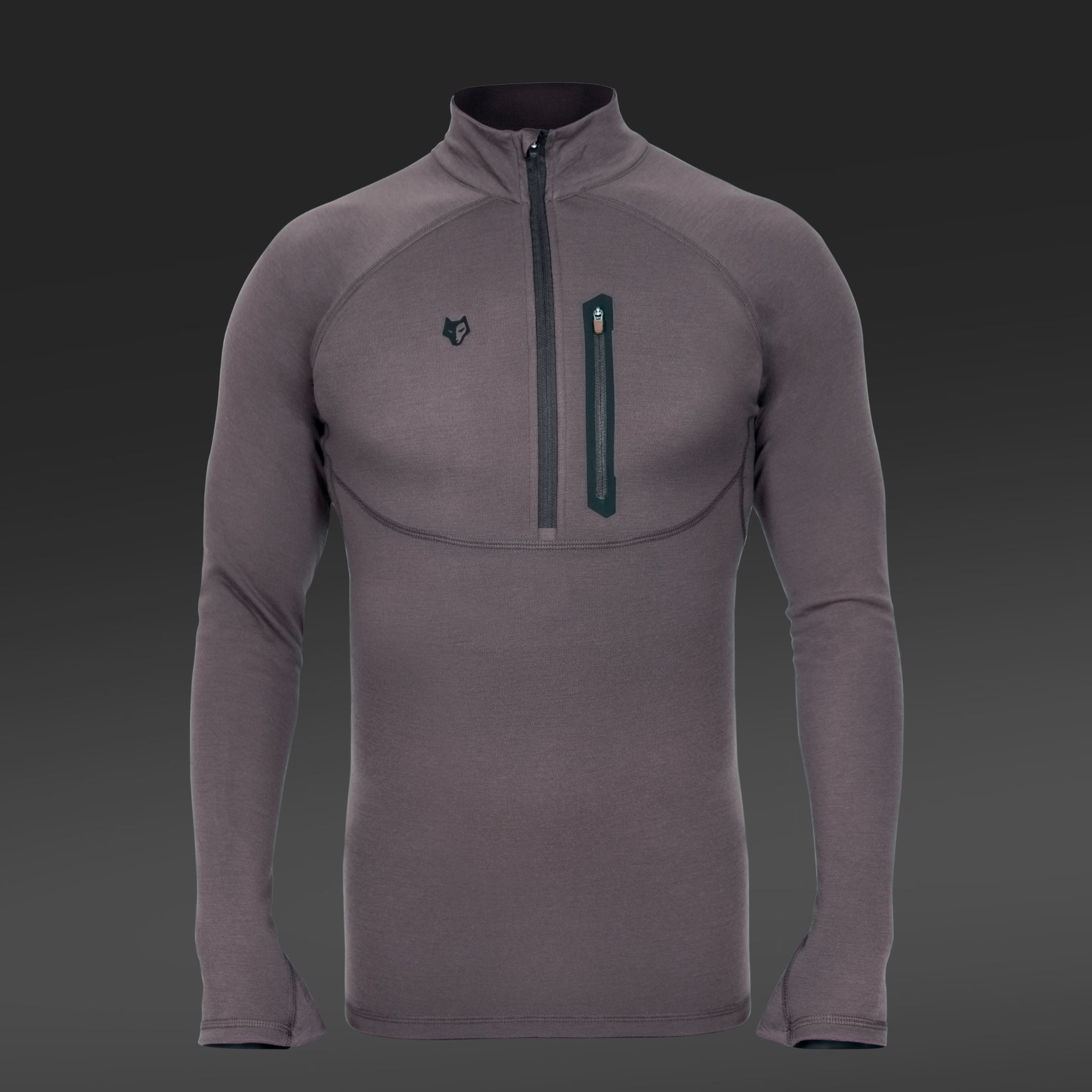
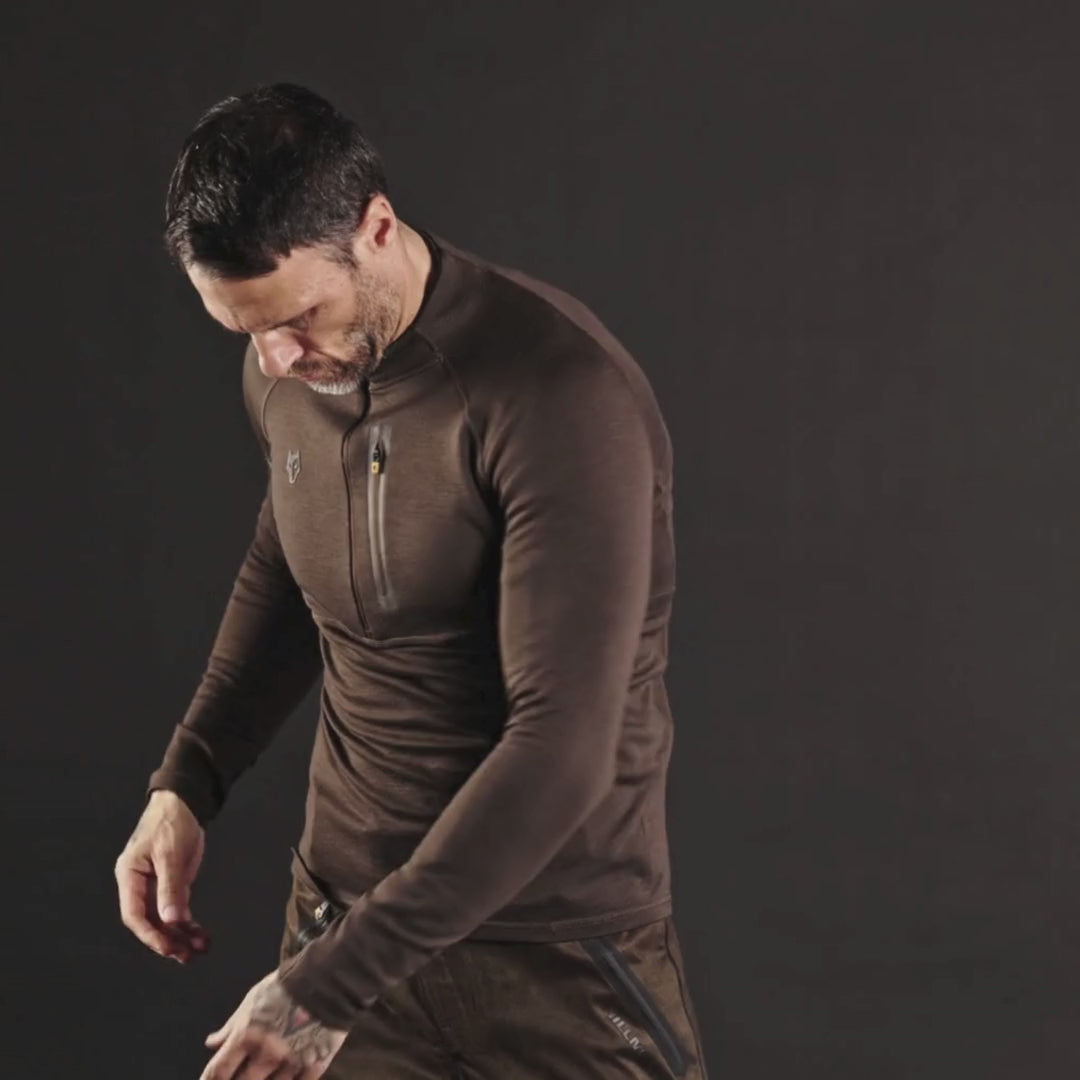
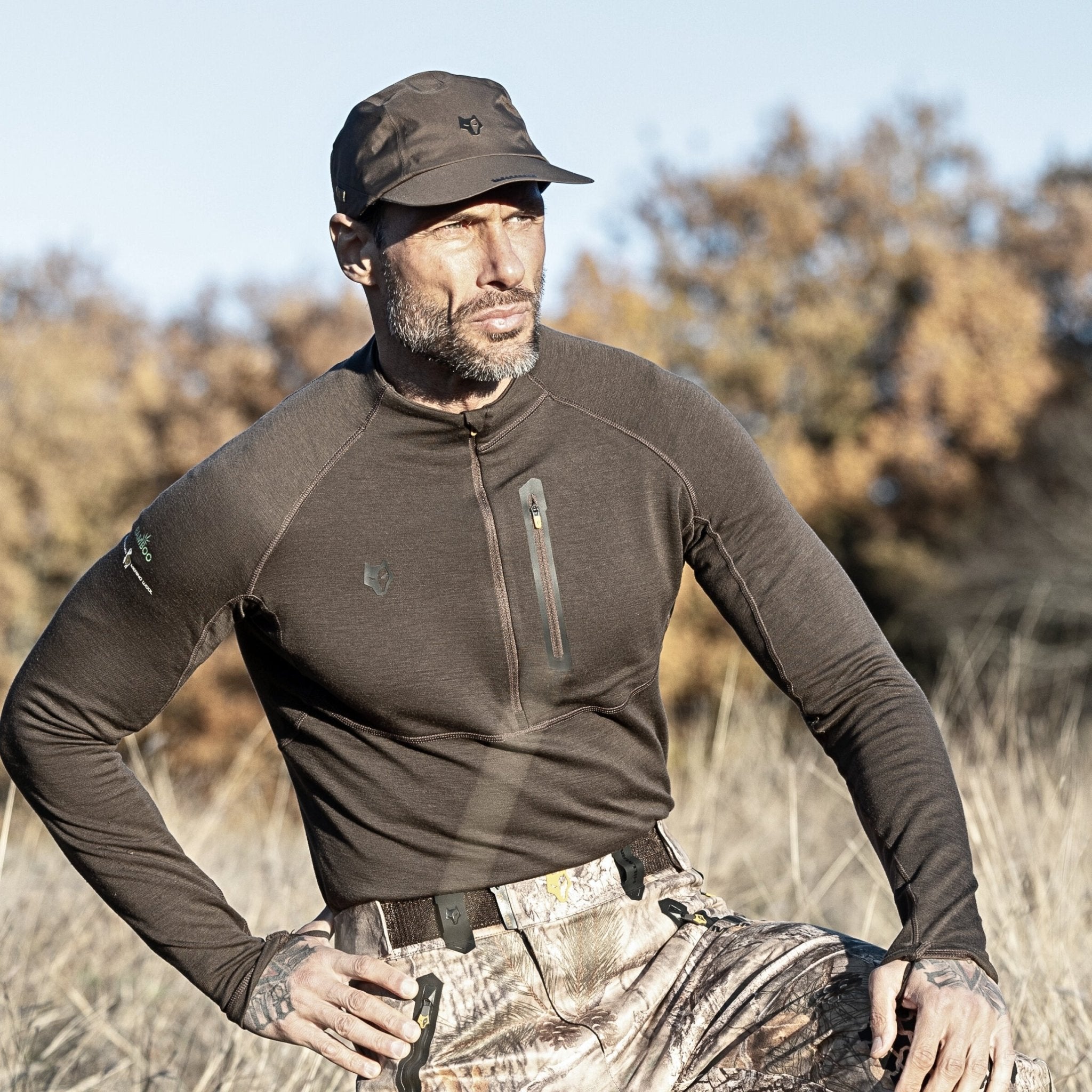
Hillman develops merino wool base layer hunting tops for cold starts, winter outings and days that alternate between movement and stillness. Merino provides warmth and temperature regulation, while its natural odour resistance is useful during long hunting days.
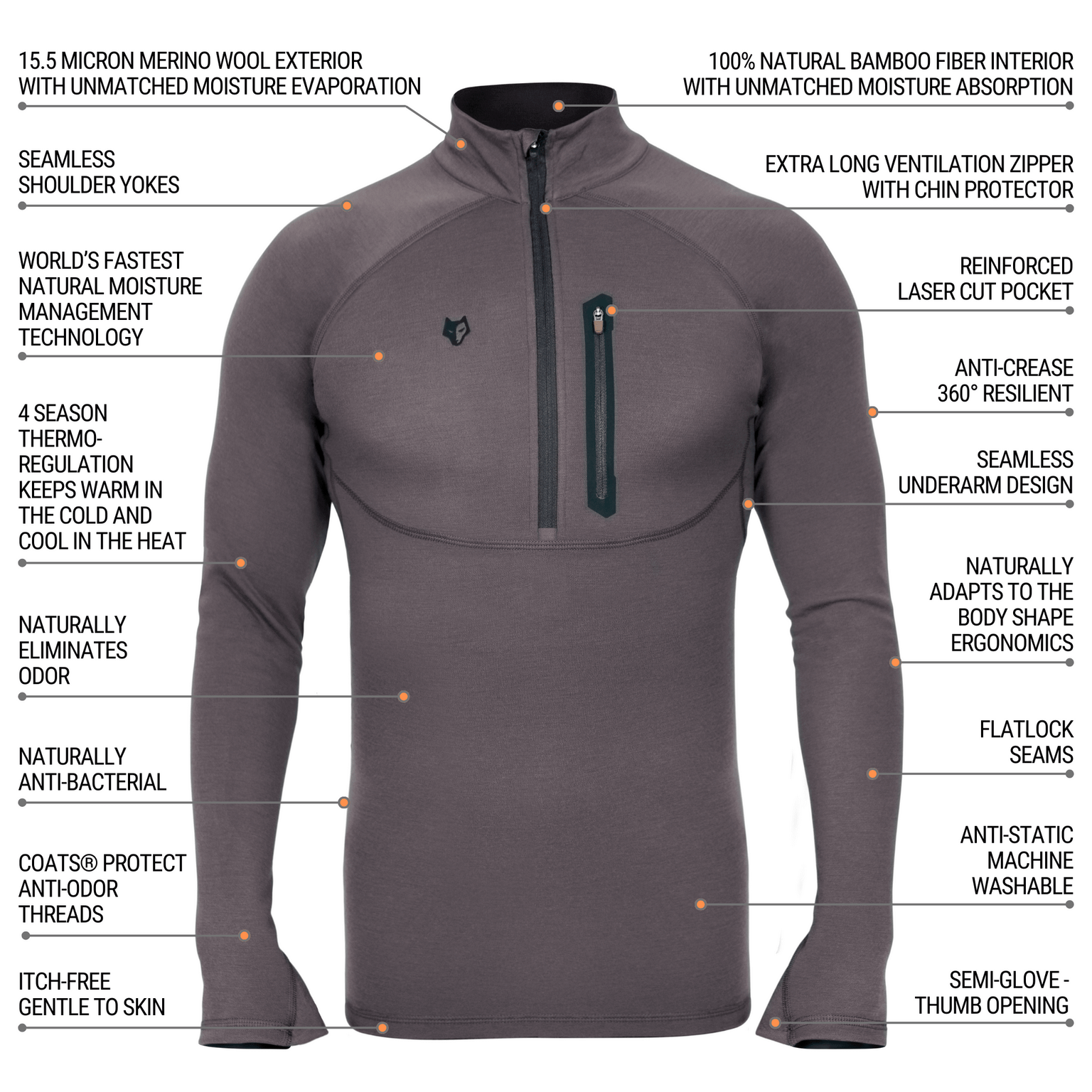
The current 2BL top combines fine merino with bamboo viscose, organic cotton and stretch fibre. This blended construction addresses both insulation and moisture movement rather than relying on wool alone.
Warmest Base Layer for Hunting in Cold Weather
The warmest base layer for hunting is the one matched to the coldest and least active part of the day. Early departures, exposed high seats, winter stalking and driven stands require more insulation than the approach alone might suggest.
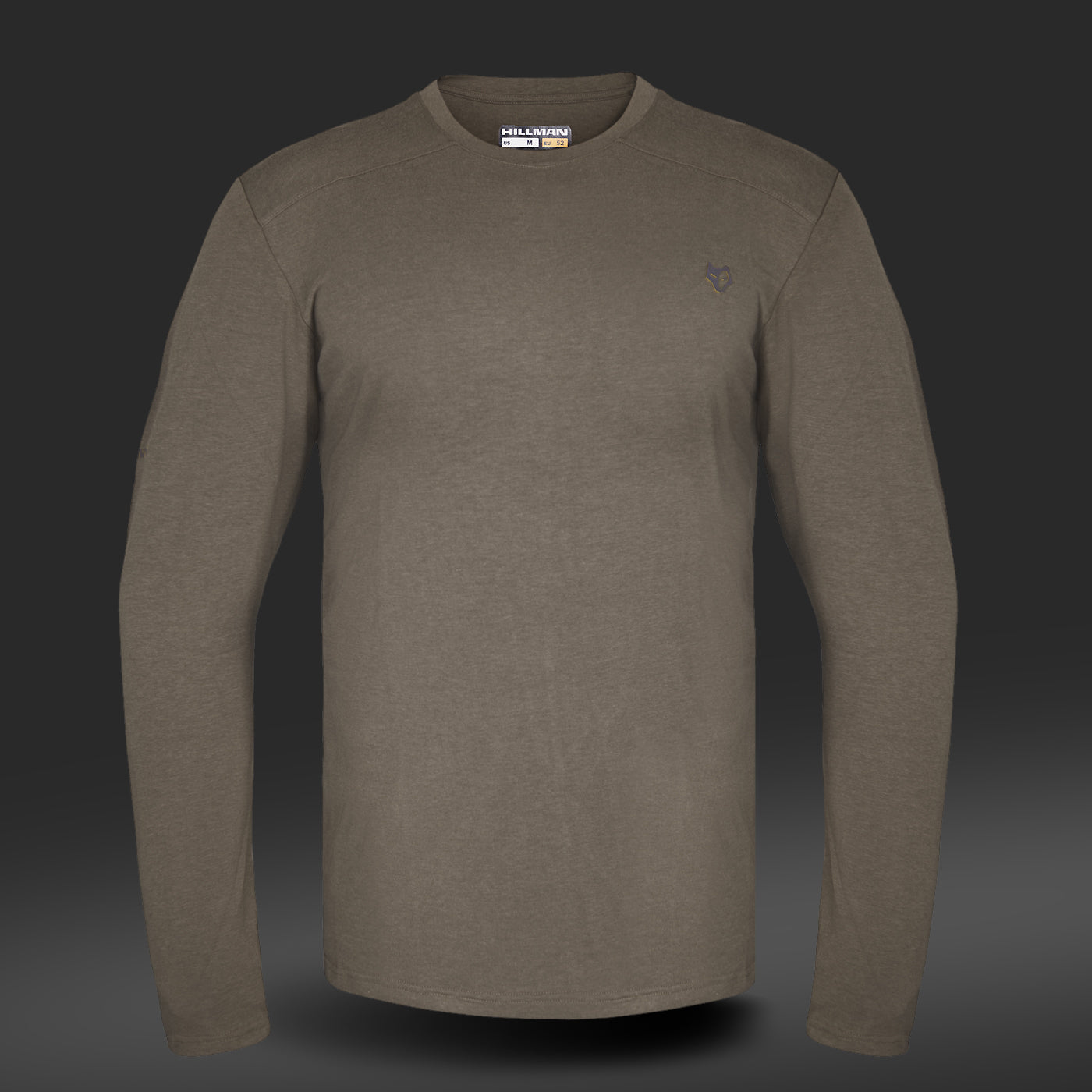
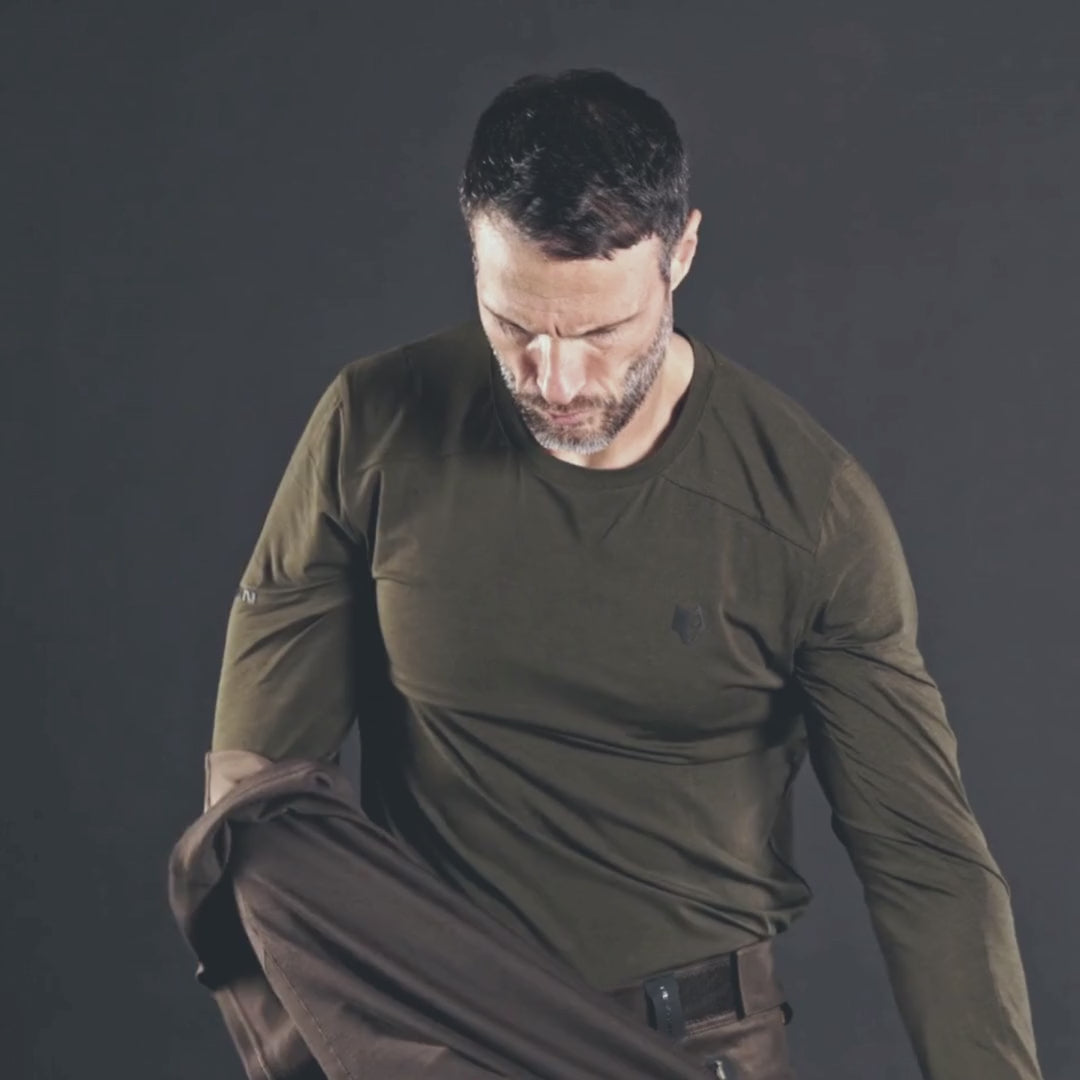
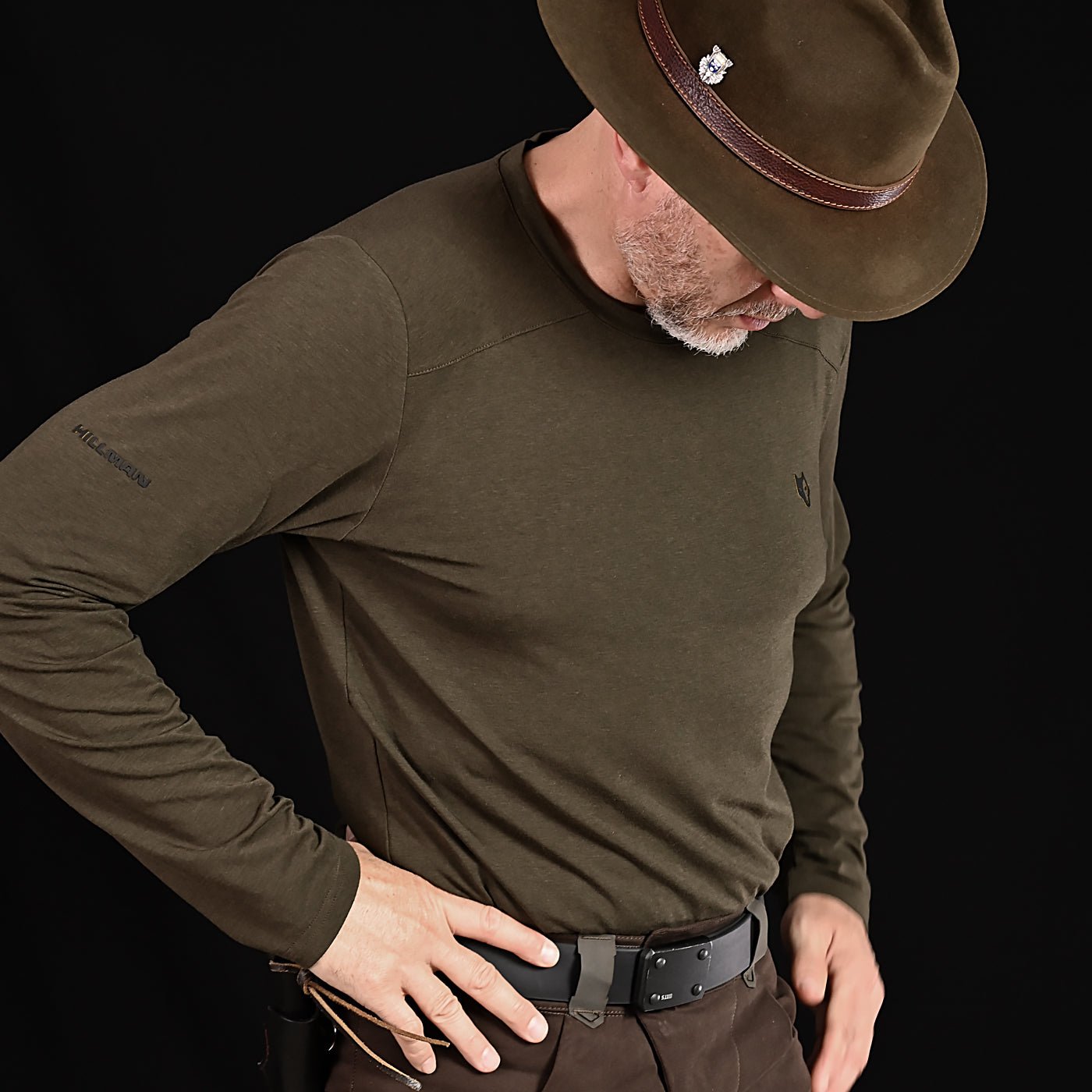
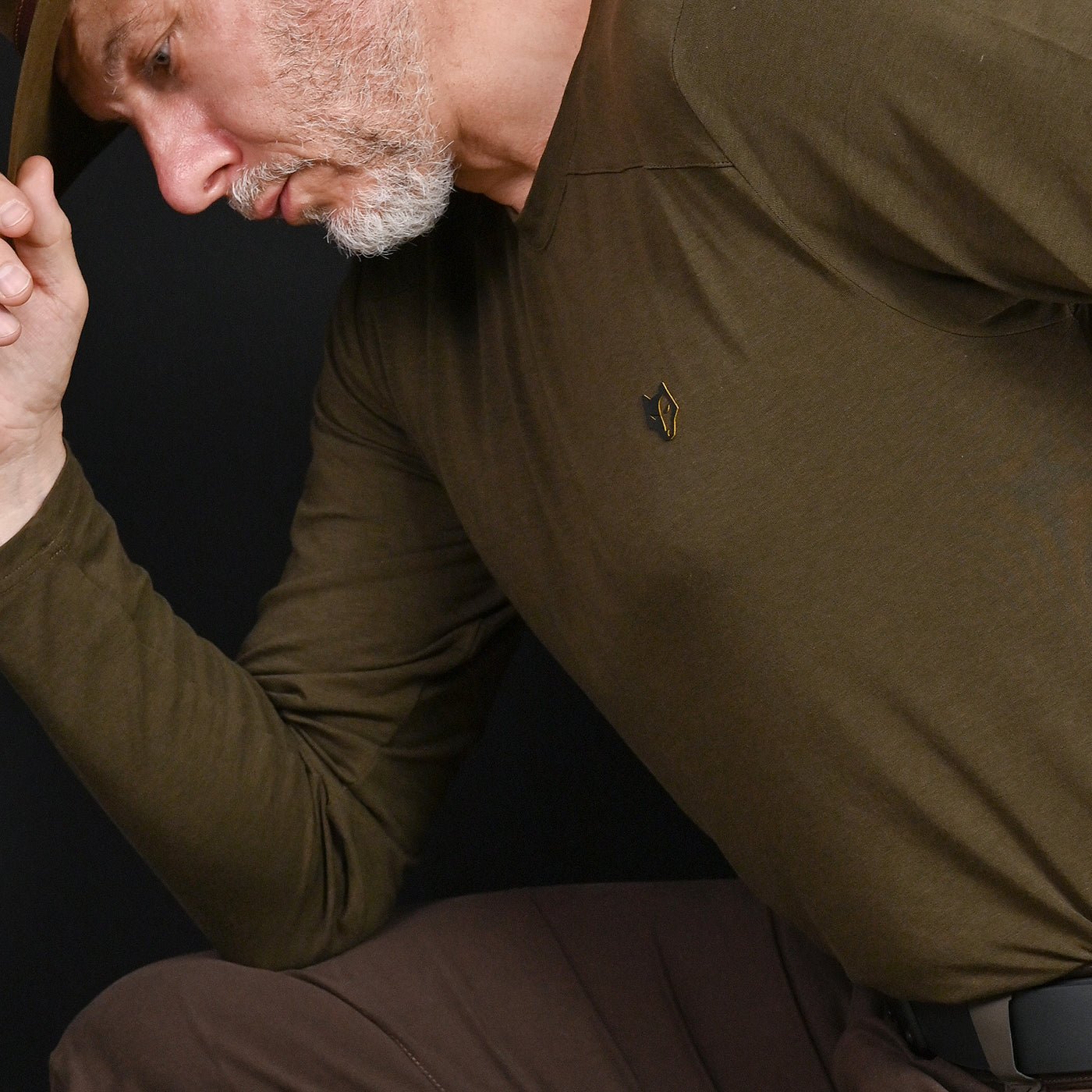
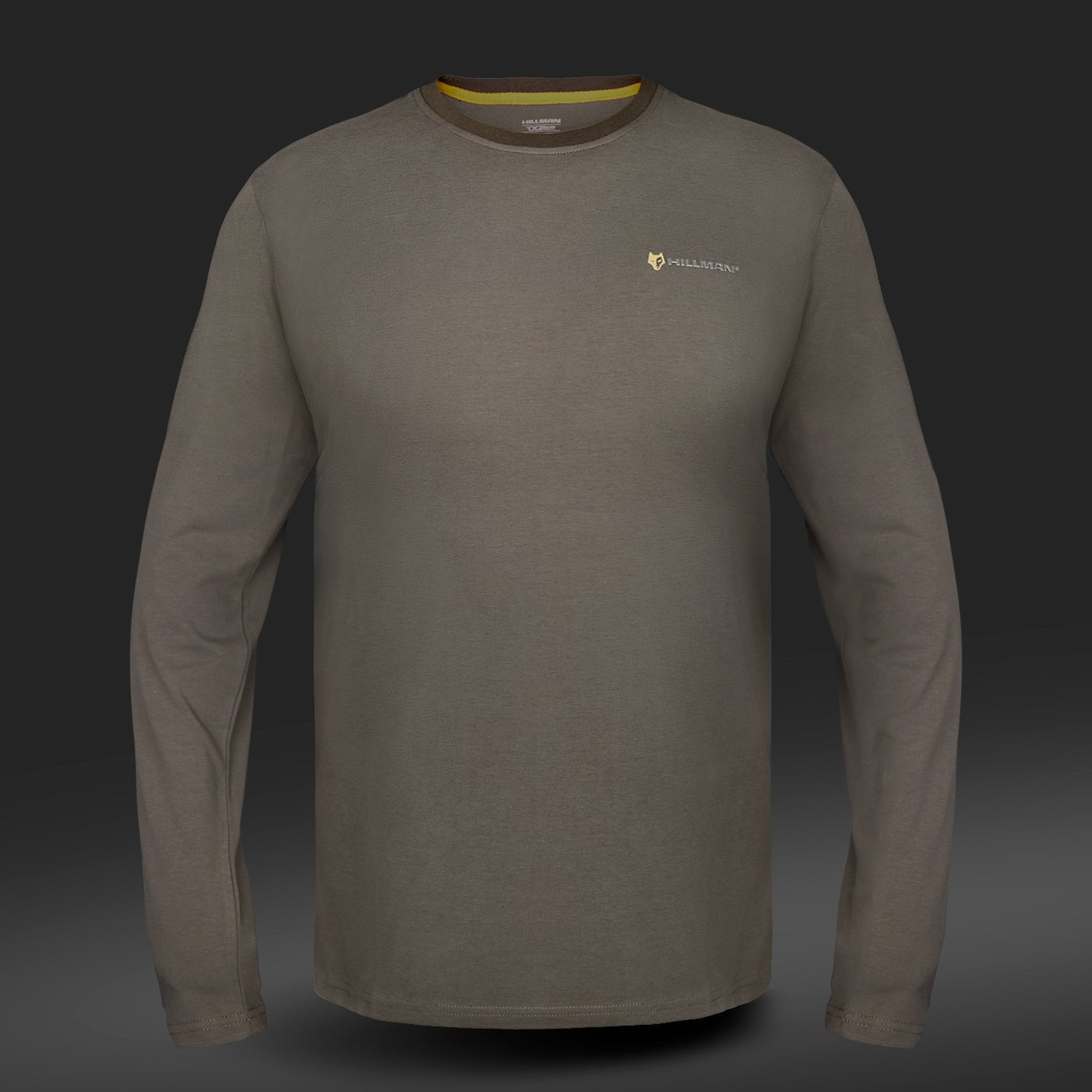
Hillman’s 2BL long-sleeve top uses 15.5-micron merino within its Synertech® merino-bamboo construction. A close fit, flat seams and 360-degree stretch help it sit beneath mid and outer layers without excessive bulk. Warmth still depends on the complete system, including insulation, wind protection and the hunter’s activity level.
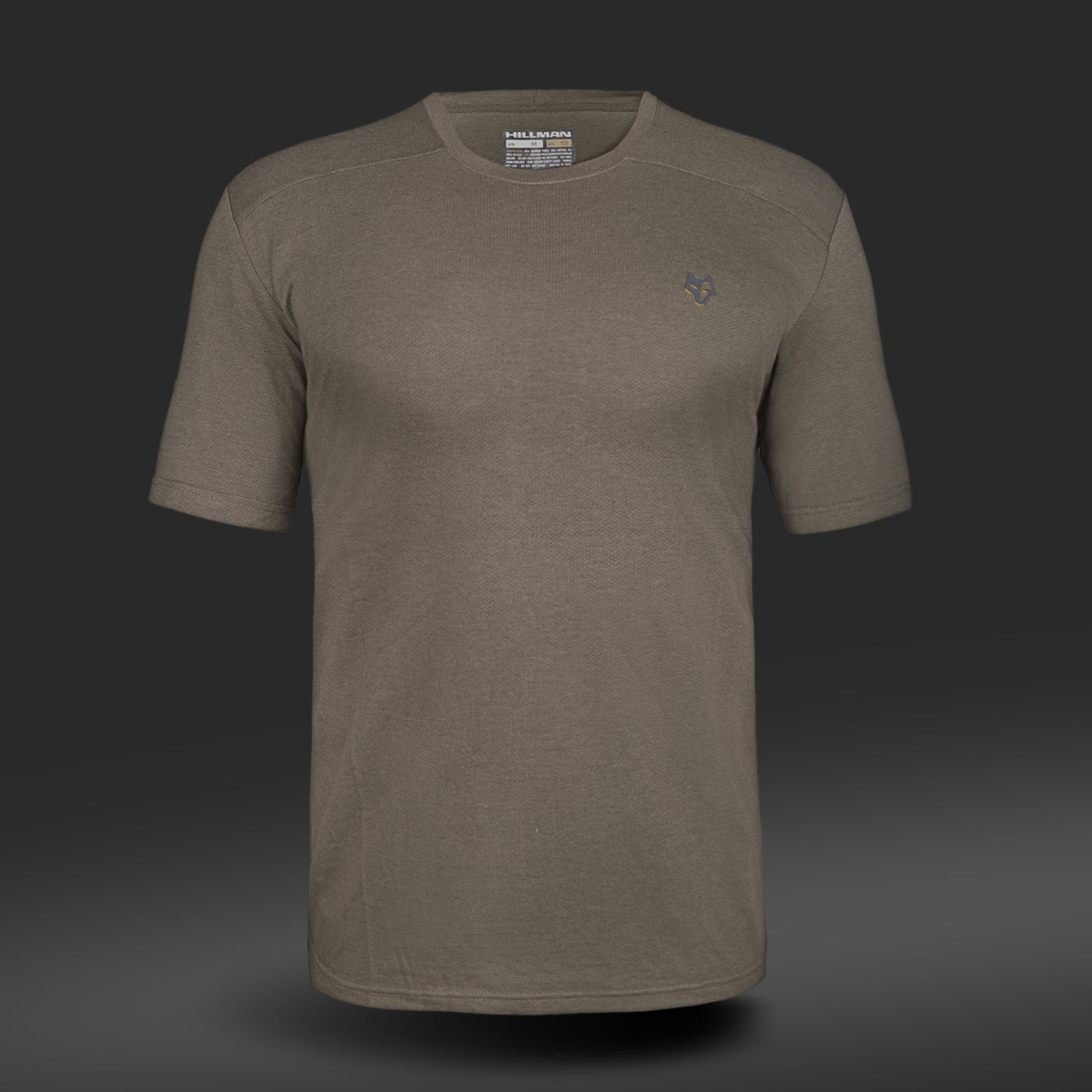
The official video below features Hillman’s separate 16μm merino T-shirt and demonstrates the practical role of a soft merino layer in cold and changing conditions.
Watch how the 16μm merino hunting T-shirt works as a warm and breathable base layer. The video shows why merino helps during cold starts, long waits and changing temperatures.
Lightweight Hunting Base Layers for Warmer Days
Lightweight base layers are more suitable when airflow and perspiration control matter more than retaining maximum warmth. Mild stalking days, summer training and active approaches can make a heavy thermal top uncomfortable.
Hillman’s 1UL bamboo shirts serve the technical warm-weather role. DGT cotton shirts provide a simpler alternative for moderate activity, camp and everyday field use.
Cotton and Bamboo Shirts for Breathable Comfort
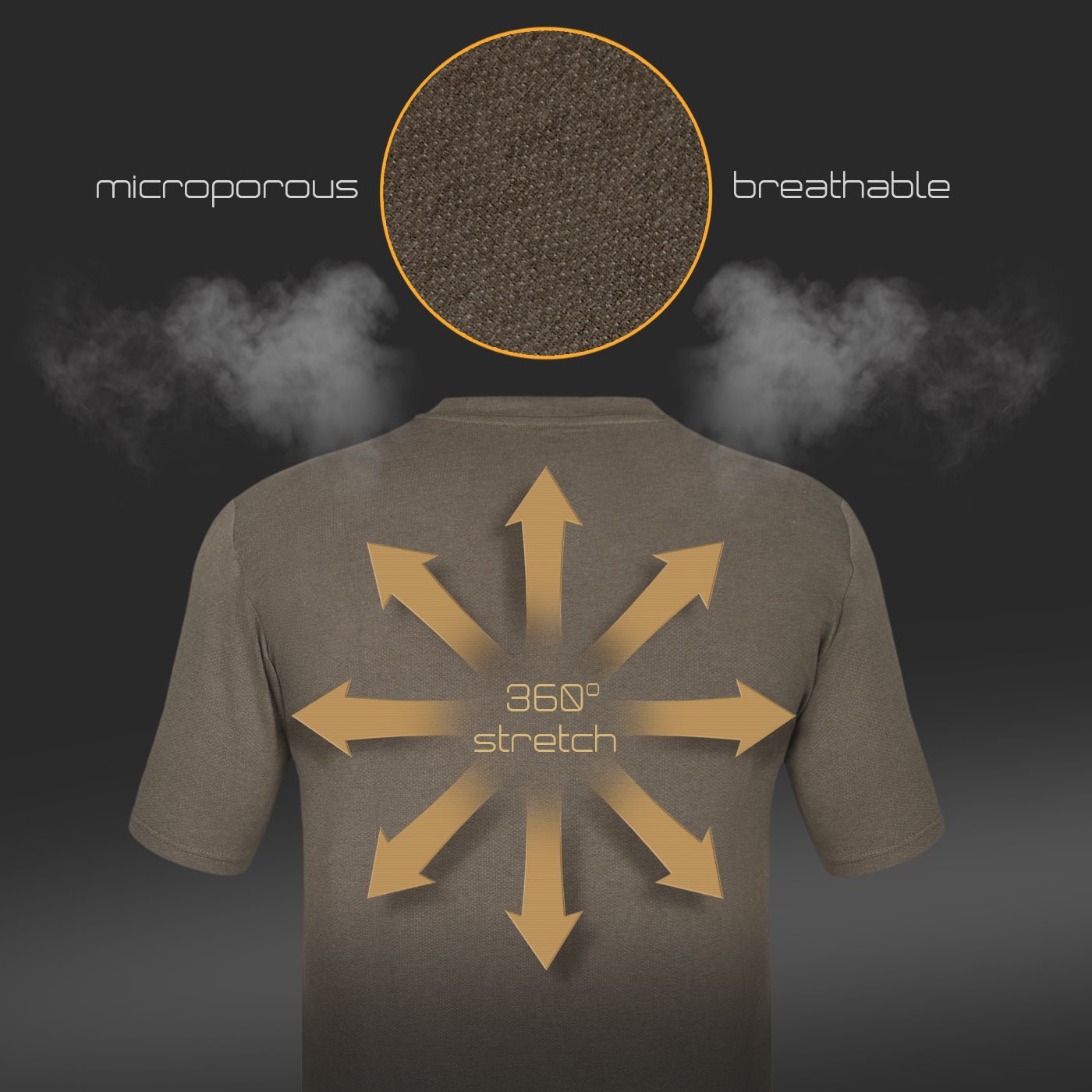
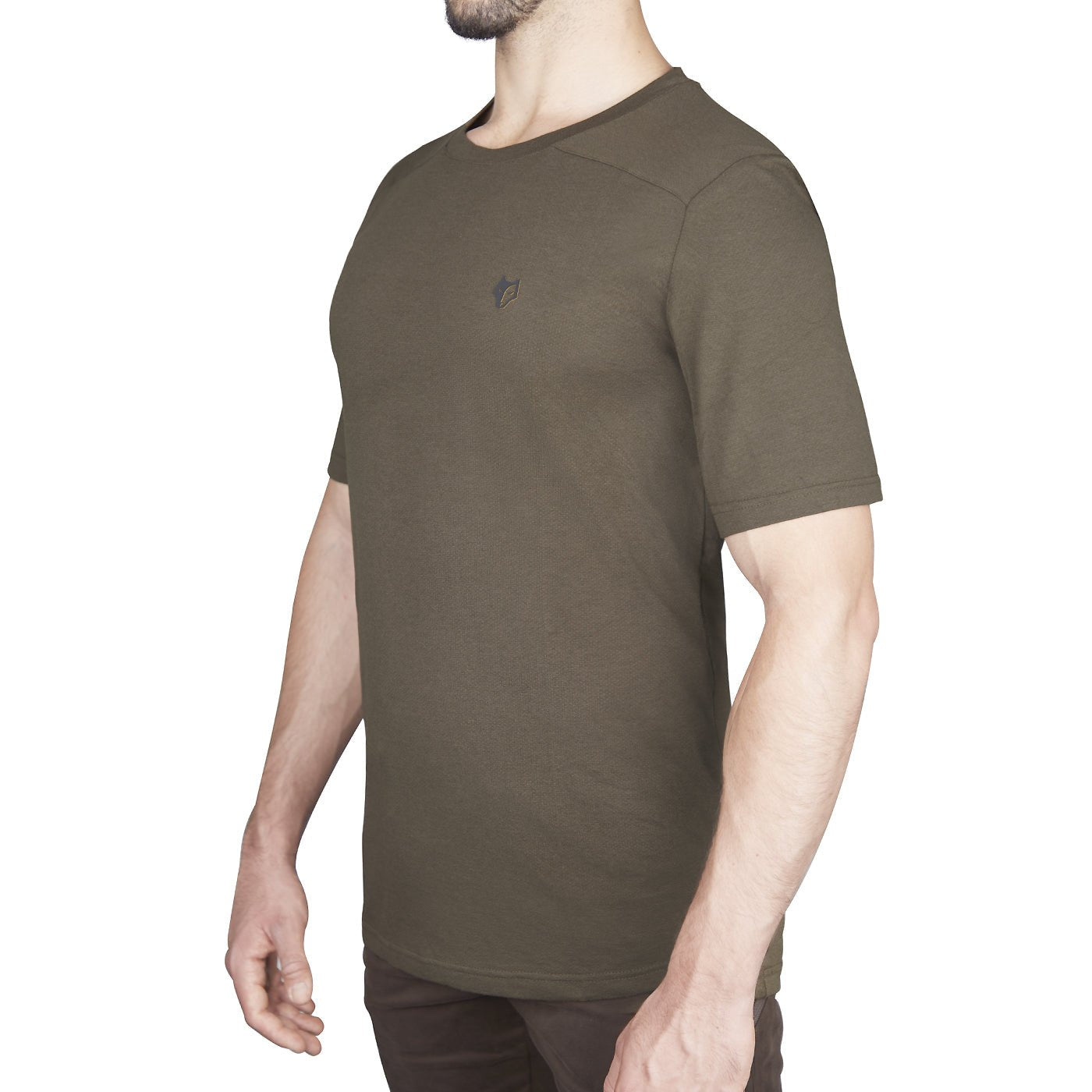
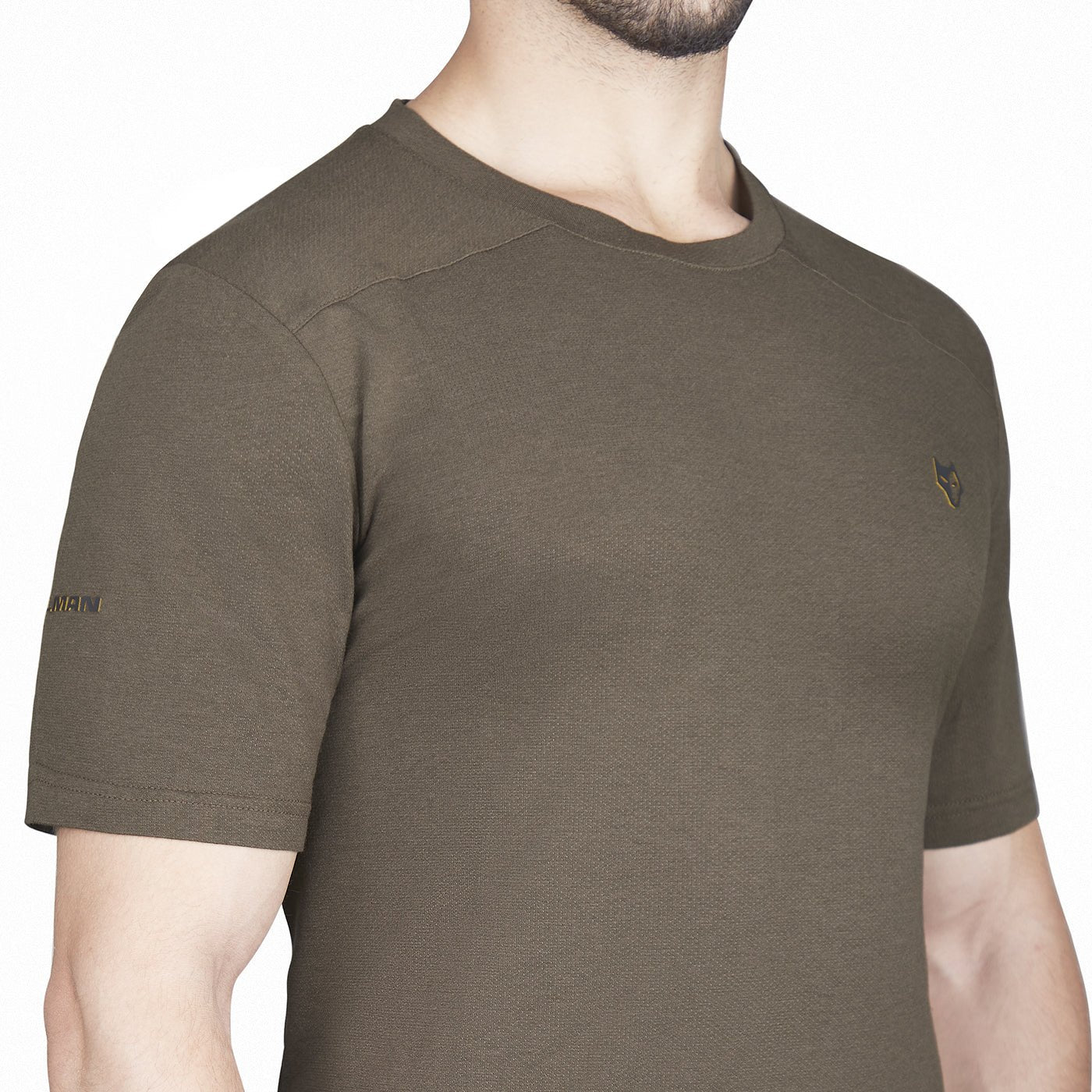
Bamboo shirts suit warm, active hunts where the body produces regular perspiration. Hillman’s 1UL models use a bamboo-cotton-elastane blend with Active Vent Technology, quick-drying performance and stretch. Short- and long-sleeve versions allow the hunter to balance cooling against protection from sun, insects and vegetation.
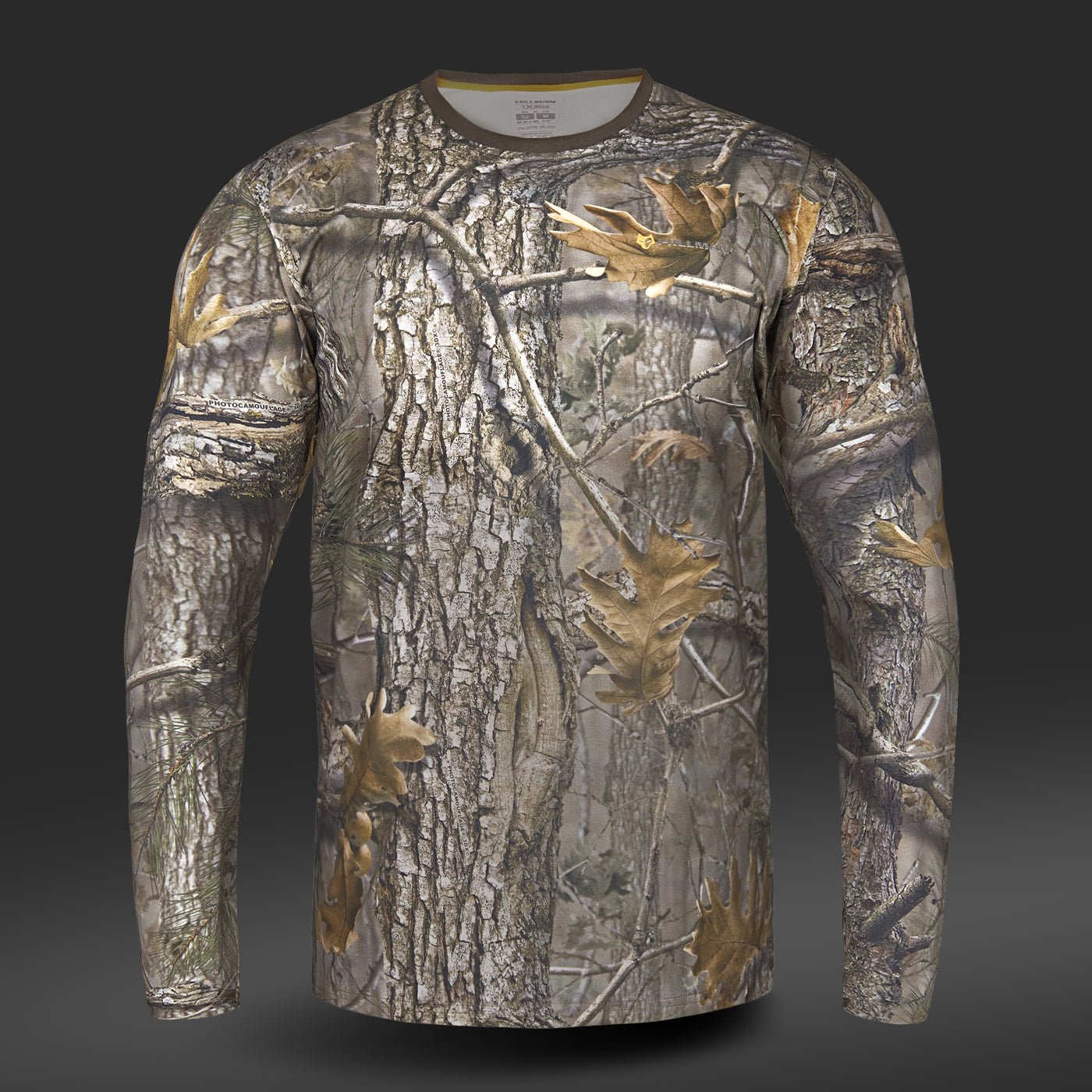
DGT shirts use stretchy 92% Egyptian cotton and are available in Forest Green or 3DX. Cotton feels soft and comfortable during light activity, but it absorbs moisture and dries more slowly than the 1UL bamboo blend. It is therefore better suited to settled weather, travel, camp and relaxed field use than repeated hard movement.
Watch the DGT cotton hunting T-shirt as a simple lightweight layer for warm days and active use. It shows how a short sleeve shirt can support comfort under hunting gear or on its own.
Men’s Bottom Base Layer and Merino Wool Base Layer Bottoms
A men's bottom base layer protects the legs from cold and helps manage perspiration beneath hunting trousers. Lower-body insulation becomes particularly important when the hunter stands or sits still after an active walk.
The layer should fit close without restricting the hips or knees. Excess material can bunch beneath trousers, while an overly tight fit may limit movement and compress insulating air.
When Base Layer Bottoms Make a Difference
Base layer bottoms make the clearest difference during winter stalking, driven hunts, high-seat sessions and long waits on cold ground. They also help when wind penetrates non-insulated trousers or when repeated walking creates perspiration before a static period.
They are not always necessary in mild weather. An active hunter wearing insulated outer trousers may become too warm, so lower-body layers should be chosen according to movement, temperature and exposure time.
Merino Wool Base Layer Bottom for Warmth and Moisture Control
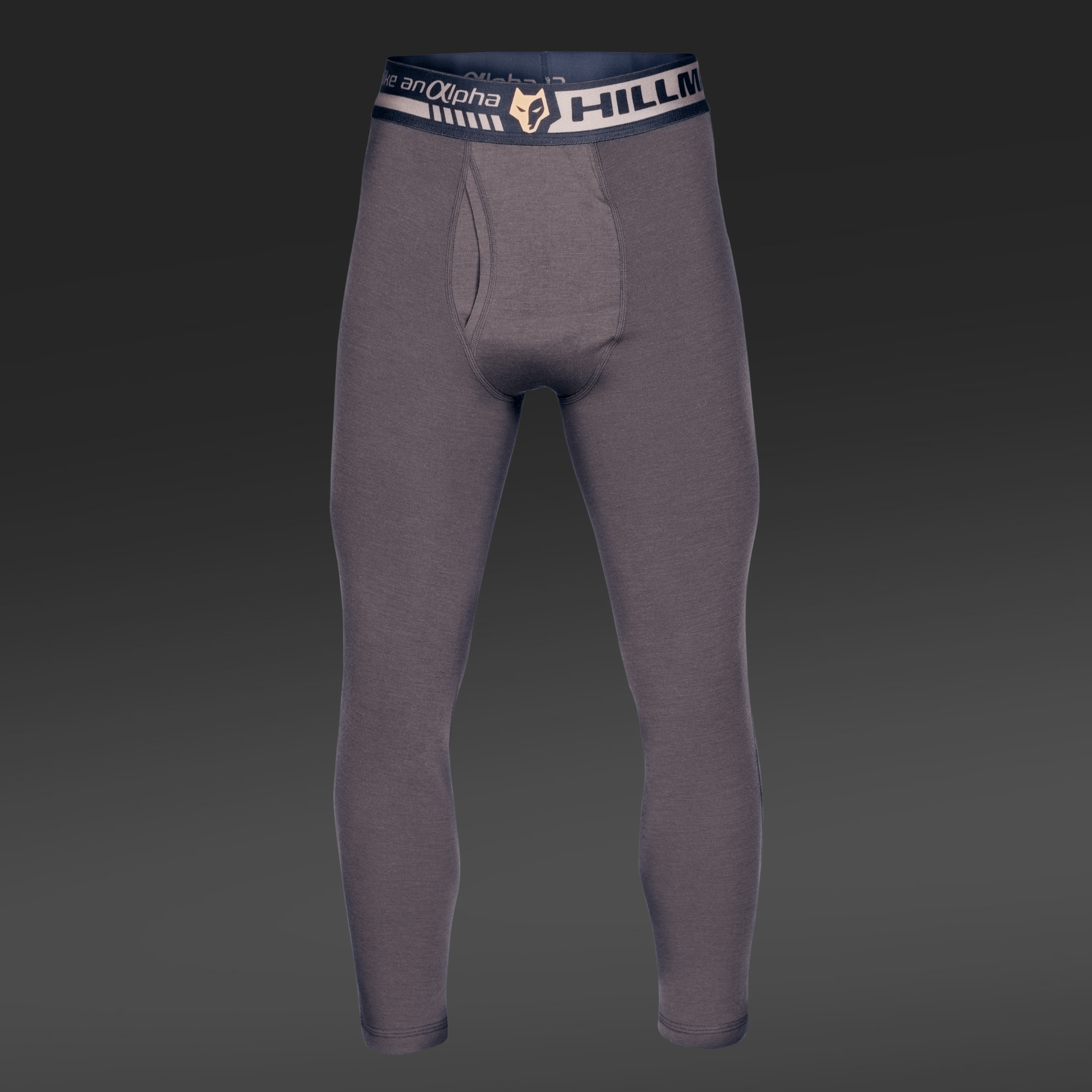
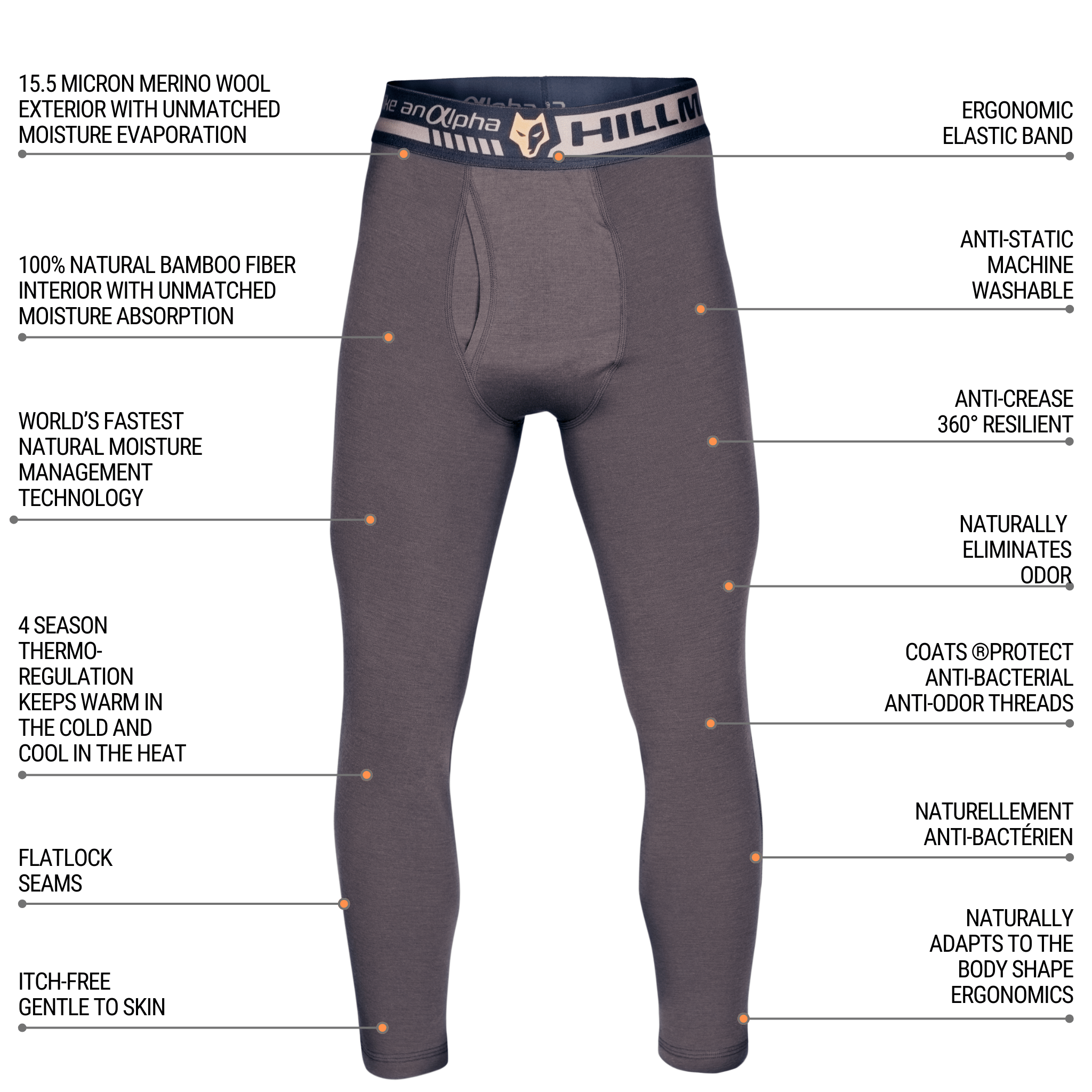
A merino wool base layer bottom adds warmth while helping move moisture away from the legs. Hillman’s 2BL long johns use the same Synertech® composition as the matching top: 48% merino wool, 34% bamboo viscose, 14% organic cotton and 4% spandex.
Fine merino supports thermoregulation, bamboo improves moisture handling and stretch allows the layer to follow the body when walking or crouching. Flatlock seams and a close fit reduce rubbing beneath outer trousers. These bottoms add no waterproofing, so wet conditions still require waterproof hunting trousers.
How to Build a Full Hunting Base Layer System
 A complete base-layer system combines upper and lower garments according to season, exposure and pace. The aim is to begin comfortable, release excess heat during movement and retain enough warmth once activity stops.
Outer clothing remains responsible for insulation, wind resistance and rain protection. Base layers manage the microclimate beneath it.
Cold Weather Setup
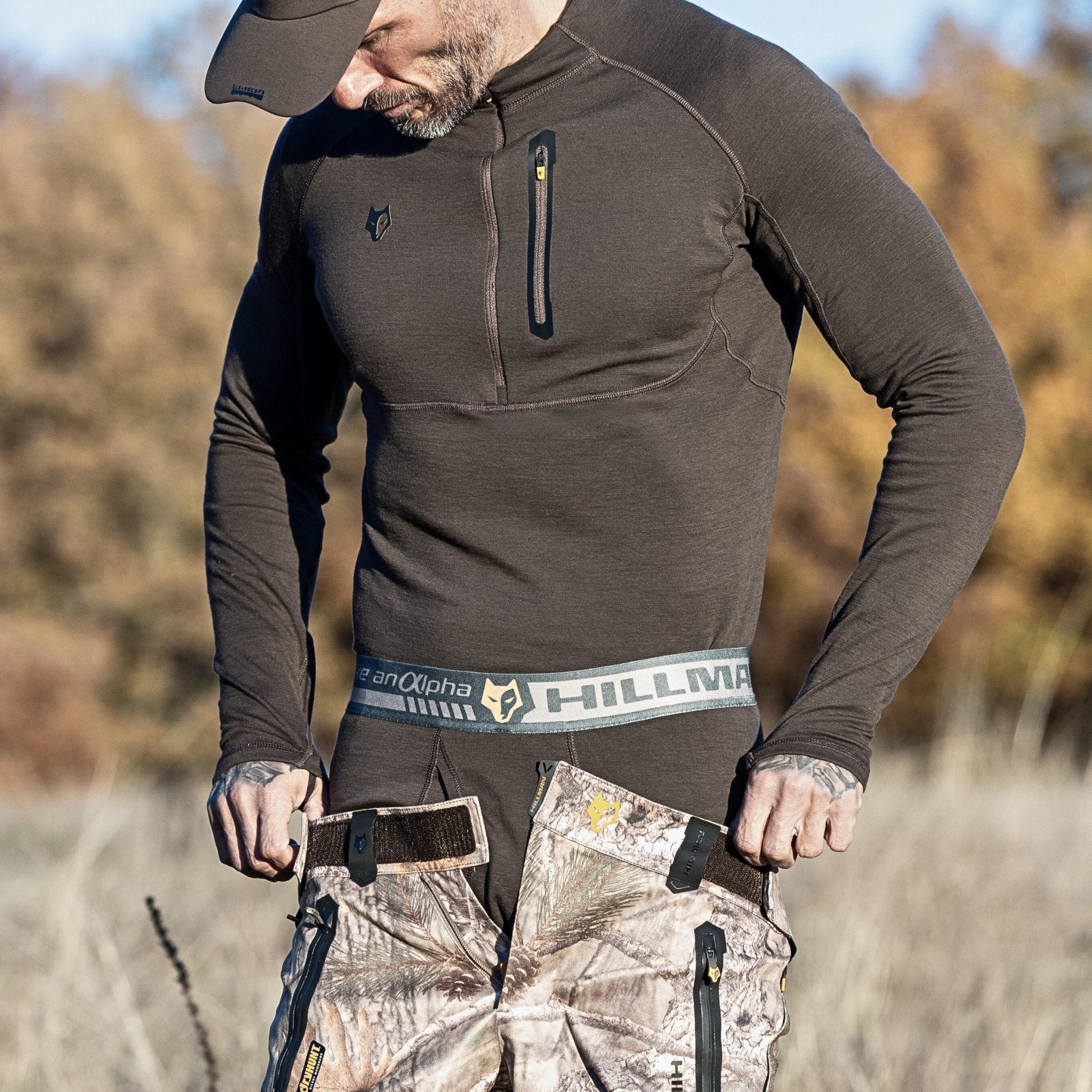
A cold-weather setup starts with the 2BL merino-bamboo top and matching long johns. Add warm hunting socks, an insulating mid layer and weather-ready jacket and trousers. Boots should leave enough room for the socks without becoming tight, as compression can reduce circulation and warmth.
Mild Weather Setup
A mild-weather setup can use a 1UL bamboo long sleeve or a DGT cotton shirt beneath regular hunting trousers and a light outer layer. Bamboo is preferable for sustained movement. Cotton works well when the pace is moderate and conditions are expected to remain dry.
Hot Weather Setup
A hot-weather setup should prioritise airflow, moisture movement and minimal bulk. The 1UL Bamboo Short Sleeve Hunting T-shirt is the technical option for active use, while the DGT short-sleeve shirt or polo suits lighter activity. Carry a compact rain shell separately if the forecast is unsettled.
Hillman Base Layer Materials
Hillman uses merino, bamboo and cotton for different temperature and activity demands. These materials are not interchangeable, and the practical choice depends on warmth, drying time and intended use.
The closest-fitting technical layers use stretch and low-profile construction to remain comfortable beneath hunting clothing.
Merino for Warmth and Odor Control
Merino suits colder hunts because it regulates temperature, continues to insulate when slightly damp and develops odour more slowly than many conventional fabrics. Hillman’s fine merino is combined with bamboo in the 2BL system to improve next-to-skin moisture management during changing activity levels.
Bamboo for Softness and Breathability
Bamboo blends suit active and mild-weather hunting because they feel soft, manage moisture and support airflow. Hillman’s 1UL shirts add Active Vent Technology and 360-degree stretch, helping the fabric move comfortably during walking, climbing and shooting.
Cotton for Simple Everyday Field Comfort
Cotton fits warm, dry days, casual shooting, travel and camp. The DGT long- and short-sleeve shirts provide a soft cotton-rich layer with added stretch. For heavy perspiration, prolonged dampness or cold static periods, bamboo or merino-bamboo is the more suitable choice.