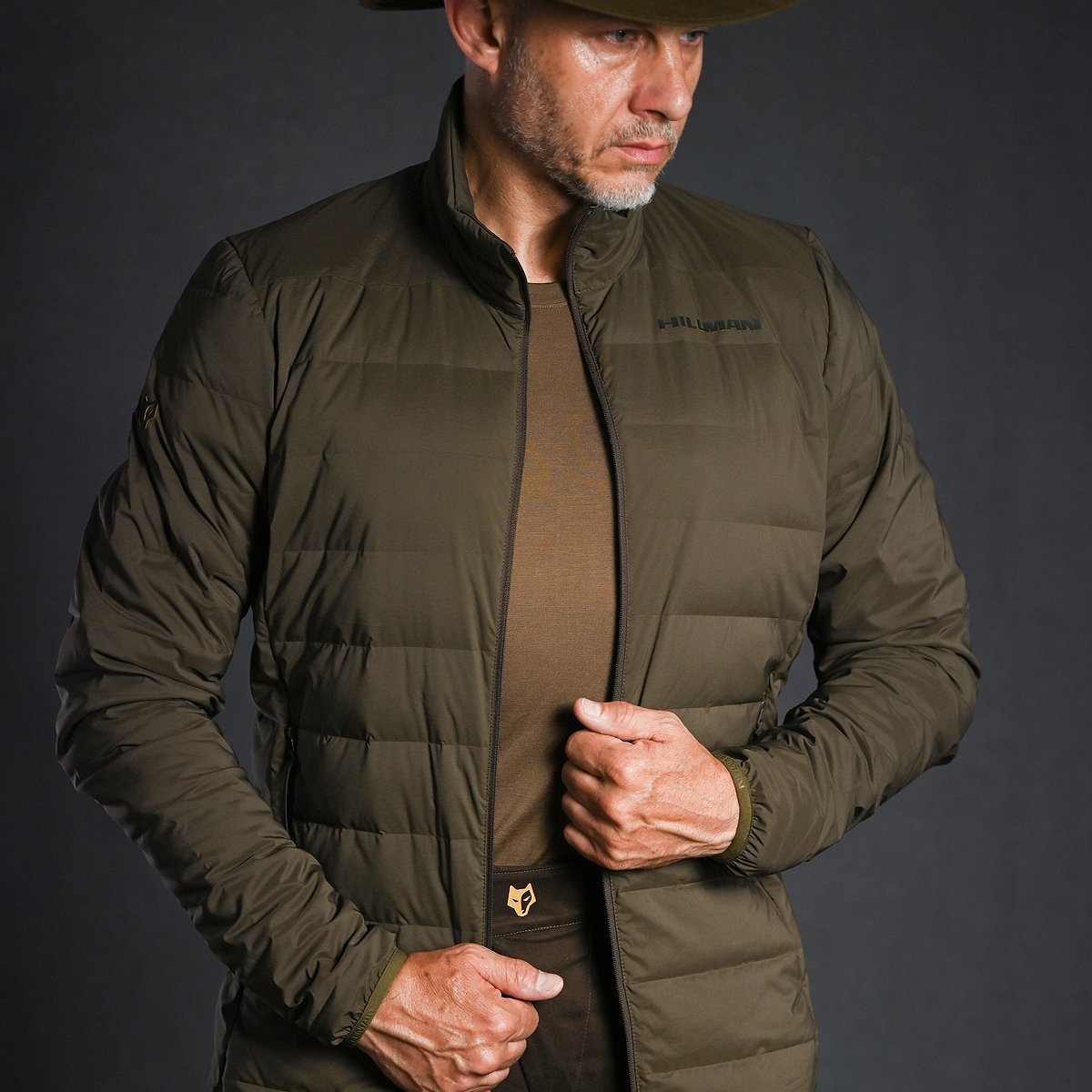
4IL Hunting Down Jacket - Packable Puffy Coat - 1000FP Puffer
Why does a Down Hunting Jacket Belongs in a Cold-Weather Hunting System?
A down hunting jacket isn't just a warm coat. It's a tool. Think about how a cold day actually goes. You walk in, and you're sweating. You stop to glass a ridge, and within minutes the heat drains out of you. You climb into a high seat and sit dead still for three hours. The temperature drops at dusk. Back at camp, the wind picks up.
That's four or five moments where you need heat, fast, and one where you don't want any at all. A packable insulated hunting jacket handles all of them. It lives in your pack while you move. It goes on the second you stop. That's the job, and nothing else does it as well.
Warmth Without Bulk: The Main Advantage of Down

Every hunter knows the trade-off. Warm usually means heavy, stiff, and oversized. You end up in a coat that keeps you toasty but fights you every time you move. Down breaks that rule. It delivers maximum warmth for almost no weight, so you get the heat without the bulk.
High Fill Power and Lightweight Insulation
Fill power measures loft, which is how much air the down traps. More loft, more warmth from less material. At 1000FP, our 4IL sits at the top end of what's available anywhere. In plain terms: the same heat from a fraction of the material. That's what makes the jacket incredibly light to wear and easy to carry all day.
Packable Warmth for Long Days Outdoors
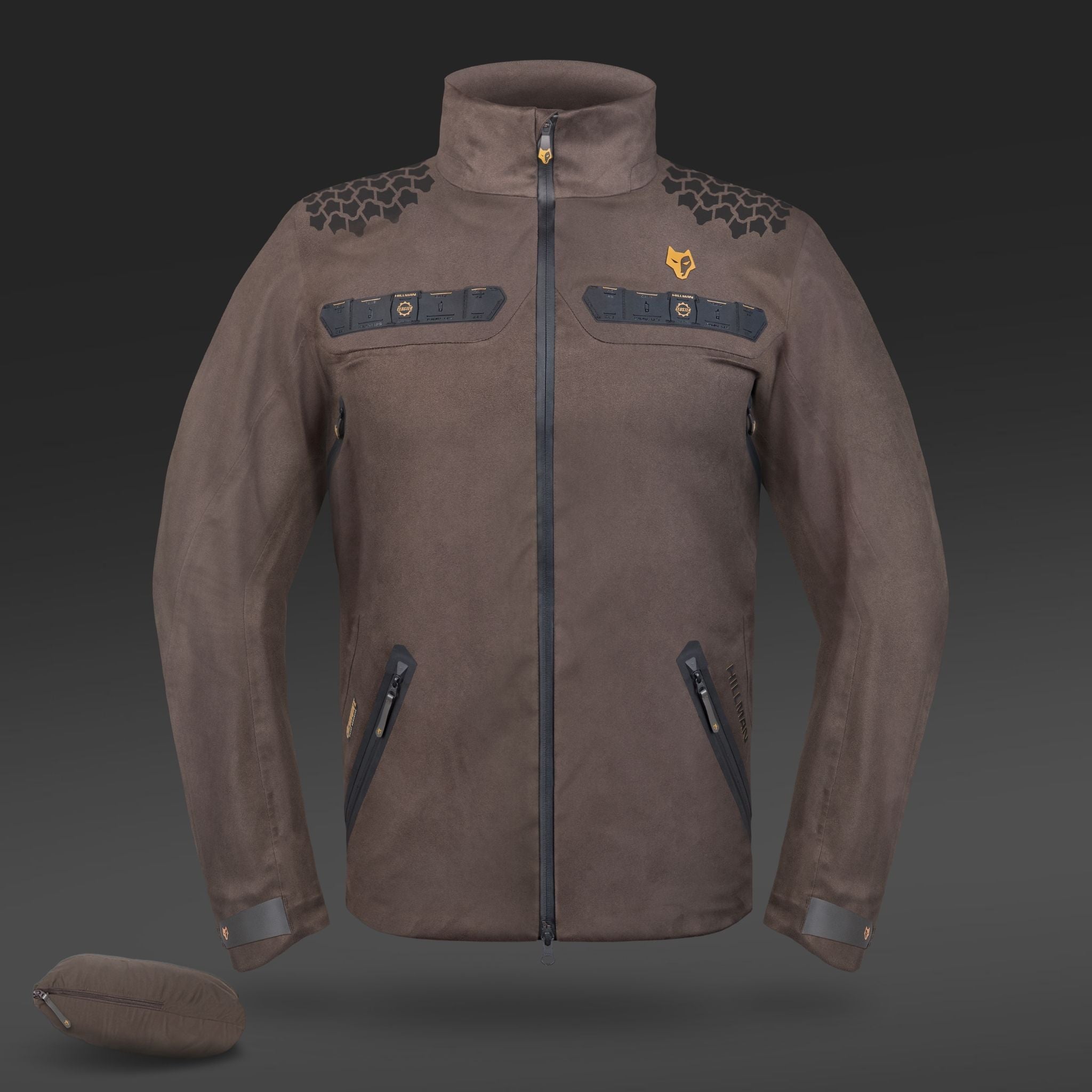
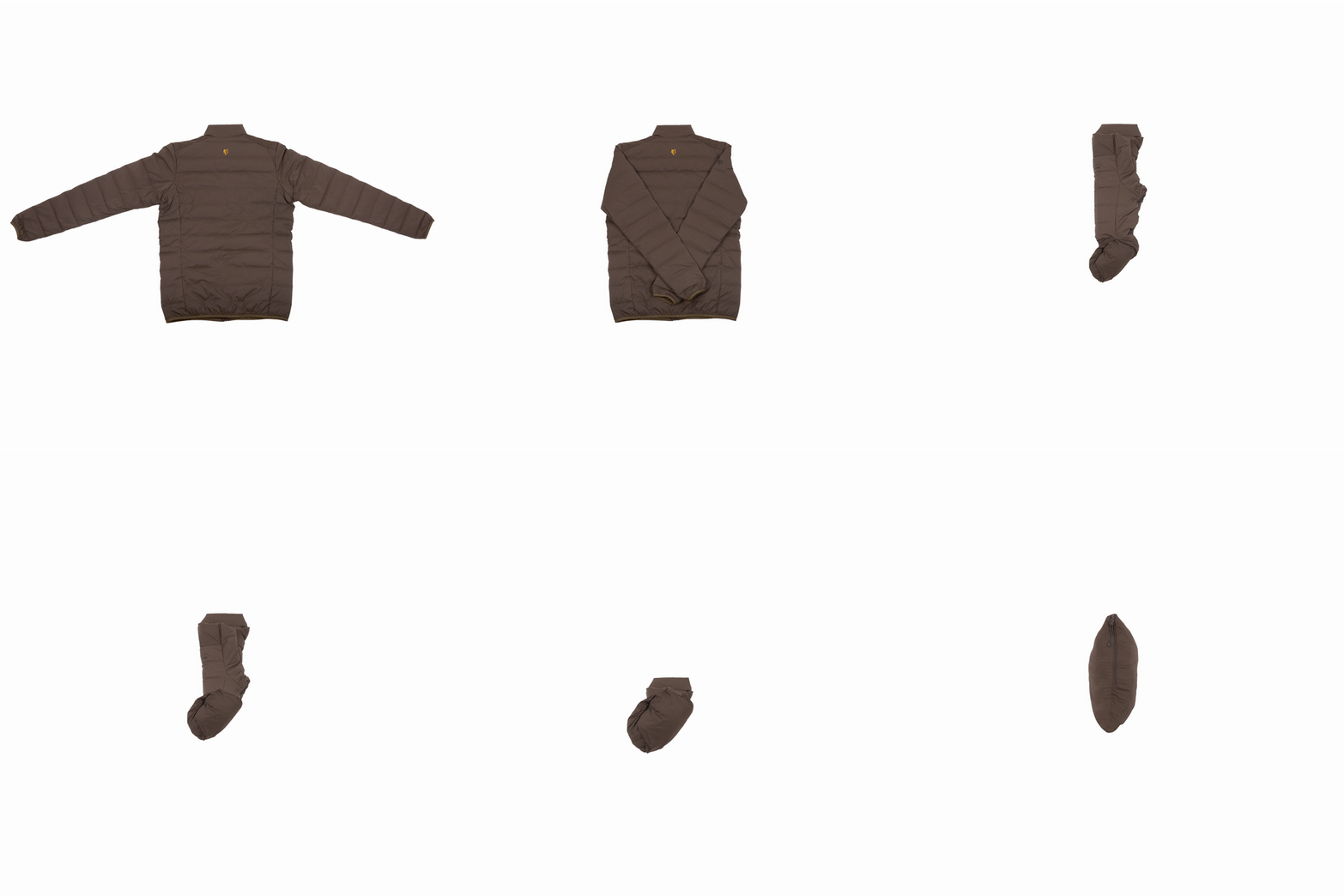
Here's what makes it practical. The 4IL squashes into its own stuff sack and takes up barely any room in your pack. So you can carry it on a mild morning without thinking about it, then pull it out at dusk when the cold rolls in. On long hunts where the weather turns, having that extra layer with you beats hoping you won't need it.
Freedom of Movement for Shooting and Walking
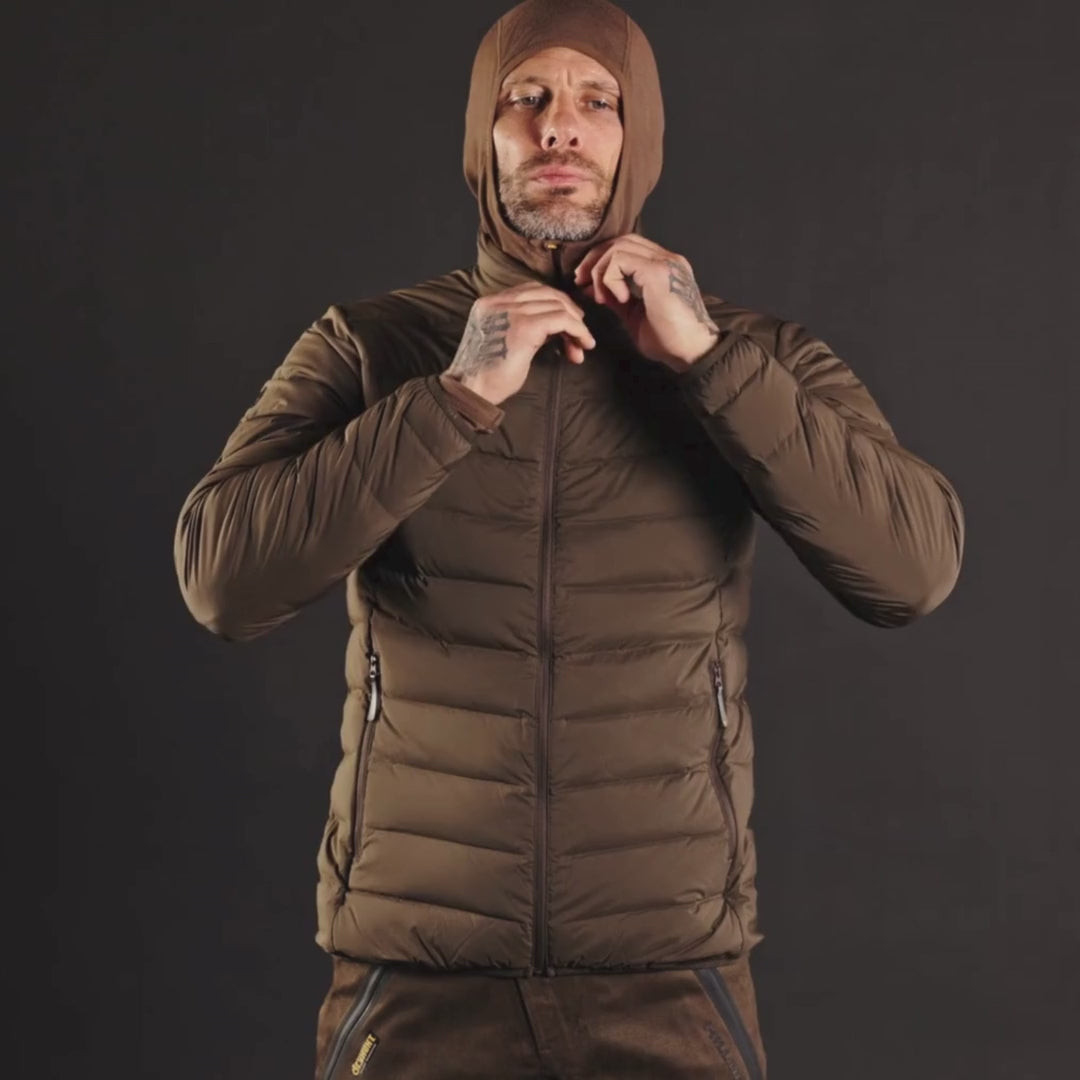
Bulk costs you shots. A jacket that bunches at the shoulder ruins a clean rifle mount, and one that's stiff across the arms slows everything down. Our cut is built for hunting, not the ski slope. You can raise a rifle, climb, and move through cover without restricting movement. It's insulation, not armour, and it's meant to disappear once it's on.
4IL Hunting Down Jacket: Lightweight, Packable and Insanely Warm
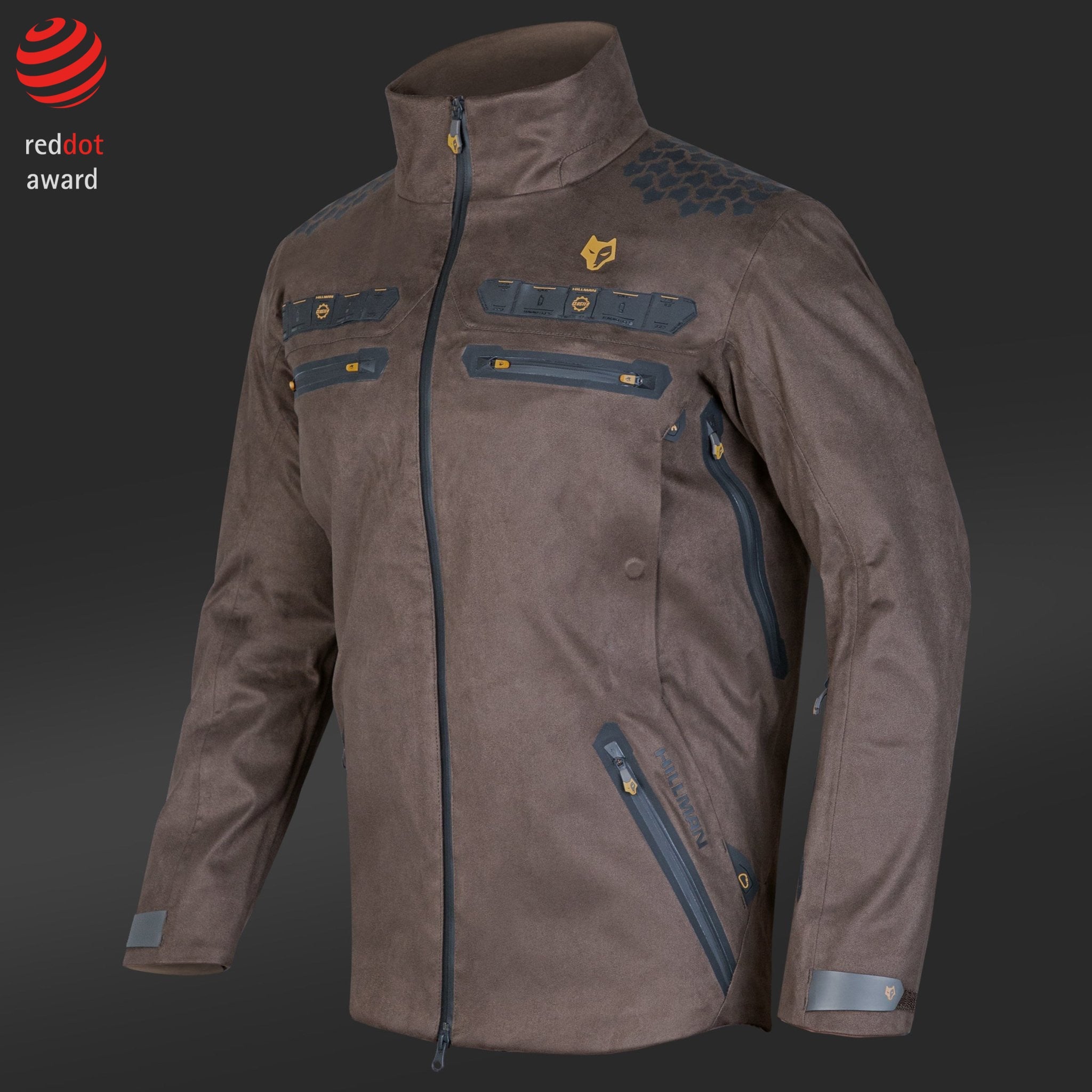
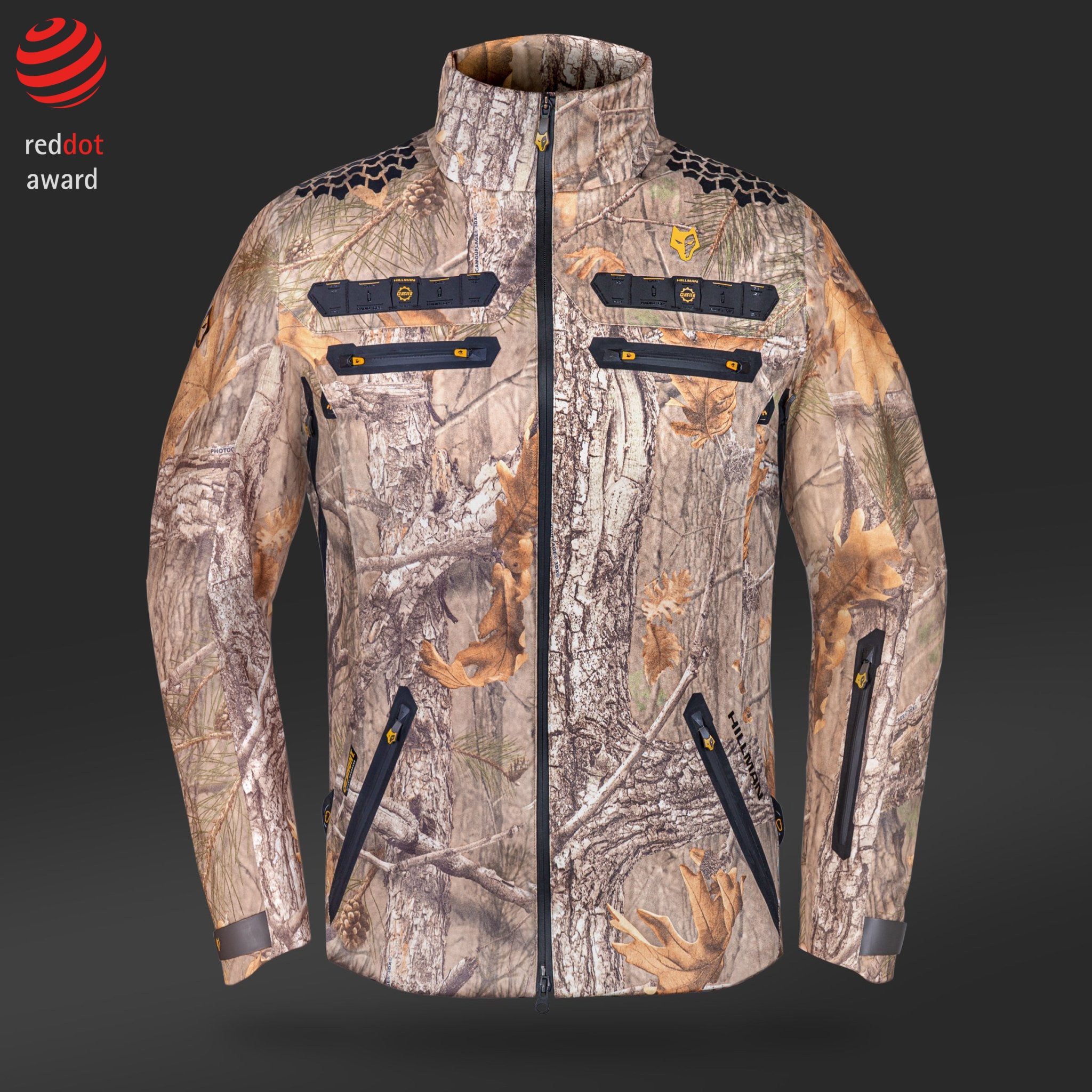
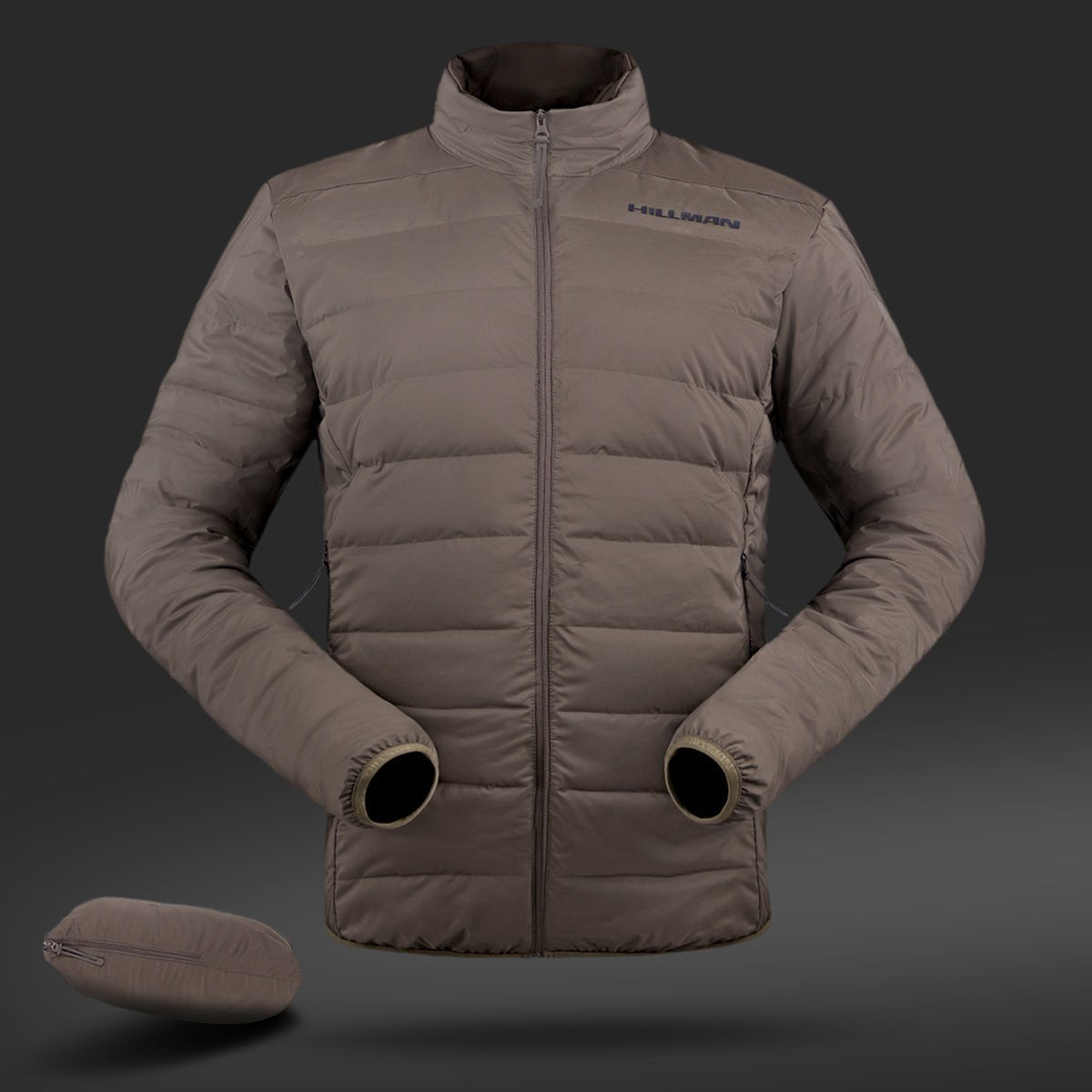
The 4IL is our down hunting jacket, and it's built around one idea: the most warmth for the least weight. The 1000FP goose down traps heat with serious efficiency, so it keeps you warm in cold conditions while staying incredibly light on your back. The outer shell is treated with a durable water repellent, so it shrugs off light rain and damp brush and gives you real weather resistance for a jacket this thin. Zippered chest and hand warmer pockets sit exactly where your hands go. And the whole thing folds into a stuff sack when you don't need it. Warm, packable, quiet, and cut for real hunting.
Watch the 1000FP down hunting jacket in action and see how it delivers lightweight, packable warmth for cold hunts. The video shows why high-fill insulation is useful when temperatures drop, but mobility still matters.
When to Wear a Men's Down Hunting Jacket in the Field?
This isn't everyday winter wear. A men's down hunting jacket earns its place in specific moments. Here's when to pull it out.
High Seats and Long Static Waits
Sitting still is where cold wins. Your body makes almost no heat, and it bleeds away steadily until you're too stiff to shoot straight. That's prime down territory. Pull it on as you settle in, and it traps every bit of warmth you've got. For a long evening in a high seat, waiting for animals to move, it's the difference between staying and quitting.
Glassing, Breaks and Camp Warmth
Same idea, different setting. You climb hard, you sweat, then you stop to glass a ridge, and the sweat turns cold on your back. Down goes on right then. Lunch breaks, a pause on the hill, an hour behind the binoculars, evenings at camp. Anywhere active turns to still, the packable puffer is what keeps your core warm.
Active Hunts with Changing Temperatures
On the move, you leave it in the pack. That's the point. You'd cook if you wore it while walking. But on active hunts where the weather shifts through the day, or during late season hunts when a cloudy afternoon drops ten degrees, it's right there when your body cools down. On, off, on again. It's an on-off layer, not an all-day one.

Down Hunting Jacket vs Camo Insulated Jacket
These two do different jobs. Here's how to pick.
Choose a Down Hunting Jacket for Packable Warmth
Go down when the warmth-to-weight ratio is everything. If you're carrying gear over long distances and need an extra layer that weighs nothing until you want it, down wins. The best down jackets pack small and still deliver, and this one does. Ideal for mountain hunts, long walks, hiking, and anywhere space and weight in the bag matter. Some hunters go for down vests instead, keeping the core warm while leaving the arms completely free.
Choose a Camo Insulated Jacket for Outer Protection
Go camo insulated when you need the jacket to be your outer layer. A camo insulated jacket brings camo patterns for concealment, a tougher shell, and proper protection from wind, snow, and heavy precipitation. Down is quiet and warm, but it isn't built to be your shield in a storm or to hide you from an animal's eye at close range. Most camo insulated jackets use synthetic insulation and a tough polyester shell for exactly that reason: it keeps working in wet conditions where down struggles.
Use Both for Extreme Cold Layering
In really cold conditions, you don't choose. You stack them. The down goes on as your insulation layer, then a camo insulated jacket, a soft shell, or a hard shell goes over the top. Down handles the heat, the outer handles the wind and wet. Together they'll take you through the coldest days of the hunting season.
How Down Fits into a Hunting Layering System?

Down works best as part of a system, not on its own. Here's where it sits.
Base Layer First
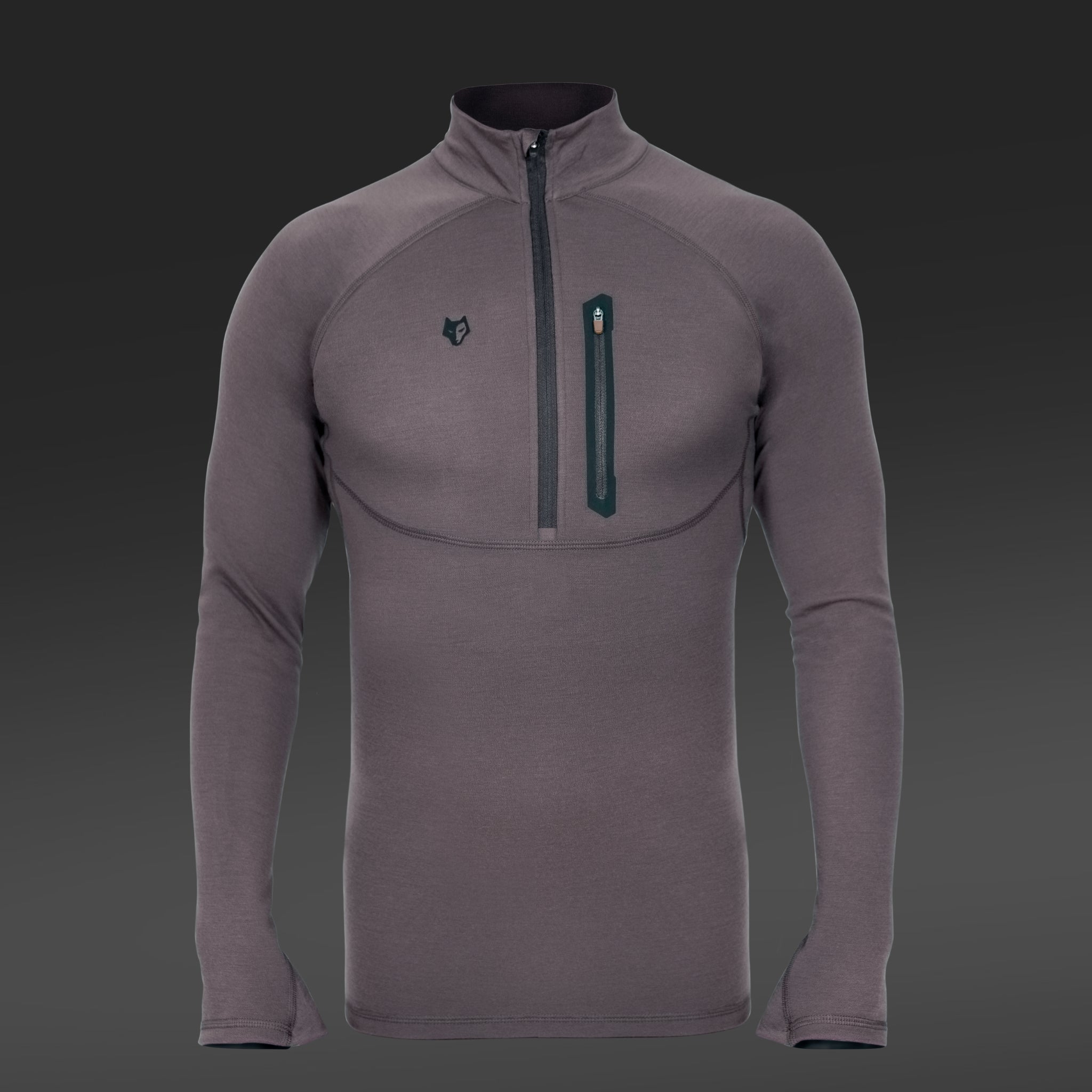
It starts against your skin. A moisture-wicking base layer, ideally merino, moves sweat away so you don't end up cold and clammy when you stop. Get this wrong, and nothing above it works properly. Damp skin under warm insulation is still cold skin.
Down Jacket as the Warm Insulation Layer
Next comes your warmth. Over your base layer, and over a fleece or softshell mid layer if it's really cold, the down jacket traps the heat your body makes and holds it there. It's the warmest part of the system for the least weight, which is exactly why it's here and not somewhere else.
Waterproof Shell or Outer Jacket When Weather Turns Wet
Down has one weakness: it hates being soaked. Wet down loses loft, and loft is the whole point. So the moment rain or snow arrives, put a waterproof shell or windproof outer jacket over the top. Your rain gear does the blocking; the down does the warming. Layered that way, it handles drizzle and wet weather without trouble.
Hillman Insulation and Field Design Details

Here's what goes into the jacket, and why it matters out there.
1000FP Down for Maximum Warmth-to-Weight Ratio
1000 fill power is the top end. For a hunter carrying gear over distance, that ratio is everything. Fewer grams for the same heat means more energy left for the climb and a jacket that never feels like a burden in your pack. Whether you're chasing elk in the mountains or sitting in a European high seat, saved weight is saved effort.
Packable Construction for Easy Carrying
The whole jacket disappears into a stuff sack. That's what makes it a jacket you actually bring, instead of one you leave in the truck because it takes up half the bag. Light, small, and always ready. There's a reason it's the piece most hunters end up carrying year-round.
Field-Ready Fit and Practical Pockets
Details make it a hunting jacket rather than a generic puffer. Zippered chest pockets for the small stuff. Hand warmer pockets for the cold pauses. A cut that lets you mount a rifle cleanly and move through cover without the material fighting you. Quiet fabric, so brushing past branches doesn't announce you. Durability you can count on, season after season, with enough breathability that you don't cook the moment you start moving again.
Find the Right Warm Layer
If you want maximum warmth for the least weight, this is the jacket. It's the layer that lets you stay out longer, glass one more ridge, and sit that extra hour. Have a look through our men's hunting jackets and accessories in the shop, check the size range and any new colors, and pick the right gear to keep you out there when everyone else heads home.
FAQs
How does a down jacket actually fit into a layering system for a driven day or a high seat?
Does fill power actually translate to a noticeable difference in the field or is it mostly marketing?
Can a down jacket handle the damp conditions typical of a British or Scottish winter?
Is a down vest worth owning alongside a full jacket or is it just duplication?
How do you stop down insulation from clumping after washing?
At what point does a down jacket become the wrong choice and synthetic insulation the better one?
Does the cut of a down jacket matter for shooting or does any puffer do the job?
Shop Related Collections