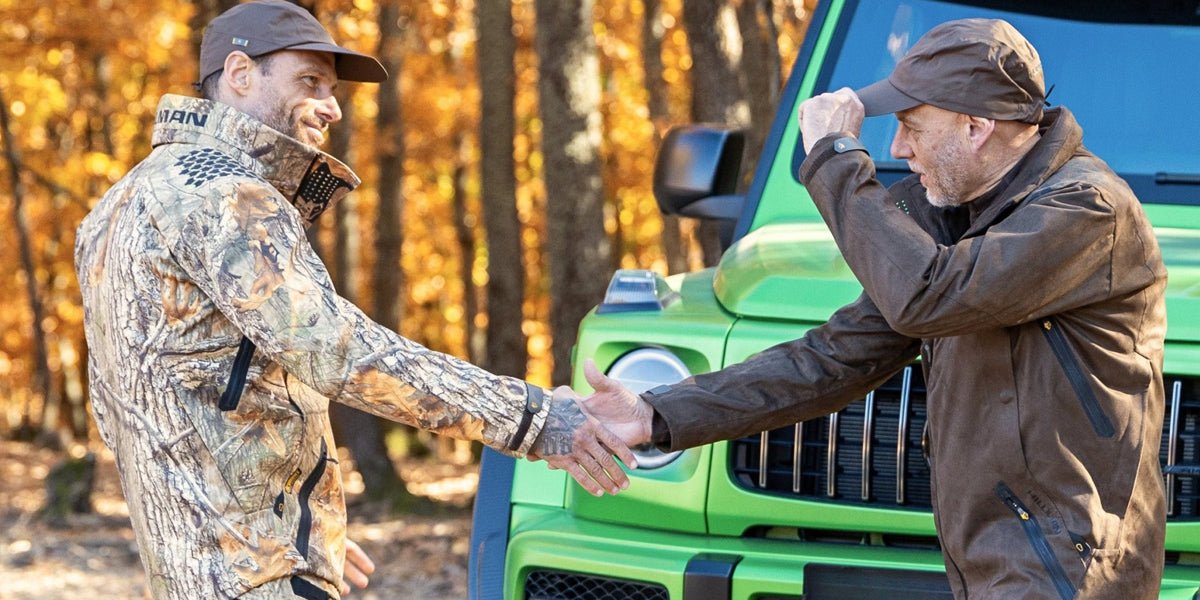
Layering works internationally because it prioritises temperature control and moisture management rather than bulk, allowing hunters to adapt to shifting weather and varying levels of activity. A three-layer system, base for moisture control, mid for insulation and outer for protection, proves reliable across countries and climates.

how international hunters layer clothing: breathable moisture-wicking merino base layers, mid layers, jackets

International Layering Essentials: What Always Works, No Matter the Country

When done correctly, layering fades into the background, keeping comfort steady without constant adjustment.

Layering is about control, not bulk. See how a proven three-layer approach helps hunters stay comfortable across climates, seasons, and unpredictable weather.

When you spend enough time outdoors, you stop believing in perfect weather. Conditions change, sometimes slowly, sometimes within minutes, and clothing is often the first thing that exposes poor planning. Over the years, across different countries and seasons, one principle has proven itself again and again: layering works, not because it is fashionable, but because it respects how the body actually behaves.

From our perspective as hunters, layering is not about owning more gear. It is about staying effective in the field. When clothing works properly, it keeps body temperature stable, manages moisture quietly, and allows you to focus on what matters, rather than on how cold, hot, or uncomfortable you feel.

The Core Idea Behind Layering Clothes in Any Weather

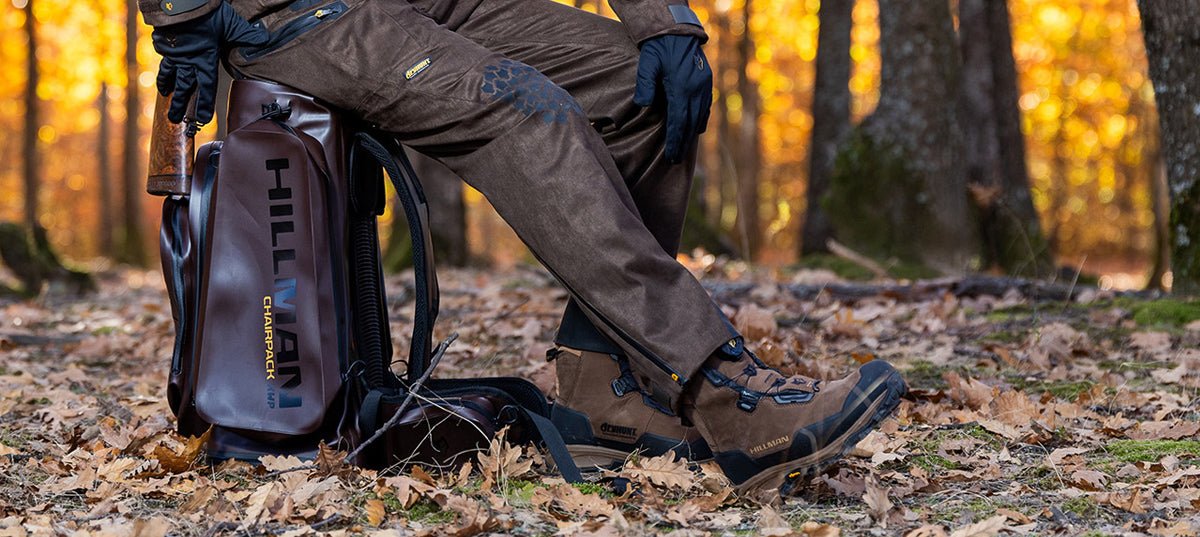
how international hunters layer clothing: breathable moisture-wicking merino base layers, mid layers, jackets, bottoms

The idea behind layering is simple, but it is often misunderstood. Instead of relying on one heavy garment to solve every problem, you build a system that reacts to movement, temperature, and weather changes. Each layer has a clear role, and when those roles are respected, the whole system works smoothly.

In hunting, this matters more than people realise. Long periods of stillness followed by short bursts of movement place real demands on clothing. A rigid setup fails quickly. A layered system adapts without drawing attention to itself.

Over the years, we have seen the same mistake repeated in different countries and terrains. Hunters arrive confident in a single solution, usually a heavy jacket chosen “just in case. It works for the first hour, sometimes two. Then movement slows, the body cools, and the moisture trapped inside begins to work against them.

What experience teaches you is patience. Adding a layer early, before the chill sets in, works far better than reacting late. Layering rewards anticipation. Once you understand that, you stop chasing comfort and start maintaining it.

Why Layering Works When the Weather Changes Instantly?

The weather does not wait for convenience. A calm morning can turn into a cold, windy afternoon, and light rain can settle in without warning. Layering allows small, controlled adjustments instead of drastic ones.

Adding or removing a layer at the right moment prevents the body from overheating or cooling too fast. Carrying spare layers may seem unnecessary at first, but experience teaches otherwise. When conditions shift, preparation becomes comfort.

Base Layer Clothing: Where Body Heat and Comfort Begin

how international hunters layer clothing: breathable moisture-wicking merino base layers shirts

Base layer clothing is the foundation of everything that follows. It sits next to the skin and quietly handles the most important task in any layering system: moisture management.

One of the clearest lessons we learned came during long mornings in still air, followed by slow afternoon movement. On paper, the conditions looked manageable. In reality, the smallest mistake in the base layer showed itself hours later.

When sweat had nowhere to go, warmth disappeared quickly once movement stopped. When the base layer did its job properly, the rest of the system worked almost effortlessly. That contrast stays with you. It changes how you choose clothing long after the hunt ends.

how international hunters layer clothing: breathable bamboo merino base layers, mid layers

How Base Layer Clothing Regulates Body Heat and Body Temperature?

Movement generates heat. Heat creates sweat. If that moisture stays on the skin, it pulls warmth away as soon as activity slows. This is how discomfort begins, especially in cold weather.

A proper base layer moves moisture away from the skin and allows the body to maintain a more stable temperature. Dry skin stays warmer in winter and cooler in warm conditions. Thickness matters far less here than behaviour.

Moisture, Sweat, and Breathability in Real Conditions

how international hunters layer clothing: breathable moisture-wicking merino base layer bottoms

In the field, sweat is unavoidable. The goal is not to stop it, but to manage it. A good base layer wicks moisture efficiently and allows it to evaporate gradually.

Breathability keeps this process working over time. Without it, sweat builds up, heat becomes trapped, and the body cools rapidly once movement stops. This is often felt later in the day, not at the start.

Choosing the Right Fabric: Experience Over Theory

Through use, certain fabrics prove their worth. Synthetic materials such as polyester and nylon are durable, fast-drying, and well-suited to high-output activity. They perform reliably when movement is constant and conditions are mild to warm.

Merino wool behaves differently. It insulates even when slightly damp and manages moisture without feeling heavy. It is also naturally resistant to odour, which becomes noticeable during long days outdoors. For cool to cold conditions, merino remains a dependable choice.

Cotton, by contrast, consistently fails as a base layer. It absorbs moisture, becomes heavy, and draws heat away from the body. In real conditions, this leads to rapid cooling and discomfort.

Understanding Base Layer Weights

Base layers come in different weights for good reason. Lightweight options suit warm weather and active movement. Midweight layers balance warmth and breathability. Heavyweight base layers are reserved for winter and prolonged exposure to cold.

Choosing the wrong weight rarely shows immediately. It usually becomes a problem hours later.

The Mid Layer’s Role in Trapping Warmth Without Bulk

how international hunters layer clothing: breathable moisture-wicking merino mid layers hoodies

If the base layer manages moisture, the mid layer manages warmth. Its job is to trap the heat the body produces while allowing moisture to continue moving outward.

Mid layers rarely get much attention, but in practice, they often decide how long you can stay comfortable. We have worn setups that looked perfect until the moment we stopped moving. Then the lack of proper insulation became obvious.

A good mid-layer buys time. It gives the body space to adjust rather than forcing quick decisions. In the field, that difference matters more than it sounds.

Insulation That Works While You Move

Insulation functions by holding warm air close to the body. Fleece and similar fabrics do this effectively without restricting movement. A good mid-layer feels comfortable, not cumbersome, and supports long periods of wear.

Reliable Mid Layer Options in the Field

Over time, certain pieces prove themselves. Fleece tops, sweaters, and structured shirts layer easily and adapt well to changing conditions. A small, reliable range often performs better than constantly changing setups.

Outer Layer Protection Against Wind, Rain, and Snow

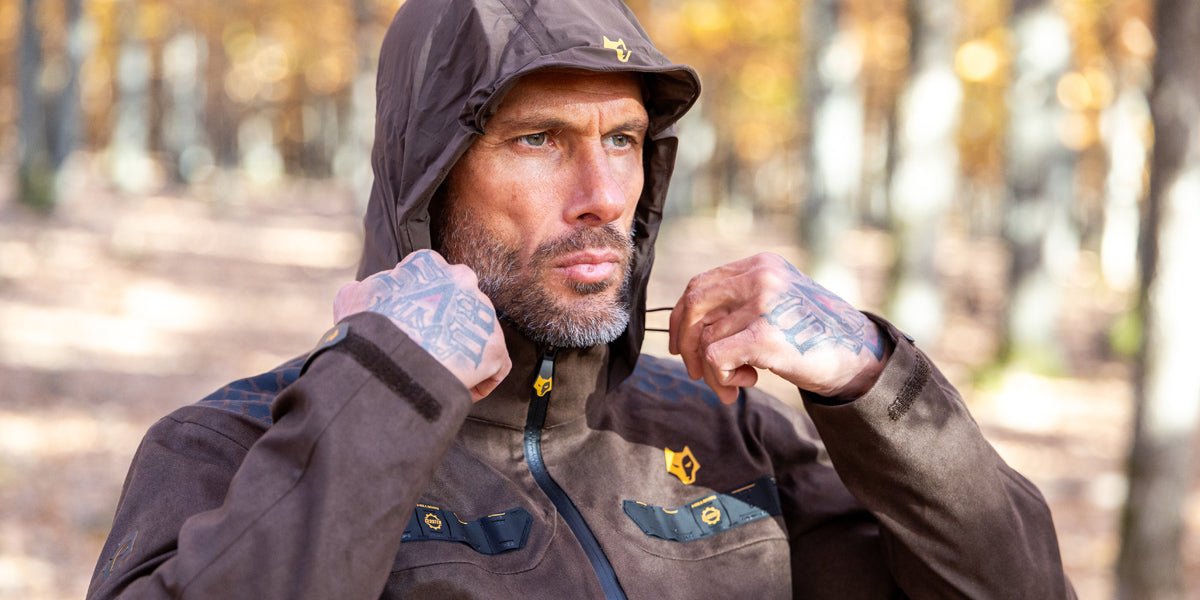
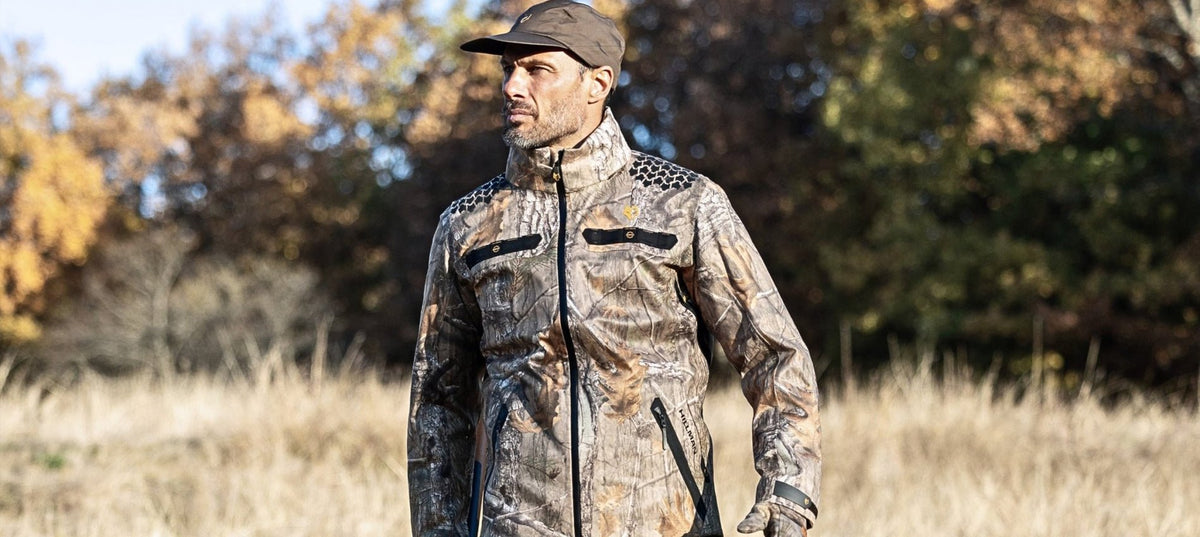
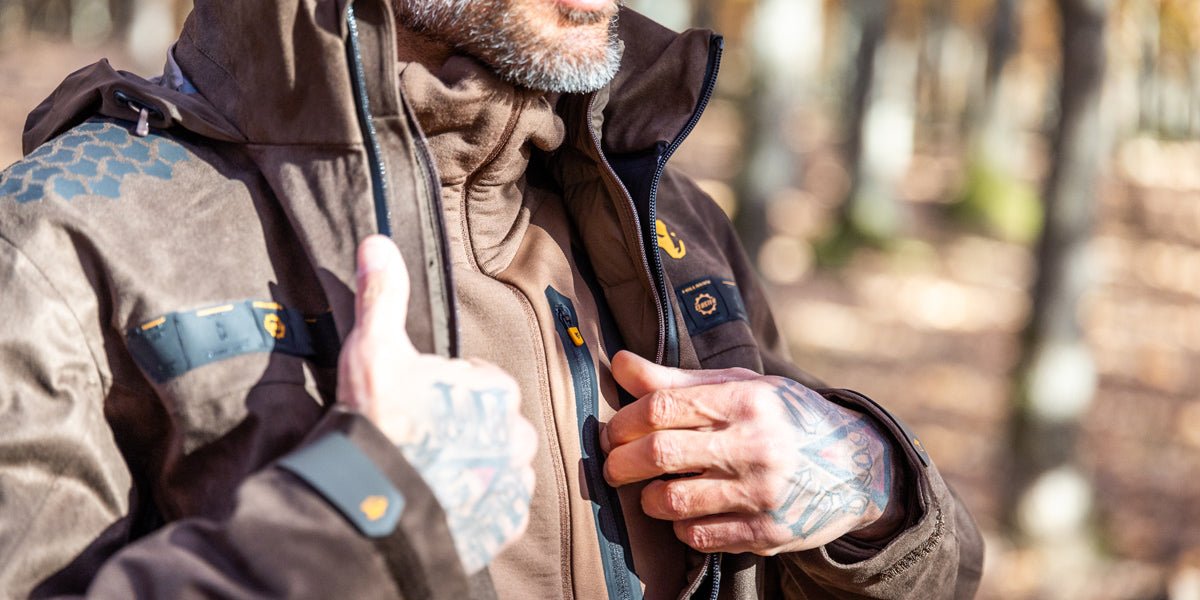
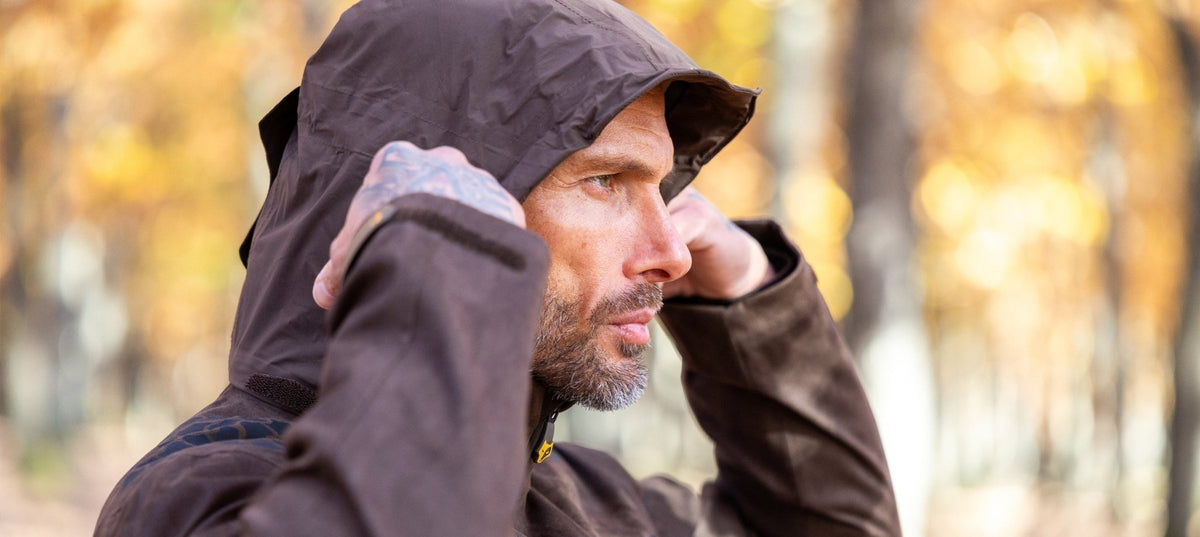
how international hunters layer clothing: waterproof, windproof jackets

The outer layer protects everything underneath. Its role is not warmth, but defence.

Outer layers tend to attract the most discussion, yet they are often misunderstood. Many people judge them by weight or thickness alone. Experience tells a different story.

We have spent entire days protected from the wind by surprisingly light layers, while heavier options created discomfort through trapped moisture. Protection, when done well, feels subtle. You notice it most when it is missing.

What Actually Matters in an Outer Layer?

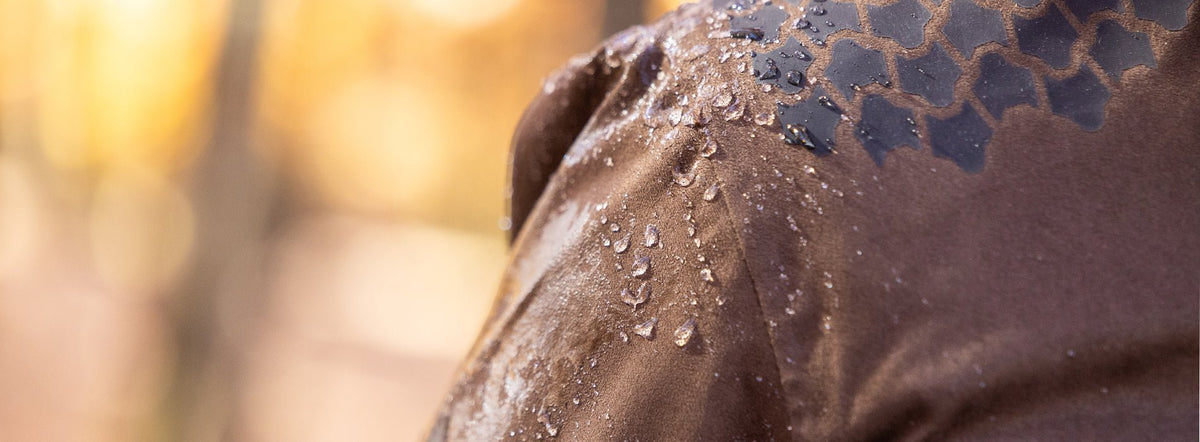
A functional outer layer blocks wind, resists rain, and keeps snow from penetrating inner layers. At the same time, it must allow moisture to escape. Without breathability, sweat builds up inside and comfort disappears.

Heavier does not always mean better. Balance matters more than bulk.

Waterproof Jacket vs Windproof Jacket in Practice

Waterproof jackets focus on keeping rain out. Windproof jackets focus on stopping cold air from stripping heat away. In many hunting situations, wind protection has a greater impact on comfort than full waterproofing.

Understanding the difference prevents carrying unnecessary weight.

Layering for Cold Weather Without Losing Mobility

how international hunters layer clothing: packable goose down jackets

Cold weather layering often fails due to excess. Too many heavy layers restrict movement and trap moisture.

A Balanced Approach to Cold Conditions

A fitted base layer, an insulating mid layer, and a protective outer layer usually provide sufficient warmth. Adding more only helps when conditions genuinely demand it.

Lower-body layers matter just as much. Thermals, tights, and insulated trousers help reduce heat loss around the waist and legs, areas that are often overlooked.

Layering for Warm Weather and Mild Conditions

how international hunters layer clothing: breathable moisture-wicking merino mid layers

Layering remains relevant outside winter. Warm weather brings its own challenges, particularly when temperatures fluctuate throughout the day.

Staying Cool Without Losing Protection

Lightweight layers allow excess heat to escape while still offering protection from wind or cooler air. Breathable fabrics prevent sweat from settling on the skin, which helps maintain comfort over long periods.

Practical Layering for Travel and Movement

For hiking, travel, and everyday use, lightweight layers are practical and reliable. They adapt easily, pack down small, and rarely interfere with movement.

One System That Works Across Countries and Climates

how international hunters layer clothing: breathable moisture-wicking merino base layers, mid layers, jackets for cold

What we have learned is that the same layering system works almost everywhere. The structure remains the same. Only the fabrics and weights change.

Colder climates require heavier base and mid layers. Milder climates rely more on lightweight options. The principle stays consistent, making preparation simpler.

There is a moment that repeats itself across seasons and locations. The moment when everything feels settled. No constant adjustments, no distraction from cold or heat. Just steady comfort.

Those moments are rarely accidental. They come from understanding how layers interact with the body over time. Once you experience that balance a few times, it becomes easier to recreate it, regardless of the country or climate.

From the Field

Layering is noticeable only when it fails. When it works, it fades into the background and allows the body to do its job without interference.

From our experience, the most effective layering systems are built on understanding, not rules. When clothing supports the body rather than fighting it, comfort follows naturally, no matter the country or conditions

Henrik Larsen
Author

Henrik Larsen

Hunting Guide / Fieldcraft Specialist

Henrik Larsen writes about the part of hunting that starts before leaving home. Packing, layering, route choice, weather judgement, safety habits and field discipline are regular themes in his articles. His approach is calm and practical: take what you need, know why you are taking it, and avoid learning simple lessons the hard way once you are already in the field.

Related blog posts

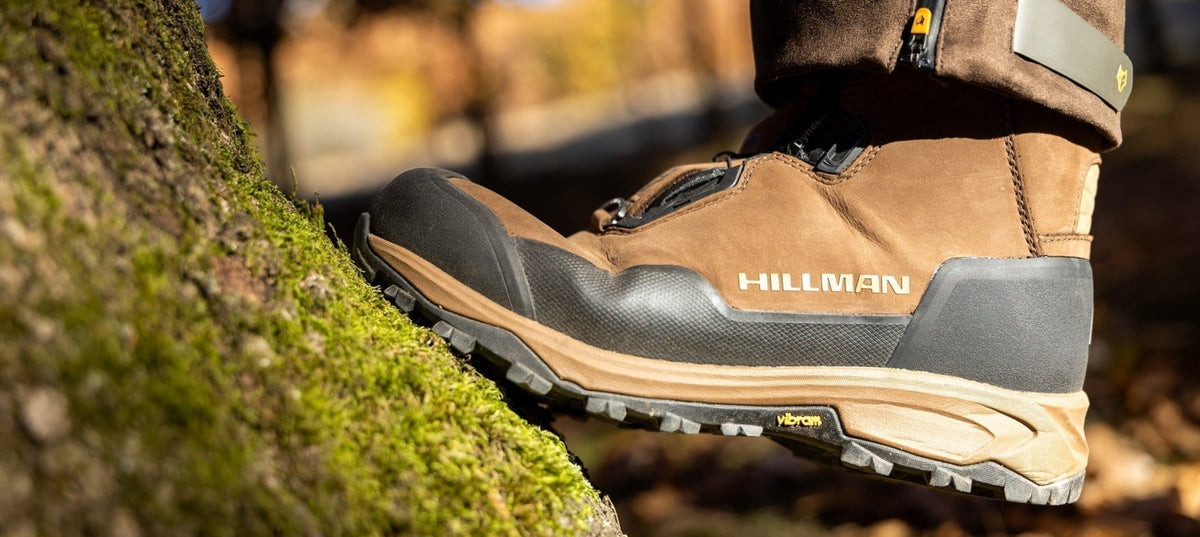
how to break in hunting boots, best socks to break in boots: waterproof, insulated boots leather

How to Break In Hunting Boots Before a Serious Hunting Trip?

Breaking in hunting boots is not about forcing stiff leather to soften overnight. It is about learning how the boots behave before rough ground, wet weather, and long hours start exposing problems. A proper break-in gives you time to sort heel movement, pressure points, socks, and support before the hunt becomes serious.

Read more

Best Hunting Rain Gear for Hunters (2025 guide) - Hunting Boots - Winter, Waterproof Gear | Men's Hunt Clothes

Best Hunting Rain Gear for Hunters (2026 guide)

The article reviews the best hunting rain gear for 2026, tailored for the unpredictable and often extreme weather conditions across the UK and EU. It emphasizes the importance of breathable, lightweight, quiet, and durable gear for different hunting styles and terrains. Hillman’s rainwear is highlighted as a top performer, outscoring competitors in versatility and weather resistance. The piece also offers practical tips on layering, gear maintenance, and choosing the right setup for woodland stalking, hill stalking, and driven shoots.

Read more

best hunting boots for mixed terrain guide: waterproof, insulated, hiking boots

Best Hunting Boots for Mixed Terrain Trips: One Pair or Two?

For mixed terrain hunts, there’s no perfect boot - only the one that stays stable, dry, and supportive as conditions change. One pair works if it’s versatile and reliable, but two pairs help in wet environments where drying time matters. In the end, fit, break-in, and real-world performance matter more than labels or categories.

Read more

how to choose hunting boots for unknown terrain & conditions: waterproof insulated footwear with reliable grip, ankle support, socks

How to Choose Hunting Boots for Unknown Ground Conditions

Choosing hunting boots for unknown ground is about balance rather than labels or reputation. When grip, fit, waterproofing, insulation, and support work together, boots fade into the background and allow natural movement as conditions change. The right pair keeps feet dry, stable, and comfortable over long hours, even when terrain and weather refuse to behave as expected.

Read more

lightweight hunting gear for frequent travel, layering system: breathable base layers, waterproof hunting jackets, accessories

Lightweight Hunting Gear for Hunters Who Travel Frequently

This piece explains why lightweight hunting gear matters for frequent travel, stressing that excess weight drains energy, slows movement, and disrupts focus. It highlights how adaptable, breathable, and packable clothing improves comfort in changing conditions and makes travel logistics easier. Ultimately, it argues that lightweight gear becomes a long-term investment because it reduces friction, simplifies decisions, and supports better performance in the field.

Read more

best hunting jackets for extreme temperature swings: insulated cold-weather jackets, waterproof warm weather jackets

The Best Hunting Jackets for Extreme Temperature Swings

Hunting in countries with volatile temperatures demands jackets that adapt as conditions swing from cold mornings to warm middays and back again. The best modern shooting jackets balance insulation, breathability, weather protection and movement without constant adjustment. Ultimately, versatility and fit matter more than any single feature, allowing hunters to stay focused on the field rather than the forecast.

Read more

hunting gear evolution: tradition and technology, leather, wool, waterproof boots, footwear, jackets

The Evolution of Hunting Gear: From Tradition to Technology

Hunting gear has evolved from heavy wool and leather into lightweight, technical equipment that improves comfort, safety, and performance in the field. While tradition once shaped clothing as much as function, modern materials now prioritise weather protection, mobility, and efficiency. Today’s hunters balance heritage and technology, adapting to changing conditions without losing respect for the sport’s roots.

Read more

hunting gear guide for international trip: clothes, bags, boots, accessories

Hunting Gear Guide: What to Pack for a Trip Abroad

Preparing for a hunting trip abroad is about packing trusted, practical gear that keeps you comfortable, focused, and ready for unfamiliar conditions. Prioritise reliable clothing, boots, optics, and simple field essentials over unnecessary extras. Thoughtful packing protects your energy, sharpens decision-making, and lets you enjoy the experience wherever you hunt.

Read more

best leather hunting boot

Best Leather Hunting Boot: Handcrafted for the Modern Hunter

The best leather hunting boots balance comfort, durability, and protection across any terrain or climate. Hillman’s handcrafted designs combine premium leather, waterproof membranes, and superior ankle support to keep hunters steady, warm, and dry through every season. Built for endurance rather than luxury, they turn harsh ground into steady footing and long hunts into lasting comfort.

Read more

most expensive hunting boots: not needed with Hillman

Most Expensive Hunting Boots vs Smart Design: Hillman's Approach

The most expensive hunting boots often sell image over innovation, but Hillman proves performance doesn’t need a luxury price tag. Built with smart design, breathable waterproof membranes, and superior ankle support, Hillman boots deliver warmth, grip, and comfort across the toughest terrain. For real hunters, they offer premium durability and protection at a fair, honest price: where smart engineering replaces unnecessary prestige.

Read more

tactical hunting boots: quality footwear for outdoor adventures

What Are Tactical Hunting Boots? Why Do Hunters Rely on Them?

Tactical hunting boots combine military-grade toughness with the comfort and flexibility hunters need in rough terrain and unpredictable weather. Built from durable leather and nylon with waterproof, breathable membranes, they offer superior grip, support, and all-day comfort. Reliable, protective, and long-lasting, they’ve become the go-to choice for hunters, law enforcement, and outdoor professionals alike.

Read more

hunting work boots for fields and forests

Hunting Work Boots Explained: Best Gear in Field and Forest

Hunting work boots are built for endurance, warmth, and grip, combining full-grain leather, insulation, and Dryhunt membranes to keep feet dry and supported in any terrain. They balance durability with comfort, providing stability, breathability, and protection whether you’re working the land or tracking game. In the end, they’re not just boots, they’re trusted companions built to carry hunters through every season and challenge.

Read more

FAQs

Do you actually need all three layers, or can two cover most situations?

Two covers a lot. On a mild October roe deer day or an active pheasant shoot, a merino base layer and a waterproof shell handle most of what Britain and central Europe throws at you. The mid-layer becomes necessary when temperatures drop and movement slows. Skip it on active days, and you won't miss it. Leave it behind on a cold January boar drive, and you'll notice within the first hour.

How do you know when to add a layer versus just pushing through?

Add it before you need it, not after. Once you're cold, a mid-layer is playing catch-up. The moment you feel the temperature dropping or movement slowing, that's when to reach into the bag. Most hunters learn this after one day of waiting too long and spending the rest of it uncomfortably.

Does the mid-layer matter as much as people say?

It's the layer most hunters underinvest in. A decent base layer and a good waterproof shell get the attention and the budget. The mid layer gets whatever's left. Then, on a February high seat in the Alps or a long roe deer wait in damp woodland, it becomes the only thing you can think about. A fleece or a merino hoodie that actually insulates without adding bulk makes the whole system work differently.

Can the same layering system work for both alpine hunting and lowland driven shooting?

The structure stays the same. What changes is the weight of each layer. Alpine chamois hunting in September needs a lighter base, a packable mid layer, and a shell that handles rapid weather changes at elevation. A November boar drive in central European woodland needs heavier insulation and more wind protection. Same three layers, different weights for different demands.

Why does cotton keep coming up as something to avoid?

Because it fails at exactly the wrong moment. Cotton absorbs moisture and holds it against the skin. During a hard climb, it feels fine. The moment you stop, that damp layer starts pulling heat away from the body. In warm conditions, it's just uncomfortable. In cold conditions, it becomes a real problem fast. Merino and synthetic base layers don't behave that way.

Does lower body layering actually matter, or is it mainly about the top half?

Legs lose heat faster than most hunters account for. Standing on frozen ground or kneeling in wet cover draws warmth out quickly. A merino or synthetic base layer underneath hunting trousers makes a noticeable difference on cold days, particularly during long static periods. Most hunters who add proper lower body layering for the first time wonder why they waited.

How do you manage layering during a hunt that involves both hard climbing and long, cold waits?

Start with less than feels comfortable in the vehicle. The climb generates more heat than expected, and arriving at the high seat or shooting position already sweating defeats the whole system. Carry the mid-layer in a bag and put it on when movement stops. It takes discipline the first few times. After that, it becomes automatic.