The Best Hunting Jackets for Countries with Extreme Temperature Swings

best hunting jackets for extreme temperature swings: insulated cold-weather jackets, waterproof warm weather jackets

From cold starts to warmer afternoons, the right hunting jacket adapts. Explore what really matters when the weather refuses to stay consistent.

The first hours of the day are usually misleading. Cold air settles in, movement feels controlled, and everything seems manageable. Layers are zipped. Hands stay warm. Nothing demands attention yet.

Then the effort increases. The sun rises just enough. Body temperature shifts. By midday, what felt right in the morning starts to feel excessive. Later, as the light fades and the wind cuts back in, the cold returns sharper this time, because sweat from earlier movement hasn’t fully disappeared.

This pattern isn’t unusual. It’s what hunting in variable climates looks like most of the time. And it’s exactly where hunting jackets are tested, not at temperature extremes, but in the constant transitions between them.

We’ve found that the jackets that perform best aren’t the ones designed for a single condition. They’re the ones that stay stable while everything else changes.

Why modern shooting jackets matter more than ever?

best hunting jackets for extreme temperature swings: waterproof cold-weather jackets

Shooting jackets no longer serve one purpose. They’re expected to manage weather, movement, moisture, and comfort at the same time. That’s where many designs start to break down.

Insulation helps until it traps heat. Waterproof protection works until it locks moisture inside. Breathability matters until wind exposure becomes the priority. A jacket that focuses too heavily on one function usually forces compromises elsewhere.

The most effective shooting jackets resolve these conflicts quietly. They don’t ask for constant adjustments. They don’t interrupt movement. They let the day unfold without pulling attention back to the clothing itself.

Men’s shooting jackets are built for long hours outdoors

best hunting jackets for extreme temperature swings: insulated cold-weather jackets

Time is unforgiving in the field. Small issues that seem insignificant early on become persistent distractions after several hours.

Hand warmer pockets stop being optional once movement slows. Insulation shows its real value during long pauses, not while walking. Fit becomes critical as layers change underneath and temperatures rise and fall.

A well-designed men’s shooting jacket doesn’t rely on first impressions. It earns trust gradually. It holds warmth without bulk, avoids pressure points, and allows the body to settle instead of constantly compensating.

Choosing the right hunting jacket for changing seasons

Most seasons don’t commit to a single identity. Early autumn mornings can feel close to winter, while afternoons push toward warmer conditions. Spring brings damp ground, shifting temperatures, and unpredictable weather.

In these moments, versatility outperforms specialization. Lightweight jackets combined with proper layering allow faster adjustment and better temperature control. Heavier insulation has its place, but only when cold dominates consistently.

The right hunting jacket isn’t chosen in isolation. It’s chosen as part of a system that adapts as conditions shift throughout the day.

Waterproof hunting jackets for wet and windy conditions

best hunting jackets for extreme temperature swings: waterproof warm weather jackets

Wet weather rarely arrives all at once. It starts small, works into seams, and slowly turns discomfort into distraction. Wind follows, amplifying the problem once moisture sets in.

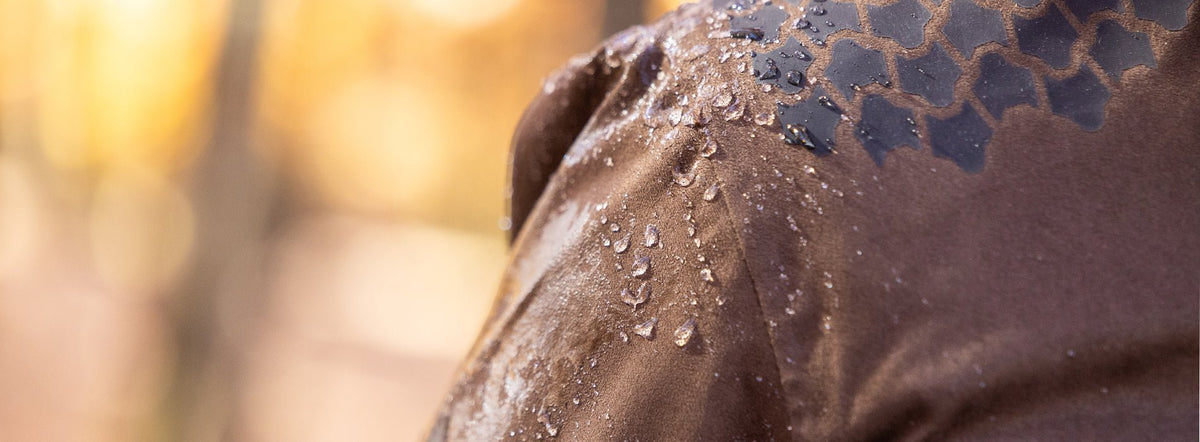
Waterproof hunting jackets are meant to stop that progression early. Fully sealed construction and water-repellent outer layers prevent the fabric from becoming heavy or unresponsive. Just as important, breathability keeps moisture generated by movement from undoing that protection from the inside.

The best waterproof jackets don’t feel like rain shells. They move naturally, stay quiet, and maintain comfort even after hours of exposure.

Cold-weather hunting jackets that keep you warm without bulk

best hunting jackets for extreme temperature swings: insulated cold-weather jackets, waterproof warm weather jackets

Cold conditions don’t automatically require heavy insulation. What matters more is how warmth is retained once movement slows.

Effective insulation traps heat evenly, blocks cold air, and still allows moisture to escape. Jackets that rely on bulk alone often restrict movement and overheat during activity, only to feel cold later.

When long pauses are part of the day, insulation has to work consistently. Not dramatically. Just reliably.

Freedom of movement in rugged terrain

best hunting jackets for extreme temperature swings: mobility

Uneven ground exposes poor design immediately. Stepping over obstacles, easing into cover, or raising arms to shoot all require natural movement.

Jackets that resist these motions create friction. You adjust once. Then again. Over time, fatigue builds, not from the terrain, but from fighting the clothing.

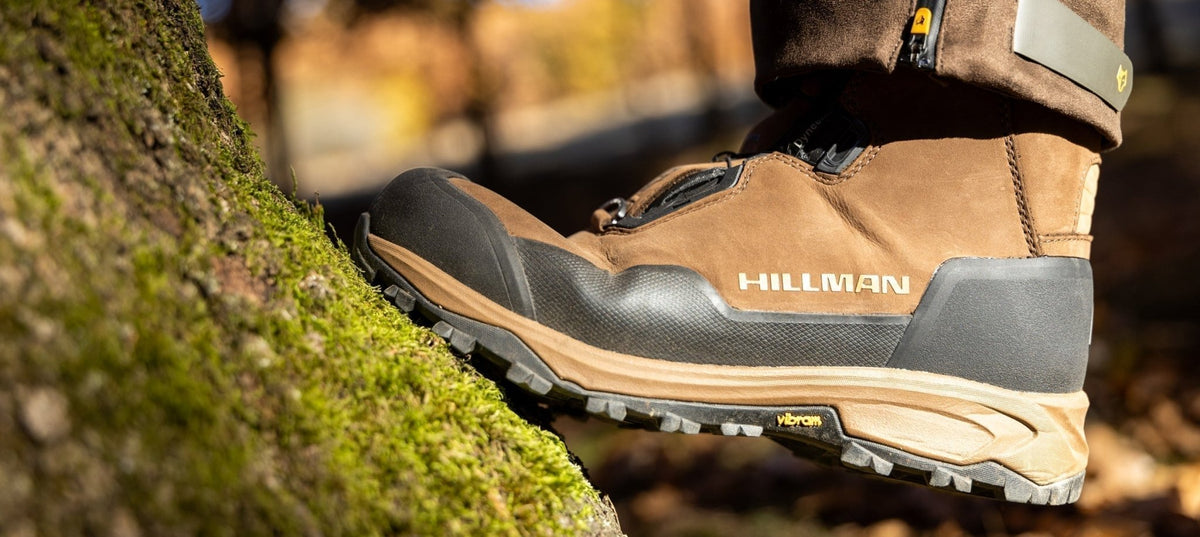
Freedom of movement solves this problem entirely. Articulated sleeves, balanced construction, and adjustable cuffs allow motion without resistance. When movement feels natural, the jacket disappears from awareness.

Breathable fabrics for active hunting and long days

Even in cold air, effort generates heat. Without proper ventilation, that heat turns into moisture. And moisture leads to chill as soon as movement slows.

Breathable fabrics prevent this cycle by allowing vapor to escape early. They stabilize body temperature during active periods and reduce cooling afterward. Features that release excess heat quickly matter more over long days than during short outings.

The goal isn’t constant warmth. It’s consistency.

Camouflage, color, and blending into the environment

best hunting jackets for extreme temperature swings: camo insulated cold-weather jackets, waterproof warm weather jackets

Blending in isn’t about disappearing. It’s about avoiding contrast.

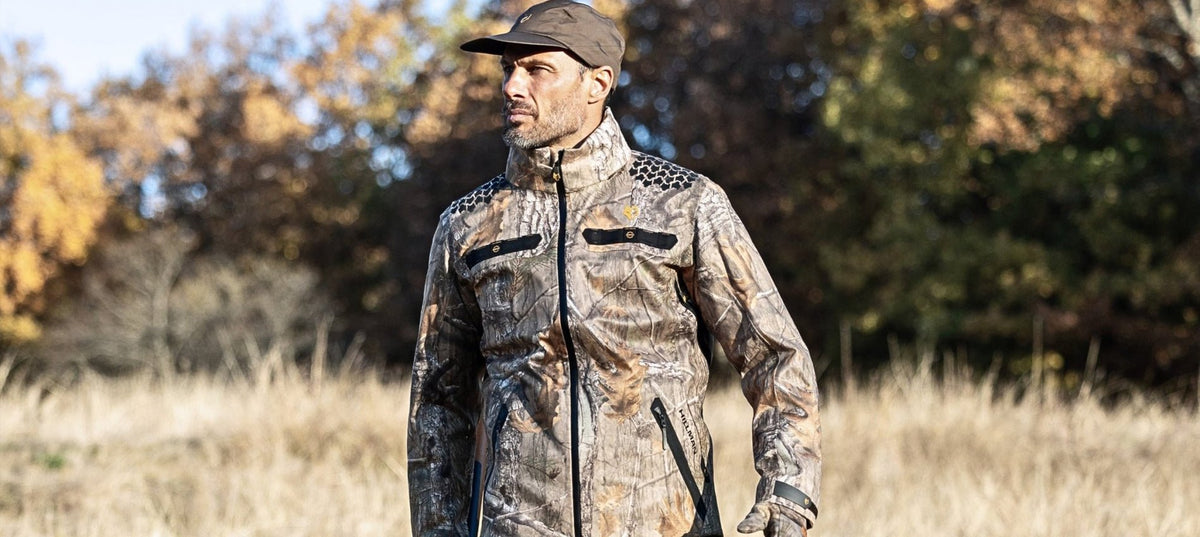
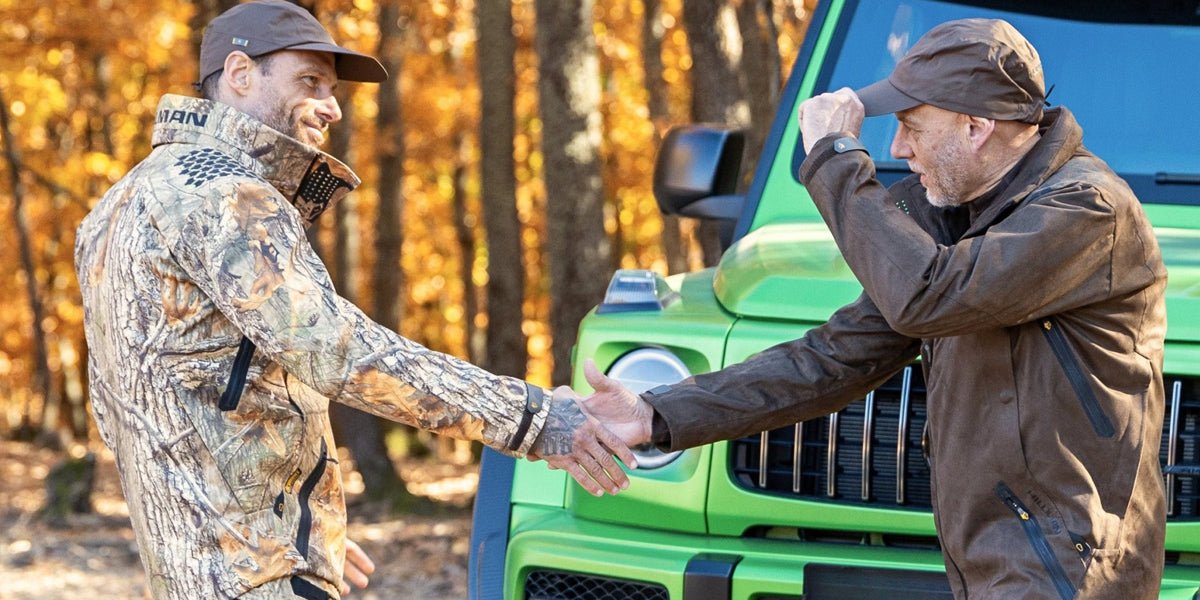
Camouflage patterns help break up the human outline, particularly during stalking. Matching those patterns to the environment improves effectiveness. Color choice plays a role as well. Greens and browns fade naturally into woodland, while brighter tones serve safety requirements depending on game and region.

Used correctly, color and camouflage support the hunt instead of complicating it.

best hunting jackets for extreme temperature swings: suitsTweed jackets, shooting smocks, and traditional styles

Traditional styles persist because they solve specific problems well. Soft, brushed fabrics move quietly through vegetation, reducing noise during close-range movement.

These materials also suit slower, deliberate hunting styles where silence matters more than weight savings. While modern fabrics expand options, traditional designs remain relevant because they still perform where it counts.

Perfect fit for comfort during long hunting days

best hunting jackets for extreme temperature swings: insulated goose down jackets, puffers

Fit affects warmth, movement, and endurance. A jacket that fits properly holds heat efficiently and allows layers to function as intended.

Too tight restricts movement. Too loose lets warmth escape. A balanced fit adapts as layers change underneath without becoming distracting.

Over long days, that balance matters more than any single feature.

Complete protection without compromising comfort

Protection works best when it doesn’t feel rigid. Waterproof and windproof materials need to respond to movement, not fight it.

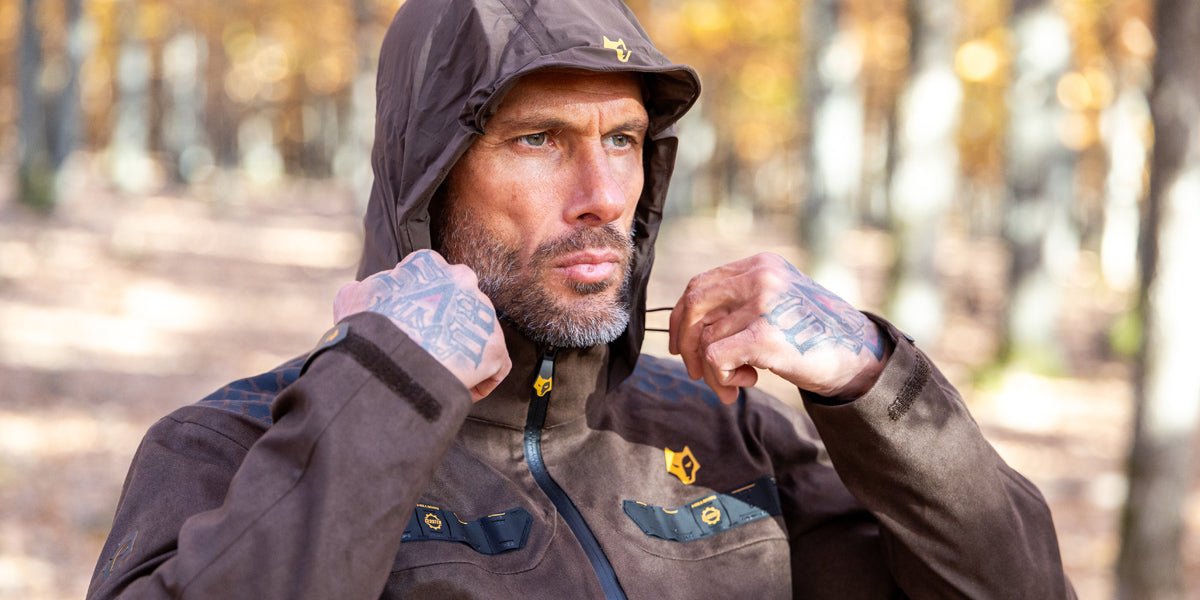
Adjustable hoods, secure cuffs, and responsive fabrics allow jackets to shield against the elements without locking the body in place. When protection and comfort work together, attention stays where it belongs.

A full range of hunting jackets for every condition

best hunting jackets for extreme temperature swings, clothes for different weather conditions

No single jacket covers every situation. Some days call for lightweight shells. Others demand insulation and full weather resistance.

Understanding how different jackets serve different conditions leads to better decisions. A versatile approach ensures comfort across terrain, seasons, and changing weather.

Finding the right jacket for your style of hunting

best hunting jackets for extreme temperature swings: winter

Every hunter moves differently. Some cover ground. Others wait. Terrain, pace, and climate shape what works best.

Choosing the right hunting jacket means aligning protection, movement, and comfort with how you actually hunt. At Hillman, that principle guides how we think about hunting clothing: jackets should adapt to the hunter, not demand constant adjustment in return.

The jacket that lets you focus on the hunt, not the weather

Weather doesn’t disappear. The goal is simpler than that. Stop thinking about it.

When a hunting jacket does its job properly, decisions stay focused on movement, timing, and positioning, not on what needs to be adjusted next. That consistency is what matters most when conditions refuse to settle.

Pieter Van Dalen
Author

Pieter Van Dalen

Gear Analyst / Materials & Innovation Specialist

Pieter Van Dalen looks at hunting clothing from the inside out. Fabrics, membranes, insulation, seams, ventilation, zippers and wear resistance are the details he pays attention to, especially when they affect comfort in rain, cold or heavy movement. He writes for hunters who want to understand why one jacket breathes better than another, why some boots stay dry longer, and why material choice matters after the first season of use.

Related blog posts

how to break in hunting boots, best socks to break in boots: waterproof, insulated boots leather

How to Break In Hunting Boots Before a Serious Hunting Trip?

Breaking in hunting boots is not about forcing stiff leather to soften overnight. It is about learning how the boots behave before rough ground, wet weather, and long hours start exposing problems. A proper break-in gives you time to sort heel movement, pressure points, socks, and support before the hunt becomes serious.

Read more

Best Hunting Rain Gear for Hunters (2025 guide) - Hunting Boots - Winter, Waterproof Gear | Men's Hunt Clothes

Best Hunting Rain Gear for Hunters (2026 guide)

The article reviews the best hunting rain gear for 2026, tailored for the unpredictable and often extreme weather conditions across the UK and EU. It emphasizes the importance of breathable, lightweight, quiet, and durable gear for different hunting styles and terrains. Hillman’s rainwear is highlighted as a top performer, outscoring competitors in versatility and weather resistance. The piece also offers practical tips on layering, gear maintenance, and choosing the right setup for woodland stalking, hill stalking, and driven shoots.

Read more

best hunting boots for mixed terrain guide: waterproof, insulated, hiking boots

Best Hunting Boots for Mixed Terrain Trips: One Pair or Two?

For mixed terrain hunts, there’s no perfect boot - only the one that stays stable, dry, and supportive as conditions change. One pair works if it’s versatile and reliable, but two pairs help in wet environments where drying time matters. In the end, fit, break-in, and real-world performance matter more than labels or categories.

Read more

how to choose hunting boots for unknown terrain & conditions: waterproof insulated footwear with reliable grip, ankle support, socks

How to Choose Hunting Boots for Unknown Ground Conditions

Choosing hunting boots for unknown ground is about balance rather than labels or reputation. When grip, fit, waterproofing, insulation, and support work together, boots fade into the background and allow natural movement as conditions change. The right pair keeps feet dry, stable, and comfortable over long hours, even when terrain and weather refuse to behave as expected.

Read more

lightweight hunting gear for frequent travel, layering system: breathable base layers, waterproof hunting jackets, accessories

Lightweight Hunting Gear for Hunters Who Travel Frequently

This piece explains why lightweight hunting gear matters for frequent travel, stressing that excess weight drains energy, slows movement, and disrupts focus. It highlights how adaptable, breathable, and packable clothing improves comfort in changing conditions and makes travel logistics easier. Ultimately, it argues that lightweight gear becomes a long-term investment because it reduces friction, simplifies decisions, and supports better performance in the field.

Read more

best hunting jackets for extreme temperature swings: insulated cold-weather jackets, waterproof warm weather jackets

The Best Hunting Jackets for Extreme Temperature Swings

Hunting in countries with volatile temperatures demands jackets that adapt as conditions swing from cold mornings to warm middays and back again. The best modern shooting jackets balance insulation, breathability, weather protection and movement without constant adjustment. Ultimately, versatility and fit matter more than any single feature, allowing hunters to stay focused on the field rather than the forecast.

Read more

hunting gear evolution: tradition and technology, leather, wool, waterproof boots, footwear, jackets

The Evolution of Hunting Gear: From Tradition to Technology

Hunting gear has evolved from heavy wool and leather into lightweight, technical equipment that improves comfort, safety, and performance in the field. While tradition once shaped clothing as much as function, modern materials now prioritise weather protection, mobility, and efficiency. Today’s hunters balance heritage and technology, adapting to changing conditions without losing respect for the sport’s roots.

Read more

hunting gear guide for international trip: clothes, bags, boots, accessories

Hunting Gear Guide: What to Pack for a Trip Abroad

Preparing for a hunting trip abroad is about packing trusted, practical gear that keeps you comfortable, focused, and ready for unfamiliar conditions. Prioritise reliable clothing, boots, optics, and simple field essentials over unnecessary extras. Thoughtful packing protects your energy, sharpens decision-making, and lets you enjoy the experience wherever you hunt.

Read more

best leather hunting boot

Best Leather Hunting Boot: Handcrafted for the Modern Hunter

The best leather hunting boots balance comfort, durability, and protection across any terrain or climate. Hillman’s handcrafted designs combine premium leather, waterproof membranes, and superior ankle support to keep hunters steady, warm, and dry through every season. Built for endurance rather than luxury, they turn harsh ground into steady footing and long hunts into lasting comfort.

Read more

most expensive hunting boots: not needed with Hillman

Most Expensive Hunting Boots vs Smart Design: Hillman's Approach

The most expensive hunting boots often sell image over innovation, but Hillman proves performance doesn’t need a luxury price tag. Built with smart design, breathable waterproof membranes, and superior ankle support, Hillman boots deliver warmth, grip, and comfort across the toughest terrain. For real hunters, they offer premium durability and protection at a fair, honest price: where smart engineering replaces unnecessary prestige.

Read more

tactical hunting boots: quality footwear for outdoor adventures

What Are Tactical Hunting Boots? Why Do Hunters Rely on Them?

Tactical hunting boots combine military-grade toughness with the comfort and flexibility hunters need in rough terrain and unpredictable weather. Built from durable leather and nylon with waterproof, breathable membranes, they offer superior grip, support, and all-day comfort. Reliable, protective, and long-lasting, they’ve become the go-to choice for hunters, law enforcement, and outdoor professionals alike.

Read more

hunting work boots for fields and forests

Hunting Work Boots Explained: Best Gear in Field and Forest

Hunting work boots are built for endurance, warmth, and grip, combining full-grain leather, insulation, and Dryhunt membranes to keep feet dry and supported in any terrain. They balance durability with comfort, providing stability, breathability, and protection whether you’re working the land or tracking game. In the end, they’re not just boots, they’re trusted companions built to carry hunters through every season and challenge.

Read more

FAQs

Why does breathability become a problem so quickly?

Because effort changes faster than clothing does. Heat builds the moment you start moving, sweat follows, and a jacket that isn't breathing holds all of it against you. The cold and the rain aren't usually the problem. What gets most hunters is the moisture they generated themselves an hour earlier.

Does cold weather always require heavy insulation?

Not always. What drives insulation needs is how long you're standing still, not the temperature alone. A hard climb to a high seat in January needs less insulation than two hours sitting in one afterwards. Hunters who dress for the cold and then generate heat on the way in usually arrive overdressed and pay for it later.

How does moisture affect insulation performance?

It changes everything. Some insulation loses most of its warmth when damp. In wet European conditions, consistency matters more than peak warmth ratings. Staying reasonably warm all day is more useful than cycling between overheating and cold.

How much does freedom of movement actually matter?

You notice it the moment it's missing. Raising your rifle, stepping over cover, settling into position, all of it should feel natural. Jackets that resist those movements add fatigue gradually. By the end of a full day, it's often the clothing, not the terrain, that feels heavy.

Can one jacket realistically cover multiple seasons?

Only if it's built to layer underneath. A lightweight waterproof shell with room for a merino mid layer covers most of what European hunting throws at you across autumn and winter. Heavily insulated single-piece jackets work well in narrow conditions and struggle outside them.

Is camo pattern more important than colour?

They do different things. Pattern breaks up your outline. Colour controls contrast against the background. A pattern matched to your environment works better than a technically superior pattern in the wrong tones. For most European woodland hunting, muted greens and browns matter more than the specific pattern design.

Do hand warmer pockets make a real difference?

Later in the day, yes. When you've been standing still for an hour after red deer or waiting between drives, hands go cold faster than anywhere else. Warm hands keep you relaxed and focused. Cold hands affect more than comfort. Grip weakens, sensitivity drops, and small tasks that should be automatic start taking more effort than they should. Most hunters know the feeling of trying to work a bolt or a zip with fingers that stopped cooperating twenty minutes ago.