
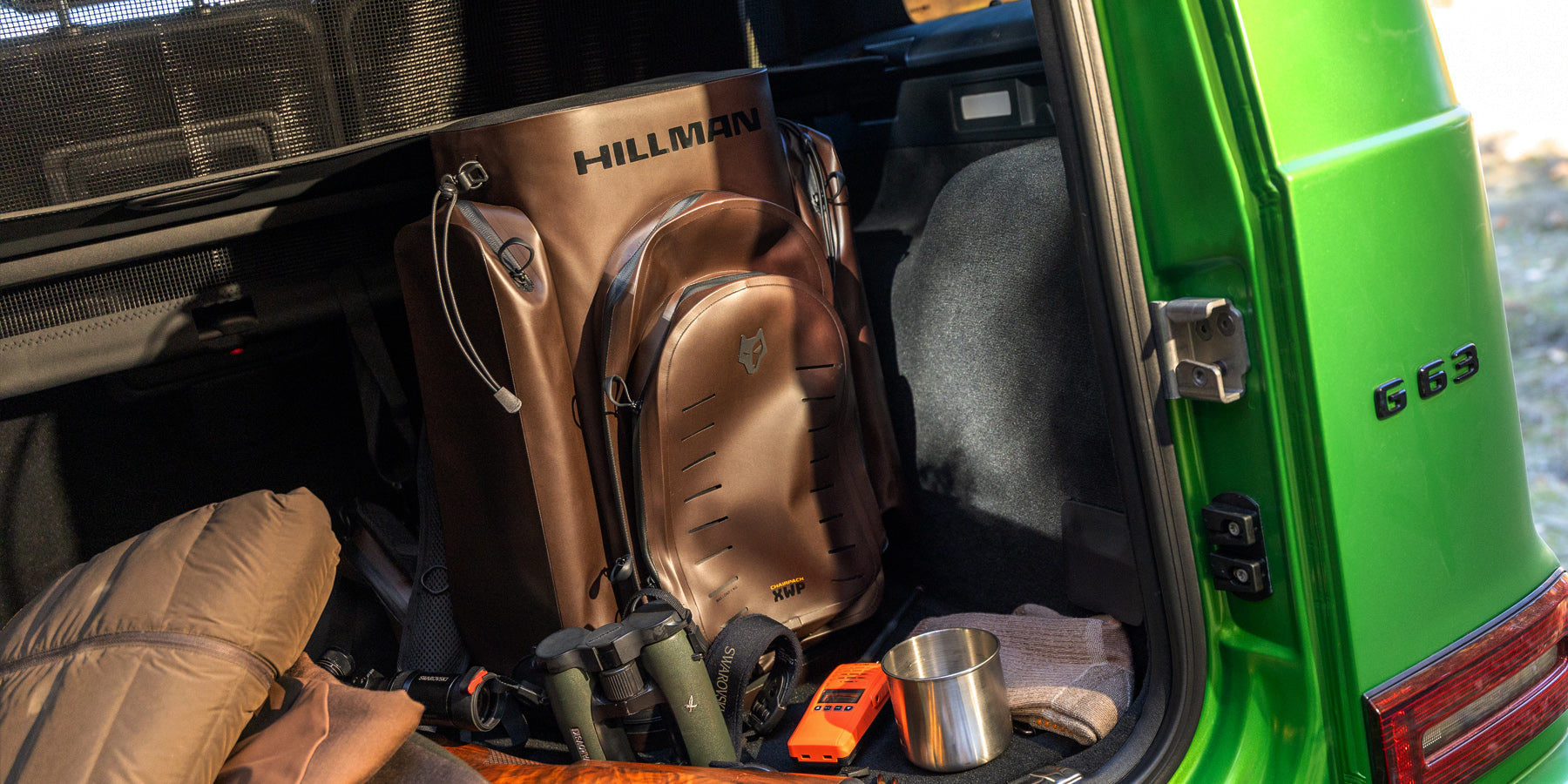
How to Pack Hunting Clothing for Changing Weather Conditions

How to pack hunting clothing for trips with changing climates. Learn how to manage layers, save pack space, and stay comfortable in unpredictable weather.
Most hunters don’t realise how difficult it is to pack for multiple climates until they are already halfway through a trip. The pack feels heavier than expected, the weather shifts faster than planned, and suddenly, the clothing that seemed sensible at home no longer fits the conditions in the field.
Packing hunting clothing for more than one climate is rarely about extremes. It’s about the in-between moments. Cold mornings that turn warm by midday. Light rain that stops and comes back with the wind. Long stretches of movement followed by long periods of stillness. This is where poor packing decisions start to show.
On longer hunting trips, especially during backcountry hunting, these small miscalculations add up. Extra weight drains energy. The wrong layers trap moisture. And once that happens, comfort becomes harder to regain than most people expect.
How to Pack Hunting Clothing for Changing Weather Conditions?

The first mental shift is simple but uncomfortable. You are not packing outfits. You are packing responses to problems. Cold, heat, moisture, wind. Each piece of clothing should solve at least one of those, preferably more.
Most packing lists look good on paper and fail in practice. They assume perfect timing and predictable weather. In reality, hunting rarely follows a neat plan. Clothing that only works in a narrow window often stays in the bag, taking up space and adding weight.
What tends to work better is restraint. Fewer pieces, chosen carefully, that can be adjusted throughout the day. This approach saves space in the hunting pack and, more importantly, reduces the number of decisions you need to make when you are already tired.
Backcountry Hunting Trips Demand a Smarter Clothing Strategy

Backcountry hunting has a way of exposing weak systems quickly. Backcountry hunters carry everything with them, and there is very little margin for error once you are several miles from camp.
On multi-day trips, problems rarely appear on the first day. They show up later, often when the weather turns, or fatigue sets in. A jacket that doesn’t breathe well feels fine early on and miserable by day three. Pants that stay damp never quite dry when conditions stay cold.
After a few extended hunts, patterns become obvious. Hunters who last longer tend to pack less clothing, not more. The difference is that their technical apparel works together instead of competing for space.
Planning a Hunting Trip Across Multiple Climates

Every hunting trip includes predictable transitions, even if the weather itself is unpredictable. Mornings are colder. Midday movement generates heat. Evenings slow down, and temperatures drop again.
The mistake is treating each phase as if it requires a separate setup. That mindset leads to overpacking and constant frustration. In practice, most hunters spend far more time adjusting layers than fully changing what they wear.
When planning a hunting trip, it helps to think about how often you realistically want to stop and dig into your bag. Clothing that is awkward to access often stays unused, even when it would improve comfort.
Choosing Shooting Clothing That Works in Every Climate

Shooting clothing has a difficult job. It must protect against wind and rain without becoming a burden when you are moving. Poor shooting clothing often reveals itself gradually, not immediately.
Early on, everything feels acceptable. Later, stiffness, poor ventilation, or excess weight start to slow you down. Over a long day, those small inefficiencies matter more than most people expect.
Shooting Jackets and Trousers That Handle Wind and Rain
A shooting jacket that blocks wind while allowing heat to escape is more valuable than one that simply feels warm. The same applies to shooting trousers. Flexibility and weather resistance matter more over time than initial comfort.
Insulated pants and a lightweight puffy jacket earn their place because they add warmth efficiently. They come out when movement slows and disappear again when it resumes. That flexibility is what makes them useful across multiple climates.
Building a Layered System Instead of Packing More Clothes

Layering works because it follows how the body behaves rather than forcing it into fixed conditions. Heat builds, disappears, and builds again throughout the day.
A layered system gives you room to adjust without committing to extremes. It also reduces the temptation to carry clothing “just in case,” which is how packs quietly become too heavy.
Why the Right Base Layer Is the Foundation?
Base layers are often overlooked because they are rarely seen. But when they fail, everything else struggles to compensate. Moisture trapped against the body becomes a problem the moment you slow down.
Most people don’t notice this until they stop moving and feel cold far sooner than expected. A base layer that manages moisture well stabilises body temperature and makes the rest of the system work as intended.
How a Mid Layer Regulates Warmth Without Adding Bulk
The mid layer does one job well: it holds warmth without getting in the way. The best ones compress easily and recover quickly when worn again.
On trips with changing weather, this layer is used constantly. On, off, half-zipped, packed away, and worn again. Clothing that tolerates this cycle quietly earns its place.
Managing Moisture, Wind, Rain, and Snow in the Field

Weather rarely announces itself clearly. Light rain combined with wind often feels worse than heavy snow. Clothing that handles moisture poorly amplifies this effect.
Staying functional matters more than staying perfectly dry. Clothes that continue to insulate when damp and dry reasonably fast tend to perform better over long periods.
Knowing when to vent layers and when to add protection is part of wearing your clothing system properly. It’s something most hunters refine only after a few uncomfortable trips.
Why Your Hunting Pack Matters as Much as Your Clothing?

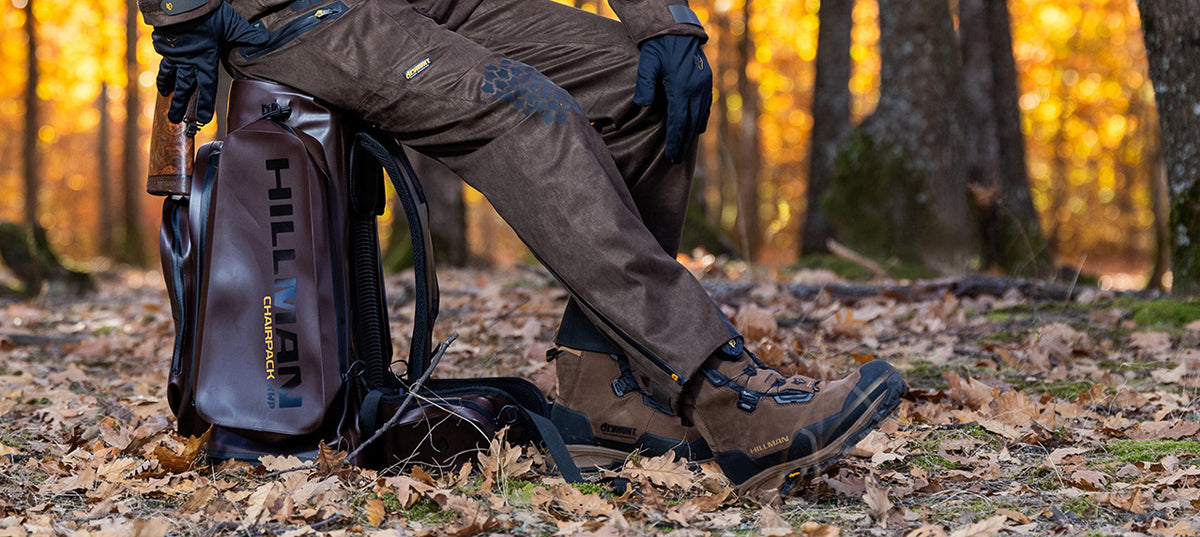
Your clothing system is only as good as the pack that carries it. A hunting pack that makes layers difficult to reach discourages smart adjustments.
Over time, this leads to pushing through discomfort instead of fixing it. On longer hunts, that habit becomes expensive in terms of energy and focus.
How to Pack Hunting Gear Without Overloading Your Pack?
Overpacking usually comes from uncertainty. Extra items feel reassuring at home and unnecessary in the field. Most hunters recognise this pattern only after their pack starts to feel heavier than it should.
Packing hunting gear effectively means trusting your system. When clothing overlaps in function and gear serves more than one purpose, weight drops naturally.
What Size Pack Do You Need for a 7 Day Hunt?

There is no perfect answer, which frustrates many people. Pack size depends on conditions, terrain, and how disciplined you are with clothing.
For a seven-day hunt, balance matters more than volume. A pack that is too small forces poor decisions. One that is too large quietly invites excess. Most hunters find the right balance only after a few trips.
How to Organize Hunting Clothes for Fast Layer Changes?
Organisation affects behaviour. When layers are easy to access, they get used properly. When they are buried, discomfort gets ignored.
Packing clothing by function rather than category tends to work better in practice. Over time, this becomes instinctive and reduces unnecessary stops.
What Makes a Good Hunting Pack for Backcountry Hunts?

A good hunting pack carries weight without reminding you of it constantly. Comfort under load matters more than clever features.
For backcountry hunts, the pack becomes part of the system. When it works well, it fades into the background. When it doesn’t, it dominates the experience.
 Essential Non-Clothing Items You Should Never Forget
Clothing handles comfort, but certain items handle problems. First aid supplies, tools for processing game, and small repair items rarely get attention until they are needed.
When they are missing, the trip changes quickly.
Packing Tips for Staying Comfortable in Any Season

Packing hunting clothing for multiple climates is rarely perfected in one attempt. Most hunters adjust their system gradually, learning from what worked and what didn’t.
There’s no single setup that fits every trip. Conditions change, habits evolve, and experience fills the gaps that guides cannot. What matters is having a system flexible enough to adapt when plans stop matching reality.
Most hunters refine this over time, usually after a few uncomfortable trips.

Share: