What Are Hunting Mid Layers Used For?
A mid layer for hunting adds insulation between the moisture-managing base layer and the weather-protective outer jacket. It traps warm air close to the body, helping the hunter remain comfortable as activity, wind and temperature change.
This layer becomes especially important after movement stops. A base layer may keep the skin more comfortable during a climb, but it cannot provide all the insulation needed for glassing, a high-seat wait or a cold peg. The mid layer supplies that warmth, while the outer jacket controls wind and rain.
Hunting Mid Layers for Warmth Without Heavy Bulk
Good mid layer hunting clothes retain warmth without making the hunter stiff or overloaded. Excessive bulk can compress beneath a jacket, restrict the shoulders and make it harder to climb, aim or carry a loaded rucksack.
Effective insulation must also cope with changing effort. A stalking layer that feels comfortable during a slow approach should not become saturated on the first steep ascent.
Breathable Warmth During Movement
Breathable warmth allows excess heat and moisture vapour to leave the clothing system while the hunter walks, climbs or stalks. This reduces the damp feeling that can develop when an insulating layer traps more heat than the body needs.
Ventilation still matters. Opening a neck or front zip before a demanding climb is more effective than waiting until clothing is already wet with sweat. Once movement stops, the zip can be closed and an additional insulating layer added.
Quiet Comfort Under a Hunting Jacket
A hunting mid layer should remain soft and quiet beneath waterproof, softshell or winter jackets. Smooth seams, a close but flexible fit and fabric that does not bunch around the shoulders reduce distraction when mounting the rifle or moving through cover.
The layer should also protect comfort points under rucksack straps and outerwear. Bulky seams, loose sleeves and thick folds can create pressure or rubbing during a full day outdoors.
Merino-Bamboo Hunting Hoodie as a Mid Layer
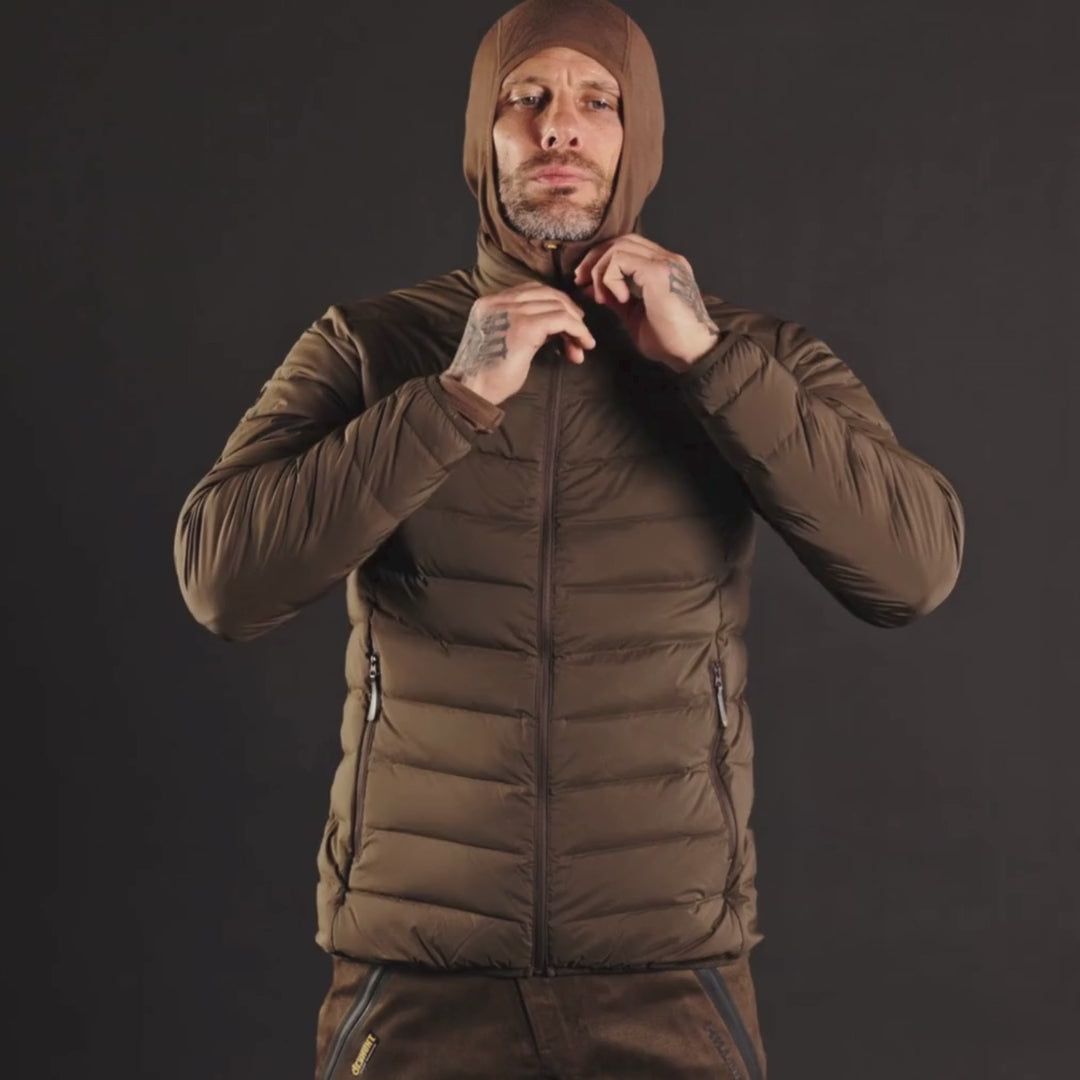
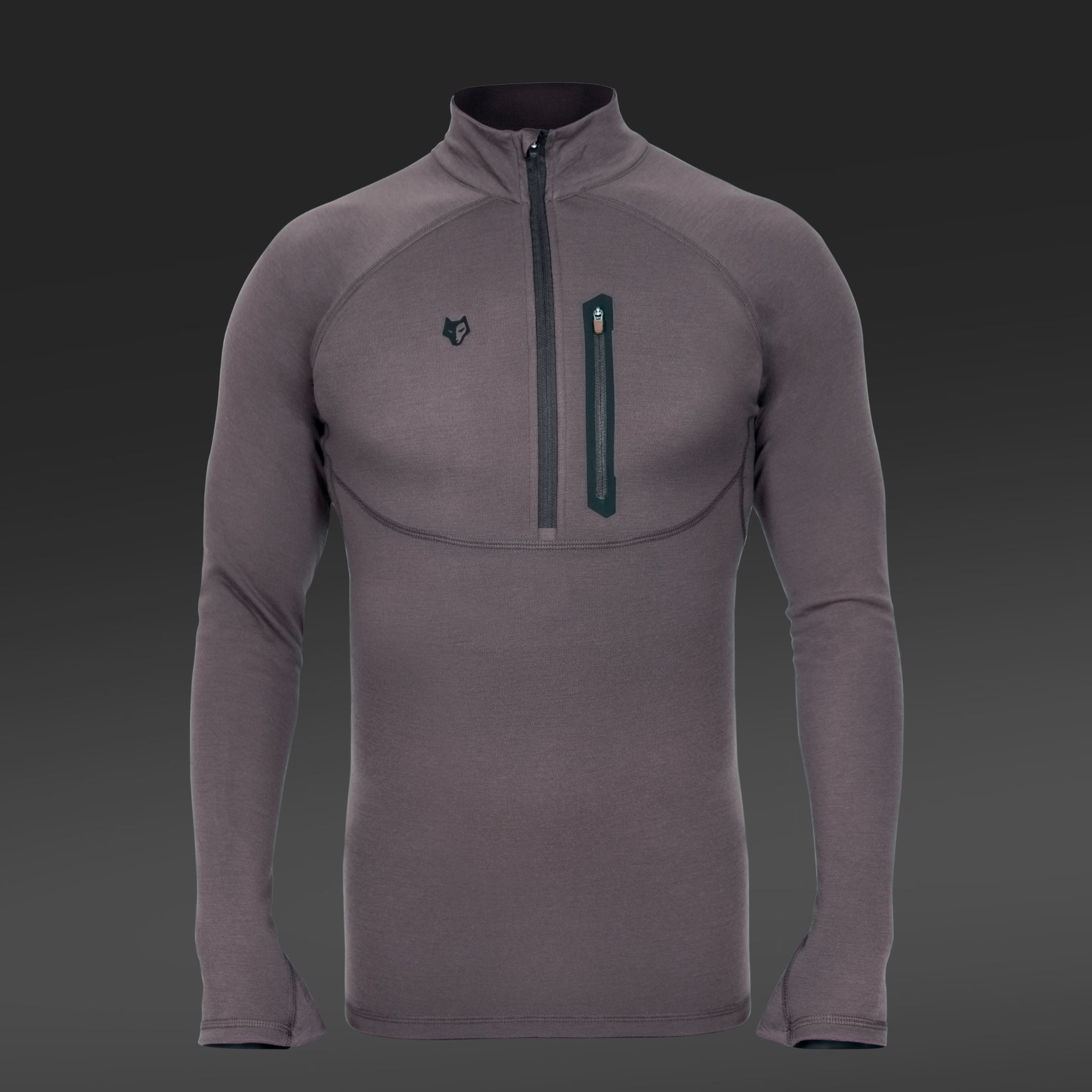
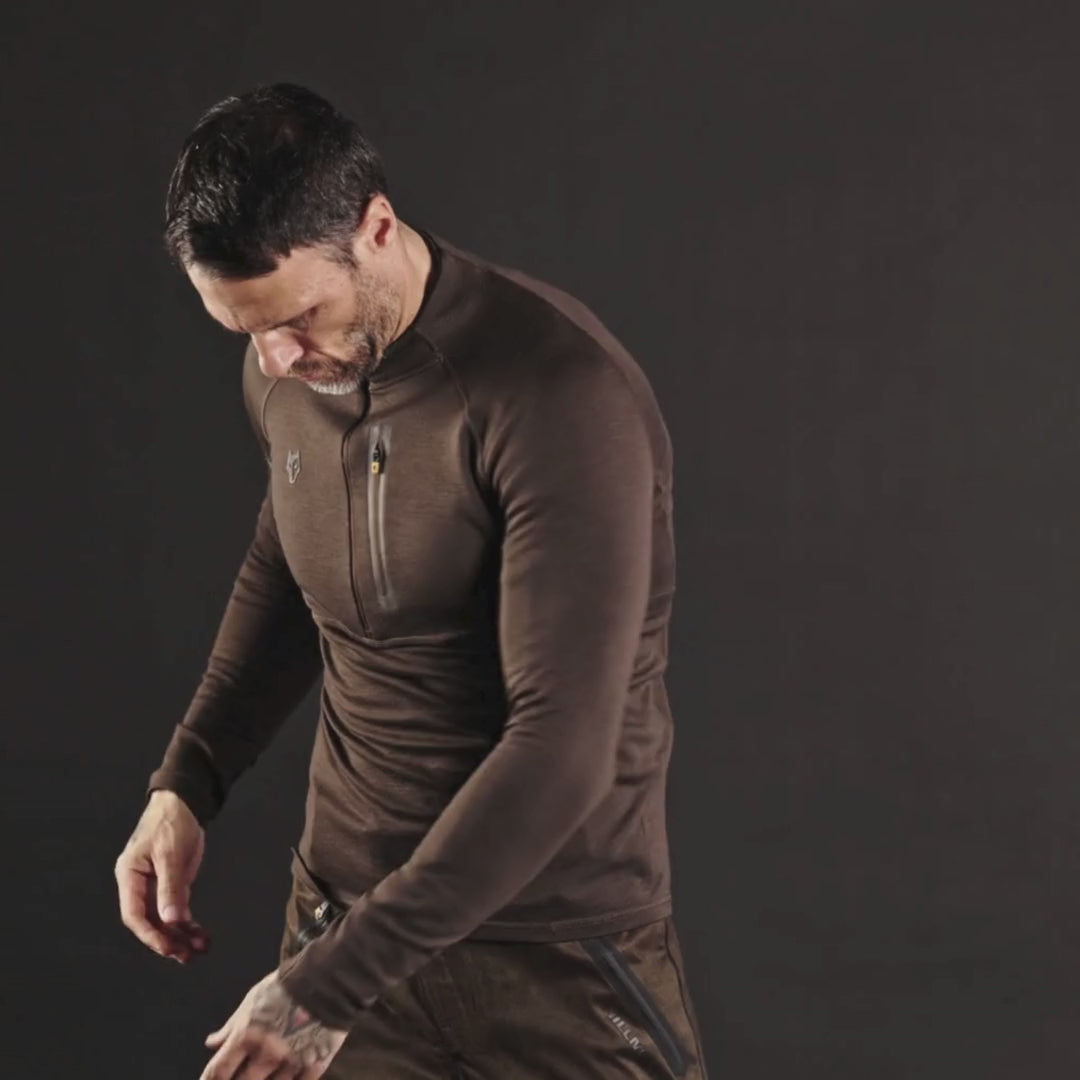
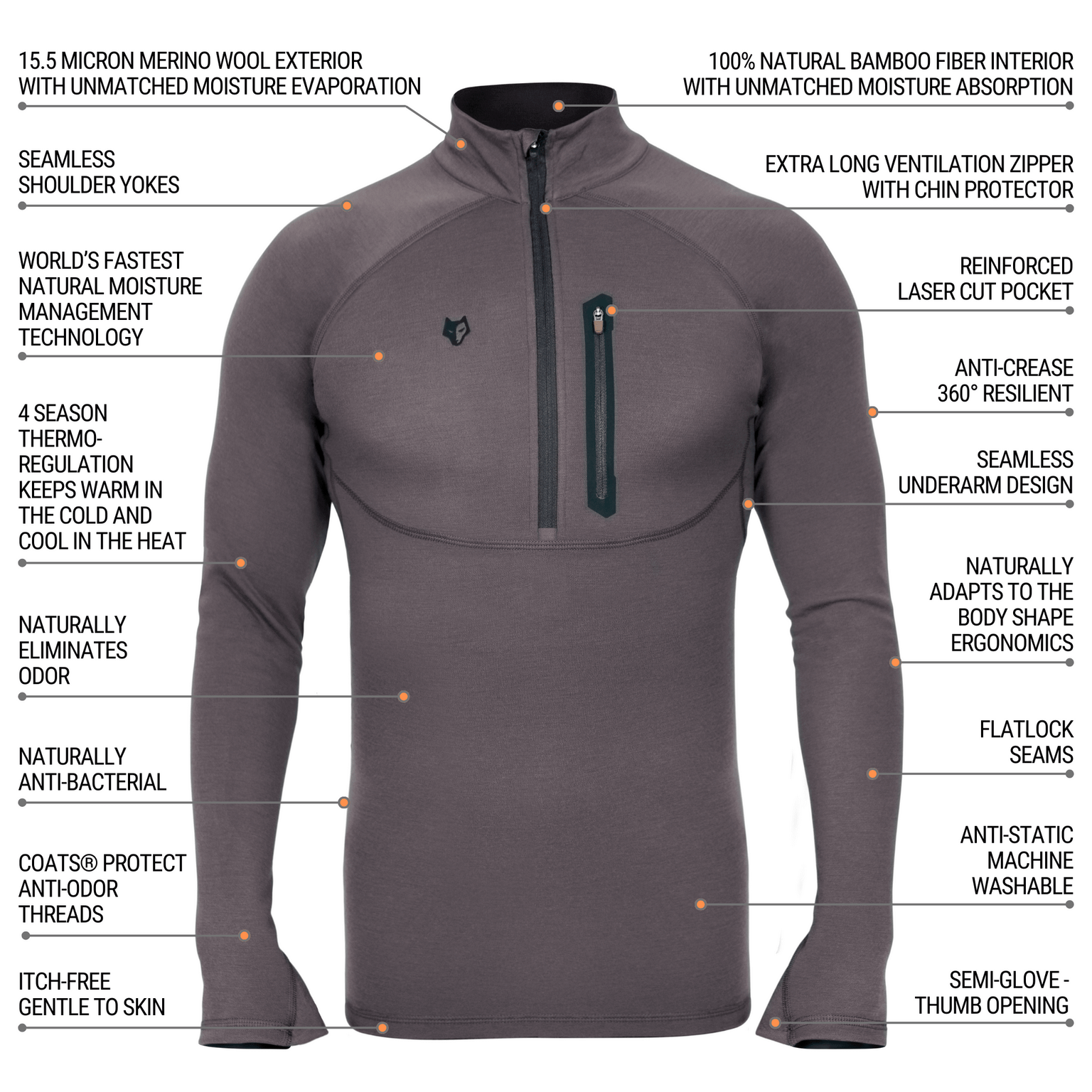
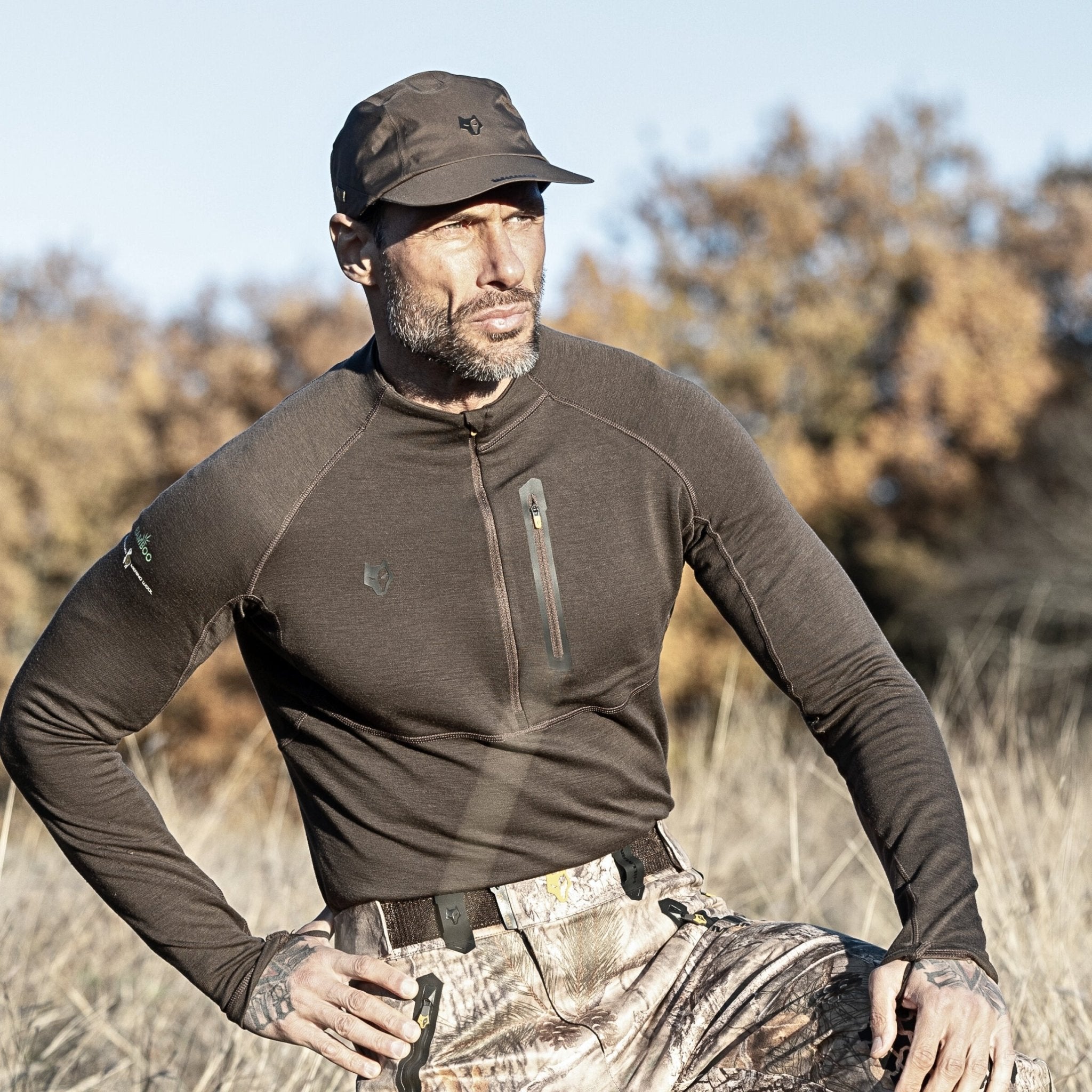
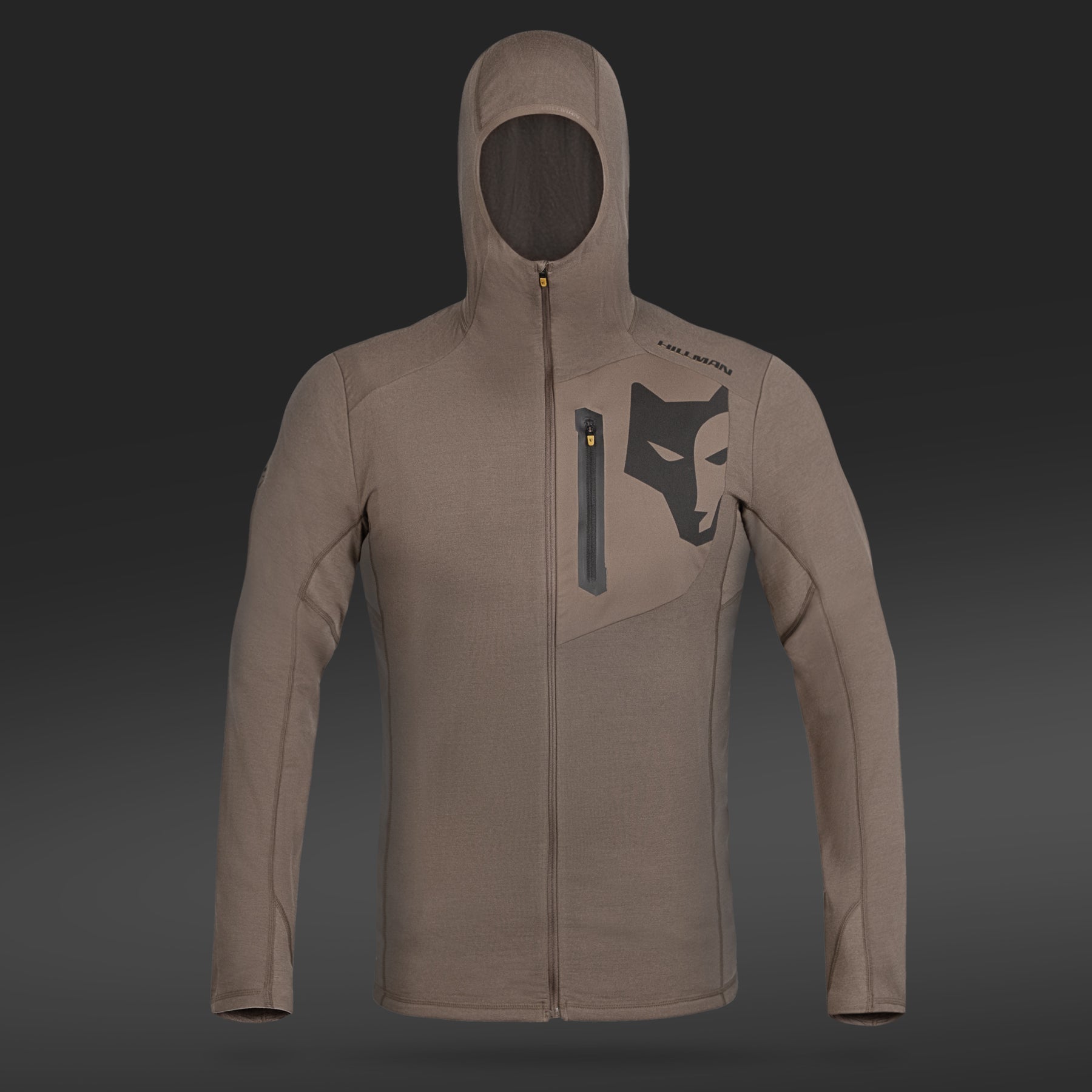
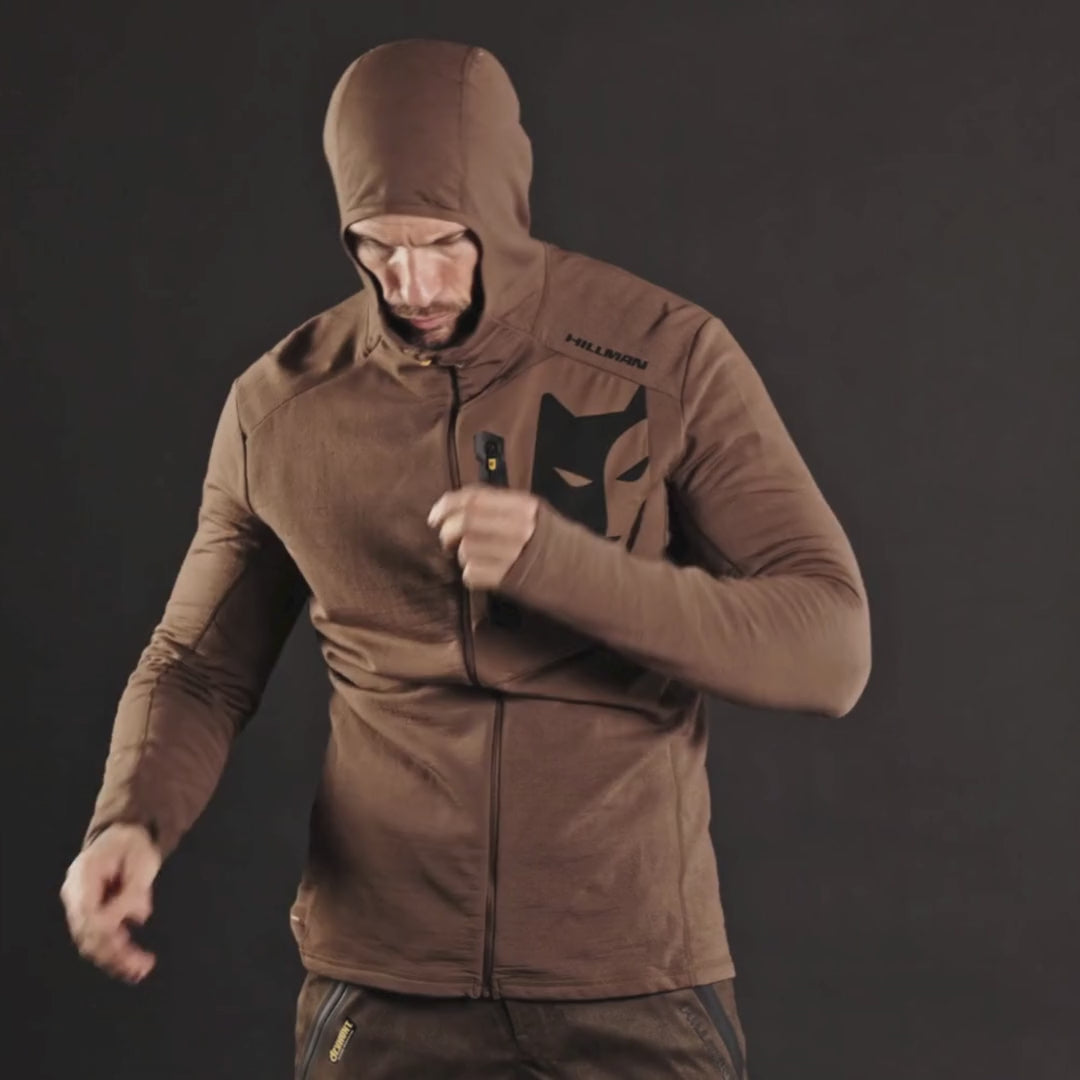
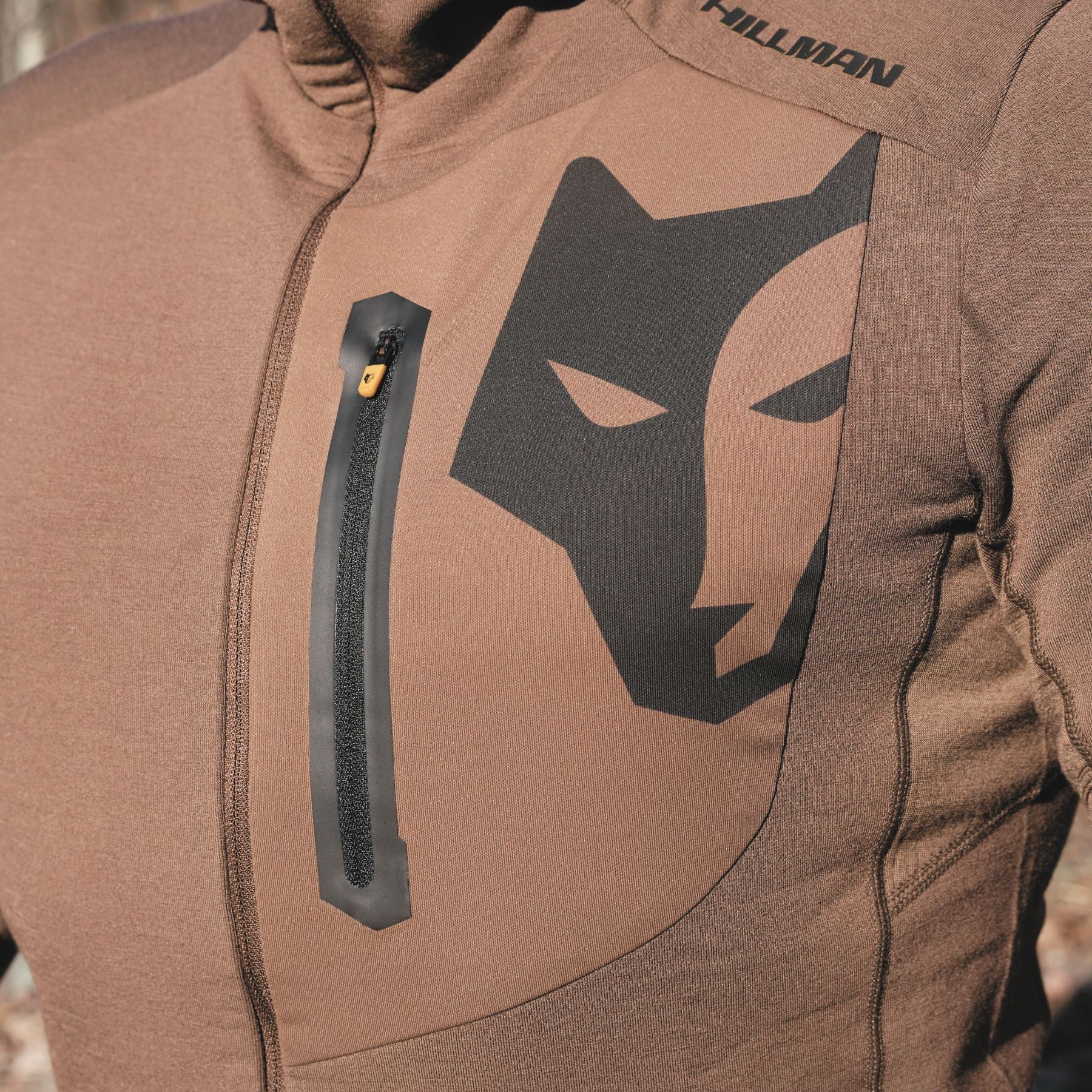
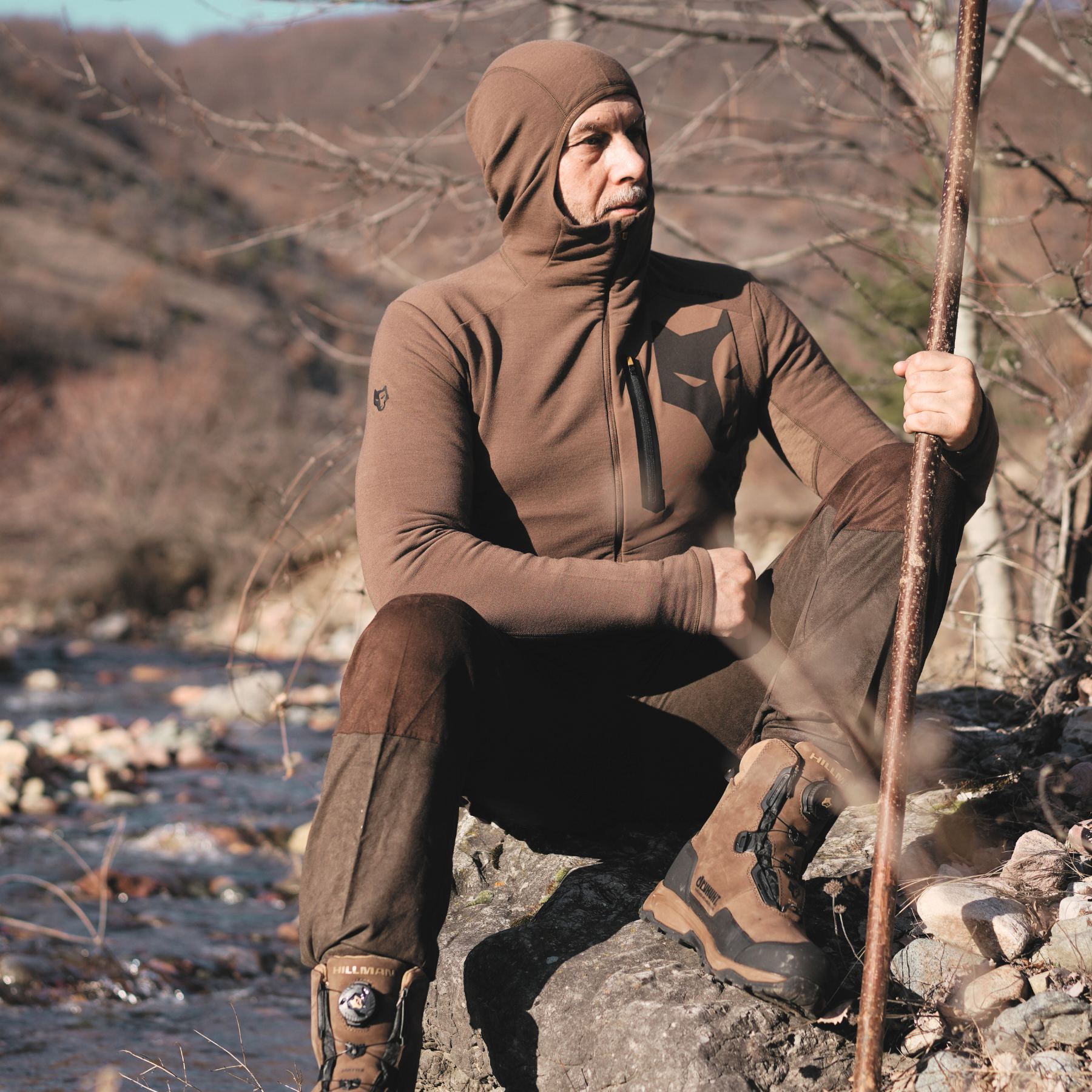
The 3ML Hunting Hoodie is Hillman’s warm merino-bamboo mid layer for active hunting and cold, changing conditions. Its Synertech™ fabric combines 70% merino wool, 27% natural bamboo fibre and 3% spandex, bringing insulation, moisture management and stretch into one fitted garment.
Bamboo contributes softness and moisture absorption next to the body, while merino supports temperature regulation and slows odour build-up during extended wear. Body-mapped ventilation beneath the arms helps release heat, and the seamless underarm pattern, flat construction and 360-degree stretch support walking, aiming and carrying equipment. The ergonomic hood, high collar and thumb openings add coverage without requiring a bulky fleece.
Watch how the Merino-Bamboo hunting hoodie works as a warm, quiet and breathable mid-layer. The video shows why this type of layer can replace bulky fleece in many hunting situations.
Base Layers and Mid Layers: How They Work Together
Base layers manage moisture close to the skin, while mid layers hold insulating air above them. Reversing those roles or wearing a loose base layer can leave sweat against the body and reduce the effectiveness of the entire system.
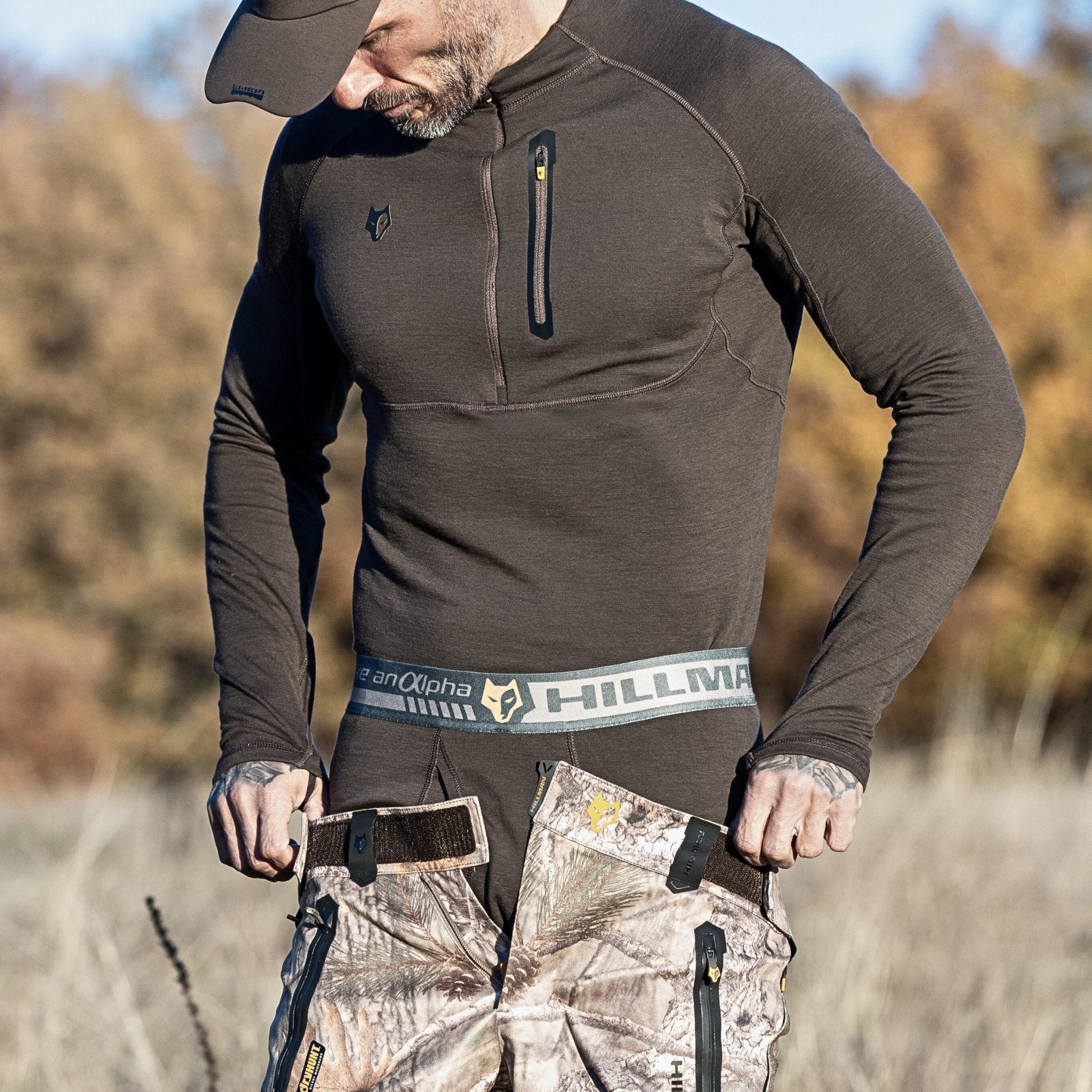
Start with a fitted upper and lower base layer where conditions require them. Add the hoodie for regular insulation, then use down or a protective outer jacket as exposure increases.
Merino Hunting T-Shirt as the First Layer
A merino hunting T-shirt works as the first thermal layer by managing moisture and temperature beneath a hoodie, down jacket or outer shell. Hillman’s 2BL long-sleeve top uses a fitted, stretchable construction with flatlock seams, shoulder and underarm areas shaped to reduce restriction, and a deep front zip for ventilation.
Its Synertech™ blend contains merino wool, natural bamboo viscose, organic cotton and spandex. This combination provides a softer next-to-skin feel than a heavy mid-layer while helping move perspiration away during active periods. The shirt should sit close enough to collect moisture without pulling across the shoulders.
Watch how the 16μm merino hunting T-shirt works as a soft, breathable first layer. It shows why moisture control matters before adding a warm hunting mid layer.
Down Jacket as a Packable Hunting Mid Layer
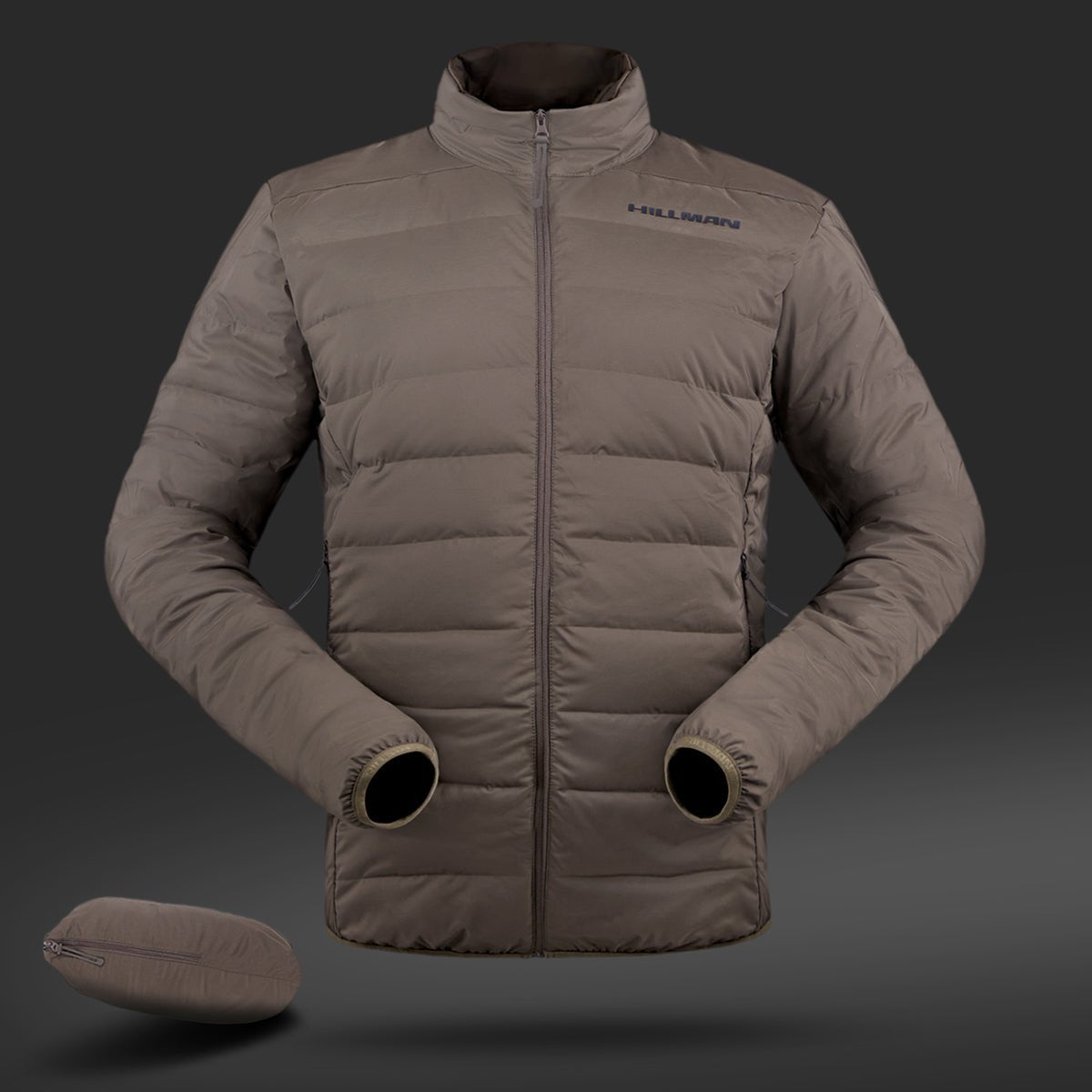
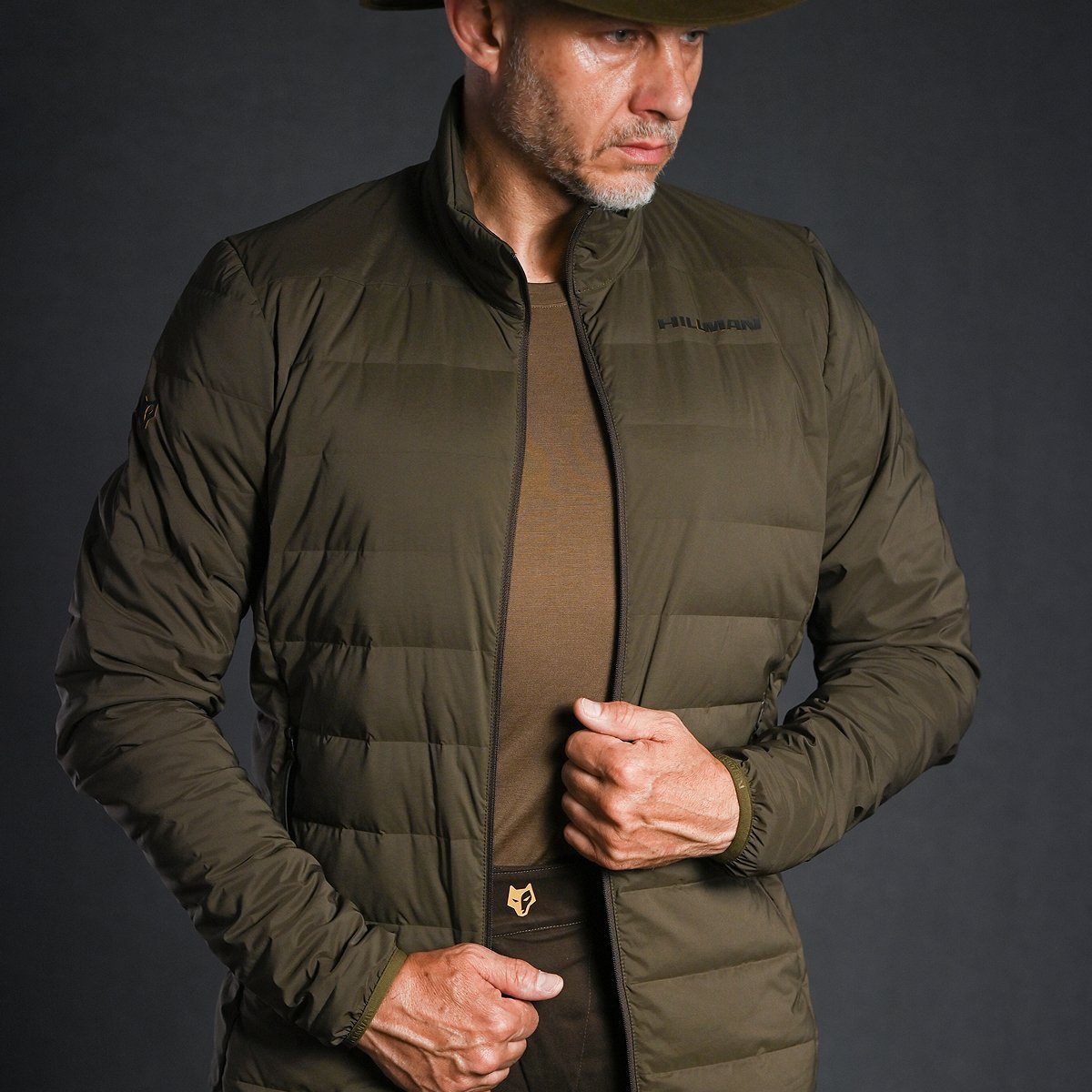
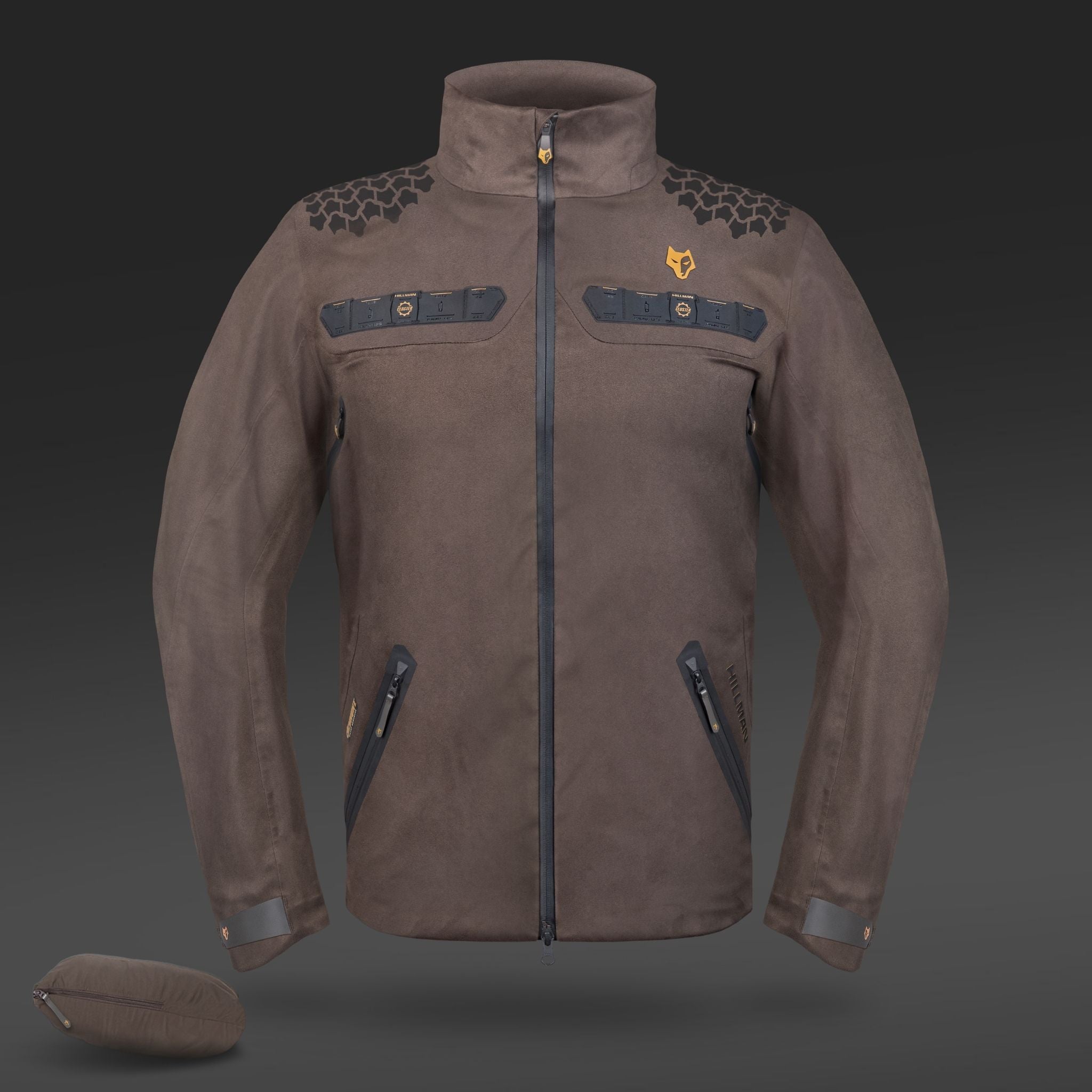
A down jacket provides compact insulation for glassing, high seats, camp stops and sudden temperature drops. Hillman’s 4IL Hunting Down Jacket uses 1000 Fill Power goose down and weighs 377 g in size EU52, giving it a high warmth-to-weight ratio without occupying much space in the pack.
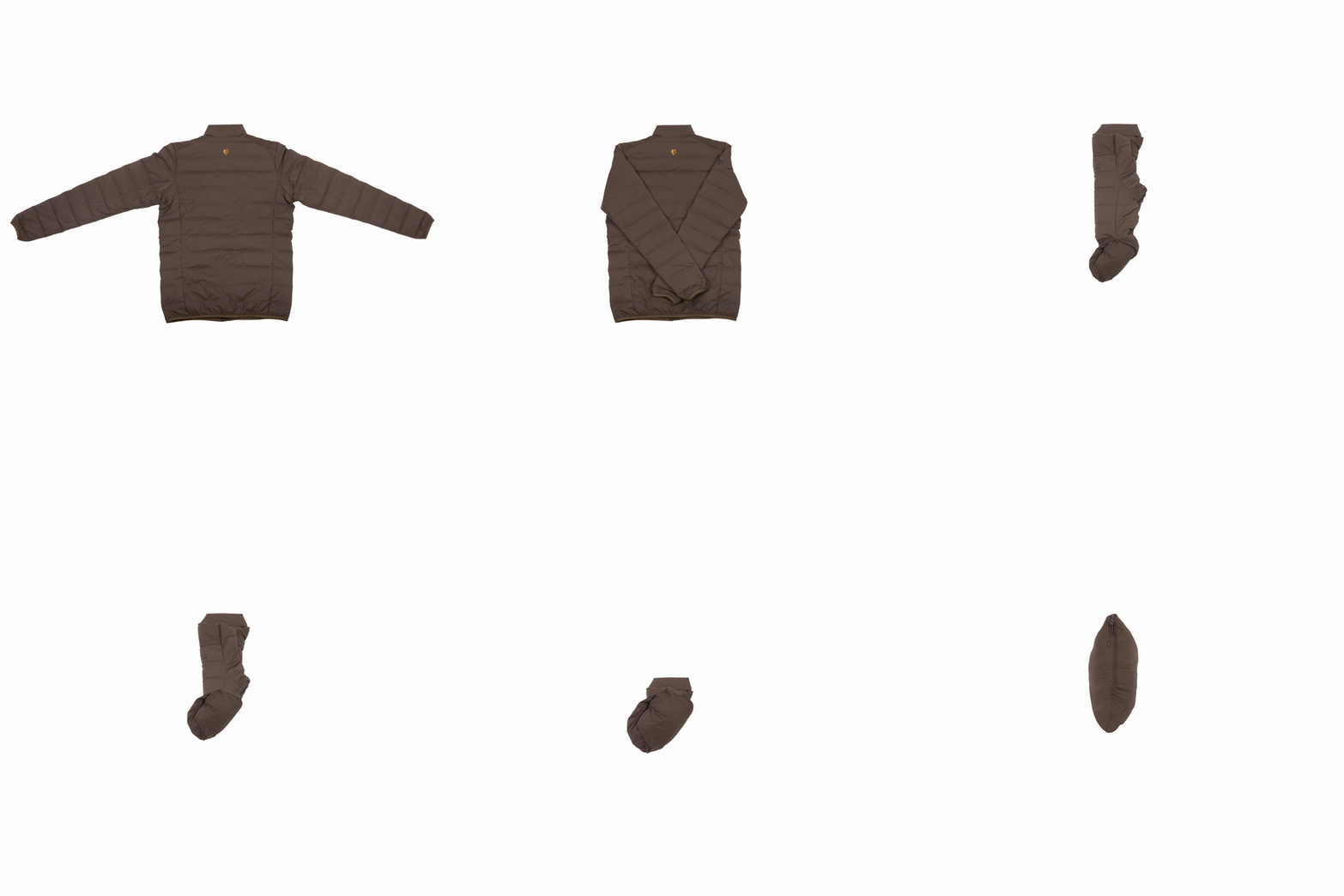
Within Hillman’s six-level system, 4IL is an insulation layer worn above the 3ML mid layer and beneath an outer shell in severe conditions. It packs into its own pocket and has a DWR water-repellent finish, but it is not a waterproof rain jacket. Down should be protected from saturation because wet insulation cannot maintain its loft as effectively.
See how the 1000FP down hunting jacket adds lightweight, packable warmth. The video shows why down can work as an extra mid layer when temperatures drop.
Which Mid Layer for Hunting Should You Choose?
Choose insulation according to weather, movement and the length of static periods. A mobile woodland stalk and an exposed winter wait place very different demands on the same clothing system.
Think about when warmth will be needed, not only how cold the morning feels. Packable insulation may be more useful than wearing the warmest garment throughout the approach.
Choose a Merino-Bamboo Hoodie for Regular Cold Days
Choose the 3ML hoodie for cool mornings, active stalking and days that alternate between walking and waiting. Its breathable natural-fibre blend provides warmth while allowing greater moisture transfer than a heavily insulated jacket.
It can be worn beneath a softshell, rain jacket or winter coat. During milder, dry conditions, it can also serve as the outer layer, although it does not replace weatherproof protection in rain or strong wind.
Choose a Down Mid Layer for Extra Warmth
Choose down when warmth-to-weight and packability take priority. It is particularly useful for a long high-seat wait, cold glassing session or rest period after a strenuous climb.
Put it on after active movement rather than wearing it throughout a hard ascent. In wet conditions, keep the down beneath a waterproof shell and avoid treating its DWR finish as full rain protection.
Choose a Base Layer First When Moisture Control Matters
Choose the correct base layer before adding more insulation if the hunt involves hard movement. Sweat held against the skin can make even a warm hoodie feel cold once the pace slows.
A fitted merino-bamboo top manages the first stage of moisture transfer. The hoodie then retains warmth, while the outer layer deals with wind, rain or snow.
Hillman Hunting Apparel Details That Matter
 Hillman layers are organised by practical function, from next-to-skin moisture control to packable insulation. This makes it easier to add or remove warmth without rebuilding the complete outfit during the day.
Material, cut and garment weight matter most when several pieces must work together beneath the same jacket.
Merino and Bamboo for Softness and Breathability
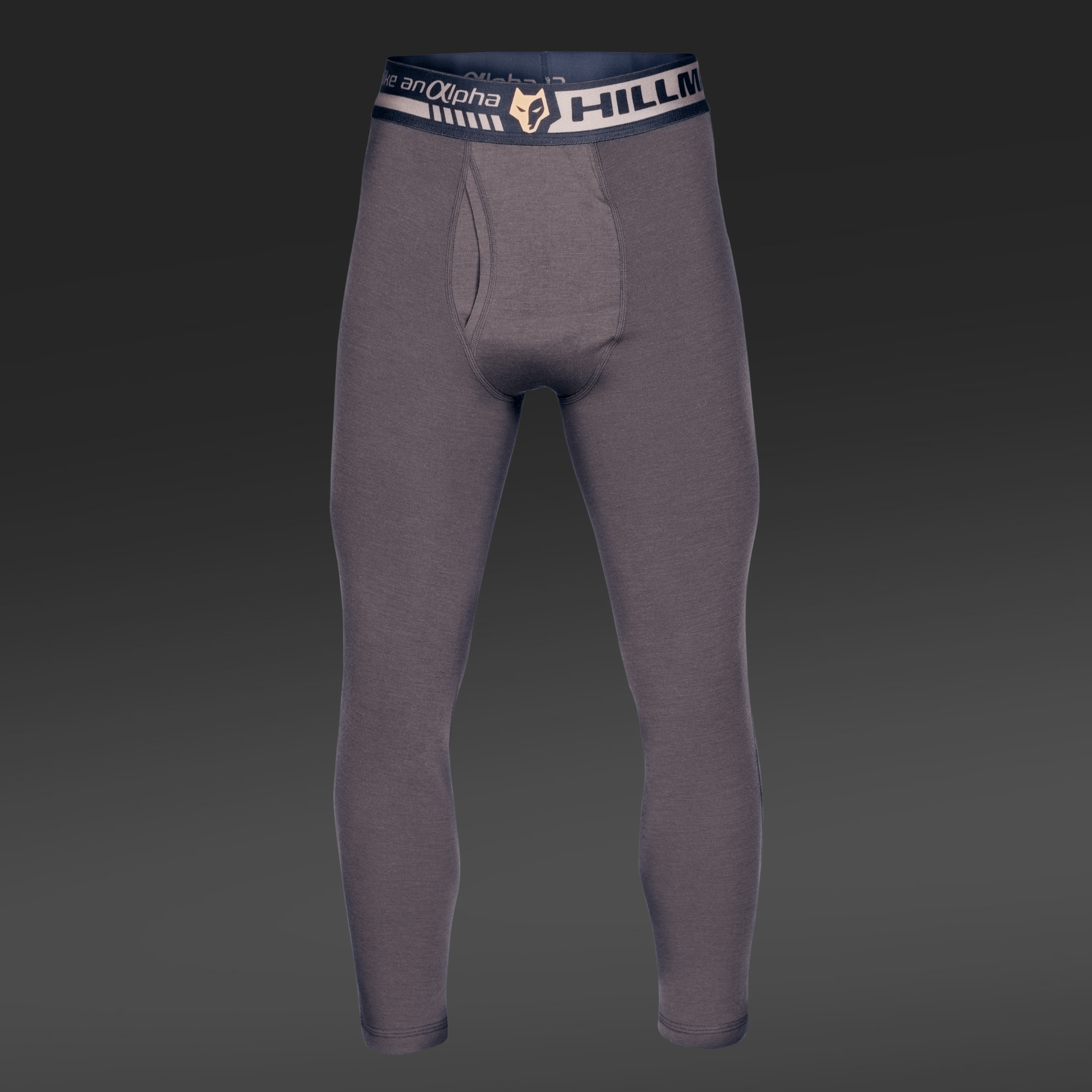
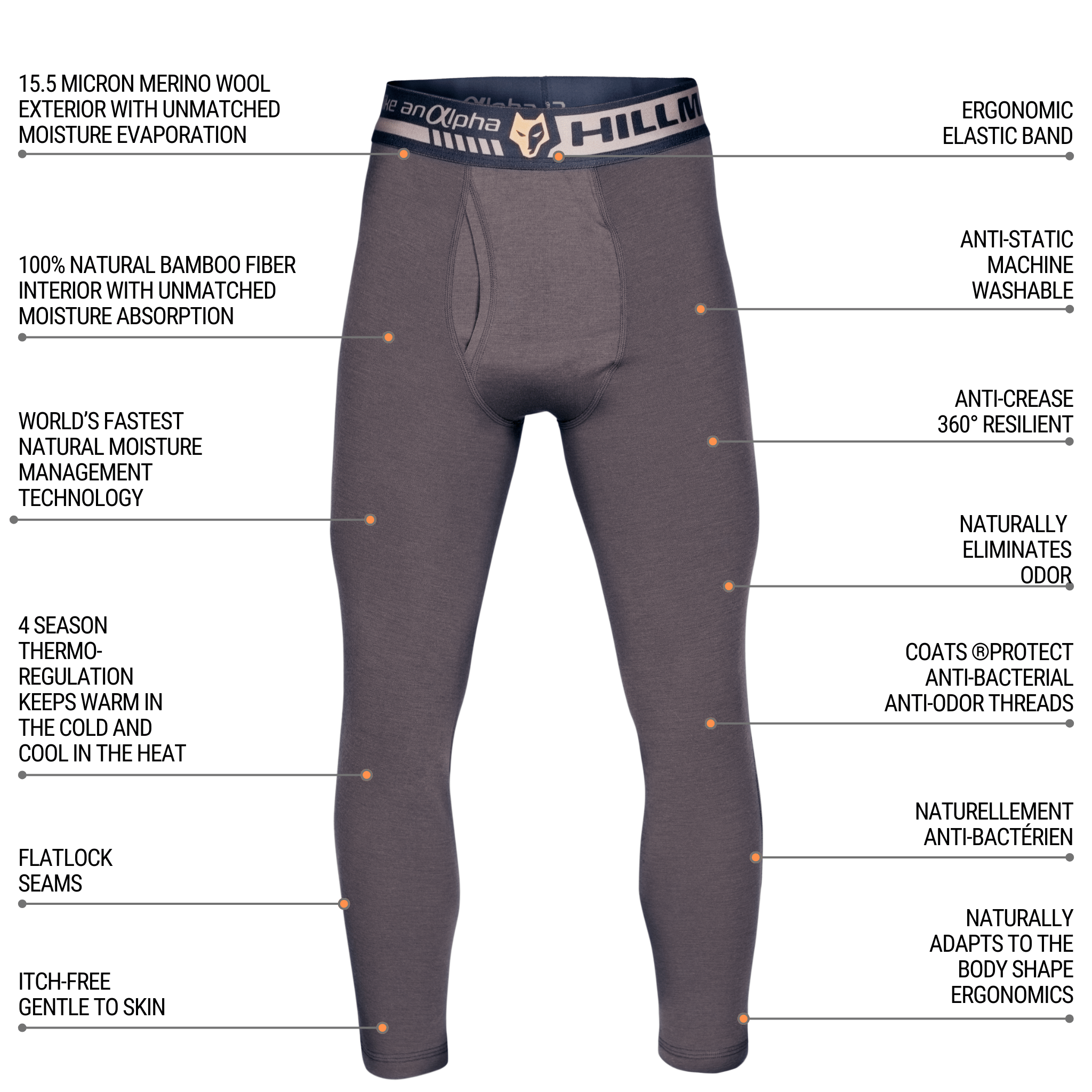
Merino and bamboo combine insulation with moisture management and a soft next-to-skin feel. Merino helps regulate temperature and resist rapid odour build-up, while bamboo absorbs moisture and feels smooth during prolonged wear.
These fibres do not make perspiration disappear, and no fabric makes a hunter scent-free. Their practical benefit is keeping the clothing system more comfortable across changing effort and reducing the clammy feel associated with poorly managed moisture.
Lightweight Construction for Easy Layering
Lightweight construction allows insulation to fit beneath an outer jacket without excessive pressure around the chest, shoulders or sleeves. It also lets the hunter carry extra warmth and deploy it only when the pace slows.
The compact 4IL down jacket demonstrates this approach by packing into its own pocket. The 3ML hoodie takes a different role, providing regular breathable insulation rather than maximum packability.
Field Fit for Movement and Comfort
A field fit should follow the body without restricting aiming, climbing or carrying equipment. Sleeves need enough length when the arms are raised, while the torso should remain close enough to avoid folds beneath a jacket.
Stretch panels, low-profile seams and shaped underarms reduce resistance through the shooting motion. Each outer layer should still close comfortably without compressing the insulation beneath it.