3ML Hunting Hoodie - Warmest Merino Wool Mid Layer | Synertech™
Sale price149.00 EURRegular price
249.00 EUR
What Makes a Softshell Hunting Jacket Useful in the Field?
A softshell hunting jacket is useful when wind, movement and changing temperatures matter more than full storm protection. Its flexible construction follows the body while walking, climbing or mounting the rifle, and the fabric is generally quieter than a crisp waterproof shell.
Softshell also offers a practical balance between protection and moisture release. It slows wind, handles damp vegetation and preserves warmth, yet allows more body heat to escape during active stalking. That makes it particularly effective in dry cold, exposed uplands and woodland where frequent changes of pace can cause heavier jackets to feel clammy.
Hunting Softshell Jacket for Wind, Movement and Light Rain

A hunting softshell jacket performs best during windy mornings, active stalks, rough walks and brief spells of light rain. It gives the hunter useful protection without turning every climb or fast approach into a battle with excess heat.
The key advantages come from the way softshell fabric manages wind, moisture and movement together. Each feature has a different value as terrain and effort change.
Wind Protection Without Heavy Bulk
Wind protection reduces the rapid loss of warmth that occurs on exposed slopes, open rides and high seats. A softshell membrane slows air passing through the fabric, so the hunter can wear a lighter system than would be needed with an ordinary fleece alone.
Reduced bulk also helps around the shoulders and elbows. The jacket remains easier to move in when raising binoculars, shouldering a rifle or stepping over fallen timber.
Breathability for Active Hunts
Breathability allows heat and moisture vapour to leave the clothing system during walking, stalking and climbing. This matters because sweat trapped during an ascent can cool quickly once the hunter stops to glass or wait.
A softshell cannot prevent perspiration, but it can manage an active pace more comfortably than many fully waterproof shells. Opening the front zip and adjusting underlying layers still remain important during harder movement.

Quiet Fabric for Close-Range Movement
Quiet fabric limits clothing noise when sleeves touch the body, branches brush the shoulders or equipment moves against the jacket. That is valuable during close woodland stalking, where an unnatural rustle can carry through still cover.
No garment is silent against every thorn or dry branch. Careful movement remains essential, but a supple softshell face is less intrusive than stiff rainwear during slow approaches.
Light Rain Protection and Water Resistance
Water resistance is useful for drizzle, damp branches, light snow and short showers. A DWR-treated surface encourages droplets to bead and run off before they soak into the outer fabric.
Softshell should not be mistaken for fully waterproof rainwear. Prolonged rain can pass through vulnerable areas, particularly unsealed seams, so a waterproof shell is the correct outer layer for heavy rain or extended exposure.
Softshell Hunting Jacket ARGO®

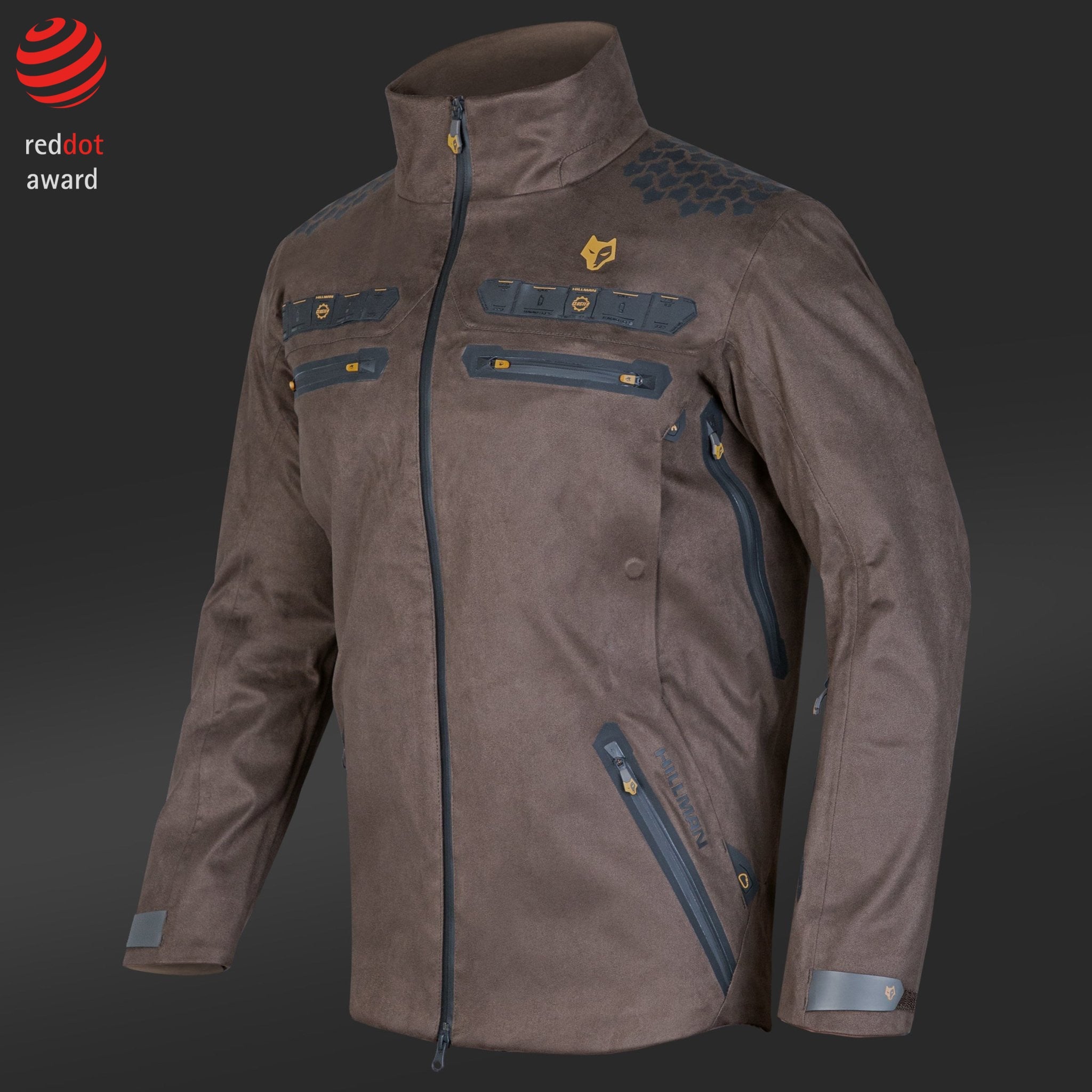
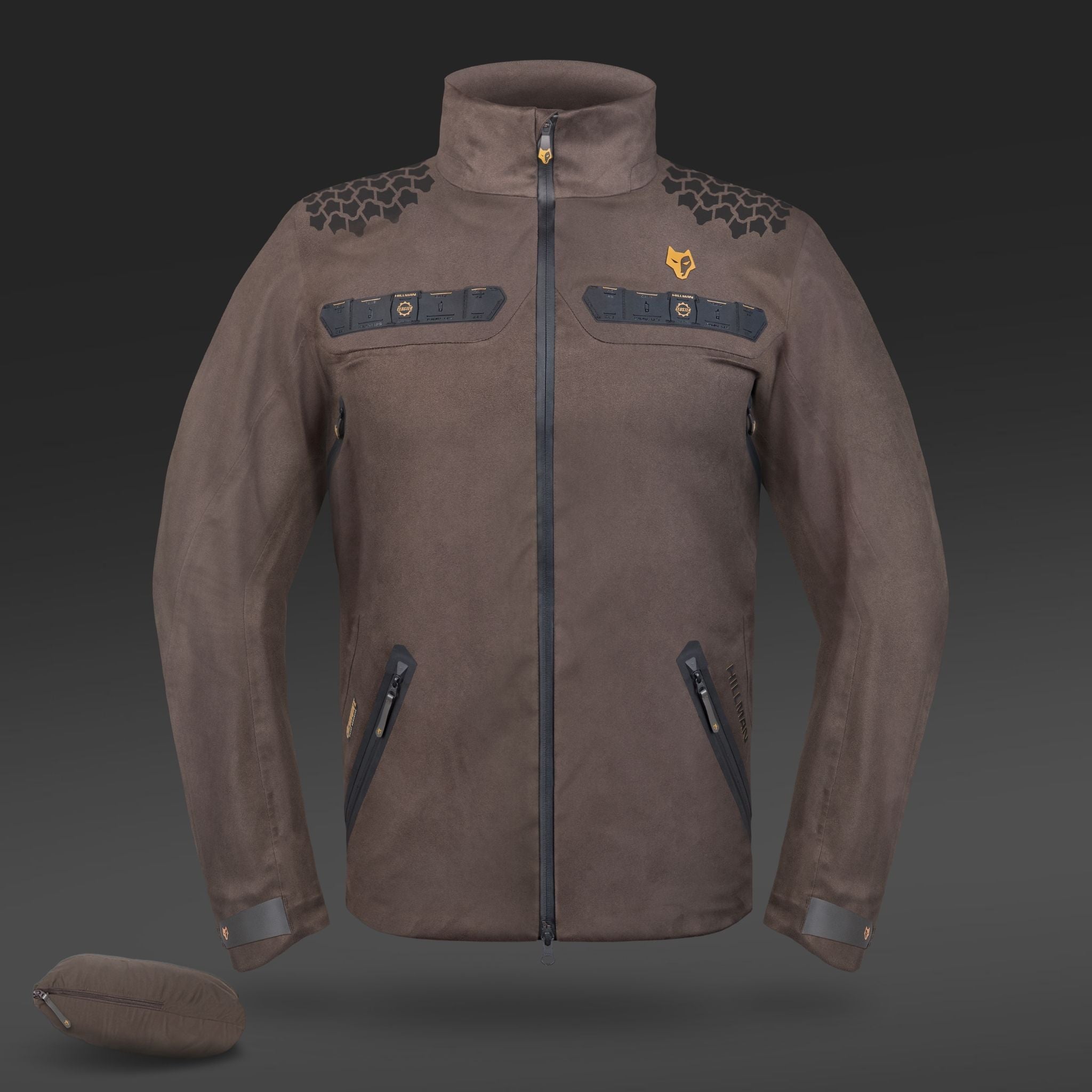
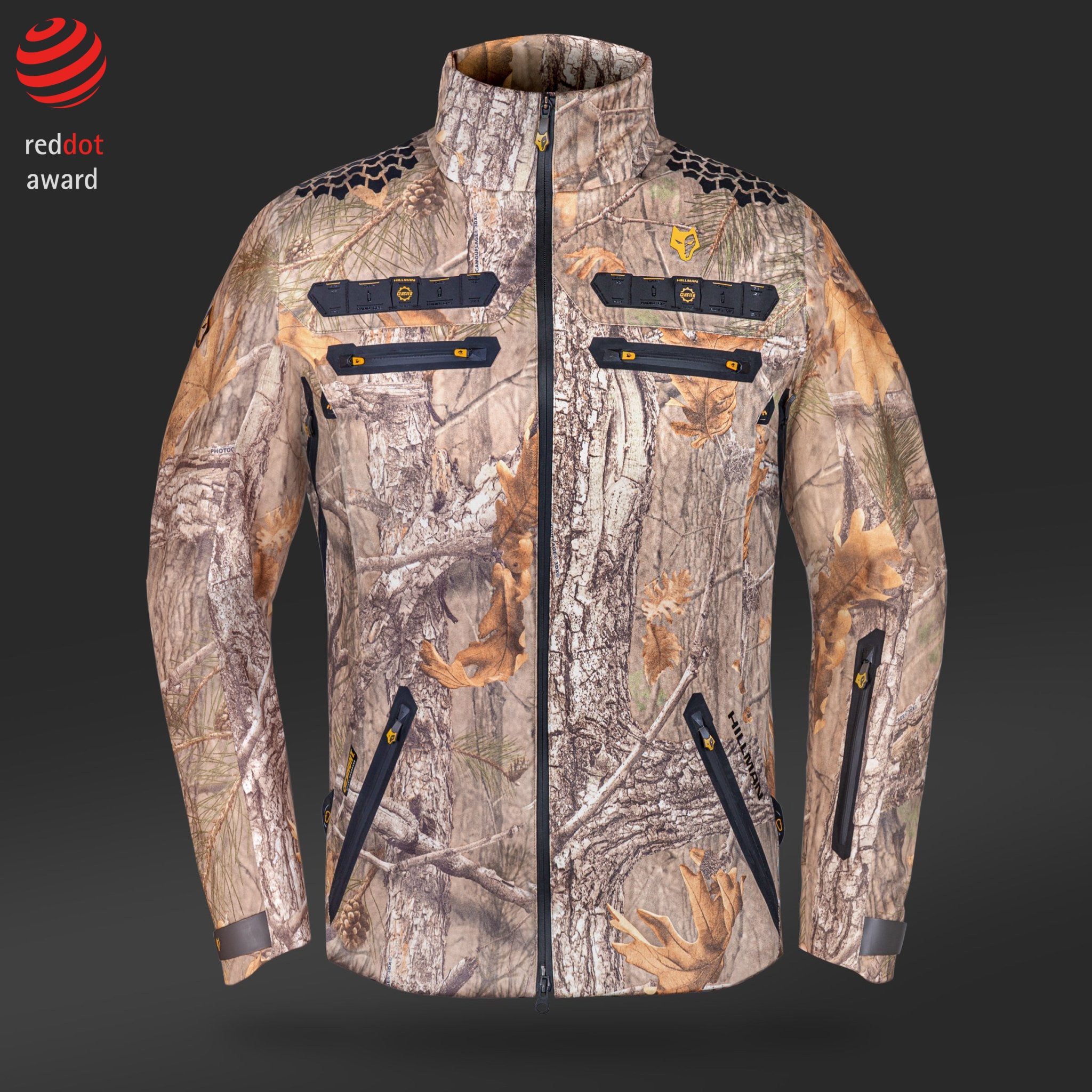
The ARGO® is Hillman’s practical men hunting softshell jacket option for cold, dry and moderately wet field conditions. It uses a strong three-layer softshell fabric, a breathable wind-resistant membrane and a DWR water-repellent treatment that handles light rain and snow.
Its ergonomic cut has a shorter front for easier movement over uneven ground and an extended back to cover the waist. An internal polar-fleece layer adds warmth, while the removable adjustable hood, regulated sleeves, zipped radio pocket, main pockets and rear accessory pocket support long field days. The fabric has a stated breathability rating of 5,000 g/m²/24h, but its seams are not waterproof, which places ARGO firmly in the light-weather rather than heavy-rain category.
Watch the ARGO softshell hunting jacket in action and see how it supports quiet movement, wind protection and comfort during active hunting days.
What to Wear Under a Men’s Hunting Softshell Jacket
A men’s softshell works best over layers that match the temperature and expected level of movement. The men's hunting softshell jacket should have enough room for insulation without becoming loose around the shoulders or interfering with the shooting position.
For mild active conditions, a breathable base shirt may be sufficient. Colder starts and static periods call for a warm mid-layer that can be removed before a demanding climb.
Hunting Hoodie for Extra Warmth
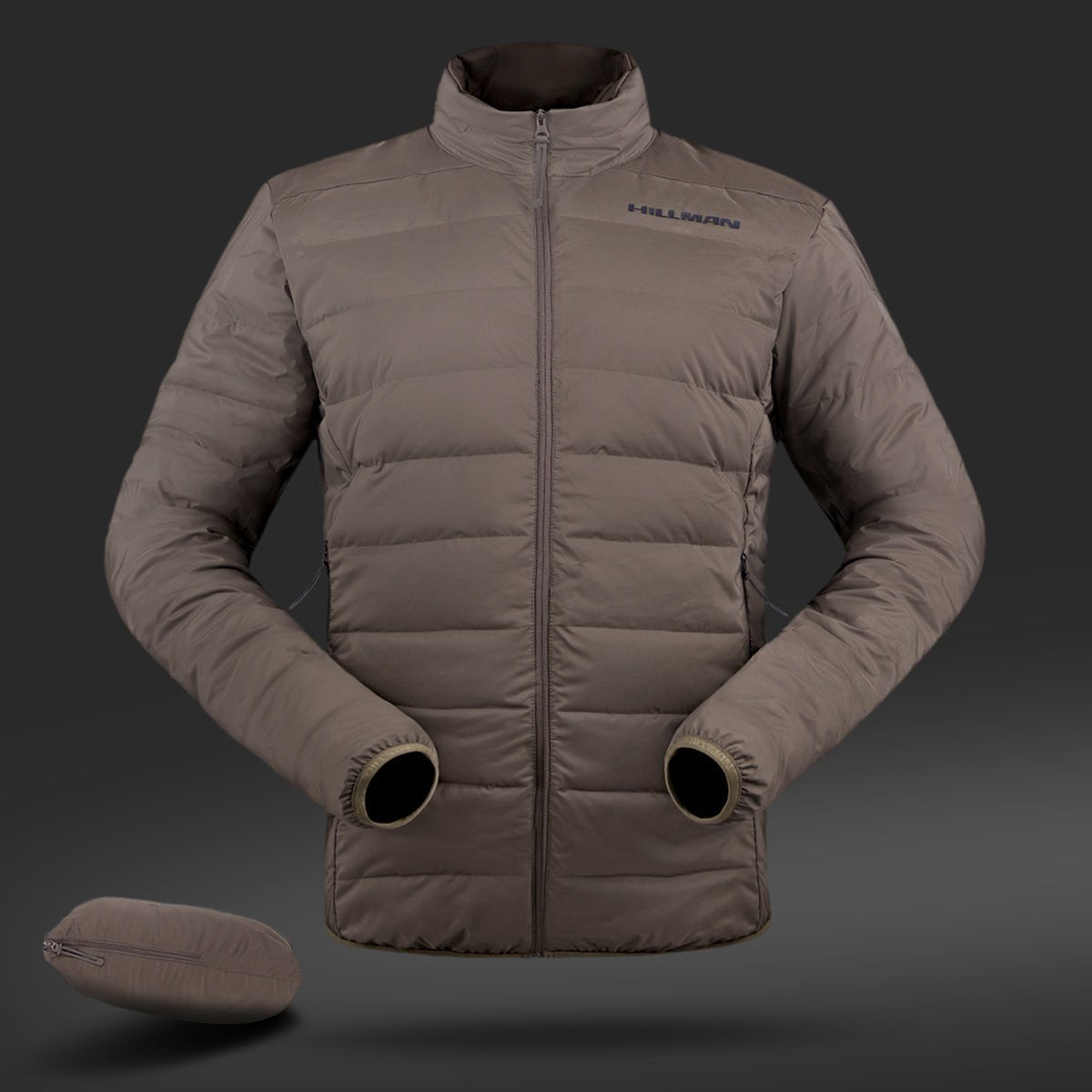
A hunting hoodie adds insulation beneath a softshell without requiring a bulky winter coat. It is particularly useful for cold starts, glassing stops and long waits after an active approach.
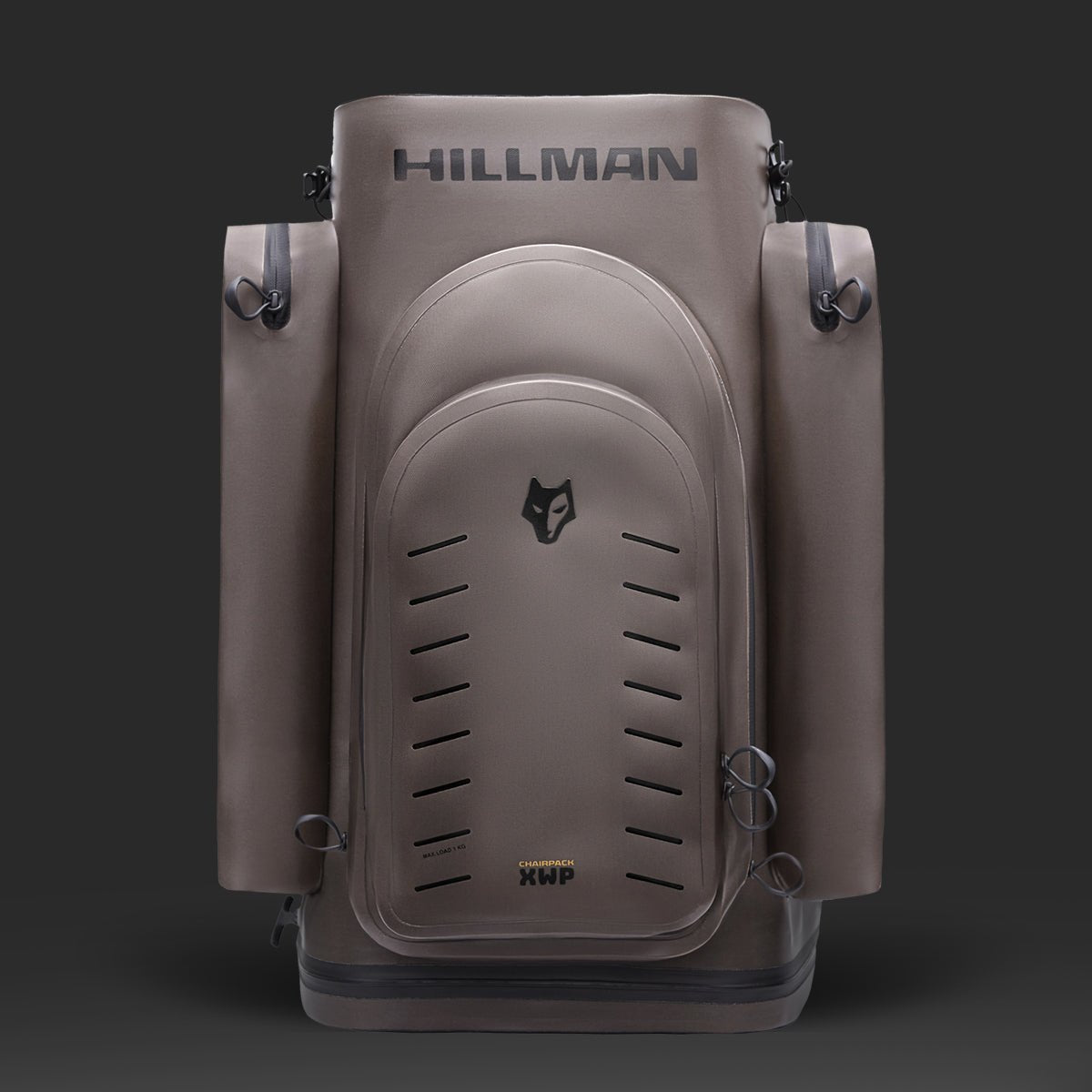
The 2 in 1 Backpack Hoodie concept combines this mid-layer role with a built-in carrying function. It suits days when the hunter wants warmth and space for a few essentials without adding another bag.
See how the 2 in 1 Backpack Hoodie works as a practical warm layer with added carrying function. The video shows why versatile mid-layers are useful during longer hunting days.
Merino-Bamboo Hoodie for Breathable Insulation
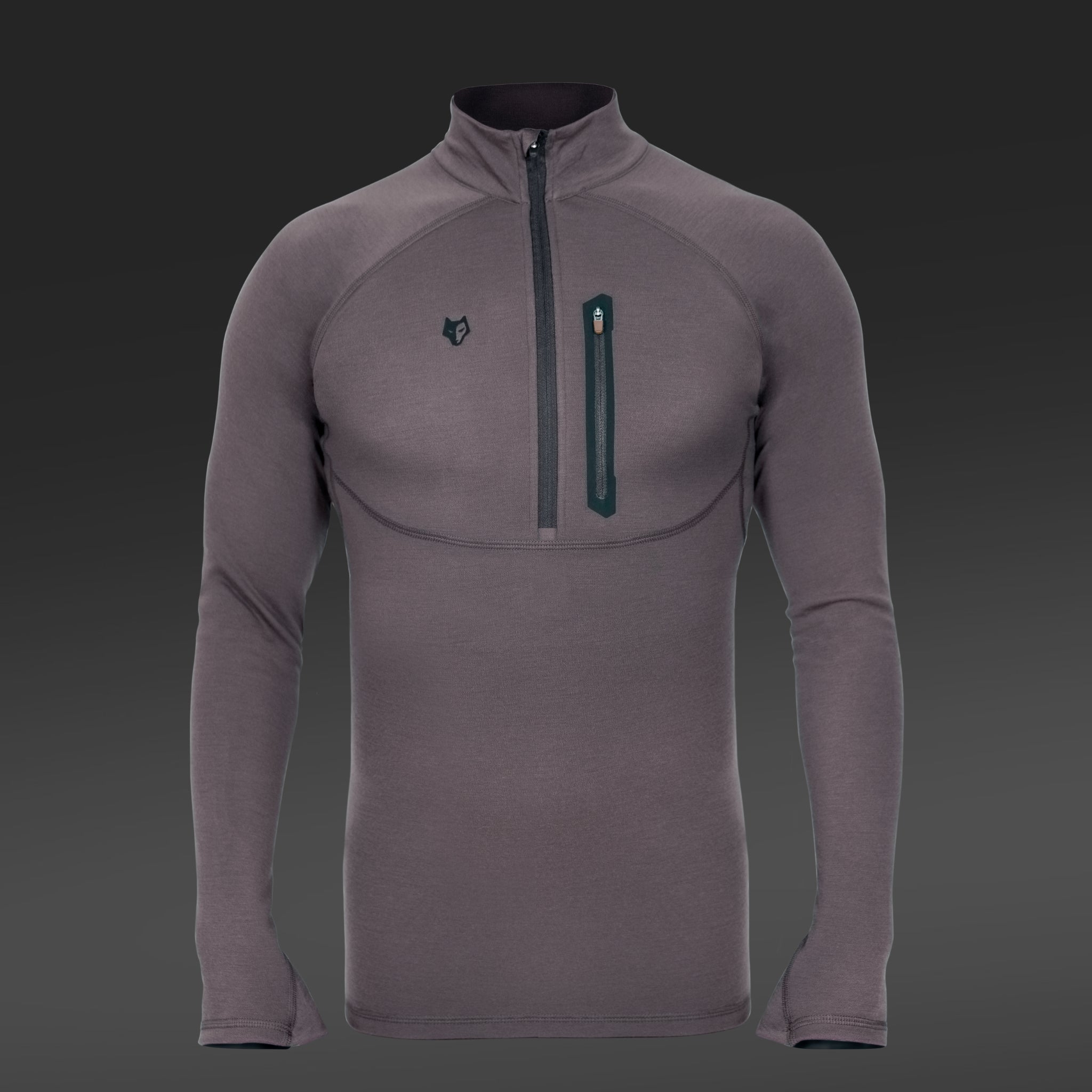
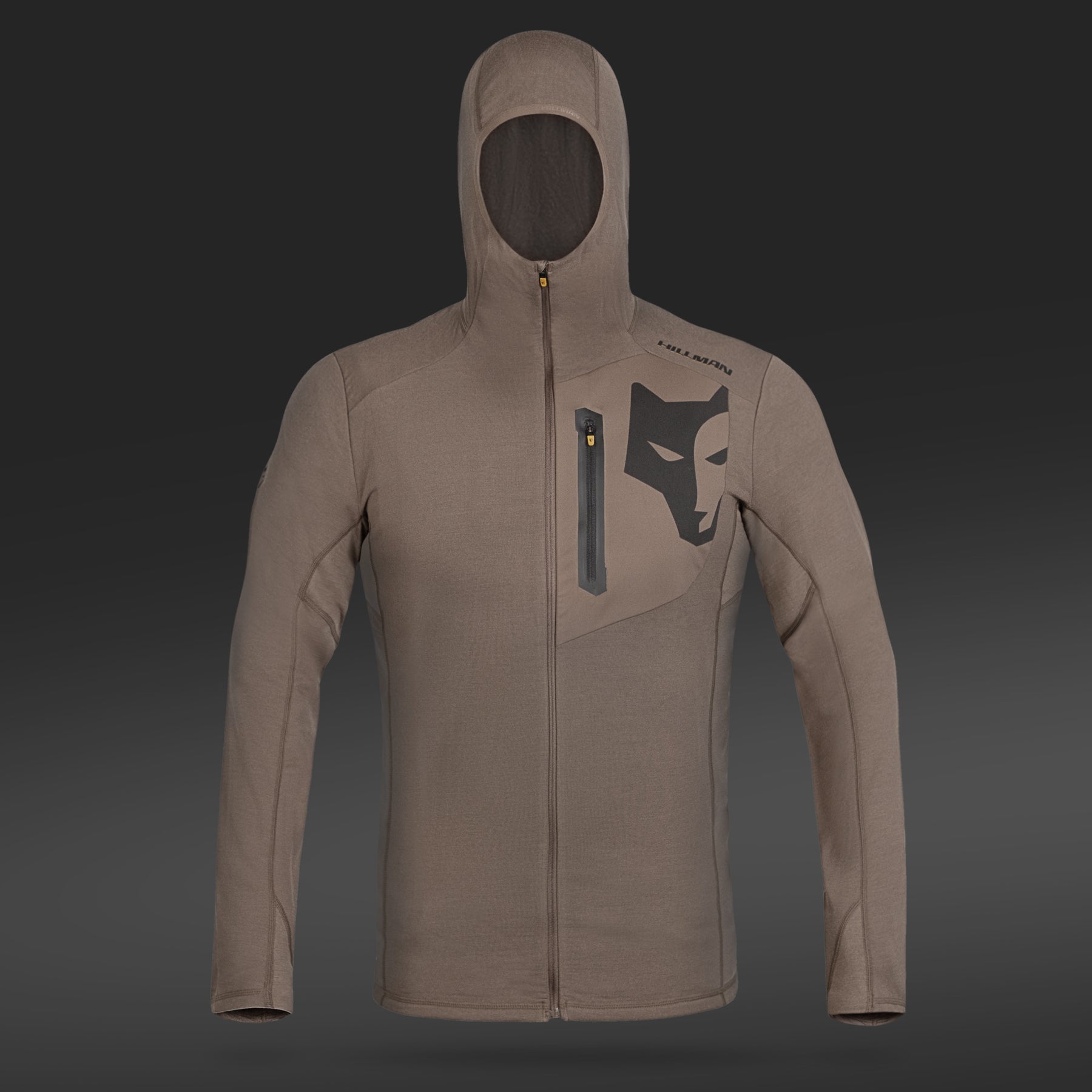
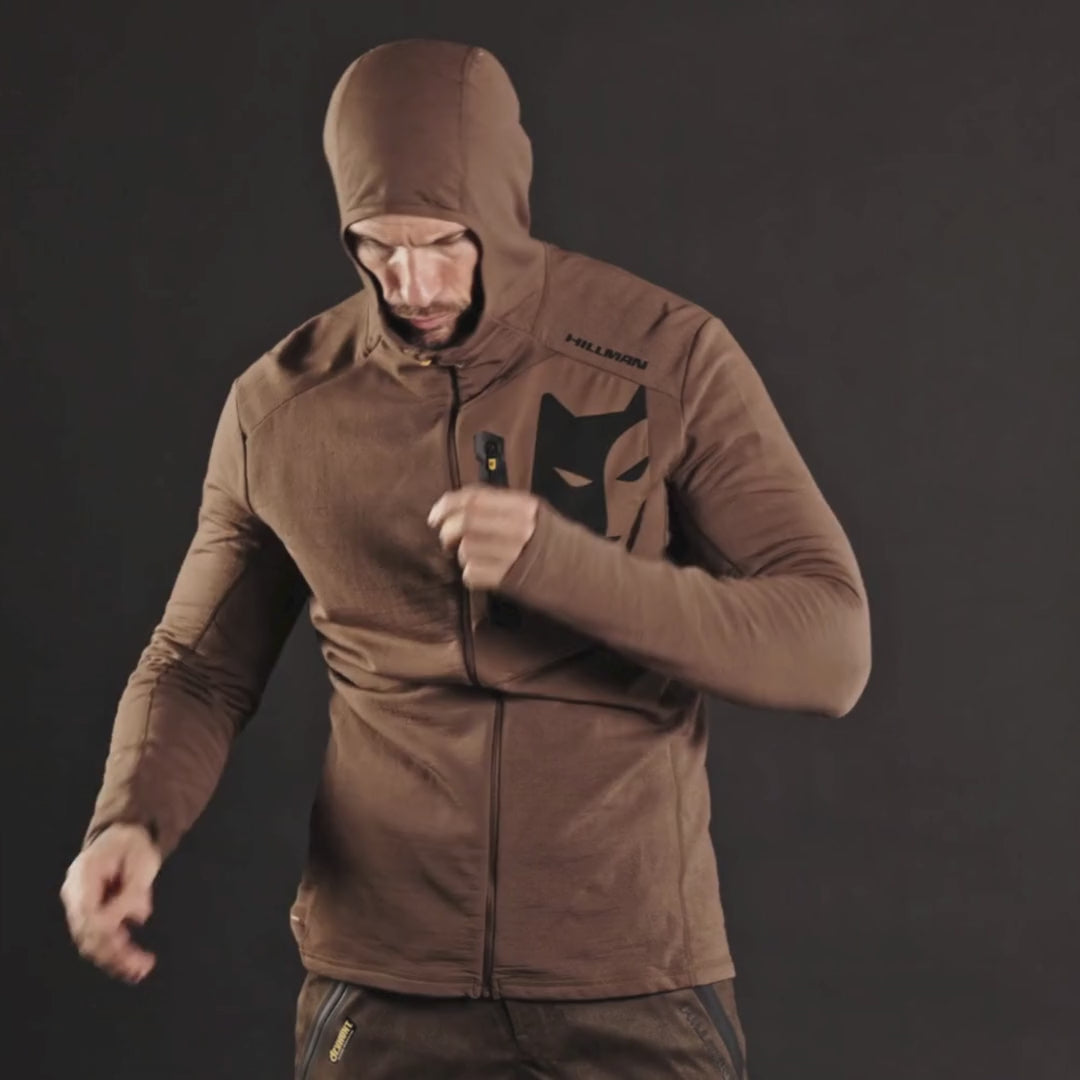
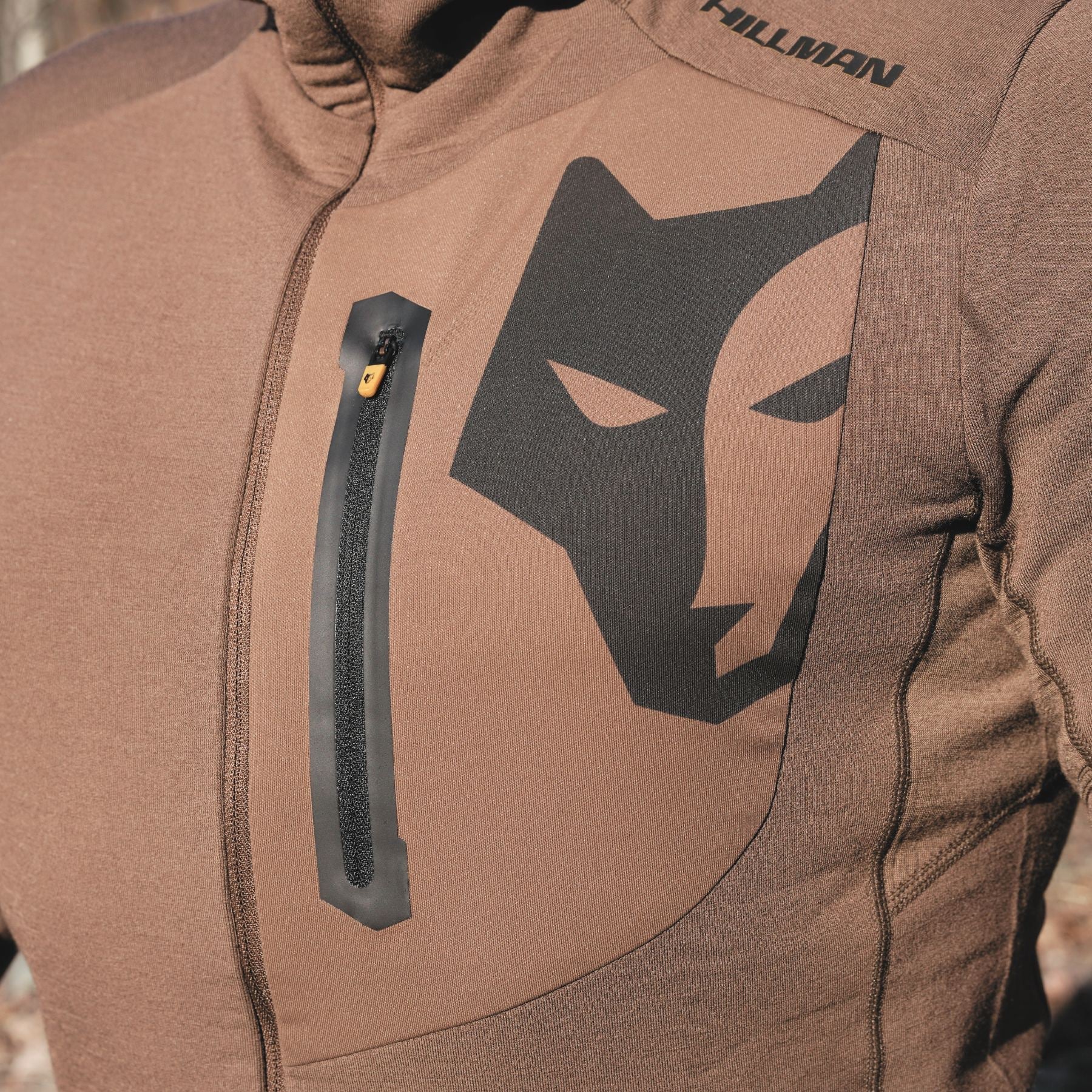
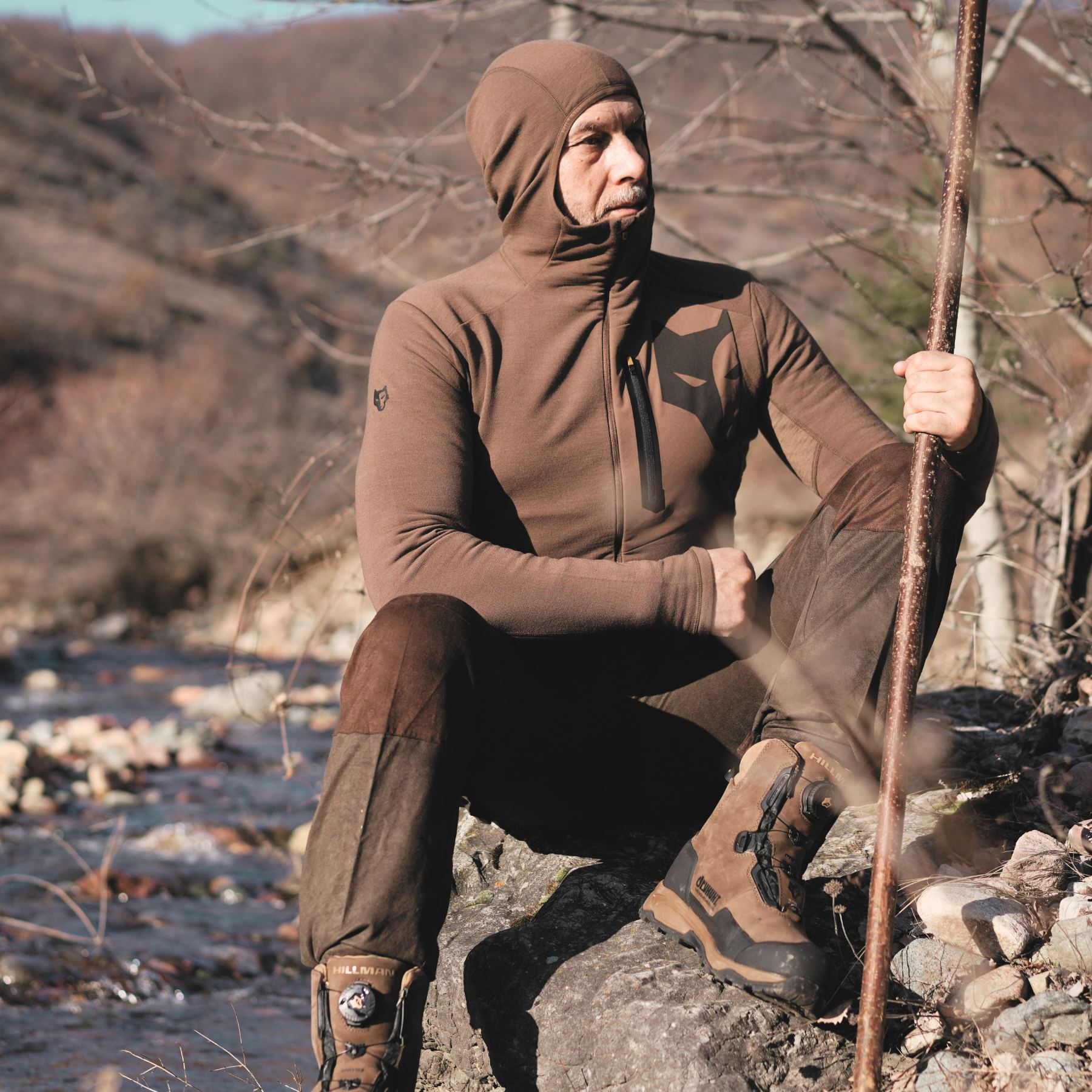
A merino-bamboo hoodie provides breathable insulation while helping move moisture away from the skin. Hillman’s 3ML Hunting Hoodie uses 70% merino wool, 27% natural bamboo fibre and 3% spandex, creating a soft, stretchable layer that fits over a base layer and beneath an outer jacket.
Merino supports warmth and odour management, while bamboo contributes softness and moisture absorption. The fitted construction, ventilated underarms, flat seams and stretch help the hoodie remain comfortable during movement rather than bunching beneath the softshell.
Watch how the Merino-Bamboo hunting hoodie works as a warm, quiet and breathable mid-layer. The video shows how it pairs naturally with a softshell jacket in changing weather.
Softshell Jacket vs Waterproof Hunting Jacket
A softshell prioritises breathability, quiet movement and flexibility, while a waterproof hunting jacket prioritises protection from sustained rain. The right choice depends on exposure and effort rather than temperature alone.
Both can form part of the same system. Wear the softshell during active, mostly dry conditions and carry a packable waterproof layer when the forecast is unstable.
Choose a Softshell Hunting Jacket for Active, Windy Days
Choose softshell for roe stalking, upland walking and other hunts involving steady movement in wind, dry cold or occasional drizzle. Its fabric flexes naturally and releases heat more effectively than a rain shell, reducing the chance of feeling damp from trapped perspiration.
It also suits close-range movement where clothing noise matters. Add an appropriate base layer or hoodie if the day includes colder static periods.
Choose a Waterproof Jacket for Heavy Rain
Choose a waterproof jacket for steady rain, saturated brush and long periods of exposure. A properly constructed rain shell protects through its waterproof fabric and sealed seams, areas where water-resistant softshells have clear limitations.
Waterproof clothing may feel warmer during hard movement, so ventilation and moisture-managing layers are important. On a wet driven day or exposed high-seat wait, that trade-off is usually preferable to water entering through the outer layer.
Best Softshell Jacket for Hunting: What to Look For

The best softshell hunting jacket is one that matches the hunter’s movement, weather and layering needs. Selecting the best softshell jacket for hunting therefore requires more than comparing warmth alone.
Check the cut in a shooting position, assess the level of water resistance honestly and consider how easily the hood, cuffs and pockets can be used with gloves.
Fit That Allows Shooting and Climbing
A suitable fit permits a full shoulder mount without pulling across the upper back or lifting excessively at the waist. Sleeves should remain in place as the arms rise, while the torso needs enough space for a planned mid-layer.
Too much loose fabric can catch on vegetation and create noise. Too little room compresses insulating layers and restricts climbing, kneeling and careful movement across broken ground.
Pockets, Hood and Adjustable Cuffs
Well-positioned pockets keep a radio, gloves or small accessories accessible without creating bulk where a rucksack belt or rifle sling sits. Zips should be manageable with cold hands and secure enough to prevent equipment being lost in cover.
An adjustable hood protects the head without blocking peripheral vision. Adjustable cuffs and hem controls reduce wind entry and help the jacket sit cleanly over gloves or underlying sleeves.
Colours for Different Hunting Situations
Forest Green suits woodland stalking, countryside work and hunts where a subdued, versatile colour is preferred. Neutral greens and browns reduce contrast across mixed vegetation without committing the hunter to a specific camouflage pattern.
Blaze Orange serves a different purpose. It increases recognition by other hunters during driven hunts and organised shooting, while remaining suitable where local rules or the hunt organiser require high-visibility clothing. Always follow the visibility regulations for the country and type of hunt.
FAQs
At what point does a fleece stop being enough and something more substantial become necessary?
Is there a meaningful difference between a zip-neck fleece and a full-zip for hunting specifically?
How does a softshell jacket handle a full day's roe deer stalking compared to a waterproof shell?
Does fleece weight actually matter for driven shooting, or is any mid-layer roughly equivalent?
Can a fleece mid-layer genuinely control odour well enough for close-range roe stalking?
Does fleece pilling actually affect performance, or is it just cosmetic?
Does a fleece work for formal driven days, or is it too casual?
Shop Related Collections