Hunting Rain Jacket - Lightweight Waterproof AlphaShell 5WL
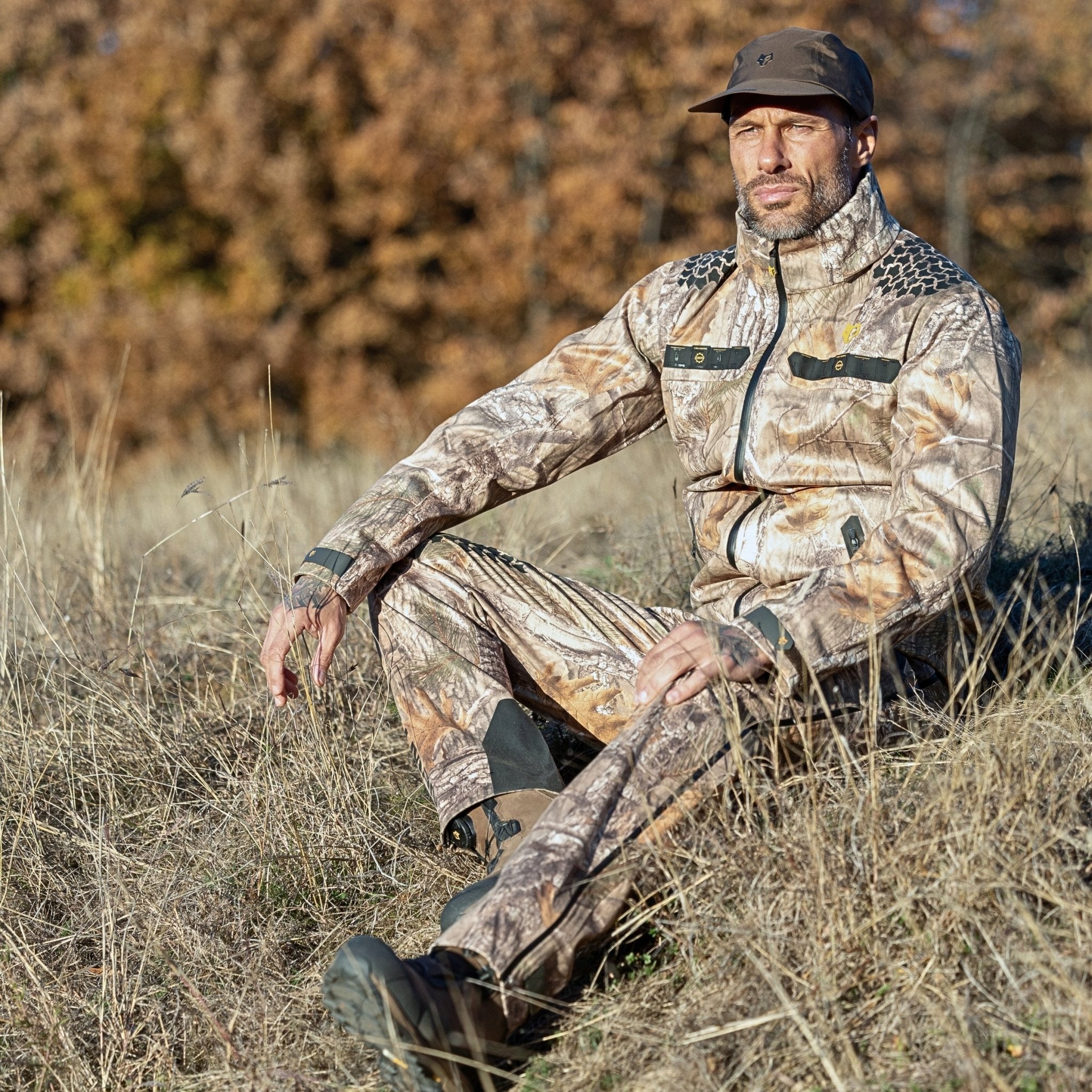
Waterproof Camo Jacket - Lightweight Hunting | AlphaShell 5WL
What to look for in a hunting rain jacket?

A rain jacket is judged after the first hour, not during the first few minutes of light drizzle. When fabric starts taking pressure from wet brush, the sleeves darken, and the hunter still has to move, glass, wait and shoot, waterproofing, breathability, noise and fit either work together or they do not.
Protection from constant rain, wet brush, and soaked terrain
Real hunting rain is rarely clean vertical rainfall. It comes from above, from wet bracken, from branches brushing across the arms, from mud splashed on the hem, from soaked grass pressing against the lower body during a long approach. That is where a waterproof rain jacket for hunting needs more than a waterproof fabric claim.
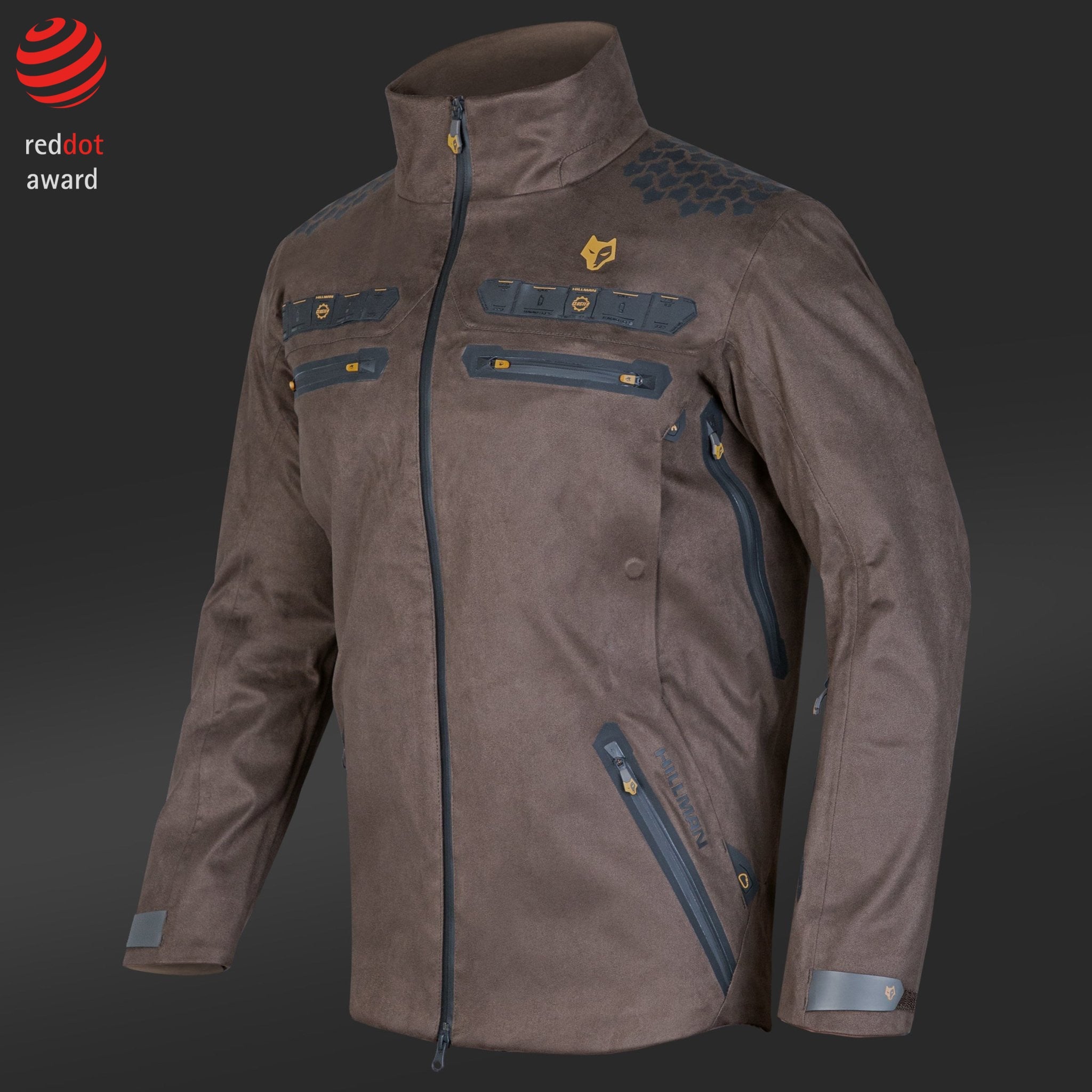
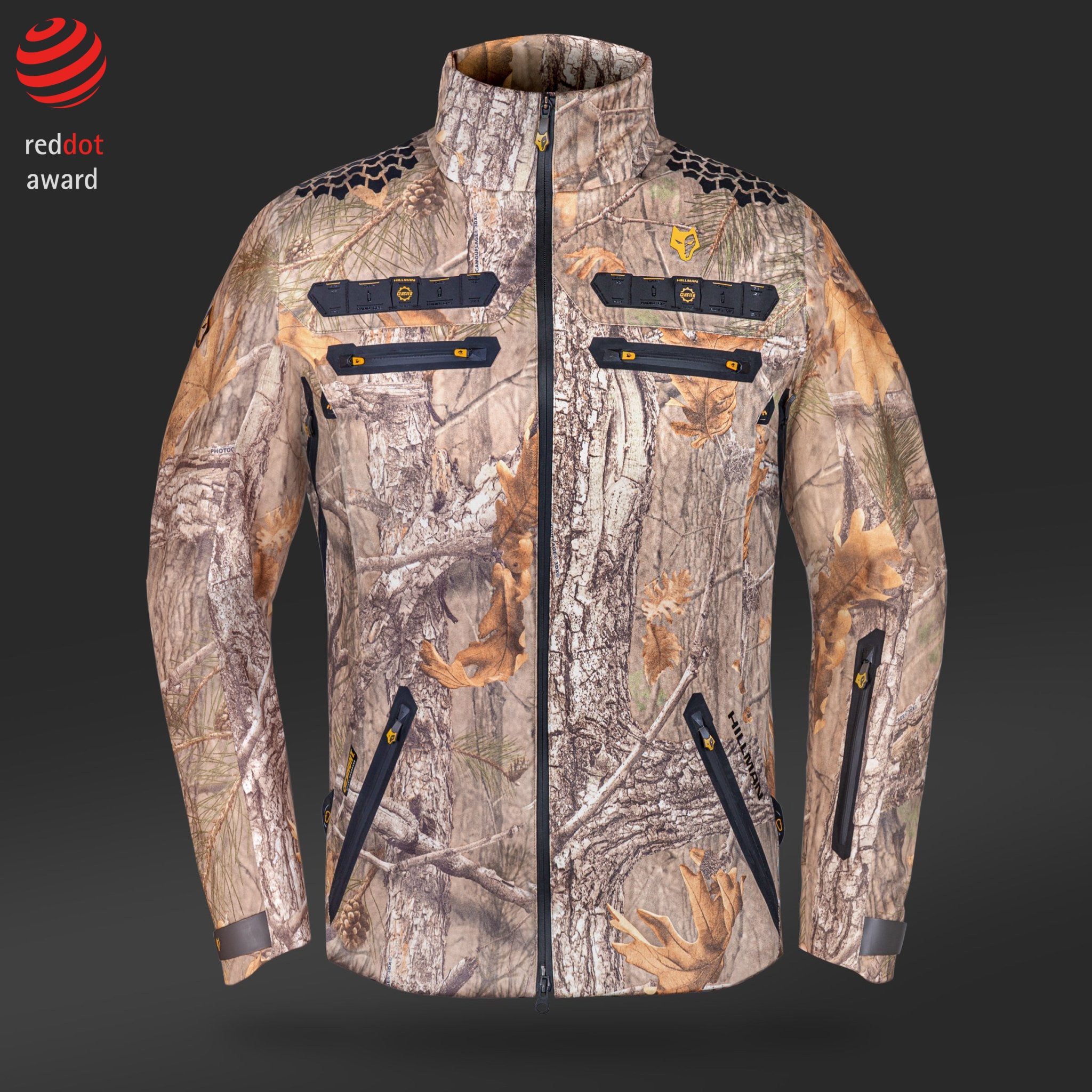
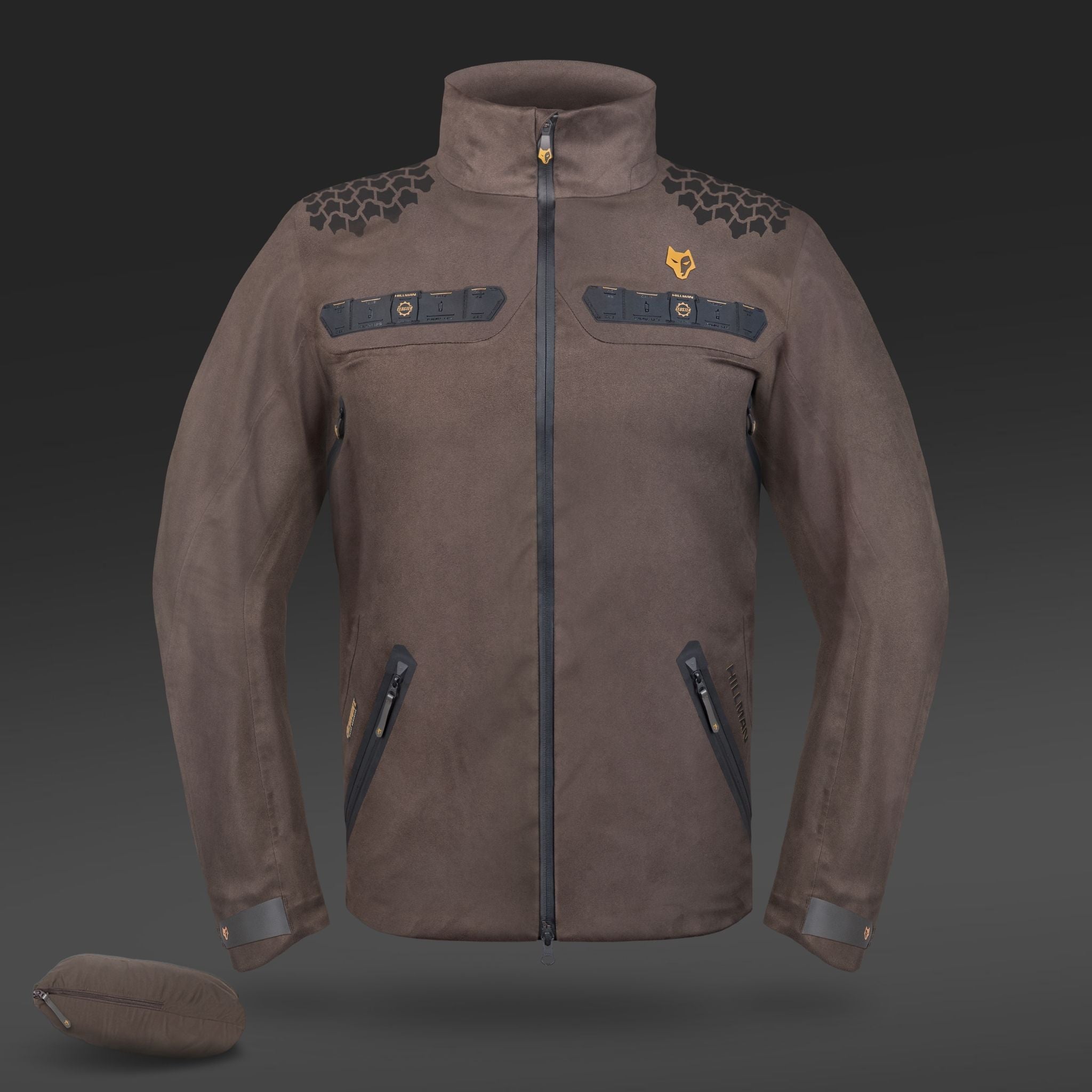
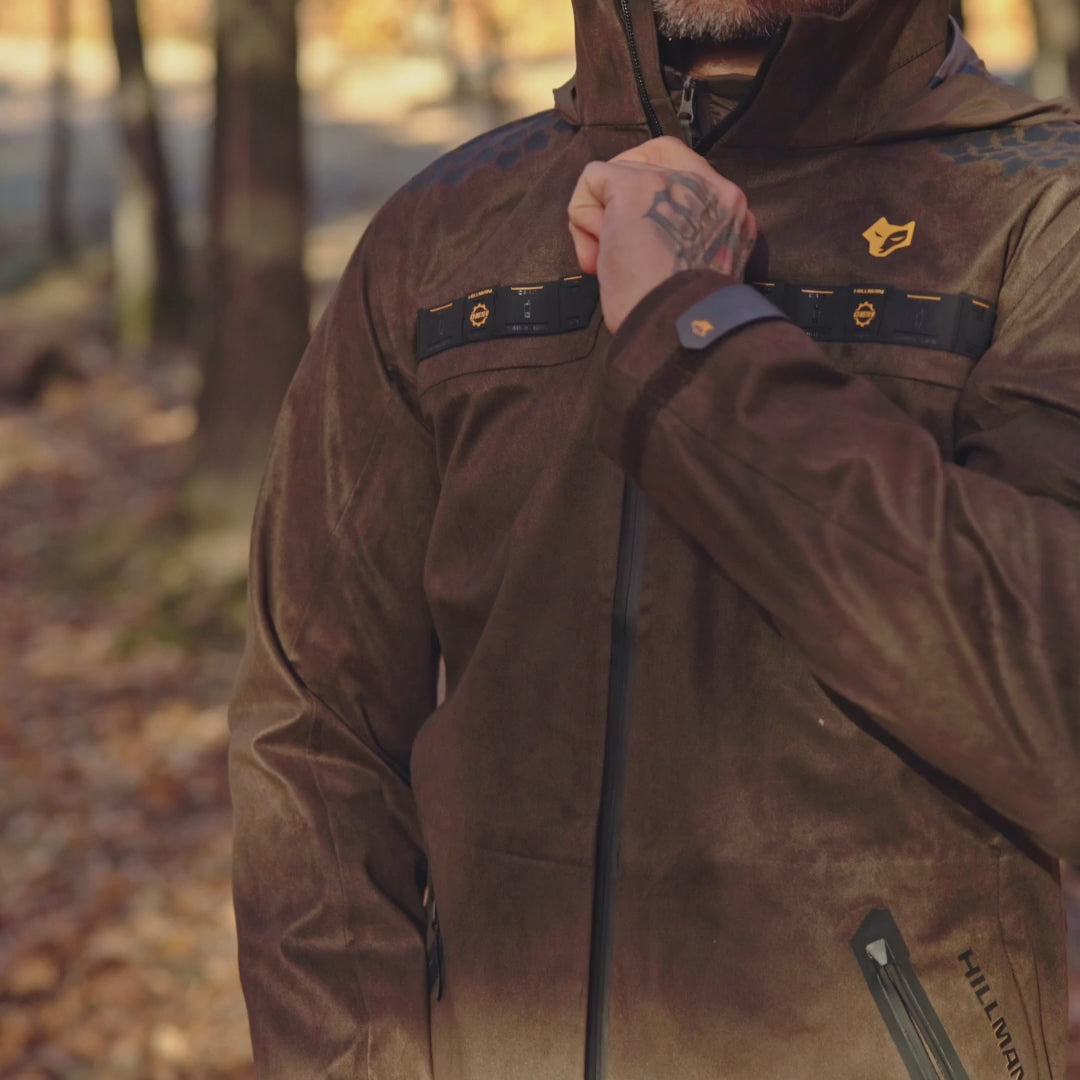
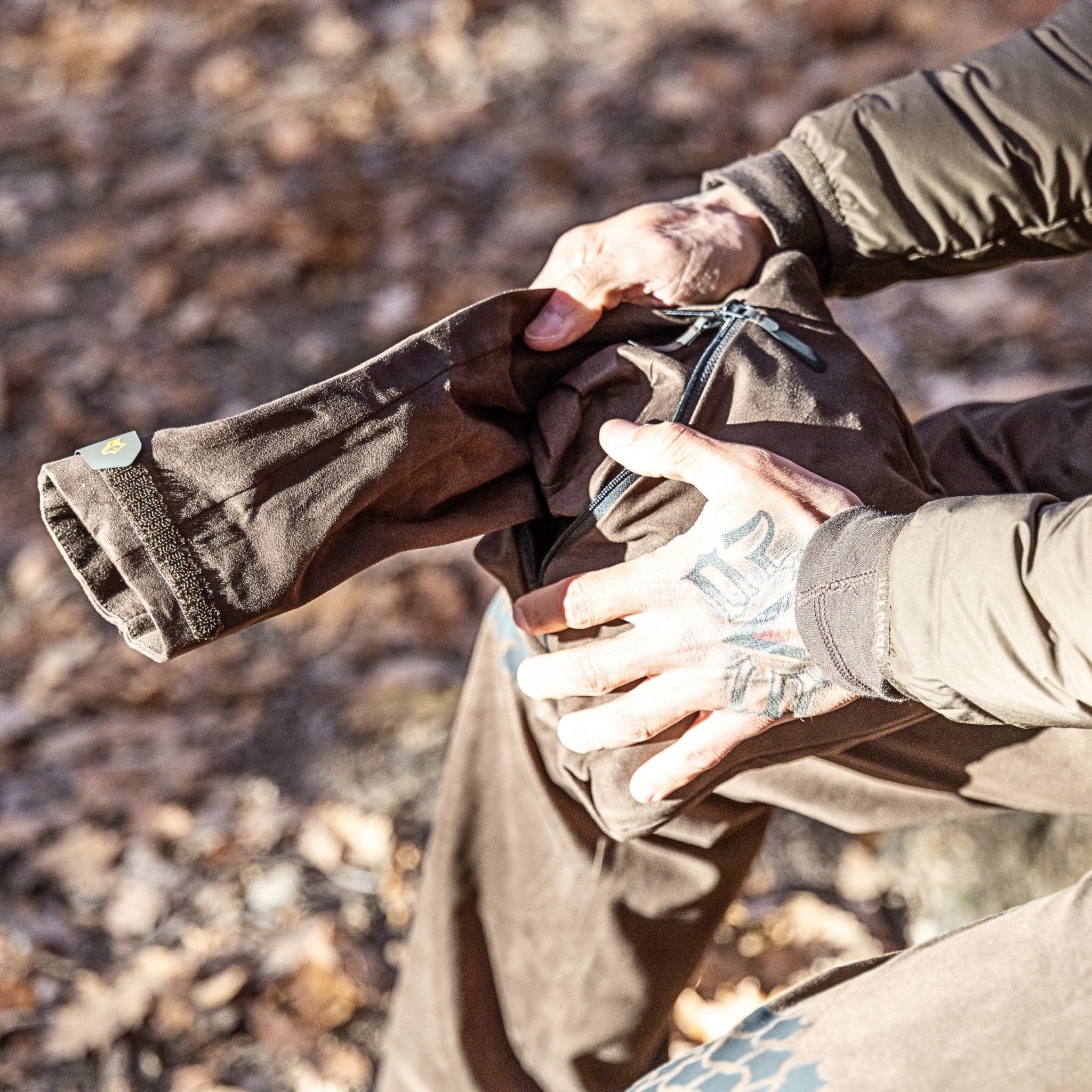
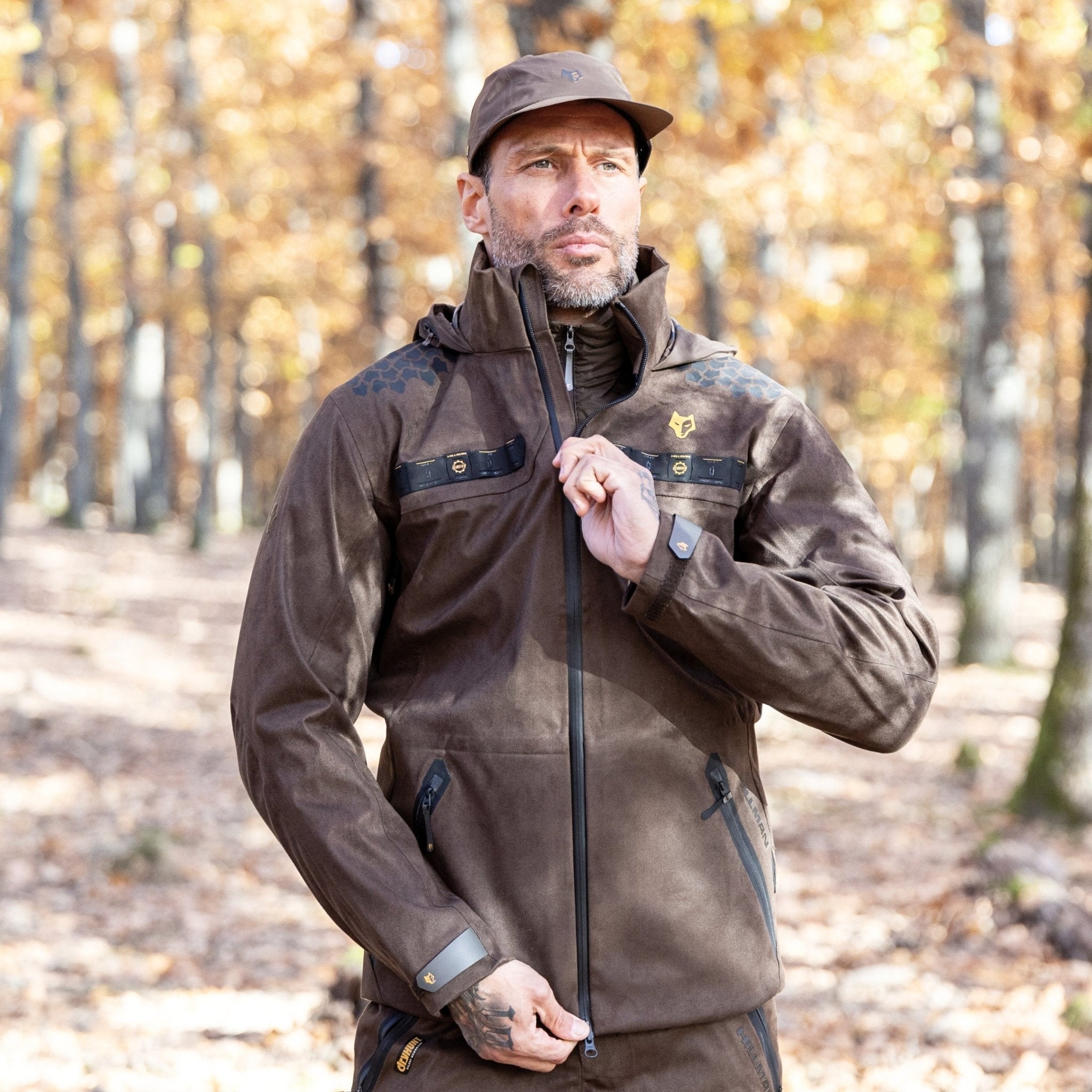
The AlphaShell 5WL jackets use Dryhunt® nanomembrane, taped seams, C0 DWR treatment and YKK AquaGuard zippers, which matters when the day moves from drizzle to steady rain. The Durasuede outer fabric also helps keep movement quieter than a sharp, plastic-feeling shell. Hood shape, cuffs, hem control and zipper protection become noticeable in a high seat, during woodland stalking, or on the walk back when everything around you is already wet.
See why this is considered the Best Waterproof Hunting Rain Jacket For 2026, and how it performs in real wet conditions when reliable protection actually matters.
Breathability during movement in hunting rain gear
The uncomfortable part of rainwear often starts from the inside. Walking between drives, climbing through woodland, working dogs, dragging game or carrying a pack can build heat quickly, even on a cold wet day. Good hunting rain gear must release moisture without letting rain force its way in.
Dryhunt® handles vapour transfer, while Termovent® and pit zips give the hunter more control when the pace changes. That stop-start rhythm is common in the field: move hard, pause, watch, move again. A shell that cannot breathe turns damp and heavy from the inside, which defeats the point of wearing it.

Lightweight feel without losing protection
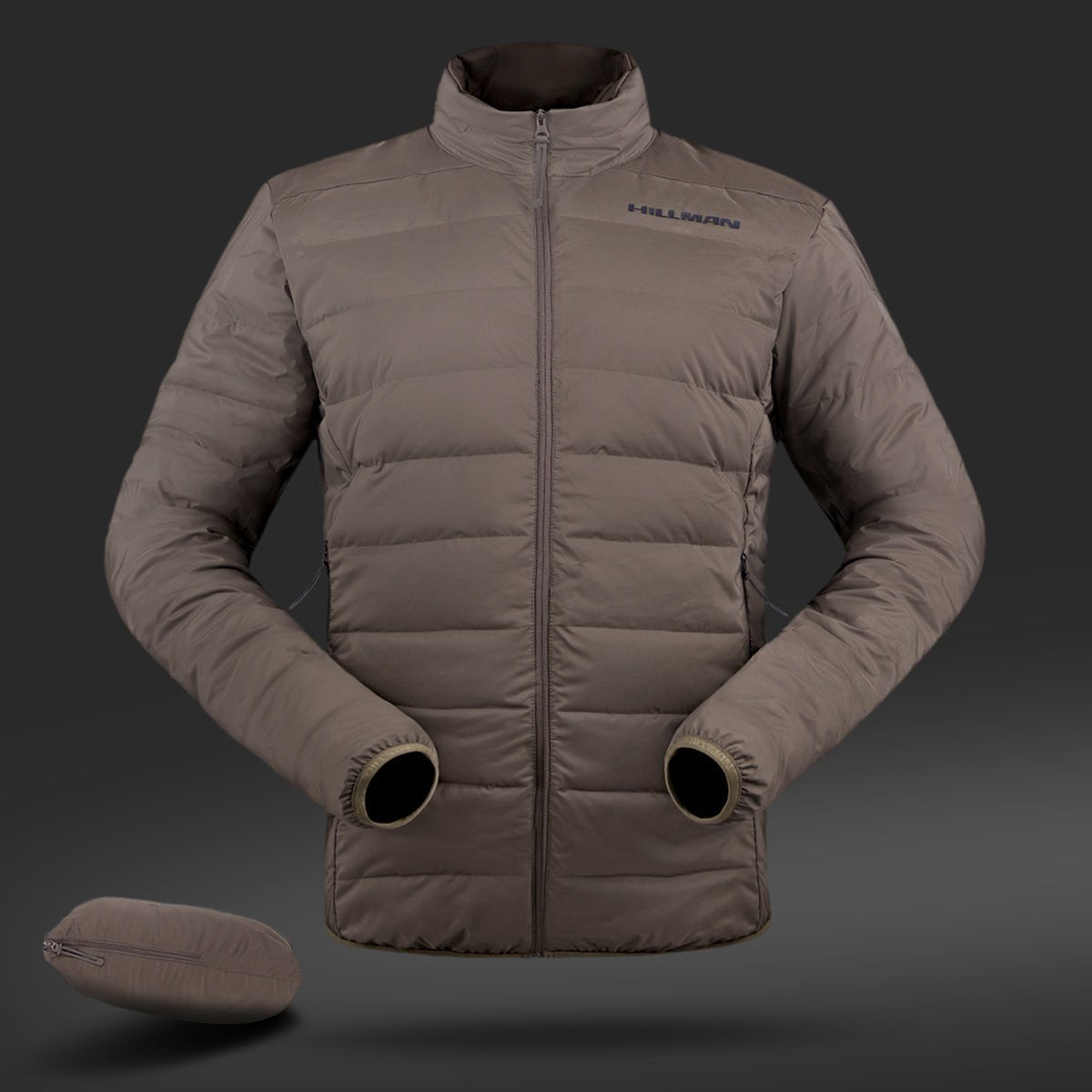
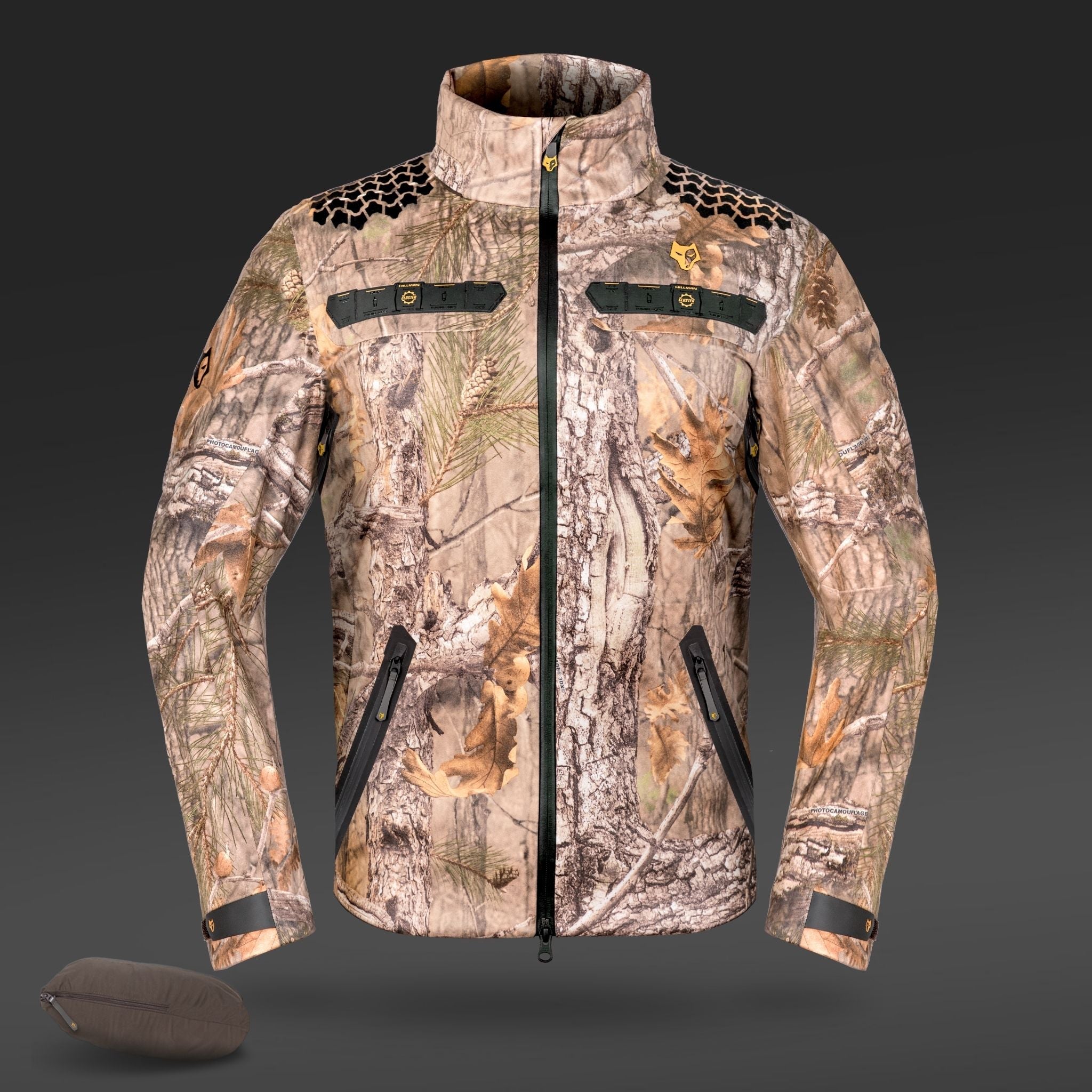
Weight matters when the jacket spends part of the day in a pack. The AlphaShell 5WL weighs around 0.69 kg and packs into its own pocket, so it sits well in that space between emergency rain cover and serious field outer layer. It suits long approaches, warmer wet days, mountain routes and woodland stalking where sudden weather is part of the plan.
Still, light does not mean careless. A lighter rain shell should protect properly without pretending to be a heavy insulated coat. For hunters who move often, the lighter feel can be the difference between carrying rainwear and leaving it behind.

Choosing a hunting rain jacket based on your conditions
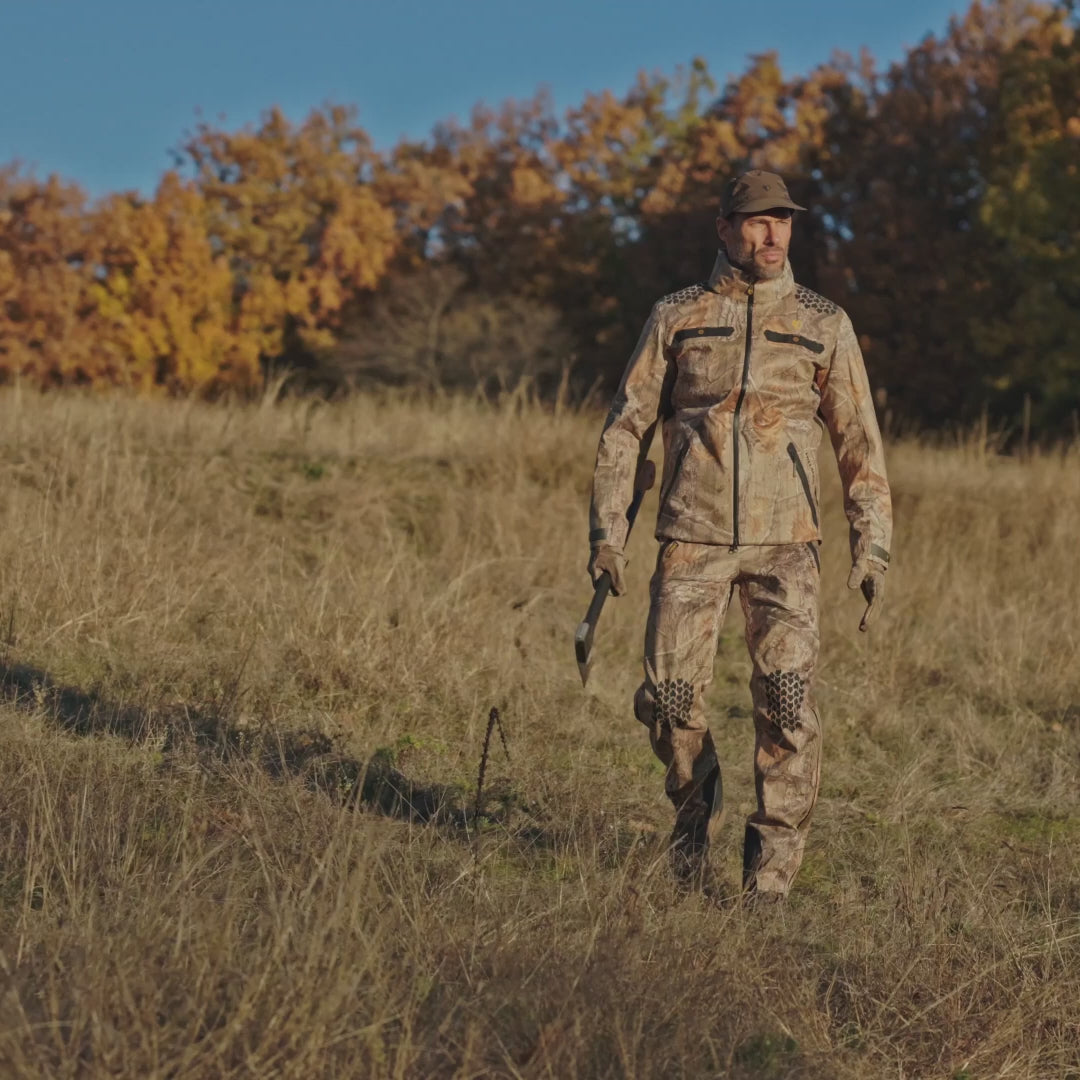
The hardest condition in the hunt should guide the choice. Woodland stalking needs low-noise fabric, sleeve control and a hood that turns naturally with the head. Driven hunting puts more pressure on breathability, pocket access and fast changes in activity. High-seat hunting needs sealing, layering room and comfort through long still periods. Mountain hunting adds wind, exposed rain and the need for clear peripheral vision.
The most technical jacket is not always the right one. The better choice is the jacket that matches the way you hunt.

Different types of waterproof hunting jacket by Hillman
This collection keeps the focus on practical rain protection rather than one universal answer. Some days call for a lighter shell that moves easily, while others need a more protective outer layer for steady rain and rough cover.
Lightweight hunting rain jacket for active days
A lightweight hunting rain jacket makes sense for stalking, dog work, long walks, mountain approaches and warmer wet days when the hunter is rarely still for long. Hillman’s AlphaShell 5WL keeps the feel light without stripping away the field details: articulated elbows, gusseted underarms, pit zips, an adjustable OptiSight6® hood and usable pocket placement.
This type of shell works best when mobility matters as much as rain protection. It gives enough cover for proper wet weather while avoiding the stiff, bulky feel that can make active hunting more tiring than it needs to be.

Waterproof hunting jacket for steady rain and heavy cover
Steady rain, wet brush, mud and cold wind ask more from a jacket than a small emergency shell can usually give. A more protective outer layer needs taped seams, guarded zippers, durable fabric, reliable cuffs, useful pockets and enough room underneath for insulation.
This is where the AlphaShell 5WL sits as a serious rain shell rather than casual outdoor wear. Lighter waterproof hunting rain jackets are valuable for movement and changing weather. A stronger shell becomes the better call when exposure lasts for hours and the terrain keeps pushing water against the fabric.

How hunting rain gear affects your time in the field?
Good rainwear changes more than comfort. It affects how long you stay alert, how quietly you move and how well the clothing underneath continues to work.
Staying dry during long exposure to rain
On a long deer stalk, a driven hunt or several hours in a high seat, small flaws become irritating. A cuff that lets water run inside, a hood that blocks the side view, a pocket flap that gathers moisture, or a seam under pack pressure can turn into the thing you notice all day.
That is why construction matters. Seams, zippers, hood adjustment, hem shape and pocket position are not secondary details. They decide how the jacket behaves when rain has been sitting on it for hours.

Moving through wet vegetation without slowing down
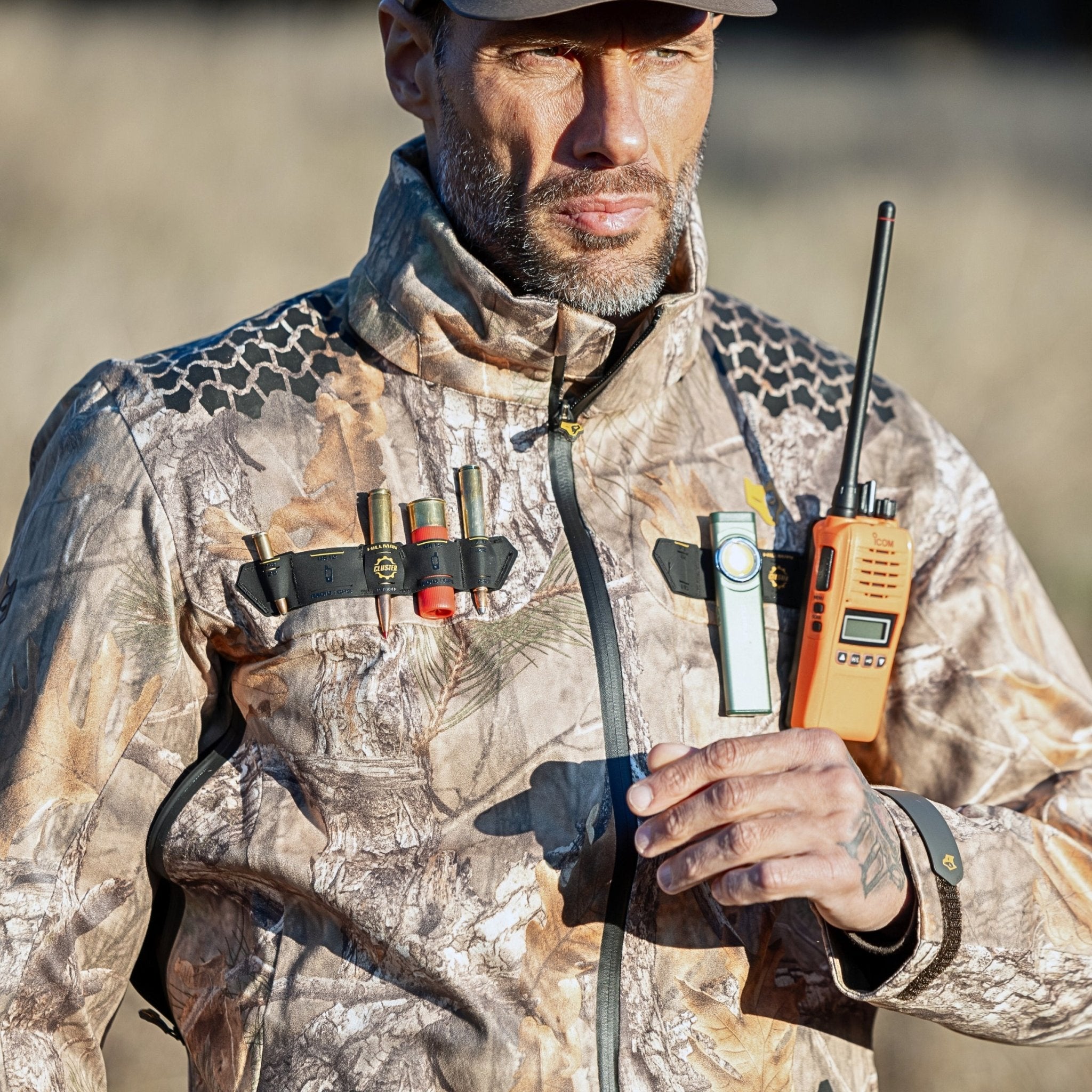
Wet branches, bracken, reeds, soaked grass and muddy slopes do not treat clothing gently. A hunting waterproof jacket needs to move with the shoulders, stay quiet across the sleeves and keep the lower back covered when bending or climbing. Pocket access also has to remain practical when gloves, binoculars, radio or rangefinder are in use.
The jacket should not fight the shot either. If the fabric pulls across the upper back or lifts too much when the rifle comes up, it becomes a distraction at the wrong moment.

Avoiding that constant damp feeling during the hunt
That clammy feeling is not always rain getting through. It can come from trapped sweat, blocked breathability, poor layering, damp cuffs or condensation inside the shell. Breathable fabric, ventilation, correct sizing and sensible base layers help prevent that slow build-up of discomfort.
Rainwear works best when it manages moisture from both sides: water outside, body heat inside.
How to build a complete hunting rain gear setup?
A jacket performs better when the rest of the system supports it. Waterproof trousers, base layers, boots, gloves and field accessories can close the gaps, or create new ones.
Matching your hunting rain jacket with waterproof pants
Rain does not stop at the waist. Waterproof trousers help protect the legs from soaked grass, brush and mud, while matching camo or muted tones keep the visual outline more consistent. The overlap between jacket and trousers also matters, because water running off the shell should not end up inside the waistband.
A full rain setup is not about looking coordinated. It keeps concealment, comfort and movement consistent from shoulders to boots.

Layering under a waterproof hunting jacket
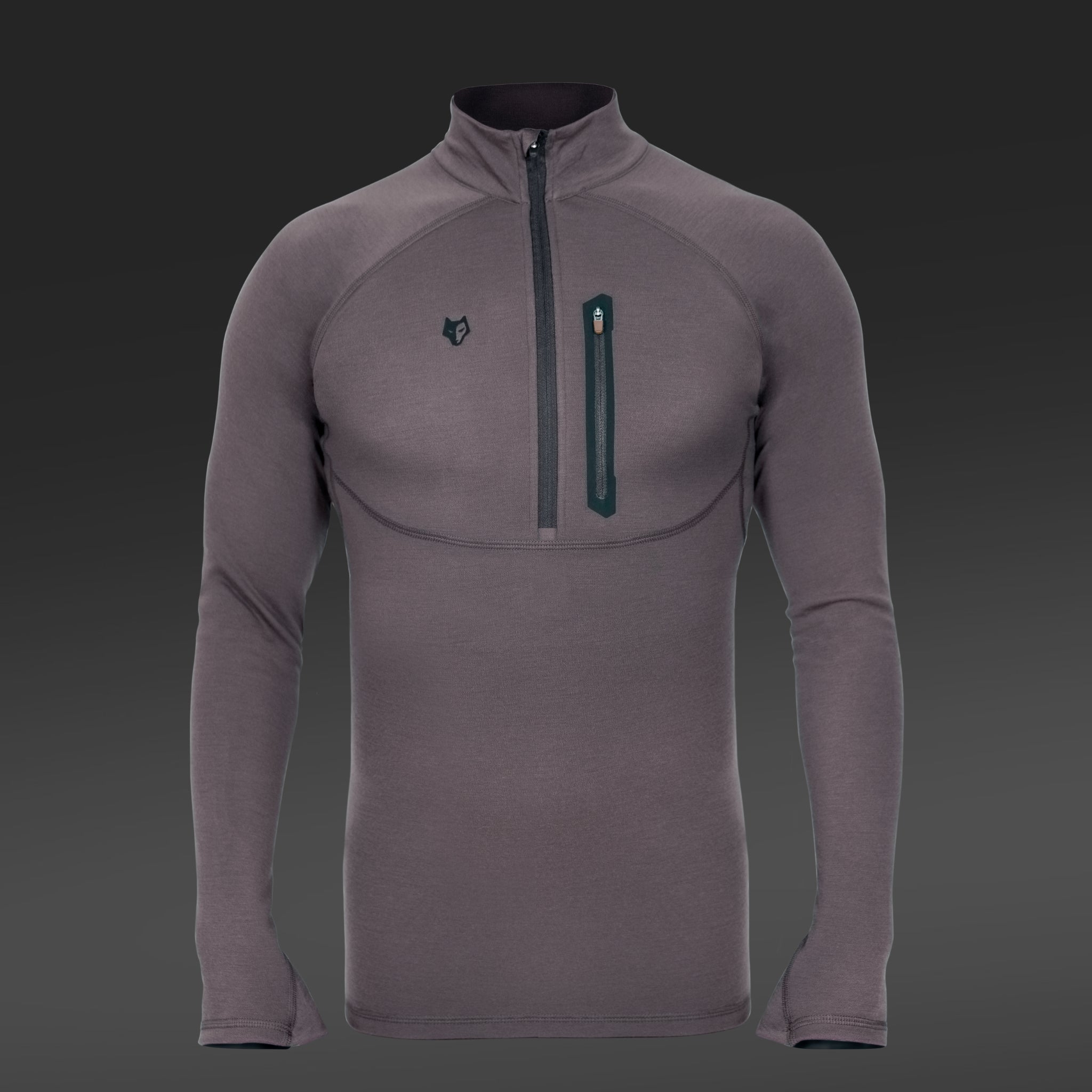
The outer shell should protect the layers underneath, not do every job on its own. Active hunters need moisture-wicking base layers and controlled insulation, otherwise sweat builds up too fast. High-seat hunters may need warmer fleece or insulation beneath the shell because stillness drains heat quickly in wet weather.
Fit is the practical detail here. The jacket should leave room for layers without pulling at the shoulders, restricting arm lift or tightening across the back during the shot.

Completing your setup with boots and accessories
Wet ground tests boots, gloves, headwear and storage just as much as the jacket. Waterproof boots affect grip and noise on mud or soaked slopes. Gloves influence trigger feel and warmth. A hood has to work with caps or headwear without blocking hearing and side vision.
Chest pockets, protected zippers and accessible storage matter when radios, phones, gloves, rangefinders or binoculars need to stay close but dry. In poor weather, awkward pocket access gets annoying quickly.
 Ready for rain, focused on the hunt
Hillman waterproof hunting rain jackets bring together rain protection, breathable comfort, quiet movement, hood visibility, useful pocket access, packable weight and layering compatibility. For woodland stalking, driven hunting, high-seat work, dog work, mountain routes and mixed wet days, this collection gives hunters rainwear that stays practical when the weather stops being polite.
FAQs
What's the most common reason a waterproof jacket starts leaking after a season or two?
Does a packable rain jacket actually replace a proper outer layer or is it just emergency cover?
Does hood design actually matter on a hunting jacket?
How do waterproof rain jackets handle extended wear during a long day's deer stalking without becoming uncomfortable?
Is there any real advantage to camo on a rain jacket for woodland stalking in the UK?
How do you stop a rain jacket from making the rest of the layering system redundant?
What's worth checking on a waterproof jacket before storing it at the end of the season?
Shop Related Collections