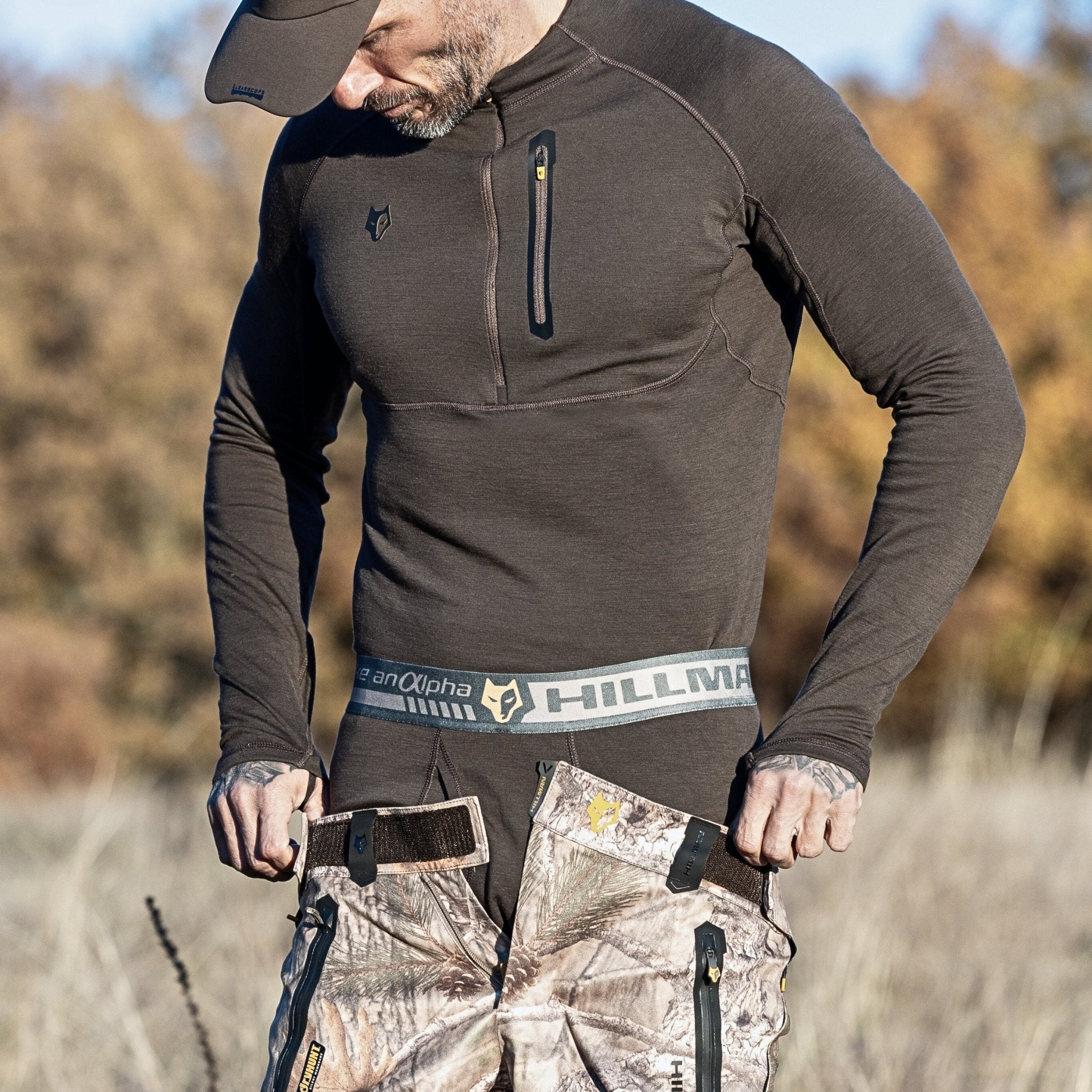
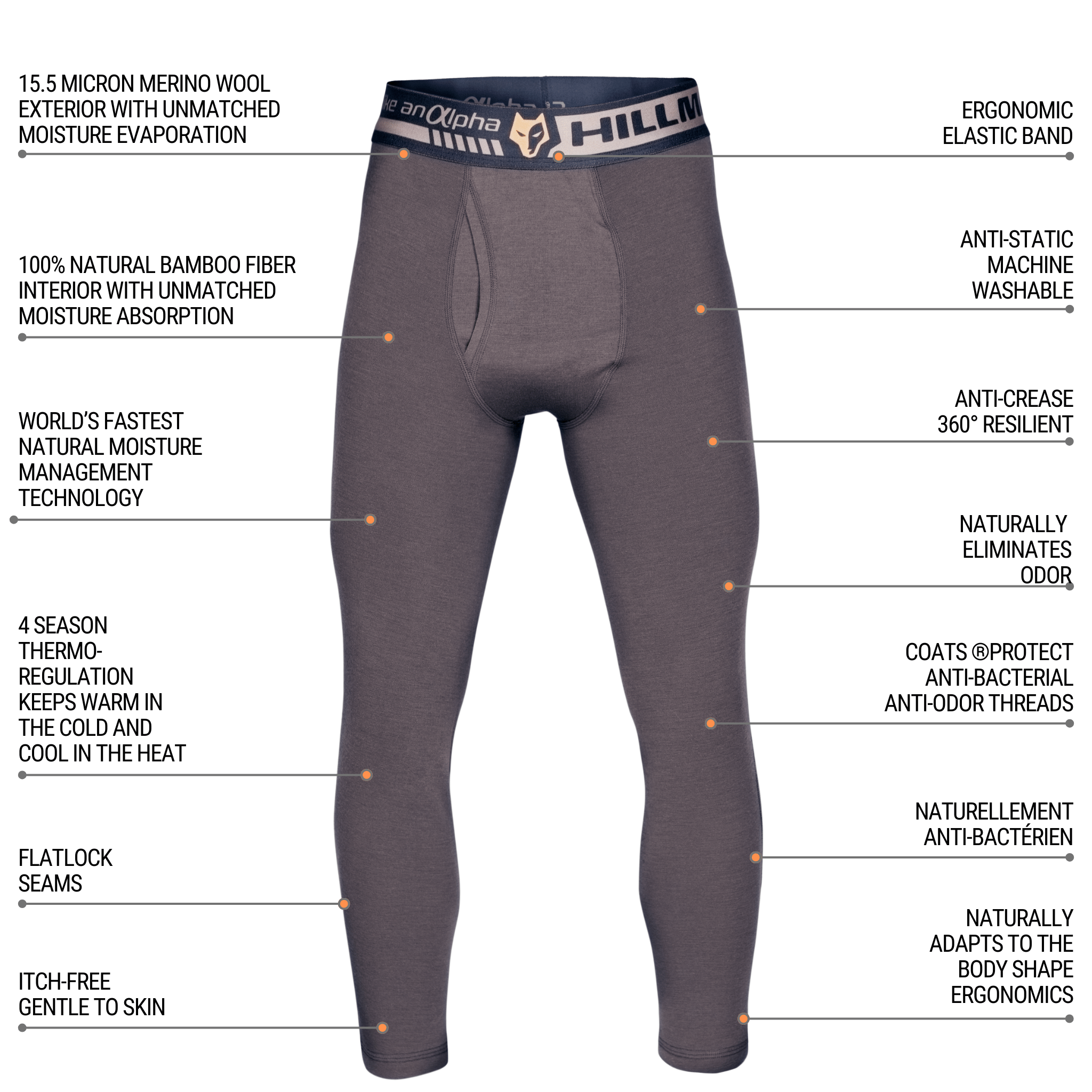

2BL Merino Wool Hunting Long Johns-Thermal Base Layer Pants
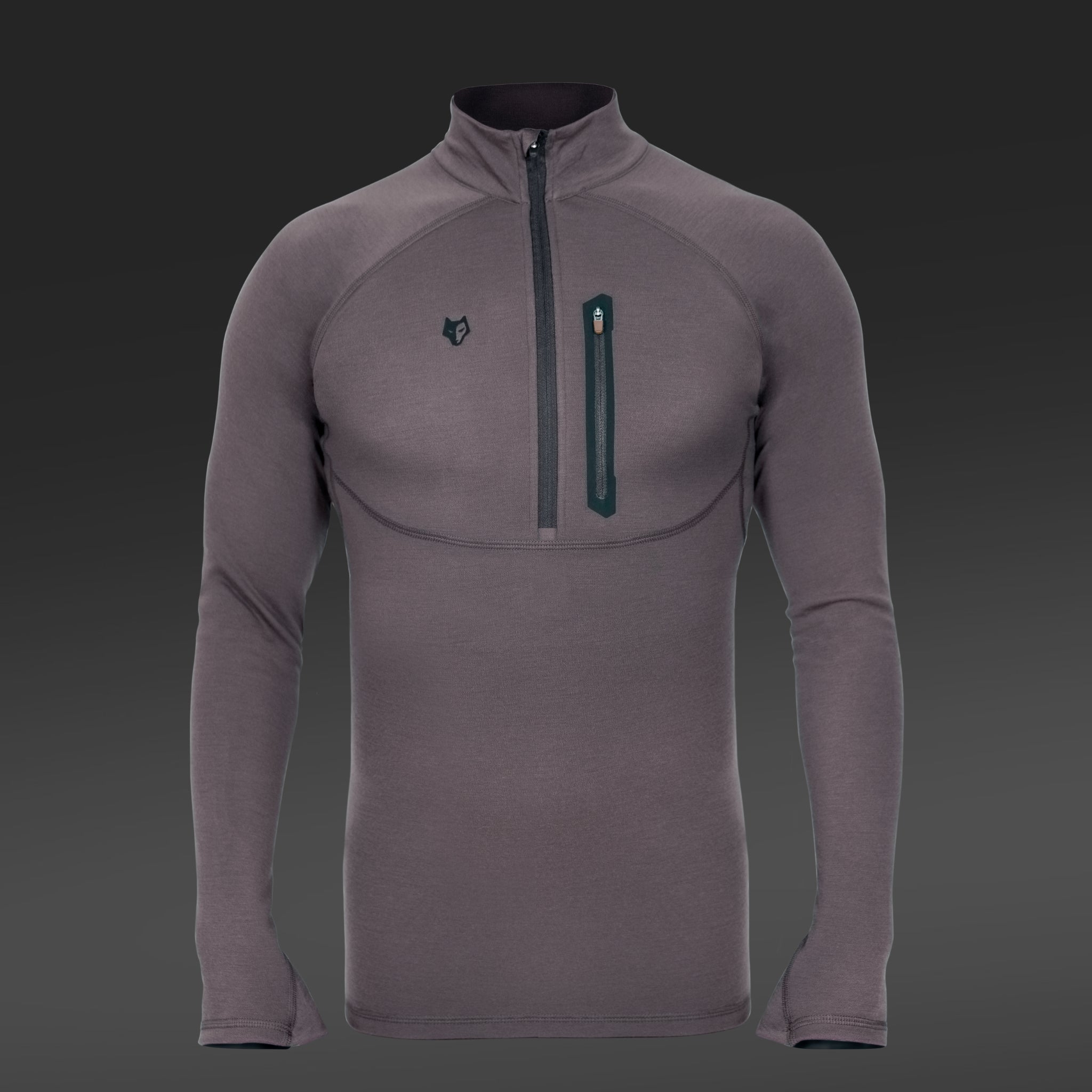
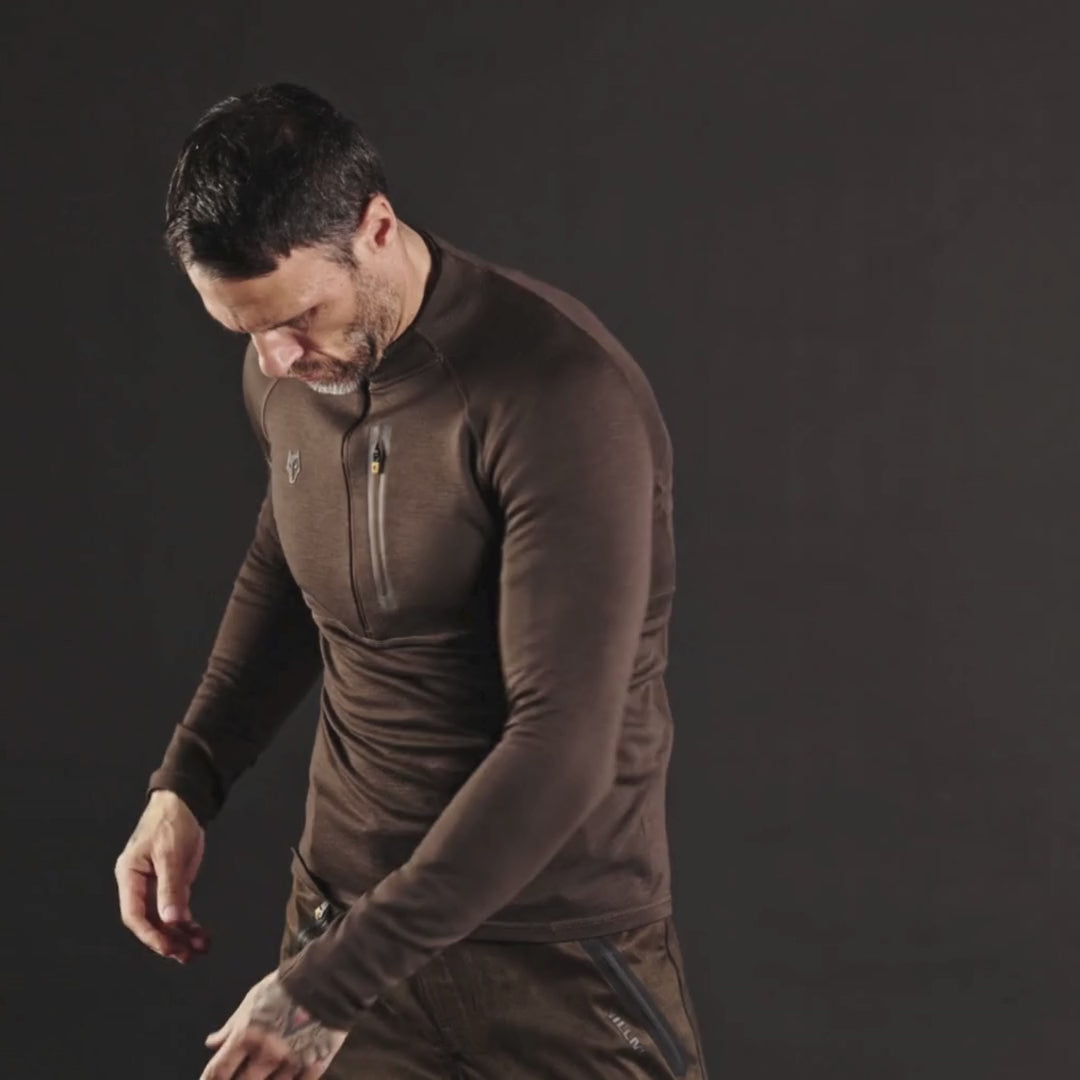
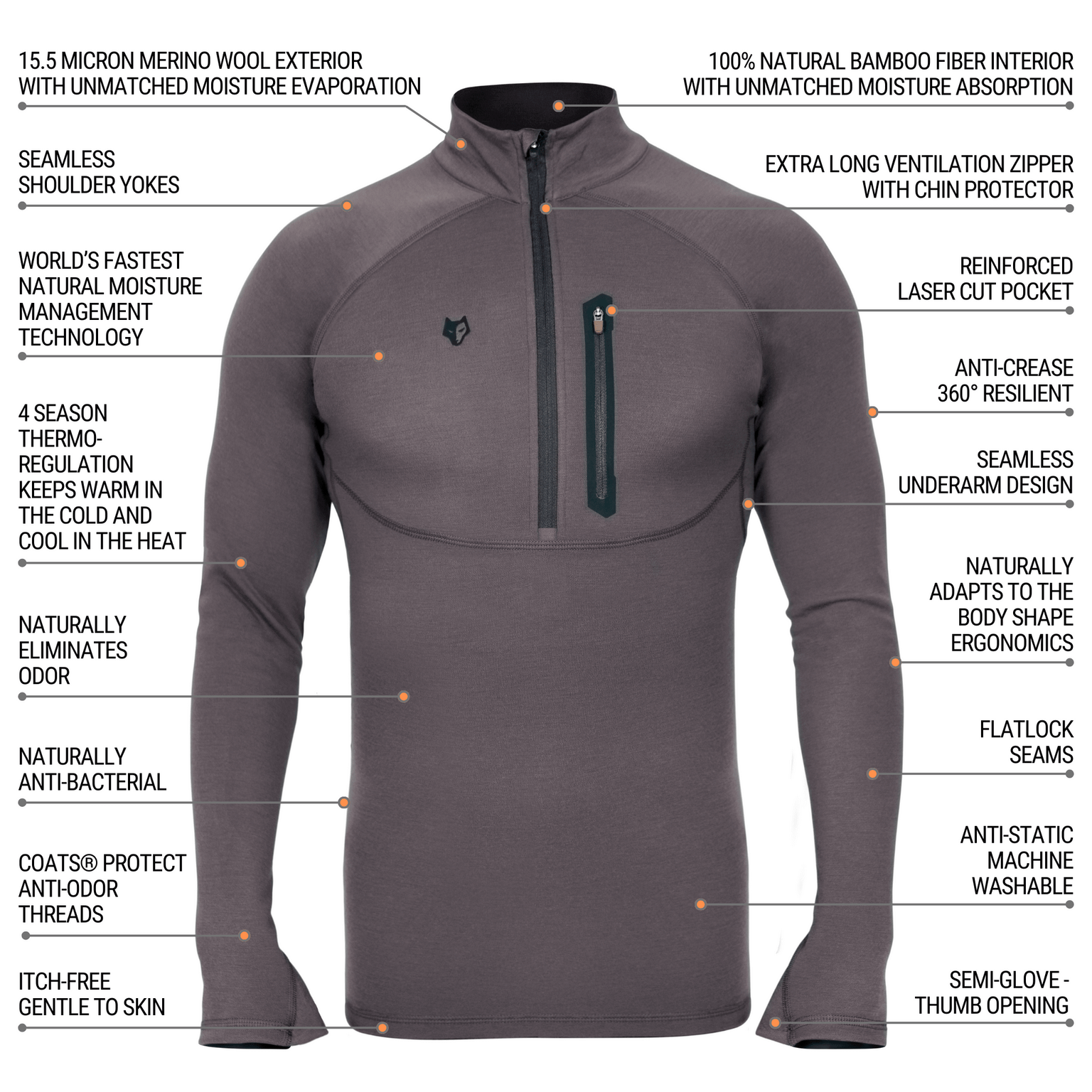
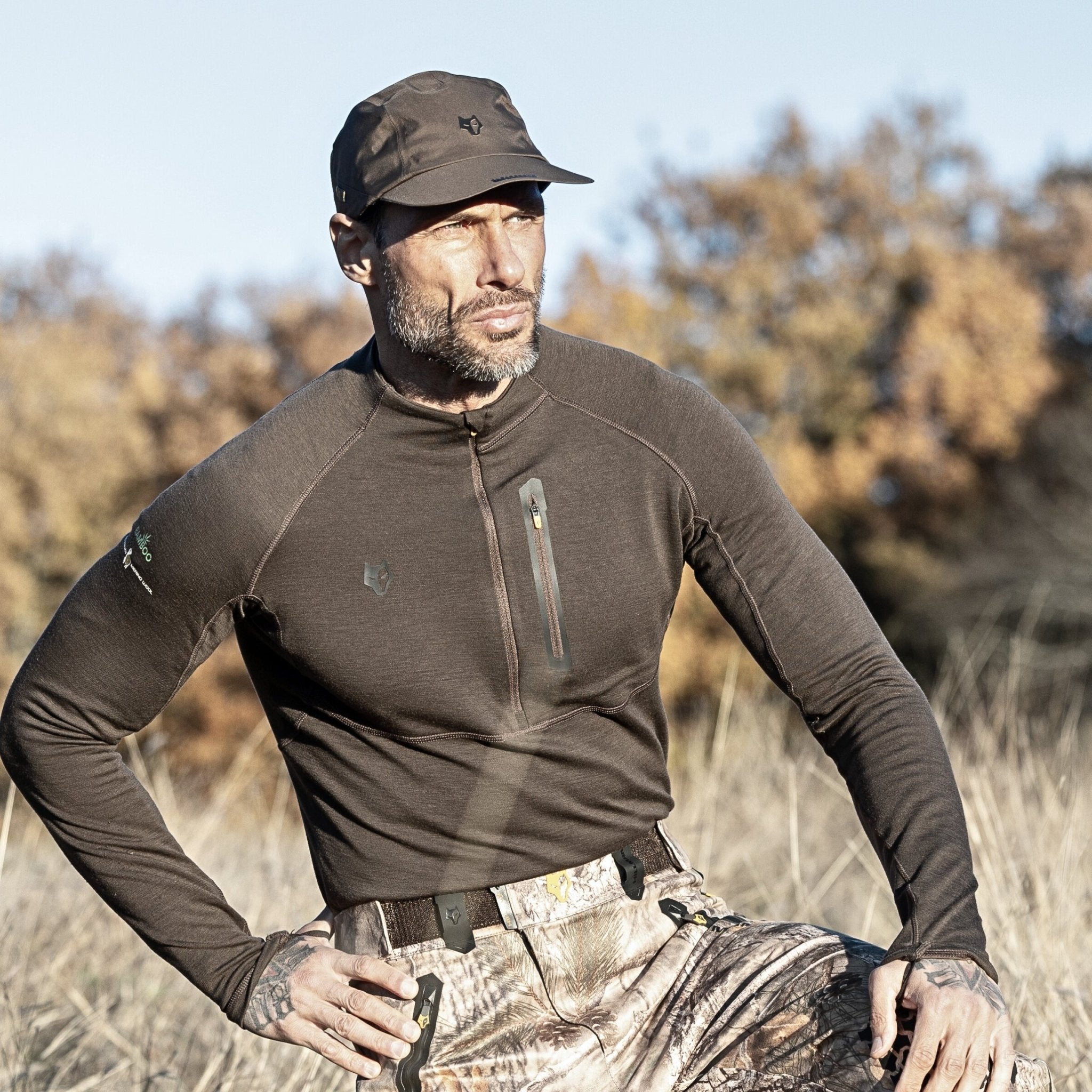
2BL Merino Wool Base Layer-Hunting Long Sleeve Thermal T-shirt
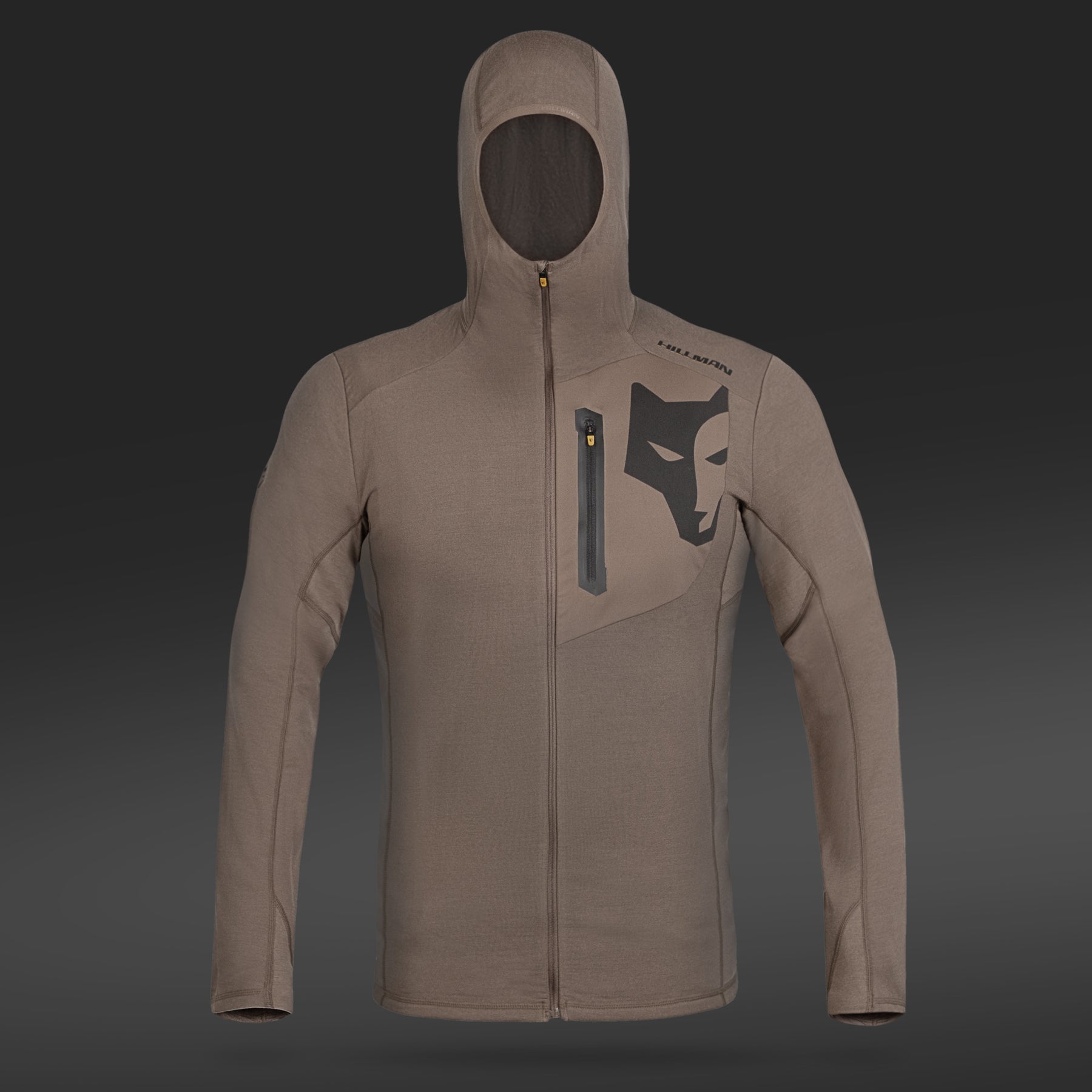
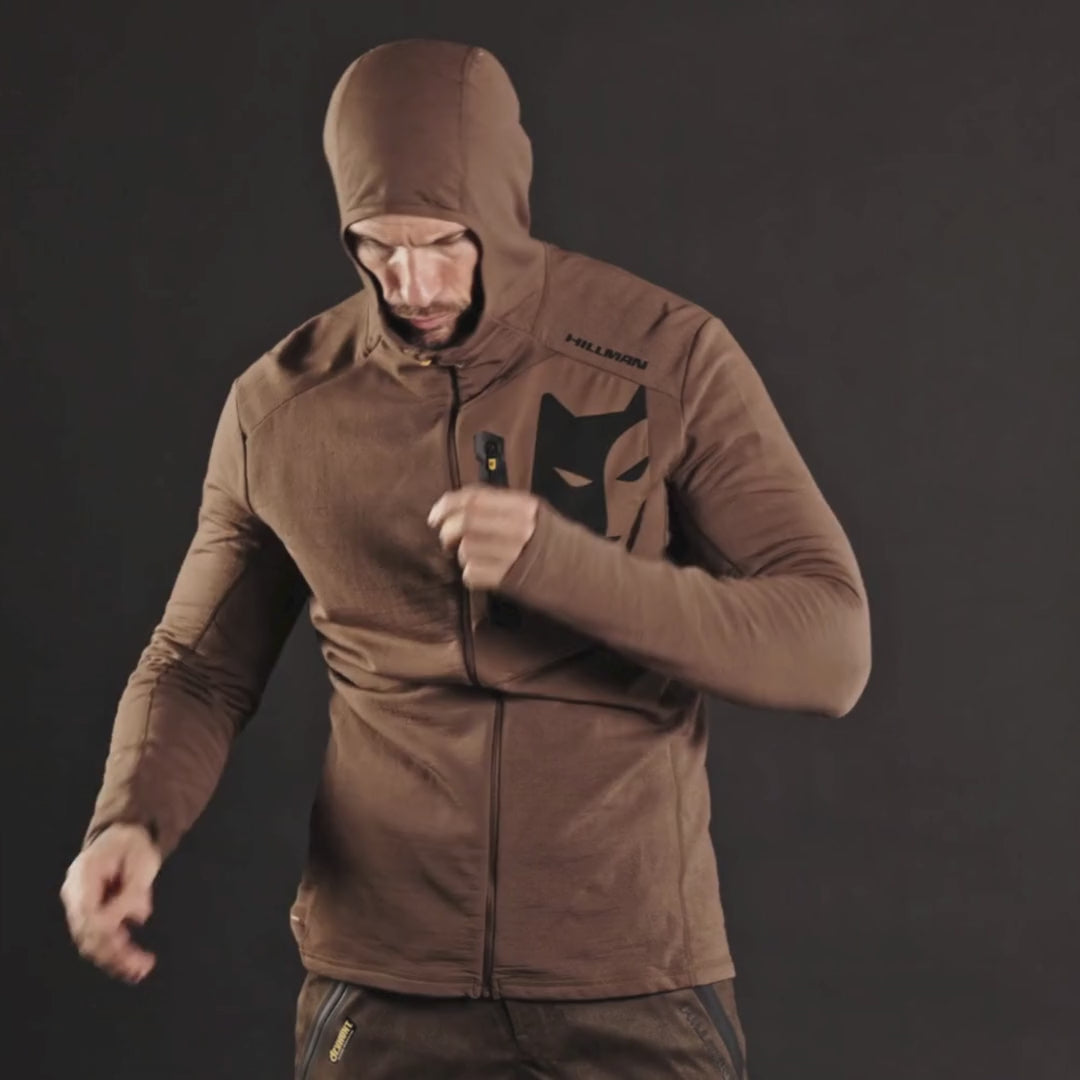
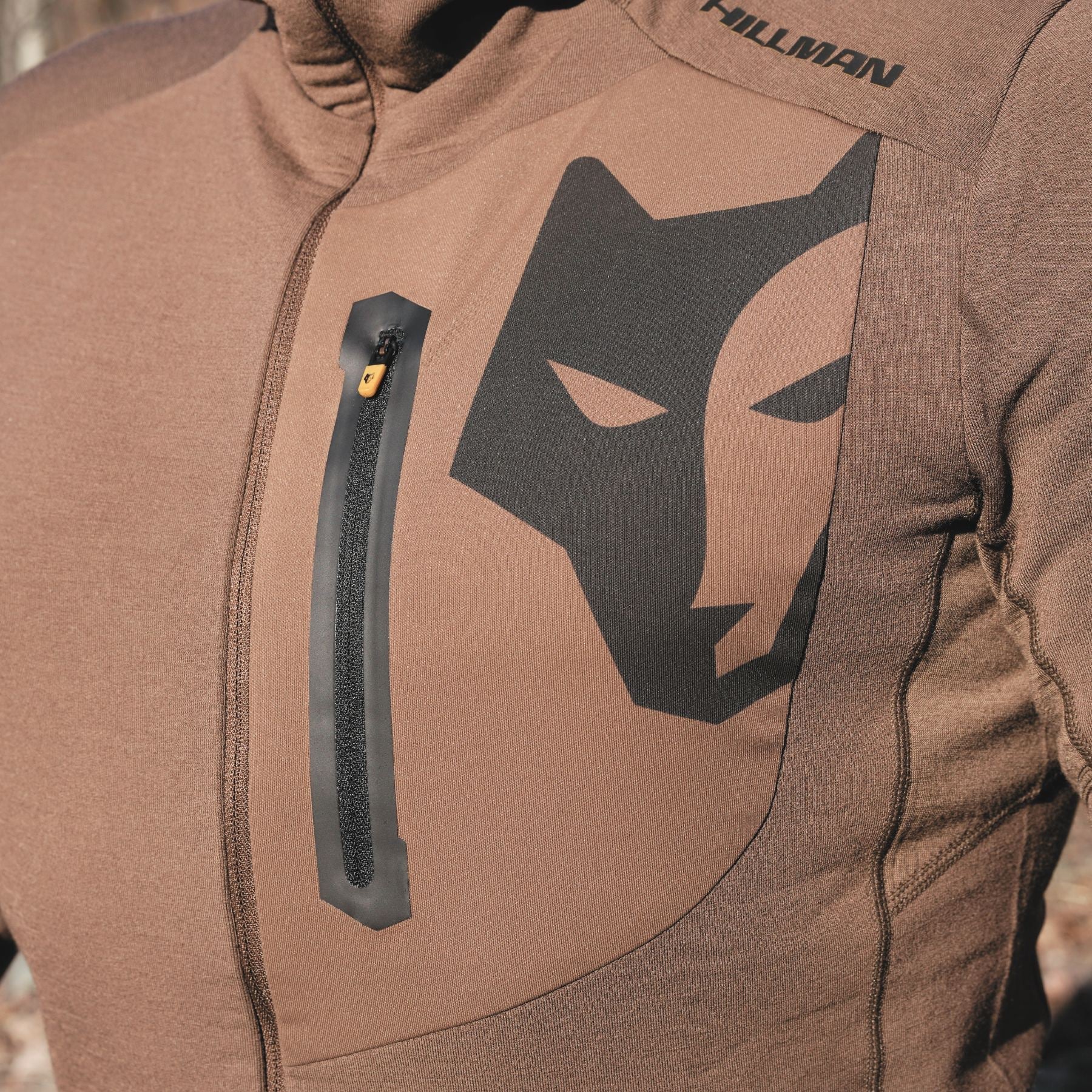
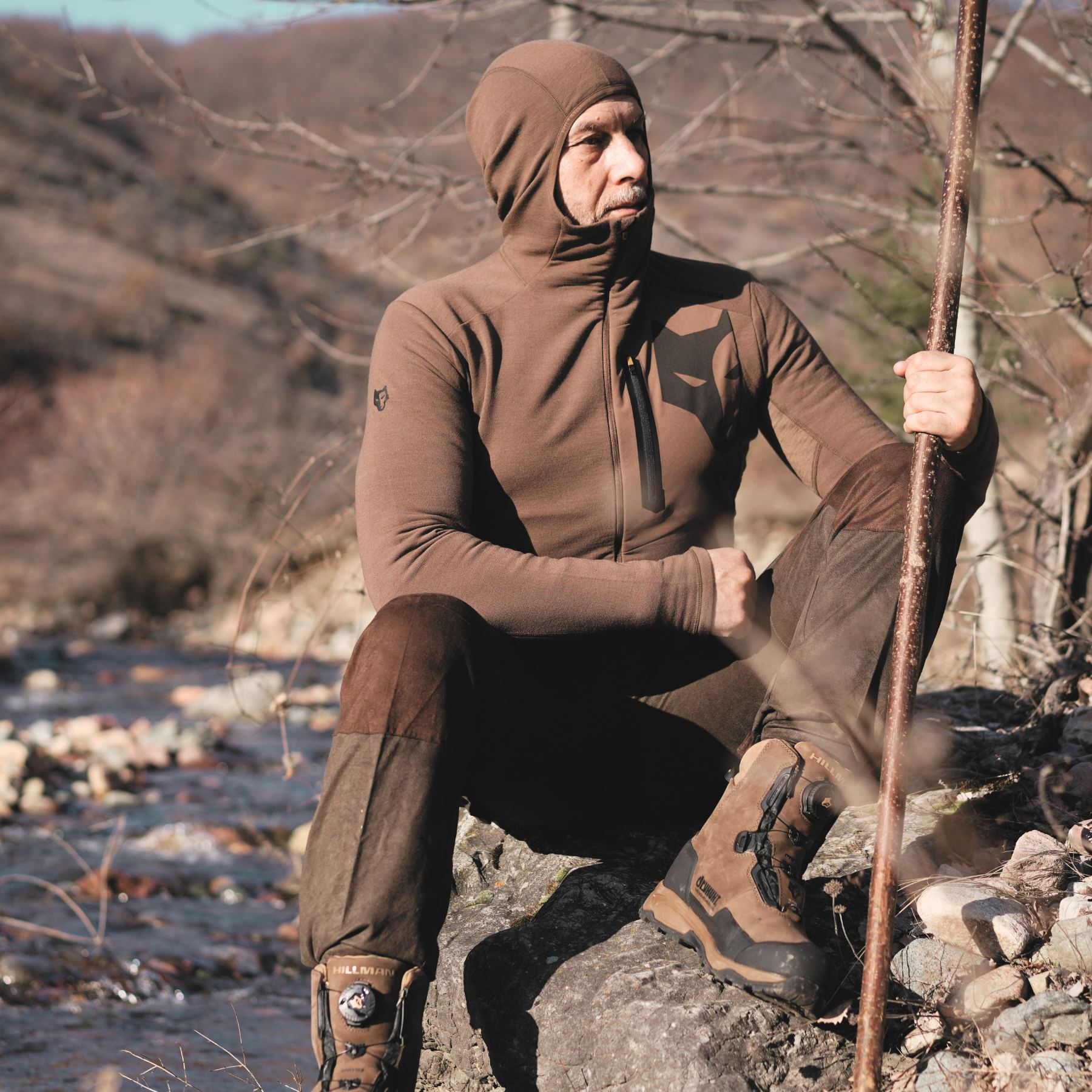
3ML Hunting Hoodie - Warmest Merino Wool Mid Layer | Synertech™
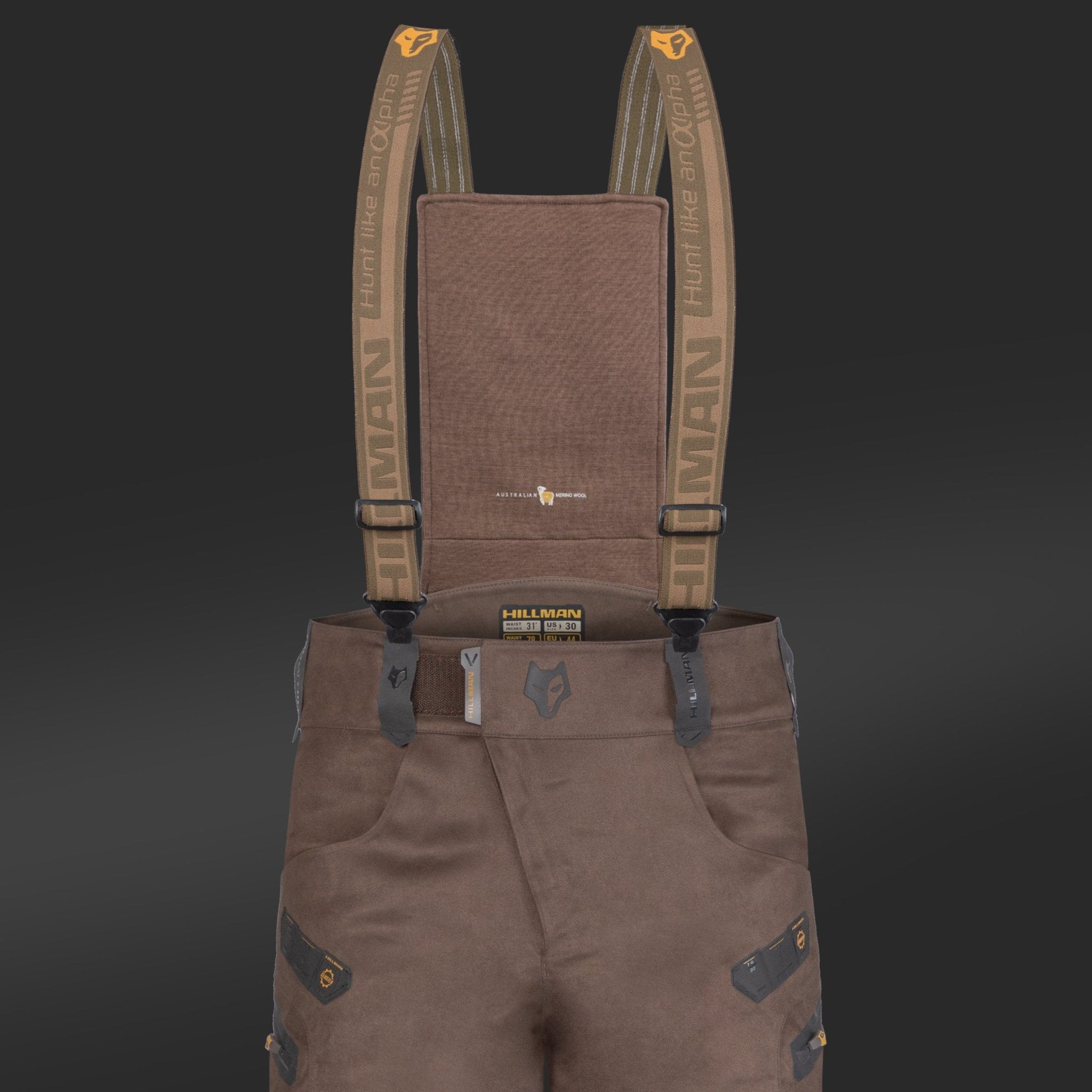
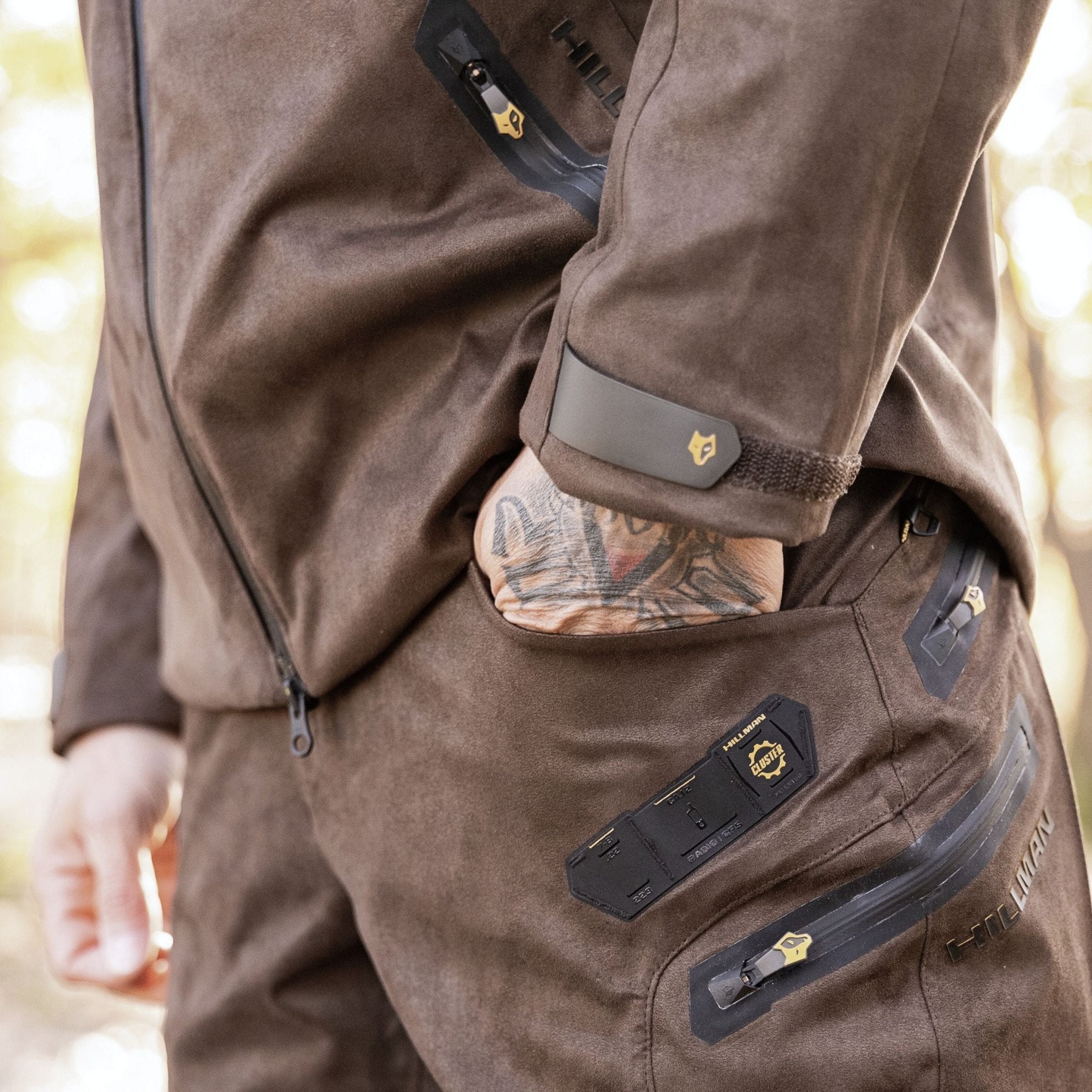
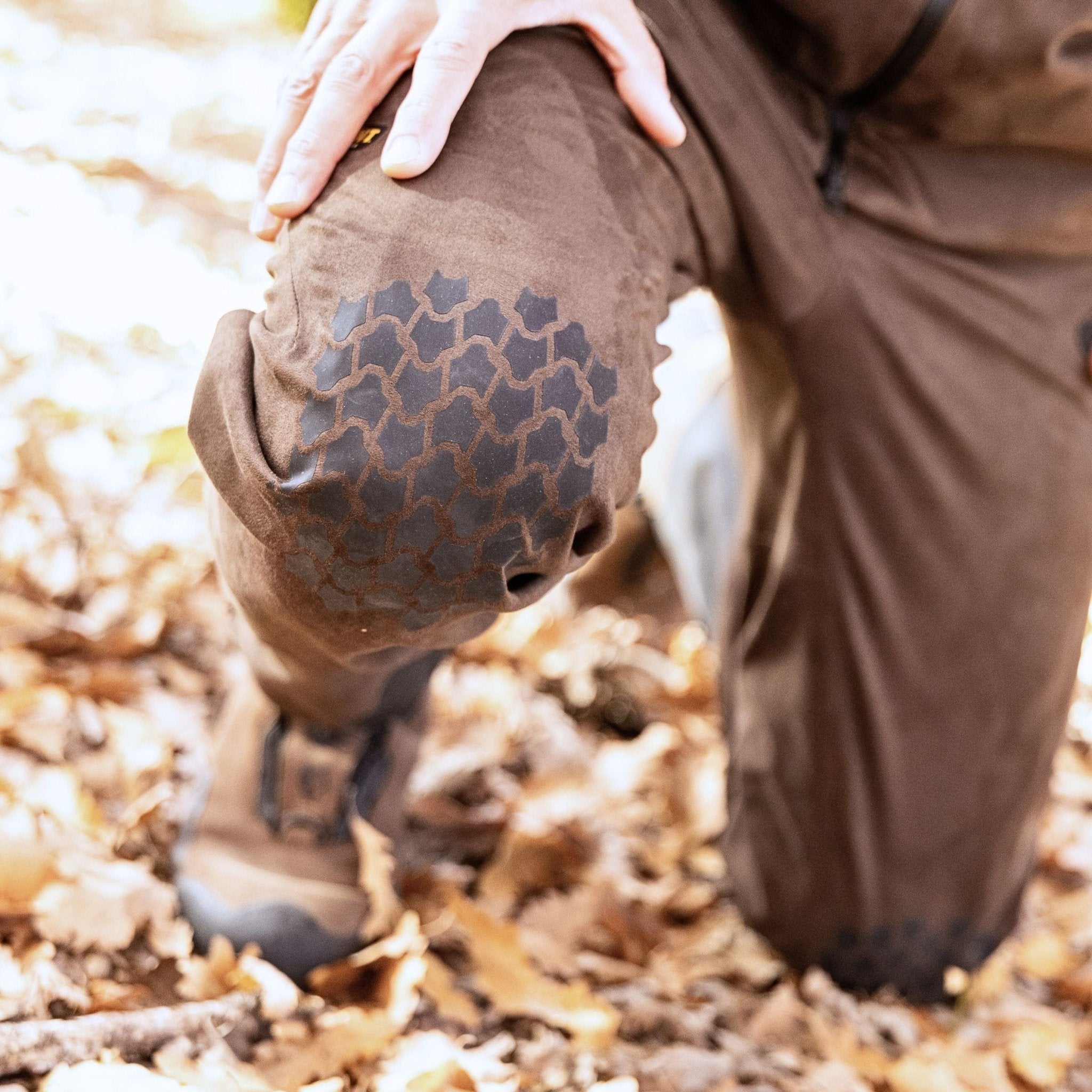
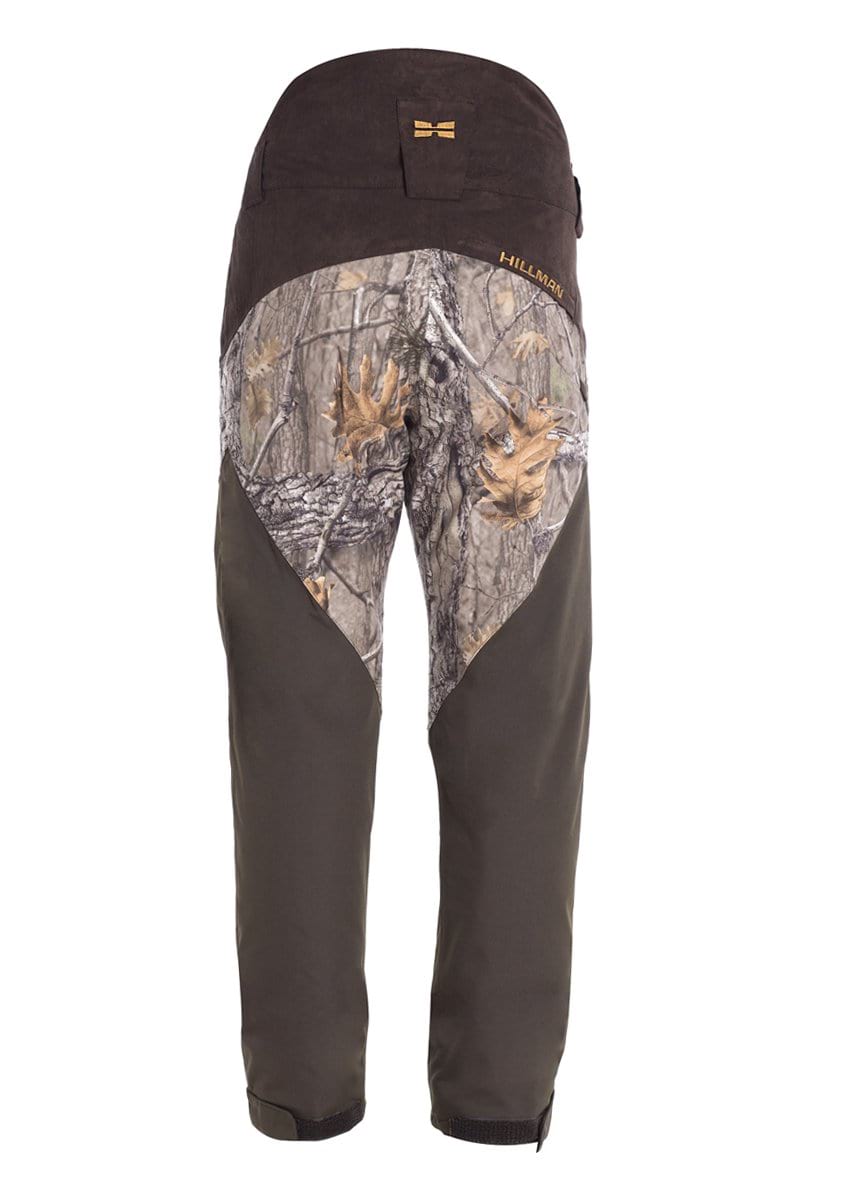
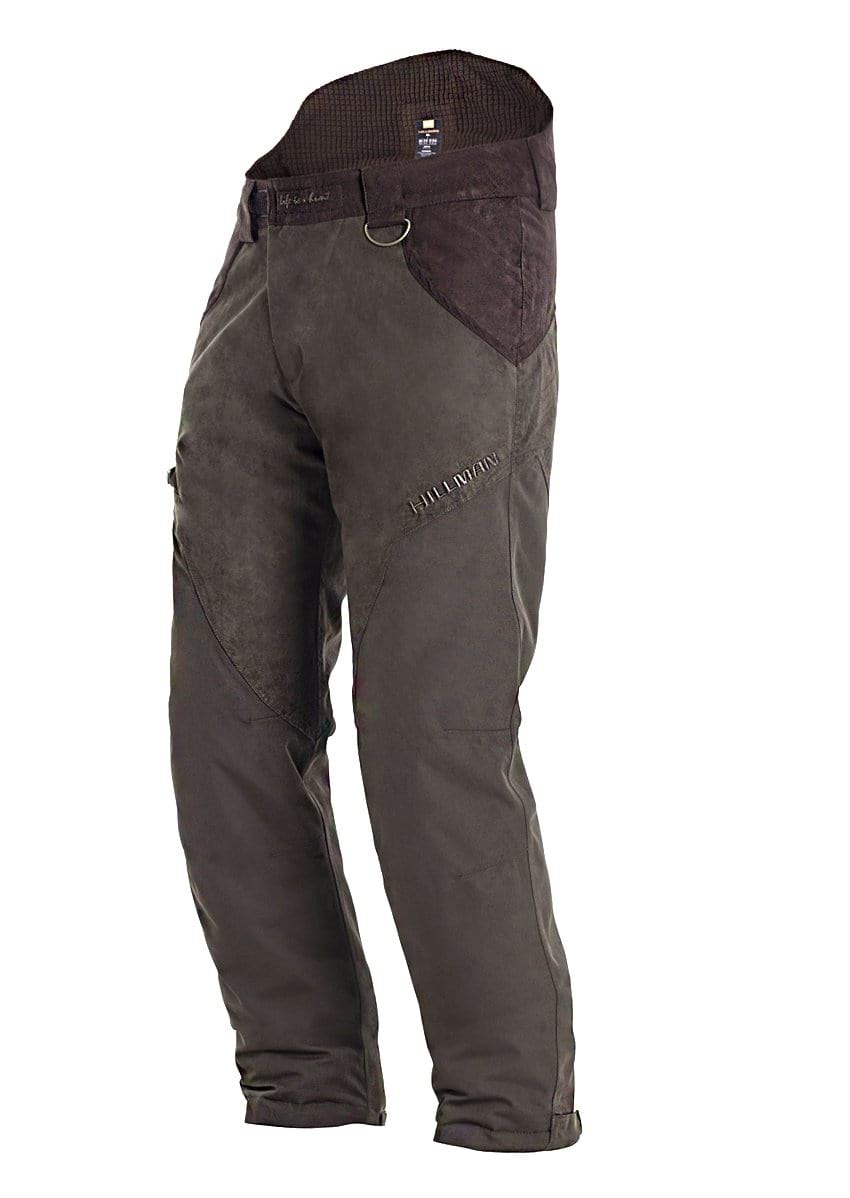
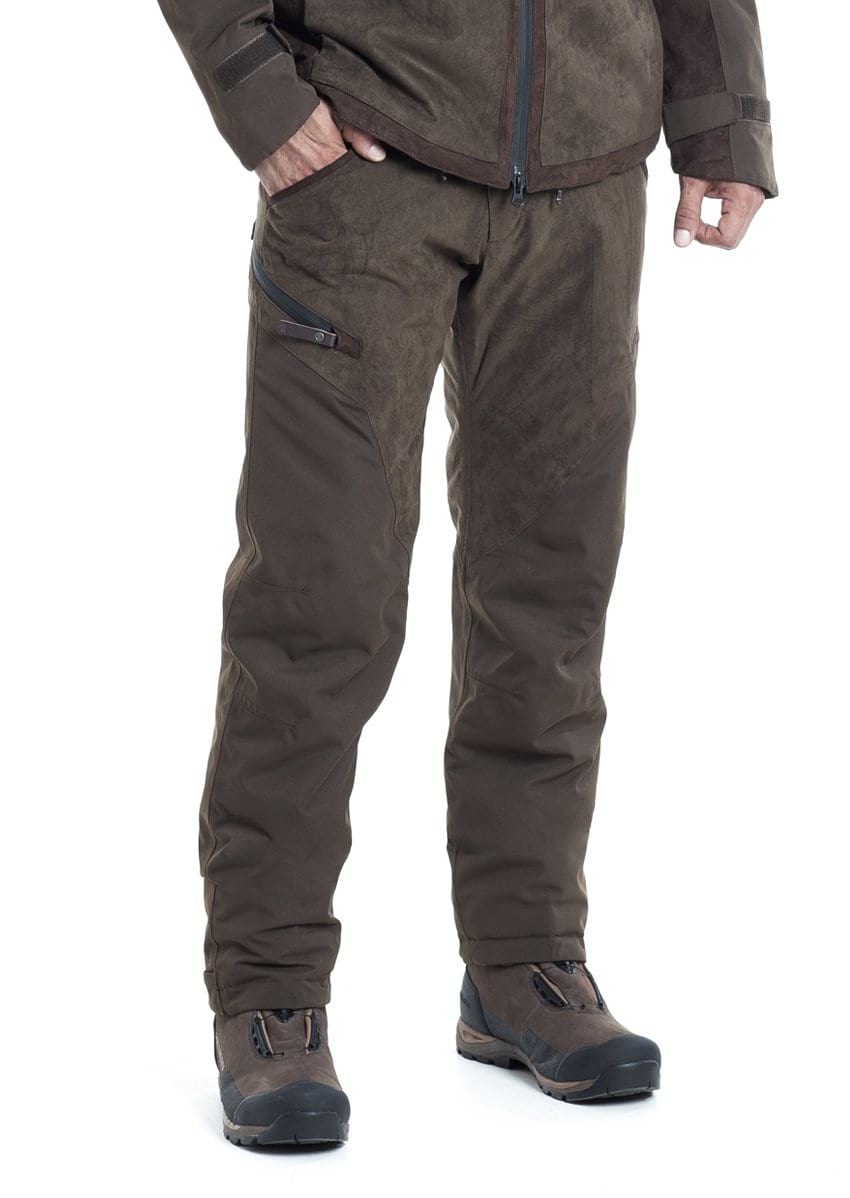
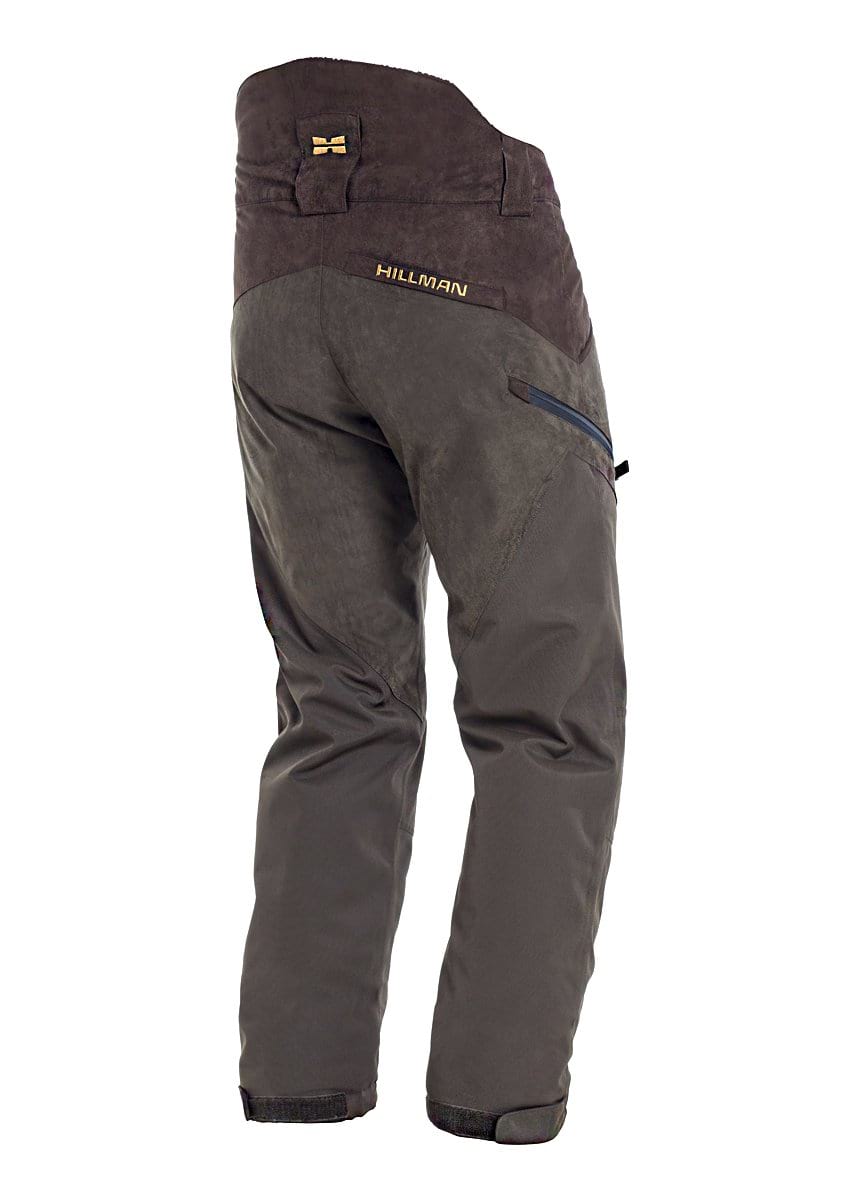
Winter Hunting Pants - Cold Weather | AlphaShell 6OL
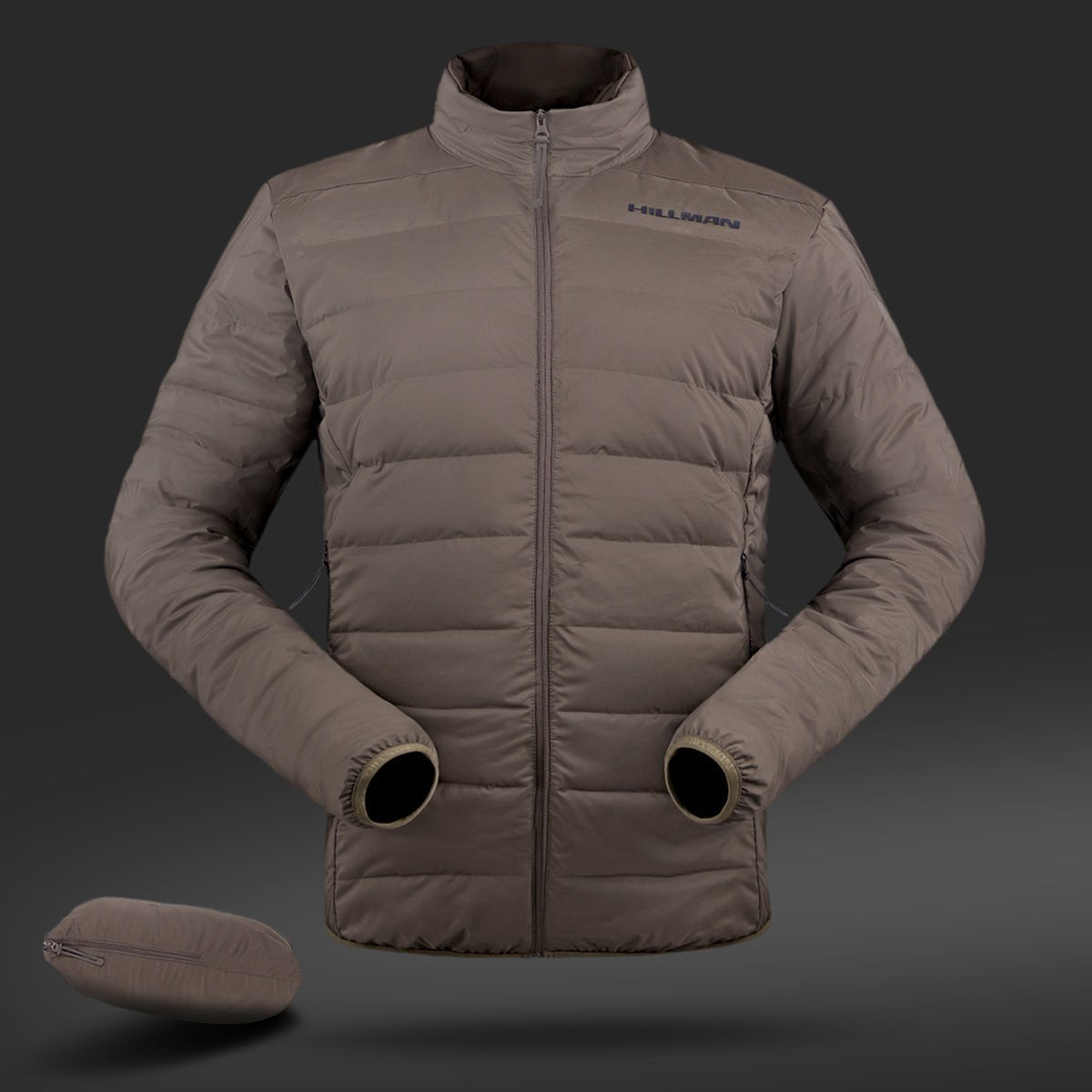
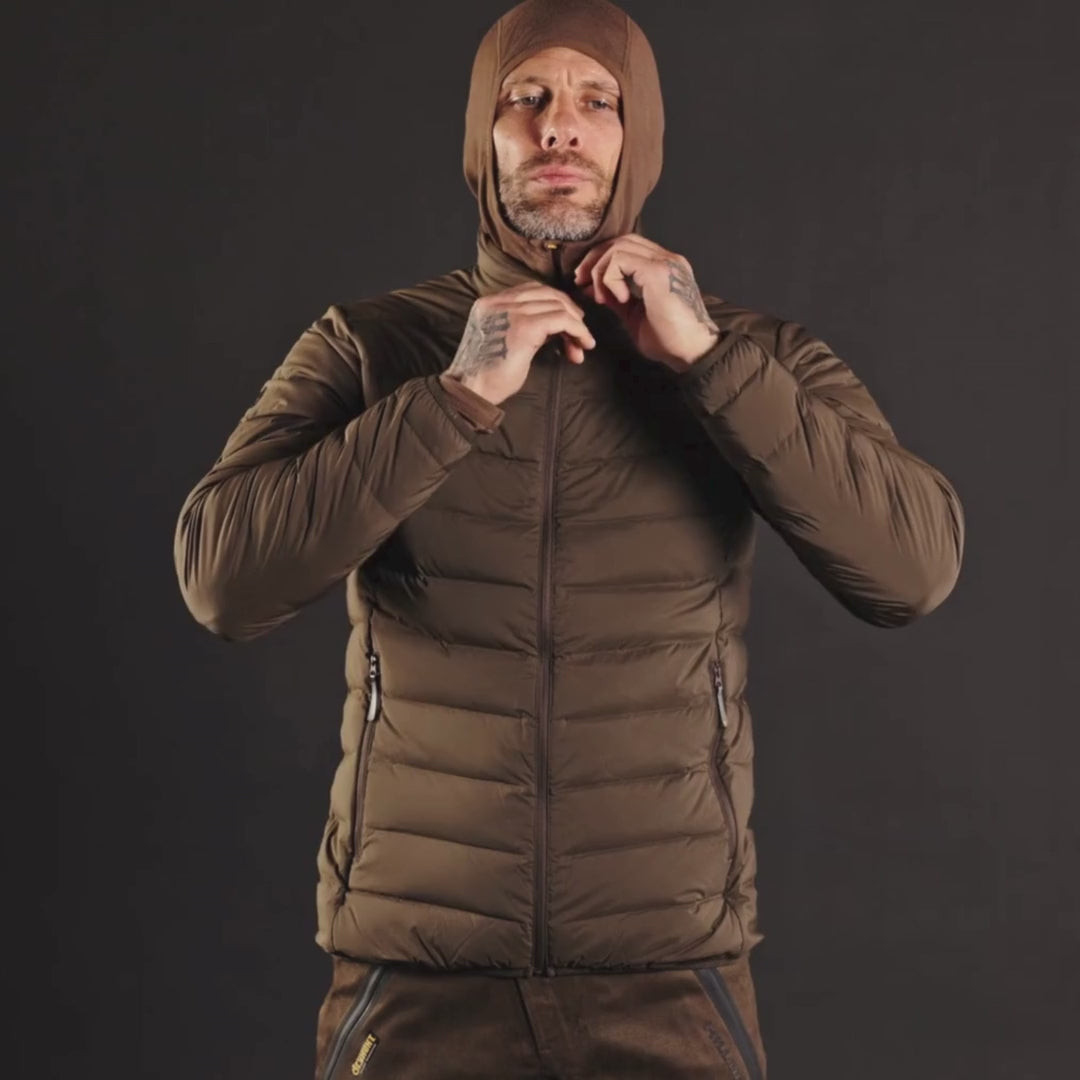
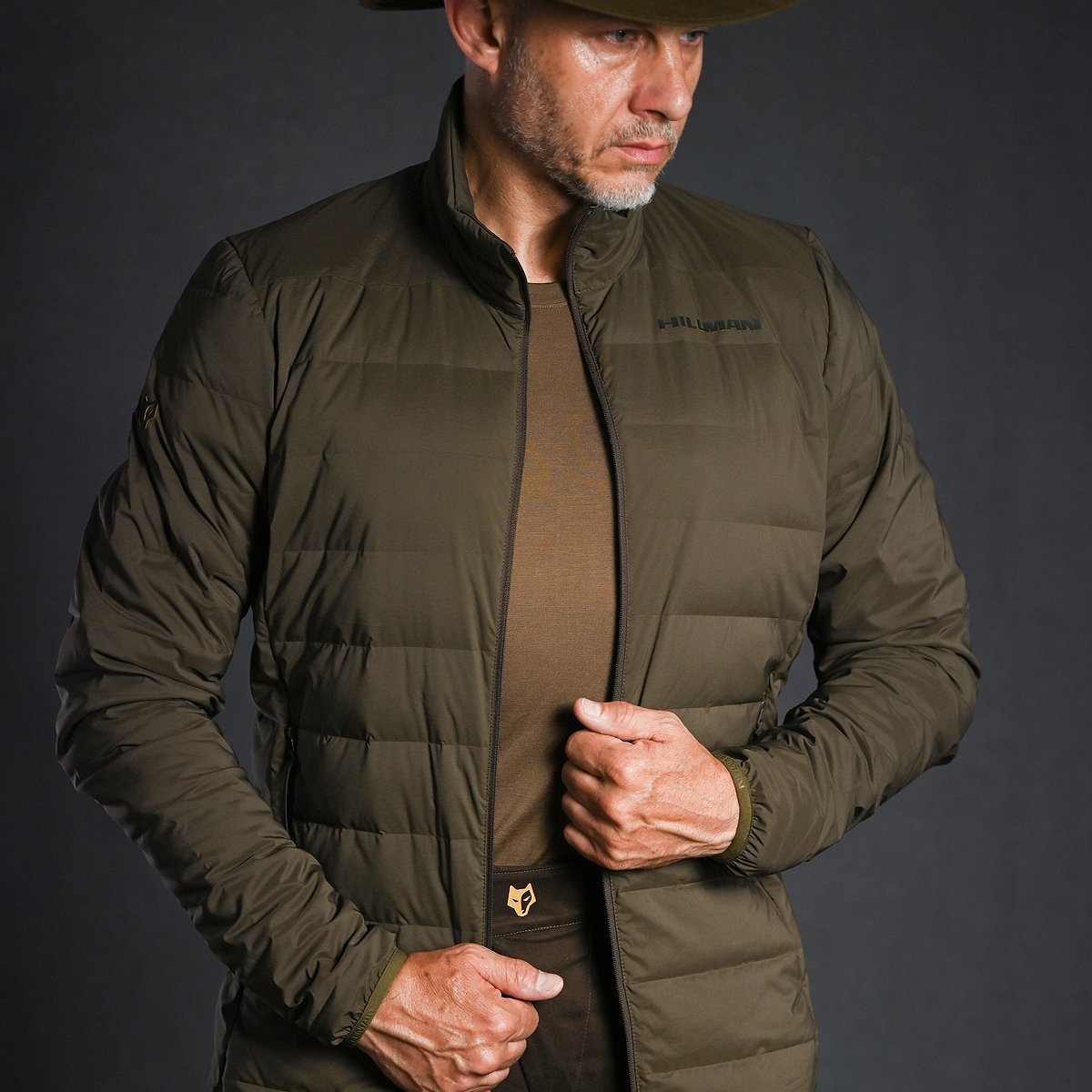
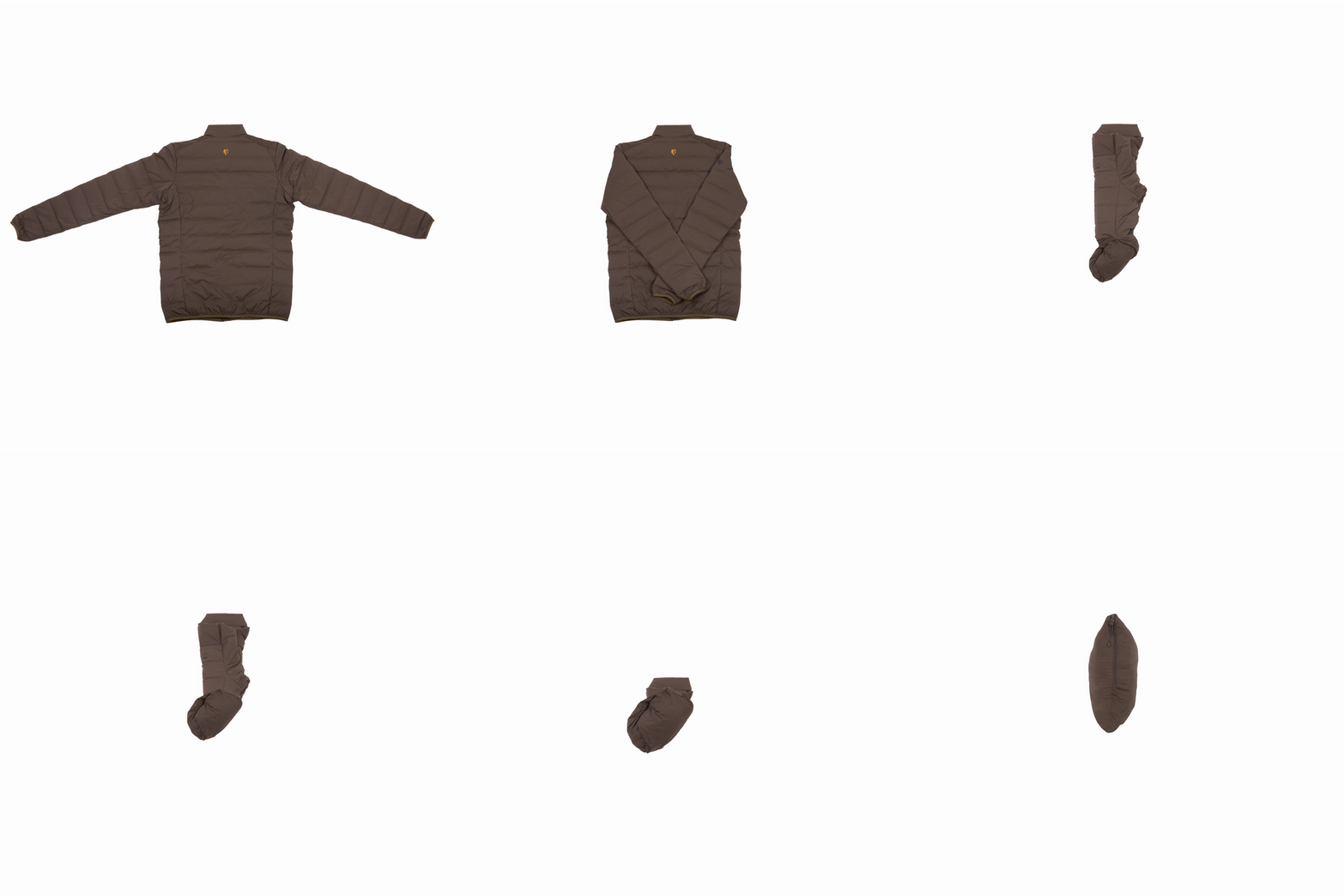
4IL Hunting Down Jacket - Packable Puffy Coat - 1000FP Puffer
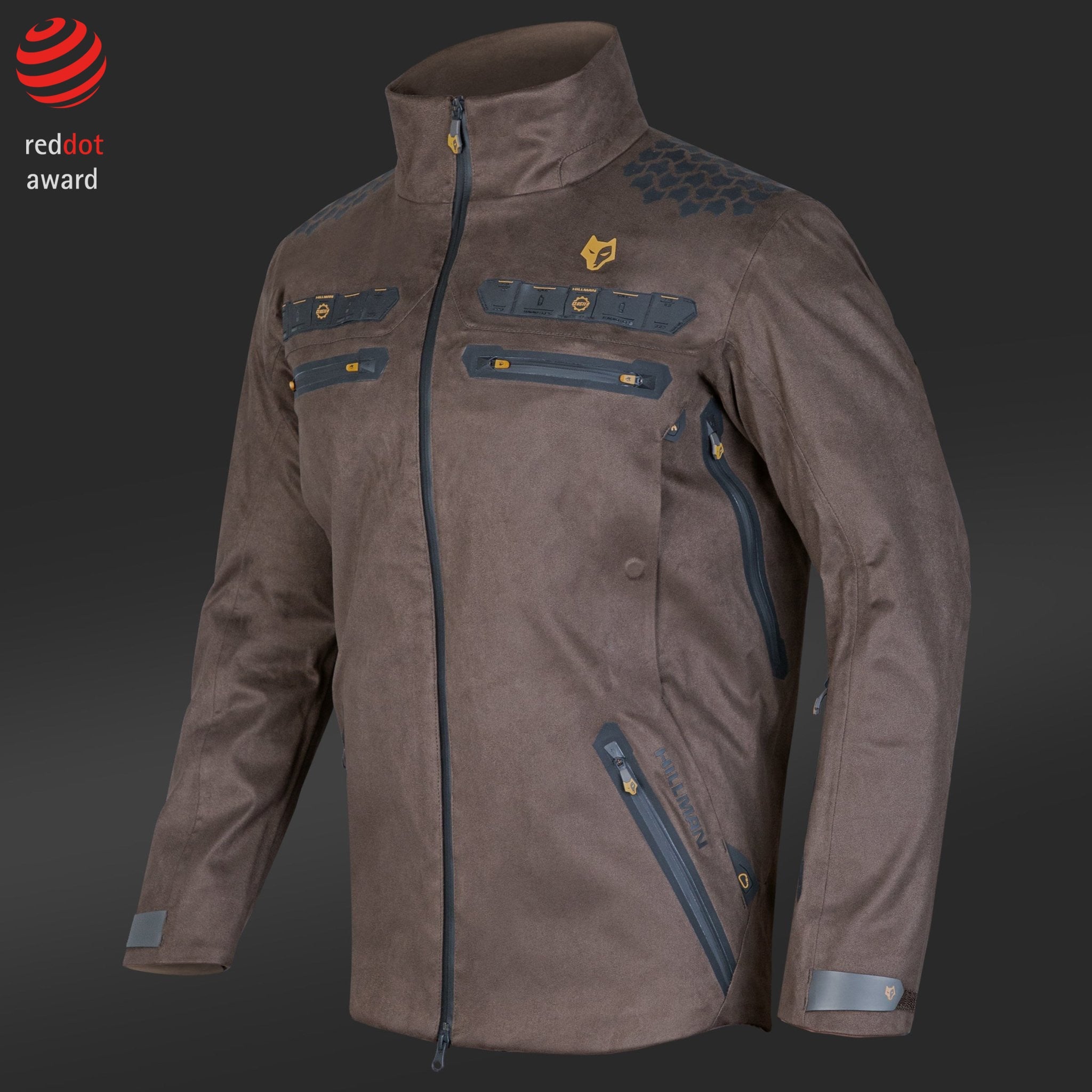
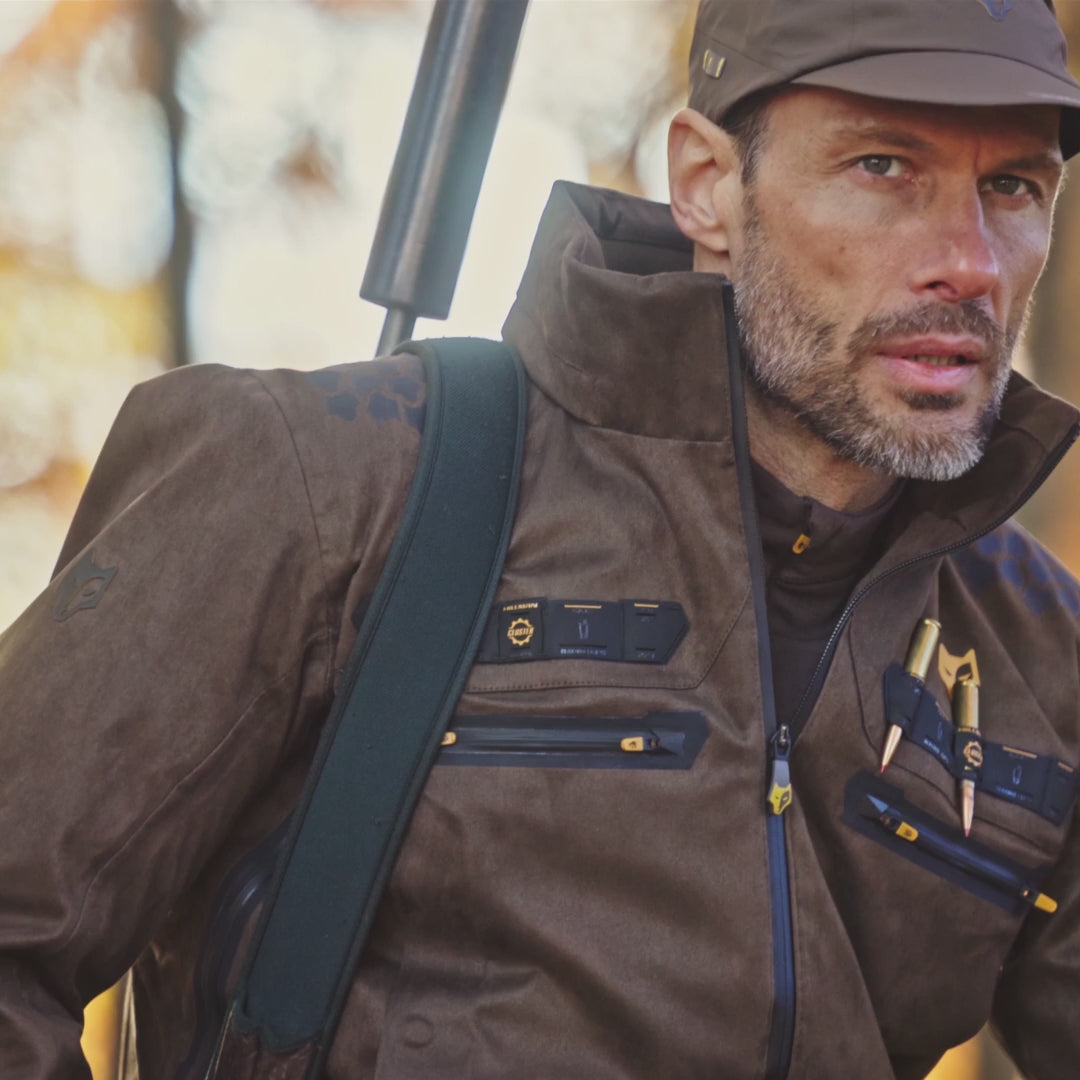
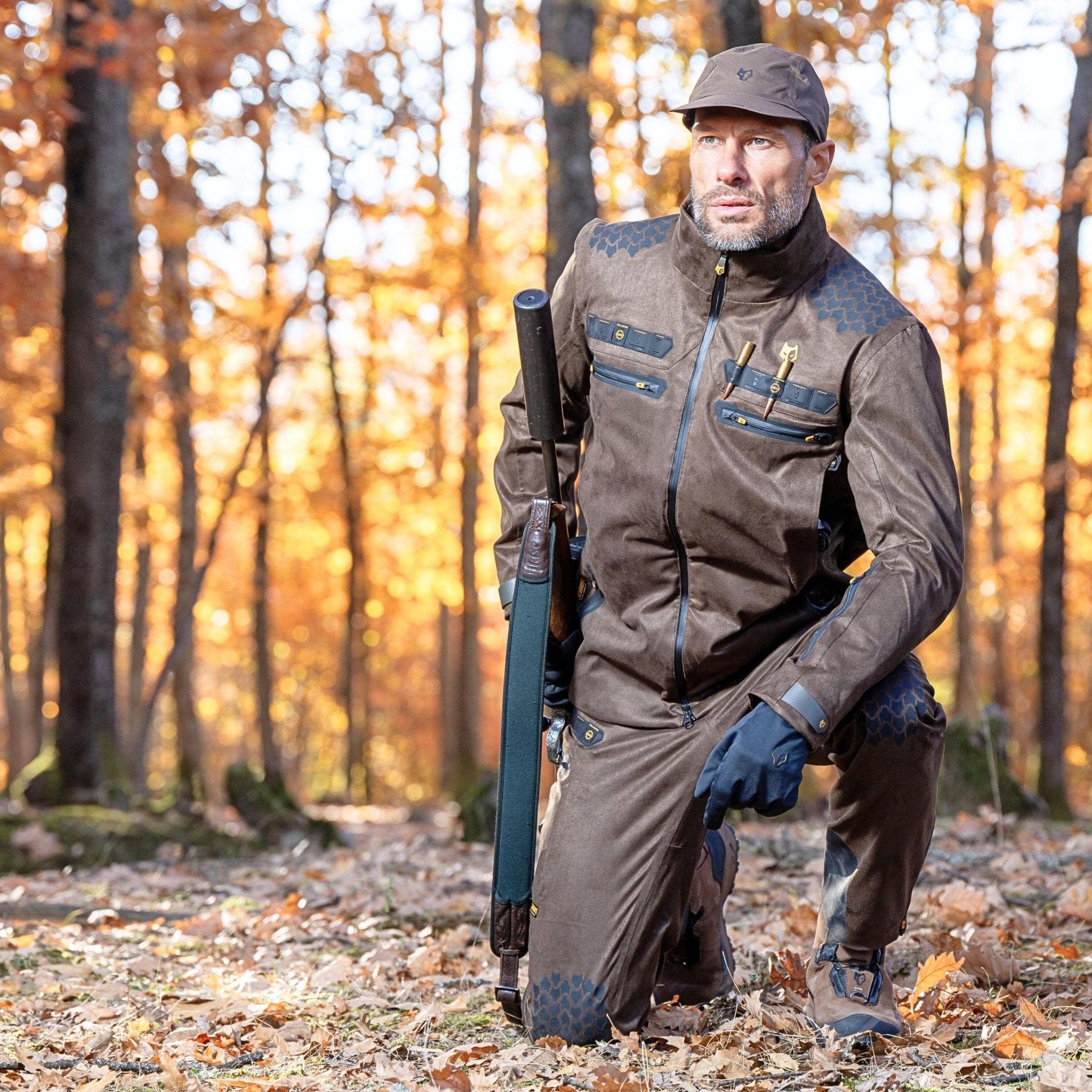
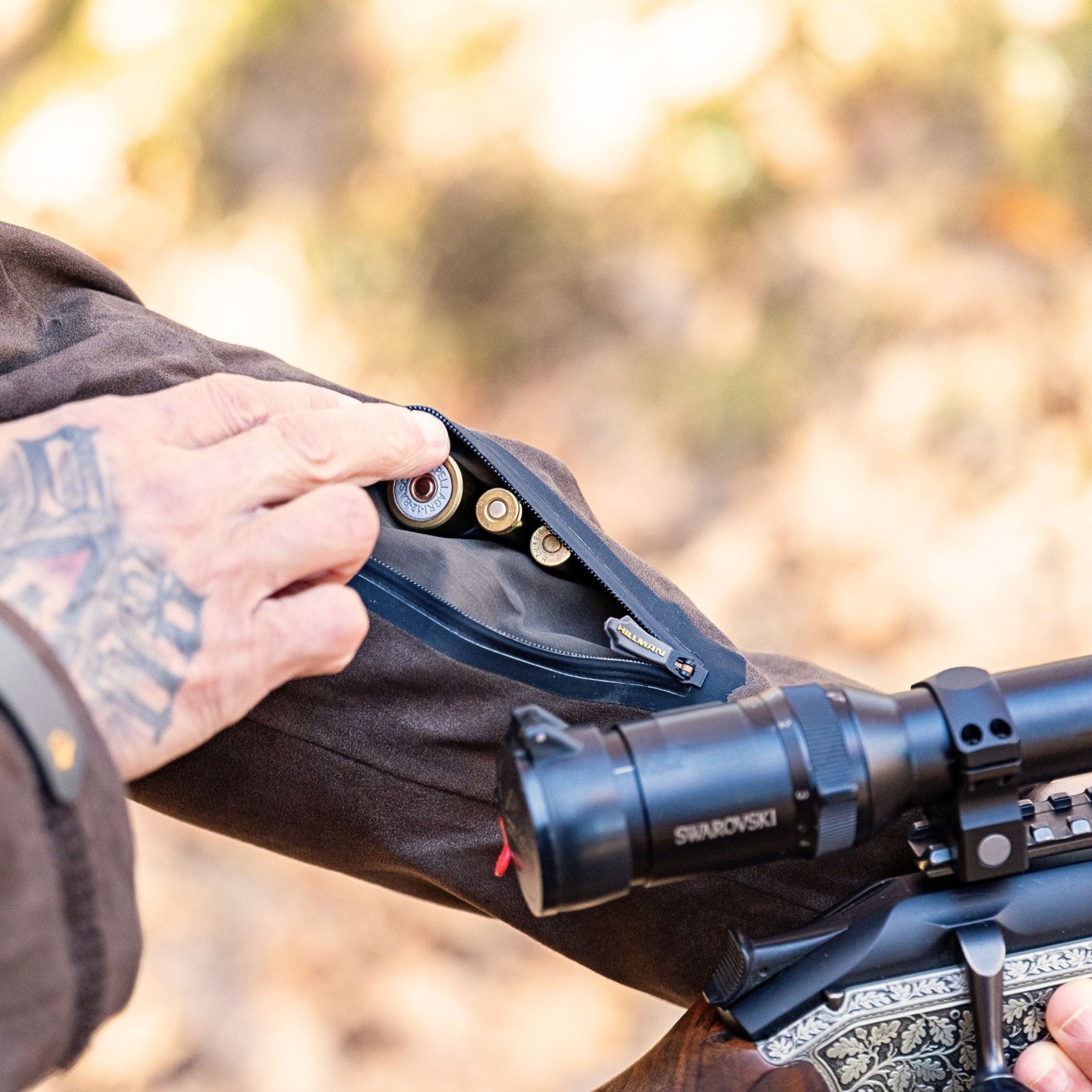
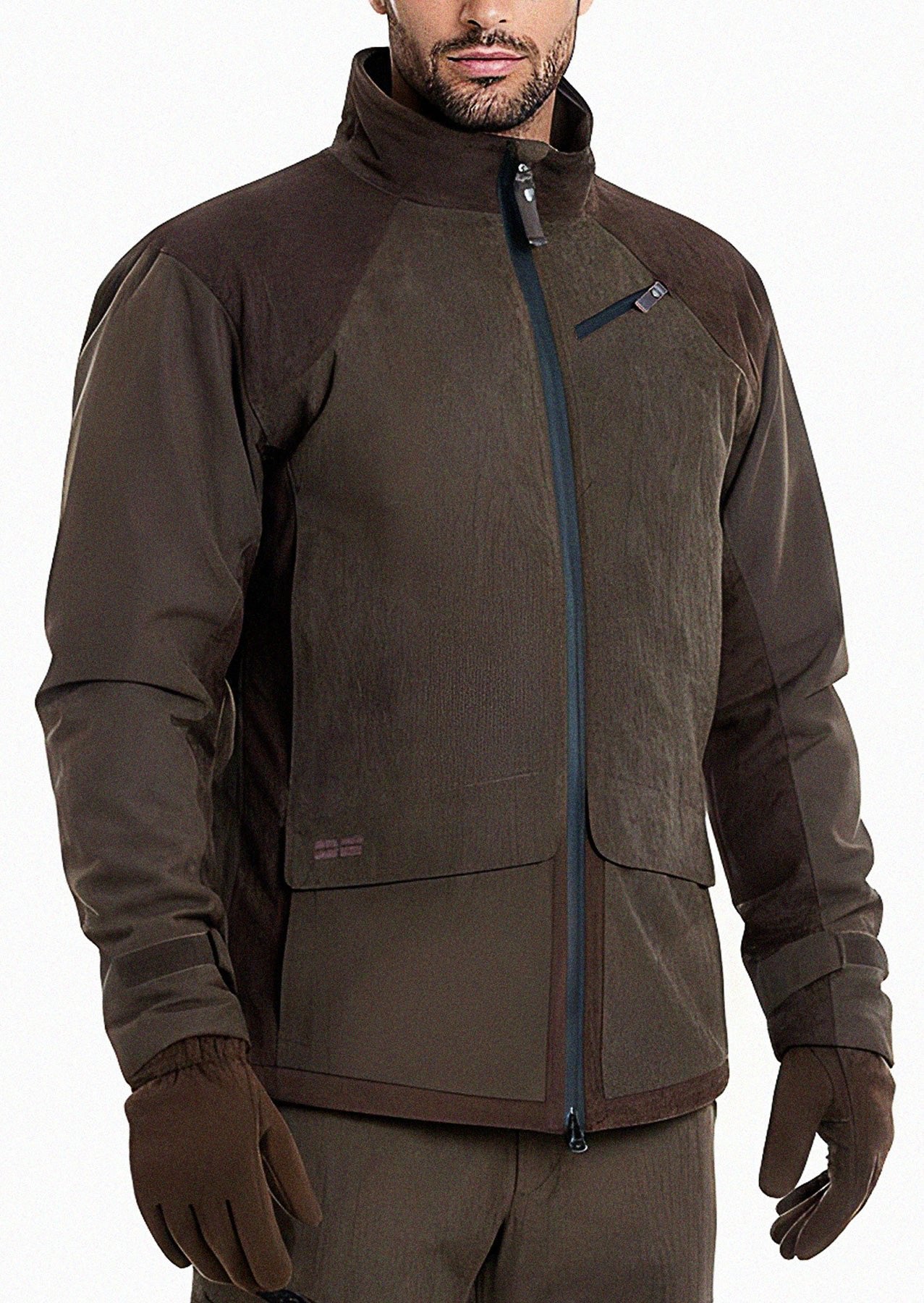
Winter Hunting Jacket - Cold Weather AlphaShell | 6OL
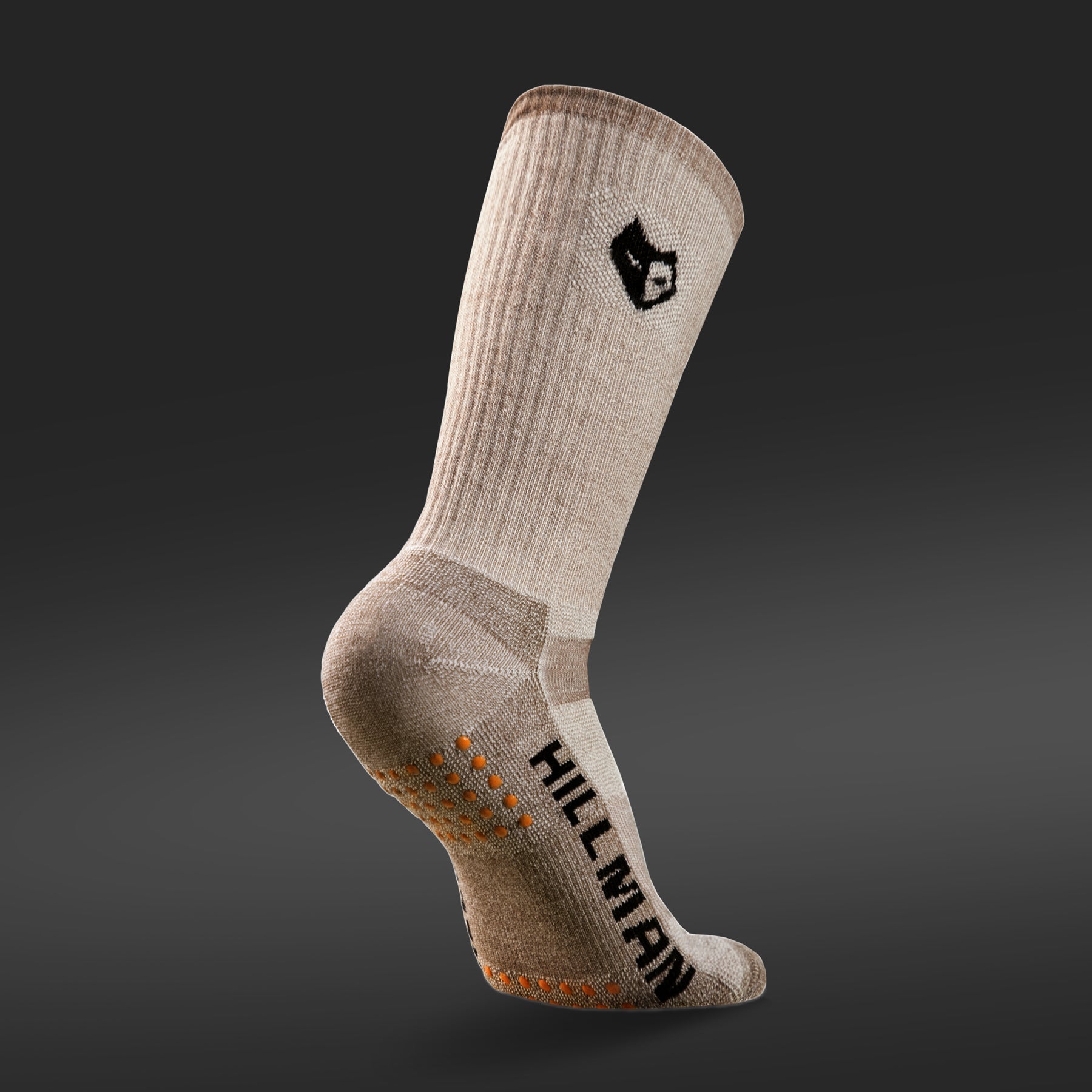
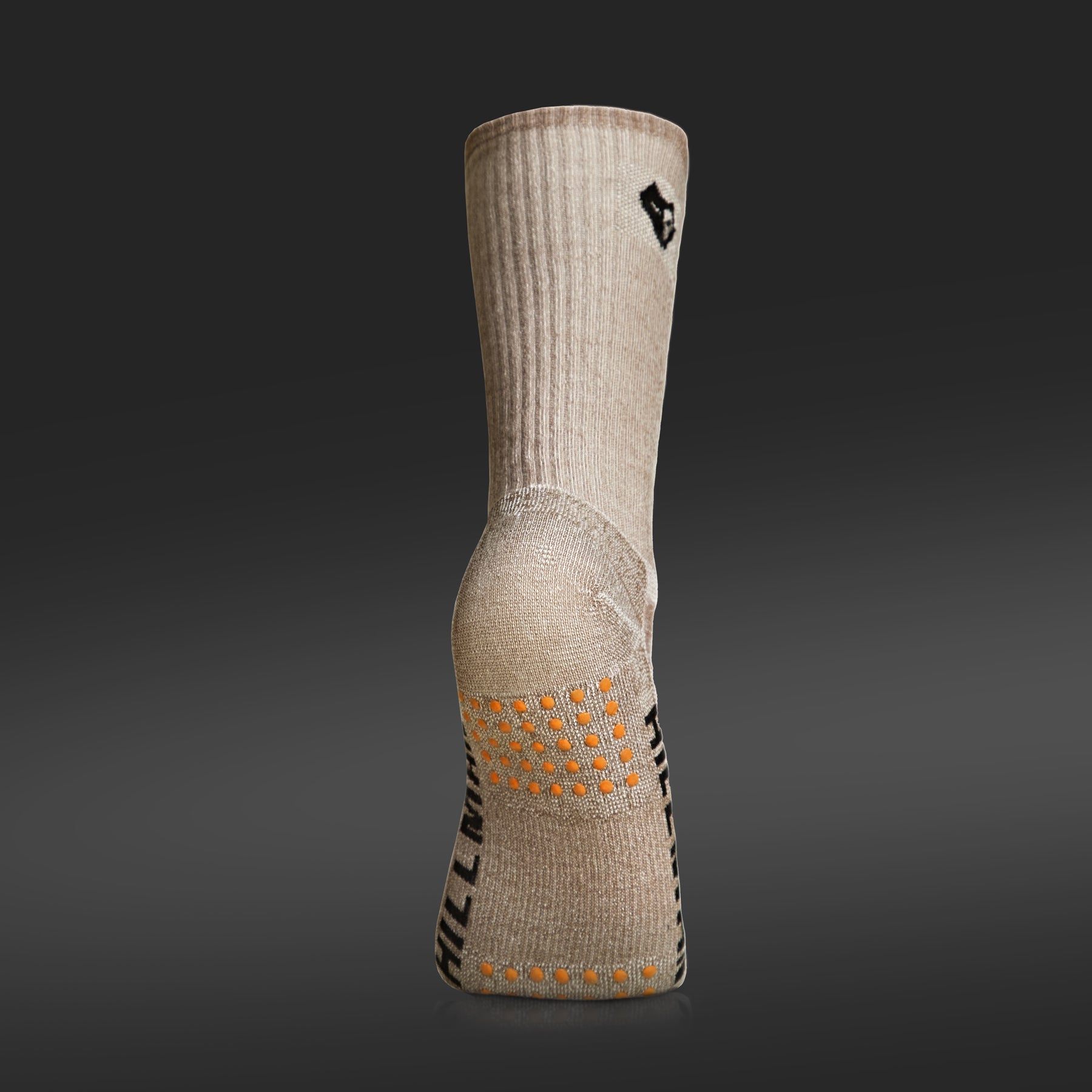
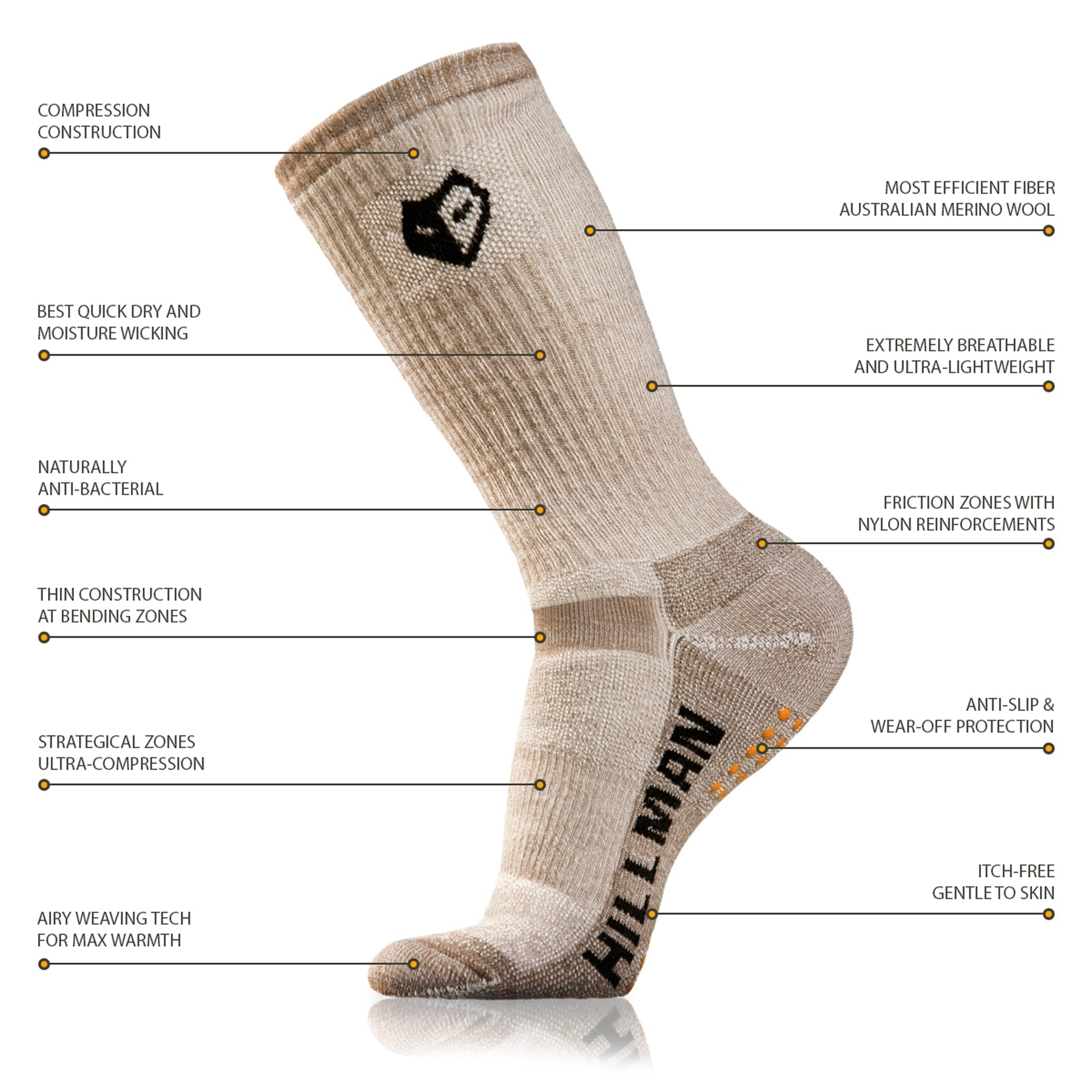
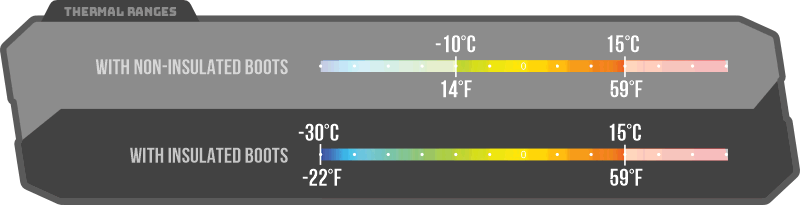
Ultrawarm merino hunting socks [HC]
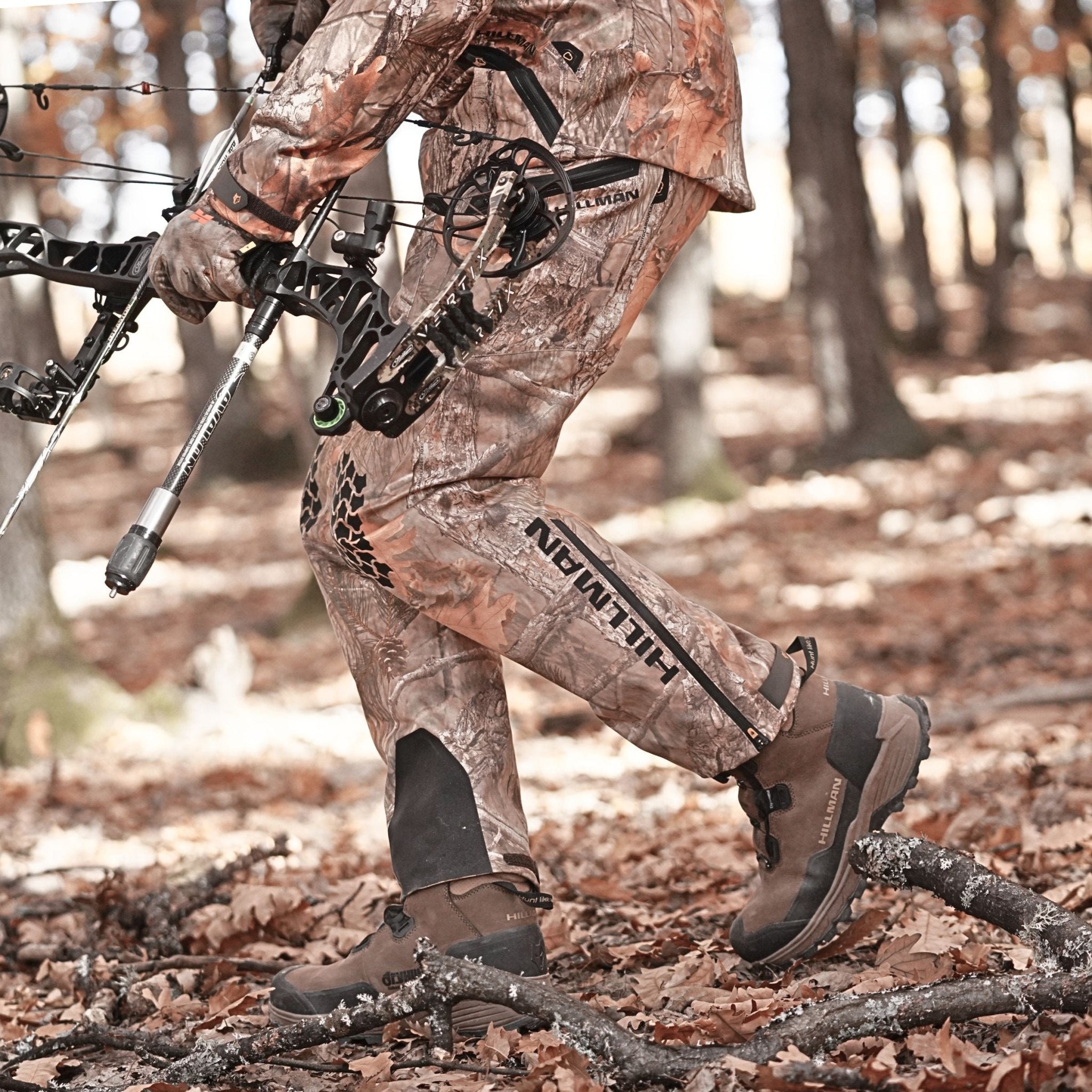
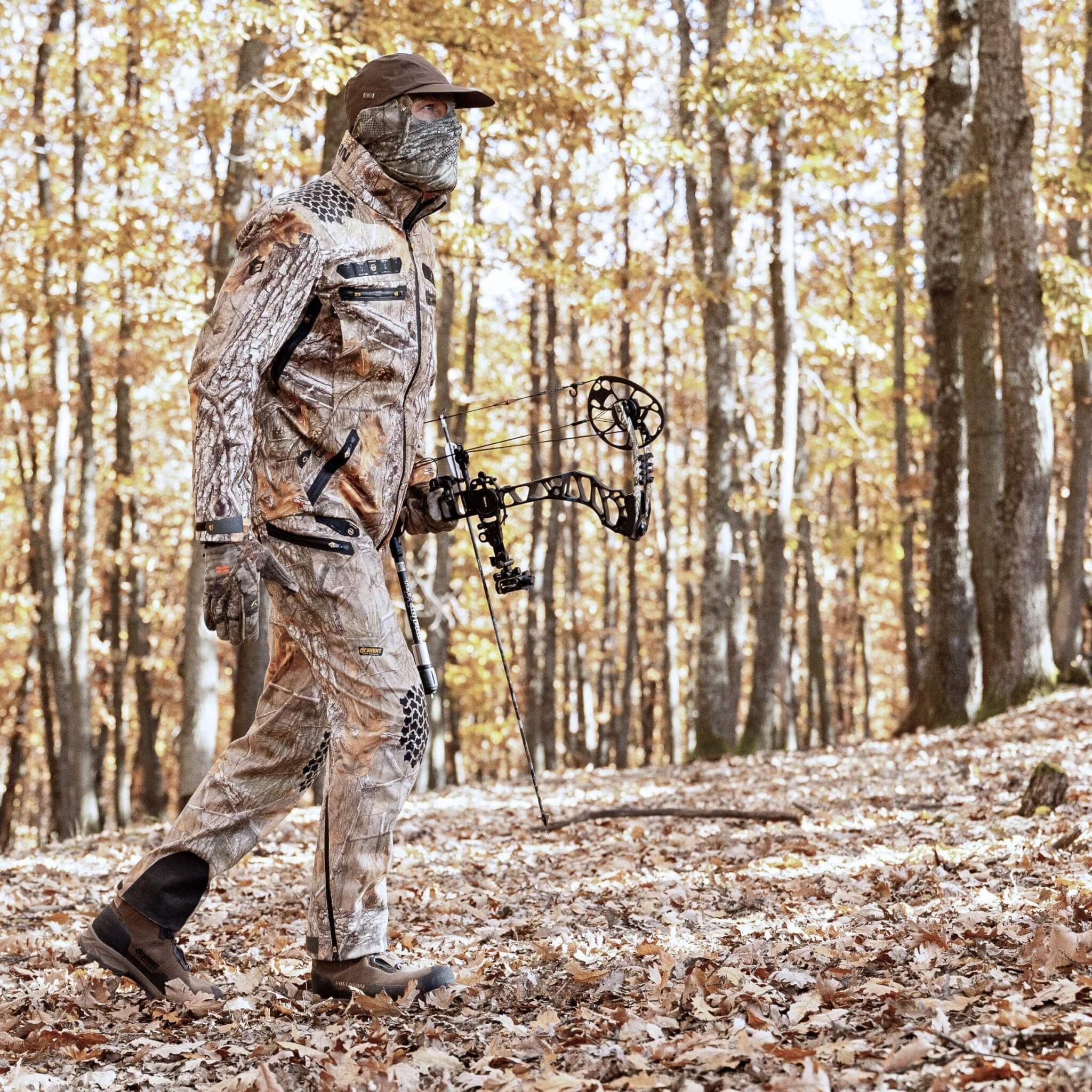
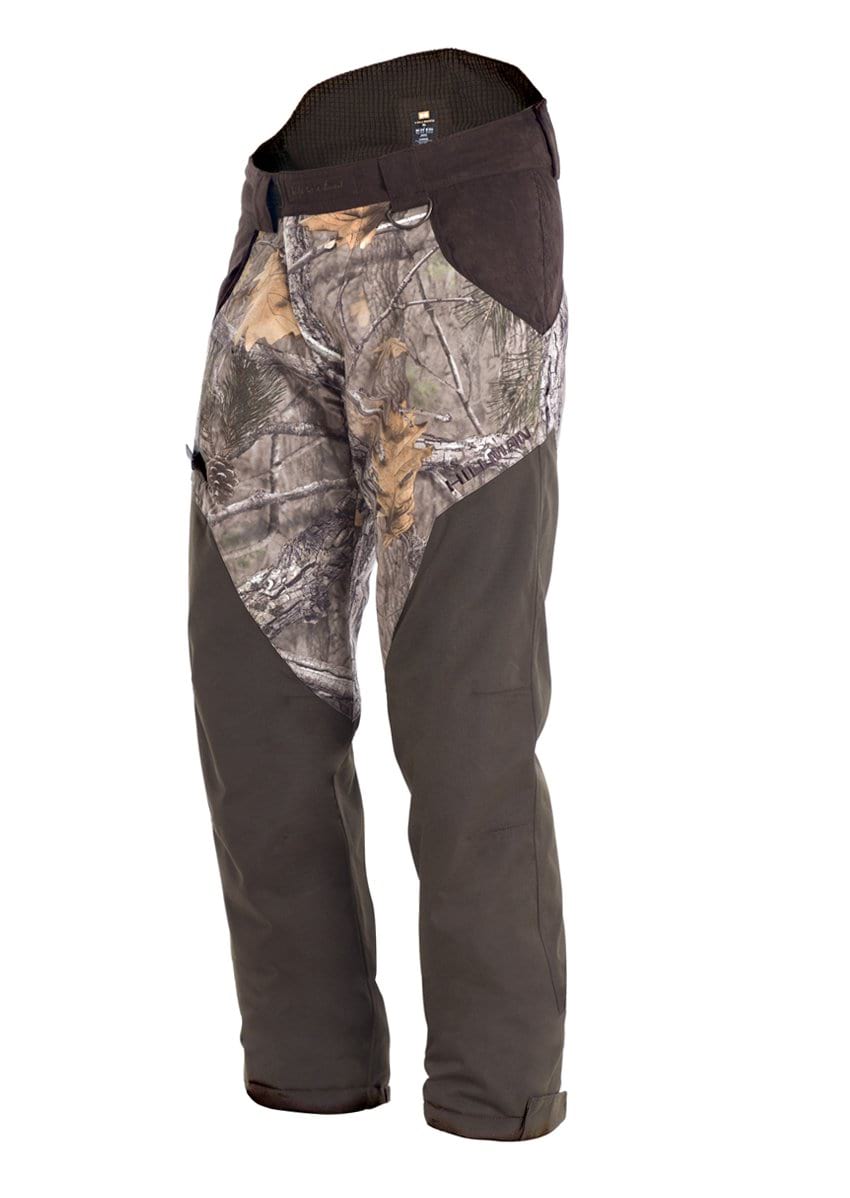
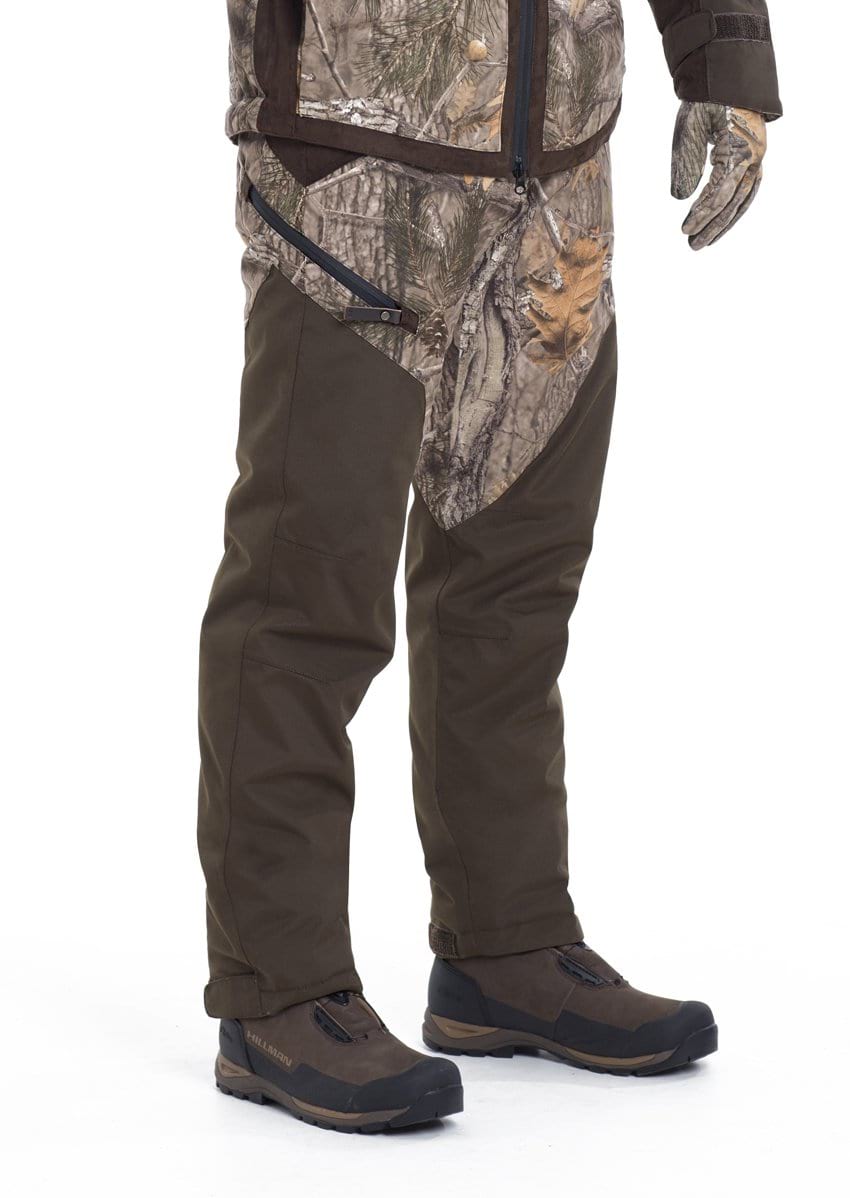
Cold Weather Camo Pants - Winter Hunting AlphaShell | 6OL
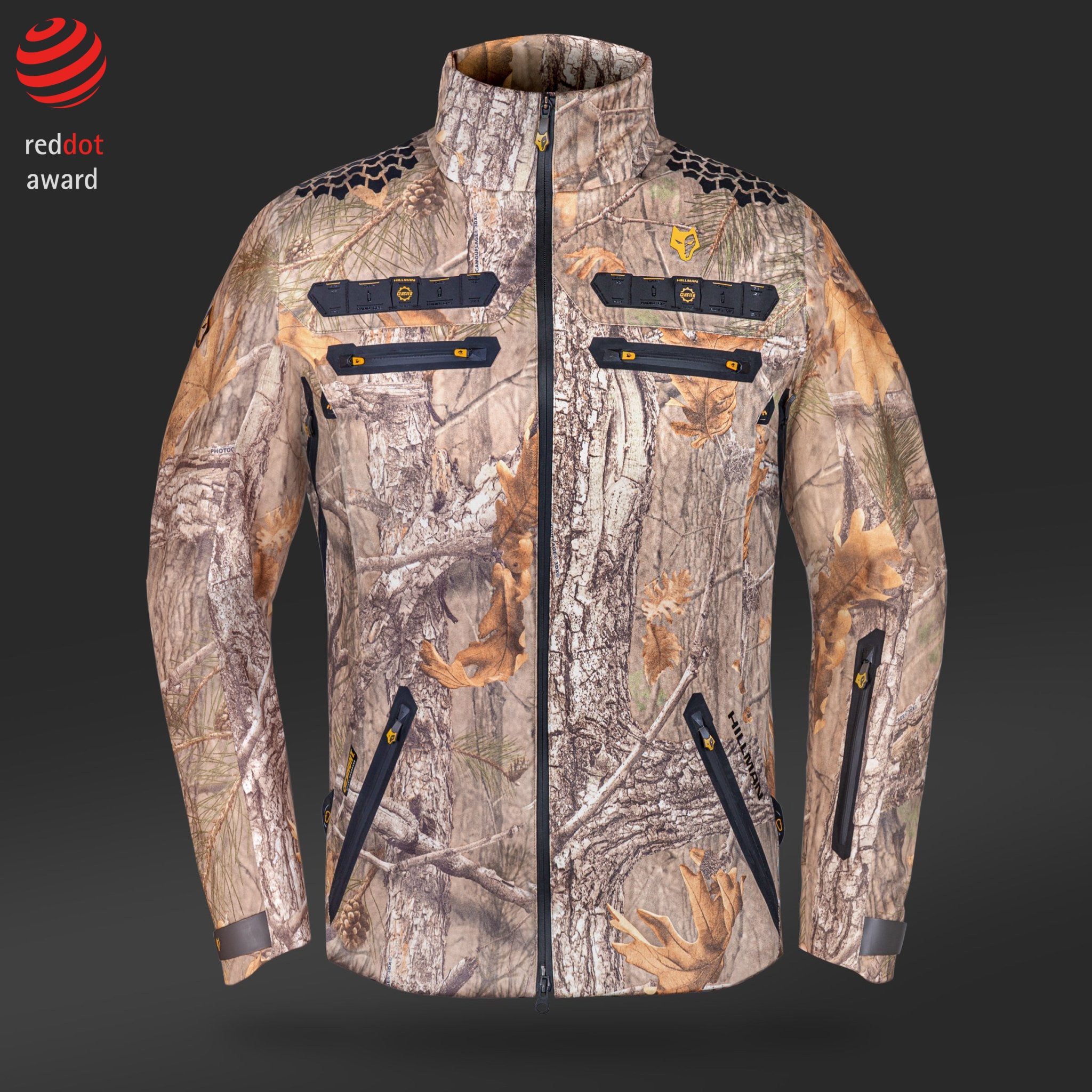
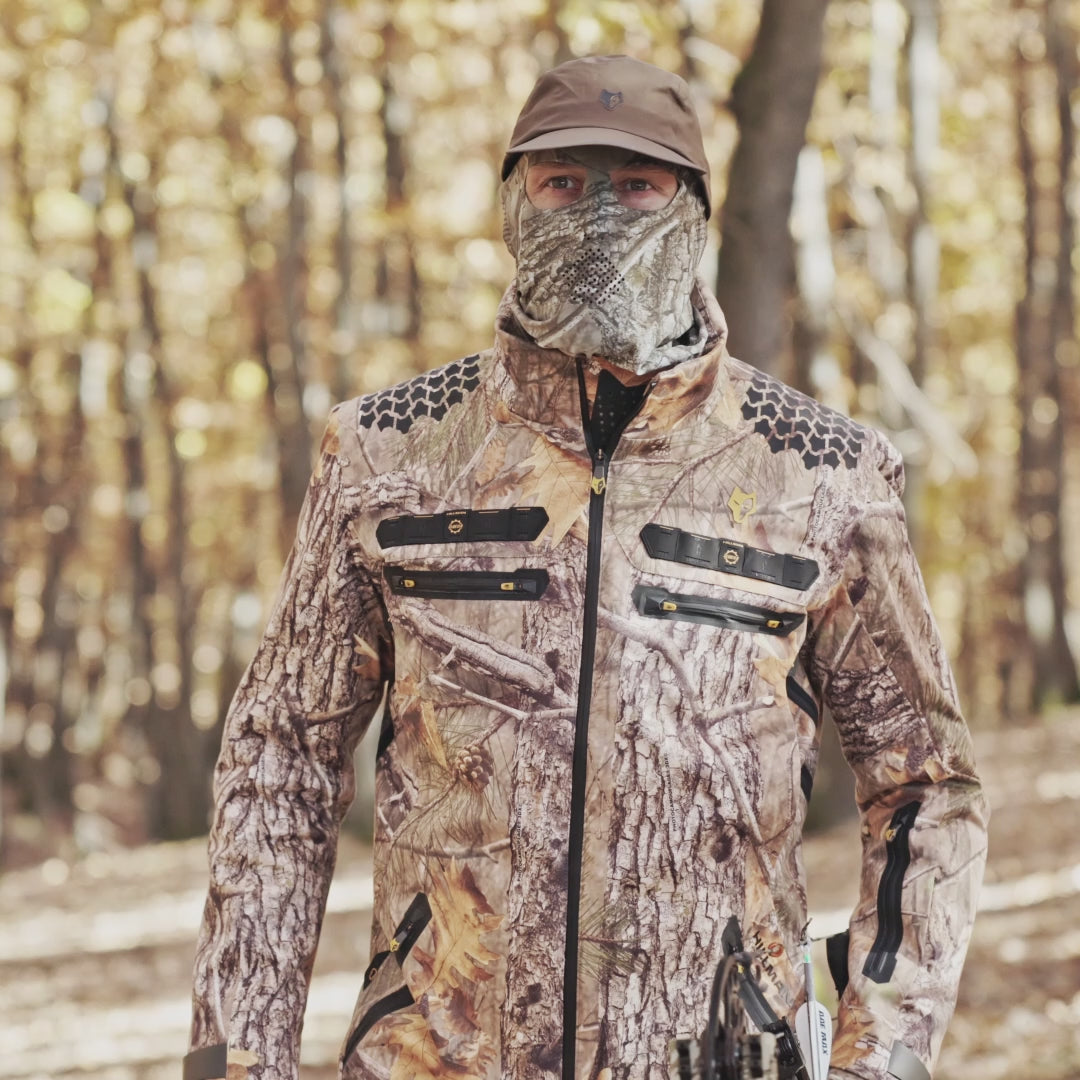
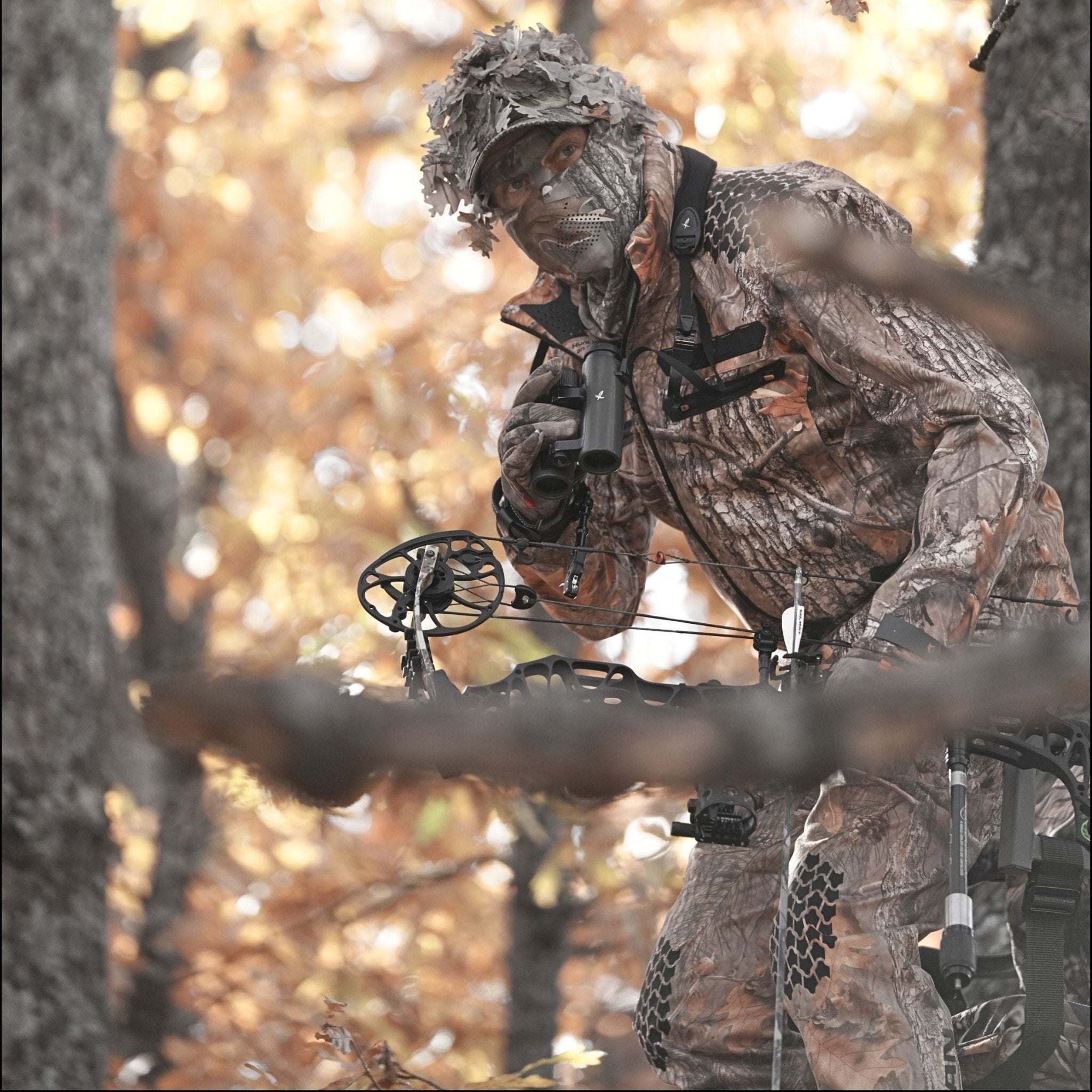
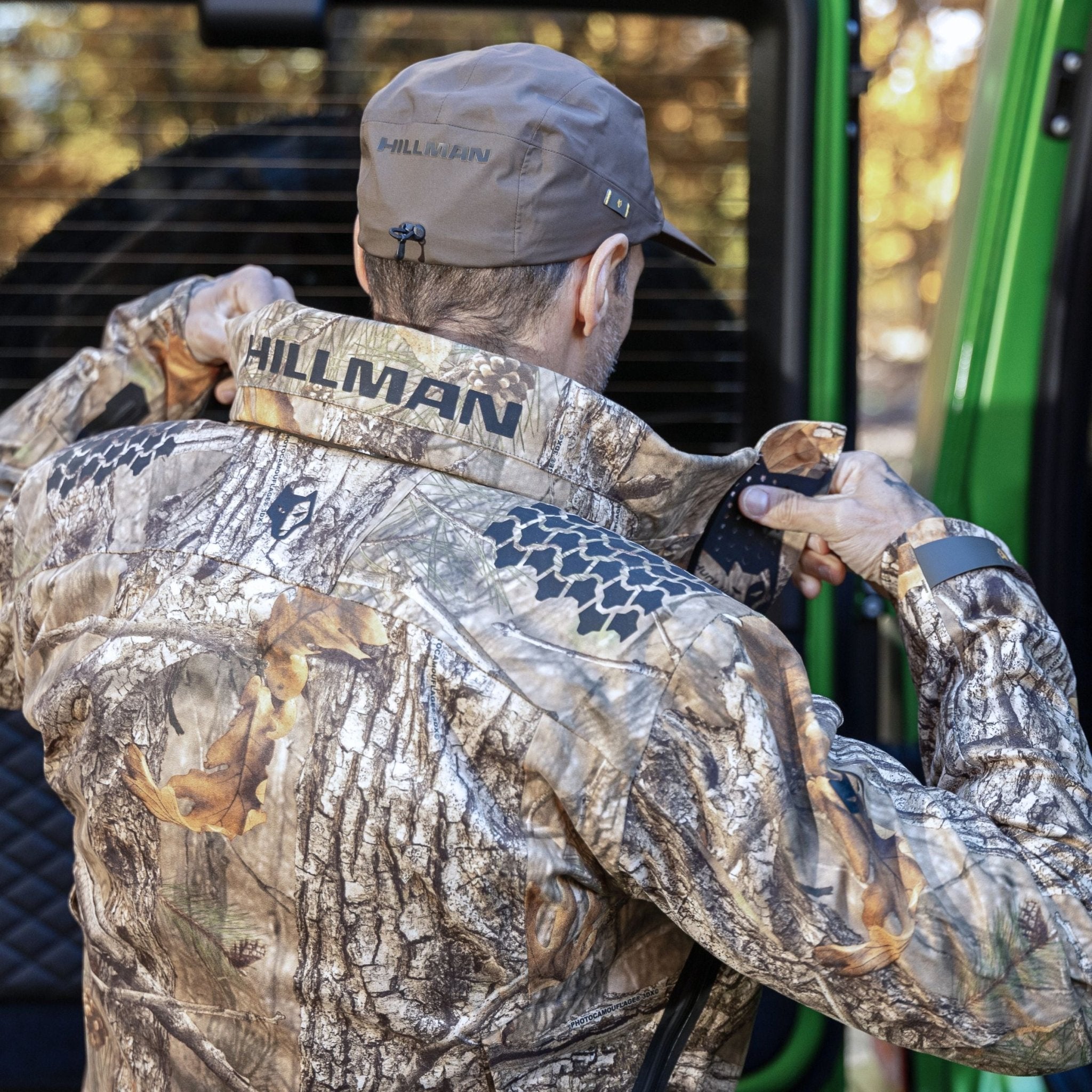
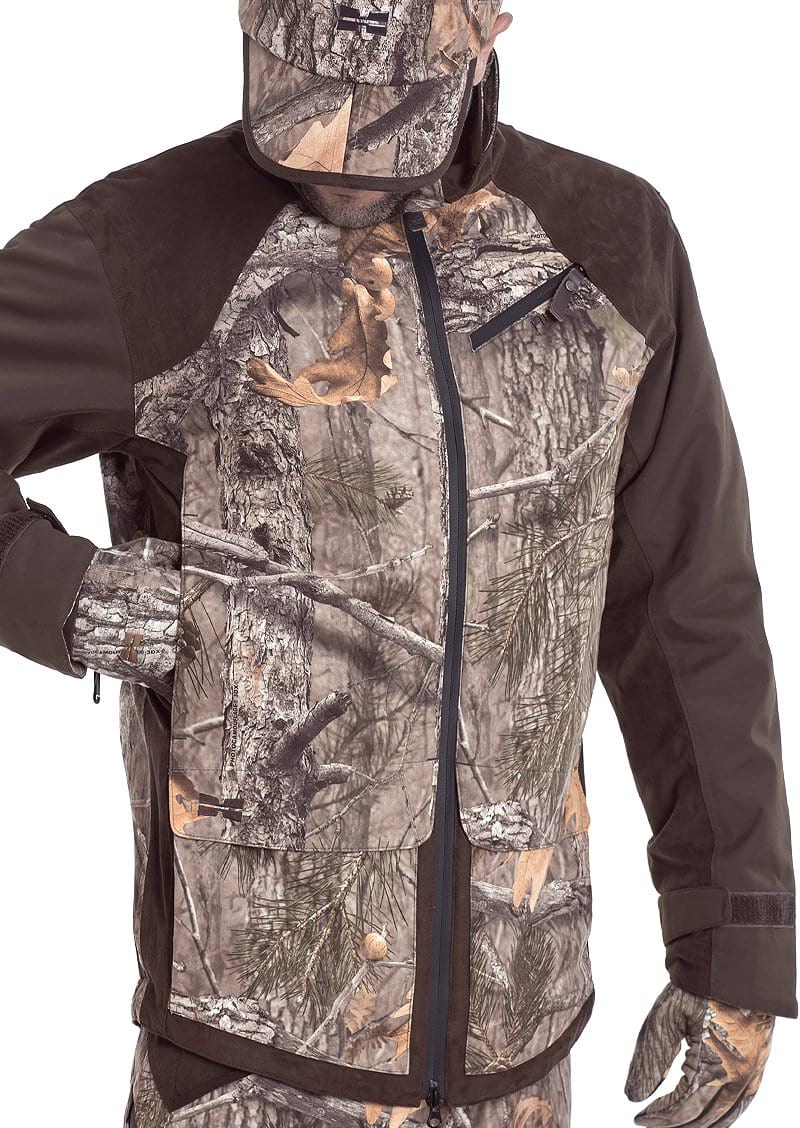
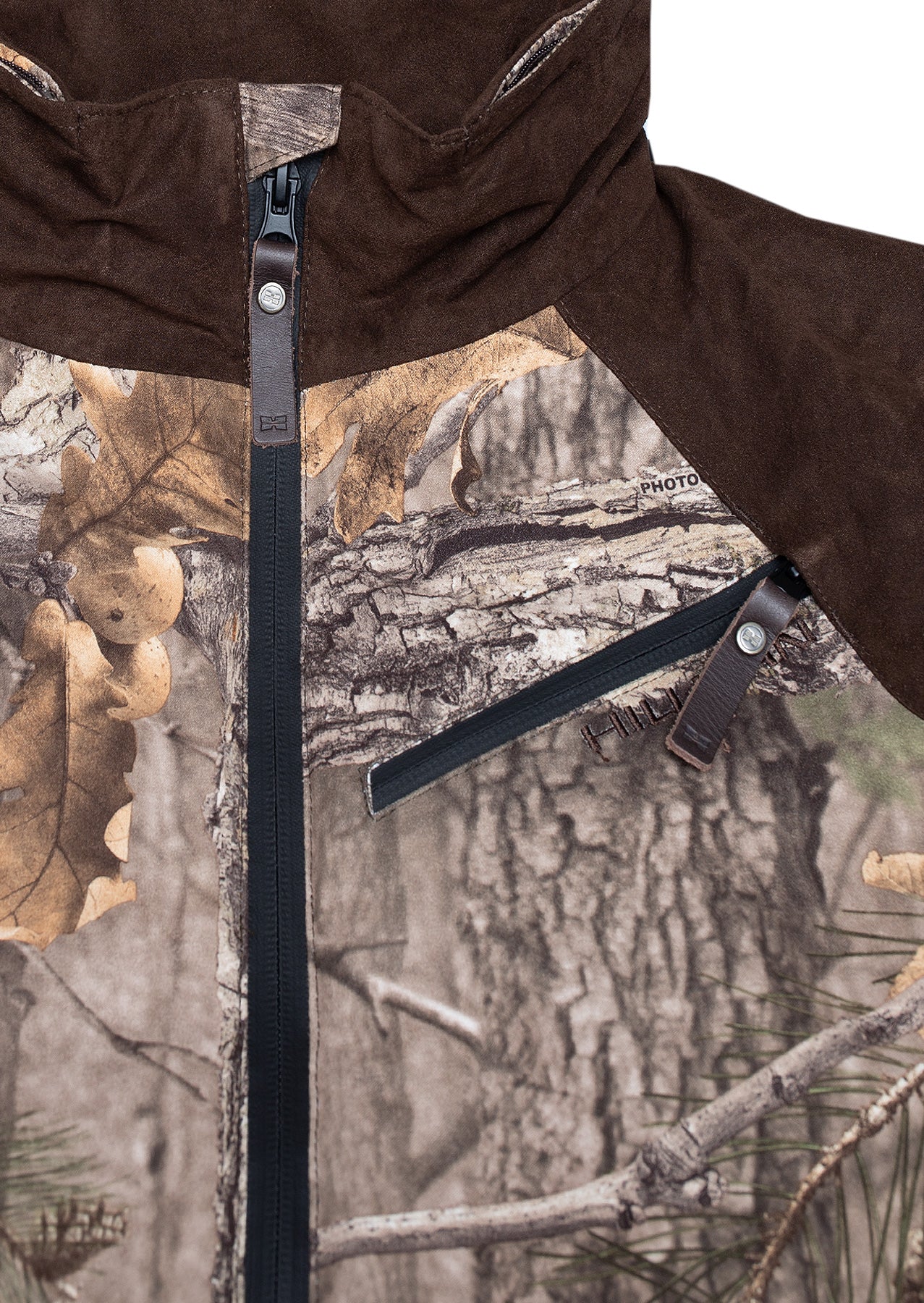
Camo Winter Jacket - Waterproof Insulated | AlphaShell 6OL
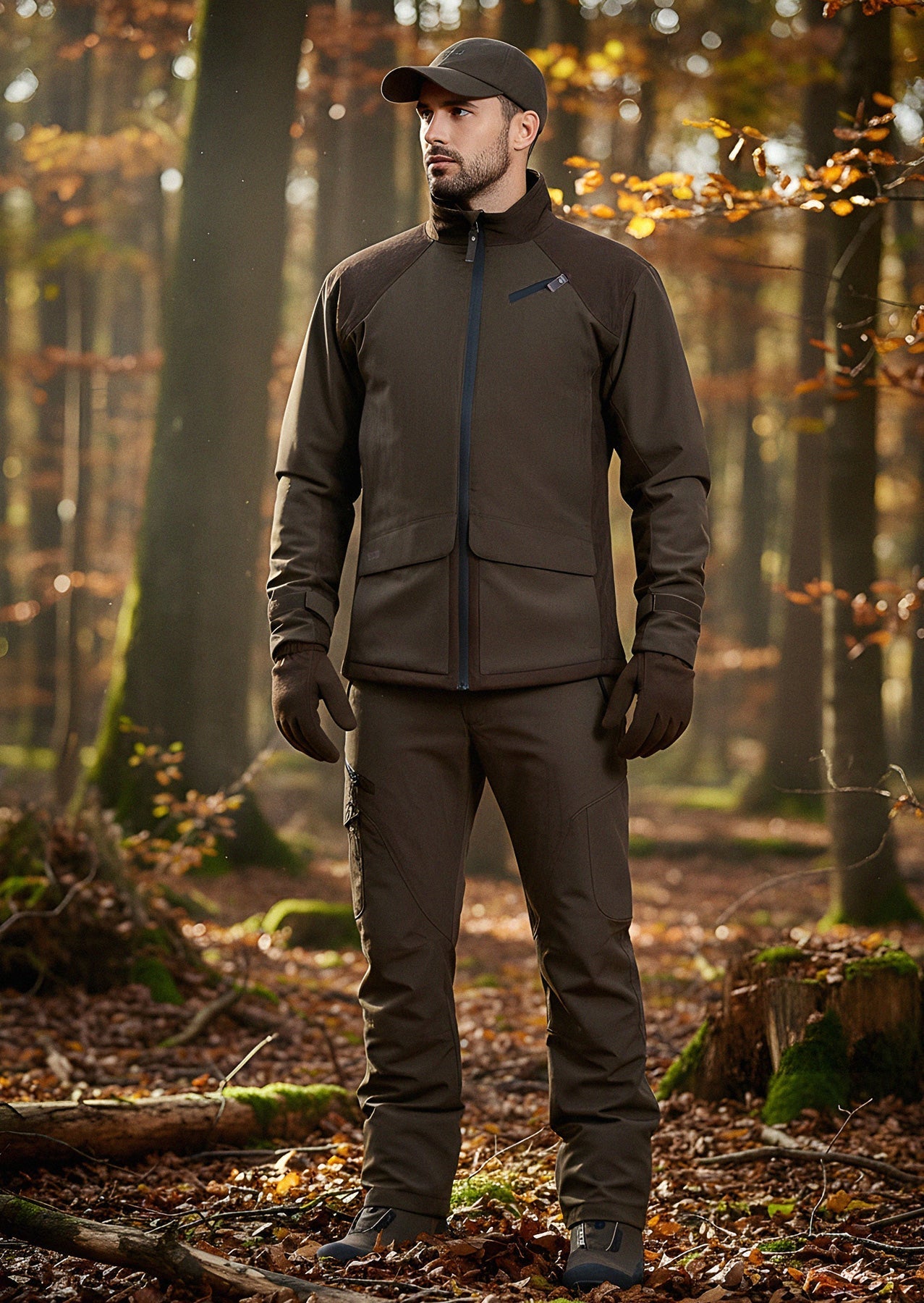
Cold Weather Hunting Gear Starts with the Right Layering System
One thick jacket won't save you. That's the first thing to know about winter hunting gear. Real warmth comes from a system, and every piece has a job.
Base layers against the skin. A mid-layer over that. An insulated outer layer on top. Then hunting socks, warm pants, and a beanie to close the gaps. Miss one, and the whole thing leaks. A cotton shirt under the best jacket in the world still leaves you cold. That's why we build each layer to do one thing well, so the rest can do theirs.
Base Layers for Moisture Control
Start with sweat. It sounds backwards in freezing conditions, but moisture is what makes you cold. You walk in, you heat up, you sweat. Then you stop, and that damp layer against your skin pulls heat away fast. A base layer that wicks moisture moves it off your skin so it can escape. Merino does this better than most, and it holds warmth even when slightly damp. Get this layer wrong, and nothing above it can fix it.
Watch how the 16μm merino hunting T-shirt works as a soft, warm, and breathable base layer. It shows why moisture control close to the skin matters in cold-weather hunting.
Mid Layers for Warmth Without Bulk
Next comes your heat. A mid-layer traps the body heat you generate and holds it close. Our 3ML merino hoodie does that while staying soft and quiet. So does a packable down layer when it's really cold. What matters is warmth without bulk, because a thick, stiff middle layer fights your outer jacket and kills your movement. Thin and warm beats thick and clumsy every time.
Outer Layers for Wind, Snow, and Cold Rain
Then the shield. Your outer layer blocks wind, sheds snow, and keeps cold rain off the insulation underneath. Wet insulation stops working, so this layer protects everything below it. Good wind resistance matters more than hunters expect. A stiff breeze at -10°C strips heat faster than still air at -20°C. Wind, snow, water-resistant, tough: that's the outer layer's whole job.
Best Cold Weather Hunting Gear for Different Winter Hunts

Not every winter hunt asks the same thing. Here's how to match your gear to the day.
Extreme Cold Weather Hunting Gear for Static Hunts
Sitting still is the hardest test. In a high seat, on a driven day, or waiting out a stand, your body makes almost no heat. Your core temperature drops slowly and steadily until you're too stiff to shoot. That's when you want maximum insulation. Heavy outer jacket, warm insulated pants, thick socks, beanie, the lot. It's the one situation where you can't have too much warmth. Treestand hunting in late season is exactly this, and in extreme cold conditions, a set of knee pads helps too if you kneel on frozen ground.
Winter Hunting Gear for Active Stalking
Moving flips everything. Now overheating is the enemy. You climb, you sweat, and that sweat turns cold the moment you stop. For active hunting and spot and stalk, go lighter and more breathable. Full zip layers and pit zips help you dump heat fast on the climb, then seal up when you settle. Flexibility matters too, because bulk slows you down and makes noise in the cover. Look for articulated sleeves that let you swing a rifle up without the jacket riding with you. The same clothes work for winter hiking on the days you're not hunting.
Cold Weather Gear for Snow, Wind, and Wet Ground
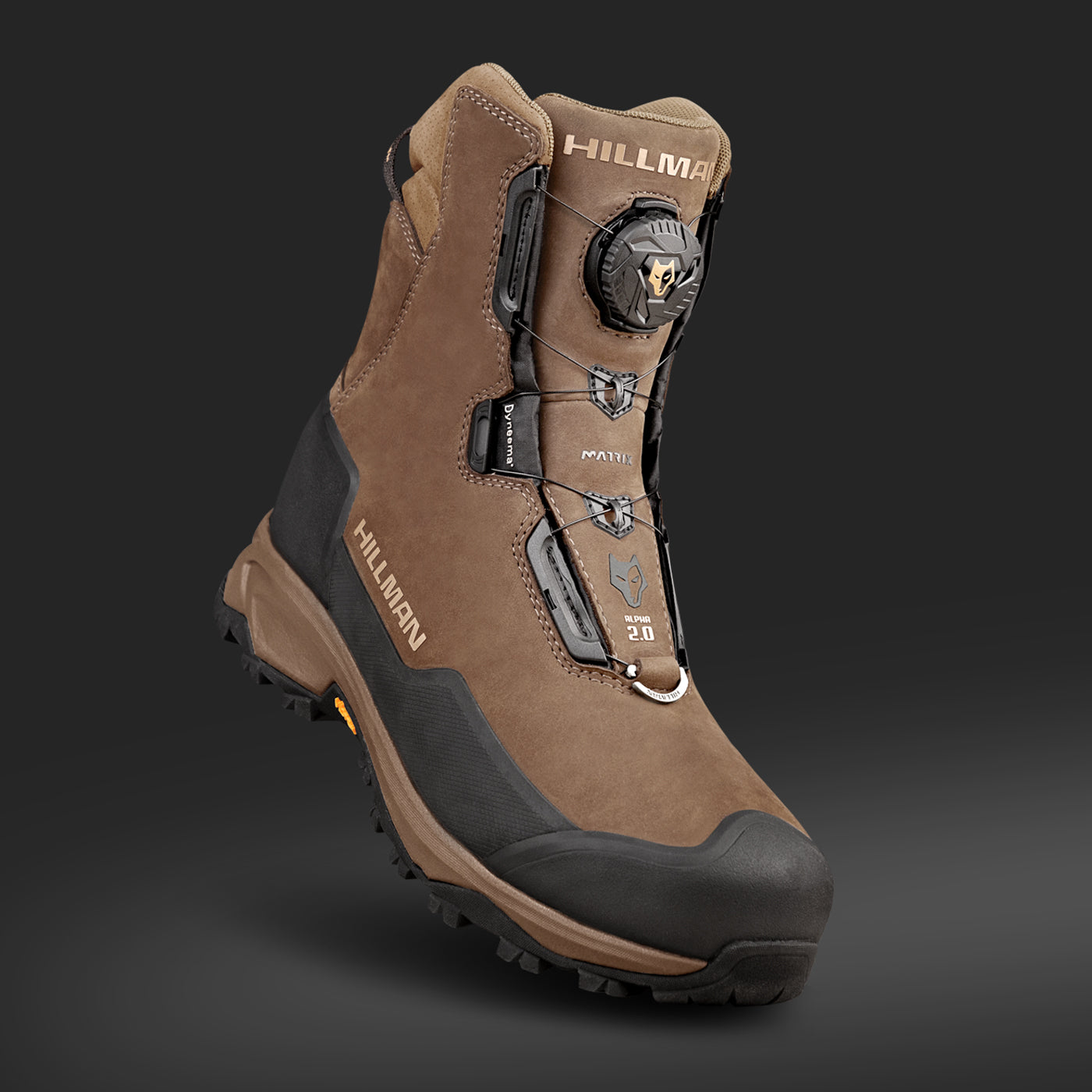
Then there are the mixed days. Wet snow, sleet, cold rain, standing water. Here, waterproofing does as much work as insulation. Warm pants keep the cold off your legs when you kneel in snow. Merino socks and waterproof boots keep your feet dry, and dry feet stay warm. Cover the lower half properly, and you can handle almost any winter conditions.
Winter Hunting Jacket Options for Cold Weather

Now the jackets. Not all hunting jackets do the same job, and cold weather hunting jackets least of all, so here's how ours split up.
Best Hunting Jacket for Cold Weather and Static Waiting
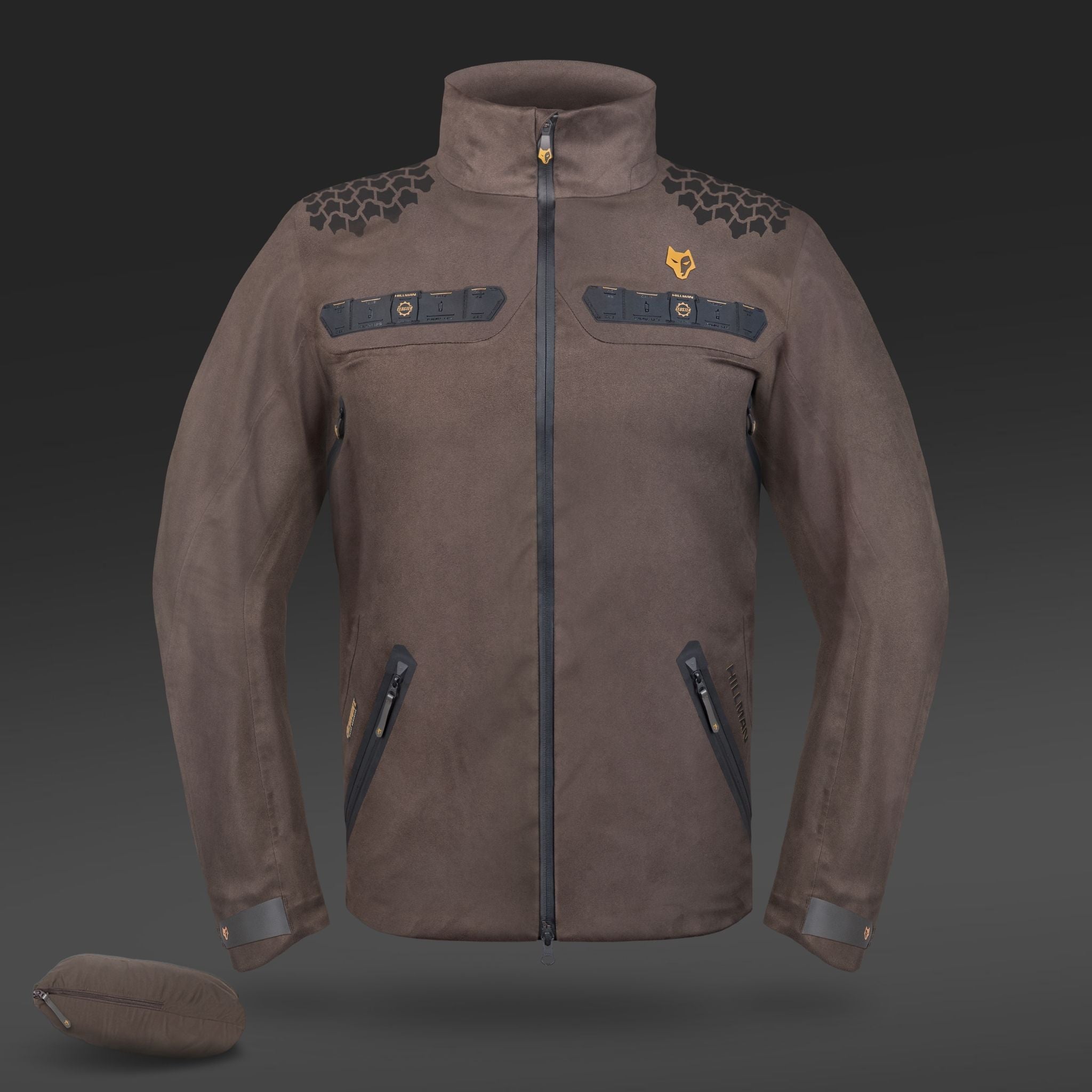
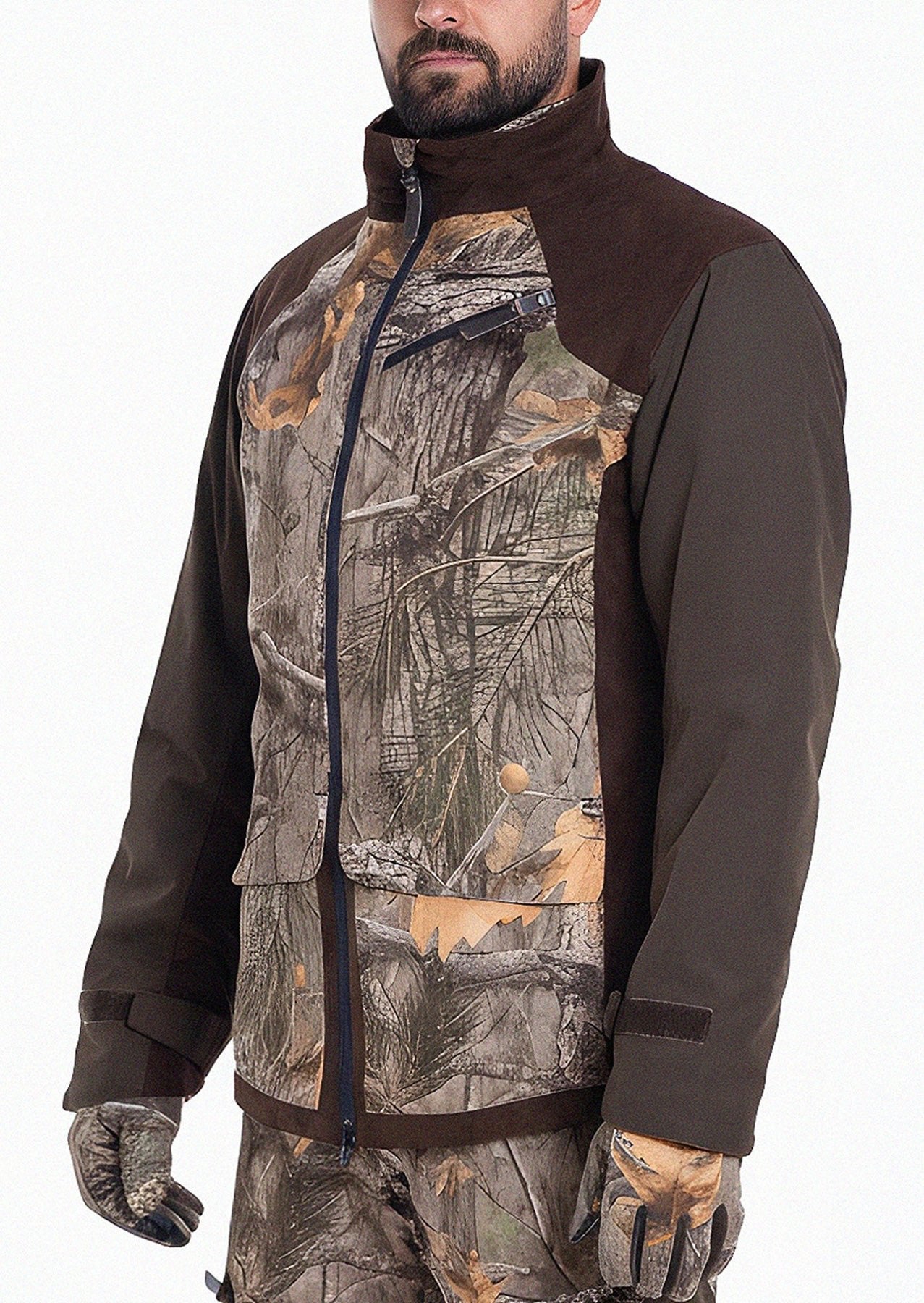
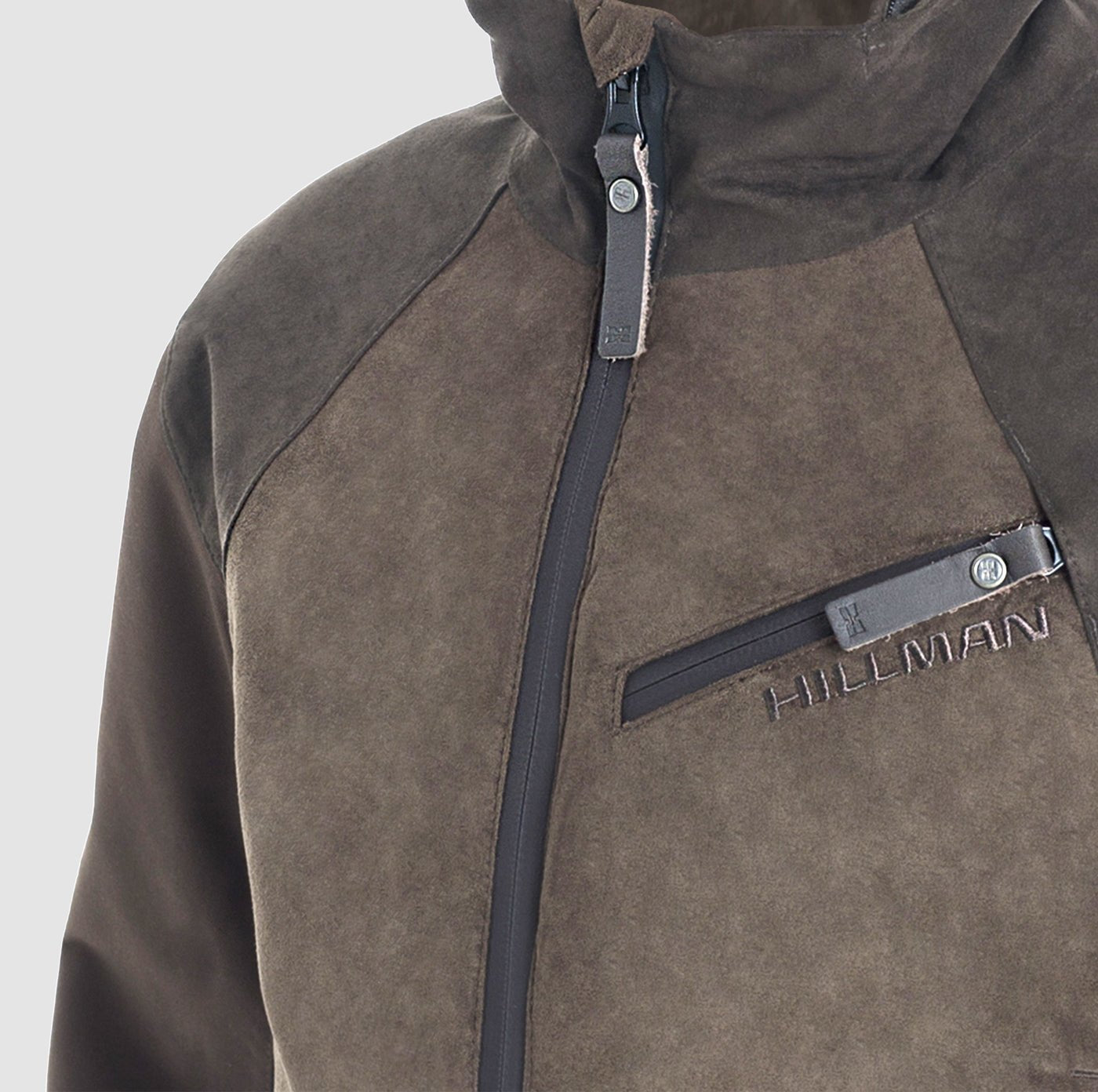
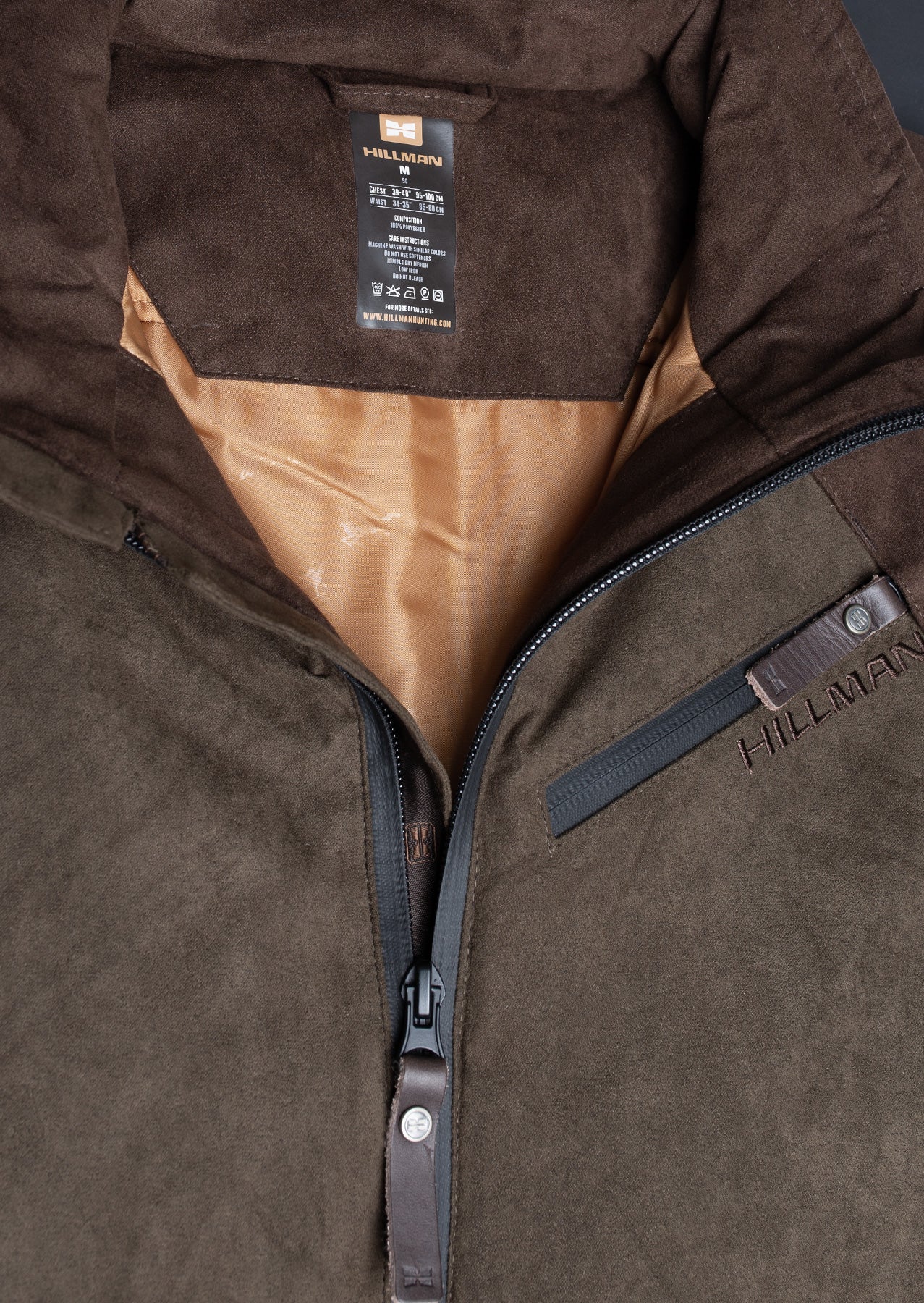
The 6OL Winter Hunting Jacket is our warmest. It's built for frigid conditions, freezing mornings, and long hunts where you barely move. Waterproof shell, serious warmth inside, and modular pockets set where your hands land. For long periods on a high seat in hard frost, this is the best hunting jacket for cold weather we make. It's also available as a camo winter jacket if concealment matters as much as heat.
Watch the cold-weather hunting jacket tested in extreme conditions. The video shows how insulation, weather protection, and field-ready construction help hunters stay warm and focused.
Packable Down Jacket for Extra Insulation
The 4IL down jacket is different. At 1000 fill power, it gives huge warmth for almost no weight, and it packs into its own stuff sack. So it rides in your bag while you walk, then comes out at camp, during glassing, or when the temperature drops suddenly at dusk. Think of it as your on-off warmth layer. It's not really a standalone piece in wet weather, since down hates being soaked, but under a shell or over a mid layer,r it's hard to beat.
See how the 1000FP down hunting jacket adds lightweight, packable warmth for cold conditions. The video shows why an extra insulation layer can make a big difference during long winter hunts.
Fusion Hunting Jacket for Flexible Winter Use
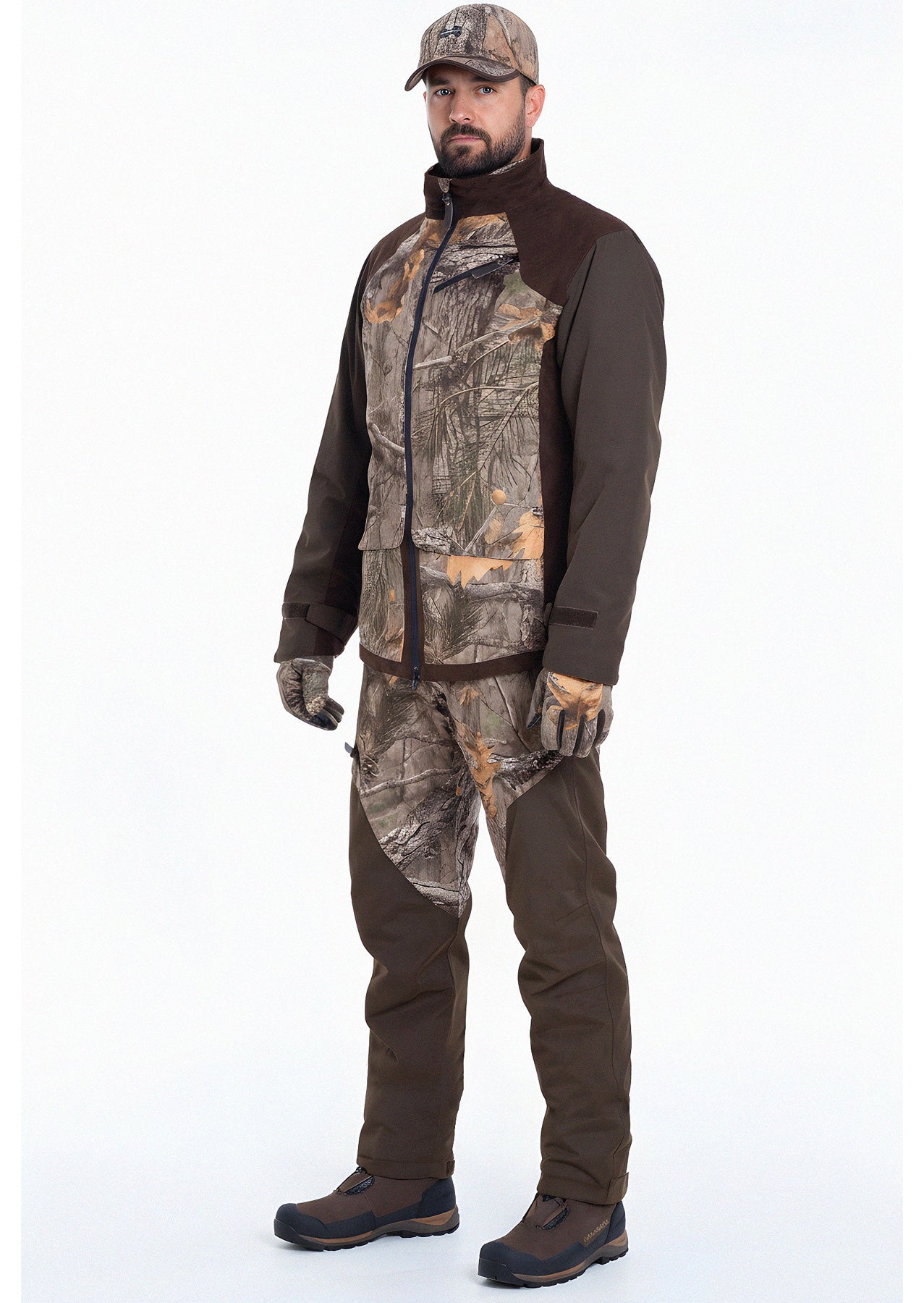
The Fusion sits in between. Warm enough for most cold days, light enough to walk in, and tough enough for real cover. It's the practical pick for hunters who move through the day and need one jacket that does most things well. Mid-season, late-season, wet or dry, it keeps up. If you want warmth and mobility rather than maximum heat, this is your jacket.
Watch the Fusion Hunter Jacket in the field and see how it supports movement, warmth and protection during demanding cold-weather hunts.
Extreme Cold Hunting Clothing Beyond the Jacket

Your jacket is half the story. The rest of your body needs the same attention.
Winter Hunting Pants and Long Johns
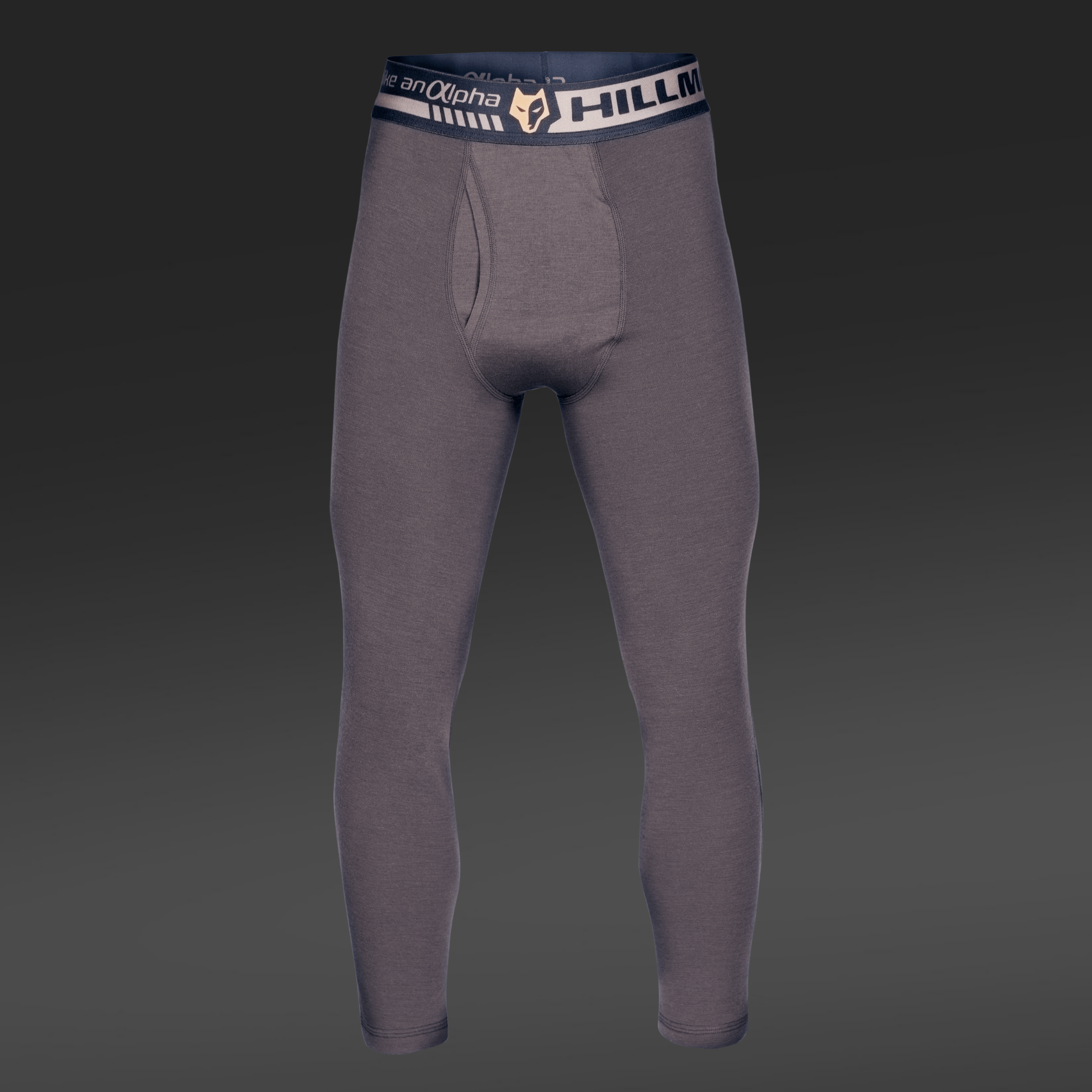
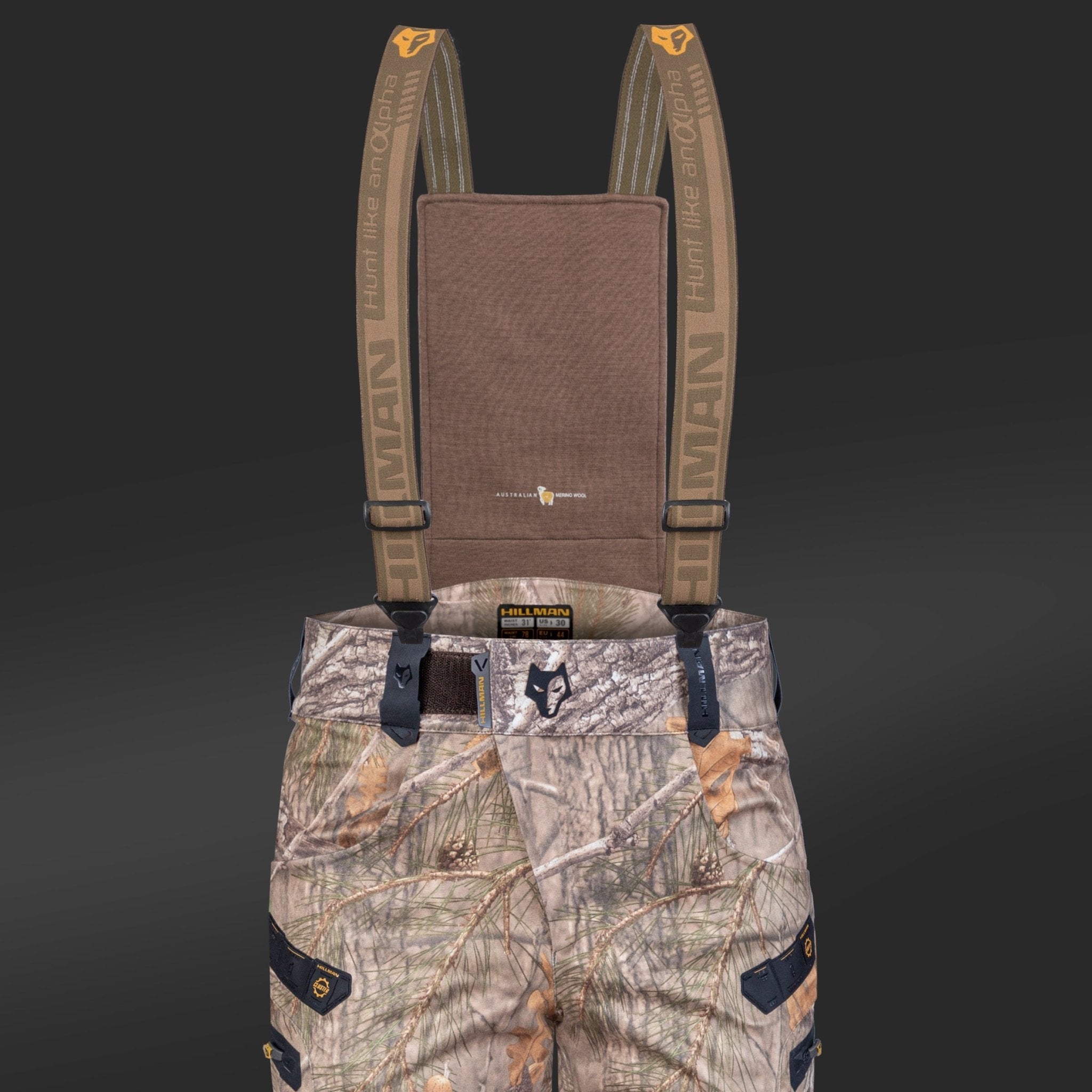
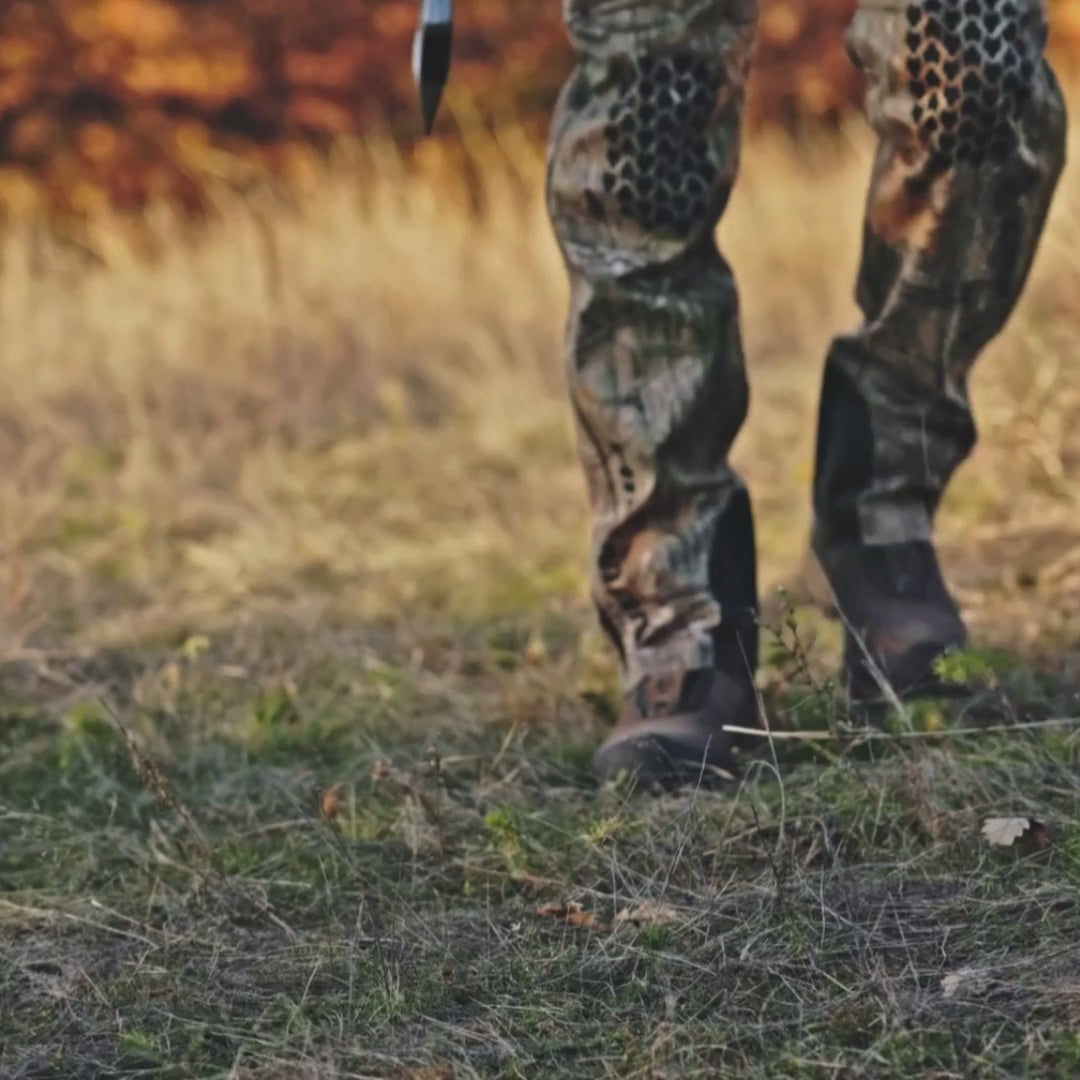
Cold gets into your legs faster than you'd think, especially when you kneel in snow, sit on frozen ground, or stand in wind. Our 6OL winter hunting pants bring insulation, a waterproof shell, and a merino back panel where you sit. Under them, 2BL long johns add thermal warmth without bulk. That combination keeps you comfortable through hours of stillness, and it saves your legs on long walks in the cold.
Merino Socks and Beanie for Heat Retention
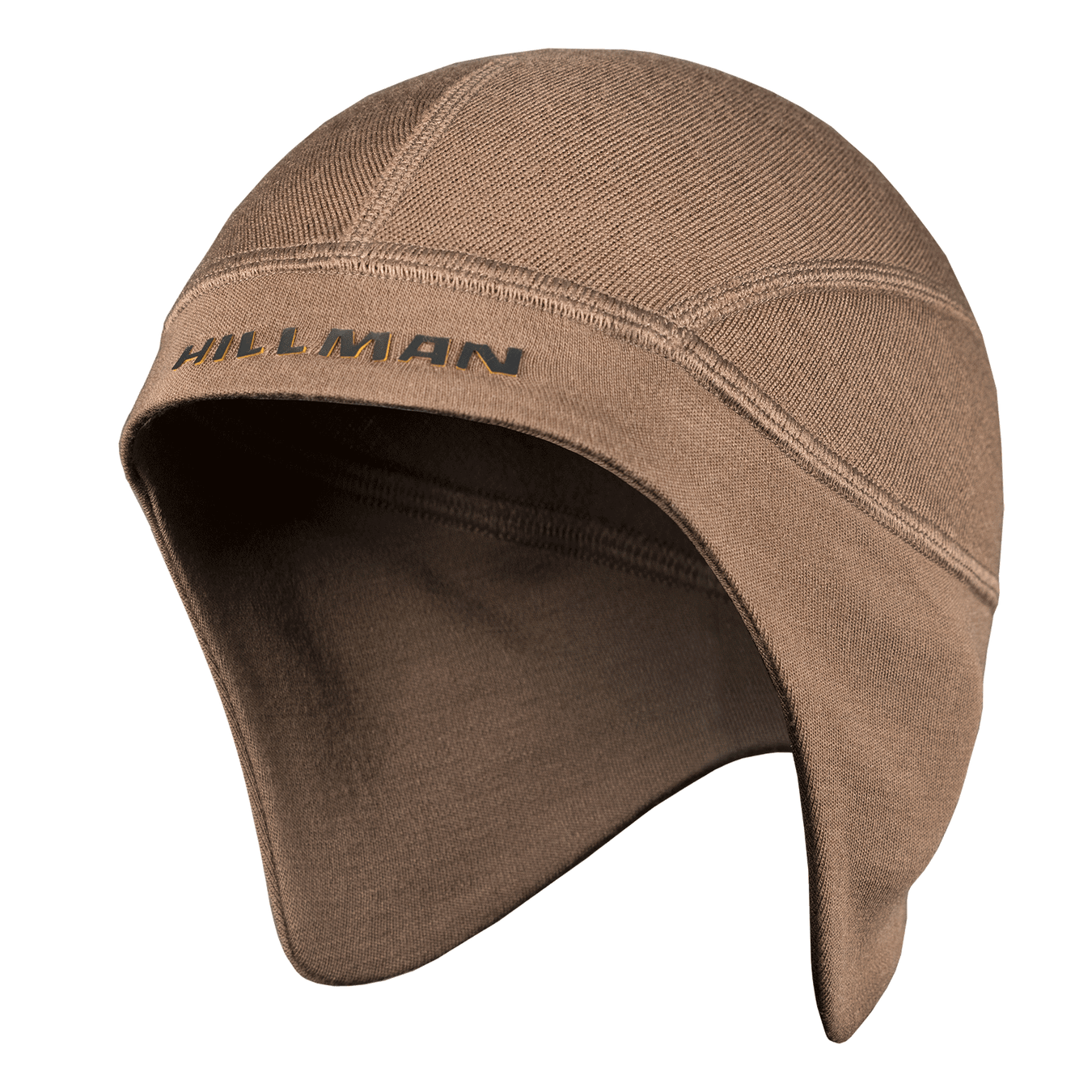
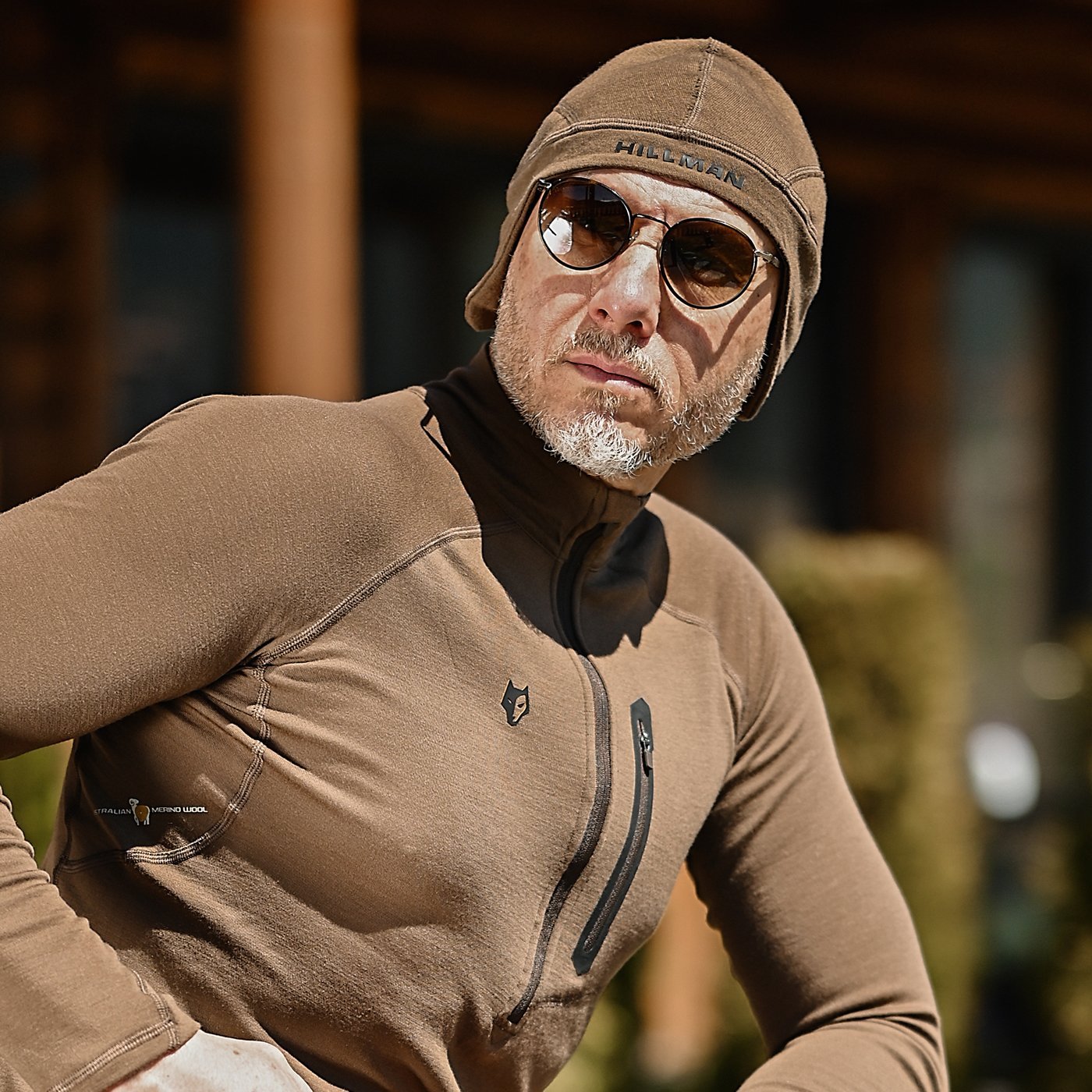
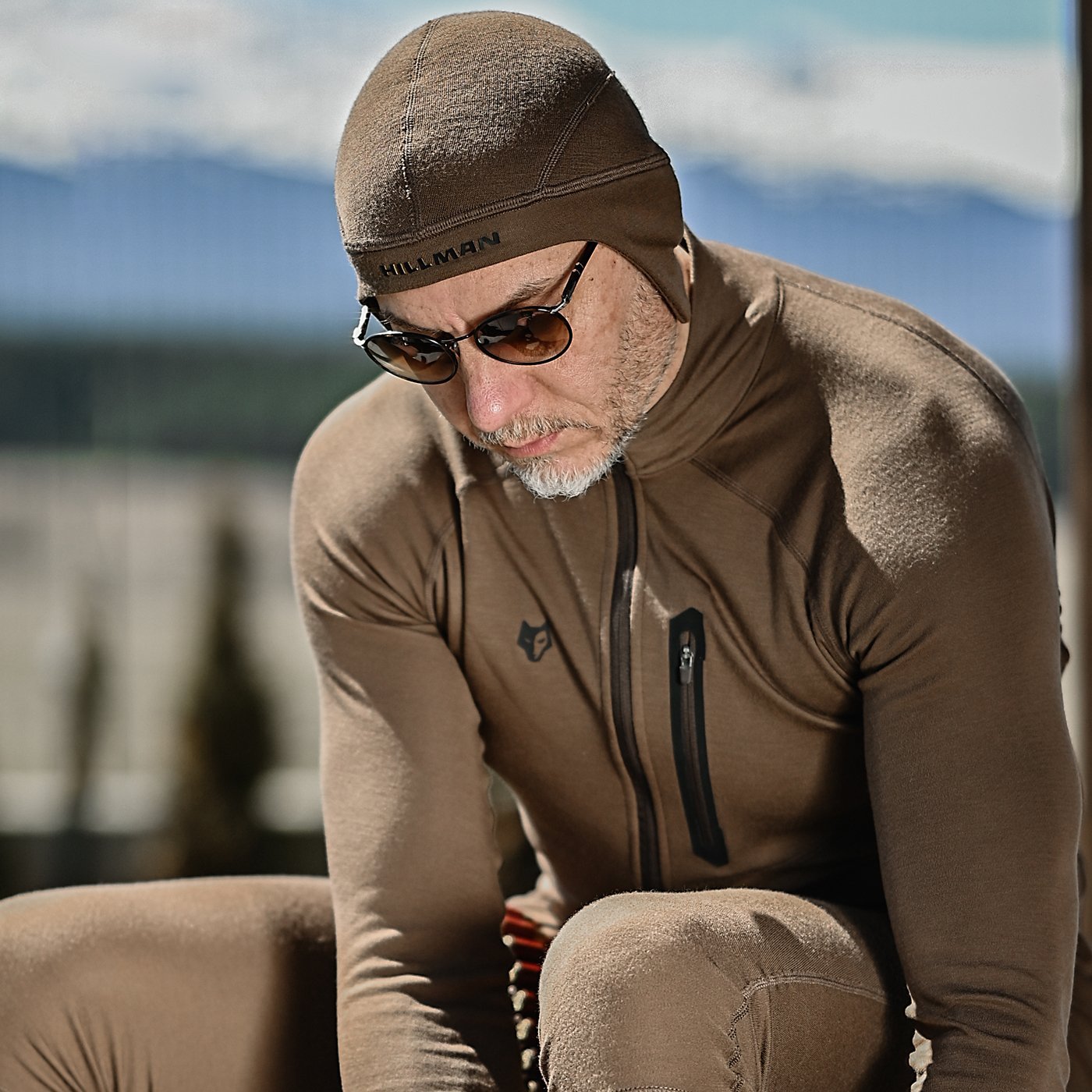
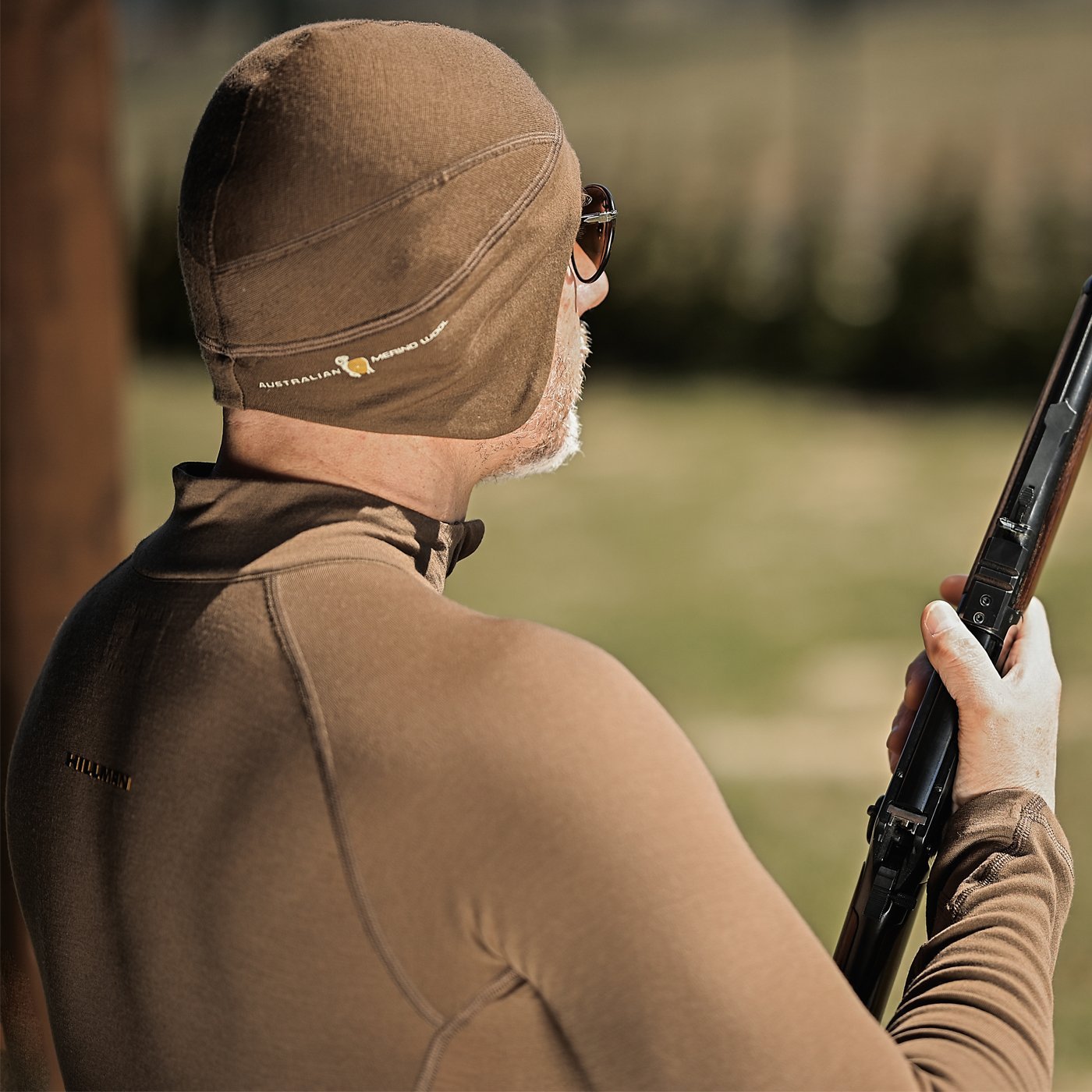
Feet and head lose heat fastest. That's where heat retention starts. Ultrawarm merino hunting socks keep your feet warm and dry inside your boots, with a cushioned heel for long days walking. A merino beanie stops the heat from pouring off your head on a dark, frozen start. Add neck gaiters and gloves with a leather palm for grip on cold metal, and there's no gap left for cold to find.
Matching Camo and Non-Camo Cold Weather Pieces
Then there's colour. Camo winter gear makes sense when you're close to deer, in open country, or sitting where animals can study you. Forest green and brown work just as well in thick cover, on driven days, and for general winter use where camouflage isn't needed. Most of our cold-weather hunting clothes come both ways, so you can build a matched setup either direction at the same price. Pick by your terrain and hunting style, not by looks.

Hillman Technologies for Extreme Cold Weather Hunting Gear
Here's what's inside the gear and why it works when it's brutal out.
Matrix® Insulation for Warmth Without Heavy Bulk
Matrix® insulation traps heat in a thin, light structure instead of thick padding. You get serious warmth without the weight, so our insulated jackets stay flexible enough to shoulder a rifle. It also holds its loft under a pack strap, unlike loose synthetic insulation that flattens and leaves cold spots exactly where you don't want them.
Merino and Bamboo for Breathable Warmth
Our base layers and mid layers use merino wool blended with bamboo. Merino keeps you warm, wicks moisture, and resists odour on its own. Bamboo adds softness and breathability. Together, they handle the swing between a hard climb and a long sit better than synthetic alone, which is exactly what winter hunting throws at you.
Weather-Resistant Outer Fabrics for Snow, Wind, and Rain
Our outer fabrics block wind, shed snow, and stay water-resistant through cold rain. They're built tough enough for branches, rock, and pack pressure, and they stay flexible when the temperature drops. Cheap shells stiffen up below -10°C and start crackling against the cover. Ours don't, and that performance in real cold hunts is what matters when the deer is close.
6OL vs Fusion vs 4IL Down Jacket: Which One Fits Your Hunt?
Three jackets, three jobs. Here's the quick version.
|
|
6OL Winter Jacket |
Fusion Jacket |
4IL Down Jacket |
|---|---|---|---|
|
Warmth |
Maximum |
Moderate |
High for the weight |
|
Weight |
Heaviest |
Middle |
Lightest |
|
Packability |
Low |
Low |
Packs into its own sack |
|
Waterproofing |
Full waterproof shell |
Water resistant |
Light rain only |
|
Movement |
Good, built for waiting |
Best for walking |
Free, but wear it under a shell |
|
Best use |
Static hunts, frigid conditions |
Active hunting, mixed days |
Extra warmth when movement stops |
Simple rule: sitting still and freezing, take the 6OL. Moving all day, take the Fusion. Need warmth you can carry and pull on when the cold hits, take the 4IL. Plenty of hunters run the 4IL under the 6OL on the coldest days of the year, which is about as warm as it gets.
FAQs
Does extreme cold gear work for Alpine chamois or ibex hunting?
Fusion or 6OL for European winter hunting?
How do you manage overheating during a hard approach when wearing extreme cold gear?
Does extreme cold gear stay quiet enough for red deer or roe deer at close range?
Is a down mid-layer worth adding to an already insulated outer jacket in extreme cold?
How does Hillman compare to a jacket like the Sitka Fanatic for cold static hunting?
Is a brushed fabric like True Timber TrueSuede quieter than what Hillman uses?
Shop Related Collections