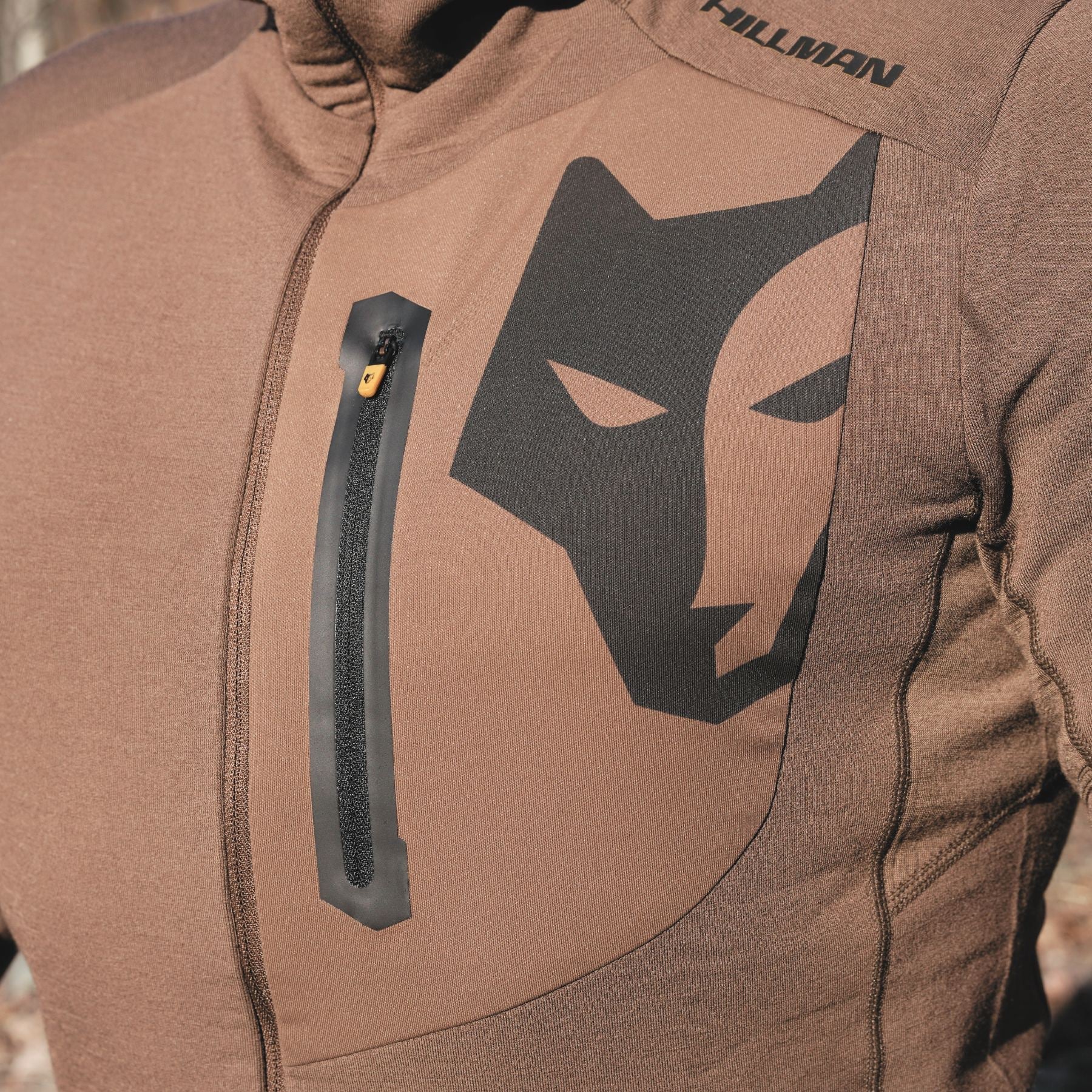
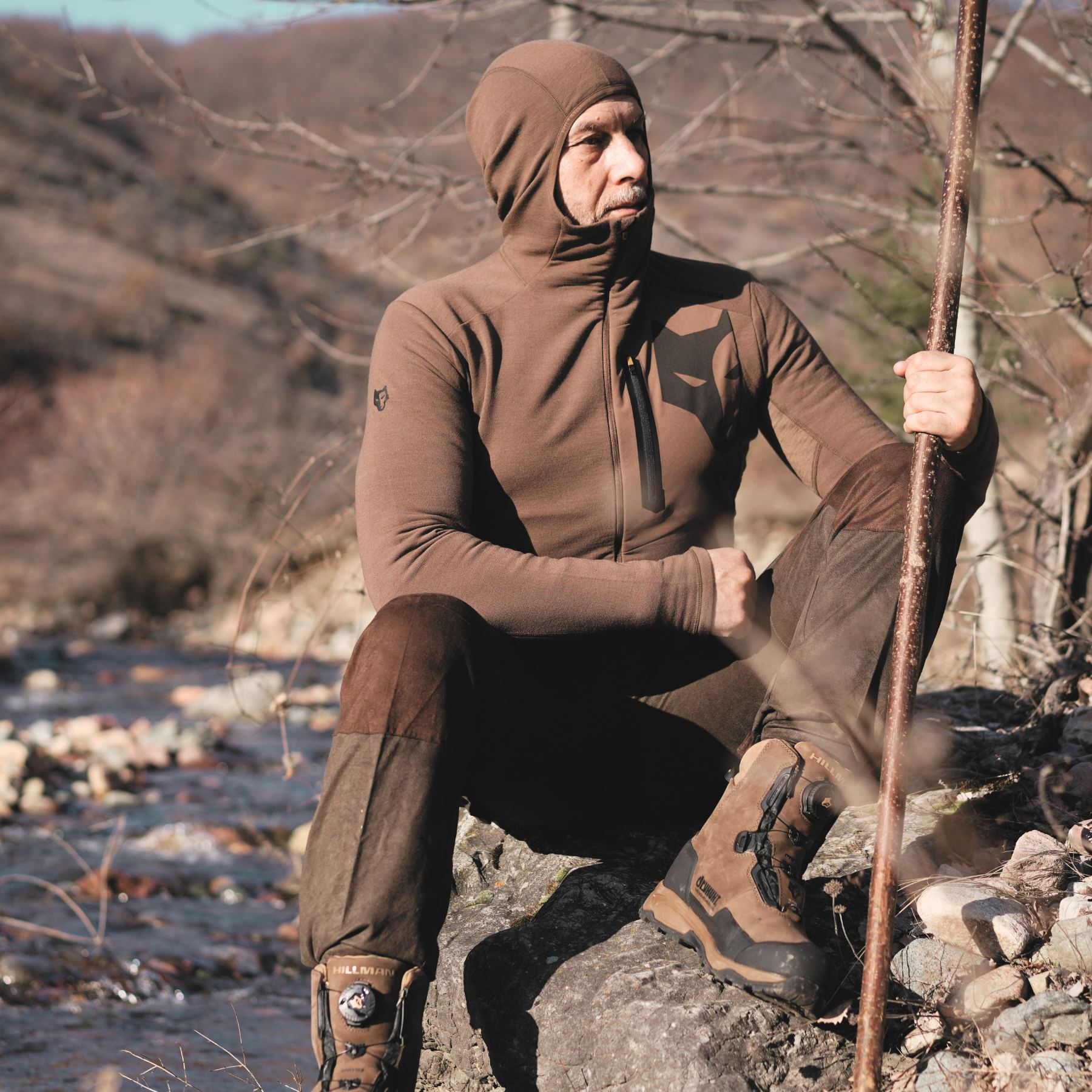
3ML Hunting Hoodie - Warmest Merino Wool Mid Layer | Synertech™
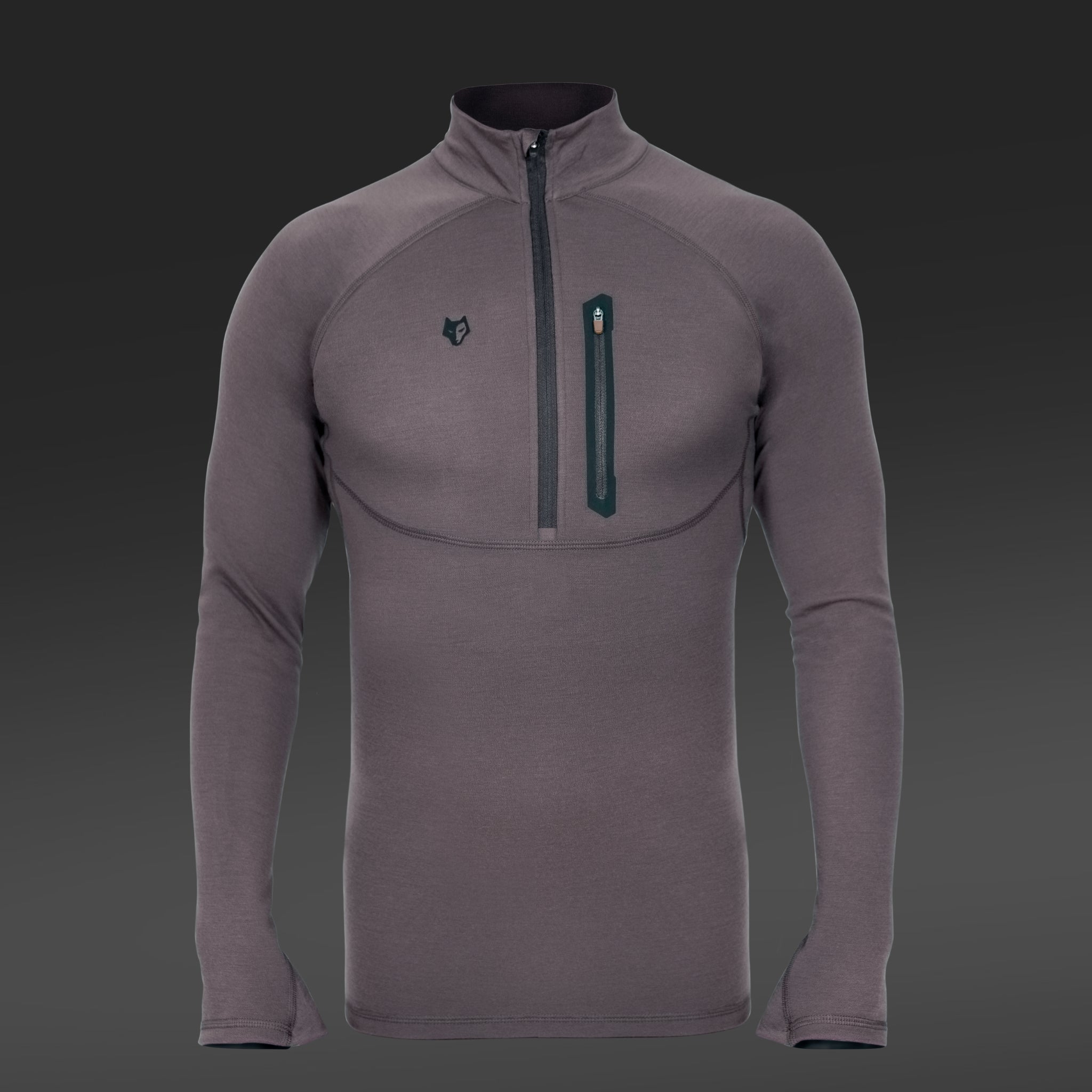
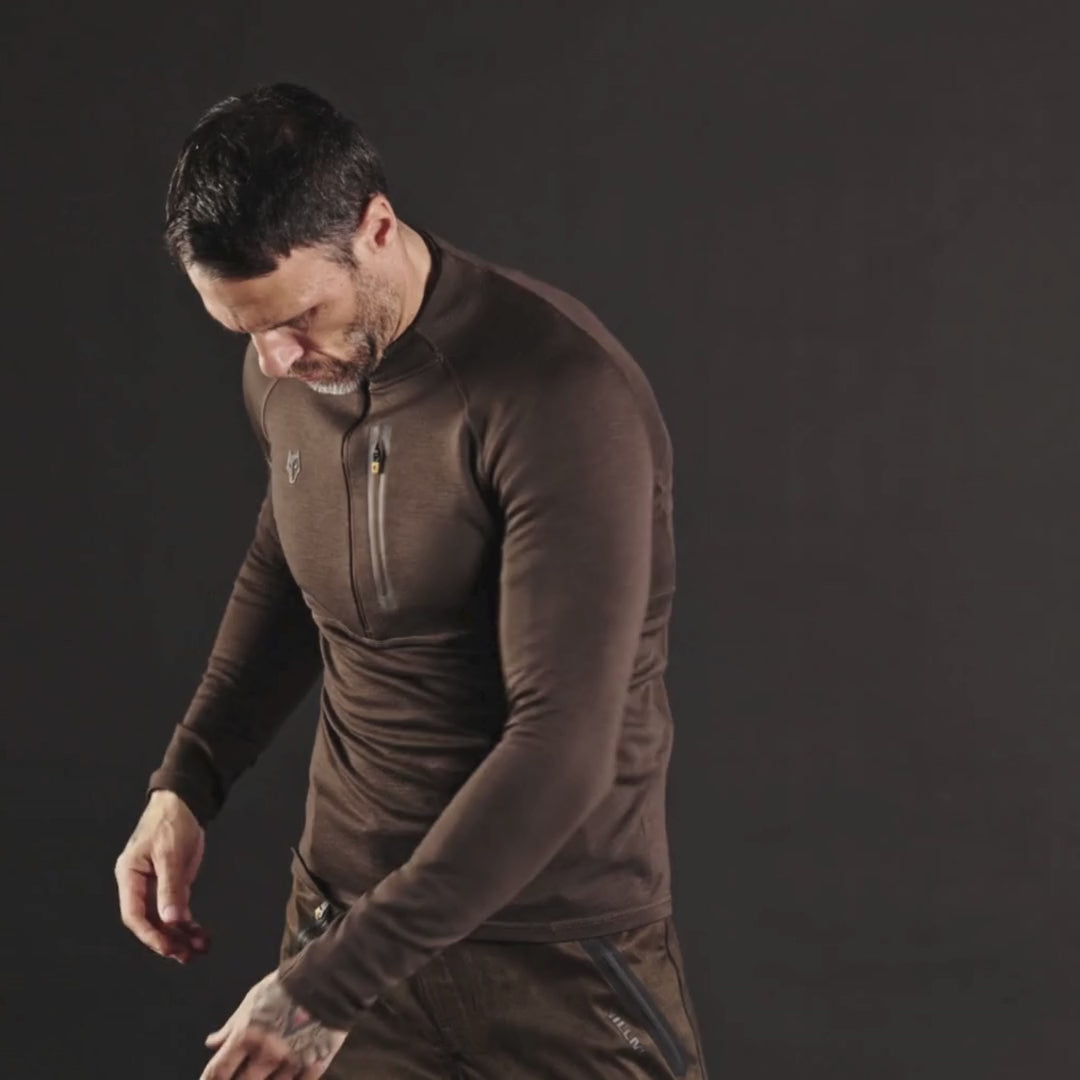
2BL Merino Wool Base Layer-Hunting Long Sleeve Thermal T-shirt
Hunting Jacket Layers Built for Cold Days in the Field
One thick jacket won't cut it. Real warmth comes from layers. A base layer against the skin. A mid layer over it. An outer layer up top to kill the wind and rain. Then the odd bits: a beanie, warm socks, the right pants, that plug the gaps.
Get one layer wrong, and it all falls apart. A cotton tee under the best jacket still leaves you cold and clammy. So we build each piece for one job so that the other layers can do theirs. The base moves sweat. The mid holds heat. The outer blocks the weather. Warm, dry, quiet, from the skin out. That's what a real hunting jacket setup does, and it keeps you out past the first cold hour.
How to Choose the Best Wool Jacket for Hunting?

The best wool jacket for hunting? Depends on the cold, and on you. Four things matter: warmth, breathability, how quiet the fabric is, and how it layers. After that, be honest about what you need: a base layer, a hoodie, or both, and how it plays with your synthetic layers or rides solo. Here's the short way to work it out.
Choose by Temperature and Hunting Season
Cold first. Mild cold or cooler weather, and a merino base layer under a light layer is usually plenty. Deep winter, colder conditions, and you'll want that base layer, a warm hoodie, and a shell over the top. That's just what you need to stay warm on a long, dead-still sit. Warmer weather or early fall hunting? Strip it back. In hot weather, a thin merino top even throws in a bit of sun protection. And on days that can't make up their mind, merino rolls with the variable conditions. Warm when it's cold, breathable when you're cooking, right through late season.
Choose by Movement and Hunting Style
Then the hunt itself. Stalking or covering miles? Light, breathable layers, or you'll sweat through them. Driven days and deer hunting from a tree stand flip that. You sit for hours, so heat beats airflow. Tree stand hunting, black-dark mornings checking trail cams, that's where warm and silent both earn their keep. Most of us do a bit of everything, from eastern Canada to the hills of Europe. A merino base layer and a hoodie are my go-to nine days out of ten, and it pulls double duty for other outdoor activities too.
Choose by Layering Needs
Last, the stack. Three parts, kept simple. A merino wool hunting base layer next to the skin, moving sweat, adding warmth. A merino hunting hoodie over it as the mid layer, holding heat. An outer jacket up top for wind and rain. Peel the middle and outer off as the day warms, throw them back on when it drops. Even one base layer changes your day. But base layer tops plus a hoodie? That covers real ground. Either way, it beats one heavy coat.
Warmest Hunting Jacket Setup for Different Conditions

No single setup wins every hunt. What saves you on a frozen, still dawn will roast you the second you start climbing. Match your layers to the day. Two setups handle most of it.
Warmest Hunting Jacket Setup for Static Hunts
Sitting still is where cold sneaks in. Your body barely makes heat, so you have to hoard what you've got. Base first: the warmest base layer for hunting you can find, right on the skin. Merino hoodie for the middle. Warm outer jacket over that. Beanie on top. Stack it like that, and you stay toasty warm through a long, frozen wait in a high seat, tree stand, or hide. Skip the thick base layers if you'll be walking in, though, or you'll turn up soaked.
Best Hunting Wool Jacket Setup for Active Stalking
Moving? Different problem. Now sweat is the enemy, not cold. Pile on bulk and you overheat, then freeze the moment you stop. So go light. A breathable, fast-drying merino base layer and a merino hoodie are usually the lot. They wick sweat and keep you warm without the boil-in-the-bag feeling. That's the whole case for breathable merino base layers over heavy padding when you're on the move.
Merino Wool Base Layer Hunting Essentials
Your base layer matters most. Full stop. It's on your skin all day, so it sets up everything above it. Nail it, and you're warm and dry. Botch it, and no jacket saves you. Good hunting base layers pull double duty: move sweat, add warmth. For that, merino wool is the good stuff. Wool base layers like ours run from lightweight base layers for the move to expedition weight when it's brutal out.
Merino Hunting Base Layer for Moisture Control
You sweat on an active hunt. Even in the cold. A merino hunting base layer lifts that moisture off your skin and lets it go, so you're not clammy the second you stop. Polyester and other synthetics wick fast, sure. But merino soaks up a load of wet and still feels dry to the touch. It's not the quickest quick-drying fabric around. It just keeps your skin comfortable through the climb, the wait, all of it.
Warmest Merino Wool Base Layer for Cold Weather
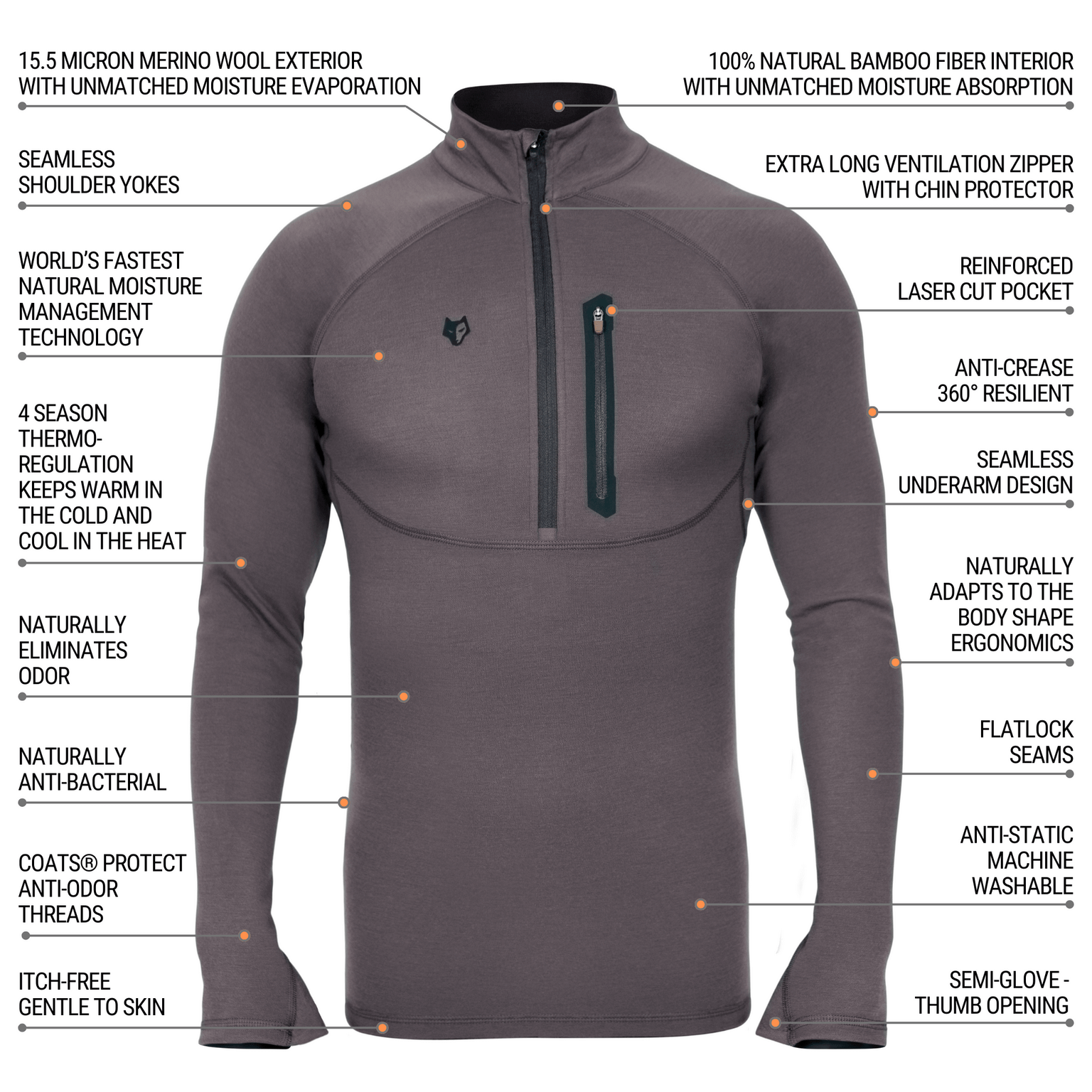
When it's properly cold, your base layer does more than shift sweat. It warms you. The warmest merino wool base layer holds heat right against your body in a thin, light layer, so you get warmth with none of the bulk. Want the most heat? A long sleeve in a heavier weight. Climbing a lot? A quarter zip or half zip dumps it fast. Either way, there's room for a hoodie and jacket on top, and you move like yourself instead of a stuffed toy.
Watch how the 16μm merino hunting T-shirt works as a soft, warm, and breathable base layer. It shows why the first layer matters for comfort during cold or active hunts.
Merino Wool Hunting Hoodie as a Warm Mid Layer
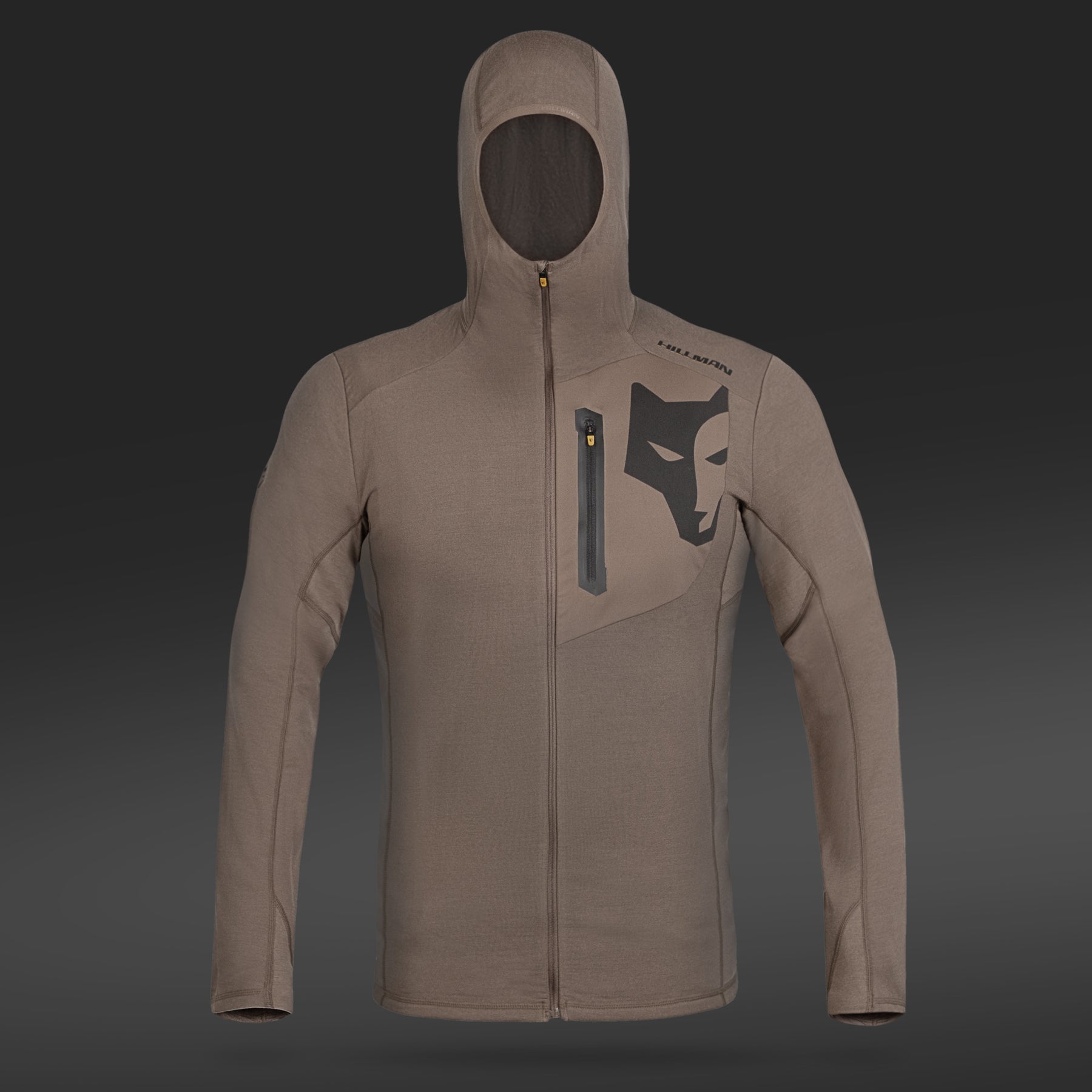
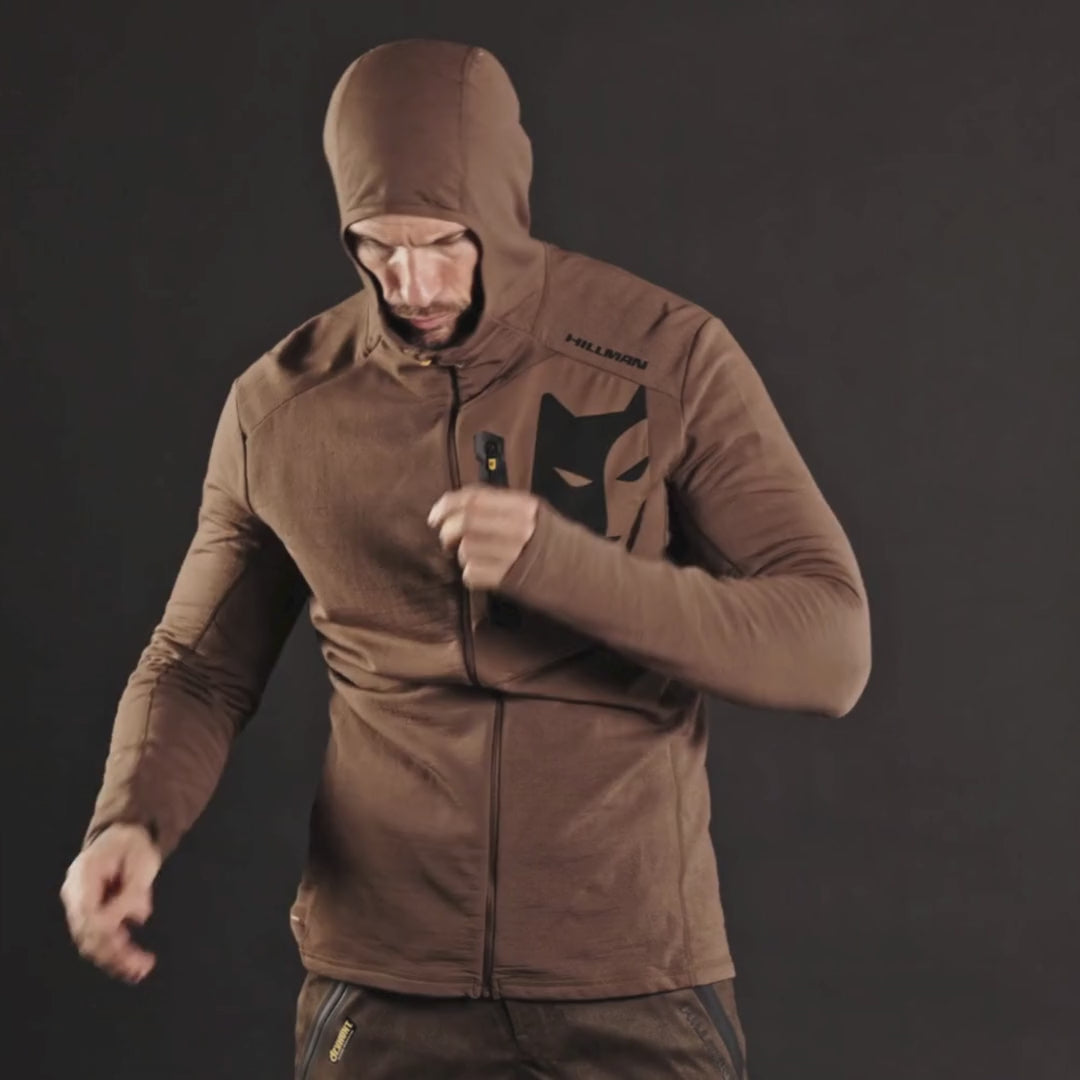
The hoodie is your mid layer, and it does the bulk of the warming. Over the base, a merino wool hunting hoodie grabs the heat your body throws off and keeps it close. Soft, warm, amazingly comfortable, moving or sitting. Mild day? Wear it alone. Cold one? Slide it under a soft shell and go.
Merino Hunting Hoodie for Quiet Movement
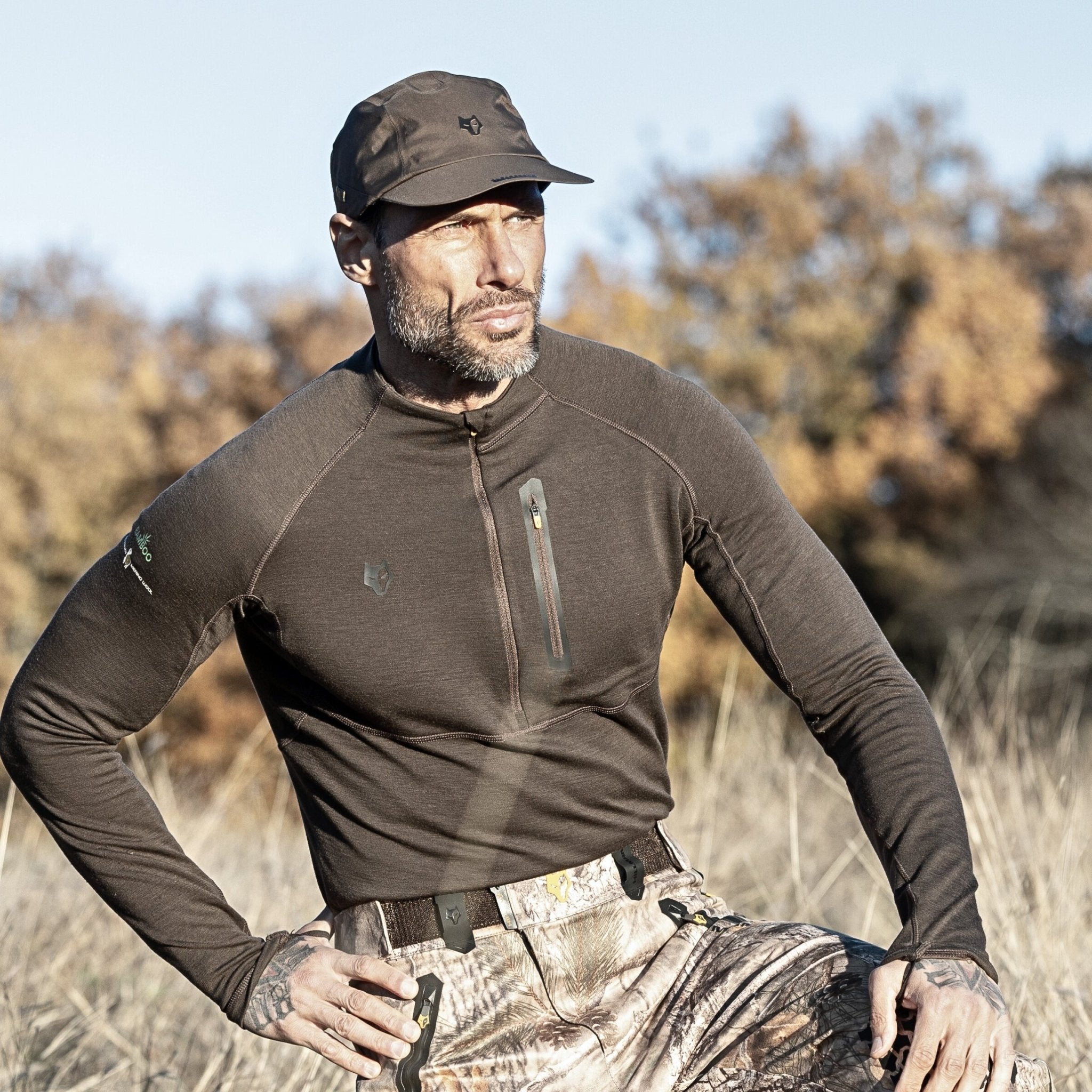
Up close, quiet counts as much as warm. A merino hunting hoodie slips through cover without the scratchy hiss of some fleece mid-layer. That soft, silent fabric keeps you hidden on a slow stalk. It comes in muted camo patterns and earthy camo colors that break your outline, and the mid-weight cloth is abrasion-resistant enough for normal cover. When one snapped twig ends the hunt, a quiet layer pays for itself.
Hillman Merino and Bamboo Technologies

Two natural fibers do the real work in our merino gear. Here's why this wool clothing holds up.
Merino Wool for Natural Warmth and Odor Control
Merino wool is a bit of a marvel of a material. Warm even when it's wet. Wicks sweat. Bounces back into shape. And the odor control is the kicker; it fights smell on its own. Natural odor resistance, no chemicals. A merino layer stays odor-resistant for days, which is real scent control when a deer's nose is downwind. Wear it hard all week, and it still smells fine. And forget scratchy traditional wool; this stuff is soft. Next to synthetic base layers, their merino wool counterparts simply stay fresher.
Bamboo Blend for Softness and Breathability
We mix bamboo into the merino on purpose. Bamboo makes the fabric softer on the skin and adds cooling for the warm stretches. So the blend takes a frosty morning and a warm afternoon in stride, better than merino solo. Amazingly comfortable in hot weather. Toasty when the temperature drops.
Lightweight Construction for Easy Layering
It's all built light and thin on purpose. A chunky mid-layer wrestles your outer layer and kills your movement. Flatlock seams sit flat under multiple layers, so nothing rubs or bunches, and the fabric is durable enough to last season after season. Our merino layers tuck under a hunting jacket or soft shell without the bulk, so you can shoulder a rifle and move clean.
See how the Merino-Bamboo hunting hoodie works as a warm, quiet, and breathable mid-layer. The video shows why this type of layer can replace bulky fleece in many hunting situations.
3ML Merino Hunting Hoodie and 2BL Merino Wool Base Layer
Pair our two mainstays, and you've got a simple, punchy system. The 2BL Merino Wool Base Layer goes first, on the skin, moving sweat, adding warmth. The 3ML Merino Hunting Hoodie layers over it, holding heat as your warm mid-layer. Same merino-bamboo blend in both, so both are soft, quiet, durable. Hunters are huge fans of the combo, and it's easy to see why. Plenty of big names sell merino, from Smart Wool to Black Diamond to First Lite, and ours stands right with them for warmth and quiet. It's a go-to two-layer rig at a reasonable price, and it handles most cold-weather hunts on its own. When it really turns, both drop under an outer jacket without a fuss.

Complete Your Hunting Jacket System with Warm Accessories
Your layers pull most of the weight, but heat leaks out the small gaps. Head, neck, hands, they bleed warmth fast when you sit still. Cover them and the whole rig, base layer to pants, works better. A decent beanie is the easy win.
Merino Hunting Beanie for Cold Mornings and Long Waits
Loads of heat escapes through your head, so a merino hunting beanie is one of the simplest ways to stay warm. Perfect for black-dark starts, long sits in a high seat or tree stand, and grim winter days. Soft merino keeps your head toasty warm and itch-free, and it balls up tiny when you don't want it. Small layer. Big payoff.
Watch how the Merino Termo hunting beanie adds simple but important warmth for cold mornings and long waits. It helps complete the layering system without adding bulk.
FAQs
How does merino wool actually perform differently from a decent synthetic fleece on a long day in the field?
Is merino wool genuinely quiet enough for close-range stalking, or does it snag and rustle in cover?
Is a merino hoodie worth owning if you already have a good fleece mid-layer?
Does merino wool hold up to pushing through thick cover on a driven day?
What's the honest care reality for merino hunting gear used hard across a season?
Is the bamboo and merino blend in the 3ML hoodie actually better than pure merino or just a cost compromise?
Does merino make sense as a base layer under waterproof clothes for wildfowling, or does synthetic perform better?
Shop Related Collections