
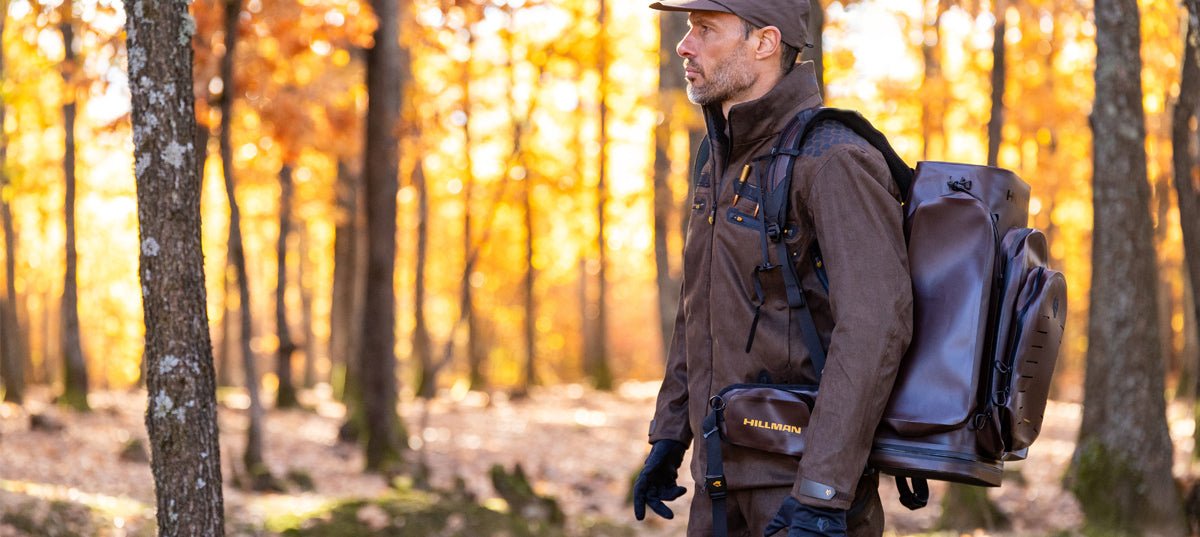
Packing Light for Hunting Without Regret: How Experienced Hunters Cut Weight Without Losing Capability

Packing light for hunting without regret. Learn how seasoned backpack hunters reduce weight, improve mobility, and stay fully prepared in any terrain.
I learned the hard way what a heavy pack does to judgment. It wasn’t on some dramatic expedition. It was a simple multi-day hunting trip in rough terrain. By mid-afternoon on day one, my shoulders were burning, my hips were bruised, and every uphill step felt like negotiation. I hadn’t seen the game yet. I hadn’t earned anything. I was just carrying too much.
That hunt changed the way I think about packing light for hunting. Not because I wanted to suffer less. Because I wanted to hunt better. Cutting weight is not about minimalism for its own sake. It’s about capability. It’s about moving efficiently, staying sharp, and finishing strong when it matters most.
Packing Light for Hunting – The Difference Between Light and Reckless

Packing light for hunting isn’t about stripping your pack down until it becomes risky. It’s about knowing where the line is. I’ve seen hunters confuse light with careless. They leave behind rain gear during hunting season because the forecast looks stable. They skip a proper aid kit. They gamble with water. That’s not light. That’s reckless. The real discipline is reducing pack weight while protecting your ability to adapt.
Water alone weighs roughly two pounds per litre. On a warm hunting trip, that adds up fast. So instead of carrying all of it, I carry a water filter and refill along the way. That’s how I save weight without sacrificing safety.
Over time, I stopped packing outfits and started packing responses. A layering system handles temperature swings. A reliable rain shell handles storms. One insulation layer works at camp and supplements my sleeping bag at night. As a backpack hunter, I don’t measure success by how light my pack feels at the trailhead. I measure it by how capable I am on day four in the backcountry.
Planning Your Hunting Trip Before You Touch Your Hunting Pack

The biggest weight savings don’t happen in the gear room. They happen in planning. Before every hunting trip, I build a detailed gear list. Not in my head. On paper or digitally. Every item. Every ounce. I use a digital scale. If I haven’t weighed it, I don’t know what it costs me. Guessing is how heavy packs happen.
After each backpack hunting trip, I review that list. I mark what I used. I mark what stayed untouched. If something comes home clean three hunts in a row, it doesn’t earn a spot on the next trip.
I also conduct dry runs before remote hunts. I load my hunting gear into my pack, walk local trails, adjust fit, and test access. Problems discovered at home are lessons. Problems discovered deep in the backcountry are liabilities. I download offline maps before I leave. I double-check access routes. I plan water sources. The better I plan the trip, the fewer “just in case” items I feel tempted to throw in.
Planning is how experienced hunters cut weight without cutting capability.
Building a Backpack Hunting Gear List That Actually Saves Weight

A backpack hunting gear list should remove redundancy, not remove safety. I start by eliminating single-purpose items. If something does only one small job, I ask whether another piece of gear can handle it.
Multipurpose gear is the foundation of a lighter load. My trekking poles stabilize climbs and support my shelter. My insulation layer works as a pillow at night. My gloves double as cold-morning glassing protection and camp wear. I minimize smaller items scattered across multiple sacks. Too many little pouches create wasted space and hidden ounces. I consolidate where I can.
I roll clothes instead of folding them. It reduces air gaps and keeps the pack tighter. I avoid overstuffing because trapped air adds bulk and throws off balance. I don’t bring three pairs when one pair works. One spare pair of socks. One insulation piece. One rain shell. The goal isn’t to make the pack empty. It’s to make the load intentional.
Choosing the Right Hunting Pack for Backcountry Hunting

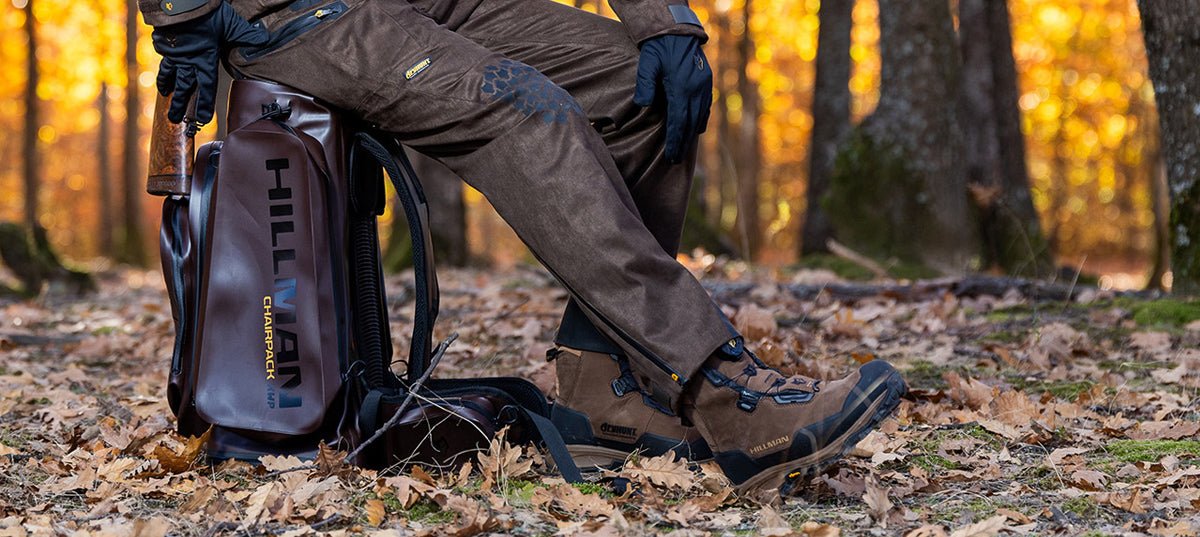
A good hunting pack doesn’t just carry weight. It distributes it. I’ve learned that a poorly fitted backpack makes even a moderate load feel brutal. A well-fitted pack, with a solid hip belt, transfers weight to the hips instead of crushing the shoulders.
When I load my pack for backcountry hunting, I keep the heaviest items close to my spine. Dense gear sits centered in the lower third of the pack. That keeps the load stable on steep trail sections and uneven ground.
Before I dial in fit, I loosen every strap. Then I tighten the hip belt first. Then the shoulder straps. Then load lifters. I test it with weight. Not empty. Carrying comfort isn’t a luxury. It’s efficiency. And efficiency matters when you’re miles from camp with game down and daylight fading.
The Big Three – Backpack Hunting Shelter, Sleeping Bag, and Pack

The Big Three are the heaviest non-consumables in any setup: your pack, your tent, and your sleeping bag. Years ago, I carried a heavy tent because it felt secure. Now I carry a lighter shelter that does the same job. I use ultralight compression sacks to shrink bulk. I use trekking poles as tent supports when possible. A ground cloth protects the tent floor without adding unnecessary weight. It’s a simple addition that prevents expensive damage.
My sleeping bag is matched to realistic conditions, not worst-case fantasy. If late-season nights drop below freezing, I adjust accordingly. I also carry a lightweight sleeping pad. Recovery matters. A better night of sleep improves decision-making the next day. At base camp, weight matters less. On a mobile backcountry hunt, it matters a lot. Lighter doesn’t mean fragile. It means refined.
Hunting Gear That Earns Its Weight
Every piece of hunting gear in my pack must justify itself. My knife is reliable and simple. I carry a consolidated kill kit: knife, lightweight game bags, gloves, a few zip ties, and a small roll of duct tape wrapped around itself instead of a bulky spool.
Lightweight binoculars and a compact rangefinder are essential. A spotting scope only comes if terrain and distance demand it. If I’m hunting elk or other mountain game, glass matters. A dependable headlamp is non-negotiable. Darkness comes fast in the mountains. My first aid kit stays in the pack. Always. It’s compact but complete enough to handle real problems. An aid kit is not optional just because I want to save weight.
Water filtration is another weight saver. Instead of carrying excessive water, I filter water as I move. Food selection is deliberate. I aim for calorie-dense options, roughly 125 to 150 calories per ounce. If food is mostly packaging and air, it doesn’t make the cut. If gear doesn’t increase success, safety, or recovery, it doesn’t travel with me.
Clothing and Layering in Backpack Hunting

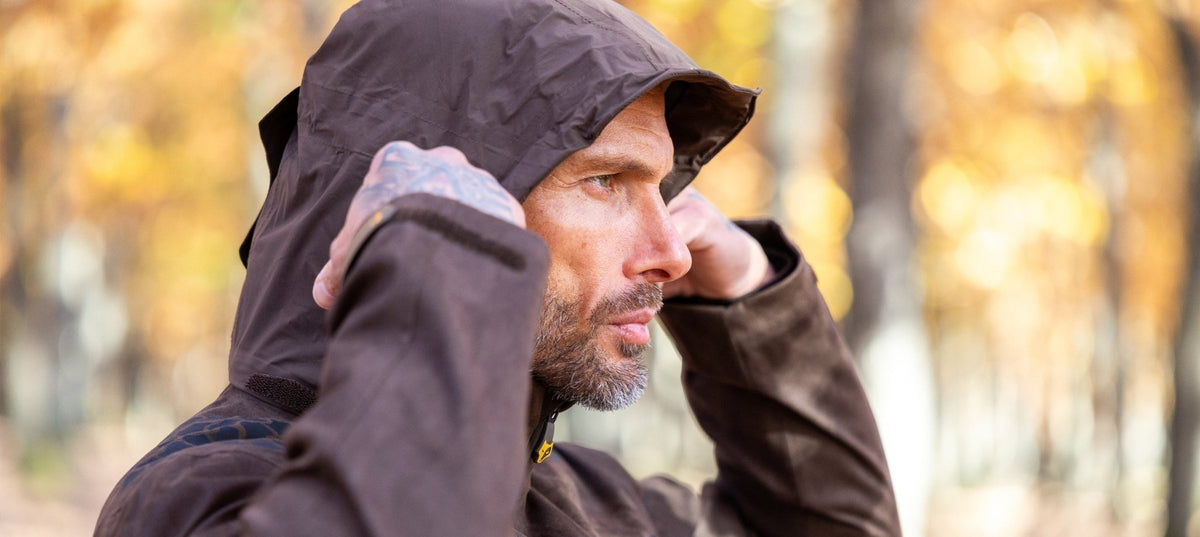
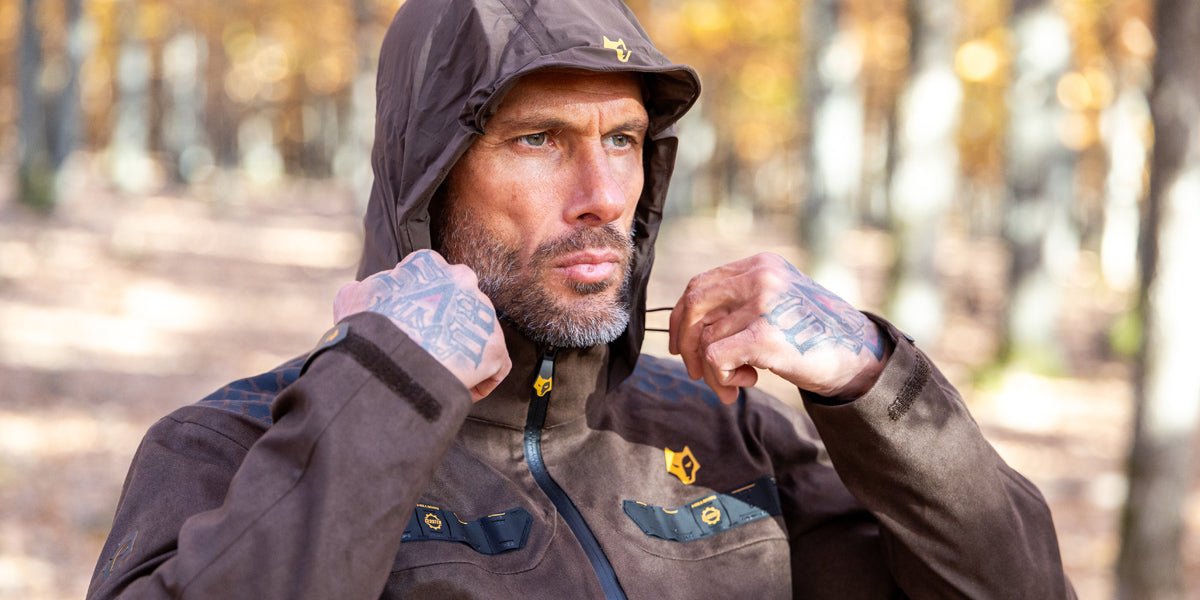
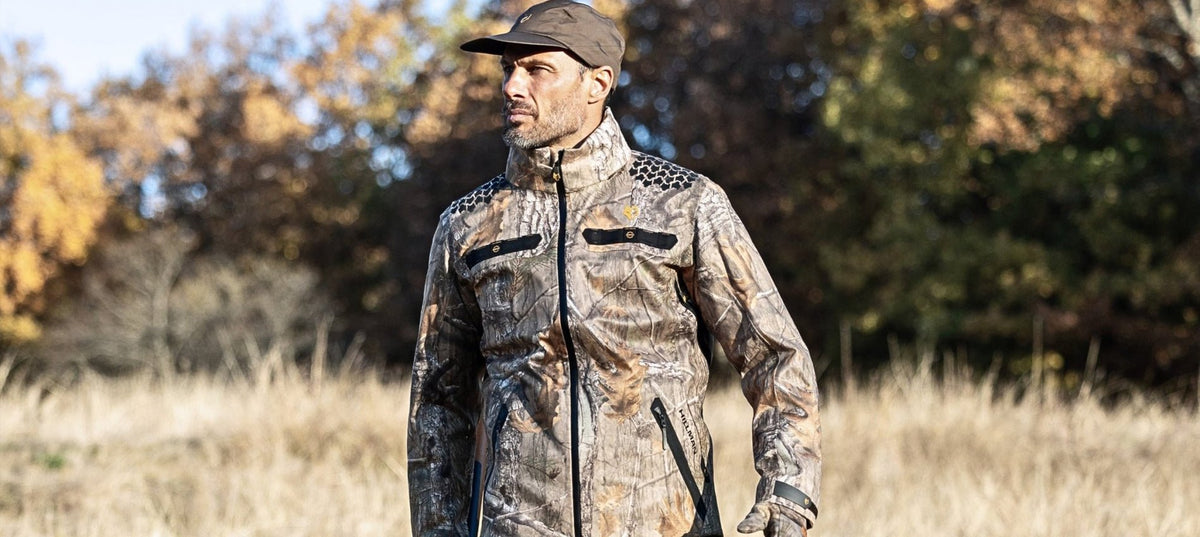
Backpack hunting taught me that clothing systems outperform clothing collections. I don’t pack multiple outfits. I pack layers. A merino base layer manages moisture. Cotton stays home. Cotton absorbs, holds, and chills. That’s not negotiable.
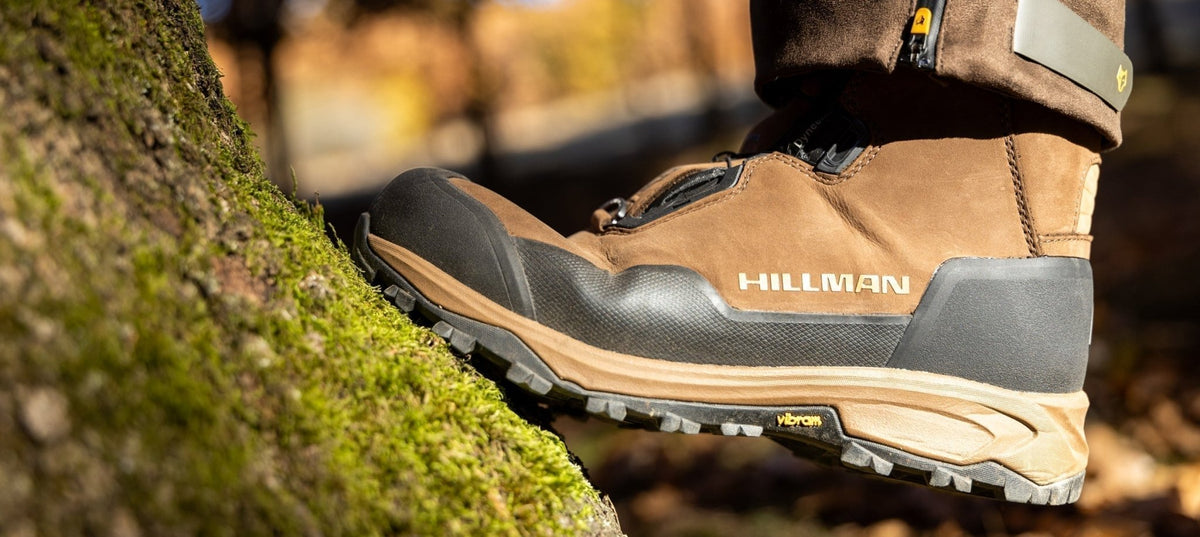
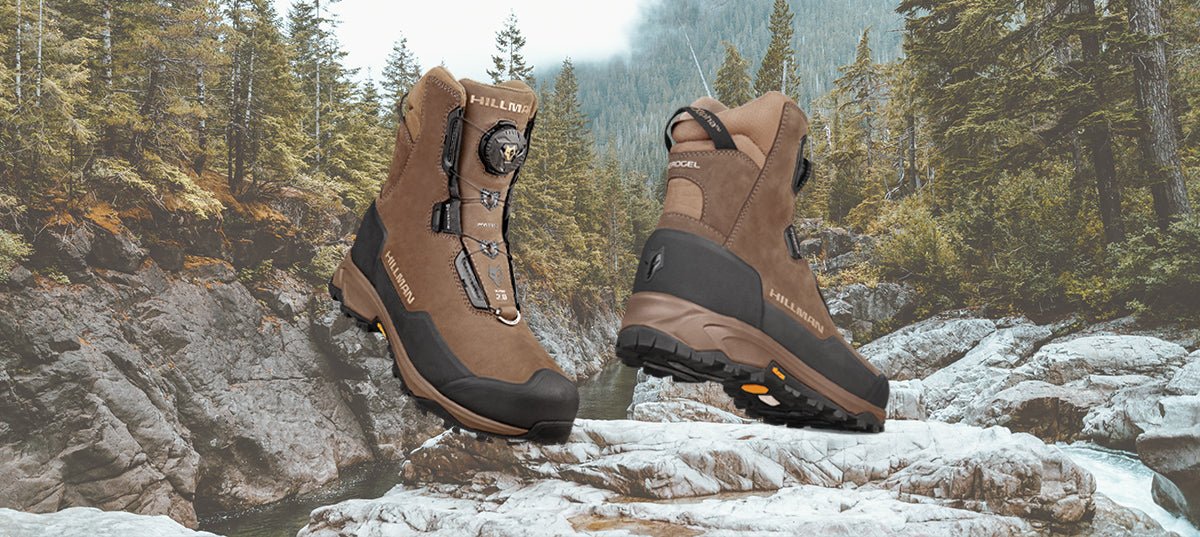
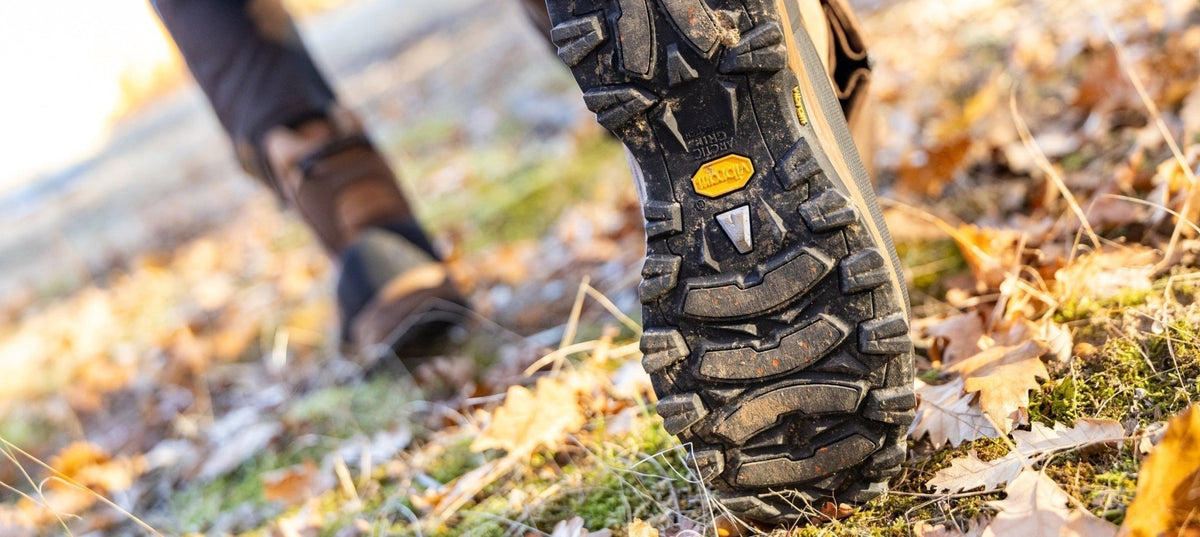
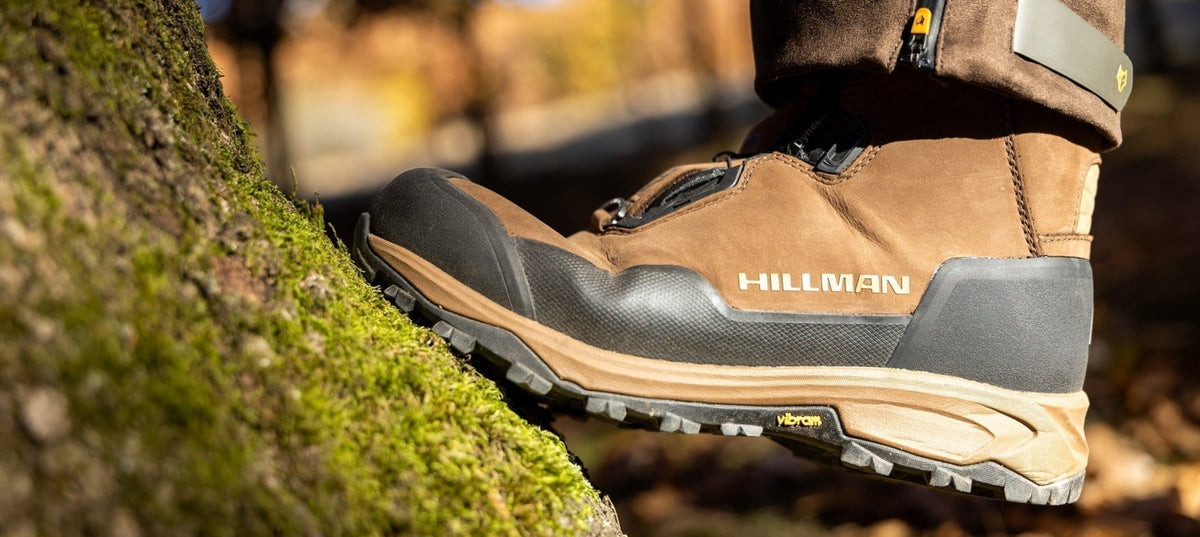
An insulation layer provides warmth at glassing points and at camp. A lightweight puffy jacket offers an exceptional warmth-to-weight ratio. A waterproof outer layer handles wind and rain. One pair of durable pants. One spare pair of socks. One reliable pair of boots is broken in long before the hunt.
Rain gear isn’t optional during hunting season. Even if forecasts look stable, weather shifts fast in wild terrain. At night, layering supplements in my sleeping bag. I don’t rely on an oversized bag to solve poor clothing choices. I wear what works. I carry only what supports it.
Food, Water, and Weight Strategy in Backcountry Hunting

Food and water are consumables, but they dominate pack weight early in a trip. Water weighs about two pounds per litre. Carrying too much is one of the fastest ways to overload a pack. I study water sources before the hunt and plan refills. A water bottle and a reliable water filter replace unnecessary litres.
Food strategy is just as important. I prioritize calorie density and simple preparation. The less fuel and cookware I need, the lighter the load. If terrain allows, I sometimes stash food or water in advance. Not always possible. But when it is, it changes the equation. Carrying weight is inevitable. Carrying unnecessary weight is optional.
Organizing Your Gear List for Efficiency and Space

A gear list isn’t static. It evolves. I organize smaller items into self-contained kits. My kill kit stays together. My first aid kit stays accessible. Frequently used items go in an outer pocket, not buried at the bottom of the pack.
Space matters as much as weight. Efficient packing reduces frustration. I store heavier items on one side only if balance demands it. Otherwise, symmetry keeps movement natural.
After every hunt, I review my gear list. What did I use? What stayed untouched? What broke? What surprised me? Improvement happens after the hunt, not before it.
What Experienced Backpack Hunters Never Cut?

There’s a line I don’t cross. I don’t cut my first aid kit. I don’t change my water filter. I don’t cut my knife. I don’t cut game bags when I expect to process animals in the field. Rain gear stays. An insulation layer stays. Proper boots stay. A reliable tent and sleeping bag stay.
Capability is the boundary. When cutting weight begins to reduce the margin for error, I stop. The goal is not the lightest pack in camp. The goal is to return safely with the game and clarity intact.
Light Enough to Move, Equipped Enough to Finish
Packing light for hunting isn’t about ego or suffering. It’s about control. Every ounce you carry should serve your next step, your next climb, your next decision. When weight works for you instead of against you, the hunt becomes clearer. And clarity, more than comfort, is what brings you home successful.

Share: