
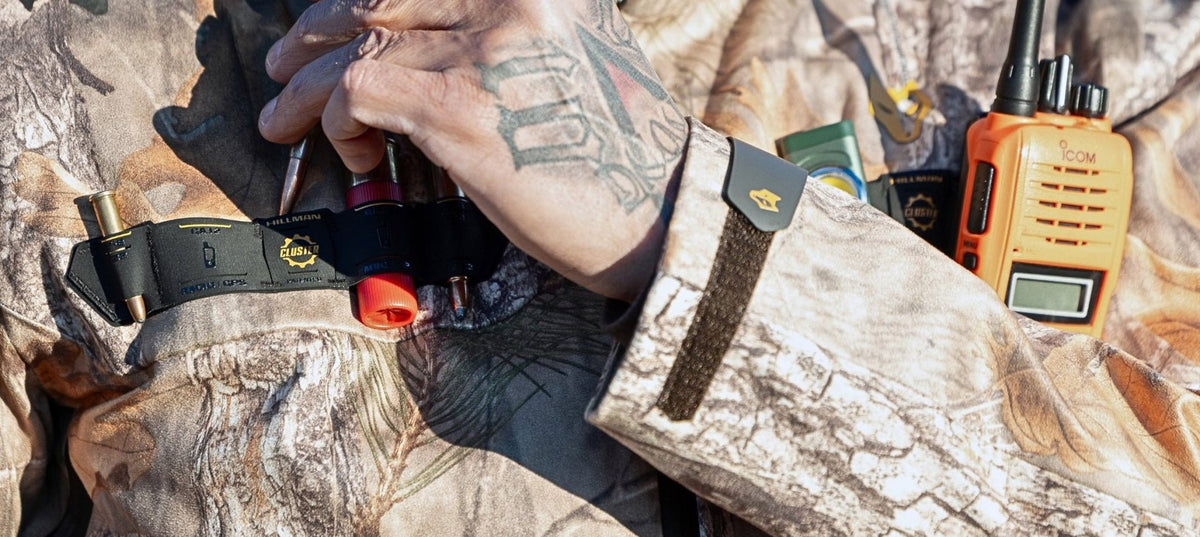
A Practical Checklist for Clothing, Boots, and “Don’t-Forget” Small Items

Prepare smarter for every hunt with a practical hunting gear checklist covering clothing, boots, and small essentials that help you stay dry, comfortable, organized, and ready in the field.
Some hunts go sideways for obvious reasons. The weather turns. The ground gets harder than expected. Animals change patterns. But plenty of bad days begin with something much smaller: the wrong clothing, a forgotten headlamp, a leaking water bottle, or a knife that never made it back into the pack after the last trip. I have learned not to treat those things as minor details. A solid hunting gear checklist is not there to make packing feel more formal. It is there to protect time, comfort, and judgment once the hunt is already underway. When the basics are handled well, I can spend more energy reading the field and less energy fixing preventable mistakes.
Why a Hunting Gear Checklist Still Matters Before Any Hunting Trip

I do not use a checklist because I am forgetful by nature. I use one because hunting has a way of exposing every lazy assumption. It is easy to think the gear is already in the truck, that the spare gloves are still in the side pocket, that the rangefinder is in the same place it was last time. Then I get to the field, reach into the bag, and realize memory did the packing instead of me.
That is usually when one small missing item begins to affect the rest of the day. It may be a dry layer, a phone battery, extra socks, or a piece of field equipment that seemed too obvious to write down. None of it feels dramatic at first. Still, these are the things that chip away at focus. They slow down decisions, distract attention, and make ordinary conditions feel harder than they need to.
A good hunting trip starts long before I begin walking. It starts when I make sure the right essential gear is actually with me. That matters in every hunting season, because no two trips ask for exactly the same setup. Cold rain, damp brush, open ground, long hours of waiting, or short mobile hunts all change what I need to carry, what I should wear, and what I can safely leave behind.
The Hunting Gear I Built Around First

I do not pack in a random order. I start with the foundation - the pack, the layout, and the way the load will move with me. If that part is wrong, the rest never quite settles.
The best hunting gear is not just high quality. It is organized in a way that makes sense when my hands are cold, when the light is poor, or when I need one item quickly without dumping half the pack into the dirt. That is why I like to build around small, self-contained groups. One kit for emergency and first-aid basics. One for optics. One for food and water. One for repair items and overlooked essentials. It sounds simple, but that structure helps me find things fast and helps me move gear between one bag and another without rebuilding everything from scratch.
A checklist also keeps me honest about weight. It is easy to overpack when every item looks useful at home. In the field, extra bulk becomes extra fatigue. I want enough gear to handle the conditions, not so much that the load starts working against me. Good preparation is not about carrying more. It is about carrying with intention.
That is where experience changes the list. Over time, I learn which things I truly use, which things only sound useful, and which items quietly save the day when something goes wrong.
Clothing and Boots That Protect Comfort and Performance in the Field

Bad clothing choices do not always fail immediately. Sometimes they fail slowly. A base layer holds sweat. A shell keeps out light rain but wets through later. A system feels fine while I am moving, then turns cold once I stop. By then, the damage is already done. My body is working harder, comfort is fading, and decision-making gets less clean.
That is why I build my clothing around moisture control first. Staying dry matters more than people sometimes admit. A good moisture-managing layer, whether it is technical synthetic fabric or wool, helps regulate temperature and prevents sweat from becoming its own problem later. Once moisture sits against the skin, I lose warmth fast, especially when the pace drops.
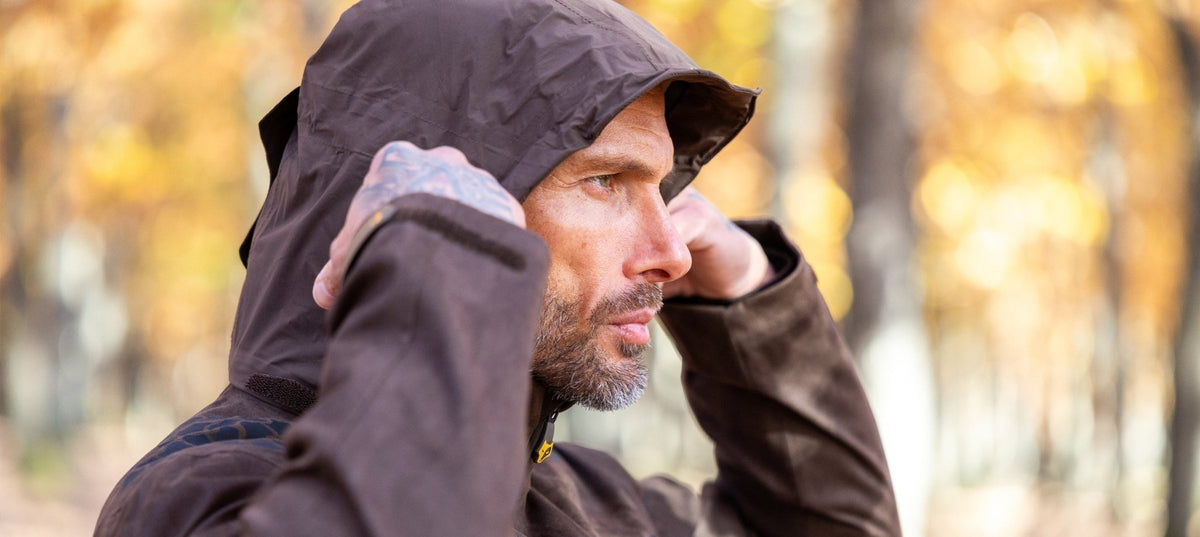
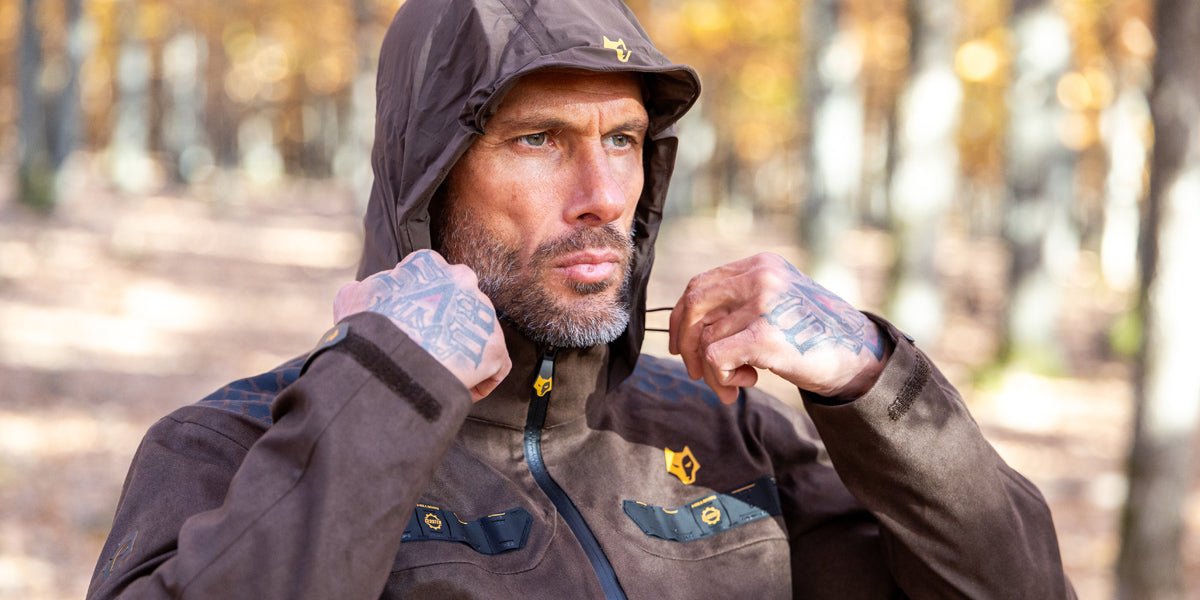
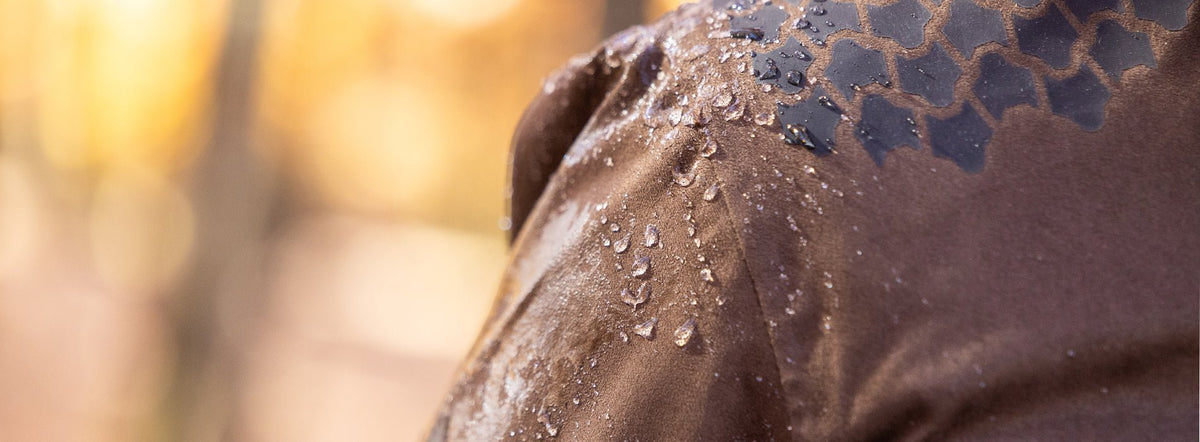
Above that, I think about insulation in a practical way. If I expect long glassing sessions, cold wind, or extended waiting, I need warmth that does not make movement loud or stiff. And on the outside, I want a dependable jacket that handles more than one kind of weather. A proper shell is not just for steady rain. It protects against wet brush, shifting wind, and that dull dampness that can wear down comfort over several hours.
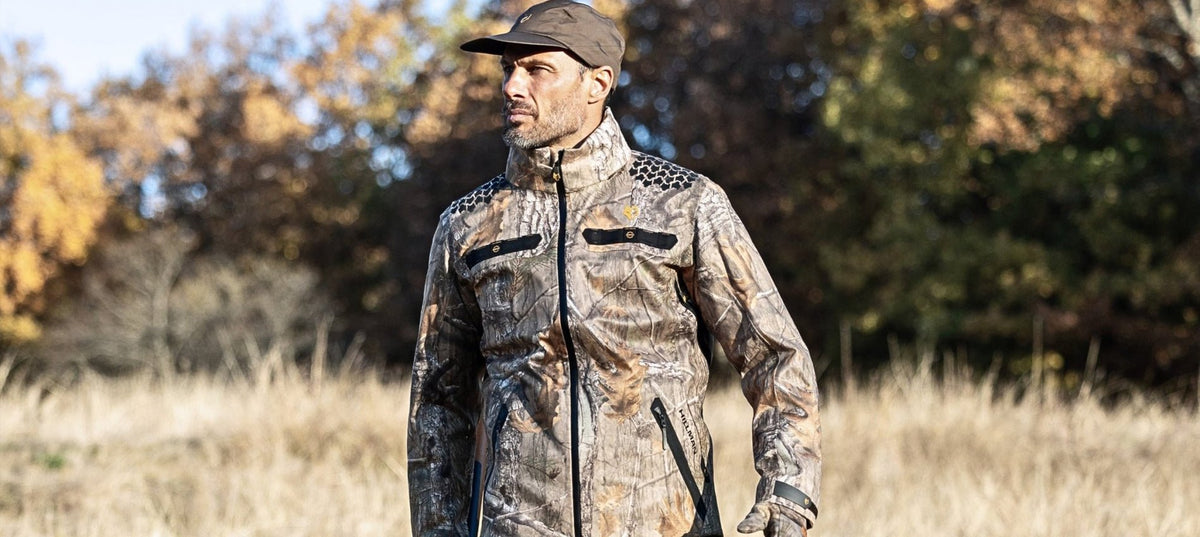
Good clothing should not only keep me warm. It should let me move cleanly, stay quiet, and remain protected without constant adjustment. The best systems disappear into the background. I stop thinking about them and return my attention to the hunt.
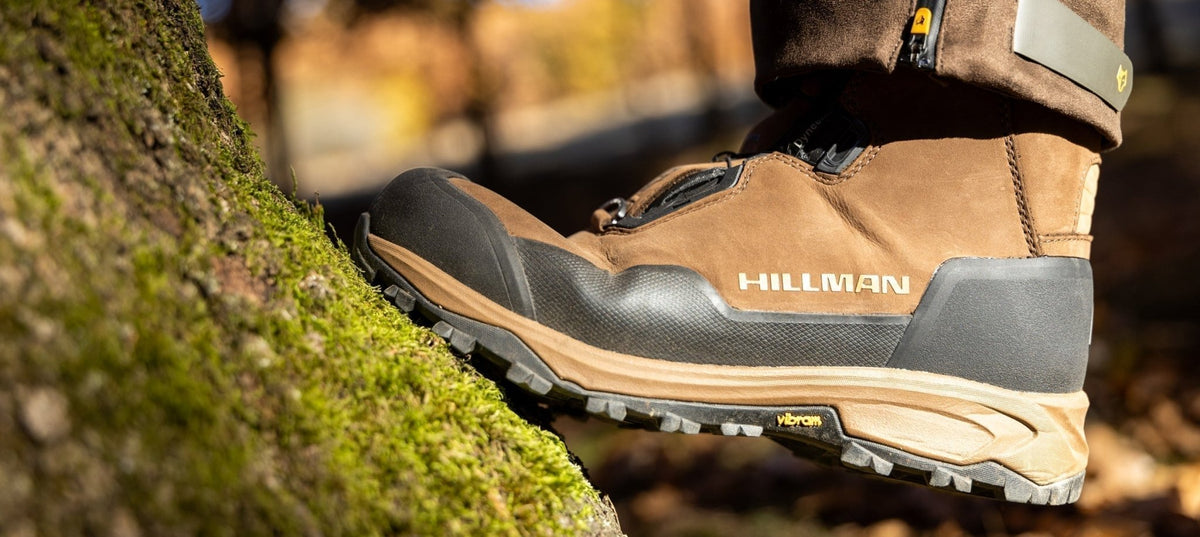
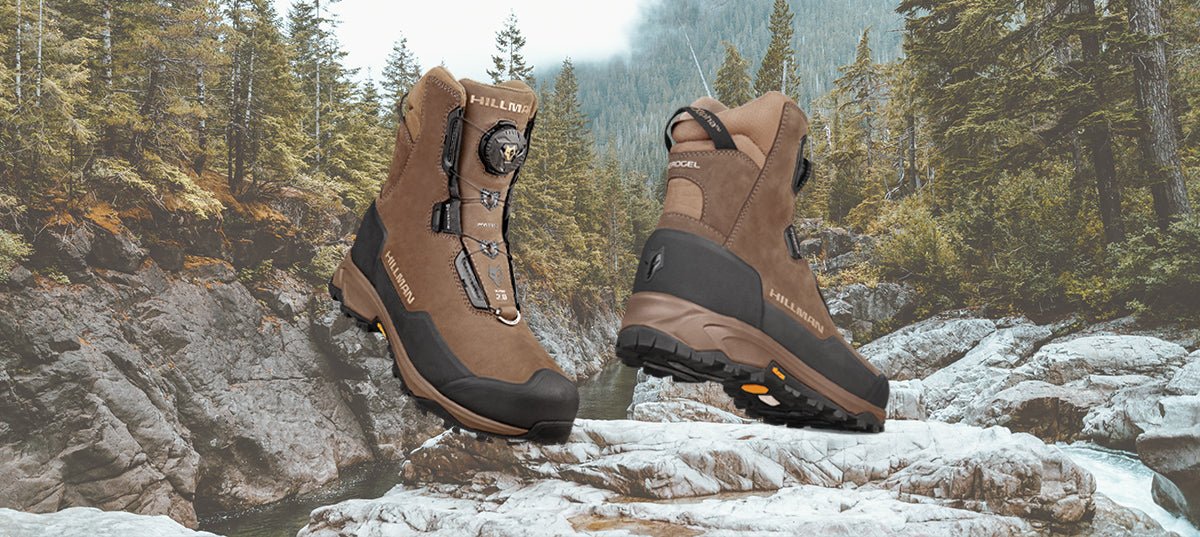
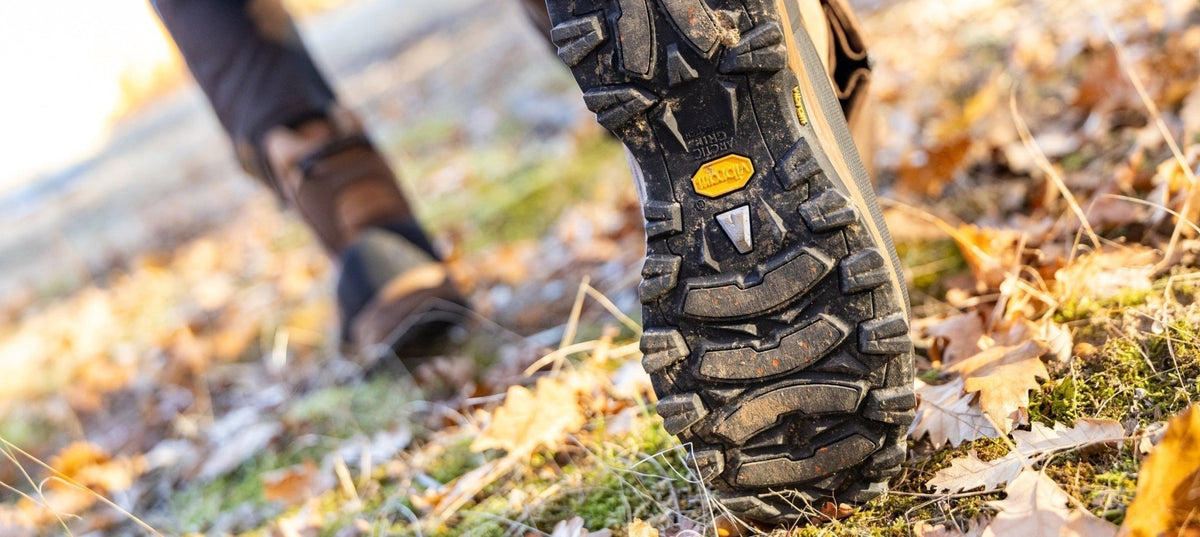
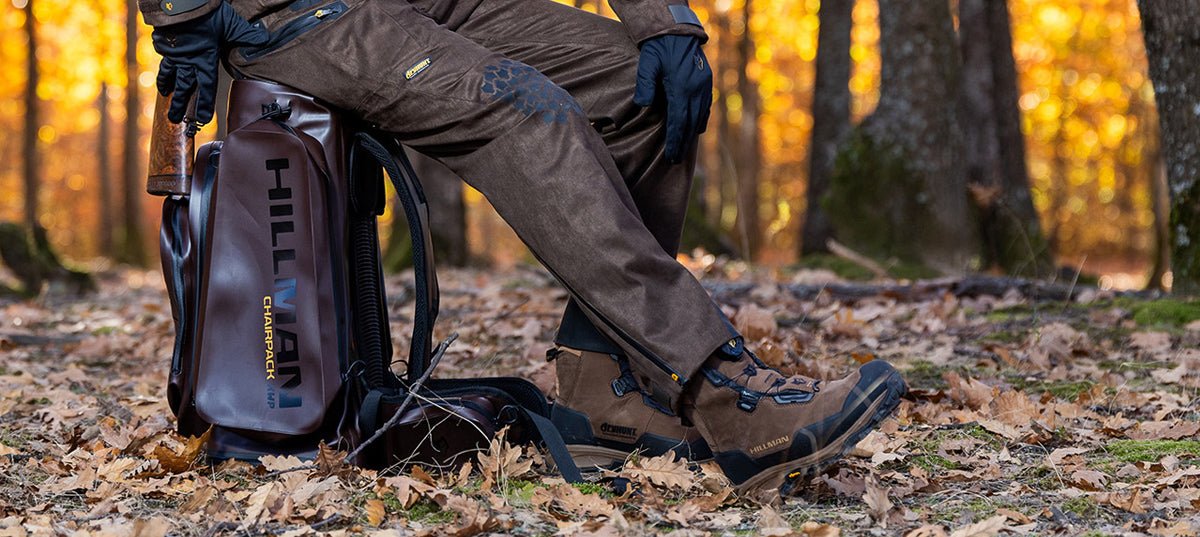
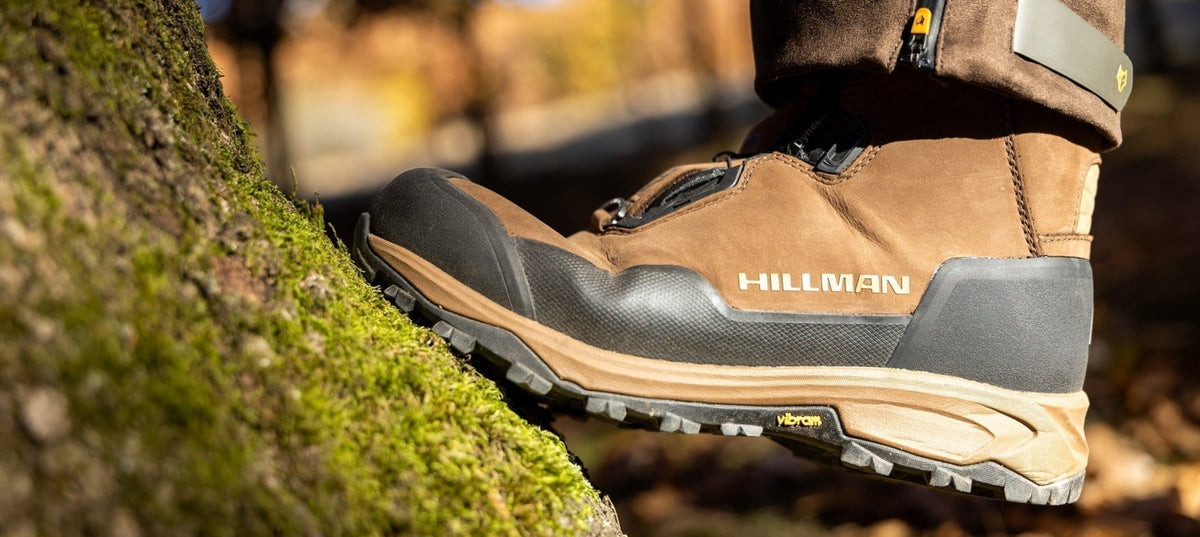
The same is true of boots. I have never seen footwear as a small decision. A reliable pair of boots affects pace, balance, warmth, and confidence on uneven ground. Fit matters first. If the fit is wrong, even the strongest boot becomes hard to trust. I want support at the ankle, enough grip for changing ground, and the kind of build that remains comfortable after hours in wet grass, mud, rock, or timber.
When temperatures drop, insulated boots can make a real difference. Cold feet pull attention away from everything else. Once discomfort gets into the legs and feet, I stop reading movement as well, stop noticing sound as sharply, and stop making the same quality of decisions. Comfort is not separate from performance. It supports it.
Essential Gear for Seeing, Ranging, and Staying Ready

Some tools are there to help me move. Others help me read the hunt properly. That is where optics earn their place.
A good pair of binoculars slows me down in the right way. Instead of pushing too quickly through the country, I can stop, study shape and movement, and pick apart the landscape with intention. That is often the difference between seeing animals and simply walking through their world.
A rangefinder belongs in that same category. Distance has a way of becoming unreliable when ground rolls, light fades, or the terrain opens up. A quick check of range removes guessing and sharpens judgment. The scope matters too, especially in low light. Good glass improves visibility, steadies the moment, and helps me stay disciplined instead of rushed.
These are not luxury items to me. They are practical field tools. They make the hunt more measured and reduce unnecessary errors.
I think the same way about navigation and light. My phone is useful, especially with offline maps, but I never assume one device solves everything. Batteries die. Screens crack. Weather changes. A headlamp has saved more time and frustration for me than almost any other small item in the pack. I use it before daylight, after dark, and in all the quiet in-between moments when good light makes ordinary tasks easier and safer.
The Small Items That Quietly Hold a Hunting Trip Together

This is where checklists prove their worth. Big gear is easy to remember. Small items disappear.
A knife stays on my list every time, not because it is easy to forget in theory, but because obvious gear is often forgotten in practice. The same goes for game bags. If the hunt goes well, I want to be ready to care for the game properly. That should never be an afterthought.
I also keep duct tape in the pack almost automatically now. It handles small repairs, loose straps, torn fabric, awkward fixes, and unexpected problems that would otherwise waste time. It is not exciting, but it belongs there.
Hydration is just as basic. A water bottle is non-negotiable, and I treat food the same way. Even when a trip looks short on paper, the day can stretch. Effort, weather, and terrain all take more out of the body than expected. A little food helps keep concentration steady and energy more even.
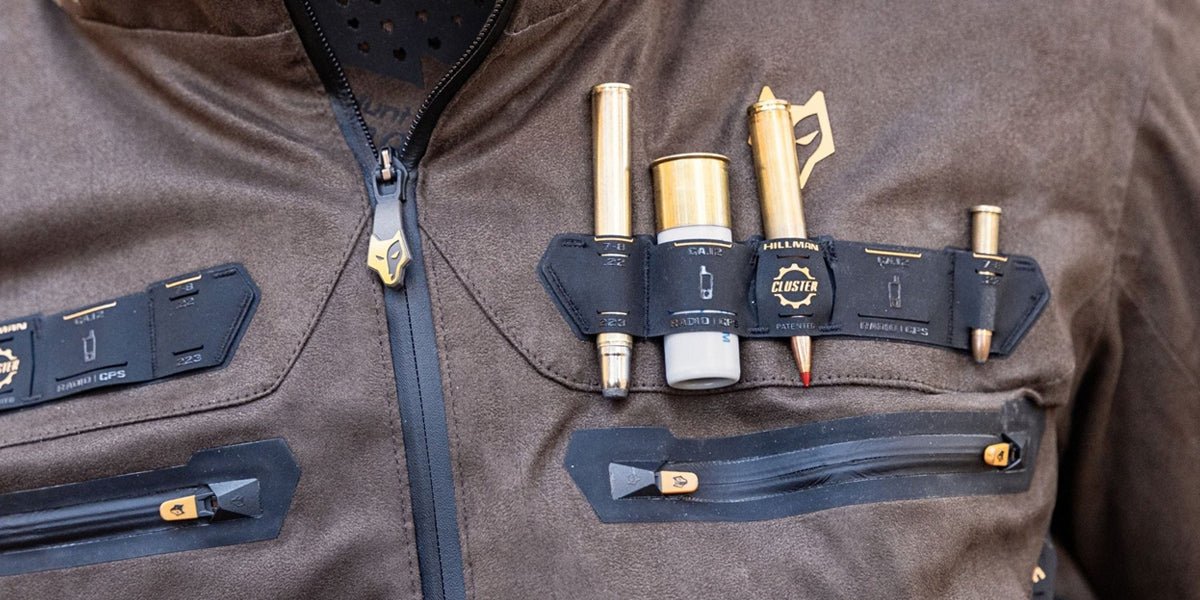
Then there are the items that look too small to matter until they matter a lot: spare batteries, a lens cloth, hygiene basics, a toothbrush for longer outings, small first-aid supplies, and the quiet backup pieces that make the whole system feel complete. I keep those grouped in one simple kit, ready to grab without thinking.
A Better Hunting Season Usually Comes Down to the Basics

I do not believe in one perfect checklist for every hunt. A good hunting gear checklist changes with the trip, the weather, the ground, and the way I expect to hunt that day. That is what keeps it useful.
For me, the goal is not to bring more product or more gear for the sake of it. The goal is to bring the right things, pack them well, and step into the field prepared enough that small problems do not steal energy from the larger purpose. Good boots, practical clothing, a clean system for essentials, and a little discipline before the trip all add up.
That is usually what separates a hunt that feels scattered from one that feels ready.

Share: