
Merino vs Synthetics for Multi-Day Hunts: Drying Speed, Odor Control & Packability

From cold-weather deer stands to backcountry hunts, compare merino wool base layers and synthetic base layers for moisture management, odor resistance, warmth, and fast drying performance.
On a multi-day hunt, small choices become visible. The first morning, almost anything works. By the second, the base layer tells the truth.
I have worn both merino wool and synthetic base layers long enough to stop arguing about which is “better.” The real question is how each behaves when there is no proper drying time, when humidity lingers in the air, and when the same shirt has to perform again tomorrow. In cold weather, sweat is rarely the problem while moving. It is the hour after when you slow down, when the wind cuts through damp fabric. When moisture stays against the skin longer than it should. A base layer material that cannot manage that transition becomes noticeable.
That is why I look at merino vs synthetics through three practical filters: how fast they dry, how well they handle odor control, and how much space they demand in the pack. Everything else: warmth, comfort, durability, builds on those.
Before comparing merino wool base layers and their synthetic counterparts, it is worth grounding the conversation in what base layers are actually supposed to do.
Base Layers: The First Line in a Layering System

A base layer is not there to keep you warm. That misconception creates most mistakes. Its primary role is moisture management. If wicking sweat fails at the skin level, the rest of the layering system cannot correct it. An outer layer can block wind. Mid layers can trap warmth. But if moisture remains where it should not, body temperature becomes unstable, especially in cold conditions.
Fit matters more than most people admit. A base layer that floats away from the skin cannot wick moisture efficiently. One that restricts movement becomes distracting during active movement or steep climbs. The balance is subtle.
Both merino base layers and synthetic layers are built for this first-line role. Both can function as a warm base layer in colder months or a light layer in warmer conditions. The difference appears later, when drying speed becomes limited by damp air rather than sunlight, and when the same garment has to perform again without washing. That is where the comparison becomes real.
Merino vs Synthetics: Which Actually Dries Faster in Real Hunting Conditions?

If I am planning a multi-day hunt and I know drying time will be limited, I do not ask which fabric is theoretically faster. I ask what will happen on the second evening.
After a long climb where I have been working hard and sweating under a pack, a synthetic base layer usually feels dry on the surface sooner. If I take it off and hang it where there is at least some air movement, it can be reasonably dry by morning, even if humidity is present. That faster surface drying is one of the main reasons many high-output athletes prefer synthetic materials.
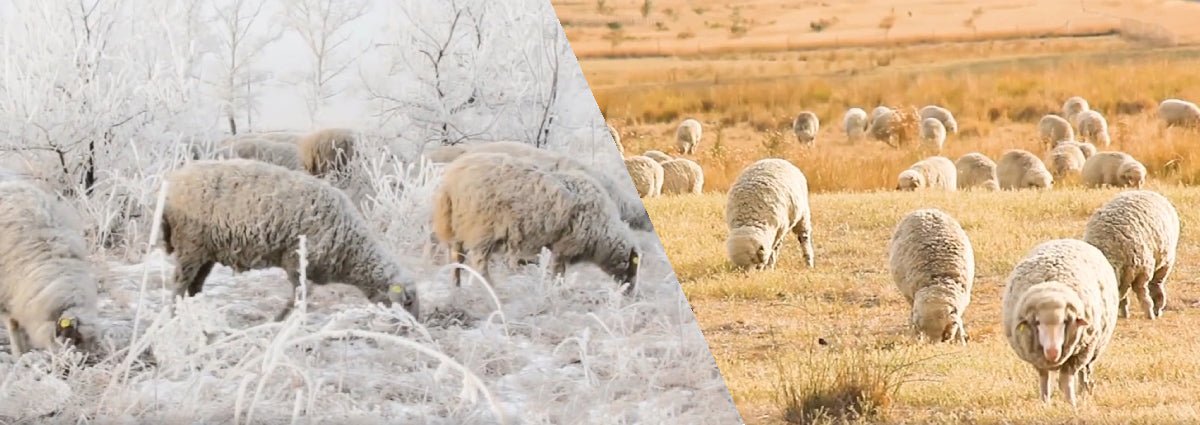
Merino wool behaves differently. It absorbs more moisture into the fiber itself, so it may not feel soaked, but it does not release that moisture as quickly. In dry mountain air, this difference is small. In damp regions where humidity stays high overnight, and temperatures drop, merino wool base layers can still feel slightly heavy the next morning.

However, drying speed is not only about fiber type. Fabric weight matters more than most discussions admit. A 150 gsm merino base layer built as a light layer for warmer conditions can dry surprisingly close to a lightweight synthetic base. A heavier merino wool piece designed for cold weather, especially one meant to trap warmth during long sits, will hold more moisture simply because there is more material.
If the hunt involves constant movement, steep terrain, and repeated sweat cycles during the same day, synthetic base layers generally recover faster between efforts. That quicker turnaround can keep the entire layering system working efficiently. Moisture that stays near the skin too long can compromise body temperature, particularly once activity slows.
At the same time, merino retains insulation even when slightly damp. In cold conditions where I expect long static periods, that matters. A base layer that is not fully dry but still warm can be more forgiving than one that dries quickly yet cools down immediately when the wind shifts.
For pure fast drying in wet conditions, most synthetics have the advantage. For balanced performance where warmth during partial dampness is important, merino wool holds its ground.
The right choice depends less on marketing claims and more on how much movement, humidity, and recovery time the hunt will realistically allow.
Merino Wool and Odor on a Real Multi-Day Hunt

I do not usually think about odor on the first day. It is rarely an issue. Everything is still fresh, the weather is still manageable, and adrenaline covers most discomfort.
It changes somewhere around the second evening.
Synthetic base layers handle sweat efficiently during movement, and in terms of moisture management, they perform very well. But once that sweat has worked its way through a full day of effort, especially under a pack or during long climbs, the scent settles differently. Even when the fabric dries, something remains. It is not always obvious, but it is there.
Merino wool does not stay neutral forever either. After enough movement, it will carry odor. The difference is in how quickly that buildup becomes noticeable. I have worn merino base layers for multiple consecutive days in cold conditions where washing was not realistic, and the scent never became sharp or intrusive. It lingered, but it did not spike.
Humidity makes this more obvious. In damp air where moisture stays suspended, synthetic fabrics tend to hold onto odor longer. Merino seems to stay more stable in those same conditions, even if it dries more slowly.
Modern synthetic layers often include anti-odor treatments, and some of them are effective. The question is durability. Those treatments are applied to the surface of the fabric. The odor resistance in merino wool is built into the fiber itself. Over time, that distinction matters.
On a short hunt, this difference is marginal. On a four-day trip with limited spare clothing, it changes how much I trust the layer I am wearing.
What Packs Smaller After Everything Is Accounted For?

When people ask which packs smaller, they usually expect a simple answer based on fabric weight. In reality, I have found that the question rarely comes down to volume alone.
A lightweight synthetic base layer is often thinner and slightly less bulky than a comparable merino wool piece, especially in lower weights built for warm weather. If I lay two light layers side by side, the synthetic version typically compresses a bit tighter and springs back less. That makes it appealing for multi-day hunts where space is tight and every item competes for room.
But packing efficiency is not only about how small a single garment folds.
On extended trips, the more relevant question becomes how many base layers I need to carry. Synthetic base layers dry fast, which helps, but they also tend to retain odor more aggressively after repeated use. If I anticipate rotating layers to stay comfortable, I may end up packing an extra synthetic piece. That changes the equation.
Merino base layers, particularly those designed as a versatile light layer, can often be worn longer before odor becomes intrusive. That sometimes allows me to carry one less change. Even if the merino garment itself is marginally bulkier, reducing total pieces in the pack can offset that difference entirely.
Fabric weight per square meter also plays a larger role than most comparisons suggest. A heavy cold-weather merino top built to trap warmth during long sits will naturally take up more space than a thin synthetic base. But a midweight synthetic designed for durability in thick brush can be equally substantial. Construction matters as much as fiber type.
There is also durability to consider. Synthetic materials are generally more resistant to abrasion, which can be relevant in rugged terrain or dense cover. A fragile layer that requires careful handling may not be ideal when crawling through brush or carrying heavy loads. Synthetic base layers often tolerate that rougher treatment better.
For strict minimalism in warmer conditions and high-output movement, synthetics often offer slightly better pack efficiency. For multi-day wear where rotation is limited, and odor resistance matters, merino wool can reduce the number of garments needed. In practice, many experienced hunters adopt a hybrid approach, combining merino wool base layers with synthetic blends to balance durability, moisture management, and pack weight.
The difference is rarely dramatic, but on longer hunts, small efficiencies compound.
Men’s Base Layers: Fit, Construction, and Features That Matter in the Field

When I look at men’s base layers for multi-day hunts, I do not start with the fiber. I start with the cut and construction.
A base layer that restricts movement becomes frustrating long before fabric performance becomes an issue. During steep climbs, crawling through thick brush, or adjusting position in a deer stand, freedom of movement matters more than most people admit. A good base layer should follow the body closely without pulling at the shoulders or bunching at the waist.
Flatlock seams are not a marketing detail. Over several days of wear, especially under pack straps, poorly constructed seams can cause chafing that becomes distracting. Quality hunting base layers use flatlock seams specifically to reduce chafing and allow a full range of motion during active movement. It sounds minor until you are three days in.
Design variations also change how a layer performs. A half zip or quarter zip can increase breathability during movement without requiring full removal of other layers. Venting through the chest can regulate body temperature quickly when climbing, and then close down again for long sits. In colder months, long-sleeve designs and long johns become part of the system, not just optional additions.

Fabric feel should not be ignored either. Merino wool is often described as super soft, and high-grade versions are comfortable even for sensitive skin. Traditional wool had a reputation for itchiness, but modern merino wool base layers are engineered differently. Synthetic fabrics vary more widely; some feel smooth and athletic, others more technical. For extended wear, especially when washing is limited, comfort becomes performance.
Durability ties back into construction. Synthetic base layers generally tolerate abrasion better, especially in rough terrain. Synthetic fibers tend to maintain structure under repeated stress. Merino wool, as a natural fiber, can show wear faster if the fabric is lightweight and used aggressively. That is one reason many brands now rely on synthetic blends to reinforce high-stress areas while maintaining odor resistance.
In real terms, a good base layer is not only about moisture management. It is about how the fabric, seams, and fit behave after multiple days of hunting apparel being used continuously without a reset.
Durability, Price, and What Actually Makes Sense

Price comes up early in this conversation, but it rarely decides the outcome.
Merino wool base layers usually cost more. That is not surprising. Natural fiber production, especially high-grade merino wool, is more expensive. Synthetic base layers often come in at lower prices, and for many hunters, that matters.
What I have learned over time is that cost only makes sense when placed next to use.
If I know I will spend days moving through thick brush, crawling under branches, carrying weight, and washing the garment repeatedly over the season, synthetic materials often make more sense. Synthetic fibers tolerate abrasion well. They recover shape. They dry quickly after washing. In that context, they offer excellent value.
Merino behaves differently. It is comfortable against the skin, particularly for sensitive skin, and it manages odor in a way that reduces the need for rotation. On a four-day hunt where I am not carrying spare layers, that changes how I evaluate price. A single merino piece worn confidently for multiple days may offset the higher initial cost.
Durability is also a function of fabric weight and construction. A lightweight merino built as a light layer for warm weather will not handle abuse the same way as a reinforced synthetic base designed for rugged terrain. At the same time, a midweight merino worn under other layers may never see the abrasion that damages fabric.
Over time, I stopped thinking in absolutes. I do not ask which material is better. I ask which is well-suited for the specific hunt ahead, the expected conditions, and the way I move.


Share: