
How to Stay Comfortable During Back-to-Back Hunt Days in Different Climates

Comfort during back-to-back hunt days is never static. Explore how smart layering and adaptable clothing support long days in changing conditions.
There is a strange expectation around hunting clothing that we’ve never quite agreed with. The idea that comfort is something you “solve” before the hunt starts, as if the right jacket or the right layer could somehow lock everything into place for days at a time.
Our experience has been different.
Back-to-back hunt days don’t behave that way. They don’t unfold neatly. They don’t respect preparation in a linear sense. What feels right at the beginning often changes somewhere in the middle, not because the weather suddenly turns extreme, but because the body does.
Comfort, over long days in the field, becomes less of a state and more of a conversation between clothing, movement, temperature, and fatigue. And that conversation keeps changing.
We’ve learned to listen to it.

Back-to-Back Hunt Days Are Not Just “More of the Same”
It’s easy to think of back-to-back hunt days as a simple extension of a single hunt. Another morning. Another long walk. Another stretch of waiting. In reality, the second and third days feel different in the body, even when the landscape looks familiar.
Muscles remember yesterday. Balance shifts. The way the body holds heat changes subtly, often without warning. Long periods of movement followed by stillness start to feel heavier, not because the conditions are worse, but because the margin for error becomes smaller.
This is usually when hunting clothing begins to matter differently. Not as protection from one specific element, but as support for a body that is already working harder than it did before.

Weather Is Only Part of the Story
We often talk about weather as if it were a single force, but during hunting seasons, it rarely arrives that cleanly. Rain doesn’t always mean cold. Wind doesn’t always arrive alone. Wet ground can exist under clear skies.
Over long days, it’s not the presence of weather that matters most, but the transitions. Moving from cold air into movement-generated heat. Stopping suddenly while the body is still warm. Standing in the wind after hours of walking. These are the moments that define comfort more than any forecast ever could.
Hunting clothing that works across different weather conditions doesn’t try to dominate these transitions. It allows them to happen without becoming disruptive.

Harsh Weather Conditions Build Quietly
Harsh weather conditions are often imagined as dramatic events, but in practice, they tend to accumulate slowly. Wind pulls warmth away bit by bit. Rain adds weight before it adds discomfort. Wet fabric changes how clothes sit against the body.
In the great outdoors, this quiet accumulation matters. Over long periods, even small inefficiencies in clothing begin to cost energy. Durability, wind protection, and the ability to shed water are not about comfort in isolation; they are about reducing the number of small adjustments the body has to make just to stay functional.
Cold Weather Is Not the Enemy Movement Is Afraid Of
Cold weather hunting doesn’t fail because it’s cold. It fails when warmth and movement stop cooperating.
Too much insulation creates stiffness. Too little creates distraction. Somewhere between those two sits a balance that changes throughout the day, depending on activity level, wind, and how much rest the body has had.
Staying warm, in our experience, is rarely about adding more clothes. It’s about allowing heat to build and escape naturally, without forcing the body into extremes. Clothing that understands this makes cold weather feel manageable rather than exhausting.
Base Layers Are Felt Only When They Fail

Base layers rarely get attention, which is probably a good sign. When they work, they disappear into the background. When they don’t, everything else struggles.
Sitting close to the body, base layers manage moisture long before outer layers are involved. Over long days, that matters more than insulation alone. Sweat that lingers turns cold. Dryness turns into warmth.
Thin, breathable base layers support the body quietly, allowing every other layer to do its job without interference. Maximum comfort often begins here, even if it’s the last place people think to look.
Hunting Jackets Carry More Responsibility Than We Admit

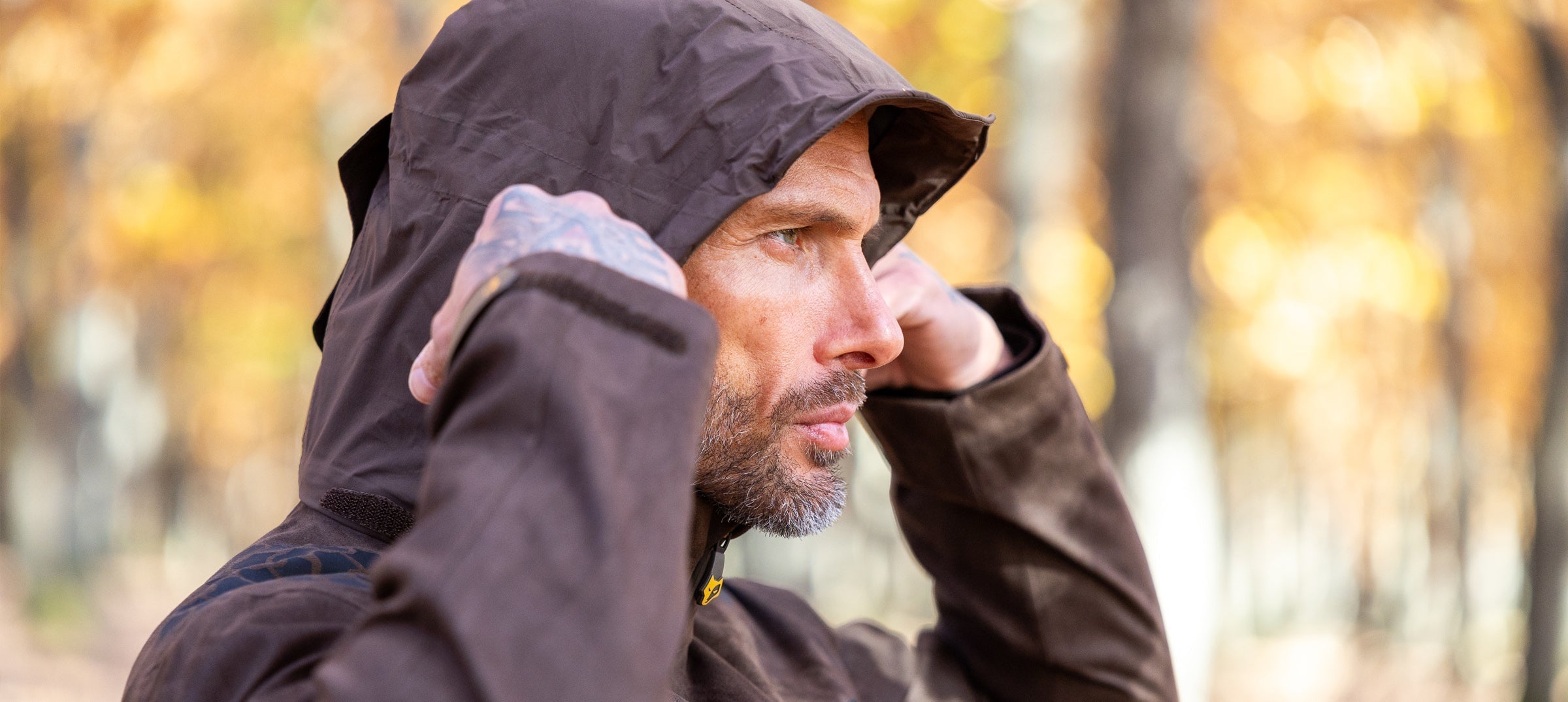
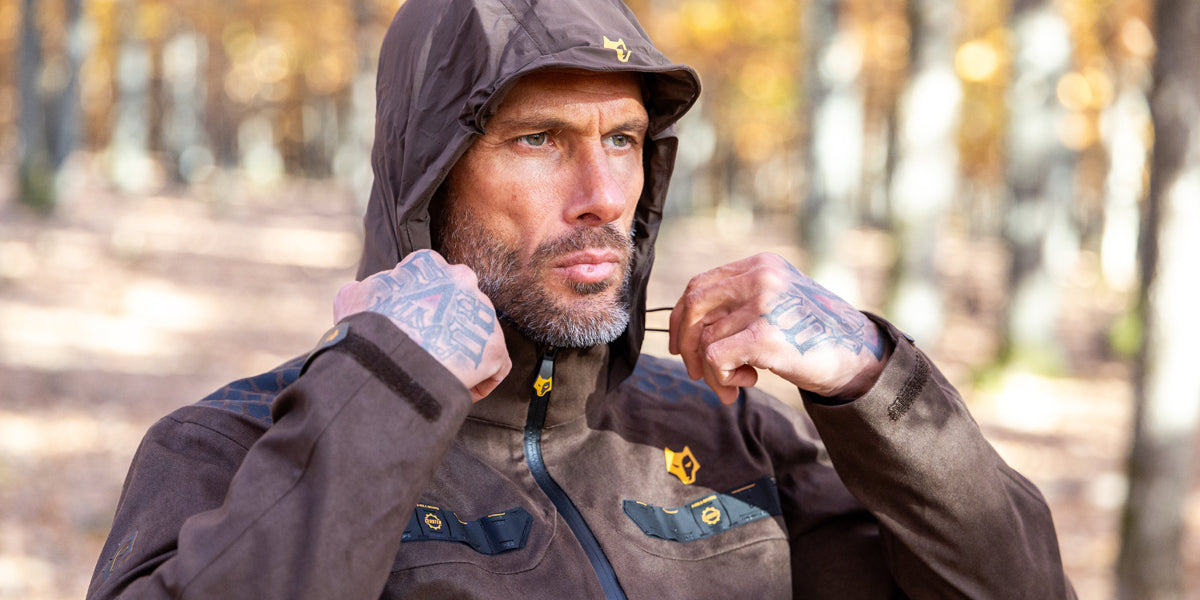
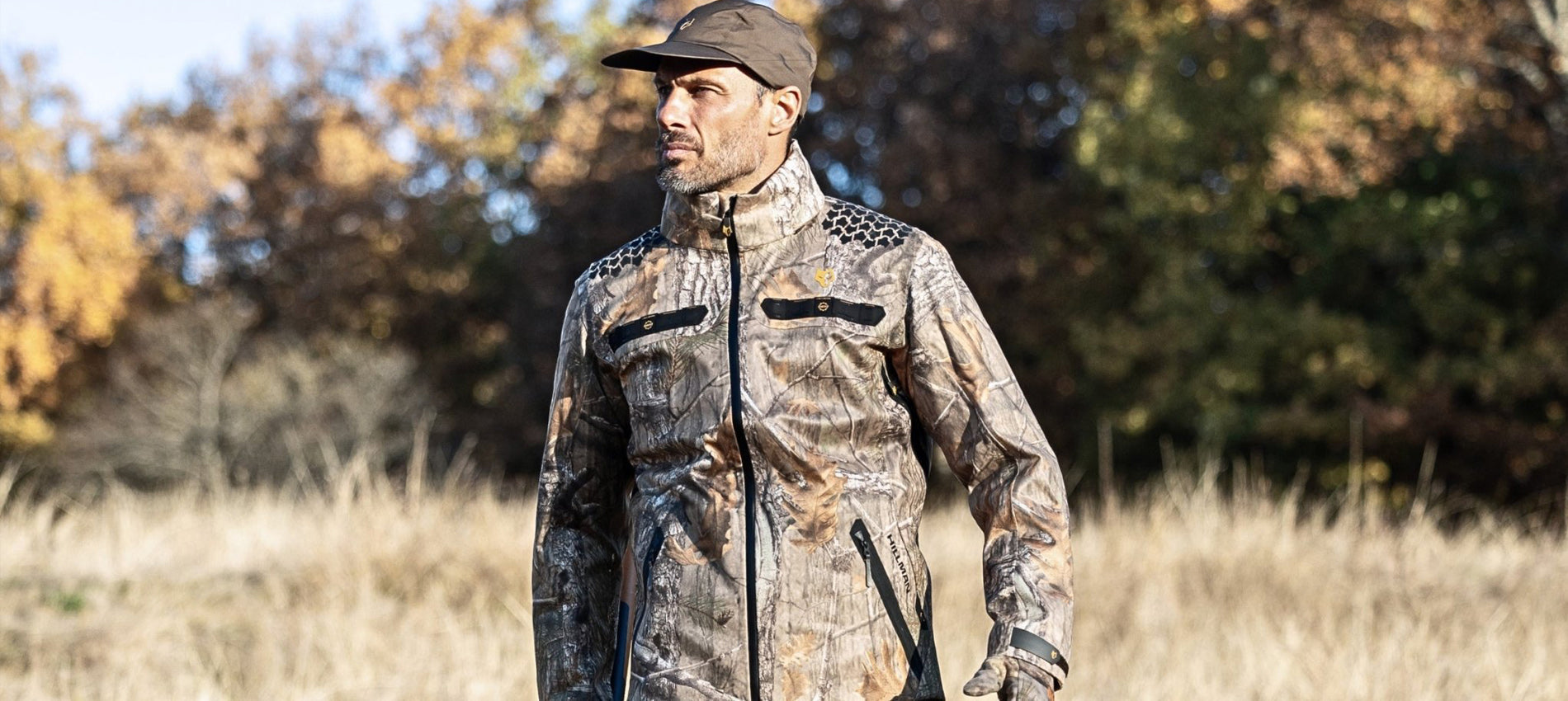
Hunting jackets tend to carry unrealistic expectations. They are asked to be fully waterproof, windproof, insulated, breathable, durable, and light, all at the same time, across changing conditions and long days.
In extreme conditions, what matters most is not how much a jacket promises, but how consistently it performs. A jacket that sheds water, protects the core, and allows excess heat to escape does more than keep the body warm; it reduces decision-making fatigue. You stop thinking about what you’re wearing and start paying attention to where you are.
Shooting Clothing Is About Stability More Than Style
Shooting clothing reveals its value slowly. Over long days, steadiness matters more than initial comfort. Arms need freedom. The core needs warmth. The body needs to stay balanced through repeated movement and pauses.
Good shooting clothing supports this rhythm without forcing it. It doesn’t restrict movement, and it doesn’t collapse into looseness. Over time, that balance preserves energy, which often matters more than protection from any single element.
Cold Fingers & Ears Change Everything

Few things disrupt focus faster than cold fingers. Grip weakens. Sensitivity drops. Simple actions take more effort than they should.
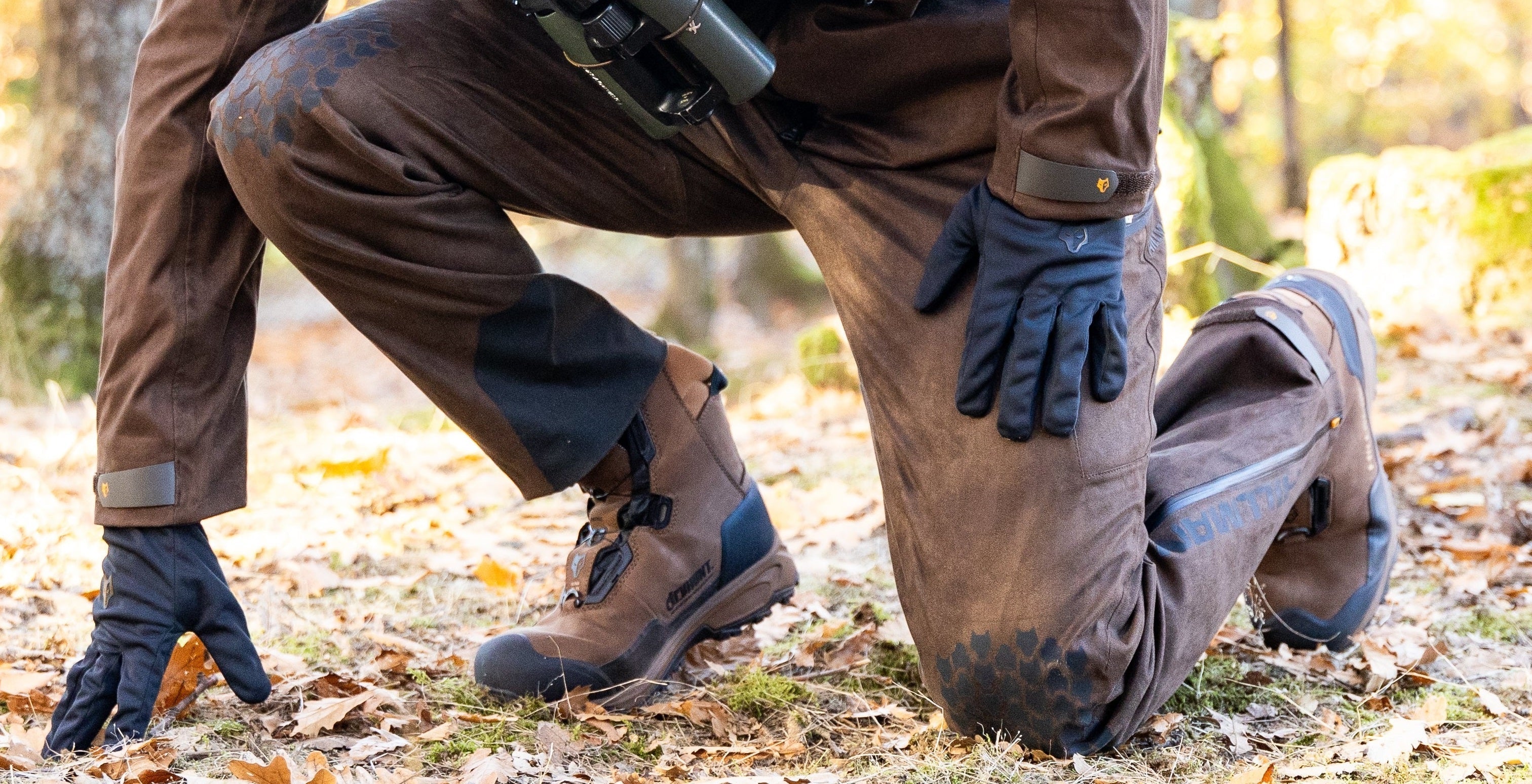
Hunting gloves live in that difficult space between warmth and control. Too much insulation and movement suffer. Too little and the cold wins quickly. A dependable pair protects fingers from wind and wet conditions while preserving the ability to move, feel, and respond without hesitation.
It’s a small piece of gear, but during long days it often decides how comfortable everything else feels.
Heat loss doesn’t only happen at the hands. A lightweight merino beanie reduces overall heat loss and helps maintain thermal balance, which in turn makes it easier to keep extremities comfortable during long, exposed periods outdoors.
A Hunting Outfit Works Best When It Behaves Like One

A hunting outfit is rarely about individual items. It’s about how those items behave together over time. Jackets, trousers, base layers, socks, and gloves each play a role, but none work well in isolation.
When clothing functions as a system, comfort becomes consistent rather than conditional. Adjustments become smaller. Movement feels easier. Over long periods outdoors, this coherence allows the body to focus on the hunt rather than on managing discomfort.
 A Full Collection Creates Options, Not Weight
A full collection of hunting clothing doesn’t exist to add choices; it exists to remove compromises. Layering allows adaptation without excess. Breathable layers manage moisture. Insulating layers handle warmth. Waterproof layers protect against the elements.
This approach keeps clothing light, responsive, and relevant across different climates and long days. It also reduces the temptation to overload, which often creates more problems than it solves.

Extreme Conditions Reward Balance, Not Excess
Extreme conditions often invite overreaction. More layers. More weight. More protection.
In practice, balance wins. Trapped air insulates better than bulk. Lighter layers preserve movement. The body regulates heat more effectively when it isn’t fighting its own clothing.
This balance becomes especially important during back-to-back hunt days, when conserving energy matters as much as staying warm.
Comfort Is Not the Goal, Focus Is
Comfort, on its own, is not why we spend long days outdoors. Focus is. Presence is. The ability to stay engaged with the landscape, the movement, and the moment.
When clothing supports the body instead of demanding attention, focus follows naturally. That is how long days become sustainable. That is how back-to-back hunt days stop feeling like endurance tests and start feeling like what they are meant to be: time spent fully present in the world outdoors.

Share: