
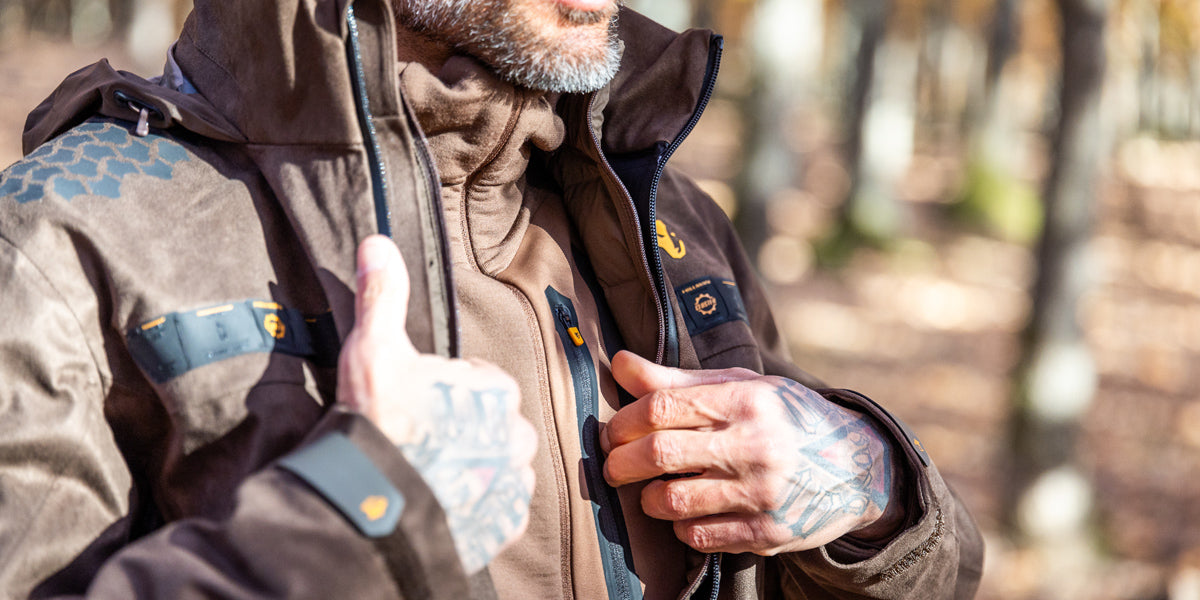
Layering works internationally because it prioritises temperature control and moisture management rather than bulk, allowing hunters to adapt to shifting weather and varying levels of activity. A three-layer system, base for moisture control, mid for insulation and outer for protection, proves reliable across countries and climates.

International Layering Essentials: What Always Works, No Matter the Country
When done correctly, layering fades into the background, keeping comfort steady without constant adjustment.
Layering is about control, not bulk. See how a proven three-layer approach helps hunters stay comfortable across climates, seasons, and unpredictable weather.
When you spend enough time outdoors, you stop believing in perfect weather. Conditions change, sometimes slowly, sometimes within minutes, and clothing is often the first thing that exposes poor planning. Over the years, across different countries and seasons, one principle has proven itself again and again: layering works, not because it is fashionable, but because it respects how the body actually behaves.
From our perspective as hunters, layering is not about owning more gear. It is about staying effective in the field. When clothing works properly, it keeps body temperature stable, manages moisture quietly, and allows you to focus on what matters, rather than on how cold, hot, or uncomfortable you feel.
The Core Idea Behind Layering Clothes in Any Weather

The idea behind layering is simple, but it is often misunderstood. Instead of relying on one heavy garment to solve every problem, you build a system that reacts to movement, temperature, and weather changes. Each layer has a clear role, and when those roles are respected, the whole system works smoothly.
In hunting, this matters more than people realise. Long periods of stillness followed by short bursts of movement place real demands on clothing. A rigid setup fails quickly. A layered system adapts without drawing attention to itself.
Over the years, we have seen the same mistake repeated in different countries and terrains. Hunters arrive confident in a single solution, usually a heavy jacket chosen “just in case. It works for the first hour, sometimes two. Then movement slows, the body cools, and the moisture trapped inside begins to work against them.
What experience teaches you is patience. Adding a layer early, before the chill sets in, works far better than reacting late. Layering rewards anticipation. Once you understand that, you stop chasing comfort and start maintaining it.
Why Layering Works When the Weather Changes Instantly?
The weather does not wait for convenience. A calm morning can turn into a cold, windy afternoon, and light rain can settle in without warning. Layering allows small, controlled adjustments instead of drastic ones.
Adding or removing a layer at the right moment prevents the body from overheating or cooling too fast. Carrying spare layers may seem unnecessary at first, but experience teaches otherwise. When conditions shift, preparation becomes comfort.
Base Layer Clothing: Where Body Heat and Comfort Begin

Base layer clothing is the foundation of everything that follows. It sits next to the skin and quietly handles the most important task in any layering system: moisture management.
One of the clearest lessons we learned came during long mornings in still air, followed by slow afternoon movement. On paper, the conditions looked manageable. In reality, the smallest mistake in the base layer showed itself hours later.
When sweat had nowhere to go, warmth disappeared quickly once movement stopped. When the base layer did its job properly, the rest of the system worked almost effortlessly. That contrast stays with you. It changes how you choose clothing long after the hunt ends.

How Base Layer Clothing Regulates Body Heat and Body Temperature?
Movement generates heat. Heat creates sweat. If that moisture stays on the skin, it pulls warmth away as soon as activity slows. This is how discomfort begins, especially in cold weather.
A proper base layer moves moisture away from the skin and allows the body to maintain a more stable temperature. Dry skin stays warmer in winter and cooler in warm conditions. Thickness matters far less here than behaviour.
Moisture, Sweat, and Breathability in Real Conditions

In the field, sweat is unavoidable. The goal is not to stop it, but to manage it. A good base layer wicks moisture efficiently and allows it to evaporate gradually.
Breathability keeps this process working over time. Without it, sweat builds up, heat becomes trapped, and the body cools rapidly once movement stops. This is often felt later in the day, not at the start.
Choosing the Right Fabric: Experience Over Theory
Through use, certain fabrics prove their worth. Synthetic materials such as polyester and nylon are durable, fast-drying, and well-suited to high-output activity. They perform reliably when movement is constant and conditions are mild to warm.
Merino wool behaves differently. It insulates even when slightly damp and manages moisture without feeling heavy. It is also naturally resistant to odour, which becomes noticeable during long days outdoors. For cool to cold conditions, merino remains a dependable choice.
Cotton, by contrast, consistently fails as a base layer. It absorbs moisture, becomes heavy, and draws heat away from the body. In real conditions, this leads to rapid cooling and discomfort.
Understanding Base Layer Weights
Base layers come in different weights for good reason. Lightweight options suit warm weather and active movement. Midweight layers balance warmth and breathability. Heavyweight base layers are reserved for winter and prolonged exposure to cold.
Choosing the wrong weight rarely shows immediately. It usually becomes a problem hours later.
The Mid Layer’s Role in Trapping Warmth Without Bulk

If the base layer manages moisture, the mid layer manages warmth. Its job is to trap the heat the body produces while allowing moisture to continue moving outward.
Mid layers rarely get much attention, but in practice, they often decide how long you can stay comfortable. We have worn setups that looked perfect until the moment we stopped moving. Then the lack of proper insulation became obvious.
A good mid-layer buys time. It gives the body space to adjust rather than forcing quick decisions. In the field, that difference matters more than it sounds.
Insulation That Works While You Move
Insulation functions by holding warm air close to the body. Fleece and similar fabrics do this effectively without restricting movement. A good mid-layer feels comfortable, not cumbersome, and supports long periods of wear.
Reliable Mid Layer Options in the Field
Over time, certain pieces prove themselves. Fleece tops, sweaters, and structured shirts layer easily and adapt well to changing conditions. A small, reliable range often performs better than constantly changing setups.
Outer Layer Protection Against Wind, Rain, and Snow

The outer layer protects everything underneath. Its role is not warmth, but defence.
Outer layers tend to attract the most discussion, yet they are often misunderstood. Many people judge them by weight or thickness alone. Experience tells a different story.
We have spent entire days protected from the wind by surprisingly light layers, while heavier options created discomfort through trapped moisture. Protection, when done well, feels subtle. You notice it most when it is missing.
What Actually Matters in an Outer Layer?
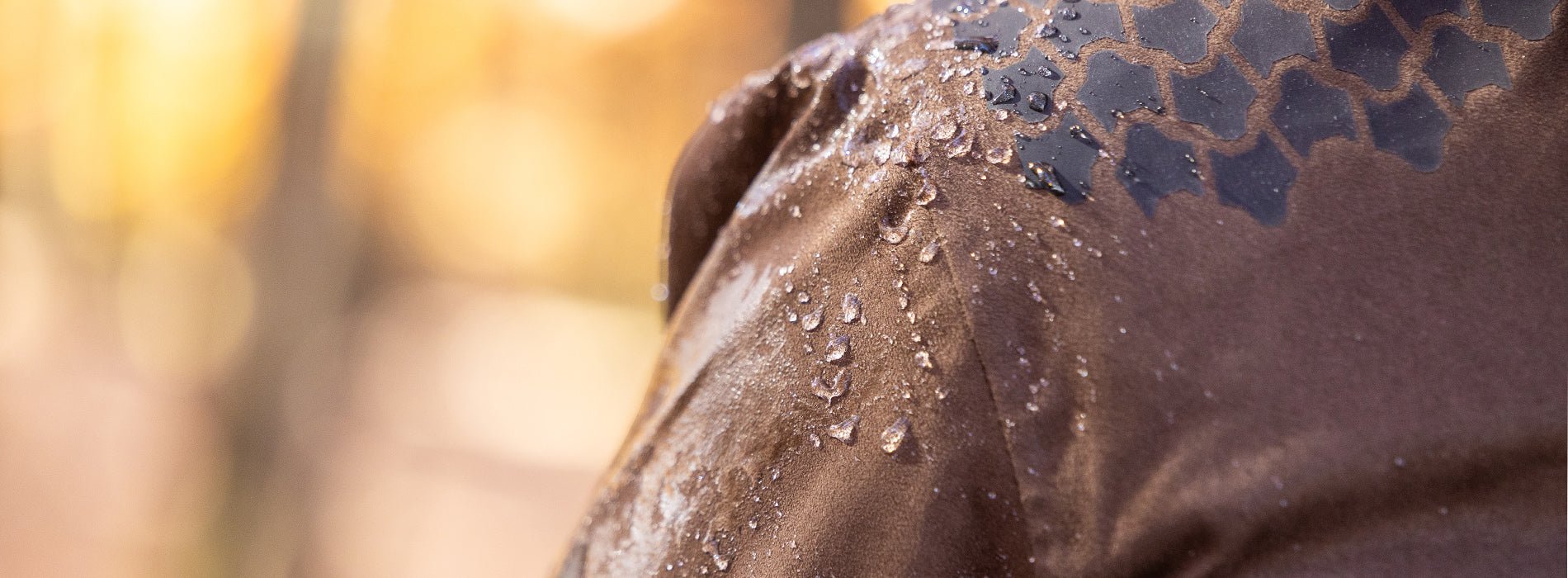
A functional outer layer blocks wind, resists rain, and keeps snow from penetrating inner layers. At the same time, it must allow moisture to escape. Without breathability, sweat builds up inside and comfort disappears.
Heavier does not always mean better. Balance matters more than bulk.
Waterproof Jacket vs Windproof Jacket in Practice
Waterproof jackets focus on keeping rain out. Windproof jackets focus on stopping cold air from stripping heat away. In many hunting situations, wind protection has a greater impact on comfort than full waterproofing.
Understanding the difference prevents carrying unnecessary weight.
Layering for Cold Weather Without Losing Mobility

Cold weather layering often fails due to excess. Too many heavy layers restrict movement and trap moisture.
A Balanced Approach to Cold Conditions
A fitted base layer, an insulating mid layer, and a protective outer layer usually provide sufficient warmth. Adding more only helps when conditions genuinely demand it.
Lower-body layers matter just as much. Thermals, tights, and insulated trousers help reduce heat loss around the waist and legs, areas that are often overlooked.
Layering for Warm Weather and Mild Conditions

Layering remains relevant outside winter. Warm weather brings its own challenges, particularly when temperatures fluctuate throughout the day.
Staying Cool Without Losing Protection
Lightweight layers allow excess heat to escape while still offering protection from wind or cooler air. Breathable fabrics prevent sweat from settling on the skin, which helps maintain comfort over long periods.
Practical Layering for Travel and Movement
For hiking, travel, and everyday use, lightweight layers are practical and reliable. They adapt easily, pack down small, and rarely interfere with movement.
One System That Works Across Countries and Climates

What we have learned is that the same layering system works almost everywhere. The structure remains the same. Only the fabrics and weights change.
Colder climates require heavier base and mid layers. Milder climates rely more on lightweight options. The principle stays consistent, making preparation simpler.
There is a moment that repeats itself across seasons and locations. The moment when everything feels settled. No constant adjustments, no distraction from cold or heat. Just steady comfort.
Those moments are rarely accidental. They come from understanding how layers interact with the body over time. Once you experience that balance a few times, it becomes easier to recreate it, regardless of the country or climate.
From the Field
Layering is noticeable only when it fails. When it works, it fades into the background and allows the body to do its job without interference.
From our experience, the most effective layering systems are built on understanding, not rules. When clothing supports the body rather than fighting it, comfort follows naturally, no matter the country or conditions


Share: