
What to Wear on a Mountain Hunt: Layering, Mobility, and Protection

Learn how mountain hunting clothing, base layers, mid layers, and insulated outer layers work together for warmth, mobility, and protection in harsh weather.
Not much prepares a hunter for the first real step into the mountains. The air pulls differently into the lungs. Cold seems to settle in places you didn’t know existed. Heat rises, then drops again the moment a shadow crosses the slope. And the clothing on your body, not the rifle in your hands, not the boots you tied tight at the truck, becomes the first thing you notice when the mountain decides to test you.
Hunters talk about gear lists all the time, but mountain hunting clothing is something that earns respect slowly. The first long climb usually teaches a lesson. Sweat gathers inside a jacket. A mid layer that felt warm at the base turns into too much weight halfway up. And moisture doesn’t behave politely in cold weather. It clings to skin and sinks warmth faster than expected. The mountains demand a layering system that adjusts as often as the weather conditions shift.
Hillman has heard enough stories from hunters who spent early hours in damp conditions or deep snow on an archery elk hunt. Those stories rarely start with dramatic encounters. They start with something simple: “My base layers saved me,” or “The insulated outer layer was the only reason I stayed in position long enough for the shot.” That’s the reality of high terrain. A few items of clothing determine whether a hunter spends the day fighting the mountain or focusing on the elk moving along the timberline.
Mountain Hunting Clothing When the Terrain Isn’t Playing Fair

The mountains don’t wait for anyone, and mountain hunting clothing can’t afford to fall behind either. It might be cold at dawn, warm an hour later, then soaked in rain by early afternoon. Anyone who has carried weight up steep slopes knows how sweat forms under layers long before the body feels warm. Moisture has its own agenda. It settles on the skin, slips through fabric, and cools the body fast when the wind hits.
This is where wool and polyester blends show their real purpose. Merino wool has a way of keeping warmth steady even when wet, a small miracle in cold weather. Hunters who’ve crawled across wet grass or side-hilled through patches of snow understand the quiet protection merino offers. Polyester, on the other hand, dries quickly and stays light, a nice advantage when climbing with pockets full of stuff.
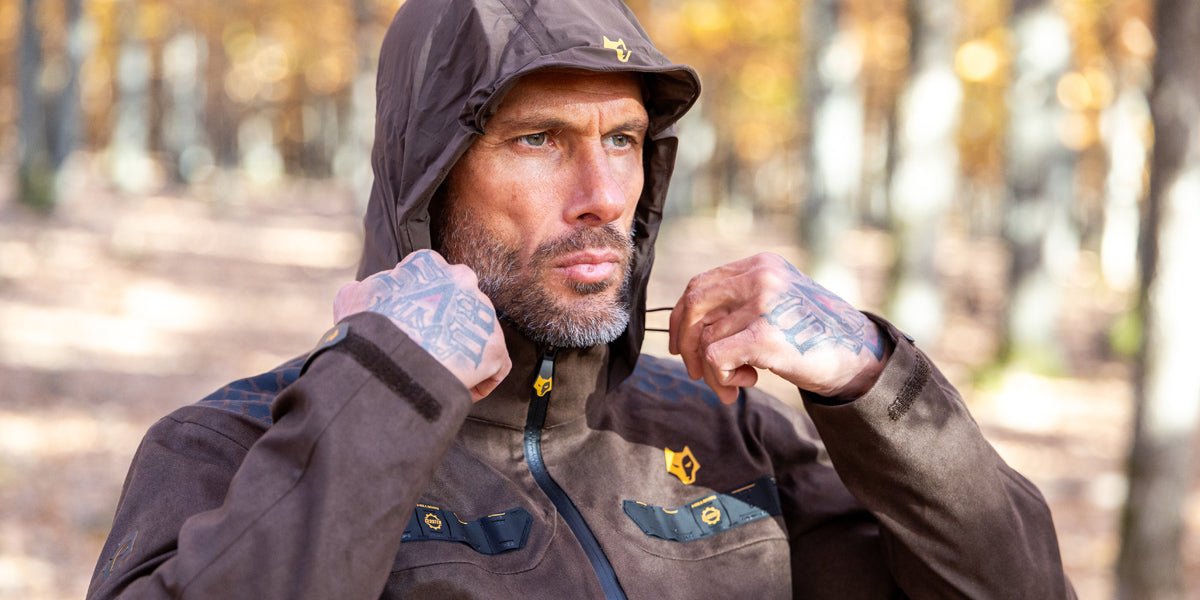
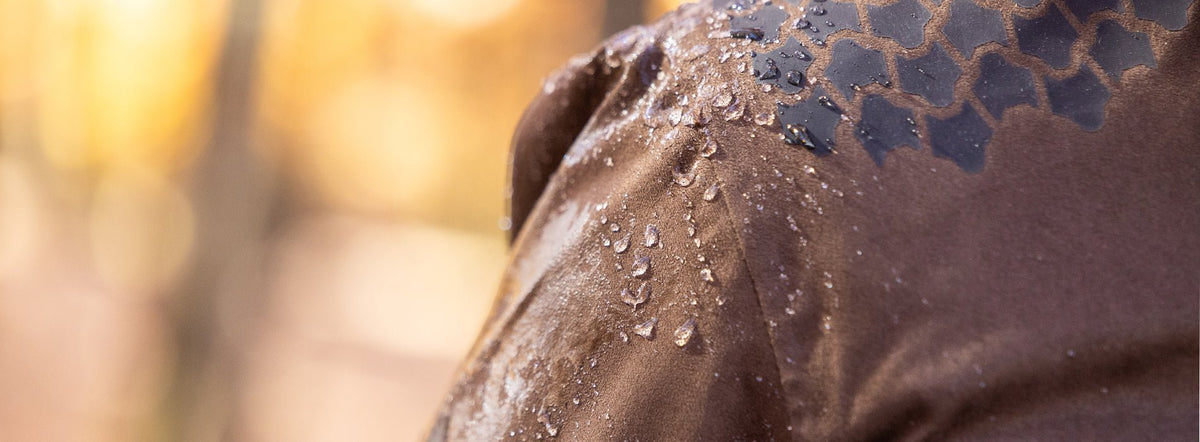
Outer layers become the final decision between staying out and heading back. Jackets with a close-fitting hood keep the wind away from exposed skin. Nylon and waterproof shells add durability and protection when the rain starts blowing sideways. Hunters often mention how fast the weather can turn, especially in the winter months. A mountain doesn’t send warnings. One moment, the sky is open blue; the next, the ridge pulls in a wall of white.
Base Layers and the Way They Shape the Day

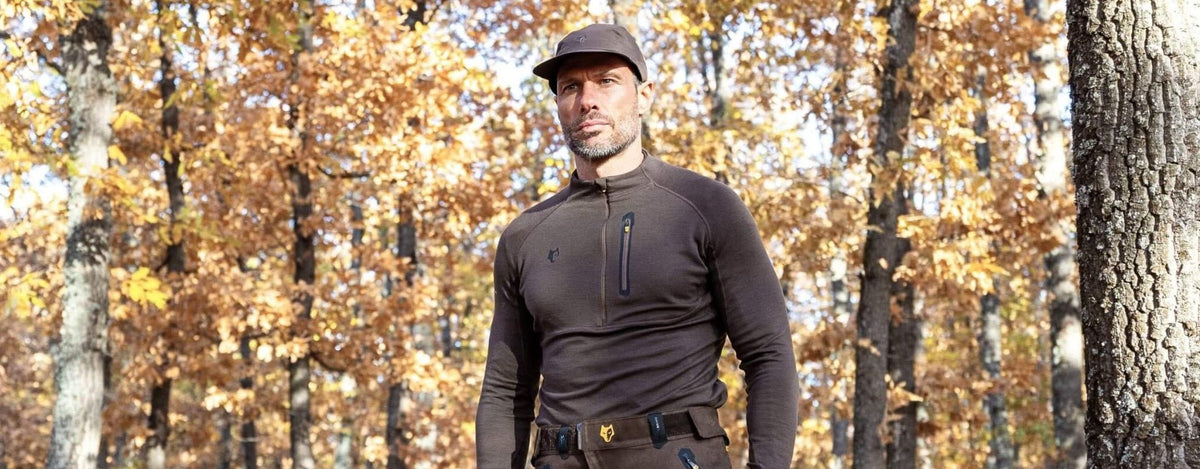
Hunters don’t give base layers enough credit until they wear the wrong ones. These are the layers that live closest to the body, and they provide more comfort than most pieces of outerwear ever will. In frigid temperatures, a base layer that traps moisture becomes a liability. Skin cools fast, warmth escapes, and the rest of the clothing system has to work overtime.
Merino wool, and hunters mention it often, helps keep moisture off the skin. Wool breathes, holds warmth, and stays warm even in damp conditions. It makes sense why it’s the go-to choice for mountain hunts where temperature rises and falls within minutes. Polyester and nylon blends find their place, too, especially for early-season hikes or long stretches of climbing when sweat becomes the biggest obstacle.
Hunters rarely pack just one base layer. The mountains force you to adjust. Some days, the light fabric makes sense. Other days demand something thick and close-fitting. Base layers don’t shout for attention, but the hunter feels the difference immediately when they’re right, or when they’re wrong.
A Mid Layer That Moves as Much as You Do

Every hunter eventually realizes that the mid-layer is where warmth and mobility negotiate with each other. A fleece mid-layer offers insulation without a heavy penalty in weight. But fleece isn’t always enough when cold weather creeps in around the edges. Wool blends help fill the space between breathable comfort and insulated protection.
A good mid-layer needs to bend, stretch, and move with the body. Mountain hunting never unfolds on flat ground. You climb, slip, kneel, lean against a rock, reach for your rifle, push through brush, and the mid-layer comes along for all of it. Hunters on an archery elk hunt often talk about noise, how even the softest fabric can betray them in still air. A mid-layer that stays quiet while providing warmth is far more valuable than most hunters admit out loud.
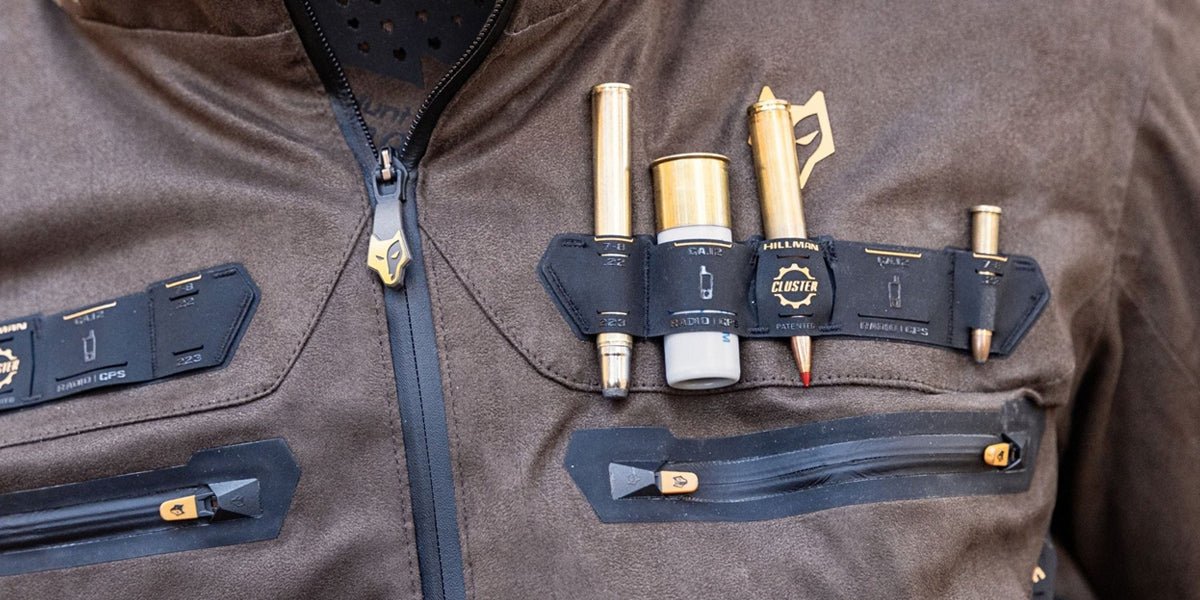
Magazine testers often describe the perfect mid-layer as “barely noticeable.” Not invisible, not forgotten, just right. Enough insulation to stay warm during glassing sessions, but light enough for climbing. Pockets that sit where hands land naturally, even with gloves on. A little detail, but hunters like details when mountains and wind, and changing season patterns dictate the pace.
Insulated Outer Layer: The Weather’s Final Negotiation

The weather does unpredictable things at elevation. Snow thickens, rain changes direction, and cold wind finds every weakness in a jacket. That’s why the insulated outer layer becomes the piece hunters rely on when the mountains start testing their resolve.
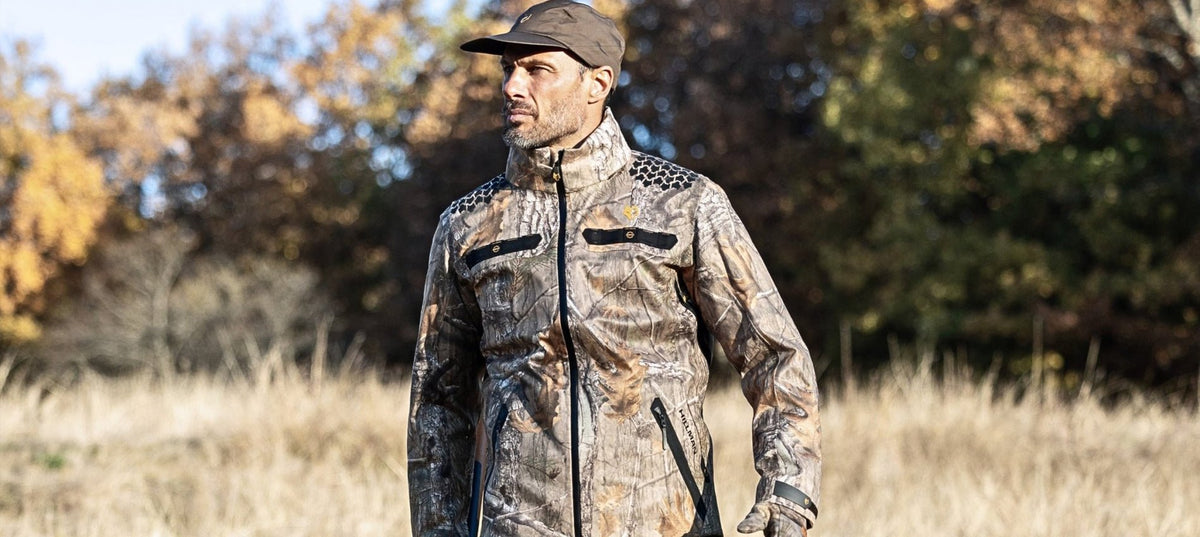
A mountain jacket must protect, but it also must move. Thick insulation keeps warmth but adds weight, too much weight, and climbing turns into a slow slog. Lightweight insulation works better in most mountain hunts, holding warmth without adding unnecessary bulk. Hunters who’ve faced storms in wet snow understand how important water-resistant fabrics become. When moisture finds its way inside, warmth disappears fast.
Durability is the quiet requirement that never gets enough praise. Hunters brush against rock, lean against trees, and crawl across frozen ground. Nylon shells, fleece-lined pockets, durable stitching- none of these sound exciting until a storm rolls in and the jacket becomes the only barrier between the hunter and the elements.
Hillman shapes insulated outerwear to withstand real terrain, not filtered versions of it. Mountains don’t care about marketing words. They care about performance: warm when it’s cold, dry when it’s wet, tough when the climb feels steep.
When Does the Layering System Become Instinct?

A layering system is more than a collection of clothing. It becomes instinct. Base layers handle sweat. Mid layers manage body heat. Outer layers fight wind, snow, and shifting temperatures. Hunters who prepare for mountain season learn how to adjust the system without thinking.
Clothing comes off during climbs. It goes back on when the wind cuts across the ridge. Hunters who know their system well operate without hesitation. It’s not about style. It’s about bodily comfort, clear focus, and staying prepared when conditions shift faster than expected.
Spend enough time in the mountains, and the layering system feels like second nature. Hunters learn to sense what layer they need before reaching for it, the same way they can sense the weather before the clouds fully gather.
A Gear List Built for Steep Country

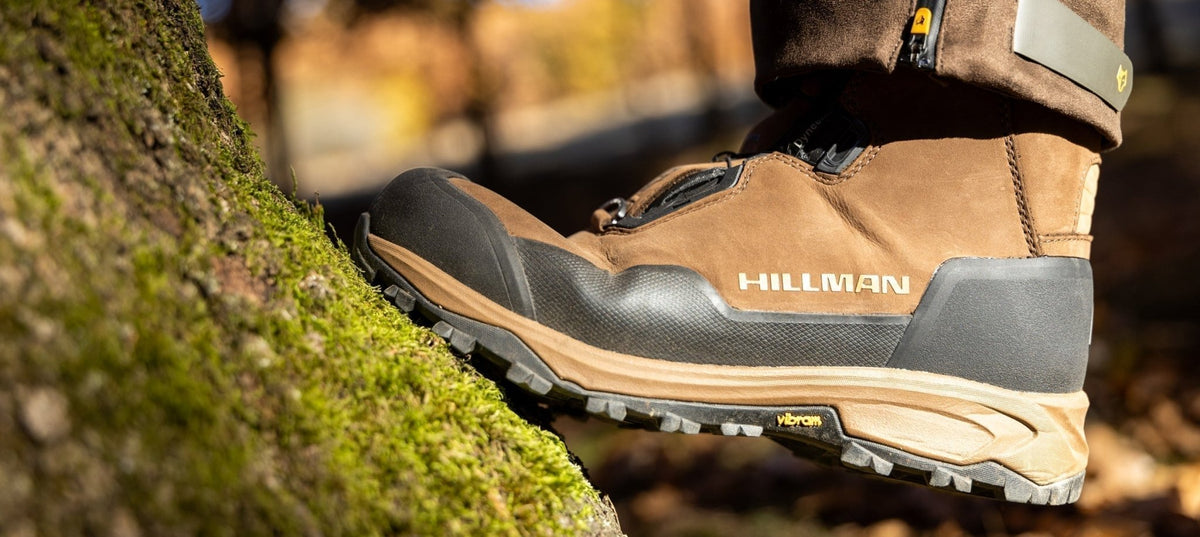
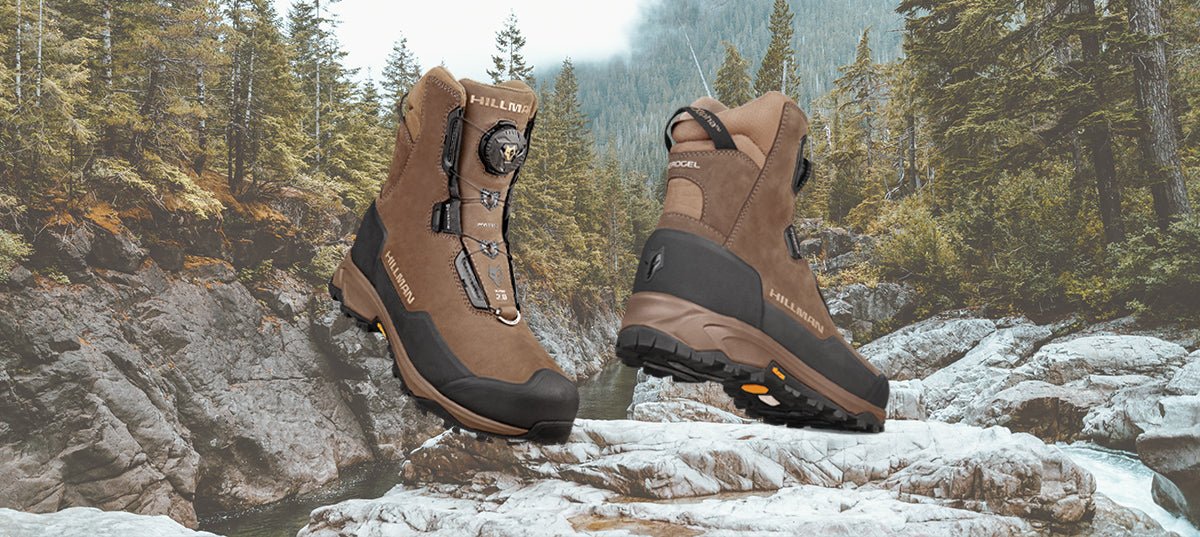
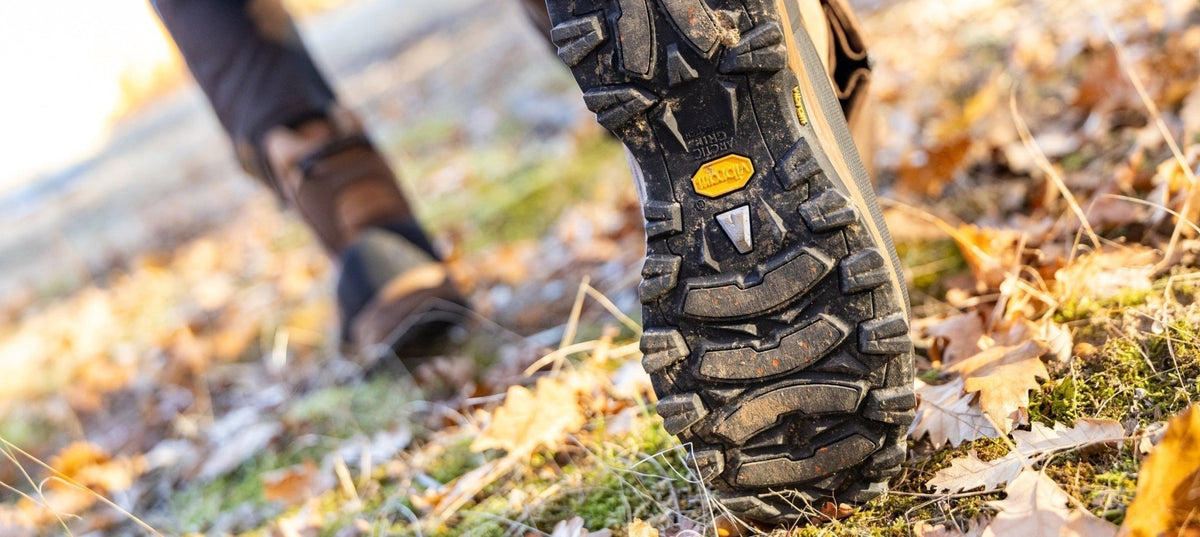
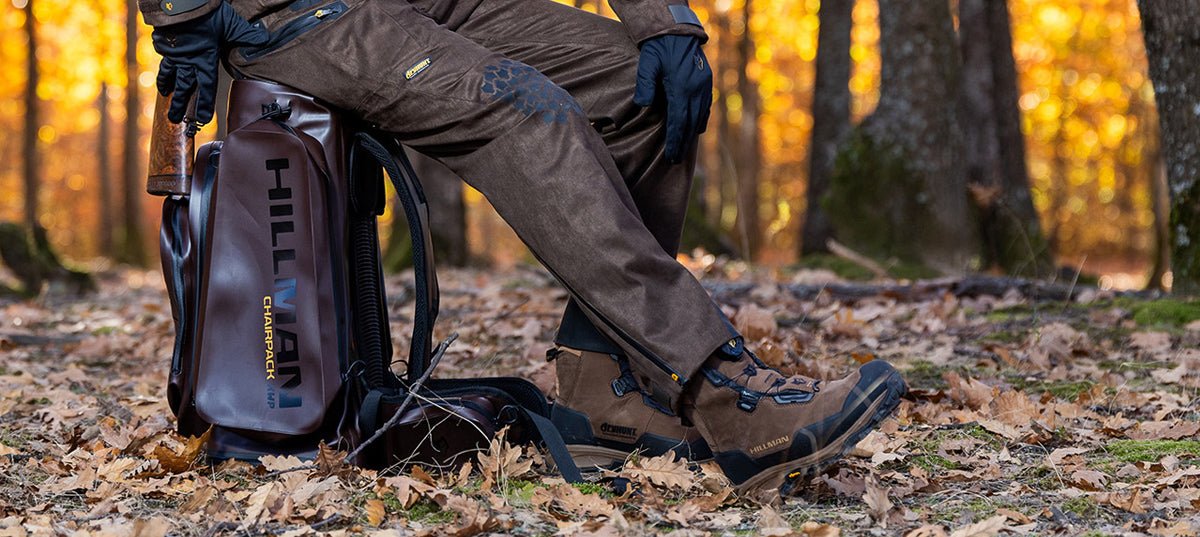
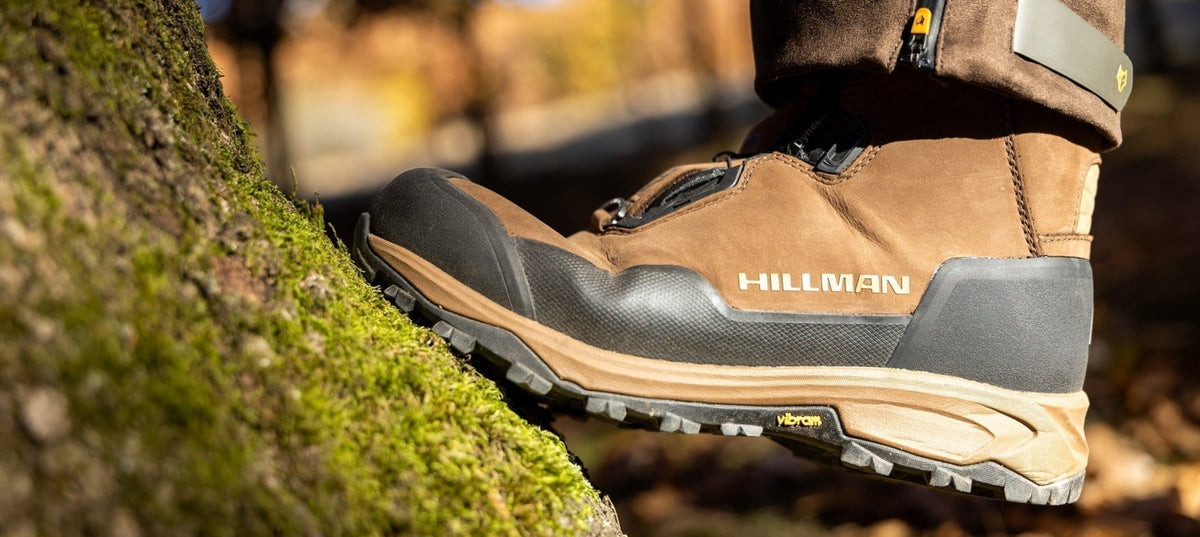
A mountain gear list often looks simple on paper, but only the terrain reveals which pieces matter. Hunting pants need insulation for cold weather, yet enough flexibility for climbing. They need pockets deep enough for gear and fabric durable enough to handle brush and rock. Gloves must provide warmth without losing dexterity. Boots need insulation, waterproof protection, and durability; feet take the brunt of mountain travel.
Trekking poles sound unnecessary to first-timers, but the moment weight shifts on uneven ground, poles become the quiet heroes of the day. Jackets, shirts, fleece layers, and outerwear must all work together, supporting the body when cold creeps in or when heat builds.
Hunters who prepare with high-quality layers spend more time focused on the hunt and less time fixing problems caused by poor clothing choices. Mountain travel punishes every flaw in fabric, stitching, and insulation. That’s why Hillman designs each piece with durability and protection at the forefront; the mountains demand no less.
What the High Country Teaches About Clothing?

Over time, every hunter walking through mountains learns that clothing shapes the hunt as much as the weather itself. Moments spent in cold conditions or wet snow reveal the truth quickly: good layers protect the body, weak layers cost the day. Base layers keep sweat off the skin. Mid layers keep warmth steady. Insulated outer layers defend against bitter wind, deep snow, and damp conditions that steal heat fast.
Mountain hunting clothing must respond to shifting temperatures, steep climbs, and unpredictable terrain. Hunters rely on wool, fleece, polyester, nylon, and insulated outerwear, not because it’s trendy but because it works. Hillman’s focus on durability, performance, and thoughtful design mirrors the demands of mountain hunts across continents. With the right system in place, hunters stay warm, stay mobile, and stay ready for whatever the mountain decides next.


Share: