
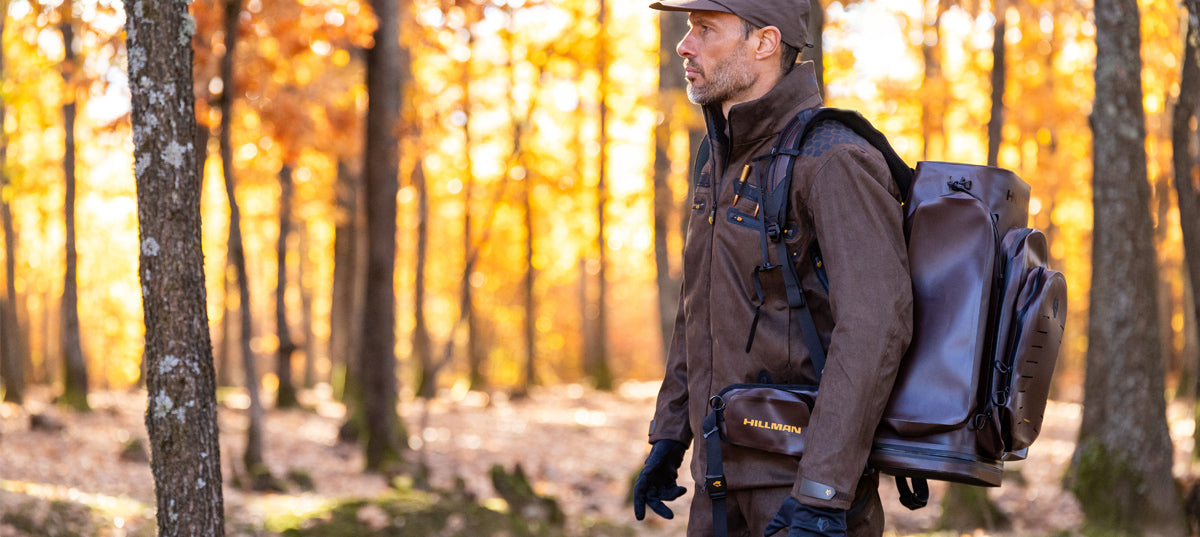
Essential Hunting Gear Checklist for International Hunters

A practical guide to essential hunting gear for any international hunting trip, covering clothing, optics, safety tools, and must-have equipment for every season.
Every international hunting trip begins long before boots ever touch the ground. Hunters around the world share a common ritual: spreading gear across a table, trying to figure out what stays, what goes, and which smaller items always seem to disappear right when the season begins. It doesn’t matter whether the destination is Alaska’s cold air or Australia’s sun-washed plains; the process feels strangely familiar. There’s the same search for a durable water bottle, the same check of whether the first aid kit still has everything, the same debate about which clothing can handle wind, rain, or long hours of hiking.
Hunting overseas has a way of exposing weaknesses in equipment more quickly than local trips. A backpack that seemed sturdy at home starts to feel heavy halfway up a ridge. Gloves that worked fine at the shooting range suddenly fail to protect against early morning frost. And anyone who has waited quietly in the dark for mule deer or elk knows how important it is to carry a headlamp with a strong beam and batteries that last through the night.
What makes international hunting challenging is how terrain and weather shift without warning. One hour, the wind moves gently through the grassland, the next it pushes hard enough to send smaller items flying out of an open bag. Rain arrives uninvited, turning soil to mud, and even the toughest clothing feels tested. Hunters talk about these moments years later, times when duct tape saved a harness, when a forgotten knife nearly derailed the process of collecting game, when zip ties held everything together. Hillman pays close attention to these real-world details because they reveal what hunting gear must endure season after season.
How Terrain Shapes the Gear Hunters Rely On?

Terrain does more than determine where animals travel; it also dictates what gear earns a place in the pack. Hunters moving across wide, open spaces often need lightweight equipment, because long miles expose every unnecessary gram. Deer rarely stay still in such areas, and binoculars become essential for spotting movement long before getting close. Many hunters say they learned the hard way that quality optics, scopes with clear edge performance and weather protection, reduce mistakes and save energy.
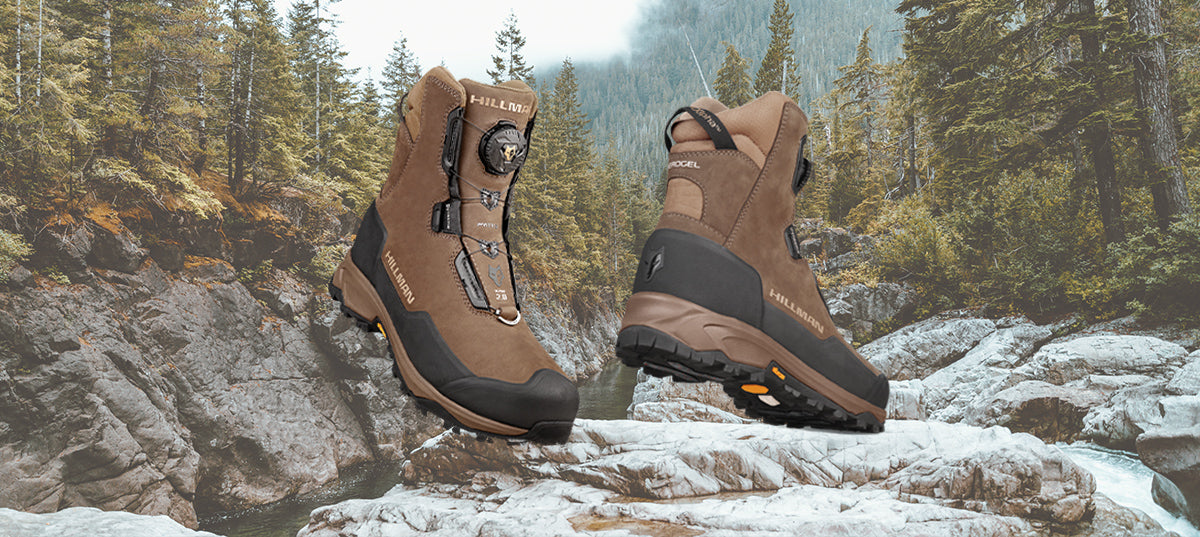
Forest terrain tells a different story. Branches catch on clothing, brush tugs at straps, and visibility shrinks. Clothing needs to be tough and sewn well enough to survive repeated snags. Reviews written by travelers returning from thick terrain almost always mention durability and comfort in equal measure. Anyone who has tried hunting with cheap layers knows the feeling of cold sinking in faster than expected.
Then come the wetlands, where ducks move fast, and footing becomes unpredictable. Waterproof clothing shifts from optional to essential. A solid harness, a warm layer under a waterproof shell, and a reliable headlamp turn chaotic mornings into manageable ones. Rain, fog, and wind arrive without warning, testing the waterproof seams of clothing and the patience of the hunter.
International hunters often report that terrain exposures teach lessons quickly. If a piece of gear can survive this variety, from cold mountains to humid marshlands, it usually earns a permanent place in the category of true essentials.
Getting Ready for a Demanding Hunting Season

Preparing for a long-distance hunting trip often feels like assembling a puzzle with more pieces than necessary. Regulations differ across borders, and many countries require hunters to store certain items in a specific way. Access points change with the season, and a hunter headed to Alaska might face a different set of rules compared with someone traveling to remote stretches of Australia. A bit of research prevents headaches and protects the rest of the trip.
Packing becomes surprisingly personal. Some hunters lay everything out by category; others simply load the backpack and remove items until it feels right. But almost everyone agrees on a few essentials. A first aid kit stays accessible. Knives with a sharp blade go into a side pocket. Gloves and rifle pouches remain close, especially on hunts where cold air settles early. A reliable water bottle keeps energy steady during long walks. And then there are the unexpected heroes: duct tape, zip ties, a tube of lubricant, a spare headlamp. Small tools that don’t get much attention until the exact moment they save the day.
The process of collecting meat after a successful shot brings its own challenges. Good gloves, hats, clean bags, and knives with strong edge performance make this part faster and safer. Hunters who find themselves racing the fading light often talk about how grateful they were for a dependable headlamp or a backpack with enough space to carry everything comfortably.
This preparation, though sometimes repetitive, shapes the entire adventure. It protects the body, preserves energy, and ensures that important steps don’t get rushed.
Seasonal Strategies Hunters Use Across Continents

Hunting season varies across continents, but a few patterns repeat no matter the location. Early-season hunts invite mild weather, tempting hunters to take fewer layers. But experienced travelers often pack warm clothing anyway, because the wind appears quickly at higher elevations. Rain settles in without warning. Waiting for deer or elk at dusk can feel far colder than expected.
Wind shapes international hunts in surprising ways. Mule deer, especially, respond to shifting air, and hunters must adjust their approach depending on wind direction. Clothing that stays quiet during movement and manages scent becomes an important asset. Backpacks with secure straps prevent gear from rattling. Even a simple phone stored deep inside a bag can prevent accidental noises.
Wetland hunts test a different set of skills. Ducks move fast in and out of cover, and hunters learn to navigate mud and shallow water while managing scopes and gloves. A waterproof headlamp becomes essential during early morning setups or late evening walks back to camp.
Hunting bear or elk in mountain terrain demands mental stamina and insulated boots. The body tires faster at altitude, and weather changes more abruptly. Hunters rely on lightweight tools that don’t add unnecessary strain and clothing that can be adjusted throughout the day. Many mention that past trips taught them the importance of packing for the unexpected: a lesson learned only through experience.
Small Items That End Up Making the Biggest Difference

Anyone with enough hunting seasons behind them has a story about a tiny item that kept the trip together. Zip ties holding a pack strap in place after it caught on a rock. Duct tape seals a rip in clothing just enough to keep the wind out. A backup water bottle filled in when the main one slipped from a harness. A headlamp that prevented a night hike from turning chaotic.
Hunting gear is full of these quiet, dependable tools. Knives remain at the center of them, not just for processing game but also for cutting cord, shaping improvised traps, or handling small camp tasks. A sharp blade increases safety. A dull blade does the opposite.
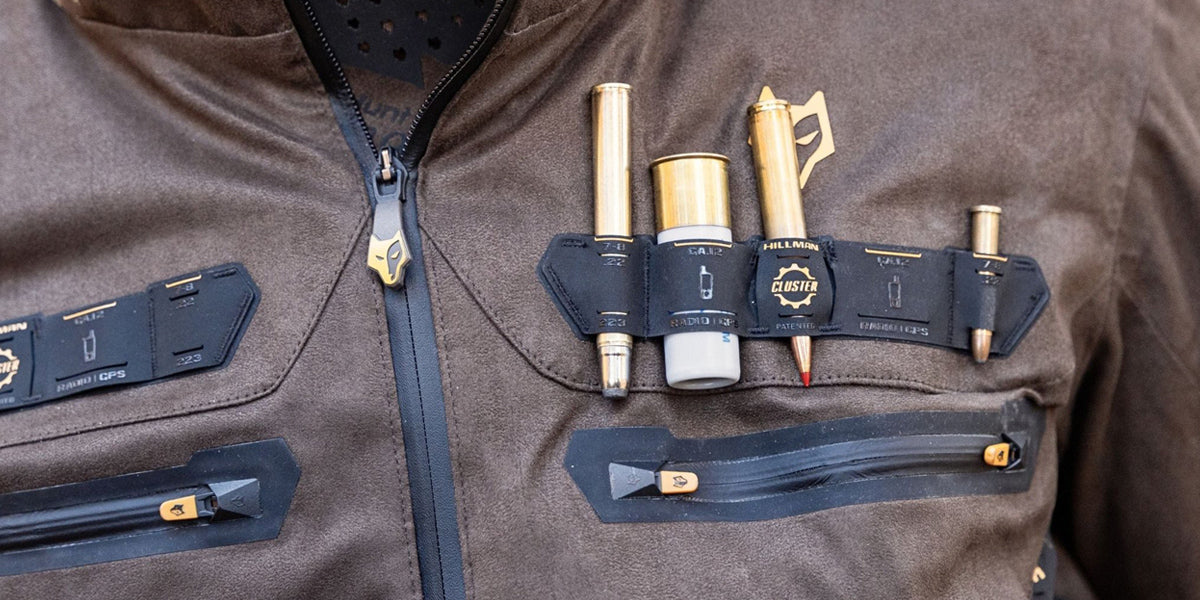
Scopes, gloves, cartridge belts, and waterproof clothing play practical roles throughout the day. The quality of these items often becomes clear when the weather shifts suddenly. Lightweight designs reduce fatigue. Durable materials protect the body and equipment from rough terrain. These small details help hunters maintain rhythm, whether they’re waiting in silence or moving across large distances.
Why Quality and Craftsmanship Matter More Than Ever?

With so many options on the market, hunters rely on reviews, experience, and trusted brands to guide their choices. Cheap items sometimes look appealing, but they rarely withstand international conditions. Seams fail. Waterproof coatings peel. Gloves lose insulation. These failures disrupt not just comfort but also safety.
Hillman approaches gear through the lens of practical reality; the outdoors does not offer gentle conditions. Clothing must stay warm even when wet. Backpacks must handle weight without tearing. Optics need to resist fog, cold, and rough handling. Customers across continents look for durability, performance, and design that reflect the needs of real hunters, not ideal conditions.
Quality equipment and accessories become more cost-effective over time. A jacket that lasts ten seasons is more valuable than three cheap ones that fail each year. Hunters who invest in durable gear experience fewer surprises and enjoy a smoother trip, regardless of location.
Insights Shaped by Wind, Weather, and Terrain

An international hunting trip tests preparation, patience, and the reliability of every item packed into a backpack. Essential hunting gear includes not just the obvious tools: optics, knives, light clothing, but also the smaller items that end up saving the day in unexpected ways. Hunters pursuing mule deer, elk, ducks, or bear across continents learn that a dependable first aid kit, lightweight waterproof clothing, zip ties, duct tape, and a strong headlamp become more than accessories; they are the backbone of the journey.
Wind, rain, terrain, and long hours of waiting shape the experience. Hunters who travel to Alaska, Australia, and everywhere in between adapt their gear to protect the body, maintain performance, and conserve energy. Hillman supports this approach by focusing on craftsmanship, durability, and design built for real conditions. With the right essentials in place, every season becomes an opportunity to learn, to explore new terrain, and to trust the equipment that carries hunters through the most challenging environments in the world.



Share: