
Hunting Gear Guide: What to Pack for a Trip Abroad

Pack with confidence for your next hunting trip abroad. A practical guide to essential hunting gear, clothing, and field-ready accessories.
There’s something quietly thrilling about preparing for a hunting trip abroad. The planning almost becomes part of the adventure. Different wildlife, different weather, a different rhythm to the day once you’re out in the field. But before any of that comes the real task. Putting together the hunting gear that will see you through long walks, quick decisions, and whatever the landscape throws your way. Some hunters pack lightly. Others bring half their home country with them. Most settle somewhere in between, guided by experience, instinct, and a handful of items that have never let them down.
A trip like this isn’t complicated, but it does benefit from a bit of thought. Seasons change quickly, clothing behaves differently in humid air, and the bag you carry often ends up heavier than you imagined. Hunters who’ve been at it for decades say the same thing. The right gear doesn’t just keep you comfortable. It protects your focus. And that’s often the difference between a good day and a long one.
Essential Hunting Gear for Your International Hunting Trip

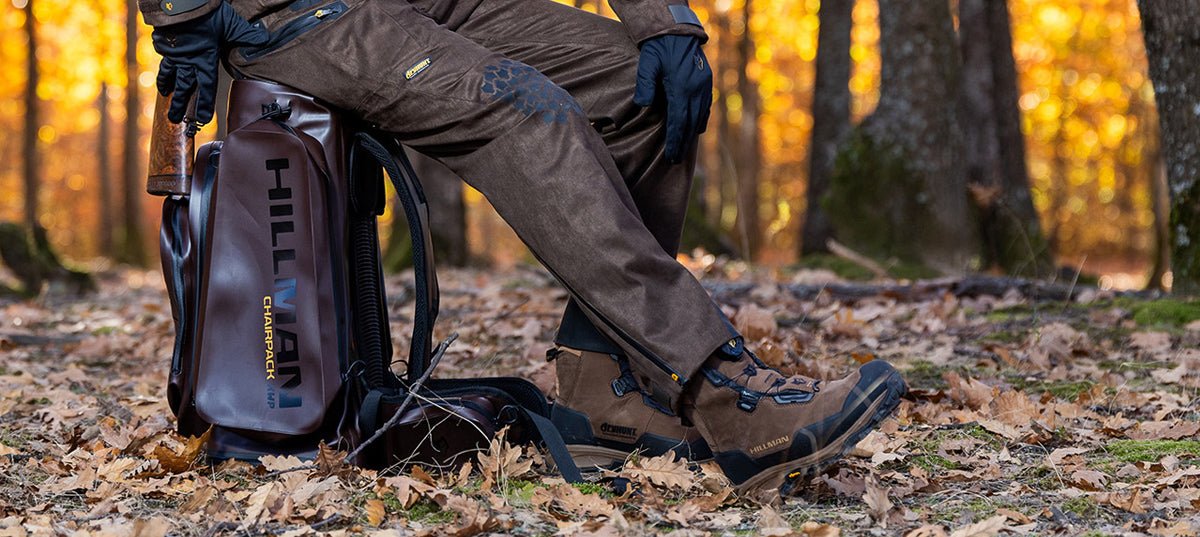
If you start anywhere, start with the basics. A stable foundation makes the rest of the list much easier. Good clothing. Boots that don’t punish you after the second mile. A reliable knife. A pair of gloves that feel familiar in your hands rather than stiff or slippery. These items matter far more than the fancy accessories you see scattered across social media or in glossy catalogues.
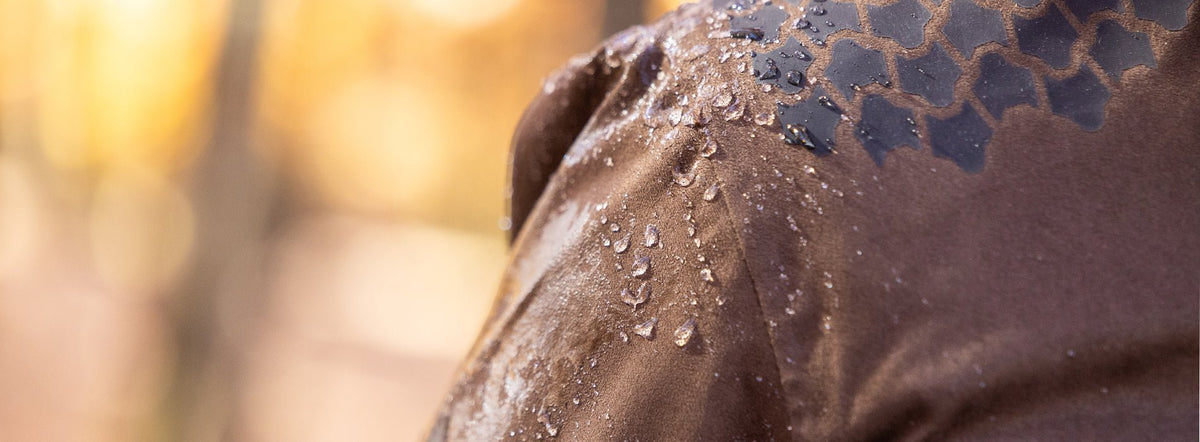
Rain is a constant companion in many places, even on days that begin clear. Clothing that dries quickly is worth its weight. The comfort alone is reason enough to choose wisely. Then come the optics. A scope that holds its zero and a rangefinder you trust. These two pieces of gear may seem small compared with the rest of your pack, yet they shape your entire hunting experience. The confidence they give you is subtle but strong.
Your water bottle should always be included. A simple piece of kit, but strangely one that many hunters forget when travelling abroad. Long walks and shifting temperatures drain energy quickly than people expect. Staying hydrated keeps judgment sharp. When you’re working in an unfamiliar country, sharpness is everything.
What to Pack: From Clothing to Accessories

There’s no perfect packing method. Hunters develop their own habits over time. Some lay everything out on the floor, others make lists, and a few simply trust memory. But an international hunting trip, with its layers of travel and uncertainty, rewards a bit of organisation.
Start with what you know you’ll use. Clothing suitable for the climate. Boots with enough durability to cope with rough ground. Accessories you’ve used before. Then add the items that aren’t essential but make life easier. A small kit bag for gloves and spare hunting socks. A roll of tape. A spare collar if you’re travelling with a dog. Little things that don’t weigh much yet prevent a lot of irritation.
Many hunters pack a camera. Not just for the celebration photo after success in the field, but to capture the wildlife, the colours of the landscape, and a moment that would otherwise disappear. These images often end up shared with friends or posted on Instagram, but at their heart, they’re for you. Proof of a journey, a sign of something worthwhile.
If you have time before the trip, check the local news or a few regional hunting pages. It’s surprising how often a small detail, unusual rainfall, late migration, or a change in terrain, helps shape the plan you take abroad.
Game Bags: Why They Matter on Every International Trip

Game bags sit quietly in the background of a hunter’s kit. Not very exciting, not particularly glamorous, yet essential. They protect the meat from insects, let the air move, and keep bone fragments from causing problems. Hunters who’ve travelled for years rarely leave home without them.
The best game bags are built on decades of improvement. Materials have changed, stitching has improved, and breathability has become a priority. They take the rough handling of a long walk out of the field without tearing. In hot regions, they help keep things dry, while in colder climates, they stop moisture from settling.
Carrying them is part of a wider tradition. A sign of respect for wildlife, for the work you’ve put into the day, and for the heritage that hunters share across countries. They don’t take up much space in your bag. They earn every inch they occupy.
Smart Packing with Duct Tape and Other Field Staples

If there’s one item that solves more problems than it creates, it’s duct tape. Hunters use it for everything. Torn boots, broken straps, loose scope covers. It’s one of those items that doesn’t look important until you suddenly need it. And then you’re glad it’s there.
Place your knife where your hand naturally reaches. Put your beanie and gloves somewhere you won’t forget them. Keep your water bottle in an easy-access pocket because stopping to dig for it becomes irritating after the third time. Small routines like this help you react quickly when something changes in the field. Whether it’s a sudden patch of rough ground or a chance that appears and disappears in a heartbeat.
These small items don’t define a trip, but they quietly support the bigger picture.
Clothing and Boots: Staying Dry and Protected in Any Weather

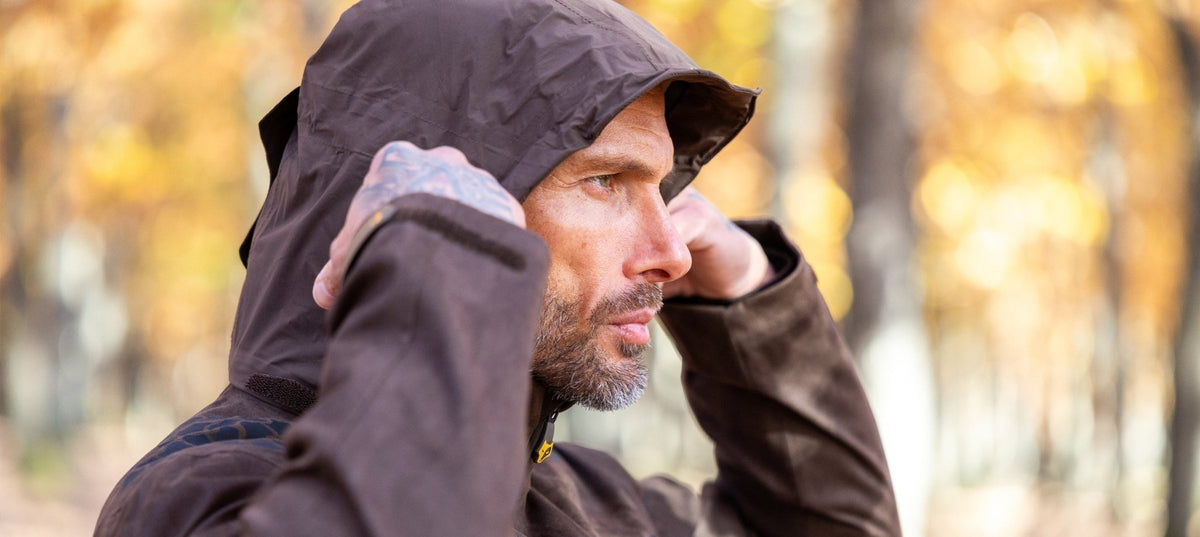
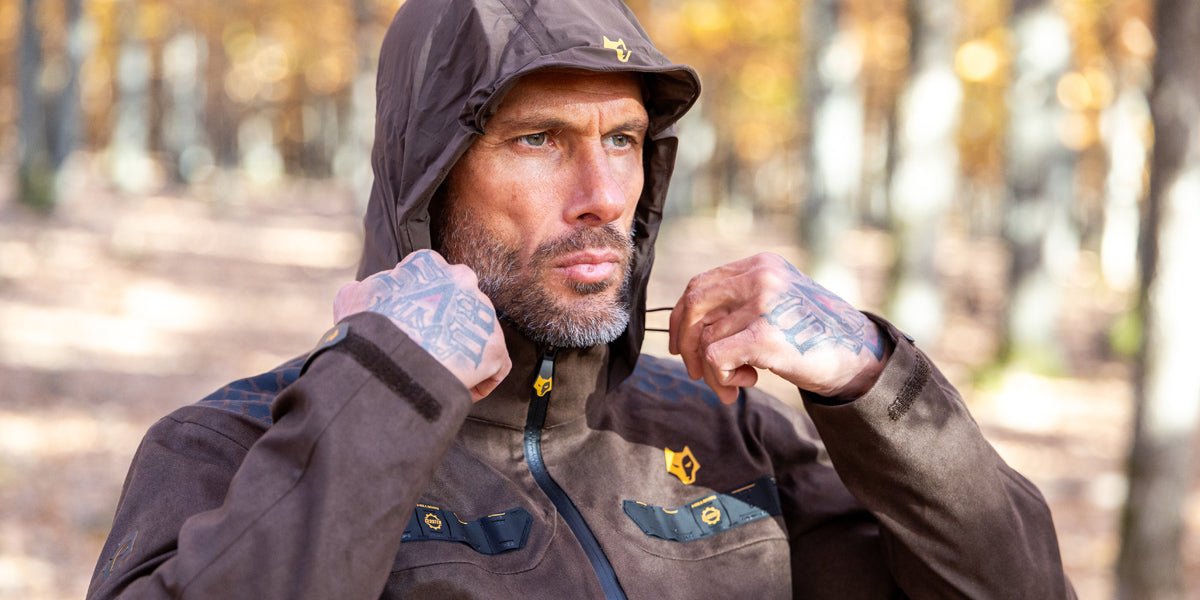
British hunters know unpredictable weather well. Many foreign landscapes behave the same way. Sunshine that turns to rain without warning. Heat that slips away in minutes. This is where your clothing earns its place in the bag.
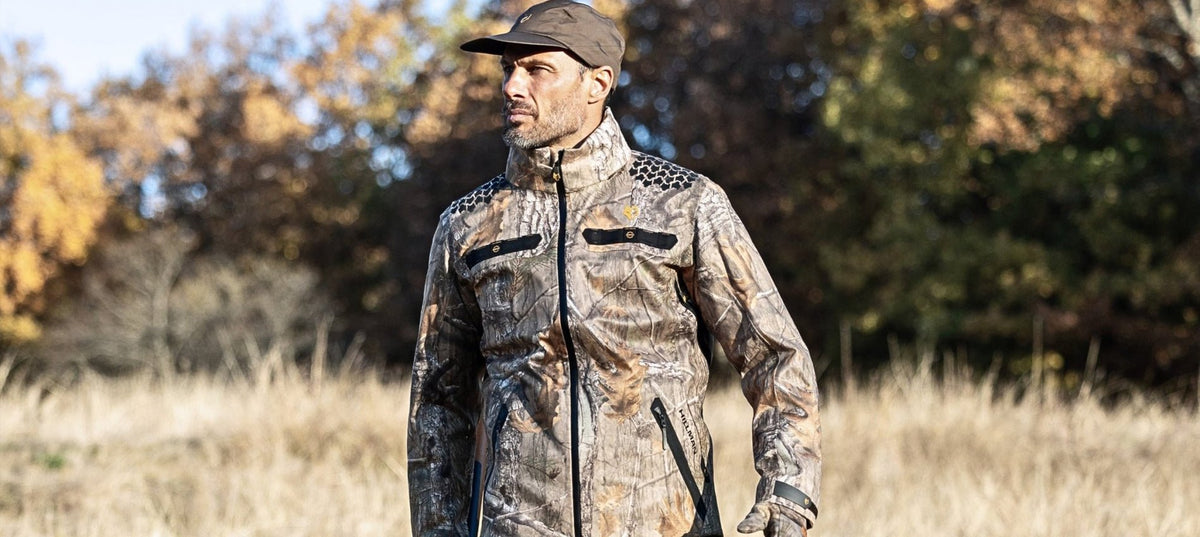
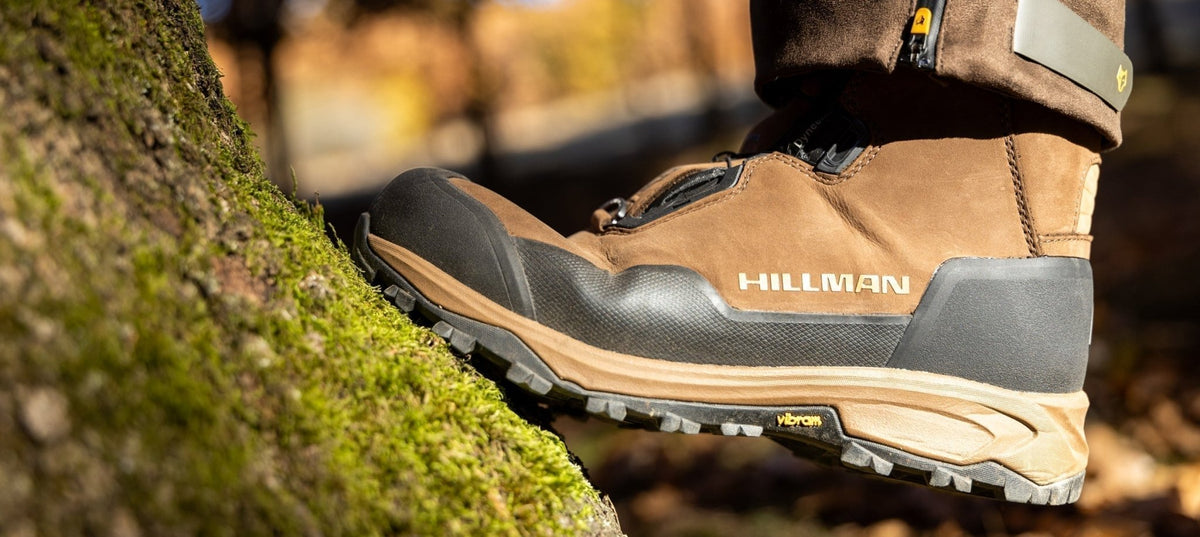
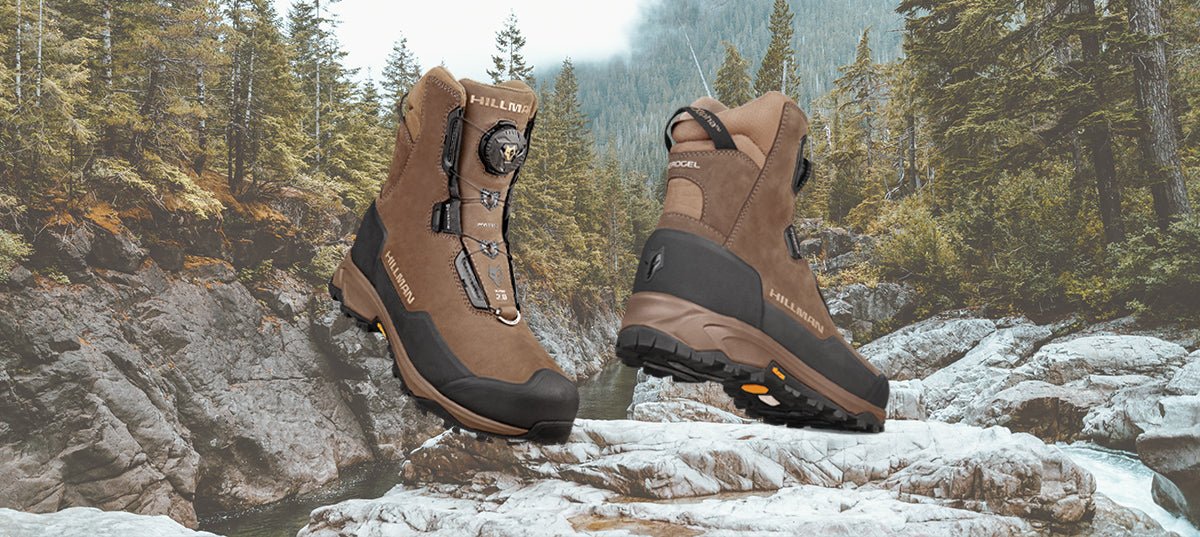
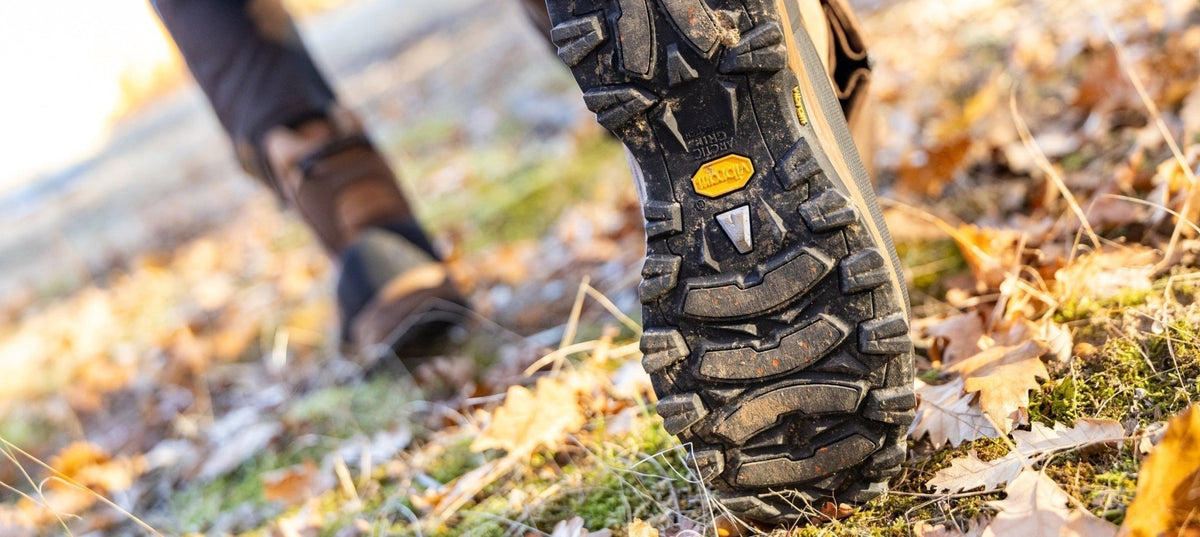
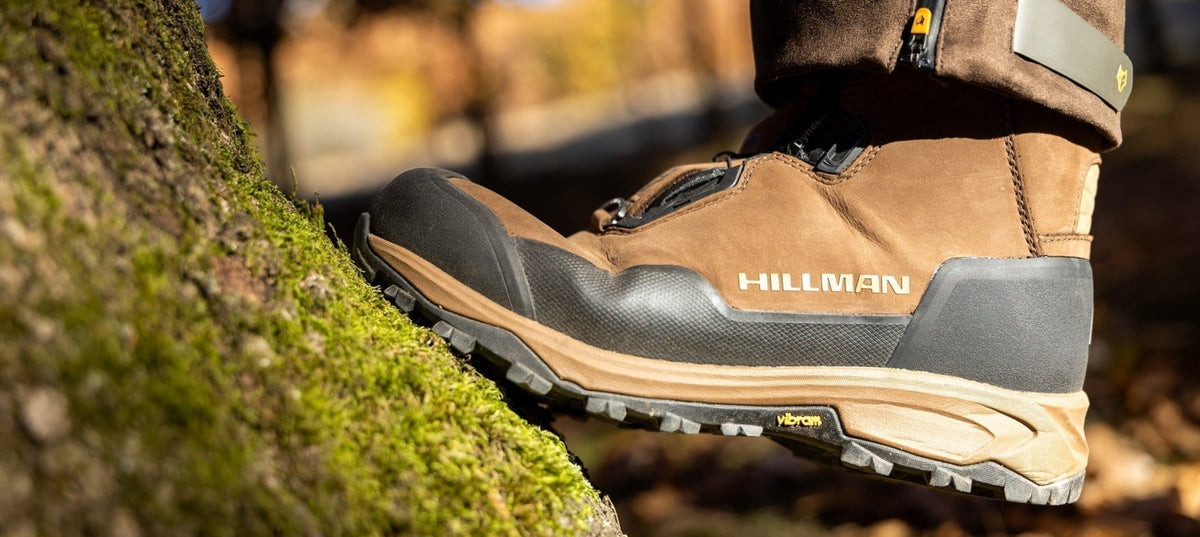
A simple layering system works for most trips. A breathable base. A comfortable mid-layer. A shell that keeps the worst of the weather out. Boots, meanwhile, determine how much ground you can realistically cover. A pair that feels fine in the shop sometimes behaves differently once you’re crossing uneven ground or climbing tracks that aren’t marked on any map.
Hunters often prefer brands with a long history. There’s a certain reassurance in knowing that a product was developed slowly, shaped by years of field use. Experience like that translates directly into comfort and durability.
Accessories That Elevate Your Hunting Experience

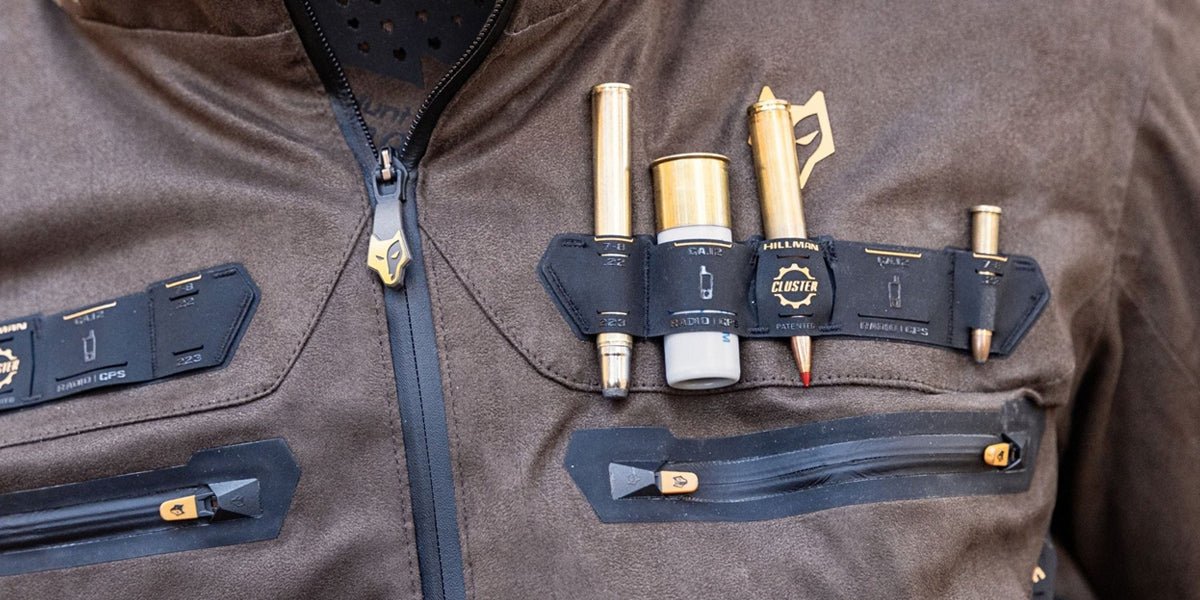
A good scope and a dependable rangefinder are small pieces of equipment, yet they can change the outcome of a day. They let you read distance, movement, and terrain with far more clarity. Collars, small pouches, cartridge belts, and lightweight bags help keep everything tidy. When your gear is organised, the field becomes easier to navigate, and you stay focused rather than distracted.
Accessories also tend to last for years. They become familiar. You learn how they behave in heat, in cold, in rough bush, or open plains. That familiarity becomes confidence.
Preparing Your Bag: A Complete Packing List for Hunters Travelling Abroad

Before you set off, take a few minutes to write a simple list. It doesn’t need to be clever. Just enough to make sure you haven’t left behind something important. Gear. Clothing. Boots. Gloves. Knife. Scope. Rangefinder. Game bags. Duct tape. The usual items.
Then think about the region you’re travelling to. Different wildlife. Different seasons. Some countries are dry and bright. Others are wet, windy, or humid enough to test every stitch of your clothing. Pack for the conditions, not for the ideal version of the trip you’ve imagined.
A well-prepared bag doesn’t guarantee success, but it helps create the space for it. And it’s a sign that you respect the trip you’re about to make.
Final Tips for a Smooth Hunting Trip Abroad
Every hunting trip abroad adds something to your understanding of the outdoors. You learn from the land, from the wildlife, and from the small challenges along the way. Share a few photos with friends if you like. Send a message home. Enjoy the moments that remind you why passion for the outdoors runs so deep.
Take your time. Stay safe. Keep your senses open.
Happy hunting.

Share: