
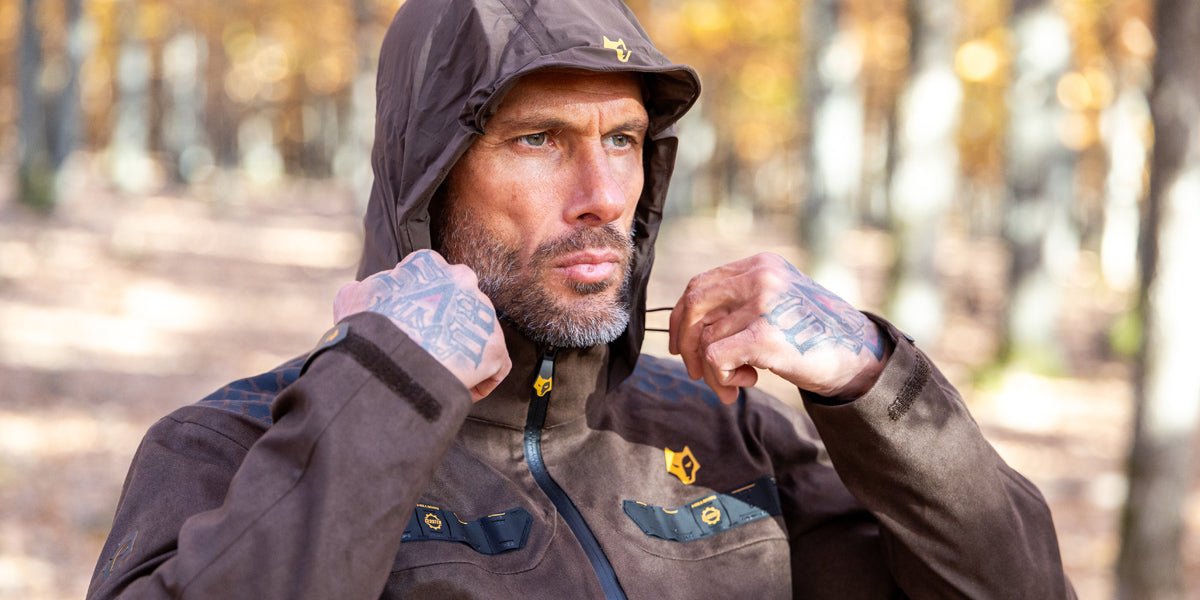
Why Seam Construction Matters in Waterproof Hunting Clothes

The first time I really started paying attention to seams, it was not in a shop, and it certainly was not while reading a product label. It was on a wet morning after several hours of moving through heavy cover, the kind of ground that looks harmless from a distance and then slowly soaks you from the knees down, until every step begins to feel colder than the one before. The jacket had a good waterproof rating, the trousers were sold as field-ready, the boots had been broken in properly, and still, by midday, cold had found its way in through something far less obvious than a tear, a missing button, or a failed zip. It came through construction, the quiet part of a garment that only proves itself when the field stops being forgiving.
That is the thing about waterproof hunting clothing. It is rarely tested in a neat, vertical rain shower. It is tested when a shoulder seam sits under a rifle sling, when the knee folds against wet grass, when the seat of the trousers presses into frozen ground, when a pocket flap holds water longer than expected, or when a hunter climbs, kneels, waits, sweats, cools down, and starts moving again. A membrane may be doing its job, yet the garment can still fail if the seams, cuts, and high-stress areas have not been built for the field.
This is why seam construction deserves more attention than it usually gets. It is not a minor technical detail hidden inside the garment, but one of the places where waterproofing, breathability, durability, and movement either come together as a reliable system or start working against each other once the weather becomes difficult.
For serious hunters, and for any outdoor enthusiast who spends long days in wet weather, rugged terrain, early-season rain, cold wind, or on frozen ground, poor construction is more than an inconvenience. Wet clothes sap body heat, a badly placed seam can rub under a pack or restrict the shot, weak stitching can open in the knees or seat long before the fabric itself is finished, and a garment that looks waterproof on paper can become uncomfortable once moisture, heat, and movement enter the same equation.
This is why I tend to judge waterproof hunting clothes less by how they look on a hanger and more by how they behave when the weather stops being polite.
Why is a waterproof hunting jacket only as good as its seams?

A hunting jacket has to protect the upper body, but it also has to stay out of the way while the hunter is lifting binoculars, reaching for a call, shouldering a rifle, opening a pocket with cold hands, or standing in rain that keeps pushing into every fold of fabric.
The fabric may have a strong waterproof membrane. The outer face may repel water well at first touch. The jacket may even have a hydrostatic head rating suitable for harsh downpours, with 10,000 mm often treated as a sensible baseline for British-style wet conditions. Yet the first real weakness is often not the main fabric, because the seam line is where the garment has already been interrupted by stitching.
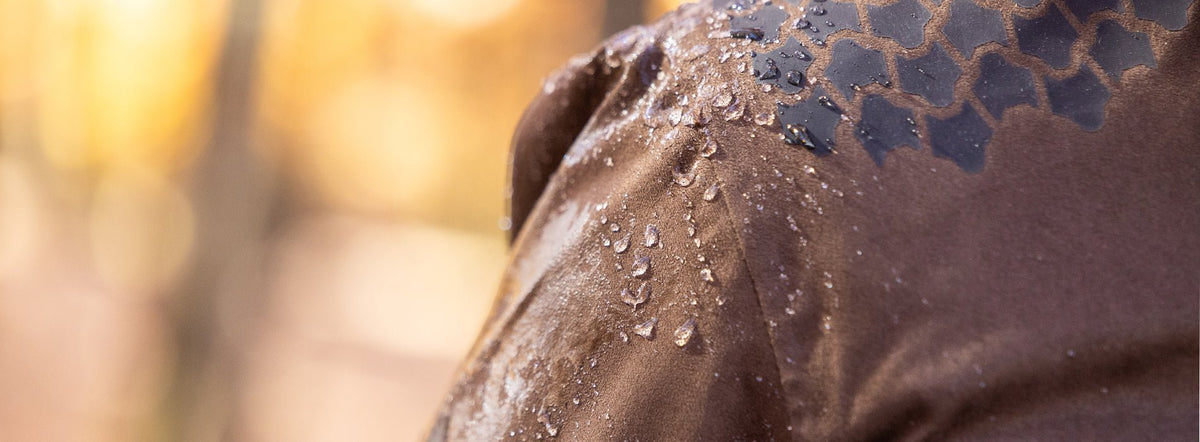
Every stitched seam creates tiny openings. Under light rain, they may not matter much, but under steady pressure, they begin to matter a great deal. Water gathers along shoulders, sleeve joins, pocket edges, hood seams, and side panels, and when you add a backpack strap, a rifle sling, or hours of wind-driven rain, an untaped or poorly constructed seam becomes the point where moisture begins to creep in.
A proper waterproof hunting jacket needs fully taped seams because the seam is where the waterproof fabric has been punctured by construction. The tape seals the stitch line from the inside and gives the waterproof layer a continuous barrier, while without that protection, the jacket relies too heavily on the fabric and not enough on the build behind it.
There is another side to this. A good jacket should not simply block rain, because during active hunting, it also has to allow perspiration to escape. If the jacket traps heat, the base layer can become damp from the inside, and once you stop moving, that moisture cools fast. Breathability, seam sealing, waterproof zippers, storm flaps, and quiet brushed fabrics all have to work together; the jacket may keep rain out while still leaving the hunter cold and uncomfortable.
The best shooting jacket is not the stiffest one, but the one that protects the body while still allowing a natural mount, a clean reach, and a full range of movement.
What do fully taped seams really do in wet weather?
Fully taped seams are easy to underestimate because they are usually hidden inside the garment, where they do not change the colour of the jacket, make the trousers look more technical from the outside, or announce themselves before the first difficult day in the field. Their job is brutally practical: they stop water from passing through the stitch holes.
When panels are sewn together, the needle breaks the surface of the waterproof fabric. On ordinary clothing, this is irrelevant. On waterproof gear, it becomes a liability unless the inside of that seam is sealed. In wet weather, rain does not only fall downwards, but it sits in folds, runs along panels, gets pushed by wind, and is forced into fabric by pressure from the body, equipment, or ground.
I pay particular attention to shoulder seams, hood seams, pocket openings, the seat of trousers, the crotch, the knees, and the lower leg, because these are the places where water and movement meet most often. A seam across the seat is tested every time you sit on a damp log or a cold stone, a knee seam is tested every time you kneel, crawl, or climb, and a pocket seam is tested whenever water gathers around the flap or zipper.
That is why the phrase waterproof should never be judged only by the membrane. Waterproof construction means membrane, outer fabric, seam tape, stitch quality, panel placement, and long-term durability work as one system.
Waterproof hunting clothes should work as a field system

One mistake I made when I was younger was thinking about hunting clothing as separate pieces, with the jacket in one category, the trousers in another, and the boots treated as something entirely different. In practice, they are connected from the first step, because every weak point in the system has a way of affecting the rest of the body.
If the jacket protects the upper body but the trousers soak at the knee, the body still loses heat. If the trousers are built well but the boots let in moisture, the lower body becomes cold from the ground up. If the base layer cannot manage sweat, even the best outer shell will feel damp after a long climb. If the waist is too bulky under layers, the whole setup becomes irritating by the time you sit, crawl, or shift position behind cover.
Waterproof hunting clothes need to carry moisture away from the body while resisting rain from the outside. They also need to let the hunter move across uneven terrain without snagging, pulling, or making unnecessary noise. The full system includes jacket, trousers, boots, base layer, mid layer, pockets, zips, seams, and fit, and if one part is weak, the field will usually find it.
This matters most when the day changes character. Early-season rain can be warm enough to make you sweat, then cold enough to chill you once you stop. Later in the season, wet fabric and wind can strip heat quickly. On long days outside, comfort is rarely one thing, because it is usually the result of many small things not going wrong at the same time.
Hunting trousers, waterproof trousers and the problem of movement

Trousers are where waterproof clothing meets the messiest part of hunting. The legs push through wet grass, bracken, mud, thorns, and snow, while also bending, lifting, twisting, kneeling, and taking the weight of the body every time the hunter drops into position. A jacket may spend much of the day hanging from the shoulders, but hunting trousers are under constant mechanical stress.
This is why ordinary waterproof trousers often disappoint in the field. They may keep rain out on a walk, but hunting asks for something more specific. The cut has to follow the stride, the waist has to sit securely without digging in, the seat needs enough room for kneeling or sitting, the knees need shaping, and the lower leg must work with boots without riding up or funnelling water into the opening.
A proper pair of hunting trousers should also balance quietness and ruggedness. If the fabric is too crisp, every movement through the cover sounds wrong, while if it is too soft, the trousers may not withstand rough ground for long. The sweet spot is harder to achieve than it looks, especially when waterproof membranes, breathability, and durability are all part of the same garment.
Ventilation can make a visible difference during active hunts. Many waterproof trousers now include ventilation zips, which help release heat when the pace rises, and that matters because staying dry is not only about blocking rain, but also about preventing sweat from becoming trapped against the legs.
Why do waterproof hunting trousers need reinforced seams and articulated knees?

The knees and seat tell the truth about a pair of trousers because they show whether the garment was designed for a catalogue image or for the movements hunters actually make.
Reinforced seams are important because stress gathers in predictable places. Knees, seat, inner thigh, pocket edges, and lower legs take repeated pressure, and when those areas are not reinforced, the garment may still look fine for a while, but the structure begins to tire as stitching pulls, tape weakens, fabric rubs, and water eventually finds the point that has been worked hardest.
Reinforced panels help protect these high-wear areas. On rugged terrain, they are not just a durability feature, but part of weather resistance, because damaged fabric and strained seams become more vulnerable to moisture. If you kneel on gravel, frozen ground, or wet roots, the panel over the knee is doing more than preventing abrasion; it is helping preserve the waterproof system beneath.
This is why waterproof hunting trousers need more than a membrane; they need reinforced seams, articulated knees, durable panels, and a cut that understands how a hunter actually moves through wet ground, uneven terrain, and shifting positions.
Articulated knees matter for the same reason. A flat trouser leg does not naturally follow a bent knee, so it has to fold, pull, or shift, while an articulated cut gives the leg shape before the movement happens, making climbing, crouching, and shifting positions feel cleaner. Add subtle stretch around the knees and seat, and the trousers begin to move with the hunter rather than against him.
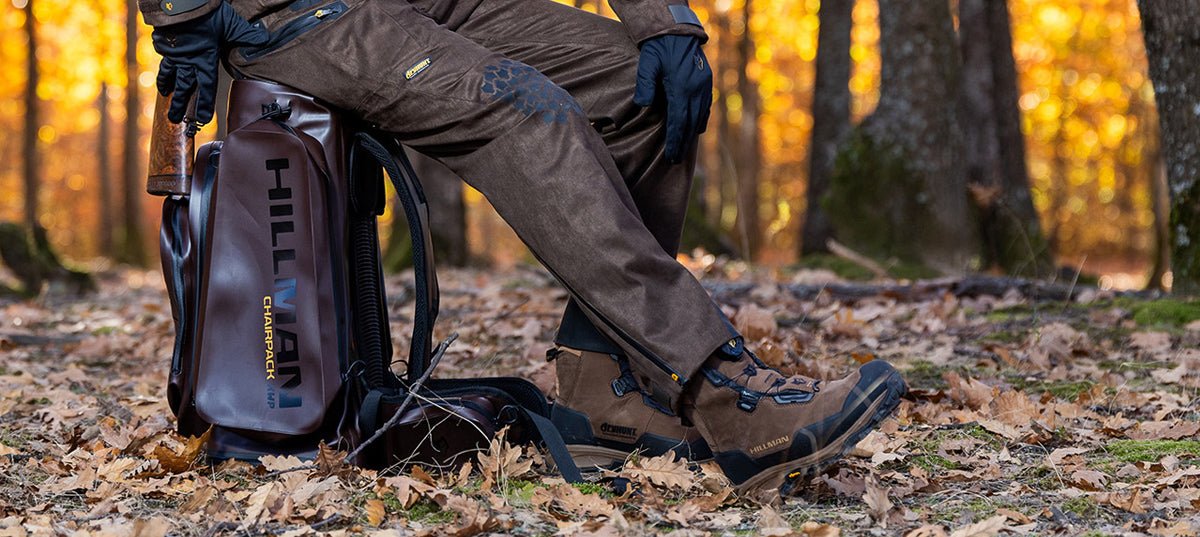
Hillman’s Fusion Waterproof Hunting Pants are a useful example here because the three-layer membrane design reflects what I look for in lower-body hunting gear: waterproof protection, breathability, and enough structure to handle real terrain without turning the trousers into a rigid shell.
How should a shooting jacket protect the upper body without restricting the shot?

A shooting jacket has a particular responsibility, because it must protect the upper body from the weather while staying quiet, balanced, and flexible enough not to interfere with the shot.
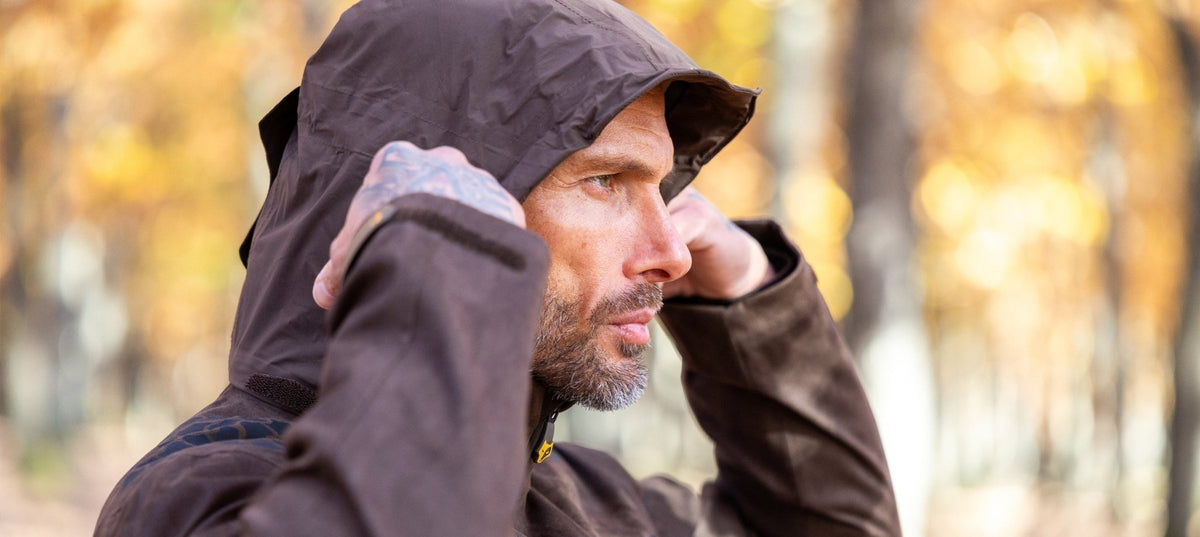
This is where the difference between outdoor clothing and hunting clothing becomes clear. A general waterproof jacket can be excellent in the rain and still feel wrong when you lift the arms. A shooting jacket needs shoulder room, sleeve shaping, and quiet fabric. Articulated sleeves help because they allow the arms to rise without dragging the body of the jacket upwards, which means the hunter does not feel fabric pulling across the chest or lifting at the hem just when movement needs to be controlled.
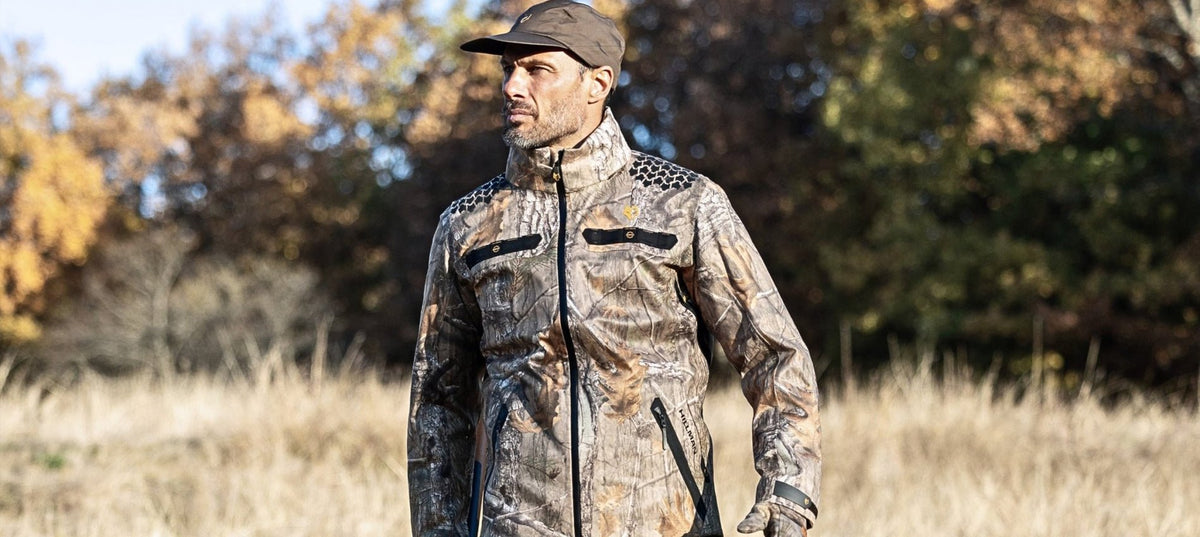
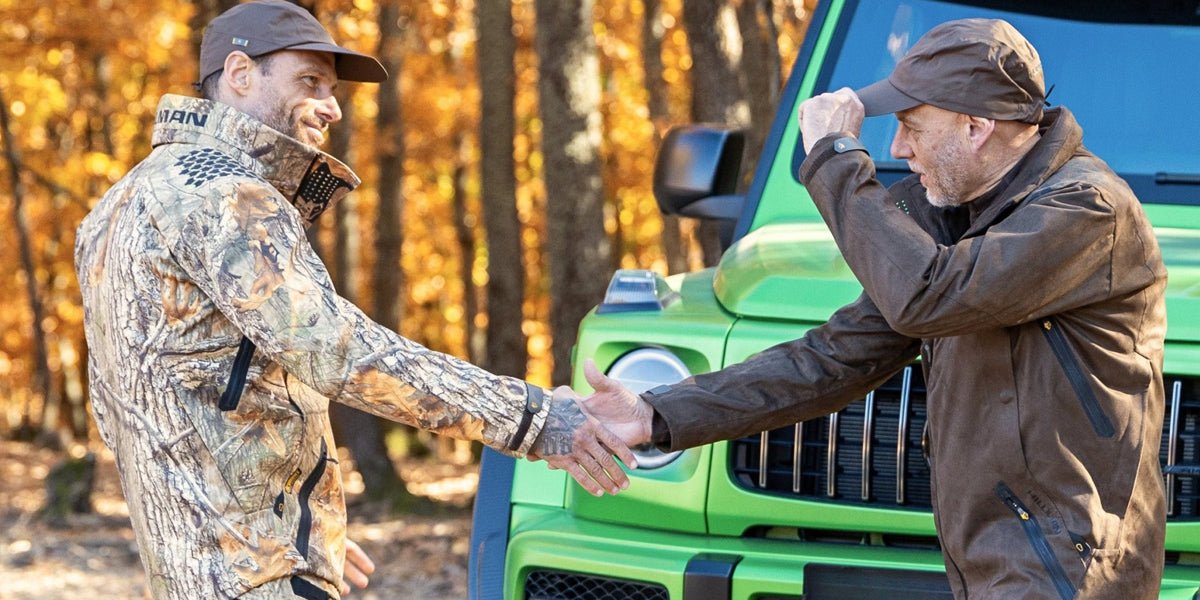
Men's shooting jackets often carry a traditional visual language: dark green, olive, brown, grey, sometimes tweed influences, sometimes a more modern camo or dirt camo direction. Those colours have their place, especially when they sit naturally in the landscape, but field value comes from construction. Quietness, seam sealing, pocket placement, wind protection, and breathability decide whether the jacket is useful after the first hour.
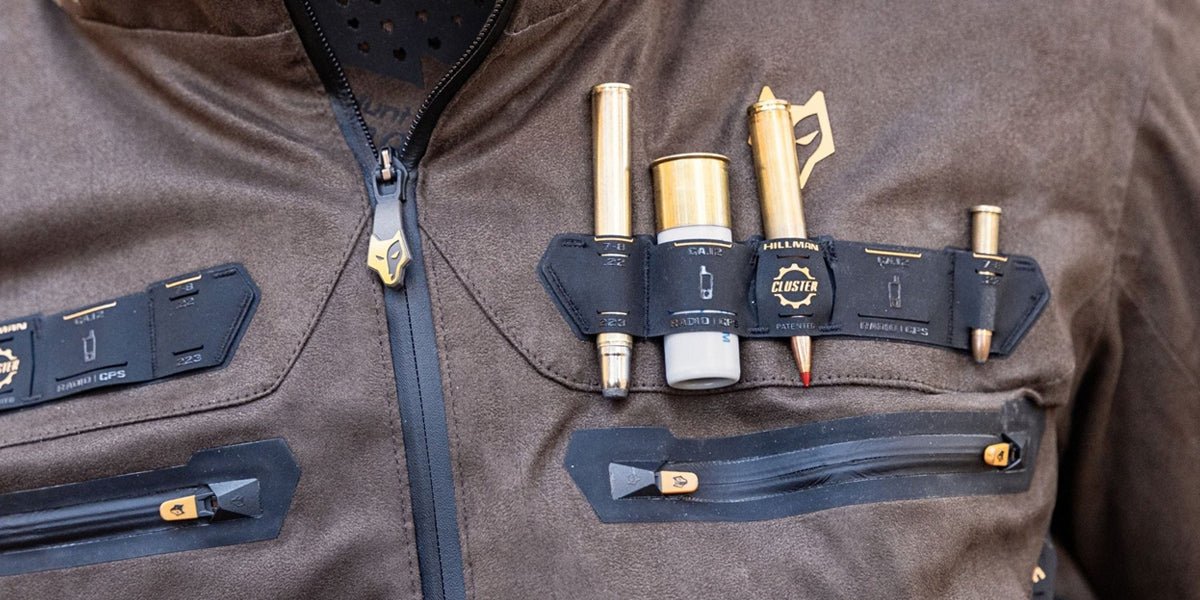
Pockets deserve more thought than they usually receive. Multiple pockets sound practical, but only if they are placed for cold hands, gloves, cartridges, calls, or small field gear. Hand warmer pockets are welcome in cold weather, yet they should not bulk up the front of the jacket or interfere with movement, while waterproof zippers and protected pocket openings matter because a pocket that collects rain is just a small reservoir attached to the body. For waterproof shooting, the jacket has to protect without announcing itself.
Shooting trousers designed for rain, mud and shifting position

Shooting trousers designed for wet days need to handle a strange mix of stillness and movement, because one hour may be spent standing in wind, while the next may involve crossing soft ground, kneeling in mud, stepping over branches, or changing position quickly because the line of movement has shifted.
This is where fit becomes practical rather than cosmetic. The trousers should not catch at the knee when the leg lifts, pull across the seat when crouching, or sag at the waist once pockets are loaded. A pair that feels comfortable in the house can feel very different once the hunter adds boots, belt, base layer, jacket, and a few pieces of kit.
Colour and pattern matter, but not in isolation. Green, dark green, olive, and brown suit many woodland and mixed landscapes. Grey can work in open, broken ground. Camouflage can help disrupt the body outline, particularly when the terrain has a varied texture, although colour will not save trousers that rustle, leak, or restrict movement.
The best hunting trousers tend to feel almost uneventful in use, because they do not draw attention to the legs, fight the stride, turn stiff in cold weather, or become heavy after brushing through soaked grass. They carry pockets where they are needed, protect the knees and seat, and give enough breathability to stop heat building up when the pace increases. That quiet usefulness is often the mark of good design.
Where do waterproof hunting boots fit into the system?

Boots complete the waterproof system because the ground is usually wetter than the sky, and a hunter can tolerate a surprising amount of rain if the feet stay dry and warm.
Once moisture gets into the boots, the concentration changes. The body starts negotiating with discomfort, damp socks become cold quickly on frozen ground, poor boots make the legs work harder in mud, and weak support affects balance and movement on uneven terrain.
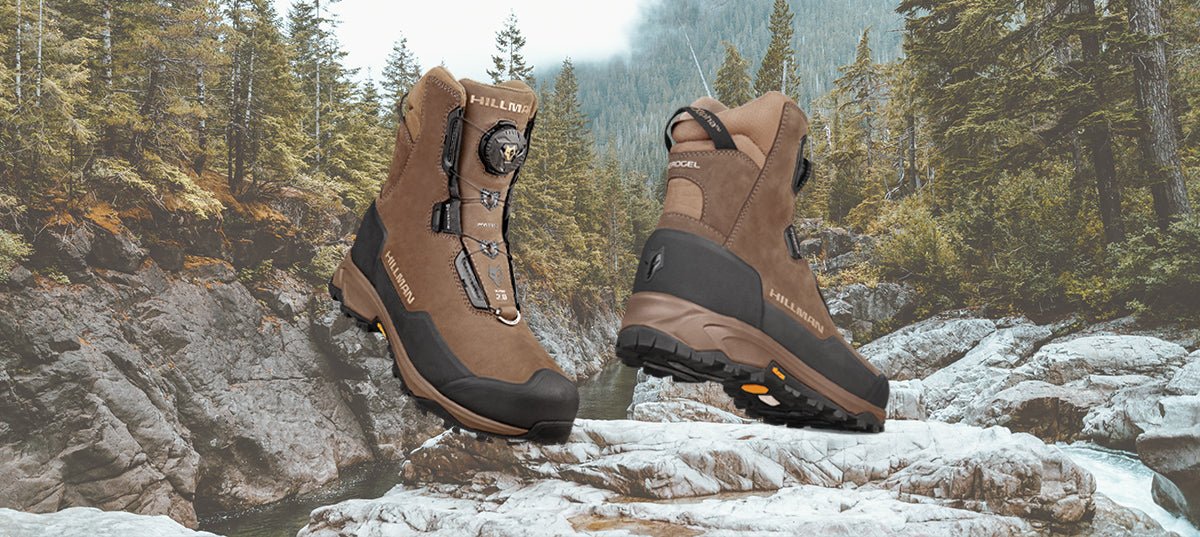
Reliable waterproof hunting boots protect the feet from mud, wet grass, rain, and frozen ground, but they also help the trousers do their job by keeping the lower-body system sealed from the ground up.
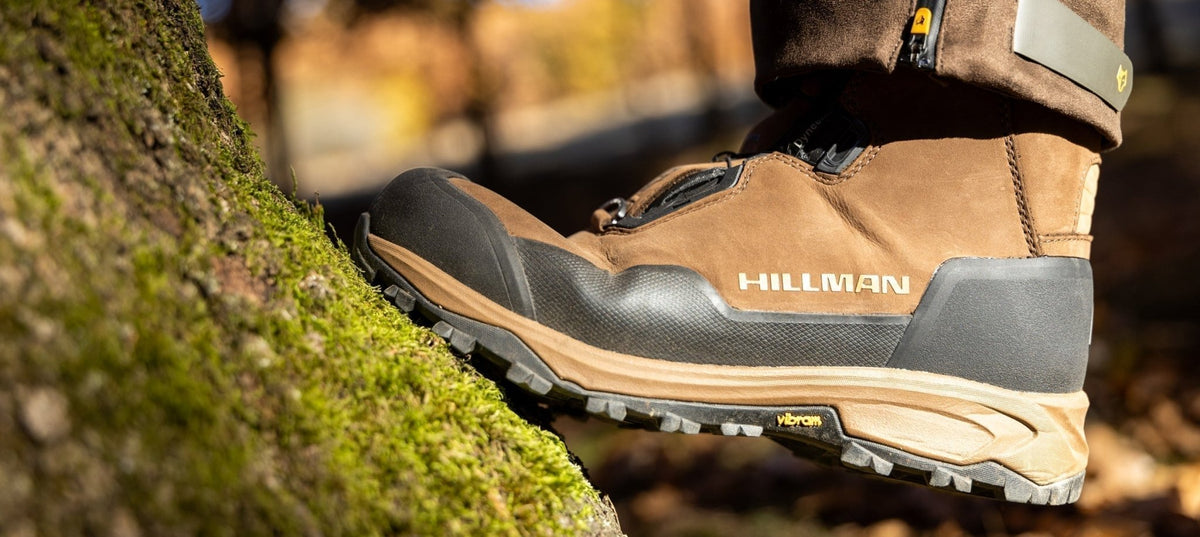
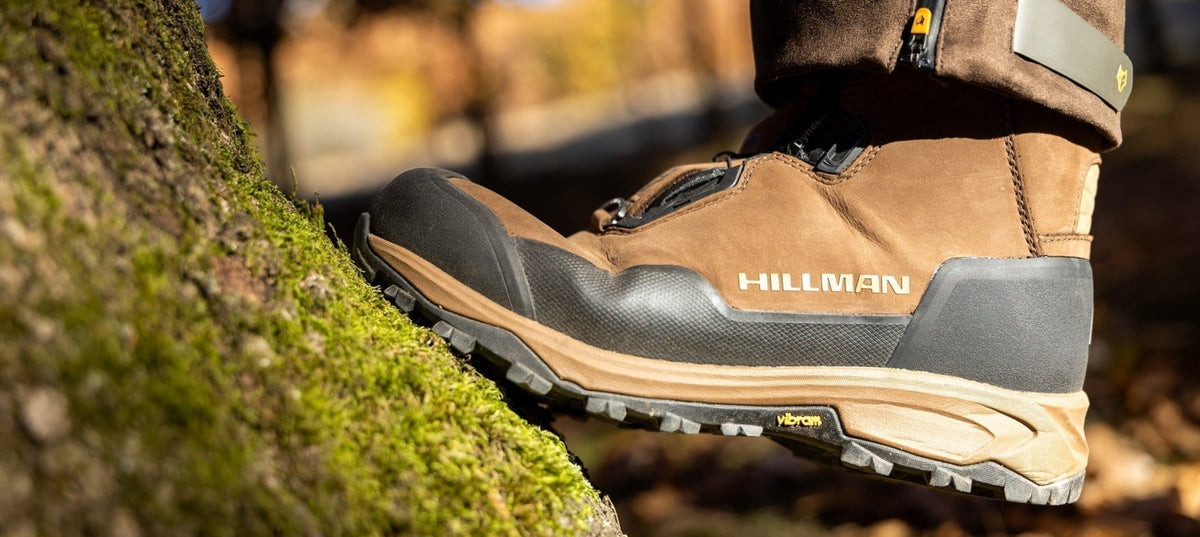
Waterproof hunting boots need more than a waterproof label. The seams, tongue construction, bonding, and connection between the upper and sole all matter, because water often enters where materials join, not through the most obvious surface. A boot may have a strong outer material and still fail if the construction around the tongue or lower flex points is weak.
The relationship between trousers and boots is just as important. The lower leg of the trousers should sit cleanly over the boot, move without riding up, and avoid directing rain into the boot opening. This is where waterproof hunting pants and boots have to work as one lower-body unit, because if water runs from the trouser hem into the boot, the system has broken at the handover point.
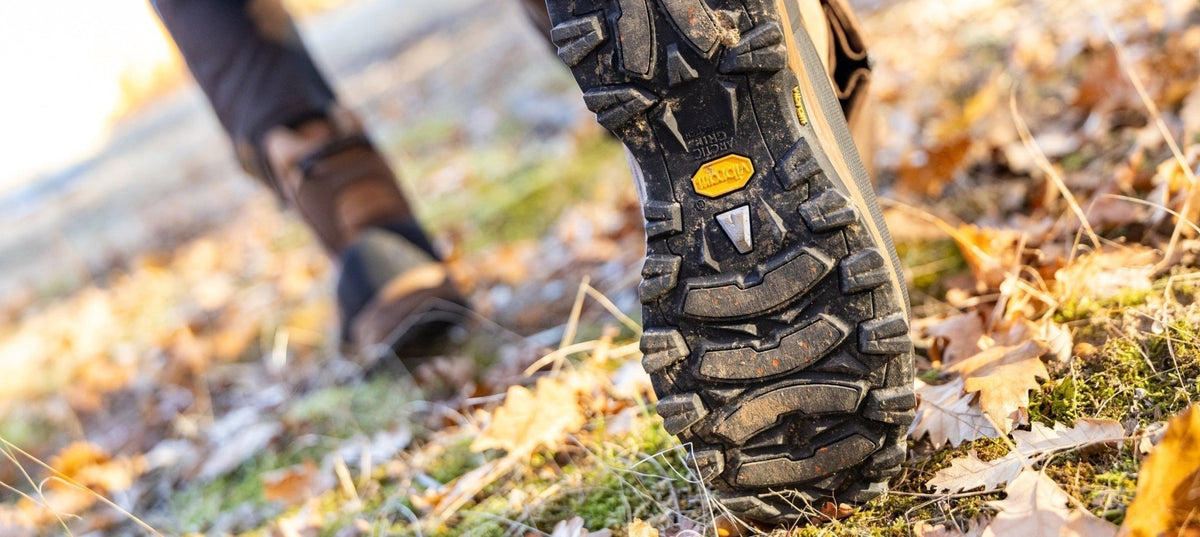
Good boots also influence how the trousers perform. If the boot is too bulky, the trouser leg may catch. If the boot lacks support, the legs work harder over rugged terrain. If the sole struggles on wet ground, every step becomes more cautious, and cautious movement often means more strain through knees, hips, and fabric.
Breathability, temperature regulation and the inside of the garment

Rain is the obvious enemy, but sweat is the quieter one, especially during a long approach when the body produces heat and moisture that must go somewhere.
If the clothing cannot move that moisture away, it begins to collect inside the system. Then the hunter stops, the body cools, and the damp layer that felt tolerable while walking becomes cold. This is why breathable waterproof clothing matters as much as waterproofing itself.
Breathability is often measured through Moisture Vapor Transfer. For active hunting, a minimum of around 10,000g/m² is a useful practical benchmark because it helps reduce overheating during hikes, stalks, and longer movement. A waterproof garment that cannot breathe may block rain, but it can still leave the hunter wet from the inside.
Temperature regulation depends on fabric, membrane, fit, and ventilation. Pit zips in jackets help release heat from the upper body. Ventilation zips in trousers can make a hard climb more manageable. A mid-layer should provide warmth without trapping too much moisture, while the outer layer should protect against rain and wind and allow perspiration to escape.
Modern waterproof jackets also help prevent body-heat loss by acting as windbreakers, although that protection is valuable only when the inside of the system stays reasonably dry. Once the base layer is damp, wind protection becomes damage control rather than comfort. The best waterproof gear does not simply keep water out, because it also manages the climate around the body.
How to choose the best hunting trousers and jacket for real field conditions?

I would not choose hunting gear by asking what looks most technical. I would start with the ground, the weather, and the type of movement the day is likely to demand.
Wet woodland asks for quietness, waterproof seams, good boots, and lower-leg protection. Open hill ground asks for wind resistance, breathability, and freedom of movement. Early-season rain calls for lighter fabrics and ventilation because the body may heat quickly. Cold late-season standing asks for insulation, wind protection, and room for layering without bulk or bunching.
For a jacket, I would look at fully taped seams, a realistic waterproof rating, quiet fabric, pocket protection, sleeve movement, and breathability. For trousers, I would look at reinforced seams, reinforced panels, articulated knees, stretch where the body actually bends, and a waist that behaves under layers. For boots, I would look at waterproof construction, support, sole grip, and how well they work with the trouser hem.
The best hunting trousers are not always the heaviest pair, and the best jacket is not always the thickest one. Quality shows when the clothing remains comfortable after hours of rain, movement, and waiting, and when the hunter can still climb, kneel, shoulder the rifle, and stay warm without constantly adjusting gear.
There is also no shame in choosing different clothing for different conditions. A lighter breathable setup may be right for mid-season movement, while a warmer insulated pair of trousers may be better for long static days in cold weather. Moleskin trousers may still have their place in dry, traditional shooting contexts, while fully waterproof trousers become the sensible choice once the forecast turns wet.
A good collection of hunting clothing is not about owning more, but about having the right pair, jacket, and boots for the hunt in front of you.
Тhoughts from the field
Seam construction is not the most romantic part of hunting clothing. It does not carry the nostalgia of tweed, the visual confidence of camouflage, or the immediate appeal of a soft brushed fabric, yet it is one of the details that decides whether waterproof gear earns its place outside.
A seam is where fabric becomes clothing, but it is also where the waterproof system is most vulnerable. Tape, reinforcement, stitch quality, and panel placement decide whether that vulnerability is controlled. Ignore those details, and even good fabric can disappoint; build them properly, and the garment starts to disappear into the hunt, which is exactly what good gear should do.
The field has a way of stripping away marketing language. Rain tests seams, mud tests lower legs, cold tests moisture management, a long day tests fit, movement tests the cut, and the shot tests the jacket.
That is why I care about seam construction, not because it sounds technical, but because I have felt what happens when it is wrong.

Share: