
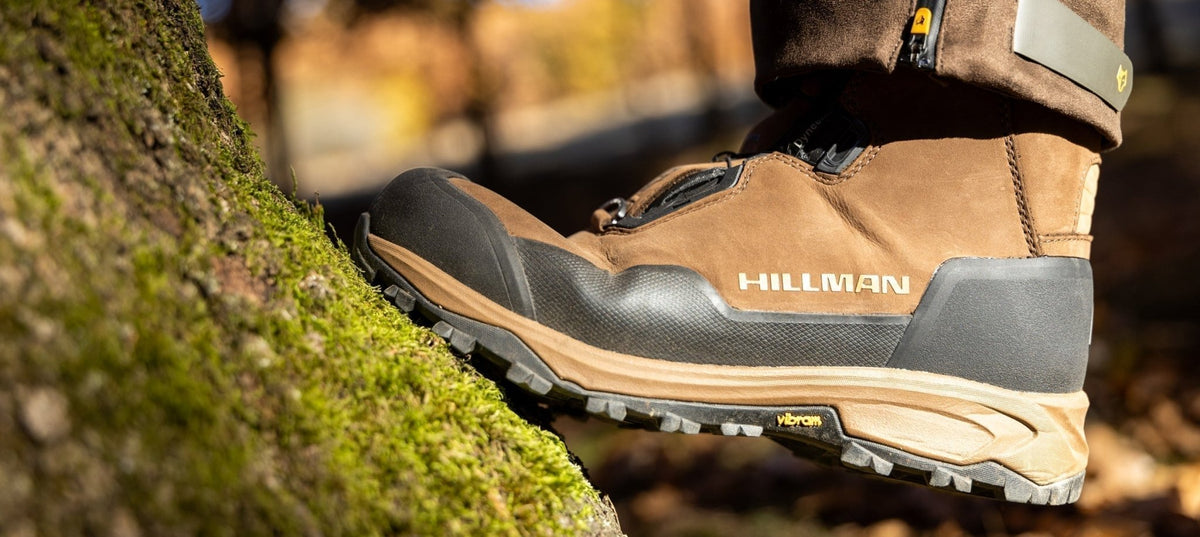
How to Break In Hunting Boots Before a Serious Hunting Trip?

Can you break in hunting boots safely? Learn how to break in boots and how to choose the best socks for breaking in boots before a serious hunt.
I have learned one thing the hard way: a serious hunting trip does not begin when I step into the woods. It begins days before that, sometimes a full week earlier, when I take the boots out of the box and start asking a very simple question: Can I trust this pair when the ground gets wet, the day gets long, and my feet have nowhere to hide?
That may sound dramatic if you have never had your heel rubbed raw halfway through a hunt. But if you have, you know. Bad footwear does not just hurt. It changes the way you move. It makes you avoid certain slopes, shorten your stride, lose patience, and lose focus. And when the hunt depends on quiet movement, stable footing, and long hours outside, that is a problem.
This is why I never treat hunting boots like ordinary shoes. A good pair is part of the whole hunting system. It has to keep my feet dry, support my ankles, protect my toes, hold the heel properly, and still allow enough natural movement to keep me comfortable. So when someone asks me how to break in boots before a proper trip, my answer is not about shortcuts. It is about giving the boots enough honest time with my feet before the real test starts.
What Does Breaking in Boots Mean for Hunting Boots?

When I think about what does breaking in boots means, I do not think about forcing stiff leather to surrender. I think about learning the boot. That is a different thing. Breaking in is the slow meeting point between the materials, the structure of the boot, the socks, and the shape of my own feet. Leather starts to soften where it naturally needs to flex. The heel pocket settles. The tongue finds its place under the laces. The sole begins to feel less foreign under my stride.
With hunting boots, this matters more than it does with everyday footwear, because the conditions are rarely gentle. I might be walking through wet grass at first light, standing still in cold air, crossing mud, climbing over roots, kneeling, waiting, moving again, and then walking back tired. A boot that feels fine for ten minutes in the house may start rubbing after three hours outside.
That is why breaking in boots should not be seen as a way to fix a bad pair. It is a way to discover how a good pair behaves before the hunt becomes serious. If the boot is slightly stiff, that is normal. If it gives firm support around the ankle, that can be a benefit. But if it bites into the heel, crushes the toes, or creates sharp pressure, I do not call that break-in. I call that a warning.
Start with the Right New Pair Before You Break In New Boots

Before I even begin to think about how to break in new boots, I look carefully at the new pair itself. I have seen hunters make the mistake of buying boots that are almost right and hoping the break-in process will solve the rest. Sometimes the leather gives a little. Sometimes the upper softens. But a wrong fit usually remains a wrong fit, only now with blisters added.
The best boots for hunting are not the same for every hunter. I would choose differently for a wet woodland hunt than I would for steep mountain terrain. I would choose differently again for a cold, static winter hunt where I will stand for long periods, compared with an active stalk where overheating becomes just as annoying as cold. Terrain, weather, hunting style, and the amount of movement all matter.
When I try on a new pair, I pay attention to small things. The heel should stay in place without being crushed. The toes need enough space, especially because feet move forward slightly on descents. The midfoot should feel held, not squeezed. Around the ankle, I want support, but not a hard edge cutting into the leg. If I feel a sharp pressure point while simply standing in the house, I do not trust that it will magically disappear after a weekend.
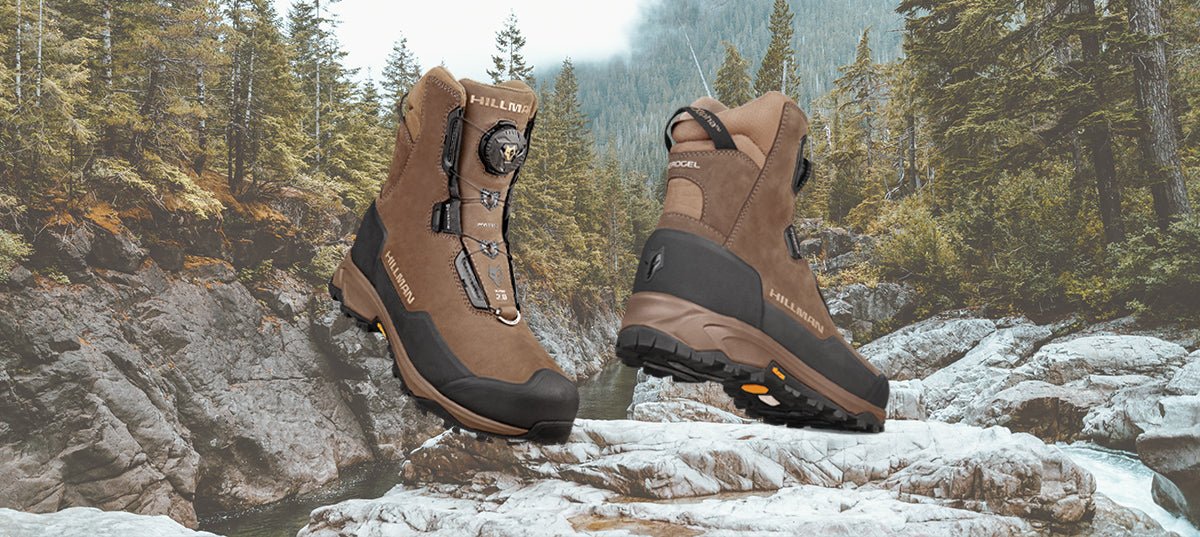
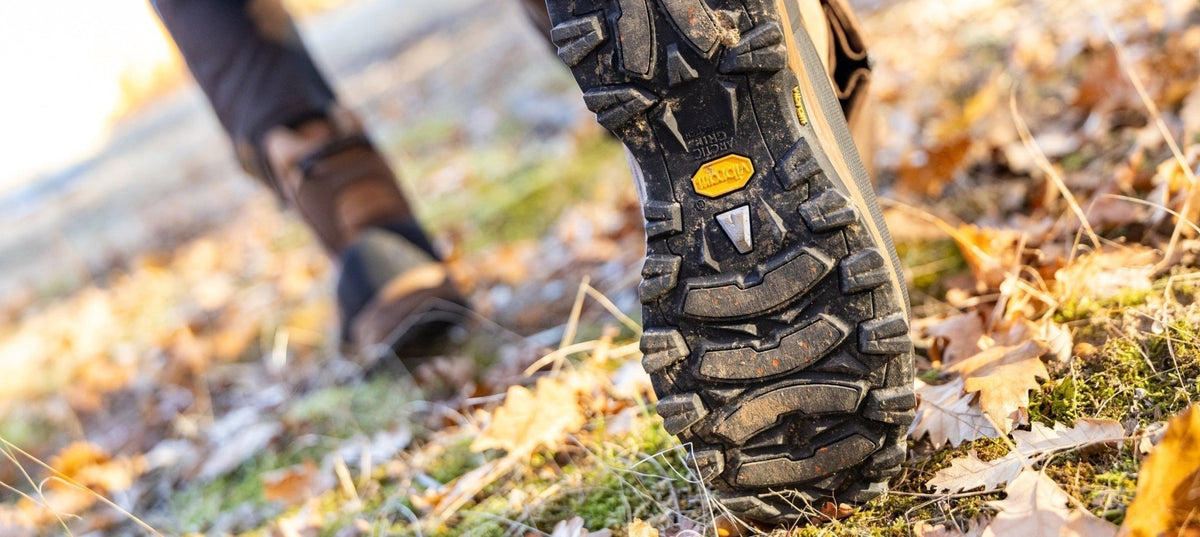
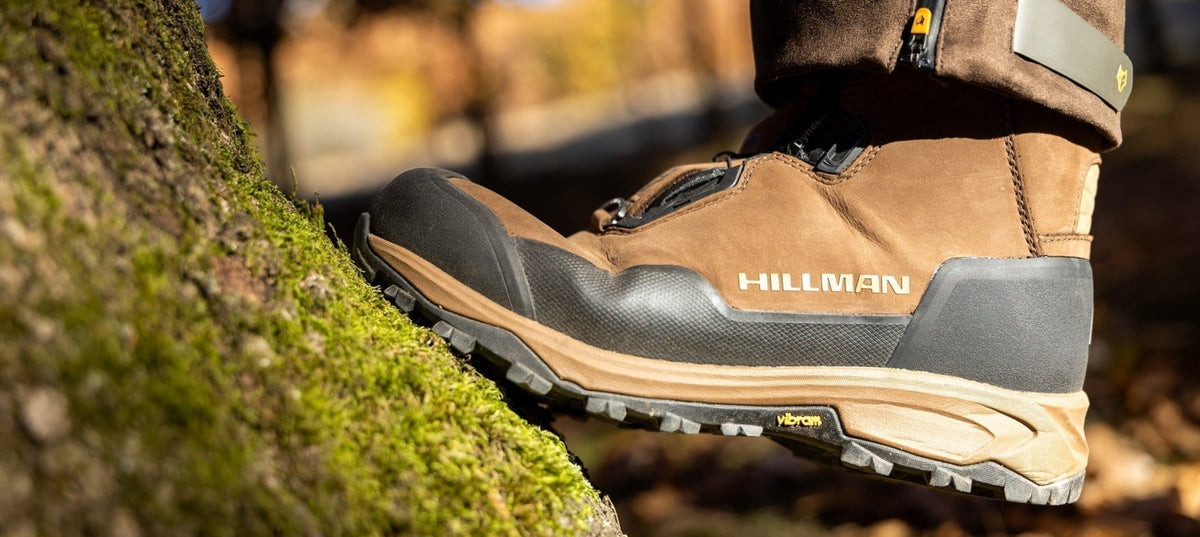
The essential features are simple, but they are not optional. I want waterproof protection, a sole that can grip mud and uneven ground, enough flex for natural movement, and excellent ankle support when the surface becomes unstable. Breathable waterproof membranes help because dry feet are not only about keeping rain and puddles out. They are also about managing sweat from the inside. Good leather boots can mold to the foot over time, especially full-grain or nubuck leather, but they should start from a fit that already makes sense.
Wear Your New Boots Around the House First
The first thing I do with new boots is not impressive. I wear them around the house. That is where the process really begins, quietly and without pressure. I put on the same socks I plan to use outside, lace the boots properly, and move through normal little motions: walking, standing, climbing stairs, bending the ankle, crouching, sitting down, and getting up again.
I do not wear them for a full day at the beginning. Thirty minutes can tell me enough. Then I built up to an hour, then two. This slow start may feel too careful, but it has saved me more than once. Inside the house, I can notice what would become a bigger problem outdoors. Maybe the tongue sits badly. Maybe the lace pressure is too strong over the instep. Maybe one heel lifts slightly. Maybe the toes feel fine on flat ground, but touch the front when I walk down stairs.
This is one of the most useful parts of how to break in boots, because there is still time to adjust. I can change the lacing, try a different sock, loosen the forefoot, tighten the ankle, or simply give the boot another short session. What I do not do is ignore the discomfort and hope courage will fix it later. A tiny rub in the house can become a proper blister after six hours of wet grass, mud, and long standing.
The beginning should feel like a process, not a punishment. New boots may feel firm. They may feel structured. But they should not make my feet hurt just because I wore them while making coffee and walking around the hallway.
Use Thick Socks, but Do Not Fake the Fit

I pay almost as much attention to socks as I do to boots. The best socks for breaking in boots are usually the same type I will wear during the actual hunt. If I break in boots with thin everyday socks, then wear thick socks in the field, I have not really tested the fit. The whole internal volume changes. Pressure points shift. Toes lose space. The heel may sit differently.
Thick socks can help during the break-in process, especially with leather boots. They add some cushioning, reduce rubbing, and can help the leather shape itself more naturally around the foot. In colder weather, they also show me how much real space I have inside the boot. But I do not use thick socks to lie to myself. If the boot is too tight, a thicker sock will not solve it. If the heel is slipping, extra bulk may hide the issue for a while, but it will return when the walking gets longer.
Moisture is another thing I take seriously. Feet sweat even when the weather is cold. Once the sock becomes damp, friction increases, and friction is where blisters begin. A good sock should manage sweat, stay in place, and not bunch under the arch or around the toes. I want my feet dry, warm enough, and able to move without rubbing. A high-quality pair of hunting boots can still disappoint if I put the wrong socks inside them.
Take Your Leather Boots Outside Gradually

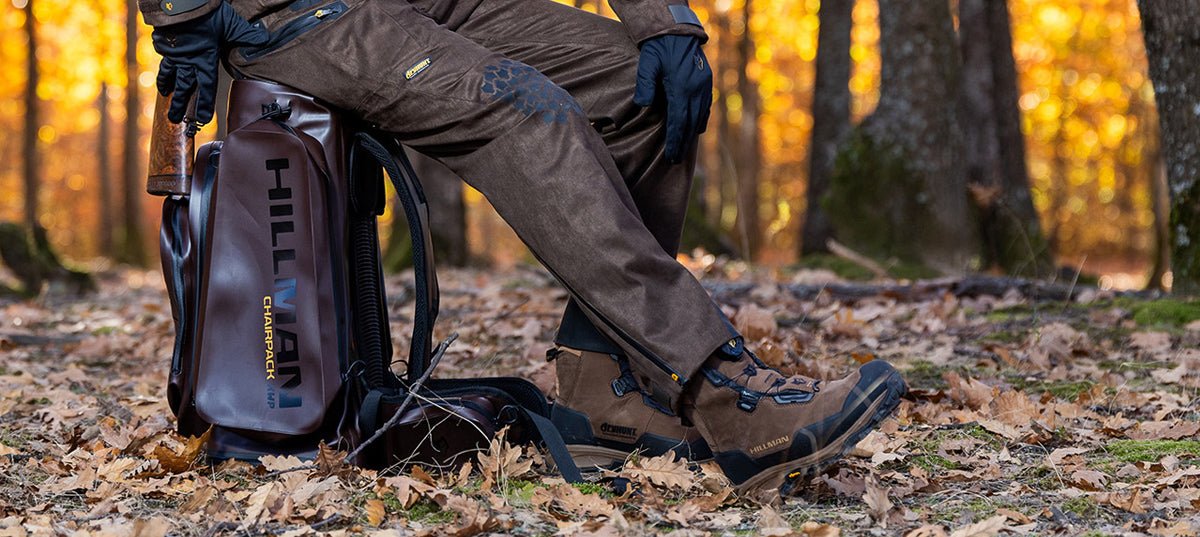
After the house, I take the boots outside, but I still do not rush. I begin with a short, easy walk. Pavement, a dry path, maybe a little grass. I want to feel how the sole flexes, whether the heel stays locked, and whether the upper begins to move with my foot instead of against it. Then I add more realistic ground: uneven dirt, a mild slope, wet grass if the weather gives me some, maybe a bit of mud.
This is where leather boots start to reveal their character. Good leather does not become soft all at once. It changes slowly in the places where it needs to change. The flex point becomes more natural. The collar around the ankle settles. The boot begins to feel less like something new and more like something I can read. If the sole is stiff because the boot is built for stronger support, I give it time. Stiffness can be useful on steep terrain, but it needs to work with my stride.
I also try to move the way I will move during the hunt. I do not only walk straight. I stop, turn, crouch, step sideways, climb a small slope, come down again, and stand still for a while. Hunting is full of awkward pauses and half-movements. It is not a smooth fitness walk. A boot that feels fine during a short clean walk may tell a different story when I kneel, twist, wait, or carry gear.
Each outdoor session gives me information. Does mud build up too much under the sole? Does the ankle feel supported or restricted? Do the toes hit the front downhill? Does the heel rub once my feet warm up? These details sound small, but they are the difference between boots I trust and boots I keep thinking about all day.
Do Not Break In Uncomfortable Boots by Force

There is a point where I stop calling it a break-in. If a pair feels firm, that is one thing. If it feels painful, that is another. Uncomfortable boots should not be forced into service just because they were expensive, new, or supposed to be tough.
A hunting boot can be structured without being cruel. It can support the ankle without cutting into the leg. It can hold the heel without rubbing it raw. It can feel protective without crushing the toes. When I feel numbness, sharp pressure, burning friction, or strong heel movement, I do not keep walking just to “toughen up” my feet. That kind of thinking usually ends with blisters, a bad mood, and a shortened trip.
The best hunting boots are not the ones that punish me first and reward me later. They are the ones that give protection, stability, and confidence while still letting me move naturally. If I feel a problem at home or on a short walk, I deal with it before the serious trip. I adjust the laces. I check the socks. I make sure the heel is seated properly. If the same pain keeps coming back, I accept that the fit may be wrong.
Avoid Water Soaking, Freezer Overnight Tricks and Direct Heat

I know some boot tricks sound tempting. Put water bags inside and leave the boots in the freezer overnight. Soak new leather boots until they soften. Heat them near a radiator. Leave them in direct sunlight. Wear them wet until they stretch. I do not use those methods, especially not with serious hunting footwear.
Leather needs respect. Soaking new leather boots can dry the leather later and make it more likely to crack. Direct heat can affect shape, adhesives, and long-term durability. Freezer overnight methods are unpredictable and unnecessary. A hunting boot is not something I want to stretch brutally for one evening. It is gear that has to survive pressure, mud, cold, flex, moisture, and long days.
If my boots get wet naturally, I clean off the mud and dirt, then let them dry slowly at room temperature. I do not put them in strong heat. I do not store them dirty in a closed box or bag. I let the materials recover. Good care is part of the break-in process because a damaged boot may feel softer, but that does not mean it is better. It only means I have shortened its life before it has properly begun.
Test Insulated Boots Before Cold Weather Hunts

With insulated boots, I test more than warmth. This is something I learned after a few cold days, where the problem was not freezing at the start, but sweating too much while moving, and then getting cold later when I had to stand still.
Insulation is valuable during late-season hunts, cold mornings, and long static periods. It gives extra protection when the ground is frozen, when the wind cuts low, and when the body is not producing much heat from movement. But if the hunt involves climbing, active stalking, dragging gear, or moving through difficult terrain, the feet can overheat. Sweat builds inside the sock. Then the pace slows, or I stop completely, and that moisture begins to cool.
So I do not judge insulated hunting boots indoors. I wear them outside in similar weather if I can. I walk, then stand. I check whether my socks stay reasonably dry. I notice whether the boot feels too bulky for active movement or just right for the conditions. For me, the right winter boot is not only warm. It is balanced: insulation, breathable waterproof protection, support, and enough room for proper socks without making the foot swim inside.
Check Excellent Ankle Support Before the Trip

I never judge ankle support on a flat floor. That tells me almost nothing. Excellent ankle support becomes clear only when the boot is under pressure. I need to feel it on uneven grass, on a side slope, on a descent, when I step over something awkward, or turn while carrying weight.
On rough ground, comfort is not only softness. It is control. If the boot is too loose around the heel and ankle, my foot works harder than it should. If the upper is too soft for the terrain, fatigue builds faster. If the sole does not give enough grip, every step becomes slightly more cautious. On the other hand, a very stiff boot may be excellent for steep or unstable ground but tiring on easier terrain. This is why I match the boot to the hunt, not to an abstract idea of toughness.
Lacing makes a real difference here. I do not simply pull everything tight from bottom to top. Sometimes I need more freedom over the forefoot and a stronger hold around the ankle. Sometimes I need better midfoot lockdown for descents. I test this before the trip, because changing the lacing in the field while my hands are cold and the group is moving is not ideal.
A One-Week Plan to Break In New Hunting Boots

If I have a week before the trip, I use it carefully. It is not a perfect amount of time for every pair, especially heavier leather boots, but it is enough to catch most problems. On the first day, I wear the boots at home for thirty to sixty minutes with my hunting socks. I walk, stand, crouch, and climb stairs, then take them off and check how my feet feel.
On the second day, I extended the time. I keep them on for one or two hours around the house and pay attention to heel movement, toe room, and lace pressure. On the third day, I take a short outdoor walk on easy ground. I do not try to prove anything. I just let the sole flex and the upper begin to move naturally.
By the fourth day, I add uneven ground. Grass, dirt, a mild slope, a little more movement. If I expect to carry a pack, I add a light one. On the fifth day, I walk longer, because hidden problems often appear only after the feet warm up and the socks settle. If a hot spot starts, I stop and deal with it. I do not train my foot into a blister.
On the sixth day, I try to get closer to field conditions. Wet grass, mud, colder air, some standing still. On the seventh day, I clean the boots, let them dry naturally, and inspect them. I check the laces, the tongue, the sole, the stitching, and the inside. Then I pack spare socks and a small blister kit. That is not overthinking. That is just knowing what long days outside can do. For me, this is the most reliable answer to how to break in new boots without turning the process into a battle.
Your Hunting Boots Should Feel Like Trusted Companions
Before I leave for a serious hunting trip, I want my boots to feel familiar. Not soft like slippers. Not loose. Not worn out before they have earned it. Just familiar. I want the heels to stay in place, the toes to have room, the ankle to feel supported, and the sole to move with confidence over bad ground.
The best boots for hunting are not always the heaviest, warmest, or most technical pair. They are the boots that match the terrain, the weather, the hunting style, and my own feet. If they keep me dry, stable, and focused, they are doing their job. If I forget about them during the hunt, even better.
That is the whole point of breaking in a new pair. I am not trying to make boots look older. I am trying to make sure they are ready for the work ahead. Slowly, naturally, without tricks and without ignoring pain.
Because once I am out there, with mud on the sole, cold air on my face, and a long day still in front of me, my hunting boots should not be another problem to solve. They should already feel like trusted companions.

Share: