
Waterproof vs Insulated Hunting Boots: Europe Country Hunting Guide
Prepare for your next hunt with our Europe hunting guide. Discover the key differences between waterproof and insulated hunting boots and choose the best boots for any terrain.
I've hunted chamois in the Alps, red deer in the Carpathians, and wild boar in the soaked forests of Germany. And if there's one thing I've learned the hard way, it’s this: wearing the wrong hunting boots turns any good hunt into pure misery.
In Europe, the terrain shifts drastically from country to country. You’ve got rugged mountain terrain in Austria, wet grass and rain-soaked fields in the UK, and cold weather hunts up in Sweden. There’s no one-size-fits-all boot. The real question is:
Waterproof vs insulated hunting boots – which should you choose, and where?
This guide will take you through real hunting scenarios across Europe. I’ll break down which boot works best for each region, share field-tested advice, and introduce some of the best hunting footwear I’ve worn - boots built to handle tough terrain, long hikes, and all the surprises nature throws your way.
Let’s lace up and hit the trail.
Choosing the Right Hunting Boots Based on Terrain and Climate

The key to a successful hunt isn’t just the right rifle or climbing sticks, it’s the right pair of boots. If your feet are cold, wet, or blistered, your focus is gone. Your shot’s shaky. And trust me - I’ve seen more hunts lost to wet feet than to missed targets.
Across Europe, hunting conditions vary wildly:
-
Swamps and mud in Poland and Hungary
-
Steep terrain and sharp rocks in Italy
-
Cold weather and deep snow in Norway
-
Dry uplands in Spain and Portugal
That’s why you need to think in terms of mission-specific gear and hunting jacket, not just good boots, but the best hunting boots for the job.
And yes, that sometimes means having two reliable pairs: one insulated and one waterproof.
Why the Right Hunting Footwear Changes Everything in the Field
You can have the best optics, perfectly tuned calls, and a flawless scent-control routine, but none of that matters if your feet give out halfway through the hunting expedition.
Here’s what the right hunting footwear can do for you:
-
Keep your feet dry when the trail turns swampy
-
Help your feet stay warm in snow or icy wind
-
Give you excellent ankle support on uneven ground
-
Let you walk long miles under heavy packs without pain
-
Absorb shock and reduce fatigue with cushioned insoles
And here's something most hunters overlook: comfort leads to stillness. Stillness leads to success.
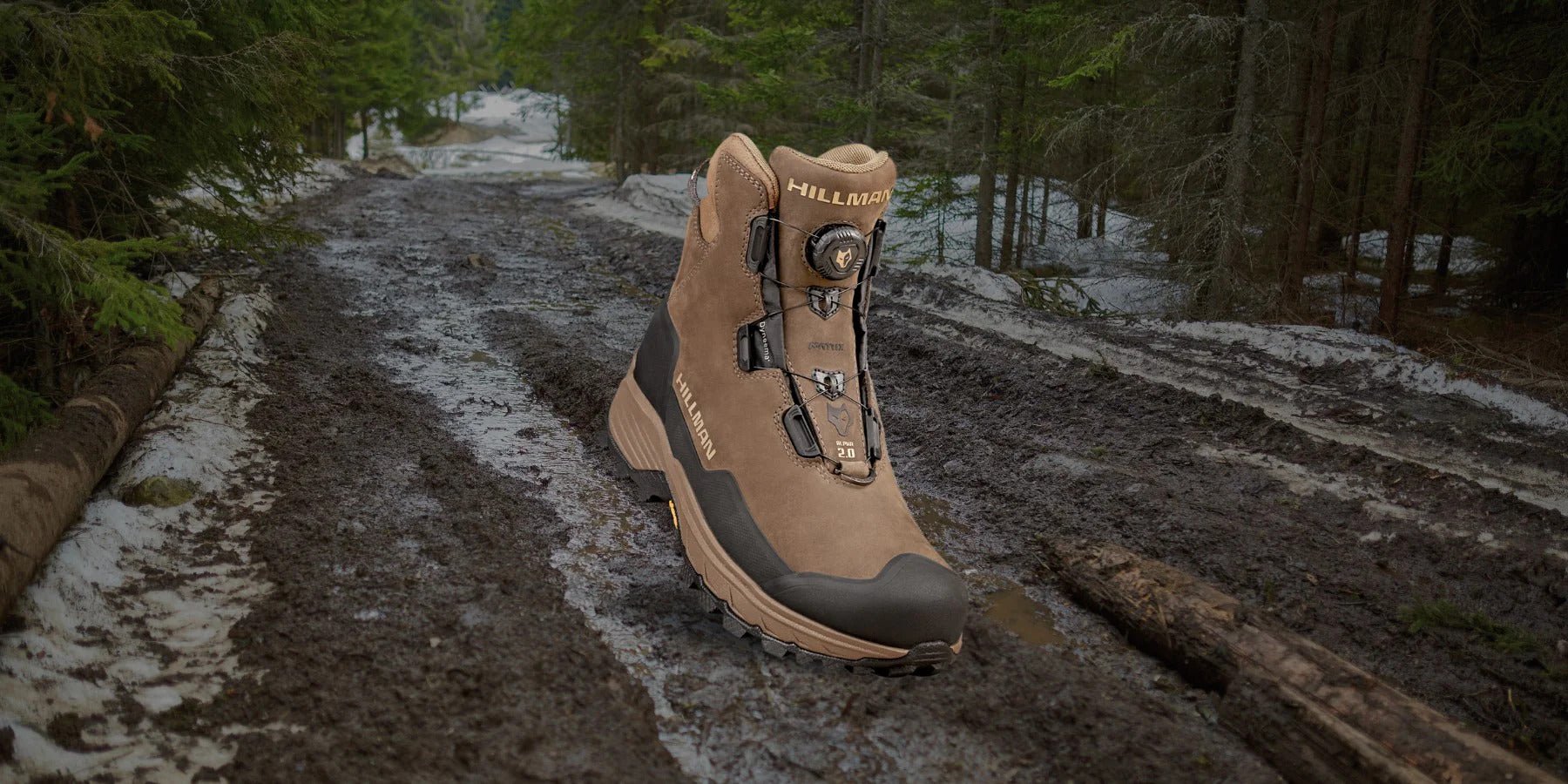
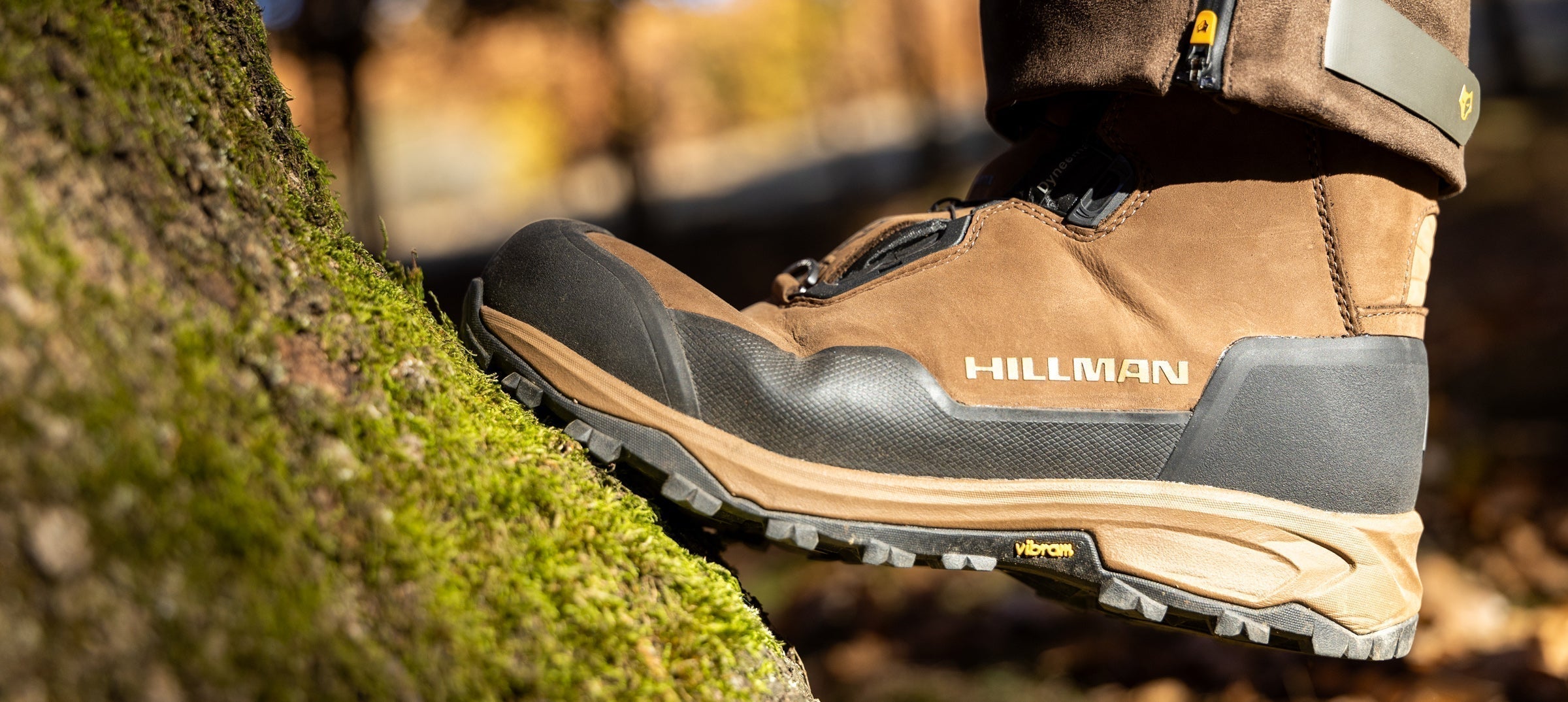
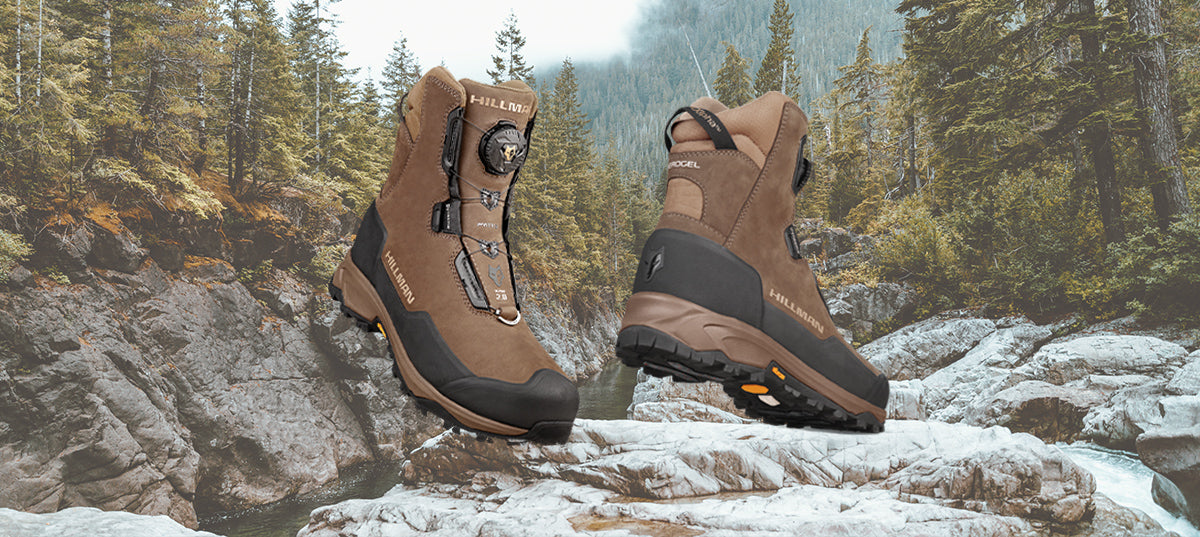
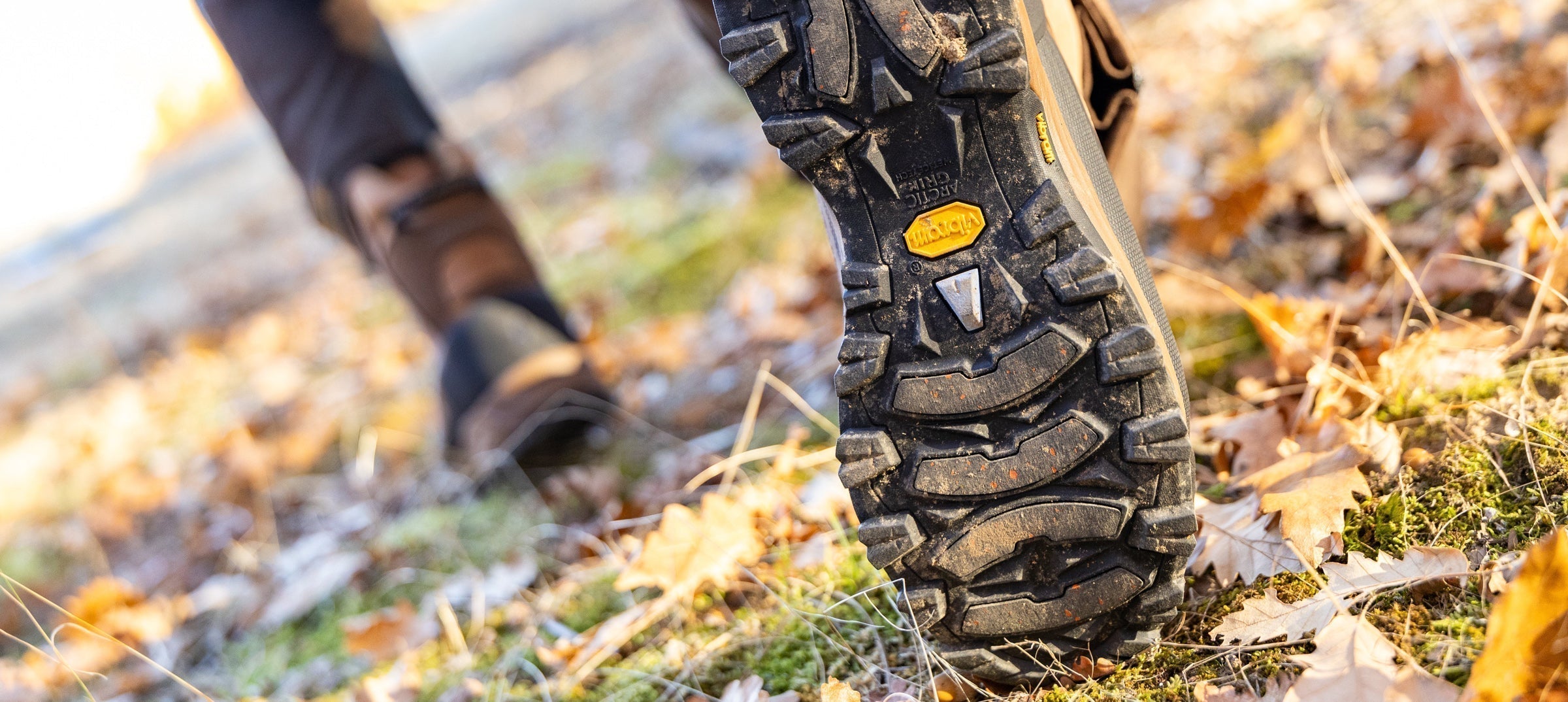
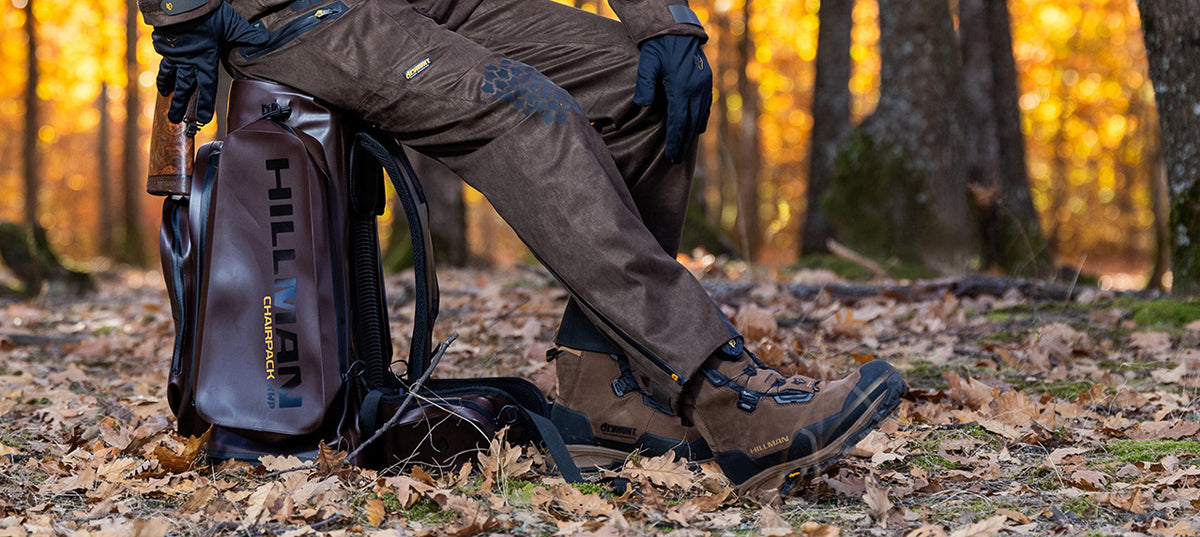
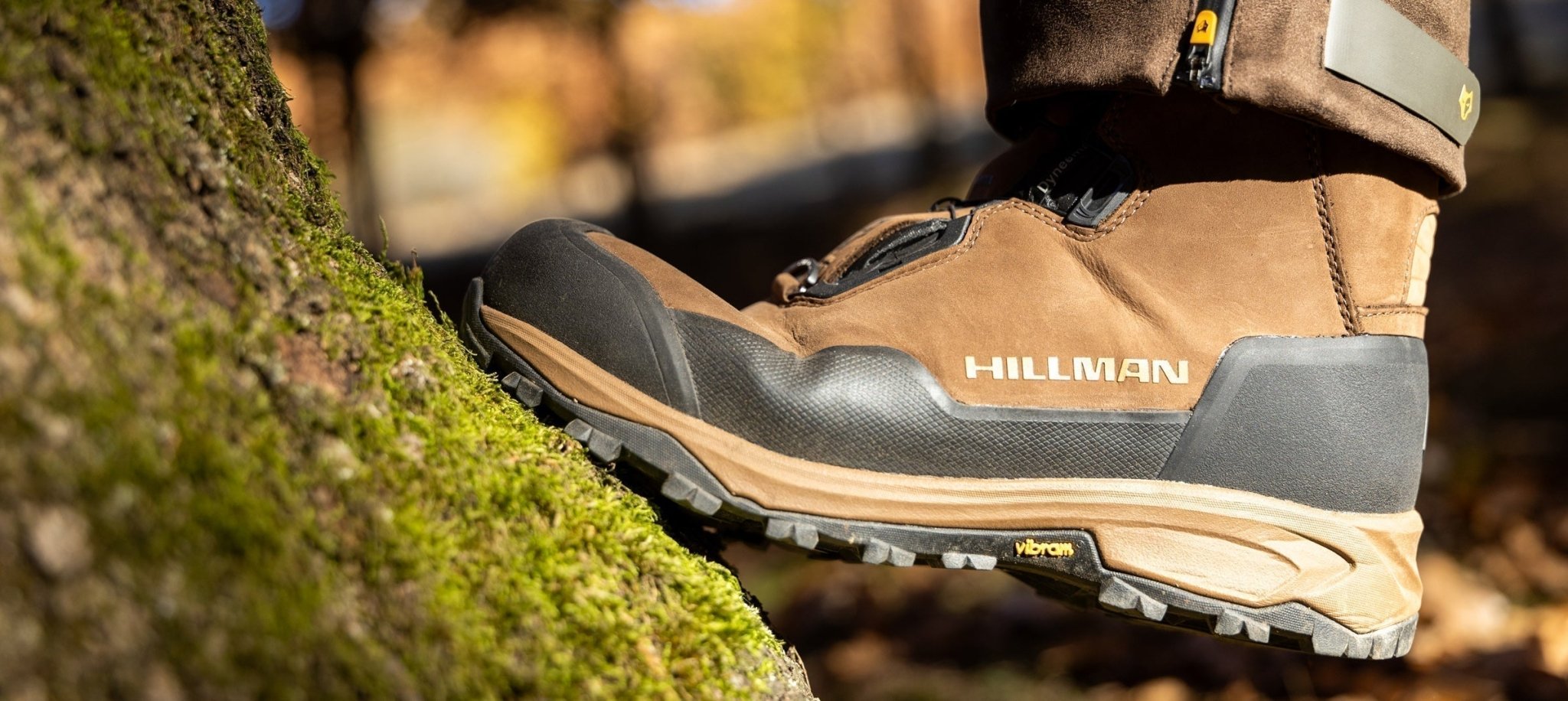
I’ve spent long hours glassing from rocky ridges in the Balkans with dry, warm feet thanks to the Aerogel 2.0 Insulated Boots by Hillman. And when stalking in soaked forest trails near Bavaria, I rely on the DryHunt 2.0 Waterproof Boots - versatile boots with unbeatable grip and a Vibram sole built for rough terrain.
Hunting Boots for the Alps: Tackling Rugged Mountain Terrain

Hunting in the Alps is a whole different beast. You’re climbing over rugged terrain, dodging sharp rocks, and relying on every step to keep you steady. Add steep elevation, shifting weather, and sudden snow, and you’ve got one of the toughest hunting environments in Europe.
What to Look for in Mountain Hunting Boots:
-
Sturdy boots with reinforced uppers
-
Deep Vibram soles for grip on slick stone
-
Rubber rand protection against abrasion
-
Excellent ankle support for uneven footing
-
Durable full-grain Italian leather or hybrid upper material
Whether you're after ibex, chamois, or red deer, your insulated boots must handle it all, without causing fatigue. For these expeditions, I always take the Aerogel 2.0 Insulated Boots. They offer the warmth you need for high altitudes, plus rugged construction with enough flex for climbing and descent.
Tip from the trail: Break in your boots weeks before alpine hunts. No one wants to discover a hot spot halfway up a granite ridge.
Upland Hunting in France: Lightweight Boots That Cover Ground
Now let’s shift south and hunt in France. In regions like Gascony and the Loire Valley, upland hunting means long walks through fields, hills, and woodland edges. You’re following upland birds, covering miles in a day, and need lightweight hunting boots that can move with you.
What you want here is a balance: something between a hiking boot and a technical hunting boot.
Ideal Upland Hunting Boots Features:
-
Lightweight build with cushioned insoles
-
Moderate ankle height with flexible support
-
Water resistance for wet grass and light rain
-
Breathable upper for long hikes
The DryHunt™ Waterproof Boot is my go-to for this. It keeps my feet dry in dewy mornings and doesn’t weigh me down when I’m chasing partridge across rough ground. I’ve worn them from dawn to dusk with zero hotspots, and that’s saying something.
Wet Grass and Muddy Trails: Germany’s Early Season Challenges

In northern and central Germany, roe and fallow deer hunts often mean cool mornings, muddy trails, and long sits in damp forest. Everything looks dry at first, then five minutes in, your feet are soaked and your socks are screaming for help.
This is where waterproof hunting boots become more than a convenience, they’re a requirement.
What Works Best in Wet Grass:
-
Fully sealed waterproof membrane
-
Rubber sole with deep lugs for traction
-
Easy-clean exterior for post-hunt maintenance
-
Light insulation for fluctuating weather conditions
The DryHunt 2.0 Boot handles these conditions masterfully. It repels morning dew, handles surprise rain, and provides solid footing even when the trail gets slick. Bonus: they’re quiet on the move, which matters more than you’d think in the thick German woods.
Field Tip: Always pack an extra pair of merino socks: one for the walk in, one for the walk out. Your feet deserve that kind of comfort.
The Best Hunting Boots for Treestand Hunting in Eastern Europe
When you’re up in a treestand, you're not moving. You’re sitting for long hours, and trust me, that cold creeps in faster than you’d expect. In places like Romania, Serbia, and Ukraine, treestand hunting means battling wind, dampness, and pure stillness.
Key Requirements:
-
Insulated boots that hold heat, even when stationary
-
Cushioned insoles to avoid numbness from hanging feet
-
Solid base for climbing with climbing sticks
-
Quiet materials and minimal noise on bark and steel
This is where the Aerogel 2.0 Hunting Boot proves its worth. The insulated upper traps warmth without overheating, and the sole grips securely when you're climbing to position. I’ve used them for early morning sits in sub-zero wind, and my feet stayed warm until the shot rang out.
From the Tree: Don’t just sit warm - sit still. Good boots let you forget your feet exist, so your eyes can do the work.
Cold Weather Hunts in Scandinavia: Feet Deserve Warmth

Scandinavia doesn’t mess around. In Norway, Sweden, and Finland, cold weather comes early and stays late. Whether you’re tracking deer in Lapland or waiting out reindeer from a blind, winter hunting here means one thing: keep your feet warm, or pack it in early.
Must-Have Features in Nordic Cold:
-
High-grade insulated boots
-
Breathable lining that prevents feet from sweating
-
Quality leather or insulated synthetics with wind-blocking shells
-
Room for thick socks or even insulated pants without pressure points
-
Rubber rand for moisture and snow protection
Up north, it’s not just about the boots, it’s about how your feet stay warm for the long haul.
Best Boots for Balkan Terrain: The Ultimate Test for Sturdy Boots
The Balkans are a boot tester’s dream, and nightmare. You’ve got rugged mountain terrain, sharp limestone ridges, boggy valleys, and forest so thick it can feel like a jungle. From Bulgaria to Montenegro, if your boots survive here, they’ll survive anywhere.
What Balkan Hunts Demand:
-
Sturdy boots with a serious sole grip
-
Protection from sharp rocks and undergrowth
-
Reinforced toes for kicking through brush and debris
-
The balance between support and flexibility for climbs and descents
This is tough terrain territory - and Hillman’s DryHunt™ Waterproof Boot holds its own here. Lightweight enough for agile moves, yet stable enough for slopes. I’ve dragged a full hunting backpack and rifle across Balkan ridgelines with them - no slips, no sore spots.
From the Trail: In the Balkans, boots that slip or squeak can end your stalk before it starts. Go quiet, go grippy, go prepared.
Spanish Heat vs Wet Conditions: Versatile Boots for All Climates

Spain can be a paradox. One day you're chasing ibex through the scorched hills of Andalusia, the next you're knee-deep in wet scrubland in the Pyrenees. Your boots need to adapt, and fast.
What You Need in the Spanish Wild:
-
Breathable design for hot-weather hunting gear
-
Water-resistant or fully waterproof hunting boots for surprise showers
-
Durable upper material to resist abrasion from rocks and dry brush
-
Versatile boots that feel good on long walks under the sun
-
Lightweight construction that won’t tire you out in heat
Field Tip: When hunting in dry climates with sudden rain, avoid suede or untreated leather. Go with synthetic hybrids or sealed full-grain leather that won’t soak up the first puddle.
Waterproof Boots & Hunting Gear: Built for Wet Conditions
Let’s shift focus now. Wet grass, soaked trails, rainy hunting days: these aren't just nuisances. They’re a serious risk to your hunt if your boots aren’t sealed tight.
Key Features of Waterproof Boots:
-
Rubber sole and sealed seams
-
Hydrophobic coating or built-in waterproof membrane
-
Rubber rand to keep water from sneaking in at the edges
-
Quick-dry lining to avoid swamp-foot
-
Lightweight but not flimsy - you still need ankle support
I’ve tried rubber boots and traditional leather ones in heavy rain, but nothing matches the all-around protection of modern waterproof hunting boots. And Hillman’s DryHunt™ model is one of the few I’ve worn that feels just as good after long hikes in the rain as it does out of the box.
From Experience: Don’t wait for wet weather to “test” your hunting gear. Walk them through a stream at home. If your feet stay dry, they’re ready.
Insulated Hunting Boots: Keep Feet Warm in Cold Weather

Cold feet ruin good hunts, period. I’ve seen it happen time and again: the sun’s not even up, and a hunter’s already stamping their boots just to feel their toes. That’s why insulated hunting boots exist: not for style, but for survival.
When Insulated Boots Are Essential:
-
Winter hunting in sub-zero temperatures
-
Long hours of waiting with low movement
-
Snow-covered rugged terrain
-
Static positions like treestand hunting or glassing ridgelines
The Aerogel Insulated hunting boots are my gold standard here. They balance warmth, comfort, and durability in ways most heavier boots can't. The insulation keeps my feet warm, but the boot doesn’t overheat when I hike out of a valley with a pack.
Hunter's Insight: Your boots don’t need to cook your feet: they need to work with your right socks to keep feet comfortable and dry, not clammy.
Rubber Boots vs Leather Boots – Which Performs Better?
There’s an ongoing debate in hunting circles: rubber boots or leather boots? I've worn both through enough miles of wet conditions, muddy trails, and tough terrain to give you the honest truth: it depends on the hunt.
Rubber Boots:
✅ 100% waterproof
✅ Great for wet grass, swamps, and rainy days
❌ Poor breathability – can lead to wet feet from sweat
❌ Little to no ankle support
Leather Boots (especially full-grain leather):
✅ Excellent durability and weather resistance
✅ Mold to your foot over time
✅ Offer far better support and structure
❌ Require maintenance and break-in
I turn to leather, especially in rough or mountainous terrain. Quality leather, when treated properly, can repel water while still letting your feet breathe. For multi-day hunts and climbing-intensive expeditions, it’s simply more dependable.
What Makes a Good Pair of Mountain Hunting Boots
Mountain hunting boots are a category of their own. They’re not just heavier versions of hiking boots and gear - they’re your best friend when the slope steepens, and your worst enemy if chosen wrong.
My Mountain Boot Checklist:
-
Sturdy boots with reinforced heels and toe boxes
-
Grippy outsoles like a Vibram sole
-
Excellent ankle support for rocky trails and sudden drops
-
Resistance to sharp rocks, thorns, and debris
-
Comfort over long hikes and heavy loads
-
Room for thick or Merino socks for feet to stay warm
When I’m sheep hunting in the Pyrenees or tracking in the Slovenian Alps, I rely on Hillman’s Aerogel™ Insulated Boots. They're built tough but don’t feel like bricks. They’re my choice when there’s rugged mountain terrain ahead, a heavy pack on my back, and no room for hunting gear failure.
Pro Tip: On steep terrain, boot weight can make or break your hunt. Go for durability, but don’t sacrifice agility.
The Best Red Deer, Roe, and Wild Boar Hunting Boot – Built for Endurance

If there’s one hunt that separates good boots from great ones, it’s deer hunting. You’re covering long miles, carrying a heavy pack, and often moving through uneven ground for days. I’ve hunted deer in Austria and Slovakia, and the terrain was as unforgiving as the animal was elusive.
What Makes the Best Hunting Boots for Deer:
-
Cushioned insoles to handle impact over days
-
Strong, structured frame with ankle support
-
Durable sole (preferably a Vibram sole) for rugged terrain
-
Weather resistance: deer don’t wait for dry weather
-
Comfort under load and a minimal break-in period
The best deer hunting boot is one that disappears on your feet - you forget you're wearing them. Hillman’s Aerogel™ Boots come close to that ideal. They’ve supported me through backcountry stalks and silent climbs through fog-covered valleys.
Field Tip: Deer and roe hunting is all about staying silent and staying long. Choose boots that make both possible.
Full Grain Leather vs Synthetics: Upper Material Breakdown
Let’s talk about upper material: the often-overlooked part of boot construction that makes a huge difference in the hunting experience.
Full Grain Leather:
✅ Naturally water-resistant
✅ Long-lasting with proper care
✅ Molds to the foot over time
✅ Great for cold weather and wet conditions
❌ Heavier and needs a break-in period
Synthetic Materials:
✅ Lightweight and fast-drying
✅ Often more breathable
✅ Great for early-season and trail running-style hunts
❌ Less durable over years of hard use
Personally, I go for full-grain Italian leather in high-stakes hunts where durability and cold-weather resistance matter most, especially in mountain hunting. But I’ll happily wear synthetics for upland hunting or when speed and flexibility matter.
From the Field: Leather demands more, but gives back more. Treat it right, and it’ll last longer than most hunting careers.
Trail Running or Hunting? Lightweight Boots for Long Miles

Some hunters scoff at lightweight hunting boots - until they’ve hauled gear across 20 kilometers of alpine trail. The truth is, the best hunting boots aren’t always the heaviest. The ideal pair is the one you forget you’re wearing.
Where Lightweight Wins:
-
Trail-style hunts in Spain, France, and southern Italy
-
Upland bird hunting, where speed and mobility are key
-
Early season when heavy insulation isn’t needed
-
Long hikes under mild weather conditions
I’ve tested boots that feel like sneakers - and others that feel like cinderblocks. The DryHunt™ finds that sweet spot. With breathable design and support where it counts, it’s as close to a trail running boot as a real hunter will ever need.
Field Tip: Lightweight doesn’t mean flimsy. Check the upper material, ankle support, and deep treads before assuming they’ll last.
Cushioned Insoles and Calf Sizes: Comfort Matters
Boot manufacturers love to brag about outsoles, waterproofing, and leather grades. But here’s what makes a difference on day three of a long hunt: cushioned insoles and a proper fit around your calf.
Why They Matter:
-
Cushioned insoles absorb shock over rough terrain
-
Reduce foot fatigue when hauling heavy packs
-
Improve blood flow and keep feet comfortable for long hours
-
Proper calf sizes prevent rubbing and circulation issues
-
A better fit equals more stability and less energy wasted
I’ve worn boots that cost €400 and still gave me hot spots, because the insole was trash. Hillman’s models come ready with performance insoles that I often don’t even bother replacing.
Field Tip: If your calves swell during long walks or uphill treks, always try boots in the afternoon when your legs are already expanded. That’s your true fit.
Dealing with Break-In Periods in Heavier Boots

Heavier boots often come with stronger materials and more support, but they also demand your patience. Don’t expect to pull them out of the box and march 20 kilometers without consequences.
How to Break In Boots (Without Breaking Your Feet):
-
Wear them on short daily walks before the season
-
Use them on uneven ground to flex the midsole
-
Pair with your hunting socks from day one (never test in cotton!)
-
If hot spots develop, stop immediately and adjust
-
Consider using leather softener or steam treatments (for full-grain models)
My Aerogel™ Boots felt snug for the first few outings, but once broken in, they became my go-to for cold weather and mountain hunting. And once they mold to your foot, you’ll forget other boots exist.
From the Trail: The only thing worse than a stiff boot is a blistered heel 5 miles from camp. Respect the process.
Ankle Support and Reinforced Toes for Uneven Ground
If you’ve ever rolled an ankle on uneven ground or slammed your toe into a sharp rock, you know these two features aren’t optional, they’re essential. Especially in the rugged terrain of Europe’s hills and valleys.
Why They Matter:
-
Ankle support prevents sprains and fatigue when navigating slopes
-
Reinforced toes protect against rocks, roots, and heavy impacts
-
Boost overall boot structure and lifespan
-
Add stability when carrying heavy packs
Both Hillman’s Aerogel™ and DryHunt™ boots offer great ankle control without being overly stiff. And their reinforced toe caps? Let’s just say I’ve unintentionally “tested” them against plenty of granite slabs.
Field Tip: Strong support helps, but it’s also about training. Walk with weight on off-road trails: your ankles will thank you later.
Final Thoughts: Your Hunting Experience Starts from the Ground Up
In my years of field tests across Europe, I’ve discovered that there is no perfect solution that fits every condition. Some days call for a pair of waterproof hunting boots that guarantee your feet dry in relentless rain and wet conditions, while on frosty mornings or during winter hunting expeditions in cold weather, having boots that truly keep your feet warm is non-negotiable. The challenge lies in choosing between options like rubber boots or leather boots made of full-grain leather - each with its benefits.
Remember, it’s not just about picking any boot: it’s about choosing the right pair that suits your hunting style and terrain. Look for key features such as reinforced toes, cushioned insoles, and a supportive structure that can withstand heavy packs and long hikes. When you combine a great pair of boots with the right socks and well-fitted gear (think proper calf sizes and accommodations for a break-in period), you’re equipping yourself with the best possible hunting gear available. Even comparisons with well-known models like the Merrell Thermo Chill or high-performance items like the Nevada GTX can help you appreciate what makes a boot truly exceptional.
There are plenty of flashy brands out there, but high-quality hunting boots earn their reputation in the field, not in the catalog. Whether you're climbing into a stand, hiking uphill for hours, or crouching in wet reeds, the right boots will support you from the first step to the last shot.



Share: