
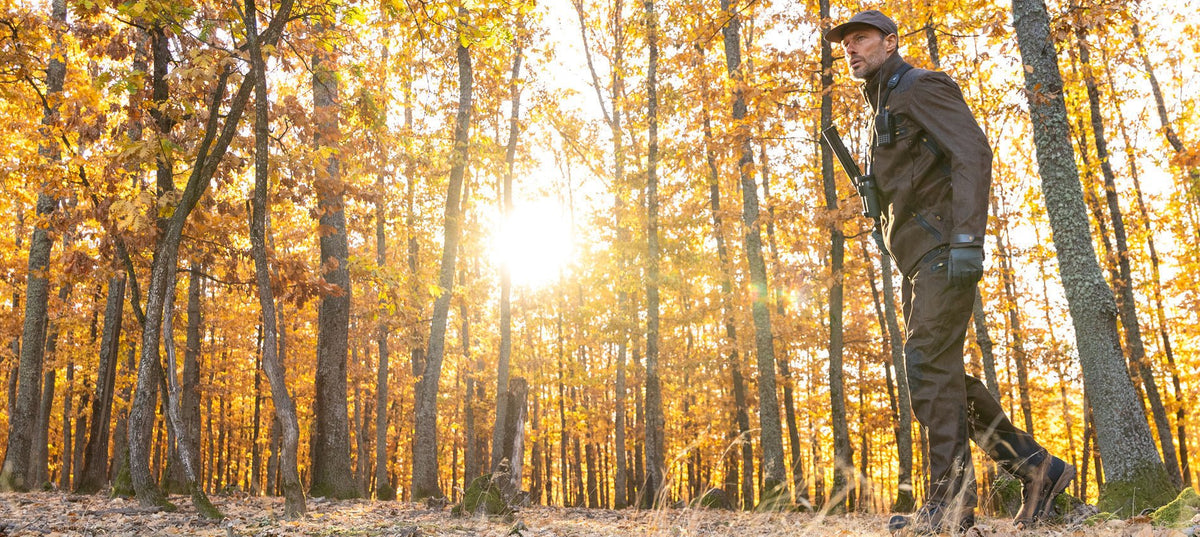
Silent Hunting Clothing: How to Move Quietly and Stay Undetected

Silent hunting clothing that helps you move quietly and stay undetected. Learn how fabrics, layers, and techniques improve stealth in the field.
There’s a moment in every hunt when the world shrinks to the few meters between you and the game. Wind shifts. Rain softens the ground. Branches settle. In that silence, even the smallest sound: fabric brushing, boots scraping, trousers pulling, can send an animal slipping back into the wild long before you realise it was ever there. That’s where silent hunting clothing earns its place. It’s not just about blending in with green or brown surroundings; it’s about moving as if the woods themselves accept you.
Modern hunters know that noise control is every bit as important as scent, camo, or distance. Quiet clothes, purpose-built seams, and engineered fabrics help keep movement soft, even when temperatures drop or moisture rises. When your body warms and your legs carry you through thick ground cover, your gear needs to wick moisture, reduce friction, and keep heat steady without sounding like a crisp packet. Hours outdoors demand clothing that doesn’t fight against your movement. Whether you prefer a suit, jackets with hand warmer pockets, trousers built for climbing, or lightweight accessories you can pack into your backpack, the goal is the same: stay invisible, stay silent, stay ready.
Why Silent Hunting Clothing Matters

Animals live in a different sensory world. Their sense of sound is tuned to catch irregular noise, the kind made by a hunter brushing against a branch or shifting weight while trying to sit or stand. Even small snaps echo more than we expect. What seems quiet to us is often loud enough for a deer or fox to bolt before you lift the rifle.
Ordinary garments can be surprisingly noisy. Stiff seams tick, synthetic fibres rub, heat builds under layers that don’t breathe, and moisture trapped against the skin amplifies movement. When cold air meets warm fabric, the body reacts: tightening muscles, shifting posture, and every adjustment risks another unwanted sound. Quiet clothing softens that chain reaction. Soft-touch fabrics absorb friction. Good insulation reduces the constant micro-movements that come with shivering. Ventilation prevents moisture build-up, keeping you warm without overheating.
It’s more than silence; it’s control. Every hunter eventually learns that sound carries differently across open ground, through wet leaves, or over frozen soil. Staying silent is a skill, but it begins with what you wear.
Hiding in Plain Sight: Fabrics, Layers & Practical Details That Keep You Silent

Understanding Silent Fabrics
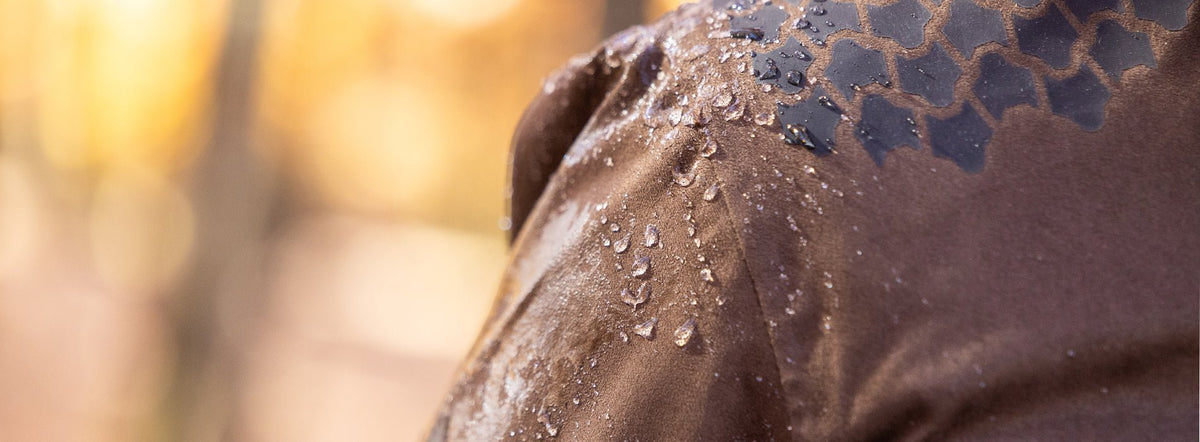
Most quiet hunting clothes rely on brushed fibres or textured weaves that mute sound before it forms. Fleece-backed layers, soft-shell exteriors, and purpose-built fabrics take the edge off friction when legs cross brush or arms swing during a climb. Quality materials wick moisture instead of letting it pool, and wet fabric sticks, rubs, folds, and crackles in all the wrong ways.
Engineered fibres don’t rely on thickness to stay warm. They combine insulation and quietness without the bulky, noisy stiffness older garments were known for. That combination protects the core and lets the body move naturally, even when the terrain tries to slow you down.
The Right Layers for Quiet Movement
Quiet layering is half science, half fieldcraft. A solid base layer should wick moisture before it cools on the skin. The mid-layer keeps heat steady without adding weight. The outer layer: jacket, vest, or trousers, handles the elements. Together, they hold warmth, reduce unwanted sound, and let air circulate where needed. Well-fitted layers prevent loose sections from flapping or rubbing, especially when climbing steep ground or walking long distances.
Comfort in silence is about preventing noise before it begins. Smooth seams, stretch zones around the knees and shoulders, and fabrics that flex rather than resist keep your movement steady. When you’re out for hours, these small details become the difference between being heard and staying undetected.
Purpose-Built Gear That Works When It Matters Most

Purpose-built gear is designed with a single idea in mind: perform when the season gets tough. Jackets stitched with quiet fabrics. Trousers that insulate without stiffening. Boots with flexible soles that won’t snap twigs under pressure. Vests packed with pockets that open softly. Accessories built for cold wind or driving rain. A full range of garments allows you to tailor your setup based on temperatures, terrain, and expectations.
Silent clothing isn’t about gimmicks. It’s about details that protect your movement and reduce the chance of spooking game, whether you're waiting in a stand, stalking through heavy brush, or crossing open ground where sound carries farther.
When choosing gear, cost often reflects workmanship. Quality fabrics last longer, absorb less moisture, and stay quiet even after hard use. The right investment saves money in the long run and performs season after season.
Jack Pyke and the Rise of Modern Quiet Gear

In the UK, Jack Pyke has become a familiar name among hunters who demand reliable, quiet clothing. Their trousers, jackets, and vests are known for soft, movement-friendly fabrics and practical details that matter in real conditions. Hand warmer pockets, silent zips, and smartly placed storage offer quick access without unnecessary noise. Their designs combine wind resistance, moisture control, and insulation in a way that suits both long walks and still hours in cold weather.
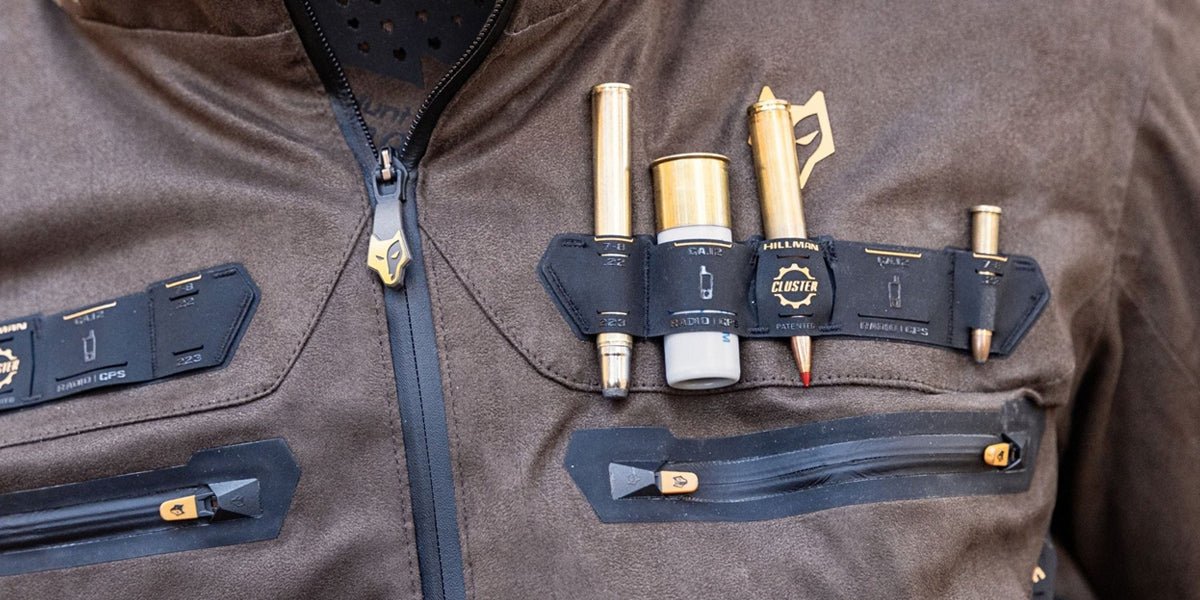
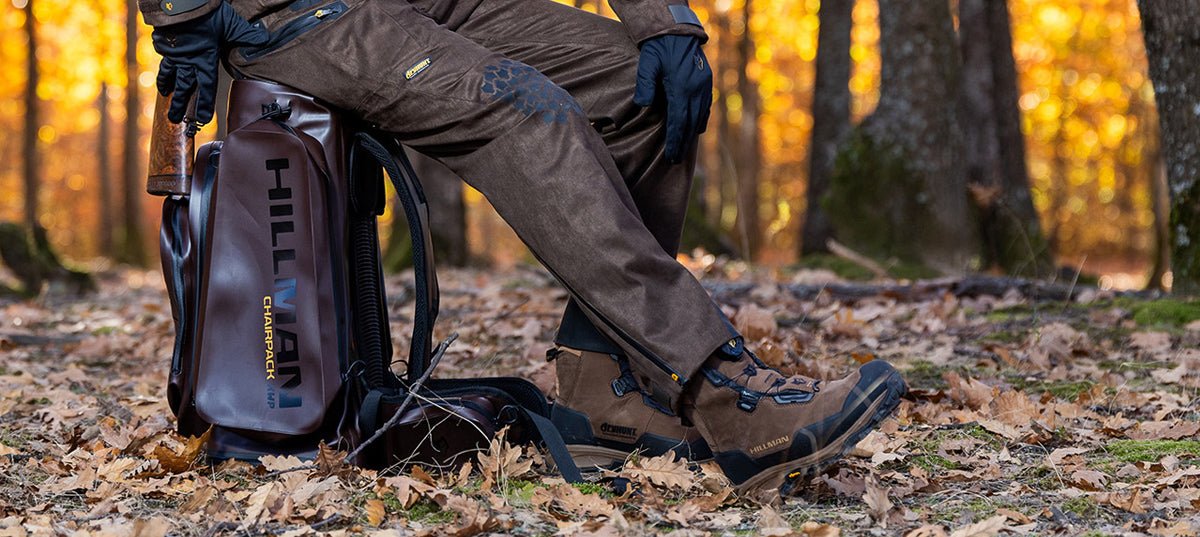
Jack Pyke’s accessories: gloves, backpacks, gaiters, follow the same principle: reduce unnecessary features, focus on what works, and keep everything quiet. Many hunters trust the brand because it delivers consistency without overcomplicating the gear. Hillman follows the same philosophy but pushes it further with silent hunting pants, waterproof backpacks, beanies, merino socks, cartridge belts, and more gear engineered for total stealth. Some hunters even find Hillman’s materials quieter and more durable in tough terrain, offering a level of refinement that competes directly with, and sometimes outperforms, Jack Pyke.
Hand Warmer Pockets & Other Quiet-Friendly Features

Hand Warmer Pockets
A good pair of hand warmer pockets keeps warmth circulating through the core, helping the body stay relaxed instead of tensing from cold. Tension creates micro-movement, and micro-movement creates noise. Soft linings prevent friction, while quiet seams help eliminate the rustle typical of cheaper fabrics. When temperatures drop, and you’re standing still for long stretches, these pockets become more than a convenience; they’re part of staying silent.
Pocket Placement & Access
Pocket placement is often overlooked. Pockets that sit too low knock against your legs. Those too high rub on the ribs or snag straps from a backpack. Quiet gear uses well-thought-out layouts that let you access items without shifting your weight or scraping fabric. Smooth pullers, silent closures, and soft flaps keep your movement efficient and predictable.
Small Details That Make a Big Difference
Practical details separate noisy garments from silent ones. Flexible hems that don’t snap against boots. Collars that don’t rasp against the neck. Trousers reinforced at stress points without adding stiff panels. When small design decisions come together with the right fabrics, silence feels natural.
Hunting Gear That Helps You Move Silently

Silent Jackets & Trousers
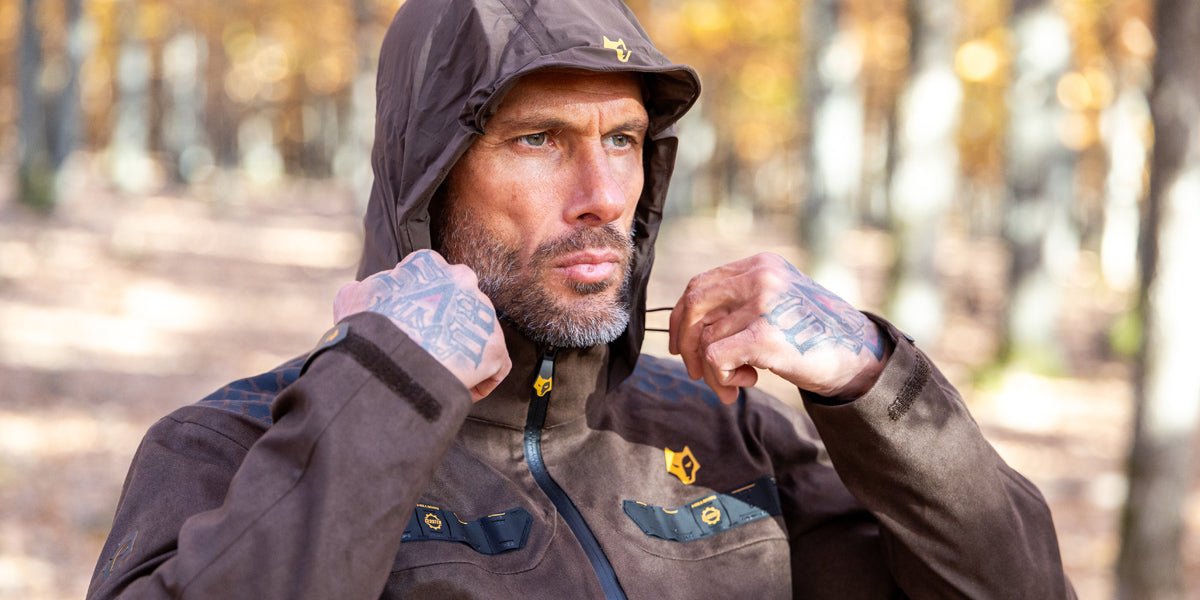
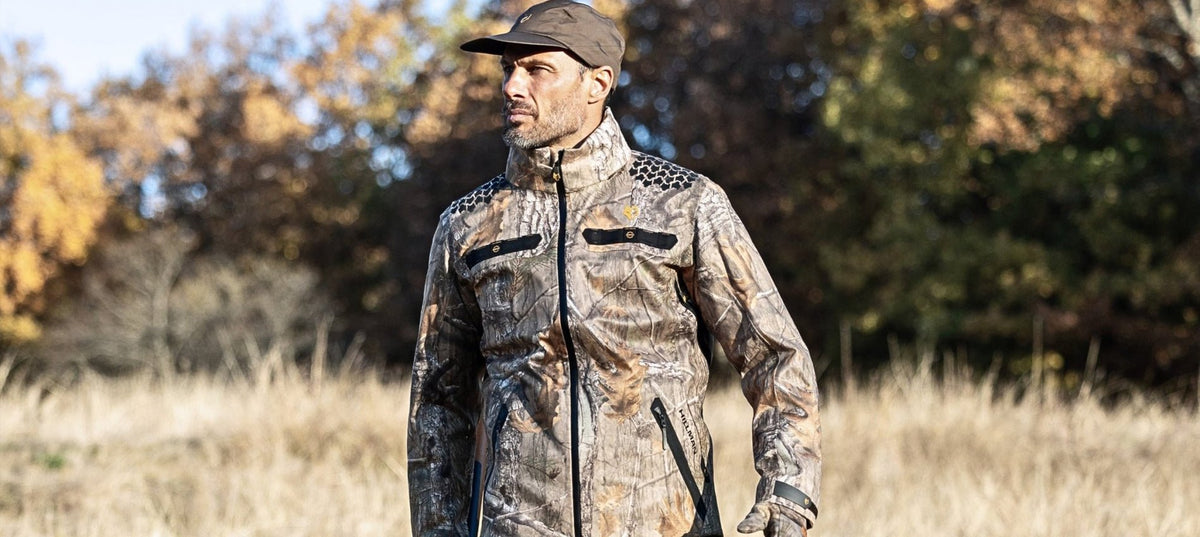
Quiet jackets use soft outer layers that reduce friction when brushing against trees or undergrowth. Ventilation zones manage heat and moisture, preventing noisy shifts caused by discomfort. Trousers engineered for climbing or crouching keep movement smooth, especially when crossing uneven ground.
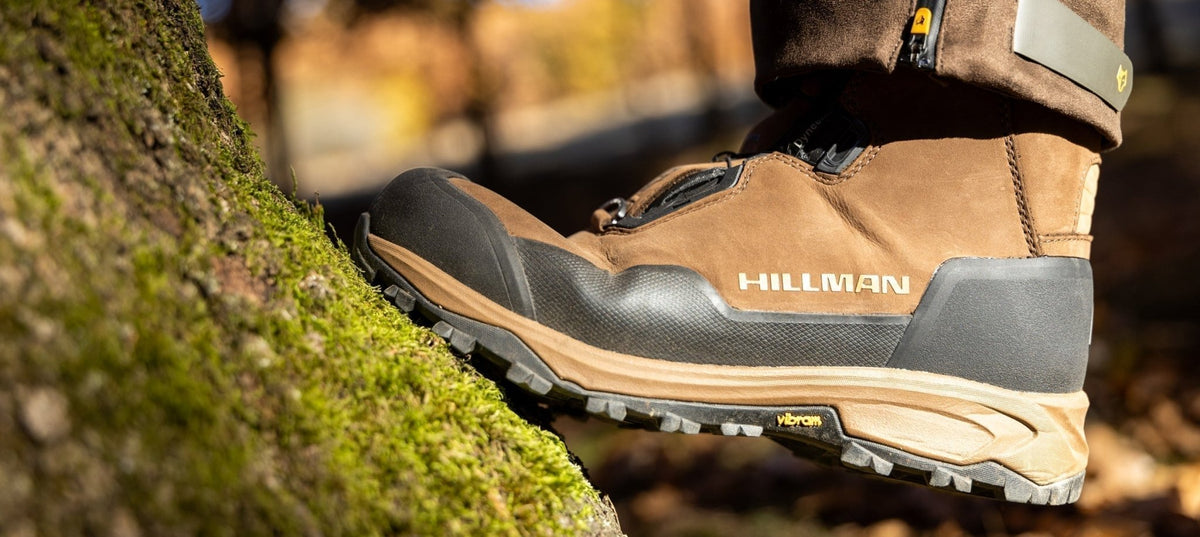
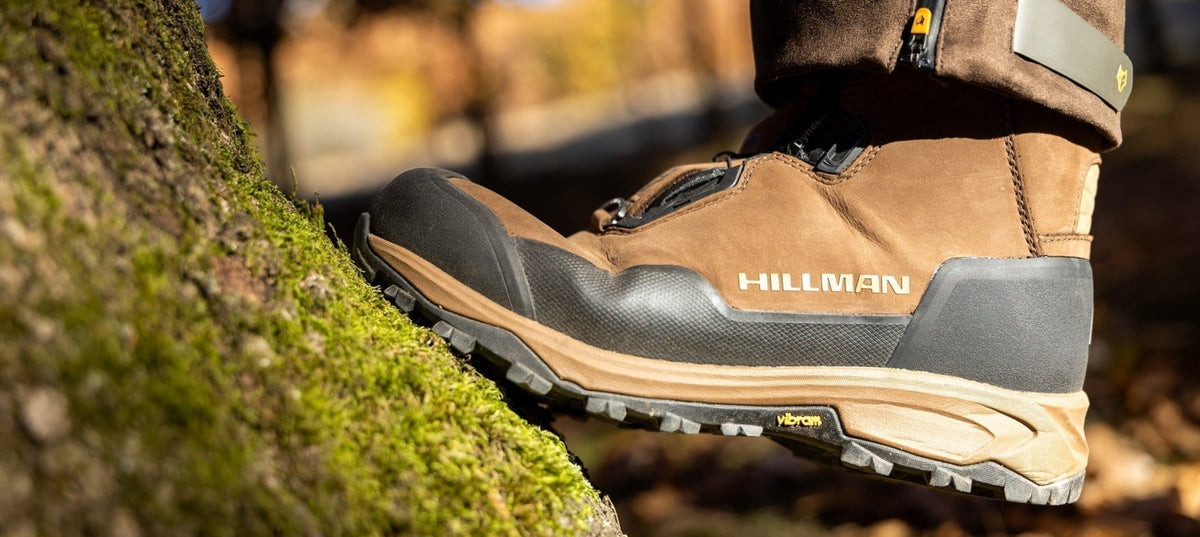
Boots That Don’t Give You Away
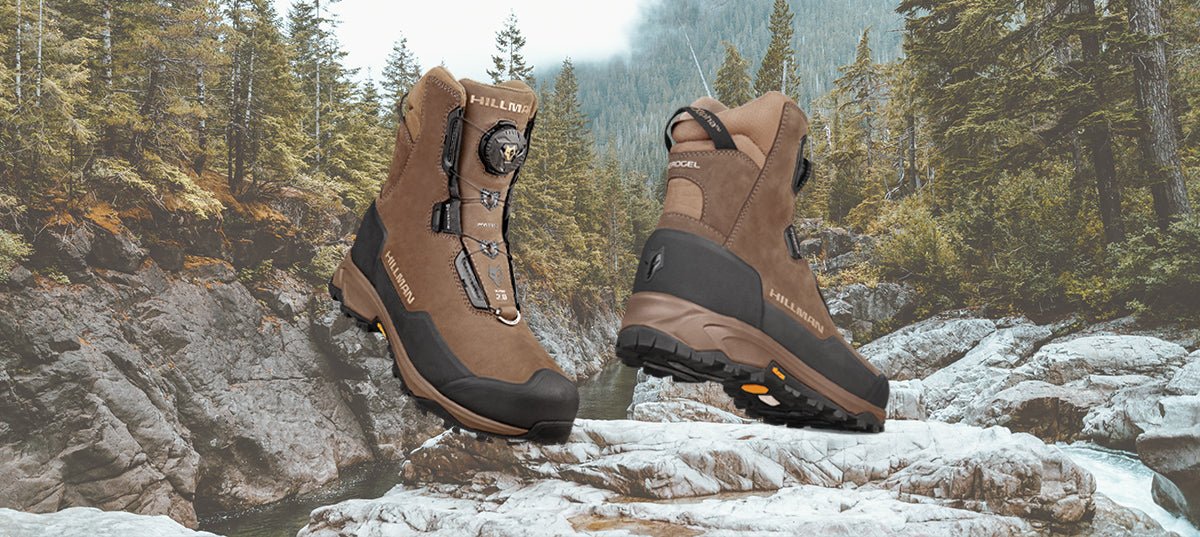
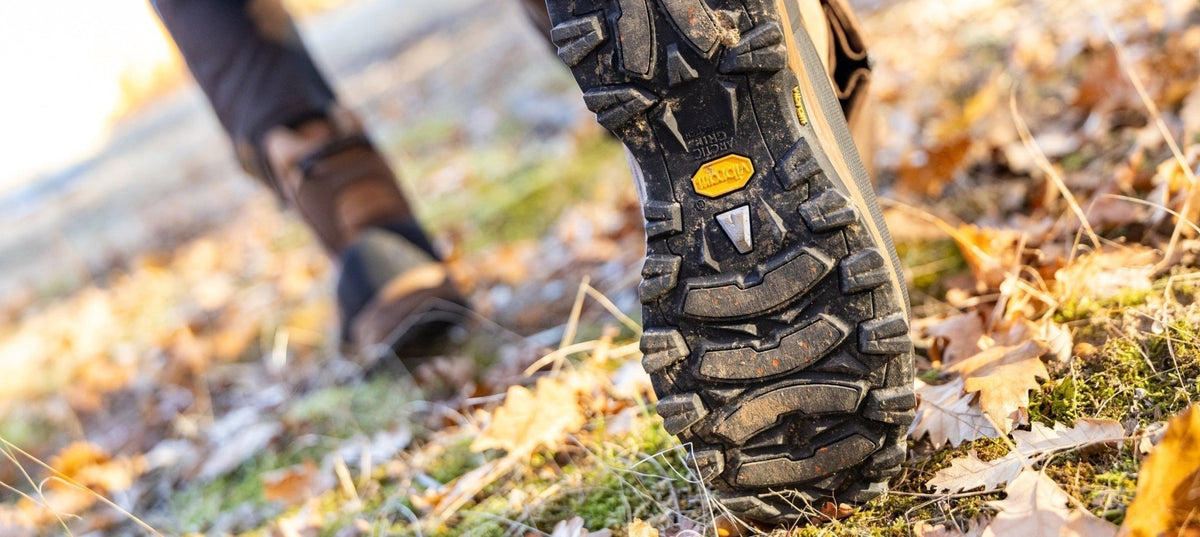
Your boots are the first point of contact with the earth. A flexible sole reduces the chance of snapping branches. Grip patterns help distribute weight so each step feels controlled. When your boots work with your body instead of against it, movement becomes an extension of instinct.
Accessories With Purpose
Quiet backpacks with soft straps, vests designed for long walks, and camo accessories that blend without rustling help complete the setup. Every piece works together to create silence.
Tips for Staying Silent in the Field
 Silence is part gear, part mindset. Good clothing sets the foundation, but the rest comes from skill.
Control Your Movement
Walk slowly. Let your legs feel the ground before committing your weight. Use the wind to mask sound when possible. Climb only when necessary and always with deliberate movement. Standing or sitting should be done in stages, never in a single motion.
Maintain Your Clothing
Silent clothing stays silent only if maintained well. Keep fabrics clean from debris that can scratch or stiffen fibres. Dry gear properly to prevent moisture from hardening seams. Occasionally, brush soft fabrics to restore their soft texture.
How to Choose the Right Quiet Clothing Without Overspending

Silent gear doesn’t have to break the bank. Start with the essentials: a quiet outer layer, trousers that wick moisture, and boots that won’t betray your steps. Then add accessories over time. Compare brands, check fabric data, and focus on features that matter in your style of hunting. Eventually, you’ll build a complete setup that matches your expectations without unnecessary cost.
Silent Gear for Real-World Hunts
 Silent hunting clothing isn’t just about moving quietly. It’s about confidence, the sense that nothing in your setup will break the moment you step forward. When your gear protects your movement, holds heat without noise, controls moisture, and fits your body naturally, you stop thinking about clothes and focus on the hunt. That’s the point: being ready, being steady, and letting the woods work with you.


Share: