
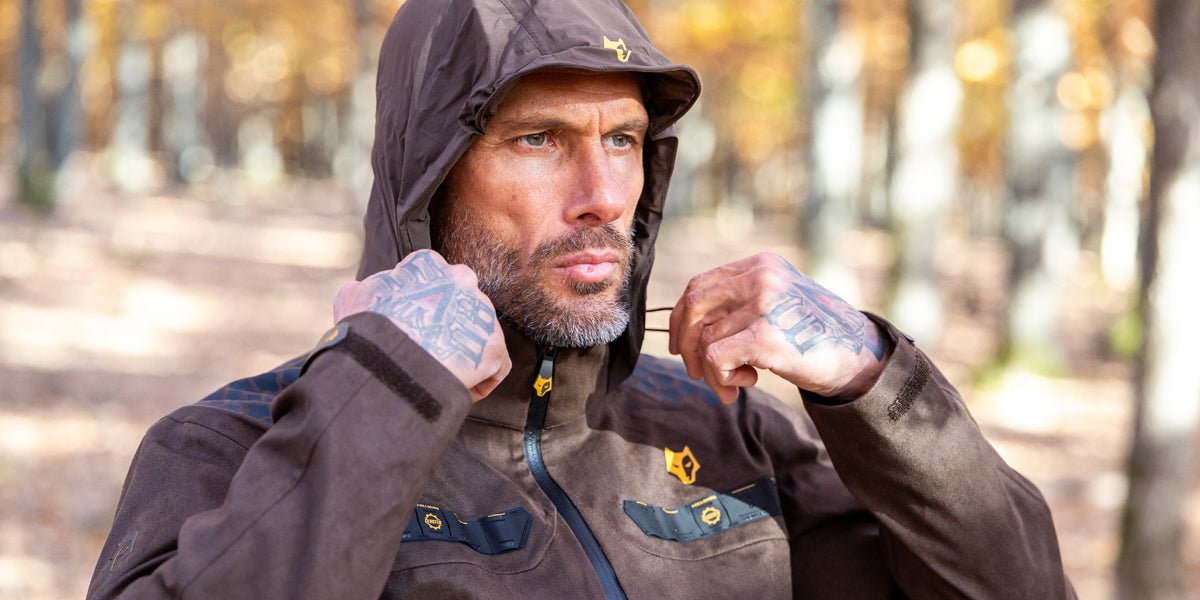
Fejl i pasformen, der ødelægger et jagttøjssystem på lange jagter i bjergene og skovene

Ethvert stykke tøj kan føles godt i sig selv og stadig fejle som en del af et jagttøjssystem. Et basislag sidder behageligt mod huden, et mellemlag føles varmt indendørs, og en vandtæt jakke lukkes nemt over en skjorte. Tilføj det komplette system, bær en riffel på skulderen, spænd en ladt rygsæk og tag et højt skridt, og den rigtige pasform begynder at vise sig.
Korrekt pasform handler ikke blot om at matche bryst-, talje- og inderbensmål med en størrelsesguide. Jagttøj skal fortsat fungere, mens kroppen klatrer, knæler, kravler, sigter, venter og bærer udstyr. Tøjet skal også forblive korrekt placeret i vind, regn, sne og skiftende temperaturer.
Dette er forskellen mellem tøjets pasform og systemtilpasningEt beklædningsgenstand kan have den rigtige størrelse i sig selv, men den forkerte størrelse i forhold til de lag, terræn og bevægelse, der er involveret i jagten.
Hvorfor korrekt størrelse ikke garanterer korrekt pasform på jagttøjet

Mest jagttøj til mænd vurderes i første omgang, mens bæreren står oprejst. Det afslører, om jakken lukkes, og bukserne når ned til støvlerne, men det siger ikke meget om præstationen i marken.
Skuldrene kan stramme, når en riffel er monteret. Jakkens kant kan hæve sig over linningen, når begge arme er strakte. Et bukseknæ kan sidde på det korrekte sted, når man står, og derefter bevæge sig under knæskallen under et højt skridt. En krave, der føles behagelig i værkstedet, kan begrænse hovedbevægelsen, når en rygsæk og kikkert ændrer overkroppens position.
Systemets pasform skal derfor testes gennem bevægelserne under den faktiske jagtoplevelse. For pürschjagt inkluderer det et kontrolleret højt skridt, en dyb squat, knælende på begge knæ, siddende, kravlende og løftende skydevåben fra forskellige positioner. For lange dage på en standplads betyder det også at kontrollere, om linning, manchetter og krave forbliver behagelige efter længere perioder med lidt bevægelse.
En god pasform gør det muligt for tøjet at bevæge sig med kroppen uden at tvinge alle tilstødende lag til at bevæge sig med det. Den bevarer beskyttende overlapning ved håndled, talje og ankler, samtidig med at den undgår overskydende stof, der kan blafre, gnide eller sætte sig fast i vegetation.
Pasformsfejl 1: Køb af basislag, mellemlag og overtøj som separate beklædningsgenstande

EN lagdelingssystem Fungerer kun, når komponenterne er fysisk kompatible. At købe hvert lag, som om det skulle bruges alene, skaber ofte for meget volumen på nogle områder og kompression på andre.
Basislaget, mellemlaget, isoleringen og den ydre skal udfører forskellige opgaver, så de bør ikke passe på samme måde.
Sådan skal basislag håndtere fugt
Basislag har brug for konstant kontakt med kroppen for at opsamle og transportere fugt. Tætsiddende er ikke ensbetydende med restriktivt: stoffet skal følge torso og lemmer uden at skære ind i armhulerne, trække hen over skuldrene eller påvirke blodcirkulationen.
Løse folder reducerer kontakten og kan samle sig under lagene ovenover. En basistrøje, der krøller sig sammen i lænden, bliver særligt ubehagelig under en rygsæk. Overskydende materiale ved håndleddene kan også forstyrre handsker og jakkemanchetter.
Merinould bruges i vid udstrækning i teknisk jagttøj, fordi det understøtter temperaturregulering, fugtighedsstyring og lugtkontrol. Dens naturlige elasticitet hjælper også et beklædningsgenstand med at følge kroppen under aktiv bevægelse. Uld er fornyeligt og bionedbrydeligt, selvom den miljømæssige profil af et færdigt beklædningsgenstand stadig afhænger af dets fulde fibersammensætning og produktionsproces.
De Hillman 2BL Merinould Basislager for eksempel specificeret som et præcisionspasformet lag designet til at sidde over undertøj. Dens merino-bambusblanding, flade sømme og strækbare konstruktion demonstrerer, hvorfor et teknisk basislag bør tilpasses efter dets position i systemet i stedet for at vælges som en løs friluftstrøje.
Bomuld er mindre egnet som det nærmeste lag mod huden under kold, fugtig eller hæs jagt. Det holder på fugten og tørrer langsomt, så sved, der ophobes under en klatring, kan begynde at køle kroppen ned, mens jægeren venter ved en standplads.
Hvor meget plads et mellemlag og isolering kræver
Et mellemlag giver isolering ved at holde på varm luft, men mere plads skaber ikke automatisk mere varme. Hvis det er for løst, kan det folde sig under jakken, blokere ventilationen og forårsage uønsket bevægelse inde i systemet.
Det korrekte mellemlag følger kroppen lettere end en afslappet hættetrøje, samtidig med at basislaget nedenunder forbliver ukomprimeret. Hillman's 3ML Merino Uld Jagthættetrøje er dimensioneret til at passe over et basislag. Det er et andet designkrav end en enkeltstående sweatshirt, der primært er valgt til afslappet hverdagsbrug.
En isolerende jakke skal bruge tilstrækkelig plads til at bevare sin luftighed. Når isoleringen komprimeres under et tæt ydre lag, kan den ikke bevare den tilsigtede mængde stillestående luft. Begrænsningen kan også reducere skulderbevægelsen og skabe tryk under rygsækremmene.
De 4IL Jagtdunjakke illustrerer denne positionslogik. Den er designet som et isolerende lag, der passer oven på undertøjet, basis- og mellemlaget. Den ydre skal skal derefter kunne rumme hele denne kombination uden at knuse den.
Pasformsfejl 2: Komprimering af vinterjagttøj og avanceret isolering

Vinterjagttøj vælges nogle gange efter synlig tykkelse. Dette overser, hvordan isolering, luftrum, fugt og cirkulation fungerer sammen.
Et system, der er for stramt, kan flade isoleringen ud og begrænse blodgennemstrømningen ved håndled, talje, lægge eller fødder. Et system, der er for løst, kan tillade varm luft at slippe ud, når jægeren vender sig, bøjer sig eller rækker ud. Ingen af delene løses blot ved at tilføje et ekstra stykke tøj.
Hvorfor det bedste vinterjagttøj beskytter luft og blodcirkulation
Det bedste vinterjagttøj er ikke det mest voluminøse outfit. Det er et kompatibelt system, hvor basislaget styrer fugt, isoleringen bevarer sin fylde, og det ydre lag beskytter mod vind og nedbør uden at begrænse bevægelse eller blodcirkulation.
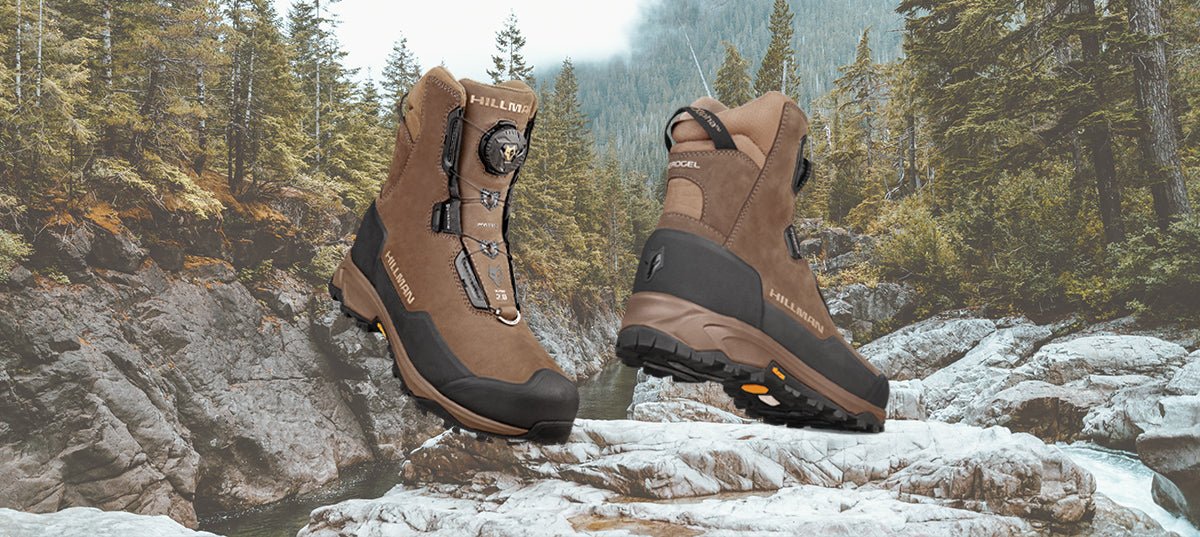
Lavvolumenisolering kan reducere behovet for overdreven tøjvolumen. Aerogel giver for eksempel høj termisk modstand med lav vægt og bruges i specialudstyr til koldt vejr. Inden for Hillman-serien bruges Matrix-isolering i AlphaShell 6OL vinterjakke og matchende 6OL isolerede bukser, mens Matrix og Aerogel er kombineret i udvalgte isolerede støvler.
Hvordan ekstrem kulde jagttøj bør passe i bevægelse og på standplads

Jagttøj til ekstrem kulde skal vurderes i to forskellige tilstande: høj aktivitet og langvarig stilhed.
Et system, der føles ideelt under en opadgående tilgang, kan være utilstrækkeligt, når jægeren holder op med at generere varme. Omvendt kan tøj, der kun er valgt til ventetid, forårsage kraftig sveddannelse på stien. Den fugtighed forbliver i systemet og øger afkølingen, når bevægelsen ophører.
Ventilation skal være tilgængelig uden at tage rygsækken af eller udsætte kroppen for vejret. Pasformen skal også give plads til en ekstra isolering, hvis de planlagte forhold virkelig kræver det. Dette er tilfældet. størrelsesændring kan være passende, men først efter at hele lagkombinationen er blevet testet.
Der findes ingen universel temperaturanbefaling for alle jægere. Vind, luftfugtighed, eksponeringstid, tempo, kropssammensætning og individuel kuldetolerance har alle betydning. En lang elgjagt i tør bjergluft stiller andre krav til tøjet end en fugtig vinterjagt i skovklædt landskab, selv når den viste temperatur er ensartet.
Pasformsfejl 3: Test af vandtæt jagttøj over de forkerte lag

EN vandtæt beklædningsgenstand bør testes over præcis det tøj, den forventes at dække. At prøve den over en tynd skjorte og senere bruge den over et basislag, mellemlag og isolering kan ændre pasformen fuldstændigt.
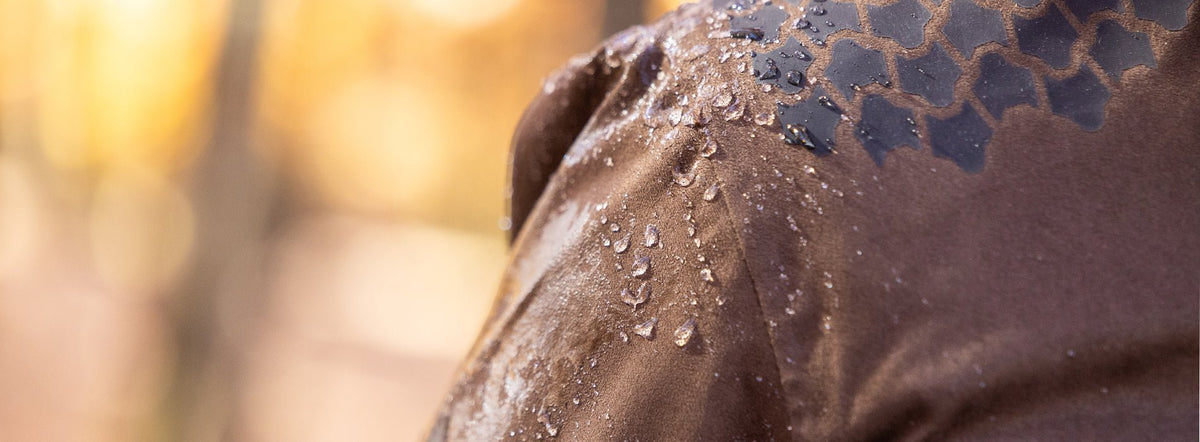
Materialets vandtæthedsklassificering i laboratoriet ændres ikke, når størrelsen er forkert. Den praktiske beskyttelse kan stadig blive kompromitteret, hvis hætten, kraven, manchetterne, kanten eller buksebenene trækkes ud af position.
Hvorfor jagtjakker og skydejakker skal være åndbare og strækbare
Vandtætte jagtjakker skal blokere for udefrakommende vand, samtidig med at de tillader internt genereret fugt at slippe ud. Åndbare membraner understøtter denne proces, men åndbarheden afhænger også af aktivitet, temperatur, fugtighed og adgang til mekanisk ventilation.
Stræk er vigtigt, fordi en vandtæt barriere skal forblive korrekt placeret, når jægeren klatrer eller løfter et skydevåben. Hvis jakken er for stram over skuldrene, trækkes ærmerne og kanten opad. Hvis den er for løs, kan stoffet bevæge sig i vinden, gnide mod tilstødende paneler og sætte sig fast i krat.
AlphaShell 6OL bruger en vandtæt membran, fuldt tapede sømme og vejrbestandige lynlåse. Dens no-lift armhuler, formsyede albuer og bagudrettede kant er lige så relevante for praktisk beskyttelse, fordi de hjælper jakken med at opretholde dækning, mens kroppen bevæger sig.
En fuldt vandtæt jakke kræver derfor mere end vandtæt stof. Membranen, sømkonstruktionen, lynlåsene, hætten, manchetterne og kanten skal fungere som et system.
Hvad de bedste skydejakker har brug for ud over vandtæt beskyttelse
De bedste skydejakker balancerer vejrbeskyttelse med en ren, repeterbar skydevåbenmontering. Kolben skal nå skulderen uden at hænge fast i løst bryststof, tykke folder eller en dårligt placeret lomme. Kraven skal beskytte mod regn uden at forstyrre kindplaceringen eller hovedbevægelsen.
Klassisk jagttøj, herunder tweed, er udviklet omkring andre forventninger end moderne teknisk jagttøj. Traditionelle jagtjakker kan passe til hårde dage og etableret landlig stil, mens moderne membranbaserede jakker ofte vælges til vedvarende bevægelse og hårdt vejr. Ingen af kategorierne bør bedømmes udelukkende ud fra udseende.
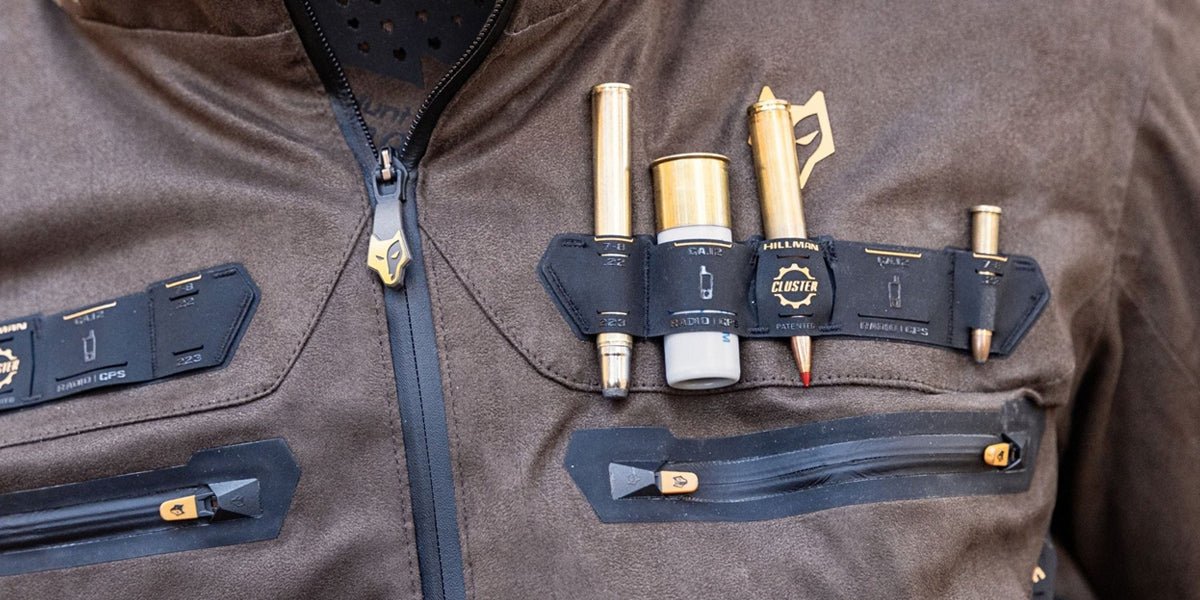
Vandtætte skydejakker skal være åndbare, strækbare og lydløse nok til deres tilsigtede brug. De har også brug for lommer, der forbliver tilgængelige, når brugeren bærer patroner, radio, kort, licenser eller andet udstyr. Opbevaringsvolumen er kun nyttig, når fyldte lommer ikke forvrænger pasformen eller hindrer bevægelse.
Pasformsfejl 4: Ignorerer bevægelse i bjergjagttøj

Jagttøj til bjerge afslører hurtigt problemer med pasformen. Stejle stigninger blotlægger stramhed i hofter og knæ. Nedstigninger presser fødderne fremad i støvlerne og øger spændingen i buksernes forside. En fyldt pakke ændrer trykket over skuldrene, begrænser visse stoffer og dækker lommer eller ventilationsåbninger.
Skovjagt afslører forskellige svagheder. Overskydende stof sætter sig fast i grene, gnider under jagt og bliver tungere efter gentagen kontakt med våd vegetation. Hyppig knælen og hurtige stillingsskift kræver kontrolleret volumen omkring knæ og underben.
Skuldre, knæ og underben under belastning
En jakke bør testes ved at montere skydevåbnet, ikke blot ved at løfte begge arme. De to handlinger belaster skuldrene forskelligt. Brugeren bør også rotere gennem torsoen, mens rygsækken og kikkertselen er på plads.
Bukser kræver en højsteptest, dyb squat, knæling og siddende stilling. Linningen skal forblive stabil, sædet må ikke trække, og det artikulerede knæ skal fortsat være justeret med leddet.
Underbenets volumen er vigtig, når bukserne bæres over basislag, sokker, støvler eller gamacher. Manchetten skal dække støvlen sikkert uden at blive så bred, at den samler sne, regn eller snavs.
Hillmans AlphaShell 5WL vandtætte bukser er uisolerede og designet til lag-på-lag-brug. Deres formsyede knæ, justerbare knæ- og ankelzoner og lynlåse i siden i fuld længde viser, hvordan pasformen på en beskyttende yderbuks kan tilpasses tøjet og fodtøjet nedenunder.

Hvor stræk, ripstop og forstærkning er vigtige
Strækpaneler forbedrer kun rækkevidde og skridtlængde, når de placeres der, hvor kroppen skaber spænding. Forstærkninger er mest nyttige ved knæ, sæde, underben og skuldre: områder, der gentagne gange er udsat for sten, bark, torne, rygsække og knælende.
Ripstop-konstruktionen kan begrænse spredningen af en lille flænge, mens slidstærke paneler beskytter områder med høj kontakt. Ingen af funktionerne kompenserer for et dårligt snit. Et forstærket knæ, der sidder under knæskallen under en klatring, kan ikke yde den tilsigtede beskyttelse.
Holdbarhed bør vurderes som en del af bevægelsen, ikke separat fra den. Stoffet skal beskytte jægeren uden at fremtvinge en stiv, støjende eller restriktiv gangart.
Pasformsfejl 5: Behandling af stille jagttøj og camouflage som adskilt fra pasform

Et støjsvagt stof kan stadig blive støjende, når der er for meget af det. Overskydende materiale bevæger sig i vinden, gnider mod sig selv og sætter sig fast i vegetation. Et beklædningsgenstand, der er for stram, kan også skabe skarpere friktion, når panelerne trækkes hen over kroppen.
Børstet polyester, uld og ruskindslignende overflader giver generelt en blødere lyd end hårde, glatte skaller. Hillmans Durasuede Yderstoffet er designet ud fra dette princip og kombinerer en børstet overflade med strækbarhed og beskyttelse til at bevæge sig gennem vegetation.
Stille stoffer, farver og skjult beskyttelse i naturen
Camouflage virker ved at forstyrre bærerens omrids, men mønsteret skal passe til det lokale landskab. Grønne og brune toner kan fungere i skovvegetation, mens dæmpede grå og stenfarvede nuancer kan være mere passende mod åbent bjergterræn. Selv blågrå klippe, sneskygger og skiftende lys kan påvirke, hvordan et mønster ser ud på afstand.
Farve kan ikke korrigere ukontrolleret bevægelse. Den mest teknisk præcise camouflage mister værdi, hvis løse ærmer flagrer, buksebenene strejfer højlydt, eller en stram jakke tvinger frem overdreven bevægelse.
Det samme gælder for ensfarvede jagttøj. Skjulning afhænger af samspillet mellem mønster, farve, silhuet, lyd og jægerens adfærd.
Fejl 6: Glemmer støvler, uldsokker, handsker og rygsækpasform

Tøjsystemet slutter ikke ved håndled og ankler. Uldsokker, handsker, huer, støvler, gamacher og rygsækken kan alle ændre, hvordan tilstødende beklædningsgenstande præsterer.
Tykke vintersokker gør ikke automatisk en støvle varmere. Hvis de reducerer det indre rum og komprimerer foden, kan blodcirkulationen blive påvirket negativt, og tæerne kan føles koldere. Støvlerne bør testes med det par sokker, der faktisk er beregnet til jagten.
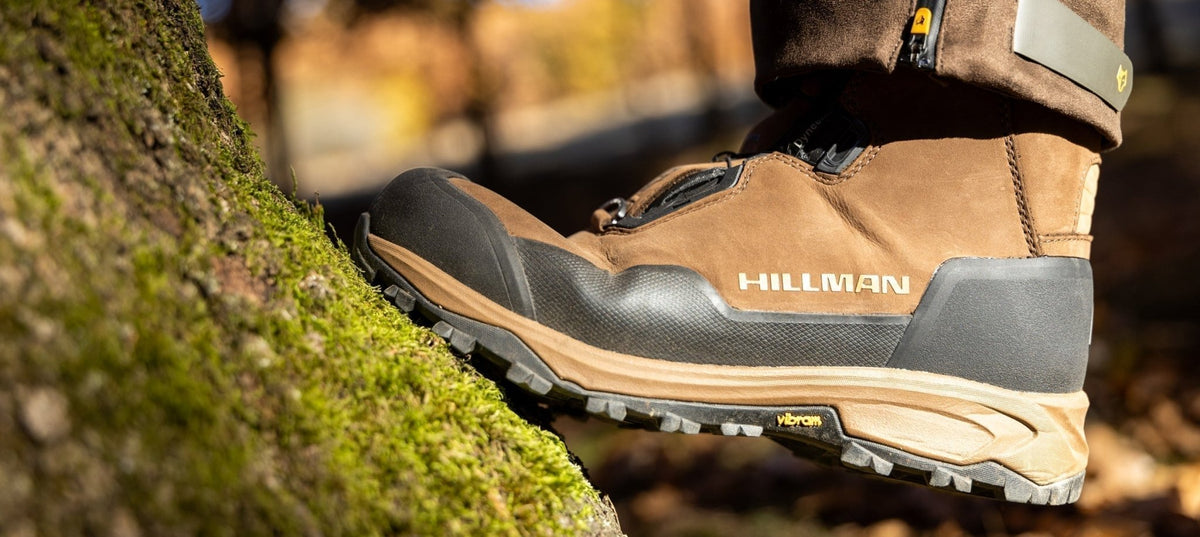
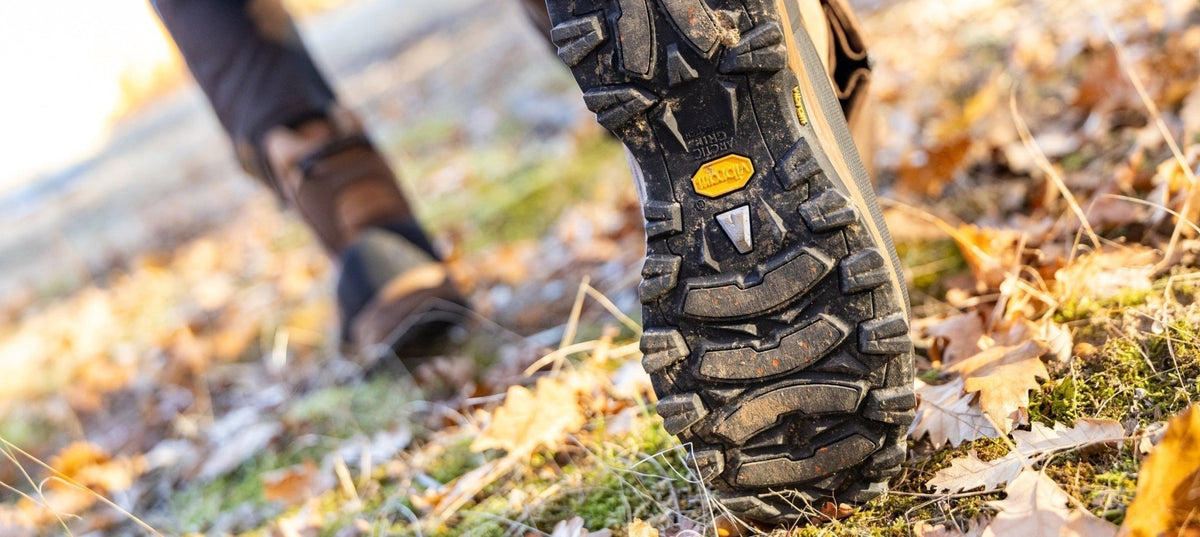
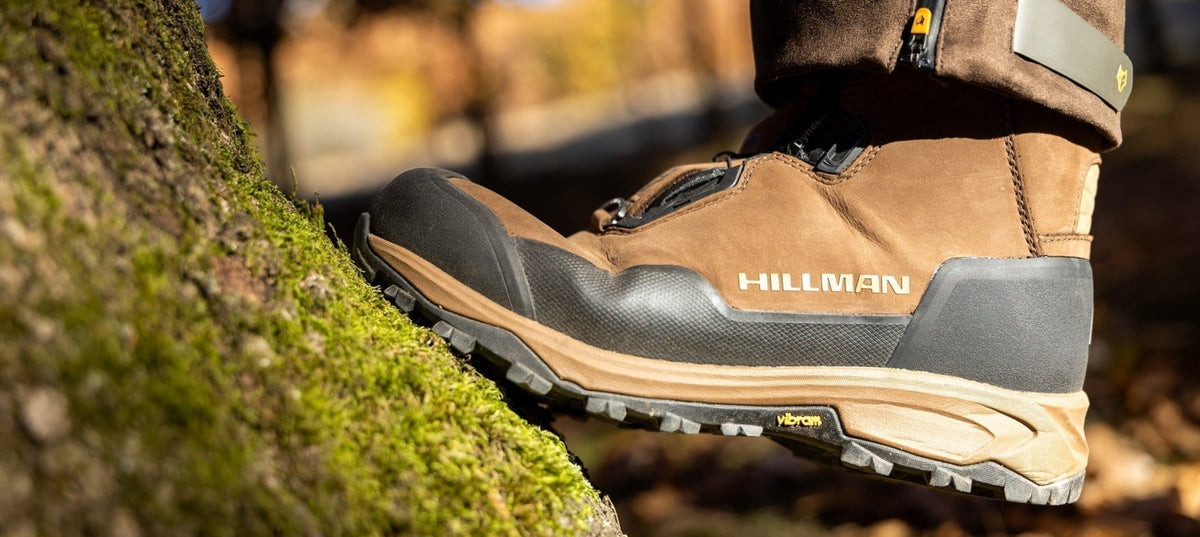
Greb påvirker også hele systemet. En stabil ydersål reducerer unødvendige korrektioner og muskelspændinger på vådt eller ujævnt underlag. Specifikke forbindelser er udviklet til specifikke overflader: Vibram Arctic Grip, der bruges på Hillmans Aerogel 2.0 støvler, er designet til vejgreb på våd is. Mudder, løse sten og blandet skovbund kan kræve en anden slidbanebalance.
Handsker skal give varme uden at miste den nødvendige fingerfærdighed til at håndtere udstyr sikkert. Jakkemanchetter skal lukkes over eller under dem uden at skabe et mellemrum. Hatte og hætter skal beskytte hovedet, samtidig med at hørelsen og den uhindrede bevægelsesfrihed bevares.
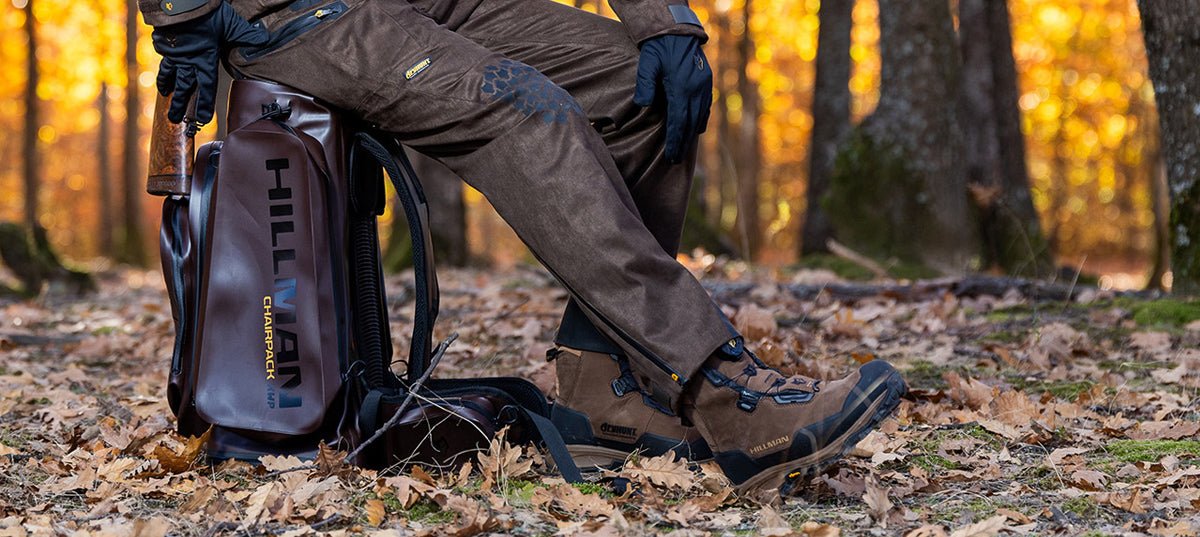
Rygsækken bør pakkes, inden jakken vurderes. Skulderstropper komprimerer isoleringen, forringer ventilationen og kan gøre lommer utilgængelige. En vandtæt taske eller intern tør opbevaring beskytter også kort, kørekort, reservehandsker og andet udstyr, der skal forblive brugbart i vådt vejr.
Pasformsfejl 7: Valg af jagttøj udelukkende ud fra mærke eller størrelsesmærke

Størrelsesordenen er ikke standardiseret på tværs af alle kollektioner. Et medie i ét interval kan afvige fra et medie i et andet, fordi mønsteret, de tilsigtede lag og den målrettede aktivitet er forskellige.
Uanset om du sammenligner Hillman, Deerhunter eller et andet komplet jagtmærke, skal du ikke antage, at den samme bogstavstørrelse giver den samme pasform. Sammenlign kropsmål, færdige beklædningsmål, hvor tilgængelige, pasformbeskrivelser og den tilsigtede placering af beklædningsgenstanden i lag-på-lag-systemet.
En omfattende samling kan omfatte basislag, skjorter, jakker, bukser, et komplet jakkesæt, fodtøj og accessories. Det faktum, at et sortiment omfatter alle disse kategorier, betyder ikke, at alle varer skal købes i samme nominelle størrelse.
Farve- og stilmærker er lige så begrænsede. Brun, grøn, grå, blå eller camouflage beskriver udseende, ikke vejrbeskyttelse, isolering eller bevægelsesfrihed. Lagerbeholdning og en udsalgspris bør heller ikke afgøre størrelsen. Et nedsat beklædningsgenstand, der begrænser skuldrene eller efterlader huller ved ærmerne, er ikke bedre værdi.
Den komplette Great Outdoors-test inden din første ordre
Før du afgiver din første ordre, skal du genskabe det tiltænkte system så nøjagtigt som muligt. Tjek størrelsesguiden med nøjagtige kropsmål, og overvej hvert lag, der skal sidde under det valgte beklædningsgenstand.
Når det komplette outfit er tilgængeligt, skal du bruge det med de rigtige støvler, uldsokker, handsker, rygsæk og sele. Gå, tag et højt skridt, sæt dig på hug, knæl, sid, drej hoved og torso, og bestig skydevåbnet flere gange. Åbn ventilationen, mens du har rygsækken på. Nå alle vigtige lommer. Kontroller, om hætten følger hovedet, og om buksemanchetterne forbliver sikkert dækket over støvlerne.
Vær opmærksom på, hvad der bevæger sig, når kroppen bevæger sig. Hvis det at løfte den ene arm trækker hele jakken opad, fungerer mønsteret eller størrelsen ikke til den bevægelse. Hvis bukserne glider ned under et højt skridt, vil de leddelte knæ og støvleoverlapningen også komme ud af position.
Glem ikke at gentage testen med ladte lommer. Ammunition, en telefon, en radio og andre feltgenstande tilføjer vægt og ændrer måden, tøjet hænger på.
Korrekt systempasform opnås, når lagene bevarer fugtstyring, isolering, beskyttelse og bevægelsesfrihed sammen. Det er det, der gør, at tøjet kan forsvinde fra jægerens opmærksomhed og lader fokus vende tilbage til sporet, vejret og jagten.

Del: