
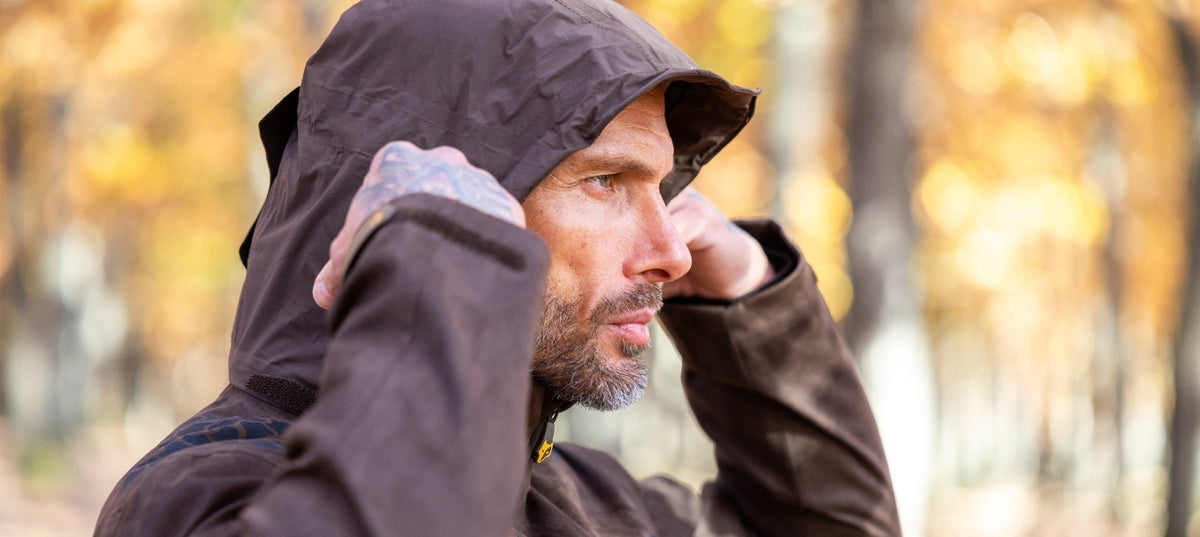
Vodoodbojnost u odnosu na vodootporne membrane za vlažne uvjete lova

Prestala sam vjerovati jakni samo zato što mi se vodene kapljice skupljaju na rukavu tijekom prvih pet minuta kiše. To me prije impresioniralo. Nekoliko kapi bi se spustilo na tkaninu poput malih staklenih kuglica, otkotrljalo se, i pomislila bih, dobro, ova jakna će poslužiti. Tada bi se vrijeme pravilno stabiliziralo. Mokra trava do bedara. Grane koje se češu o ruke. Duga šetnja uzbrdo. Znoj se skupljao ispod srednjeg sloja. Hladno čekanje nakon toga. Dok se kiša ustalila, istina o odjevnom predmetu bi se pokazala.
Tu razlika između vodoodbojnosti i vodootporne membrane postaje više od tehničkog detalja. U stvarnim uvjetima lova, voda ne pada samo s neba. Dolazi iz natopljenog grmlja, kapanja drveća, mokrih sjedala, blatnjavih manžeta, vlažnih naramenica i unutrašnjosti jakne kada tijelo počne naporno raditi. Nosio sam opremu koja je izgledala uvjerljivo po laganoj kiši, ali sam odustao nakon nekoliko sati. Također sam nosio vodootporna lovačka oprema to uopće nije bilo blještavo, ali je nastavilo raditi svoj posao kada bi dan postao jadan.
Za mene, dobra vodootporna oprema za kabanicu za lov nije samo jedna značajka. To je sustav: tkanina za lice, izdržljiva vodoodbojna obrada, prozračna membrana, zatvoreni šavovi, odgovarajuća kapuljača, zaštićeni patentni zatvarači, ventilacija, kroj i tišina potrebna za lov. Promašite jedan dio, a vrijeme ga obično pronađe.
Što vodoodbojnost zapravo čini na lovačkoj opremi?

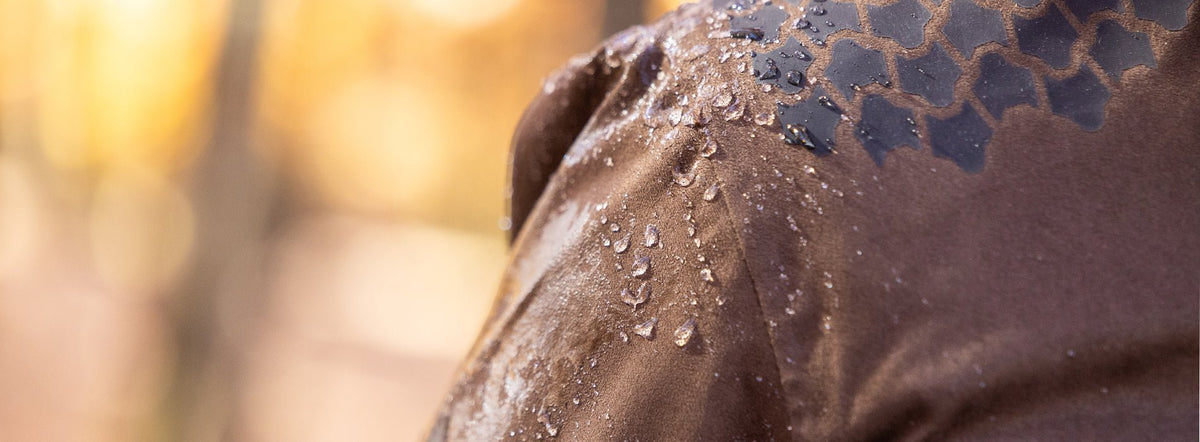
Prvo što primijetim na kabanici obično je površina. Ako se tkanina dobro tretira, voda se ne širi odmah po njoj. Skuplja se u obliku kuglica, oklijeva, a zatim se otkotrlja. To vidljivo nakupljanje kuglica je vodoodbojnost na djelu. Korisno je i želim to. Ali nikada to ne miješam s potpunom vodootpornom zaštitom.
Na vanjsku tkaninu nanosi se izdržljivi vodoodbojni premaz, često nazvan DWR, tako da se voda teže prianja uz nju. Na površinskoj razini, to se svodi na kemiju i teksturu. Vodoodbojne površine imaju nisku površinsku energiju, što znači da vodu više privlači sama sebi nego tretirana tkanina. Neke visokoučinkovite površine također koriste vrlo fine, mikroskopske teksture koje pomažu u održavanju zaobljenosti kapljica, s manjim kontaktom između vode i materijala ispod. Na terenu ne moram razmišljati o znanosti. Samo vidim rezultat: kapljice se formiraju, formiraju kuglice i kotrljaju.
To je važno jer kada se tkanina prednje strane natopi, cijeli odjevni predmet se osjeća lošije. Postaje teži. Hladniji je na dodir. Možda još uvijek ima prozračna membrana ispod, ali prozračnost pati kada je vanjski sloj natopljen. Vlaga od znoja teže izlazi. Tada jakna počinje biti ljepljiva, čak i ako kiša tehnički nije procurila.
Dakle, cijenim vodoodbojnost. Kupuje vrijeme pri laganoj kiši, pomaže tkanini da ostane lagana i podržava performanse cijelog odjevnog predmeta. Ali ne očekujem da će me sama izdržati kroz jak pljusak.
Jednostavan test vodoodbojnosti prije lova

Prije mokrog putovanja, volim napraviti brzi test vodoodbojnosti kod kuće. Ništa komplicirano. Stavim jaknu ili hlače na čistu površinu i poškropite malo vode po tkanini. Ako se kapljice skupljaju i otkotrljaju, vanjski tretman još uvijek obavlja svoj posao. Ako se voda širi, potamnjuje tkaninu ili počinje upijati, DWR je umoran.
Ovaj test ne dokazuje da je odjeća potpuno vodootporna. To je važna stvar. On mi samo govori kako se ponaša gornja tkanina. Jakna može imati funkcionalnu vodootpornu membranu, a ipak ne proći ovaj test površine jer je vanjska tkanina izgubila svoju obradu. U tom slučaju, odjeća možda neće odmah propuštati, ali će se brže smočiti, biti teža na dodir i slabo će disati.
Naučio sam to ne ignorirati. Umorna DWR završna obrada može učiniti dobru opremu lošom. Prljavština, znoj, ulja, abrazija i pogrešan deterdžent s vremenom smanjuju performanse. Ako se voda više ne skuplja u kapljicama, pravilno očistim odjeću i, kada je potrebno, koristim sprej ili tretman za pranje namijenjen za odjeću za van. Izbjegavam jake deterdžente jer mogu uništiti performanse brže od kiše.
To je malo održavanje, ali mi daje samopouzdanje prije nego što se vrijeme promijeni. Radije bih otkrio slabu vodootpornost kod kuće nego na pola puta kroz grub dan snimanja s mokrim rukavima i još tri sata vani.
Zašto kišna jakna može odbijati vodu, a da nije potpuno vodootporna?

A kišna jakna Može izgledati uvjerljivo po laganoj kiši, a ipak ne biti spreman za ozbiljno vrijeme za lov. Tu obično počinje zbrka. Vodoodbojno i vodootporno nije isto što i vodootporno. U svakodnevnom jeziku se mogu preklapati, ali ne kada stojite na jakoj kiši dok vam hladna voda curi s kapuljače.
Vodootporna oprema može podnijeti prskanje, rosulju ili kratkotrajnu izloženost laganoj kiši. Ima svoje mjesto. Za blago vrijeme, kratke izlete ili uvjete niskog rizika, možda će biti dovoljna. Ali kada očekujem jaku kišu, mokro grmlje ili duge sate na otvorenom, tražim pravu vodootpornu jaknu s vodootpornom prozračnom membranom, zatvorenim šavovima i kopčama dizajniranim da sprječavaju ulazak vode.
Hidrostatski tlak pomaže objasniti ovu razliku. Mjeri koliki tlak vode tkanina može podnijeti prije nego što počne propuštati. Kod odjeće za aktivnosti na otvorenom, 5000 mm se često tretira kao početna vrijednost vodootpornosti, dok mi 10 000 mm i više daje više samopouzdanja za jaču kišu i dulje izlaganje. To nije jedino što je važno, ali mi govori nešto korisno.
Ipak, broj sam po sebi ne lovi. Remen ruksaka koji pritišće vodu u rame, natopljena grana vučena preko rukava ili sjedenje na mokrom tlu mogu odjeću testirati više od čiste vertikalne kiše. Zato mi je važna cijela konstrukcija, ne samo piše li na etiketi vodootporno.
Lovačka oprema za kišu zahtijeva više od površinske obrade

Dobro oprema za kišu za lov razlikuje se od ležerne odjeće za kišu jer je upotreba grublja i tiša. Mogu naporno hodati jedan sat, a potpuno mirno čekati sljedeći. Mogu se provlačiti kroz grmlje, nositi ruksak, podizati pušku, klečati, sjediti ili se probijati kroz mokro sklonište. Odjeća mora štititi, a da ne postane bučna, kruta ili vruća.
Zato sama površinska obrada nije dovoljna. Visokoučinkovita lovačka oprema obično ima nekoliko slojeva koji rade zajedno. Tkanina za lice tretirana je izdržljivim vodoodbojnim sredstvom tako da kiša skuplja kapljice i otiče se. Ispod toga, prozračna membrana blokira tekuću vodu, ali omogućuje izlazak pare s tijela. Unutra bi podstava trebala pomoći u odvođenju vlage, a ne zadržavanju uz tijelo.
Ta ravnoteža je važna. Ako jakna sprječava ulazak kiše, ali zadržava znoj unutra, svejedno ću na kraju biti mokar. Ne zbog vremena, već zbog vlastitog truda. To mi se događalo na dugim šetnjama, posebno prilikom penjanja po blagoj kiši. Izvana je izgledala dobro. Iznutra se jakna osjećala kao vreća.
Za jako vlažno vrijeme, želim vodootpornu opremu za kabanicu koja razumije kretanje pri lovu. Želim zaštitu od kiše, ali i od mokrih grana, dugog čekanja i ponovljenih promjena tempa. Želim ostati suh bez pregrijavanja svaki put kad se krećem.
Što čini vodootpornu jaknu zaista vodootpornom?

Vodootporna jakna nije vodootporna samo zato što je glavna tkanina vodootporna. To je samo početak. Voda traži slabe točke. Pronalazi šavove, patentne zatvarače, manžete, rubove kapuljače, otvore džepova i mjesta gdje je tkanina pod pritiskom. Ako su ti detalji loši, sama membrana neće spasiti stvar.
Kad pogledam vodootporna jakna za pucanje, Obraćam pažnju na konstrukciju. Jesu li šavovi zalijepljeni? Jesu li patentni zatvarači zaštićeni? Ostaje li kapuljača gdje treba kada okrenem glavu? Mogu li zatvoriti manžete preko rukavica ili ispod njih, ovisno o vremenu? Sprječava li rub ulazak vode unutra kada savijem ili podignem ruke?
Prozračna membrana je srce jakne, ali kroj joj daje praktičnu vrijednost. Ako je jakna preuska preko srednjeg sloja, kretanje postaje ograničeno i vlaga se brže nakuplja. Ako je prelabava, hvata vjetar i kišobran. Savršen kroj za lov nije modni kroj. Omogućuje prostor za slojevito oblačenje, prostor za kretanje pri pucanju i dovoljno prilagodbe za zaštitu od lošeg vremena.
Ovdje vodootporna lovačka oprema zaslužuje povjerenje. Ne oslanja se na jedan impresivan materijal. Kombinira membranske performanse, izdržljivu vanjsku tkaninu, zatvorenu konstrukciju, ventilaciju i dizajn spreman za teren.
Oprema za kišu pri laganoj kiši, jakoj kiši i jakim pljuskovima

Biram oprema za kišu različito ovisno o vrsti kiše koju očekujem. Lagana kiša oprašta. Tretirana vanjska tkanina, dobro slojevitost i kratko izlaganje mogu biti dovoljni. I dalje želim da jakna skuplja kapljice vode, ali možda mi ne treba najteža školjka u kolekciji.
Jaka kiša mijenja odluku. Isto vrijedi i za jake pljuskove. Kad je voda konstantna, želim odgovarajuću vodootpornu membranu, zatvorene šavove, kapuljaču koja zapravo štiti glavu i patentne zatvarače koji ne postaju ulazne točke. U tim uvjetima, vodootporna odjeća rijetko dugo traje.
Lov dodaje još jedan problem: mokru vegetaciju. Mokro grmlje može biti gore od kiše jer iznova i iznova izravno utiskuje vodu u tkaninu. Rukav se češe o grane. Donji dio jakne dodiruje natopljenu travu. Ramena trpe pritisak od remena ruksaka. Čak i ako kiša nije jaka, kontakt je stalan.
Zato rijetko procjenjujem opremu samo prema vremenskoj prognozi. Razmišljam o tlu, raslinju, satima vani i koliko ću se kretati. Blaga kišica na otvorenom tlu je jedno. Mokra šuma s gustim raslinjem je nešto sasvim drugo.
Streljačke jakne i prozračnost tijekom kretanja
Sada imam više poštovanja prema prozračnosti nego prije. Kad sam bio mlađi, uglavnom sam postavljao jedno pitanje: hoće li ovo spriječiti kišu? Sada postavljam drugo: hoće li propuštati znoj dok radim?
Dobro streljačke jakne trebam se zaštititi tijekom mirovanja i djelovati tijekom kretanja. Grubo pucanje, prikradanje i duge šetnje stvaraju toplinu. Čak i po hladnom vremenu, tijelo se brzo zagrijava ispod slojeva. Ako jakna slabo propušta zrak, vlaga se nakuplja unutra. Zatim, kada se zaustavim, ta vlaga se hladi. Rezultat nije udobnost. To je ta neugodna hladnoća koja počinje između lopatica i polako se širi posvuda.
Ventilacija pomaže. Patentni zatvarači, bočni otvori, otvori s mrežastom podlogom i pametno postavljanje džepova mogu osloboditi toplinu bez da se moram zaustaviti i ponovno obući svoje slojeve odjeće. Volim što mogu otvoriti otvor za ventilaciju u pokretu, posebno tijekom uspona, a zatim ga ponovno zatvoriti kada dođem do točke čekanja.
Za vodootpornu streljačku jaknu, prozračnost nije luksuz. To je dio održavanja suhoće. Kiša vani i znoj unutra su različiti problemi, ali se često susreću u istom odjevnom predmetu.
Trajna vodoodbojna njega: Kada je oprati, impregnirati ili baciti u zamjenu

Trajna vodoodbojna obrada ne traje vječno. Upotreba na terenu je troši. Četka se trlja o nju. Prljavština je blokira. Znoj i ulja utječu na nju. Pranje može pomoći ako se pravilno obavi, ali jaki deterdženti mogu pogoršati problem.
S odjećom za kišu postupam pažljivije nego s običnom odjećom. Ako jakna izgleda prljavo ili više ne skuplja kapljice vode, čistim je proizvodom namijenjenim za tehničku gornju odjeću. Ponekad je dovoljno pravilno pranje i sušenje da se vrate površinske performanse. Drugi put je odjevnom predmetu potrebno tretiranje sprejem ili pranjem kako bi se vratile kapljice vode.
Također izbjegavam skladištenje mokre opreme Predugo u torbi. To je loša navika. Odjeća koja ostaje prljava, vlažna i komprimirana brže će izgubiti na performansama. Nakon mokrog lova, pustim jaknu da se osuši, provjerim područja najvećeg trošenja i pogledam ramena, manžete, laktove i otvore džepova. Ta mjesta obično prvo pokazuju istrošenu vodoodbojnost.
U nekom trenutku, ako se tkanina brzo smoči čak i nakon čišćenja i ponovne impregnacije, ili ako šavovi i patentni zatvarači počnu otkazivati, prestajem se pretvarati da je jakna još uvijek prikladna za teške vremenske uvjete. Stara oprema još uvijek može poslužiti za laganu upotrebu. Ali ne vjerujem joj za duge sate po kiši.
Vodootpornost je korisna, ali ima ograničenja

Vodootporna odjeća ima svoje mjesto. Nisam protiv toga. Za kratke izlete, laganu kišu, suho i hladno vrijeme ili dane kada je prognoza stabilna, vodootporna oprema može biti lakša, tiša i udobnija od potpune vodootporne jakne. Ponekad je ta svestranost prednost.
Pogreška je očekivati da će se vodootporna odjeća ponašati kao vodootporna odjeća. Neće. Nakon što vrijeme postane stabilno pljusak, ili kada mokra četka nastavi pritiskati vodu u tkaninu, pojavljuju se granice. Odjeća može u početku usporiti vodu, ali nije napravljena da je dugo zadržava.
Za lov je ta razlika važna jer se nelagoda nakuplja sporo. Prvo se rukav osjeća vlažnim. Zatim ramena. Zatim srednji sloj. Onda se počinjem kretati drugačije jer mi je hladno ili mi je smetalo. Do tada je oprema već zakazala u svojoj pravoj svrsi.
Dakle, još uvijek koristim vodootporne komade, ali ih biram iskreno. Namijenjeni su za svjetlije vrijeme, manju izloženost suncu i situacije u kojima ne očekujem da ću satima stajati ili hodati po mokrom.
Odabir vodootporne lovačke opreme za stvarne terenske uvjete
Kad biram vodootpornu opremu za lov, ne tražim jednu čarobnu značajku. Tražim sustav koji odgovara načinu na koji lovim. Vanjska tkanina treba odbijati vodu i biti otporna na habanje. Membrana treba biti vodootporna i prozračna. Šavovi trebaju biti zatvoreni. Patentni zatvarači trebaju biti zaštićeni. Kapuljača treba pomicati se s glavom. Manžete i rub trebaju se pravilno podešavati. Tkanina treba biti dovoljno tiha za lov, a ne samo dovoljno vodootporna za hodanje do automobila.
Također razmišljam o slojevitostKišna jakna mora funkcionirati preko srednjeg sloja, a da ne bude tijesna. Mora omogućiti puni raspon pokreta za pucanje. Mora štititi dok čekam, ali ne smije zadržavati previše topline tijekom hodanja. Najbolja oprema mi daje mogućnosti. Prozračiti dok se krećem. Ne zadržavati toplinu dok čekam. Dodajte toplinu ispod kada vrijeme zahladi.
To je ono što očekujem od ozbiljne vodootporne lovačke opreme za kišu. Ne jaknu koja će izdržati samo test pod tušem, već odjeću koja će izdržati kišu, znoj, mokro grmlje, pritisak i vrijeme zajedno.
Na kraju, vodoodbojnost je prvi znak koji tražim, ali ne i konačni odgovor. Kapljičasta voda je dobra. Jaka prozračna membrana je bolja. Pravilna konstrukcija je bitna. A pravo povjerenje dolazi tek nakon što je odjeća testirana tamo gdje se lov zapravo odvija: u mokroj travi, grubom zaklonu, promjenjivom vremenu, dugim šetnjama i onim mirnim satima kada ostati suh nije samo stvar udobnosti, već strpljenja, fokusa i samopouzdanja.

Udio: