Essential Hunting Gear Checklist for International Hunters

essential hunting gear checklist for international hunters, accessories

A practical guide to essential hunting gear for any international hunting trip, covering clothing, optics, safety tools, and must-have equipment for every season.

Every international hunting trip begins long before boots ever touch the ground. Hunters around the world share a common ritual: spreading gear across a table, trying to figure out what stays, what goes, and which smaller items always seem to disappear right when the season begins. It doesn’t matter whether the destination is Alaska’s cold air or Australia’s sun-washed plains; the process feels strangely familiar. There’s the same search for a durable water bottle, the same check of whether the first aid kit still has everything, the same debate about which clothing can handle wind, rain, or long hours of hiking.

Hunting overseas has a way of exposing weaknesses in equipment more quickly than local trips. A backpack that seemed sturdy at home starts to feel heavy halfway up a ridge. Gloves that worked fine at the shooting range suddenly fail to protect against early morning frost. And anyone who has waited quietly in the dark for mule deer or elk knows how important it is to carry a headlamp with a strong beam and batteries that last through the night.

What makes international hunting challenging is how terrain and weather shift without warning. One hour, the wind moves gently through the grassland, the next it pushes hard enough to send smaller items flying out of an open bag. Rain arrives uninvited, turning soil to mud, and even the toughest clothing feels tested. Hunters talk about these moments years later, times when duct tape saved a harness, when a forgotten knife nearly derailed the process of collecting game, when zip ties held everything together. Hillman pays close attention to these real-world details because they reveal what hunting gear must endure season after season.

How Terrain Shapes the Gear Hunters Rely On?

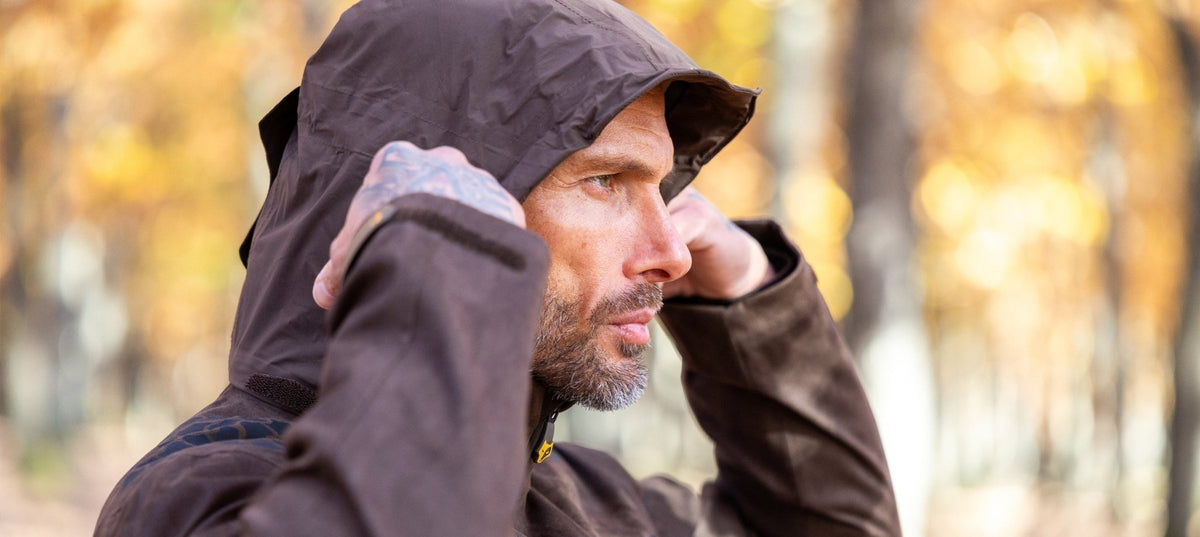
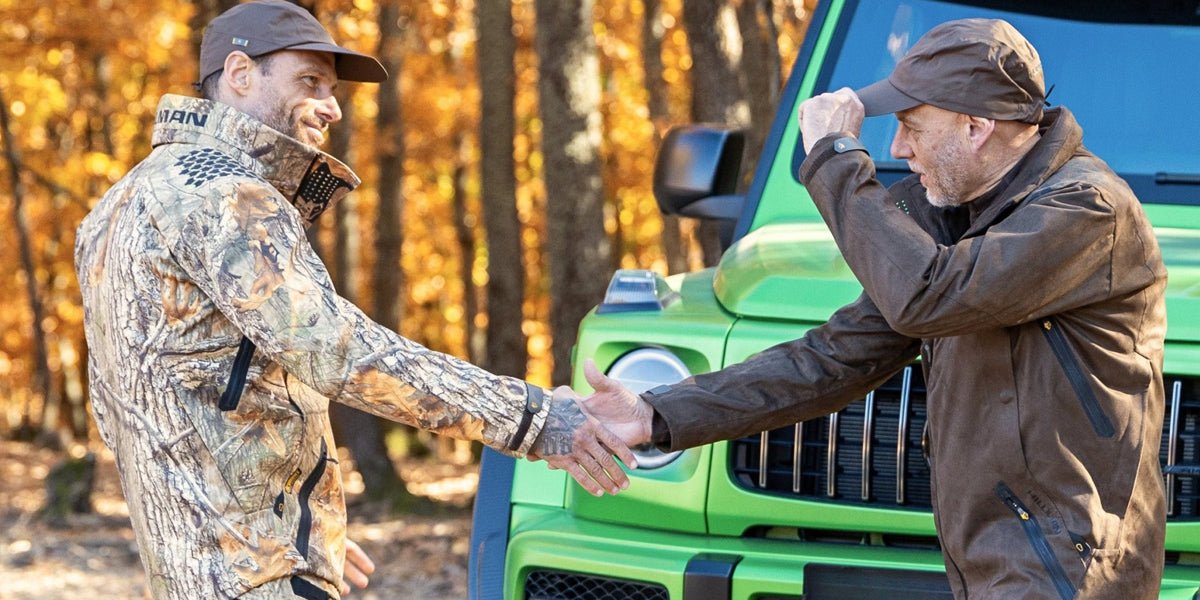
waterproof jackets: essential hunting gear checklist

Terrain does more than determine where animals travel; it also dictates what gear earns a place in the pack. Hunters moving across wide, open spaces often need lightweight equipment, because long miles expose every unnecessary gram. Deer rarely stay still in such areas, and binoculars become essential for spotting movement long before getting close. Many hunters say they learned the hard way that quality optics, scopes with clear edge performance and weather protection, reduce mistakes and save energy.

Forest terrain tells a different story. Branches catch on clothing, brush tugs at straps, and visibility shrinks. Clothing needs to be tough and sewn well enough to survive repeated snags. Reviews written by travelers returning from thick terrain almost always mention durability and comfort in equal measure. Anyone who has tried hunting with cheap layers knows the feeling of cold sinking in faster than expected.

Then come the wetlands, where ducks move fast, and footing becomes unpredictable. Waterproof clothing shifts from optional to essential. A solid harness, a warm layer under a waterproof shell, and a reliable headlamp turn chaotic mornings into manageable ones. Rain, fog, and wind arrive without warning, testing the waterproof seams of clothing and the patience of the hunter.

International hunters often report that terrain exposures teach lessons quickly. If a piece of gear can survive this variety, from cold mountains to humid marshlands, it usually earns a permanent place in the category of true essentials.

Getting Ready for a Demanding Hunting Season

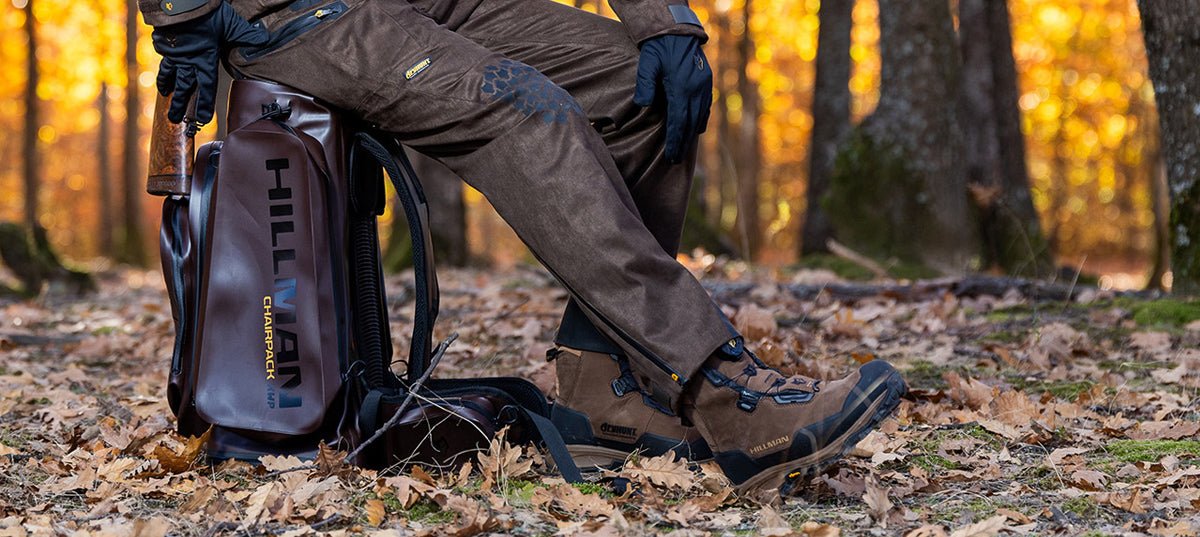
chairpack: essential hunting gear for international hunters

Preparing for a long-distance hunting trip often feels like assembling a puzzle with more pieces than necessary. Regulations differ across borders, and many countries require hunters to store certain items in a specific way. Access points change with the season, and a hunter headed to Alaska might face a different set of rules compared with someone traveling to remote stretches of Australia. A bit of research prevents headaches and protects the rest of the trip.

Packing becomes surprisingly personal. Some hunters lay everything out by category; others simply load the backpack and remove items until it feels right. But almost everyone agrees on a few essentials. A first aid kit stays accessible. Knives with a sharp blade go into a side pocket. Gloves and rifle pouches remain close, especially on hunts where cold air settles early. A reliable water bottle keeps energy steady during long walks. And then there are the unexpected heroes: duct tape, zip ties, a tube of lubricant, a spare headlamp. Small tools that don’t get much attention until the exact moment they save the day.

The process of collecting meat after a successful shot brings its own challenges. Good gloves, hats, clean bags, and knives with strong edge performance make this part faster and safer. Hunters who find themselves racing the fading light often talk about how grateful they were for a dependable headlamp or a backpack with enough space to carry everything comfortably.

This preparation, though sometimes repetitive, shapes the entire adventure. It protects the body, preserves energy, and ensures that important steps don’t get rushed.

Seasonal Strategies Hunters Use Across Continents

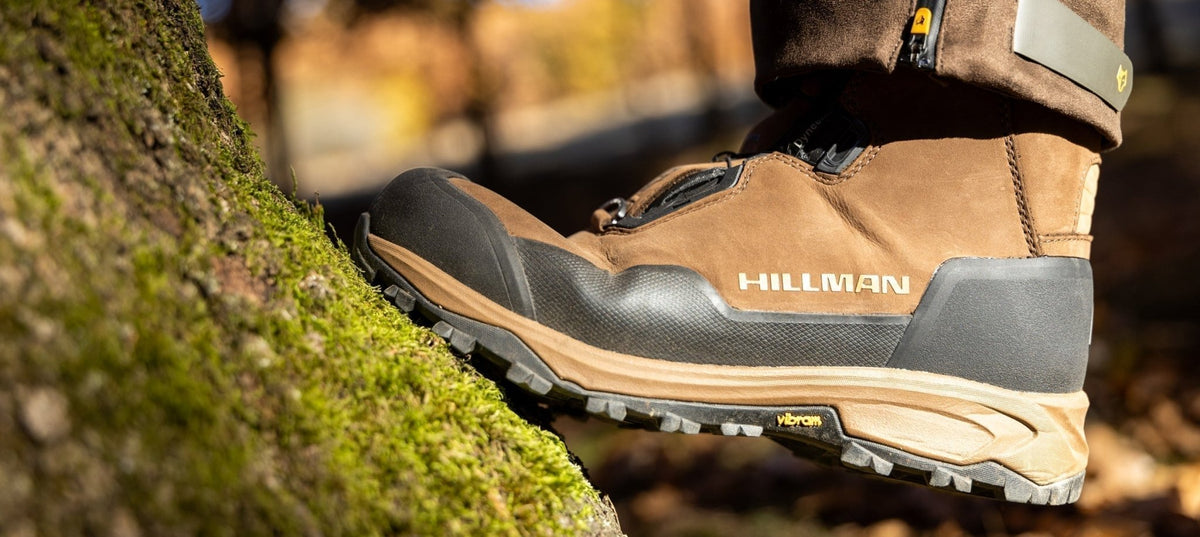
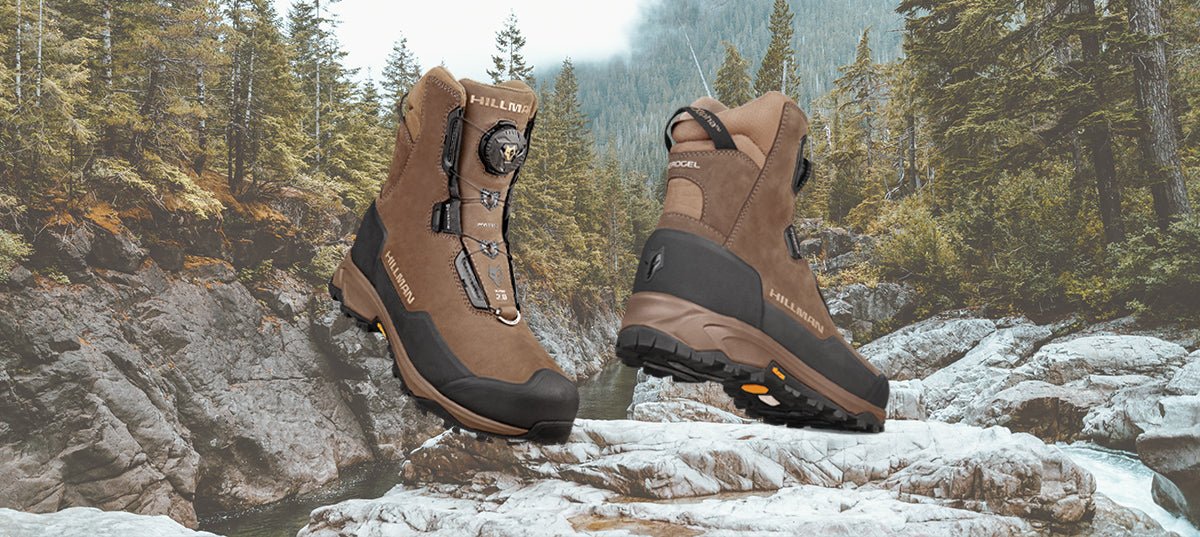
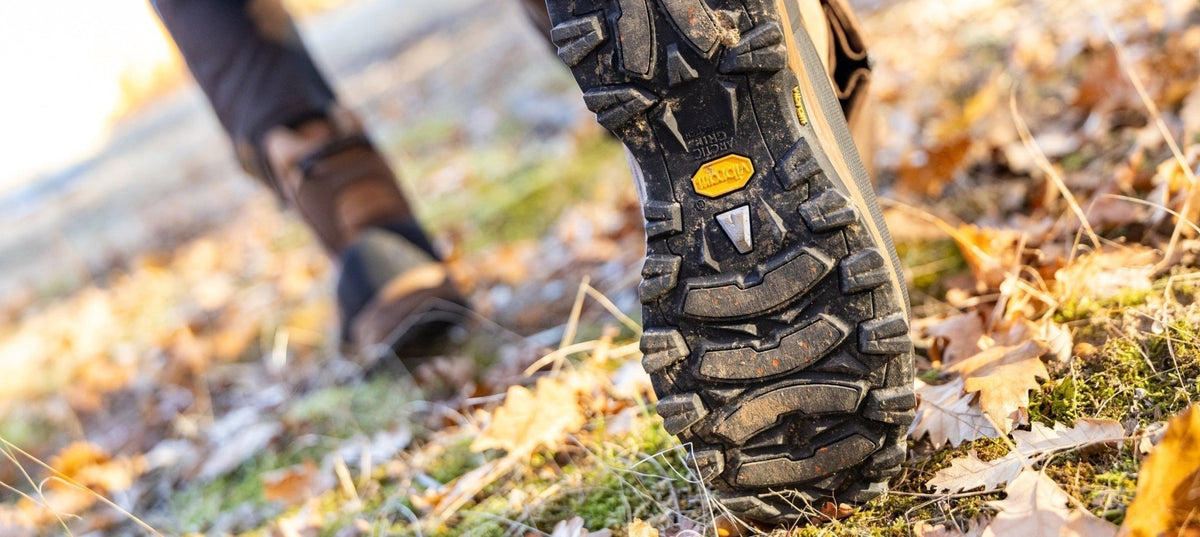
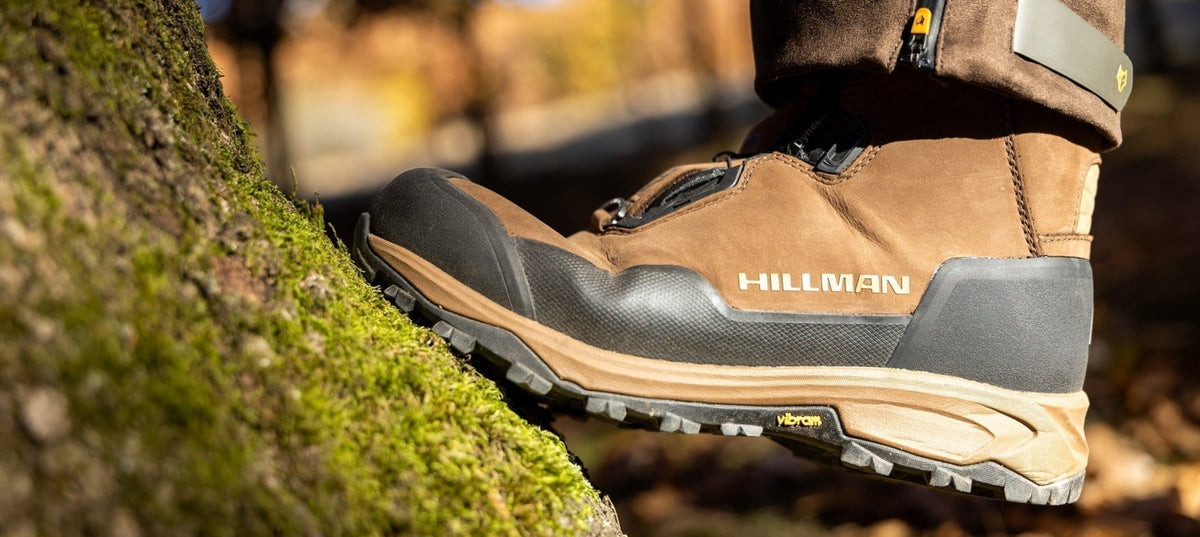
deer hunting boots: essential hunting gear checklist

Hunting season varies across continents, but a few patterns repeat no matter the location. Early-season hunts invite mild weather, tempting hunters to take fewer layers. But experienced travelers often pack warm clothing anyway, because the wind appears quickly at higher elevations. Rain settles in without warning. Waiting for deer or elk at dusk can feel far colder than expected.

Wind shapes international hunts in surprising ways. Mule deer, especially, respond to shifting air, and hunters must adjust their approach depending on wind direction. Clothing that stays quiet during movement and manages scent becomes an important asset. Backpacks with secure straps prevent gear from rattling. Even a simple phone stored deep inside a bag can prevent accidental noises.

Wetland hunts test a different set of skills. Ducks move fast in and out of cover, and hunters learn to navigate mud and shallow water while managing scopes and gloves. A waterproof headlamp becomes essential during early morning setups or late evening walks back to camp.

Hunting bear or elk in mountain terrain demands mental stamina and insulated boots. The body tires faster at altitude, and weather changes more abruptly. Hunters rely on lightweight tools that don’t add unnecessary strain and clothing that can be adjusted throughout the day. Many mention that past trips taught them the importance of packing for the unexpected: a lesson learned only through experience.

Small Items That End Up Making the Biggest Difference

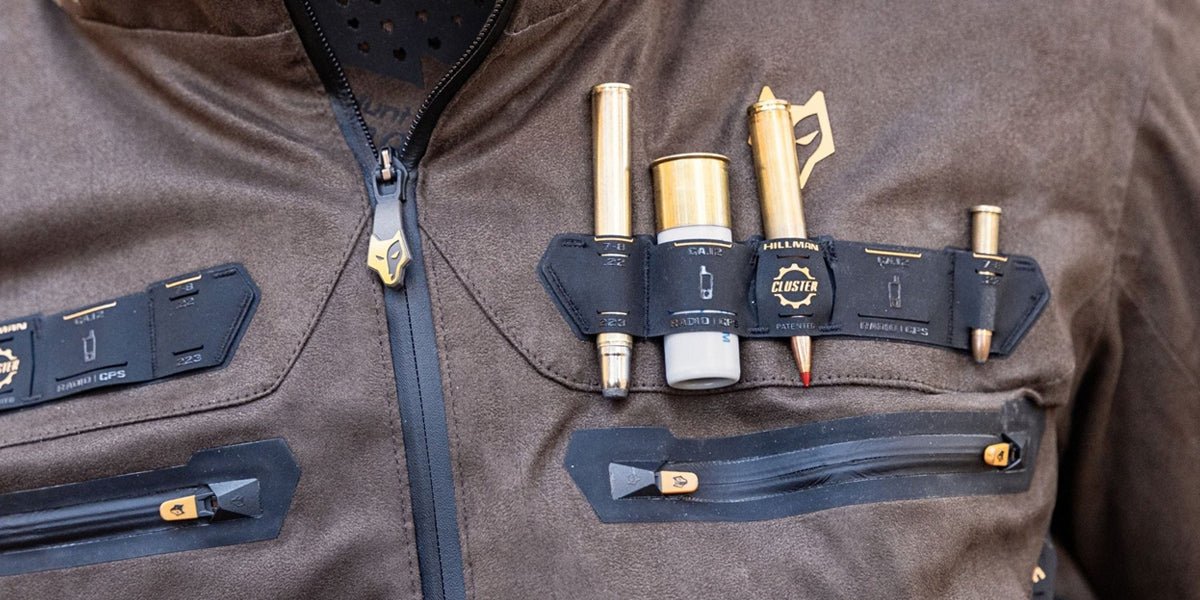
essential hunting gear checklist, cartridge belts

Anyone with enough hunting seasons behind them has a story about a tiny item that kept the trip together. Zip ties holding a pack strap in place after it caught on a rock. Duct tape seals a rip in clothing just enough to keep the wind out. A backup water bottle filled in when the main one slipped from a harness. A headlamp that prevented a night hike from turning chaotic.

Hunting gear is full of these quiet, dependable tools. Knives remain at the center of them, not just for processing game but also for cutting cord, shaping improvised traps, or handling small camp tasks. A sharp blade increases safety. A dull blade does the opposite.

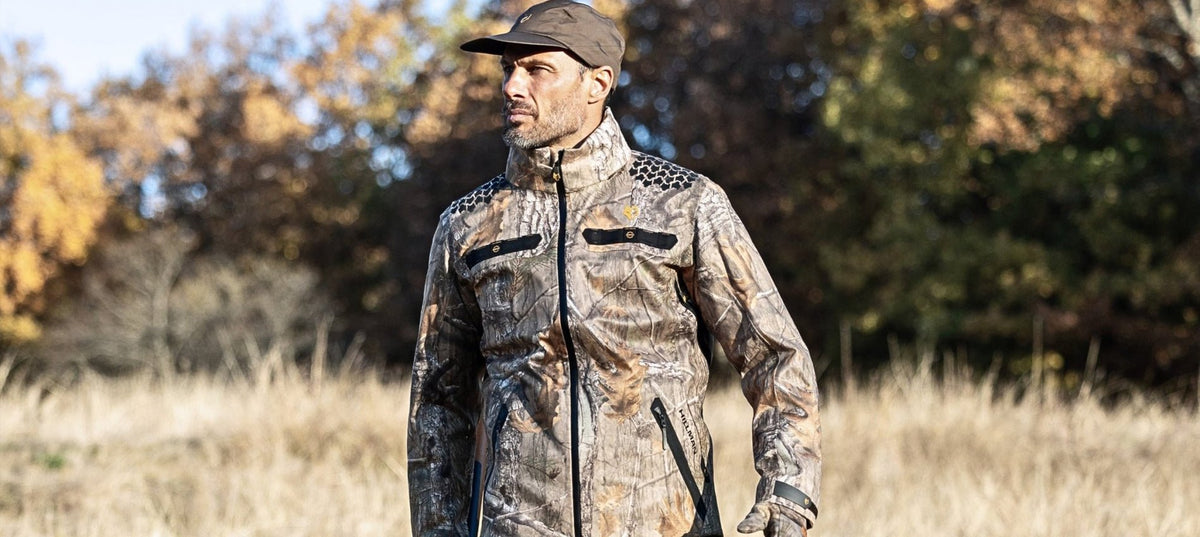
Scopes, gloves, cartridge belts, and waterproof clothing play practical roles throughout the day. The quality of these items often becomes clear when the weather shifts suddenly. Lightweight designs reduce fatigue. Durable materials protect the body and equipment from rough terrain. These small details help hunters maintain rhythm, whether they’re waiting in silence or moving across large distances.

Why Quality and Craftsmanship Matter More Than Ever?

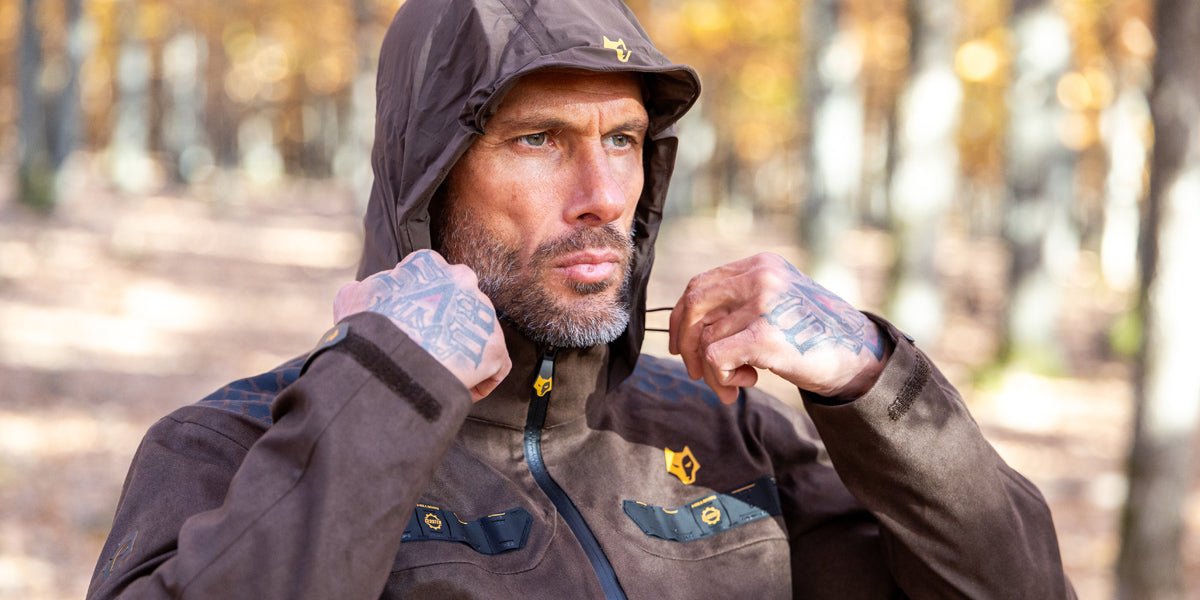
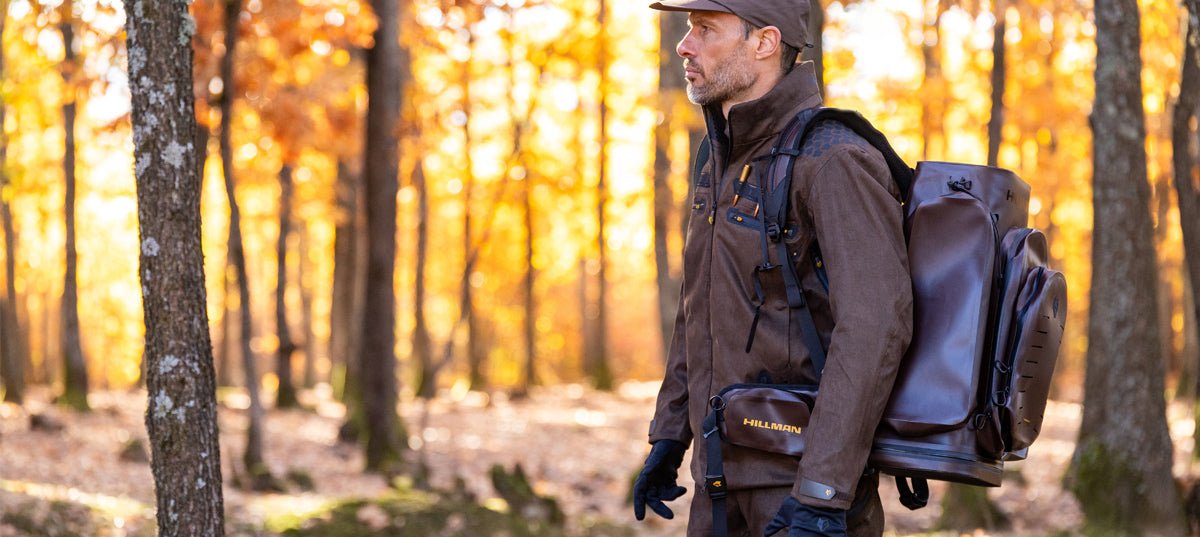
essential hunting gear for international hunters: insulated jackets, pants

With so many options on the market, hunters rely on reviews, experience, and trusted brands to guide their choices. Cheap items sometimes look appealing, but they rarely withstand international conditions. Seams fail. Waterproof coatings peel. Gloves lose insulation. These failures disrupt not just comfort but also safety.

Hillman approaches gear through the lens of practical reality; the outdoors does not offer gentle conditions. Clothing must stay warm even when wet. Backpacks must handle weight without tearing. Optics need to resist fog, cold, and rough handling. Customers across continents look for durability, performance, and design that reflect the needs of real hunters, not ideal conditions.

Quality equipment and accessories become more cost-effective over time. A jacket that lasts ten seasons is more valuable than three cheap ones that fail each year. Hunters who invest in durable gear experience fewer surprises and enjoy a smoother trip, regardless of location.

Insights Shaped by Wind, Weather, and Terrain

essential hunting gear checklist for international hunters

An international hunting trip tests preparation, patience, and the reliability of every item packed into a backpack. Essential hunting gear includes not just the obvious tools: optics, knives, light clothing, but also the smaller items that end up saving the day in unexpected ways. Hunters pursuing mule deer, elk, ducks, or bear across continents learn that a dependable first aid kit, lightweight waterproof clothing, zip ties, duct tape, and a strong headlamp become more than accessories; they are the backbone of the journey.

Wind, rain, terrain, and long hours of waiting shape the experience. Hunters who travel to Alaska, Australia, and everywhere in between adapt their gear to protect the body, maintain performance, and conserve energy. Hillman supports this approach by focusing on craftsmanship, durability, and design built for real conditions. With the right essentials in place, every season becomes an opportunity to learn, to explore new terrain, and to trust the equipment that carries hunters through the most challenging environments in the world.


Markus Holm
Author

Markus Holm

Expedition Hunter / International Field Specialist

Markus Holm writes about hunts where conditions change faster than the plan. Different terrain, unfamiliar species, poor weather, long approaches, missed signals from the field, these are the situations he is interested in. His work is less about perfect conditions and more about what hunters learn when the mountain, forest or weather does not cooperate.

Povezane objave na blogu

how to break in hunting boots, best socks to break in boots: waterproof, insulated boots leather

How to Break In Hunting Boots Before a Serious Hunting Trip?

Razrada lovačkih čizama ne znači prisiljavanje krute kože da omekša preko noći. Radi se o učenju kako se čizme ponašaju prije nego što neravan teren, vlažno vrijeme i dugi sati rada počnu otkrivati probleme. Pravilno razrada daje vam vremena da sredite kretanje pete, točke pritiska, čarape i potporu prije nego što lov postane ozbiljan.

Čitaj više

Best Hunting Rain Gear for Hunters (2025 guide) - Hunting Boots - Winter, Waterproof Gear | Men's Hunt Clothes

Najbolja oprema za kabanicu za lovce (vodič za 2026.)

Članak daje pregled najbolje lovačke opreme za kišu za 2026. godinu, prilagođene nepredvidivim i često ekstremnim vremenskim uvjetima diljem Ujedinjenog Kraljevstva i EU. Naglašava važnost prozračne, lagane, tihe i izdržljive opreme za različite stilove lova i terene. Hillmanova odjeća za kišu ističe se kao vrhunska, nadmašujući konkurenciju u svestranosti i otpornosti na vremenske uvjete. Članak također nudi praktične savjete o slojevitosti, održavanju opreme i odabiru prave opreme za lov u šumi, lov u brdima i lov na divljač.

Čitaj više

best hunting boots for mixed terrain guide: waterproof, insulated, hiking boots

Najbolje lovačke čizme za mješoviti teren: jedan par ili dva?

Za lov na miješanim terenima ne postoji savršena čizma - samo ona koja ostaje stabilna, suha i pruža potporu kako se uvjeti mijenjaju. Jedan par funkcionira ako je svestran i pouzdan, ali dva para pomažu u vlažnim okruženjima gdje je vrijeme sušenja važno. Na kraju, pristajanje, razrada i stvarne performanse važnije su od oznaka ili kategorija.

Čitaj više

how to choose hunting boots for unknown terrain & conditions: waterproof insulated footwear with reliable grip, ankle support, socks

Kako odabrati lovačke čizme za nepoznate uvjete na tlu

Odabir lovačkih čizama za nepoznat teren više je stvar ravnoteže nego etiketa ili reputacije. Kada prianjanje, pristajanje, vodootpornost, izolacija i potpora djeluju zajedno, čizme blijede u drugi plan i omogućuju prirodno kretanje kako se uvjeti mijenjaju. Pravi par održava stopala suhima, stabilnima i udobnima tijekom dugih sati, čak i kada teren i vrijeme odbijaju ponašati se kako se očekuje.

Čitaj više

lightweight hunting gear for frequent travel, layering system: breathable base layers, waterproof hunting jackets, accessories

Lagana lovačka oprema za lovce koji često putuju

Ovaj članak objašnjava zašto je lagana lovačka oprema važna za česta putovanja, naglašavajući da prekomjerna težina iscrpljuje energiju, usporava kretanje i ometa koncentraciju. Ističe kako prilagodljiva, prozračna i skladištiva odjeća poboljšava udobnost u promjenjivim uvjetima i olakšava logistiku putovanja. U konačnici, tvrdi se da lagana oprema postaje dugoročna investicija jer smanjuje trenje, pojednostavljuje odluke i podržava bolje performanse na terenu.

Čitaj više

best hunting jackets for extreme temperature swings: insulated cold-weather jackets, waterproof warm weather jackets

Najbolje lovačke jakne za ekstremne temperaturne promjene

Lov u zemljama s nestabilnim temperaturama zahtijeva jakne koje se prilagođavaju promjenama uvjeta od hladnih jutara do toplih podneva i natrag. Najbolje moderne lovačke jakne uravnotežuju izolaciju, prozračnost, zaštitu od vremenskih uvjeta i kretanje bez stalnog podešavanja. U konačnici, svestranost i kroj važniji su od bilo koje pojedine značajke, omogućujući lovcima da se usredotoče na teren, a ne na vremensku prognozu.

Čitaj više

hunting gear evolution: tradition and technology, leather, wool, waterproof boots, footwear, jackets

Evolucija lovačke opreme: od tradicije do tehnologije

Lovačka oprema evoluirala je od teške vune i kože do lagane, tehničke opreme koja poboljšava udobnost, sigurnost i performanse na terenu. Dok je tradicija nekada oblikovala odjeću koliko i funkcionalnost, moderni materijali sada daju prioritet zaštiti od vremenskih uvjeta, mobilnosti i učinkovitosti. Današnji lovci balansiraju između baštine i tehnologije, prilagođavajući se promjenjivim uvjetima bez gubitka poštovanja prema korijenima sporta.

Čitaj više

hunting gear guide for international trip: clothes, bags, boots, accessories

Vodič za lovačku opremu: Što spakirati za putovanje u inozemstvo

Priprema za lov u inozemstvu odnosi se na pakiranje pouzdane, praktične opreme koja će vam pružiti udobnost, koncentraciju i spremnost za nepoznate uvjete. Dajte prednost pouzdanoj odjeći, čizmama, optici i jednostavnim potrepštinama za lov u odnosu na nepotrebne dodatke. Pažljivo pakiranje štiti vašu energiju, izoštrava donošenje odluka i omogućuje vam uživanje u iskustvu gdje god lovili.

Čitaj više

best leather hunting boot

Najbolje kožne lovačke čizme: Ručno izrađene za modernog lovca

Najbolje kožne lovačke čizme uravnotežuju udobnost, izdržljivost i zaštitu na bilo kojem terenu ili klimi. Hillmanove ručno izrađene čizme kombiniraju vrhunsku kožu, vodootporne membrane i vrhunsku potporu gležnju kako bi lovci bili stabilni, topli i suhi tijekom svakog godišnjeg doba. Izrađene za izdržljivost, a ne za luksuz, pretvaraju surovo tlo u stabilno uporište, a dugi lov u trajnu udobnost.

Čitaj više

most expensive hunting boots: not needed with Hillman

Najskuplje lovačke čizme u usporedbi s pametnim dizajnom: Hillmanov pristup

Najskuplje lovačke čizme često prodaju imidž umjesto inovacije, ali Hillman dokazuje da performanse ne zahtijevaju luksuznu cijenu. Izrađene s pametnim dizajnom, prozračnim vodootpornim membranama i vrhunskom potporom za gležnjeve, Hillman čizme pružaju toplinu, prianjanje i udobnost na najtežem terenu. Za prave lovce nude vrhunsku izdržljivost i zaštitu po poštenoj cijeni: gdje pametni inženjering zamjenjuje nepotrebni prestiž.

Čitaj više

tactical hunting boots: quality footwear for outdoor adventures

Što su taktičke lovačke čizme? Zašto se lovci oslanjaju na njih?

Taktičke lovačke čizme kombiniraju izdržljivost vojne razine s udobnošću i fleksibilnošću koja je lovcima potrebna na neravnom terenu i nepredvidivom vremenu. Izrađene od izdržljive kože i najlona s vodootpornim, prozračnim membranama, nude vrhunsko prianjanje, potporu i cjelodnevnu udobnost. Pouzdane, zaštitne i dugotrajne, postale su prvi izbor za lovce, policiju i profesionalce u aktivnostima na otvorenom.

Čitaj više

hunting work boots for fields and forests

Objašnjenje lovačkih radnih čizama: Najbolja oprema za polje i šumu

Lovačke radne čizme izrađene su za izdržljivost, toplinu i prianjanje, kombinirajući kožu punog zrna, izolaciju i Dryhunt membrane kako bi stopala bila suha i potpomognuta na bilo kojem terenu. Usklađuju izdržljivost s udobnošću, pružajući stabilnost, prozračnost i zaštitu, bez obzira radite li na polju ili pratite divljač. Na kraju krajeva, to nisu samo čizme, to su pouzdani suputnici izrađeni da nose lovce kroz svako godišnje doba i izazov.

Čitaj više

Često postavljana pitanja

First international hunting trip: what do you actually need?

Less than you think, and more than you packed. The things that matter are rarely the expensive ones. A knife that stays sharp, gloves that actually keep your hands warm, a headlamp you've tested before you need it, and a first aid kit you've checked recently. Clothing is where most first-timers get it wrong. They pack for the average day and get caught out by the bad one. Bring one more layer than feels necessary and you'll rarely regret it.

Why does clothing matter so much across different seasons?

Because conditions change faster than forecasts suggest. You can start a morning in mild air and finish it soaked and cold without much warning in between. Clothing that adjusts with you, layers that add and remove easily, fabrics that stay functional when wet, keeps you hunting when cheaper gear sends you back to camp. The hunters who underpack on clothing regret it consistently.

What small item do experienced hunters always have that beginners forget?

A backup headlamp. Darkness doesn't negotiate. Early starts and late finishes are part of almost every serious hunt, and a headlamp that fails at the wrong moment turns a manageable situation into a genuinely difficult one. Duct tape is the other answer. It has solved more field problems than most dedicated gear ever will.

Does terrain really change what gear you need?

Completely. Open hill ground after chamois or red deer means quality optics are non-negotiable because animals are spotted at a distance long before any other consideration. Wetland hunting for duck or goose demands waterproof clothing that actually performs rather than promises. Mountain terrain punishes unnecessary weight across every item in the pack. The gear list that works in one environment is often wrong for another.

What safety gear is worth carrying on a remote hunt?

A properly stocked first aid kit that you've checked recently, not the one that's been sitting in a bag since last season. A phone in a waterproof case. A headlamp as backup. Warm socks and gloves that keep your extremities functional when the temperature drops unexpectedly. None of it is dramatic, but remote hunting turns small problems into serious ones fast. The combination of these basics covers most situations.

How do you manage gear weight on a long trip covering multiple terrain types?

Ruthlessly. Every item needs to justify the space it takes. Clothing that layers rather than replaces works better than packing separate outfits for every condition. Multi-use tools earn their place where single-use ones don't. The hunters who travel lightest usually have the most experience, not the least. They've carried the wrong things enough times to know exactly what they can leave behind.

How do you protect gear from damage during international travel?

Hard cases for optics, no exceptions. Everything else goes into bags that can take rough handling without exposing contents to moisture. Knives travel in checked luggage in rigid sheaths. Clothing compresses well and fills gaps around harder items. Documentation causes more problems than packing. Regulations on firearms, ammunition, and knife types vary significantly between countries. Get that wrong and nothing else matters.