
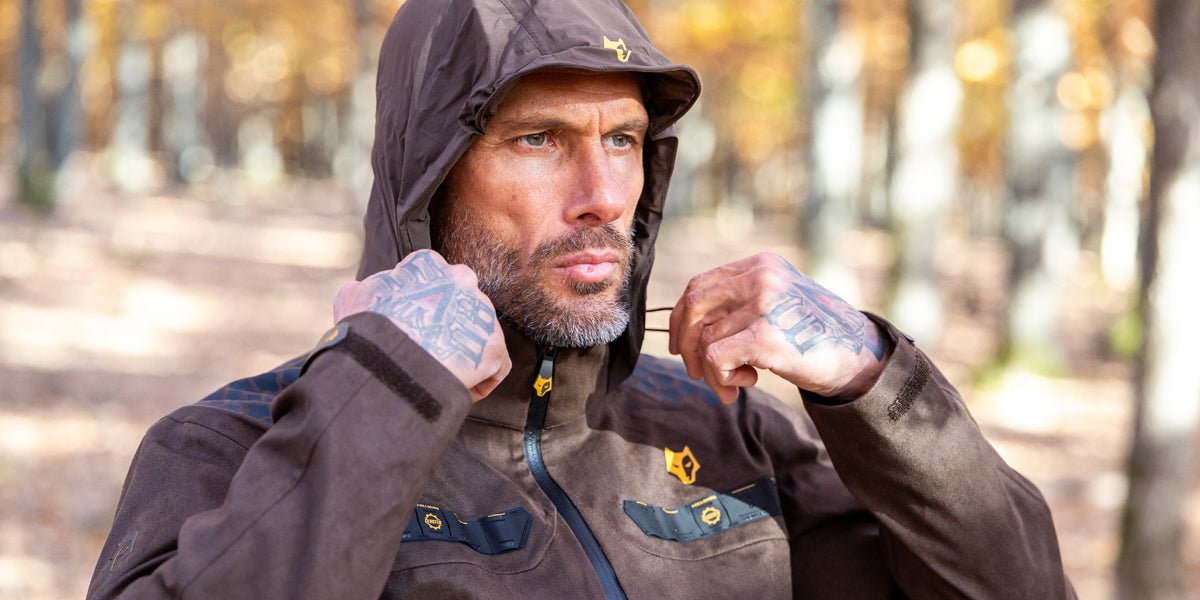
Errori di vestibilità che compromettono il sistema di abbigliamento da caccia durante lunghe battute di caccia in montagna e nei boschi.

Ogni capo può sembrare perfetto preso singolarmente, ma risultare comunque inadeguato come parte di un sistema di abbigliamento da caccia. Uno strato base aderisce comodamente alla pelle, uno strato intermedio tiene caldo in ambienti chiusi e una giacca impermeabile si chiude facilmente sopra una camicia. Aggiungete il sistema completo, imbracciate un fucile, stringete uno zaino carico e fate un passo in alto: ecco che la vera differenza sta nella vestibilità.
La vestibilità corretta non si limita alla semplice corrispondenza tra le misure di torace, vita e interno gamba e una tabella delle taglie. L'abbigliamento da caccia deve continuare a svolgere la sua funzione mentre il corpo si arrampica, si inginocchia, striscia, prende la mira, aspetta e trasporta l'attrezzatura. Gli indumenti devono inoltre rimanere nella posizione corretta in caso di vento, pioggia, neve e variazioni di temperatura.
Questa è la differenza tra vestibilità dell'indumento e adattamento del sistemaUn capo d'abbigliamento può essere della taglia giusta di per sé, ma non adatta agli strati di abbigliamento, al terreno e ai movimenti necessari durante la caccia.
Perché la taglia corretta non garantisce la vestibilità corretta dell'intero sistema di abbigliamento da caccia.

Maggior parte abbigliamento da caccia per uomo La valutazione iniziale viene effettuata con chi indossa il capo in posizione eretta. Questo permette di verificare se la giacca si chiude e se i pantaloni arrivano agli stivali, ma dice poco sulle prestazioni sul campo.
Le spalle potrebbero irrigidirsi quando si imbraccia un fucile. L'orlo della giacca potrebbe sollevarsi sopra la cintura quando si estendono entrambe le braccia. Il ginocchio di un pantalone potrebbe trovarsi nella posizione corretta quando si è in piedi, per poi scivolare sotto la rotula durante un passo alto. Un colletto che risulta comodo in negozio potrebbe limitare i movimenti della testa una volta che lo zaino e l'imbracatura del binocolo modificano la posizione della parte superiore del corpo.
La vestibilità del sistema deve quindi essere testata attraverso i movimenti tipici dell'esperienza di caccia reale. Per l'appostamento, ciò include un passo alto controllato, uno squat profondo, inginocchiarsi su entrambe le ginocchia, sedersi, strisciare e sollevare l'arma da diverse posizioni. Per le lunghe giornate in appostamento, significa anche verificare che la cintura, i polsini e il colletto rimangano comodi anche dopo periodi prolungati di scarso movimento.
Una buona vestibilità permette all'indumento di seguire i movimenti del corpo senza costringere ogni strato adiacente a fare altrettanto. Preserva la sovrapposizione protettiva a polsi, vita e caviglie, evitando al contempo l'eccesso di tessuto che potrebbe svolazzare, sfregare o impigliarsi nella vegetazione.
Errore di vestibilità n. 1: acquistare strati base, strato intermedio e capospalla come capi separati.

UN sistema di stratificazione Funziona solo quando i suoi componenti sono fisicamente compatibili. Acquistare ogni strato come se dovesse essere indossato singolarmente spesso crea troppo volume in alcune zone e compressione in altre.
Lo strato di base, lo strato intermedio, l'isolamento e il guscio esterno svolgono funzioni diverse, quindi non devono essere montati allo stesso modo.
Come gli strati base dovrebbero gestire l'umidità
Gli strati base devono essere a contatto costante con il corpo per raccogliere e trasportare l'umidità. Aderente non significa restrittivo: il tessuto deve seguire il busto e gli arti senza stringere sotto le ascelle, tirare sulle spalle o ostacolare la circolazione.
Le pieghe in eccesso riducono il contatto e possono accumularsi sotto gli strati sovrastanti. Una maglietta termica che si arriccia nella parte bassa della schiena diventa particolarmente scomoda sotto uno zaino. Il tessuto in eccesso sui polsi può inoltre interferire con i guanti e i polsini della giacca.
La lana merino è ampiamente utilizzata nell'abbigliamento tecnico da caccia perché favorisce la termoregolazione, la gestione dell'umidità e il controllo degli odori. La sua naturale elasticità, inoltre, permette al capo di seguire i movimenti del corpo durante l'attività fisica. La lana è una risorsa rinnovabile e biodegradabile, sebbene il profilo ambientale di un capo finito dipenda comunque dalla sua composizione in fibra e dal processo produttivo.
IL Strato base Hillman 2BL in lana merinoAd esempio, è specificato come uno strato dalla vestibilità precisa, progettato per essere indossato sopra la biancheria intima. La sua miscela di lana merino e bambù, le cuciture piatte e la struttura elasticizzata dimostrano perché uno strato base tecnico dovrebbe essere scelto in base alla sua funzione all'interno del sistema, piuttosto che essere selezionato come una semplice maglia da esterno.
Il cotone è meno adatto come strato a contatto con la pelle durante la caccia in condizioni di freddo, umidità o con frequenti interruzioni. Trattiene l'umidità e si asciuga lentamente, quindi il sudore accumulato durante la salita può iniziare a raffreddare il corpo mentre il cacciatore attende in appostamento.
Quanto spazio serve per uno strato intermedio e un isolamento
Uno strato intermedio fornisce isolamento trattenendo l'aria calda, ma più spazio non significa automaticamente più calore. Se è eccessivamente largo, può ripiegarsi sotto la giacca, ostruire la ventilazione e produrre movimenti indesiderati all'interno del sistema.
Lo strato intermedio corretto segue il corpo più facilmente di una felpa casual, consentendo al contempo allo strato base sottostante di rimanere non compresso. Hillman's Felpa da caccia in lana merino 3ML È dimensionato per essere indossato sopra uno strato base. Questo rappresenta un requisito di design diverso rispetto a una felpa scelta principalmente per un abbigliamento casual quotidiano.
Una giacca isolante ha bisogno di spazio sufficiente per mantenere il suo volume. Quando l'imbottitura viene compressa sotto uno strato esterno aderente, non riesce a conservare il volume d'aria stagnante previsto. Questa limitazione può anche ridurre i movimenti delle spalle e creare pressione sotto gli spallacci dello zaino.
IL Giacca imbottita da caccia 4IL Illustra questa logica posizionale. È progettato come uno strato isolante che si adatta sopra la biancheria intima, lo strato base e lo strato intermedio. Il guscio esterno deve quindi accogliere l'intera combinazione senza comprimerla.
Errore di vestibilità n. 2: Comprimere l'abbigliamento invernale da caccia e l'isolamento termico avanzato

abbigliamento invernale da caccia A volte la scelta si basa sullo spessore visibile. Questo approccio però trascura il modo in cui l'isolamento, gli spazi d'aria, l'umidità e la circolazione dell'aria interagiscono tra loro.
Un sistema troppo stretto può appiattire l'isolamento termico e limitare il flusso sanguigno a polsi, vita, polpacci o piedi. Un sistema troppo largo può permettere all'aria calda di fuoriuscire ogni volta che il cacciatore si gira, si piega o si allunga. Nessuno di questi problemi si risolve semplicemente aggiungendo un altro indumento.
Perché il miglior abbigliamento invernale da caccia protegge la soffitta e la circolazione
Il miglior abbigliamento invernale per la caccia non è il più ingombrante. Si tratta piuttosto di un sistema integrato in cui lo strato base gestisce l'umidità, l'isolamento mantiene il suo volume e lo strato esterno protegge dal vento e dalle precipitazioni senza limitare i movimenti o la circolazione.
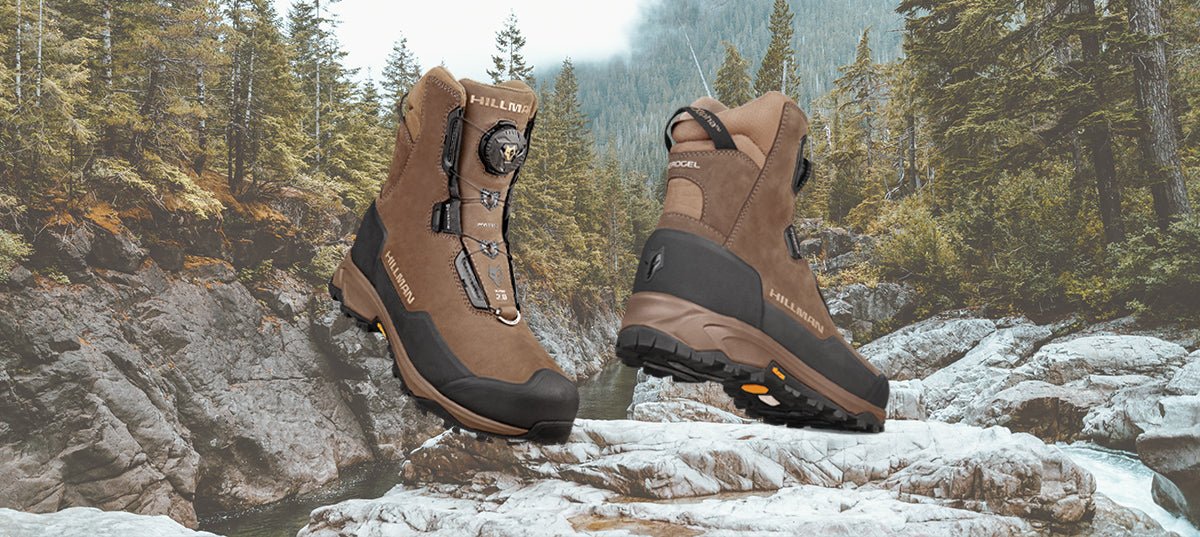
L'isolamento a basso ingombro può ridurre la necessità di un volume eccessivo dell'indumento. L'aerogel, ad esempio, offre un'elevata resistenza termica a un peso ridotto ed è utilizzato in attrezzature specializzate per climi freddi. All'interno della gamma Hillman, l'isolamento Matrix è utilizzato nel Giacca invernale AlphaShell 6OL e abbinamento Pantaloni isolanti 6OLmentre Matrix e Aerogel sono combinati in alcuni stivali isolanti selezionati.
Come l'abbigliamento da caccia in condizioni di freddo estremo dovrebbe adattarsi al movimento e alla posizione statica.

L'abbigliamento da caccia per temperature estremamente rigide deve essere valutato in due diverse condizioni: attività intensa e prolungata immobilità.
Un sistema che sembra ideale durante un avvicinamento in salita potrebbe rivelarsi insufficiente una volta che il cacciatore smette di generare calore. Al contrario, un abbigliamento scelto solo per l'attesa può causare un'eccessiva sudorazione durante il percorso. Quest'umidità rimane nel corpo e aumenta il raffreddamento quando il movimento si arresta.
La ventilazione deve essere accessibile senza rimuovere lo zaino o esporre il corpo alle intemperie. La vestibilità deve inoltre lasciare spazio per un ulteriore isolante se le condizioni previste lo richiedono effettivamente. Questo è quando misurando potrebbe essere appropriato, ma solo dopo che l'intera combinazione di strati sia stata testata.
Non esiste una raccomandazione universale sulla temperatura adatta a tutti i cacciatori. Vento, umidità, tempo di esposizione, andatura, composizione corporea e tolleranza individuale al freddo sono tutti fattori importanti. Una lunga battuta di caccia all'alce nell'aria secca di montagna richiede un abbigliamento diverso rispetto a una battuta di caccia invernale in un bosco umido, anche quando la temperatura visualizzata è simile.
Errore di vestibilità n. 3: testare l'abbigliamento impermeabile da caccia sopra gli strati sbagliati

UN indumento impermeabile È consigliabile testare il capo esattamente sopra gli indumenti che si intende indossare. Provarlo sopra una maglietta sottile e poi indossarlo sopra uno strato base, uno strato intermedio e un isolante può cambiare completamente la vestibilità.
Il grado di impermeabilità del materiale, testato in laboratorio, non cambia se la taglia è errata. Tuttavia, la protezione pratica può essere compromessa se il cappuccio, il colletto, i polsini, l'orlo o le gambe dei pantaloni vengono spostati dalla loro posizione.
Perché le giacche da caccia e da tiro devono essere traspiranti ed elastiche
Le giacche da caccia impermeabili devono bloccare l'acqua esterna consentendo al contempo la fuoriuscita dell'umidità interna. Le membrane traspiranti favoriscono questo processo, ma la traspirabilità dipende anche dall'attività svolta, dalla temperatura, dall'umidità e dalla presenza di un sistema di ventilazione meccanica.
L'elasticità è importante perché una barriera impermeabile deve rimanere nella posizione corretta quando il cacciatore si arrampica o imbraccia un'arma da fuoco. Se la giacca è troppo stretta sulle spalle, le maniche e l'orlo si sollevano. Se è eccessivamente larga, il tessuto può muoversi con il vento, sfregare contro i pannelli adiacenti e impigliarsi nella vegetazione.
L'AlphaShell 6OL utilizza un membrana impermeabileCuciture completamente nastrate e cerniere resistenti alle intemperie. Le ascelle che non si sollevano, i gomiti preformati e l'orlo posteriore più lungo sono altrettanto importanti per la protezione pratica, poiché aiutano la giacca a mantenere la copertura durante i movimenti del corpo.
Una giacca completamente impermeabile, quindi, necessita di qualcosa di più di un semplice tessuto impermeabile. La membrana, la costruzione delle cuciture, le cerniere, il cappuccio, i polsini e l'orlo devono funzionare come un sistema integrato.
Cosa serve alle migliori giacche da tiro, oltre alla protezione impermeabile?
Le migliori giacche da tiro coniugano protezione dalle intemperie e un appoggio per l'arma pulito e ripetibile. Il calcio dovrebbe arrivare alla spalla senza impigliarsi in tessuti larghi sul petto, pieghe eccessive o tasche posizionate male. Il colletto dovrebbe proteggere dalla pioggia senza interferire con l'appoggio della guancia o con i movimenti della testa.
L'abbigliamento classico da caccia, compreso il tweed, si è sviluppato in risposta a esigenze diverse rispetto all'abbigliamento tecnico da caccia moderno. Le giacche da caccia tradizionali si adattano bene alle battute di caccia e allo stile country classico, mentre le giacche moderne con membrana sono spesso scelte per chi necessita di movimento prolungato e per affrontare condizioni meteorologiche avverse. Nessuna delle due categorie dovrebbe essere giudicata solo dall'aspetto.
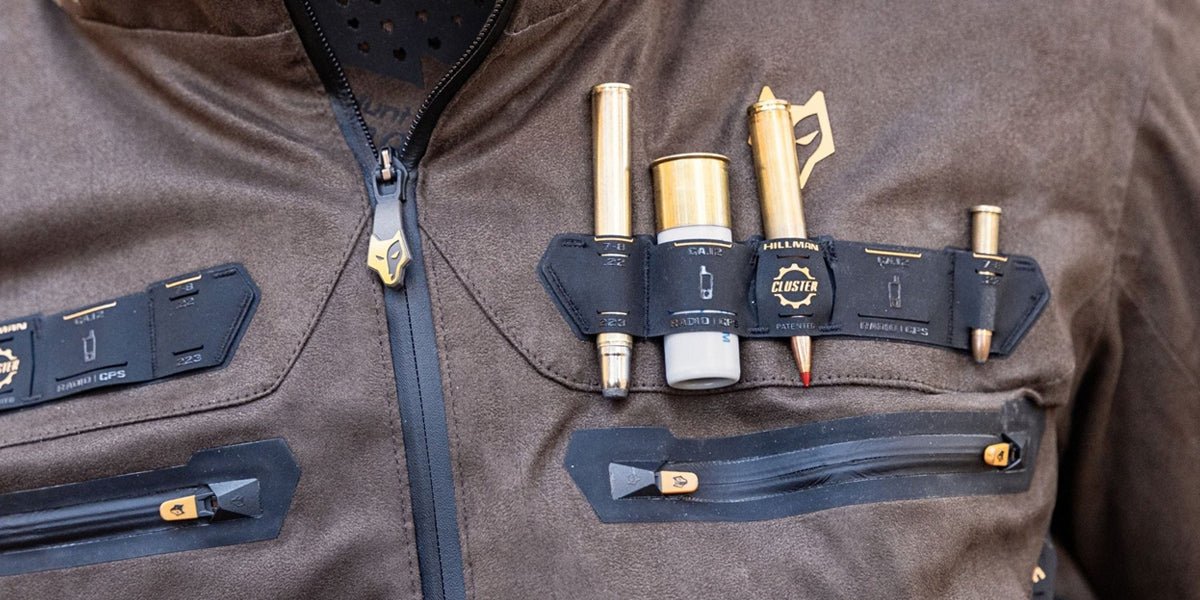
Le giacche da tiro impermeabili devono essere traspiranti, elastiche e sufficientemente silenziose per l'uso a cui sono destinate. Devono inoltre avere tasche che rimangano accessibili anche quando chi le indossa trasporta cartucce, una radio, mappe, licenze o altra attrezzatura. La capacità di carico è utile solo se le tasche, una volta riempite, non alterano la vestibilità né ostacolano i movimenti.
Errore di vestibilità n. 4: ignorare i movimenti nell'abbigliamento da caccia in montagna

L'abbigliamento da caccia in montagna rivela rapidamente eventuali problemi di vestibilità. Le salite ripide mettono in evidenza la rigidità a livello di fianchi e ginocchia. Le discese spingono i piedi in avanti negli scarponi e aumentano la tensione nella parte anteriore dei pantaloni. Un pacco carico modifica la pressione sulle spalle, limita la libertà di movimento di alcuni tessuti e copre tasche o aperture di ventilazione.
La caccia nei boschi mette in luce diverse debolezze. Il tessuto in eccesso si impiglia nei rami, sfrega durante l'avvicinamento furtivo e diventa più pesante dopo il contatto ripetuto con la vegetazione umida. Le frequenti inginocchiamenti e i rapidi cambi di posizione richiedono un volume controllato intorno alle ginocchia e alla parte inferiore delle gambe.
Spalle, ginocchia e parte inferiore delle gambe sotto carico
La prova di una giacca consiste nell'imbracciare l'arma, non semplicemente nell'alzare entrambe le braccia. Le due azioni, infatti, sollecitano le spalle in modo diverso. Chi la indossa dovrebbe inoltre ruotare il busto mentre lo zaino e l'imbracatura per il binocolo sono posizionati correttamente.
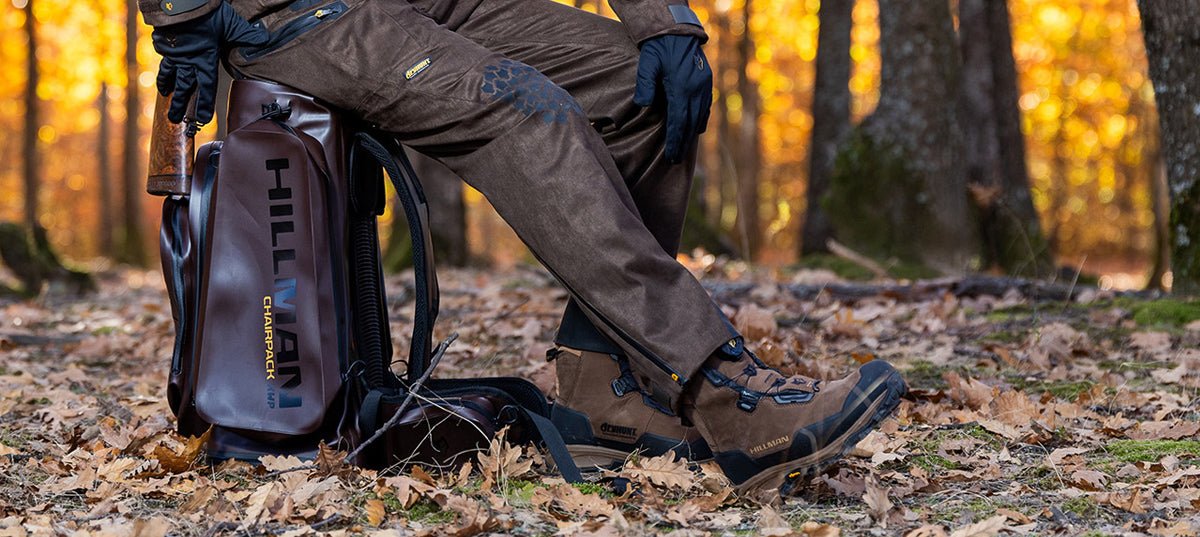
Per indossare i pantaloni è necessario superare un test di salita su gradino, uno squat profondo, una posizione in ginocchio e una posizione seduta. La cintura deve rimanere stabile, i glutei non devono tirare e il ginocchio articolato deve continuare ad allinearsi con l'articolazione.
Il volume della parte inferiore della gamba è importante quando i pantaloni vengono indossati sopra strati base, calze, stivali o ghette. Il fondo gamba deve coprire lo stivale in modo sicuro senza diventare così ampio da raccogliere neve, pioggia o detriti.
Di Hillman Pantaloni impermeabili AlphaShell 5WL Non sono imbottiti e sono pensati per essere indossati a strati. Le ginocchia preformate, le zone regolabili su ginocchia e caviglie e le cerniere laterali a tutta lunghezza dimostrano come la vestibilità di un pantalone protettivo esterno possa adattarsi agli indumenti e alle calzature indossati sotto.

Dove l'elasticità, lo ripstop e il rinforzo fanno la differenza.
I pannelli elasticizzati migliorano la portata e la falcata solo se posizionati nei punti in cui il corpo crea tensione. Il rinforzo è più utile a livello di ginocchia, glutei, parte inferiore delle gambe e spalle: zone ripetutamente esposte a rocce, corteccia, spine, spallacci dello zaino e movimenti inginocchiati.
La costruzione ripstop può limitare la propagazione di un piccolo strappo, mentre i pannelli resistenti all'abrasione proteggono le zone soggette a maggiore contatto. Nessuna di queste caratteristiche, tuttavia, compensa un taglio maldestro. Un ginocchio rinforzato che si trova sotto la rotula durante un'arrampicata non può fornire la protezione prevista.
La resistenza deve essere valutata in relazione al movimento, non separatamente da esso. Il tessuto deve proteggere il cacciatore senza costringerlo ad assumere un'andatura rigida, rumorosa o limitante.
Errore di vestibilità n. 5: considerare l'abbigliamento da caccia silenzioso e il mimetismo come elementi separati dalla vestibilità

Anche un tessuto silenzioso può diventare rumoroso se ce n'è troppo. Il materiale in eccesso si muove al vento, sfrega contro se stesso e si impiglia nella vegetazione. Un indumento troppo stretto può inoltre creare un attrito più intenso quando i pannelli vengono tirati sul corpo.
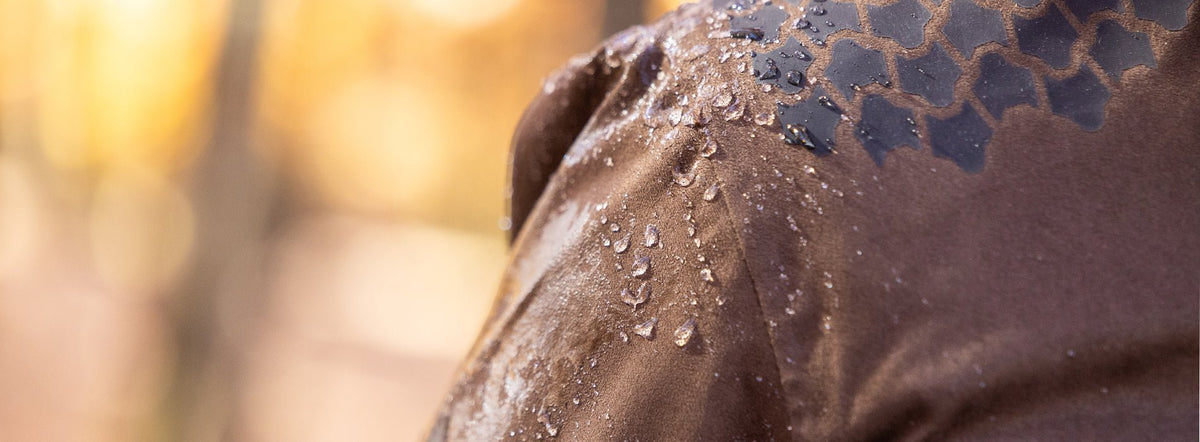
Le superfici in poliestere spazzolato, lana e materiali simili al camoscio producono generalmente un suono più morbido rispetto alle superfici dure e lisce. Durasuede di Hillman Il tessuto esterno è progettato secondo questo principio, combinando una superficie spazzolata con elasticità e protezione per muoversi furtivamente tra la vegetazione.
Tessuti silenziosi, colore e mimetizzazione nella natura incontaminata.
Il mimetismo funziona confondendo i contorni di chi lo indossa, ma il motivo deve adattarsi al paesaggio circostante. Le tonalità verdi e marroni possono funzionare nella vegetazione boschiva, mentre le sfumature di grigio tenue e color pietra possono essere più appropriate contro i terreni montuosi aperti. Persino la roccia grigio-blu, le ombre della neve e i cambiamenti di luce possono influenzare l'aspetto di un motivo mimetico a distanza.
Il colore non può correggere i movimenti incontrollati. Anche il camuffamento più accurato dal punto di vista tecnico perde di valore se le maniche larghe svolazzano, i pantaloni sfregano rumorosamente o una giacca stretta costringe a movimenti esagerati.
Lo stesso vale per gli abiti da caccia a tinta unita. Il mimetismo dipende dall'interazione tra fantasia, colore, silhouette, suono e comportamento del cacciatore.
Errore di vestibilità n. 6: dimenticare scarponi, calze di lana, guanti e la misura dello zaino

Il sistema di abbigliamento non si limita a polsi e caviglie. Calze di lana, guanti, cappelli, stivali, ghette e lo zaino possono influenzare le prestazioni degli indumenti adiacenti.
Calze invernali spesse non rendono automaticamente uno stivale più caldo. Se riducono lo spazio interno e comprimono il piede, la circolazione può risentirne e le dita possono risultare più fredde. Gli stivali dovrebbero essere testati con le calze che si intendono usare per la caccia.
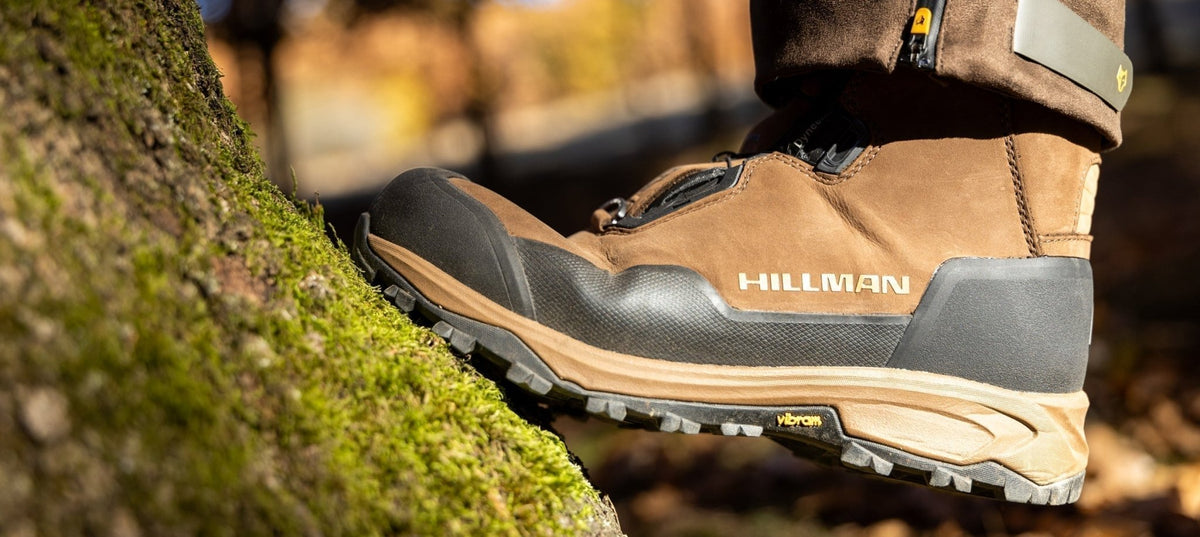
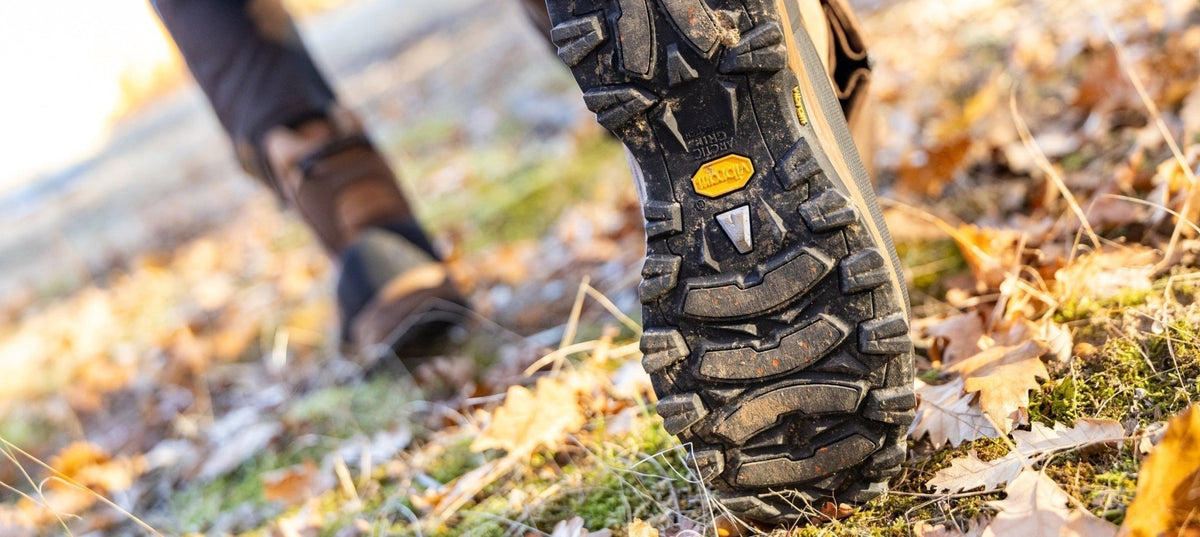
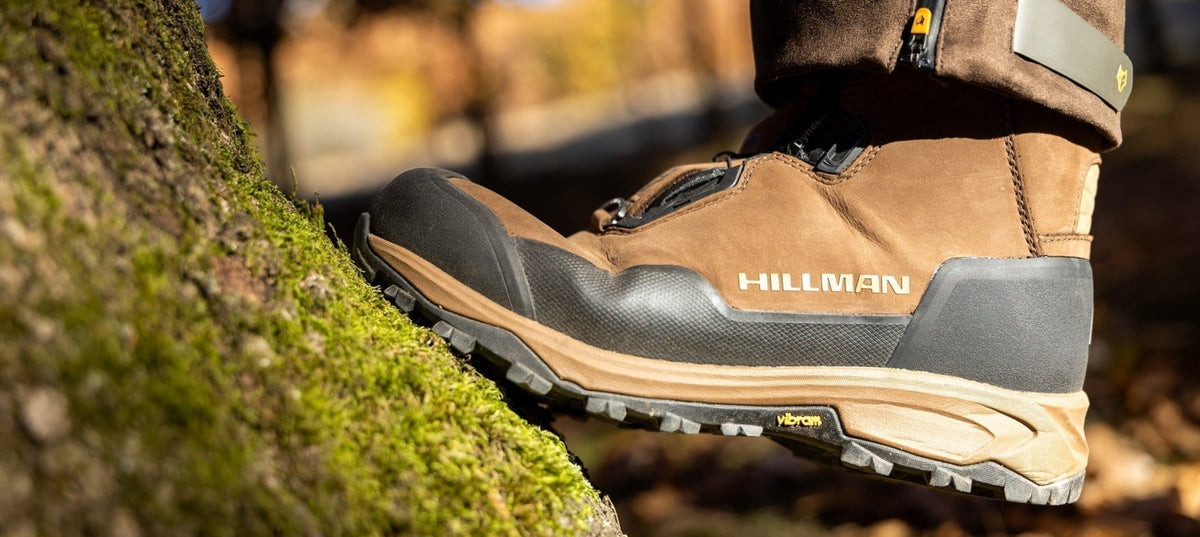
Anche la trazione influisce sull'intero sistema. Una suola stabile riduce le correzioni non necessarie e la tensione muscolare su terreni bagnati o irregolari. Vengono sviluppate mescole specifiche per superfici specifiche: Vibram Arctic Grip, utilizzata su Stivali Aerogel 2.0 di HillmanÈ progettato per garantire trazione sul ghiaccio bagnato. Fango, rocce sciolte e terreni boschivi misti potrebbero richiedere un diverso bilanciamento del battistrada.
I guanti devono fornire calore senza compromettere la destrezza necessaria per maneggiare l'attrezzatura in sicurezza. I polsini della giacca devono chiudersi sopra o sotto i guanti senza creare spazi vuoti. Cappelli e cappucci devono proteggere la testa preservando l'udito e la libertà di movimento.
Lo zaino deve essere riempito prima di valutare la giacca. Gli spallacci comprimono l'imbottitura, alterano la ventilazione e possono rendere inaccessibili le tasche. Una borsa impermeabile o una tasca interna asciutta proteggono inoltre mappe, licenze, guanti di ricambio e altra attrezzatura che deve rimanere utilizzabile in caso di pioggia.
Errore di vestibilità n. 7: scegliere l'abbigliamento da tiro basandosi solo sulla marca o sulla taglia.

Le taglie non sono standardizzate in tutte le collezioni. Una taglia media di una linea può differire da una taglia media di un'altra perché il modello, gli strati previsti e l'attività a cui è destinata sono diversi.
Che si tratti di abbigliamento Hillman, Deerhunter o di un altro marchio di abbigliamento da caccia completo, non date per scontato che la stessa taglia corrisponda alla stessa vestibilità. Confrontate le misure del corpo, le misure del capo finito (ove disponibili), le descrizioni della vestibilità e la posizione prevista del capo all'interno del sistema di stratificazione.
Una vasta collezione può includere strati baseCamicie, giacche, pantaloni, un abito completo, calzature e accessori. Il fatto che una gamma includa tutte queste categorie non significa che ogni articolo debba essere acquistato nella stessa taglia nominale.
Anche le etichette relative a colore e stile sono altrettanto limitate. Marrone, verde, grigio, blu o mimetico descrivono l'aspetto, non la protezione dalle intemperie, l'isolamento termico o la libertà di movimento. Nemmeno la disponibilità in magazzino e il prezzo scontato dovrebbero influenzare la scelta della taglia. Un capo scontato che stringe le spalle o lascia degli spazi vuoti sui polsini non rappresenta un miglior affare.
Test completo del sistema per attività all'aperto prima del primo ordine
Prima di effettuare il primo ordine, ricrea il sistema desiderato nel modo più fedele possibile. Controlla la tabella delle taglie prendendo le tue misure corporee con precisione e considera ogni strato che indosserai sotto il capo scelto.
Una volta che l'intero completo è disponibile, indossalo con veri stivali, calzini di lana, guantiZaino e imbracatura. Camminare, fare un passo alto, accovacciarsi, inginocchiarsi, sedersi, ruotare la testa e il busto e imbracciare l'arma più volte. Aprire la ventilazione mentre si indossa lo zaino. Raggiungere tutte le tasche importanti. Verificare che il cappuccio segua la testa e che i polsini dei pantaloni rimangano ben coperti sopra gli stivali.
Presta attenzione a cosa si muove quando il corpo si muove. Se alzando un braccio l'intera giacca si solleva, il modello o la taglia non sono adatti a quel movimento. Se i pantaloni scivolano giù durante un passo alto, anche le ginocchia articolate e la sovrapposizione dello stivale si sposteranno dalla loro posizione.
Non dimenticate di ripetere il test con le tasche cariche. Munizioni, telefono, radio e altri oggetti da campo aggiungono peso e modificano il modo in cui gli indumenti cadono.
La corretta vestibilità del sistema si ottiene quando gli strati mantengono contemporaneamente la gestione dell'umidità, l'isolamento termico, la protezione e la libertà di movimento. È questo che permette all'abbigliamento di passare inosservato al cacciatore, consentendogli di concentrarsi nuovamente sul percorso, sulle condizioni meteorologiche e sulla caccia.

Condividere: