Abbigliamento adatto alla caccia al cervo o al cinghiale nelle mattine umide e nelle serate fredde.
Table of Contents
Cosa indossare per una mattinata umida e una serata fredda durante una battuta di caccia al cervo o al cinghiale.
Abbigliamento da caccia a strati impermeabile e isolante per le mattinate di appostamento umide e le fredde serate di caccia. Giacche e pantaloni impermeabili per la caccia al cervo e al cinghiale.
Durante la parte attiva e umida della caccia, indossa uno strato base traspirante sotto una giacca impermeabile non imbottita. Porta con te lo strato isolante asciutto nello zaino e indossalo non appena termini la camminata, prima che il freddo serale inizi a penetrare negli indumenti umidi.
Questo approccio separa due problemi che spesso vengono trattati come uno solo. La pioggia richiede una barriera protettiva contro le intemperie. Un'attesa al freddo richiede un buon isolamento termico. Indossare tutto addosso all'alba di solito fa sì che il cacciatore si surriscaldi durante la salita e si raffreddi quando il ritmo rallenta.
Un pratico sistema di abbigliamento da caccia impermeabile Segue le variazioni dello sforzo piuttosto che la sola temperatura. La nostra regola sul campo è semplice: bloccare l'umidità esterna, disperdere il calore interno il prima possibile e riservare l'isolamento asciutto ai periodi di scarso movimento.
Perché un solo completo pesante da esterno può rovinare la giornata?
Un abbigliamento pesante non è in grado di regolare il calore prodotto durante una scalata e il freddo avvertito durante un turno di guardia serale.
Un cacciatore che si muove in salita attraverso la vegetazione può generare abbastanza calore corporeo da avvertire disagio negli abiti invernali nel giro di pochi minuti. Rimanendo fermo in un punto fisso più tardi nel corso della giornata, la produzione di calore diminuisce drasticamente. Il vento raggiunge il corpo più facilmente, i tessuti umidi iniziano a sembrare freddi e il terreno ghiacciato assorbe calore attraverso stivali, ginocchia e glutei.
Il sudore è spesso il punto di svoltaPuò sembrare innocuo durante l'avvicinamento, soprattutto se si indossa una giacca calda. Il problema diventa evidente dopo essersi fermati. Il CDC (Centers for Disease Control and Prevention) sottolinea che il raffreddamento causato dalla pioggia o dal sudore può contribuire all'ipotermia anche a temperature relativamente miti.
La ventilazione funziona al meglio prima che lo strato base si bagni. Apri la giacca, usa le cerniere di ventilazione sotto le ascelle o togli uno strato intermedio ai primi segni di surriscaldamento. Aspettare che il sudore inizi a colare lungo la schiena lascia alla membrana molta più umidità da disperdere.
Un buon abbigliamento da esterno dovrebbe consentire al cacciatore di rimanere entro un intervallo di temperatura gestibile. Sentire un leggero fresco durante i primi minuti di camminata è generalmente preferibile a iniziare la caccia già vestiti per l'ora più fredda della sera.
Realizzare abbigliamento da caccia impermeabile in funzione della caccia
Il guscio esterno protegge dalla pioggia, ma gli strati sottostanti determinano cosa accade al sudore e al calore intrappolato.
Un intimo termico sintetico è ideale per l'appostamento ad alta intensità perché allontana l'umidità e si asciuga rapidamente. La lana merino offre un equilibrio diverso: calore, controllo degli odori e una sensazione meno appiccicosa anche quando leggermente umida. Il cotone assorbe facilmente il sudore e lo rilascia lentamente, il che lo rende una scelta inadatta per una giornata che combina movimento, pioggia e attese al freddo.
Lo strato intermedio trattiene l'aria calda. Imbottitura in pile, lana e materiale sintetico comprimibile. Tutti questi indumenti possono svolgere questa funzione, ma non è necessario indossarli per tutta la durata del percorso. Conservate lo strato più caldo in una sacca impermeabile o in uno scomparto protetto dello zaino. Rimarrà utilizzabile per la sera solo se non ha già assorbito pioggia o sudore.
Lo strato esterno protegge da pioggia, vegetazione umida e vento. Durante la fase mattutina attiva, uno strato base e una giacca a vento non imbottita possono essere sufficienti. Una volta che il cacciatore si ferma, la stessa giacca dovrebbe poter essere indossata sopra l'imbottitura aggiuntiva senza stringere su spalle, fianchi o parte bassa della schiena.
Controlla l'intera combinazione prima della caccia. Alza il fucile, inginocchiati, sali un gradino e allunga il braccio oltre il corpo. Una giacca che tira sulla schiena può alterare l'imbracciatura del fucile. I pantaloni che stringono sui fianchi o sulle ginocchia rendono più difficile attraversare terreni accidentati. Avere spazio extra per vestirsi a strati è utile; tessuti larghi che si impigliano nei rami o si accumulano sotto lo zaino non lo sono.
Giacche impermeabili: cosa conta quando inizia a piovere?
UN giacca da caccia impermeabile presenta diversi possibili punti deboli. L'acqua può penetrare attraverso cuciture non sigillate, infiltrarsi nei polsini, accumularsi intorno alla chiusura frontale o scorrere sotto un cappuccio mal regolato.
Una membrana impermeabile è solo una parte della costruzione. La pioggia persistente richiede anche cuciture termosaldate, cerniere protette, polsini regolabili e un cappuccio che segua i movimenti della testa senza ostruire la visione periferica. Le cerniere di ventilazione sotto le ascelle o una cerniera frontale a doppio cursore offrono al cacciatore un modo meccanico per disperdere il calore quando la membrana non riesce a disperdere il sudore abbastanza rapidamente.
I dati pubblicati relativi all'impermeabilità e alla traspirabilità necessitano di un contesto. Hillman indica una colonna d'acqua di 11.000 mm e un MVTR di 32.000 g/m²/24 h per l'AlphaShell 5WL. Questi valori descrivono le prestazioni del materiale nelle condizioni di prova dichiarate. Non indicano come veste il cappuccio, come sono sigillate le cuciture o quanto calore produrrà un determinato cacciatore. Anche i test di traspirabilità possono variare tra i diversi produttori, quindi i dati sono da considerarsi più come riferimenti tecnici che come parametri di confronto assoluti.
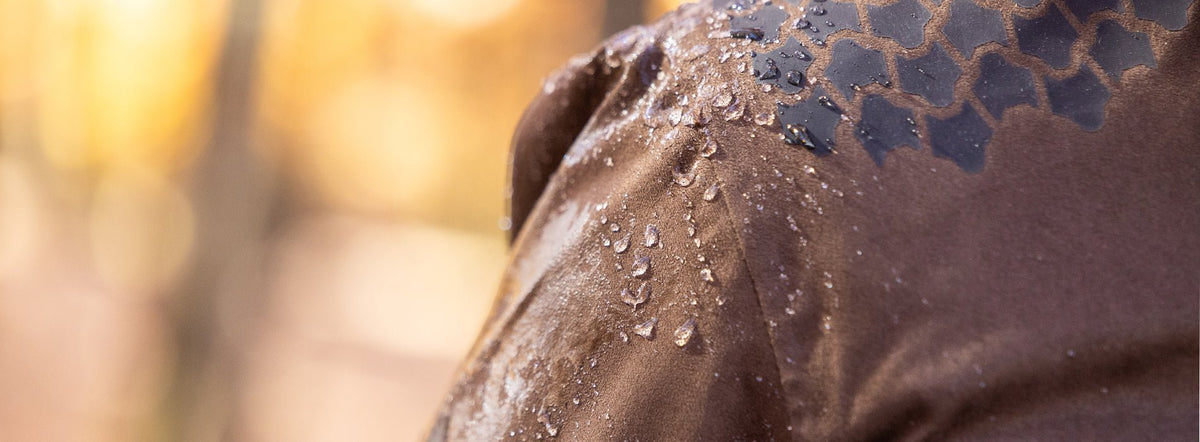
Il trattamento DWR ha una funzione specifica. Aiuta la pioggia a scivolare via dalla superficie esterna anziché impregnare il tessuto interno. Non si tratta della membrana impermeabile. Una giacca può rimanere impermeabile anche dopo che il tessuto esterno si è bagnato, ma in genere risulterà più pesante e trasuderà l'umidità con minore facilità.
La costruzione a tre strati è adatta al contatto frequente con rami, rocce e cinghie dello zaino, poiché il tessuto esterno, la membrana e il rivestimento protettivo sono uniti tra loro. Le giacche più leggere possono essere ripiegate in spazi più ridotti, sebbene la loro idoneità per terreni accidentati dipenda dal tessuto esterno e dai rinforzi.
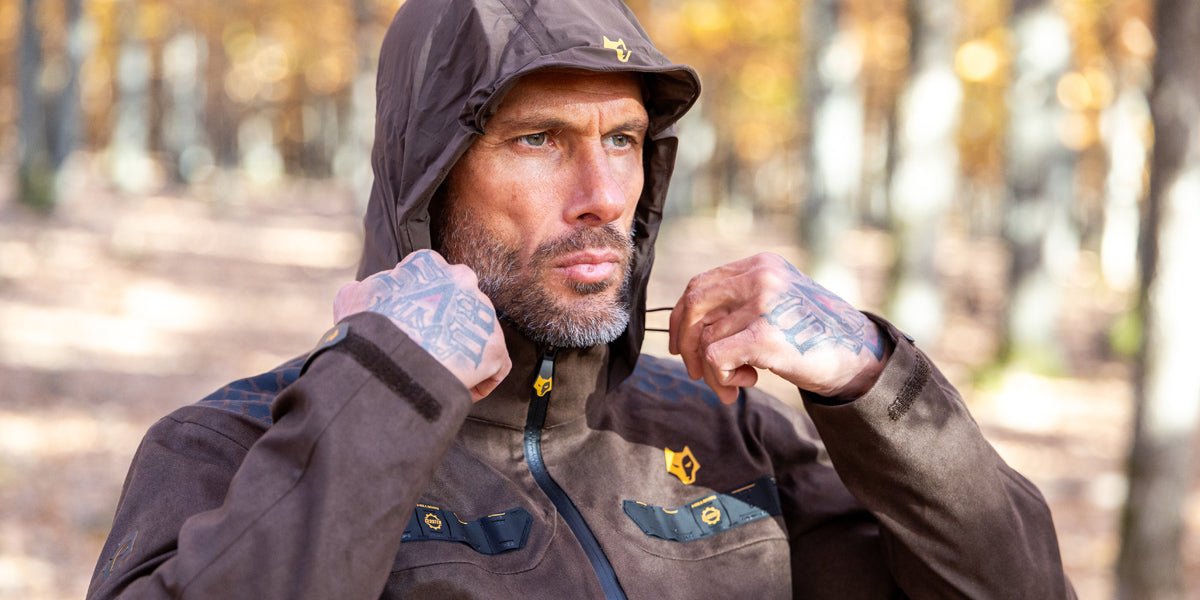
IL Giacca impermeabile AlphaShell 5WL Si tratta di una giacca a guscio non imbottita, pensata per questo tipo di giornate variabili. Le sue specifiche includono una membrana Dryhunt®, trattamento DWR C0, cuciture completamente nastrate e cerniere YKK AquaGuard. Le aperture di ventilazione sotto le ascelle, la cerniera frontale a doppio cursore e gli inserti sotto le ascelle risolvono i problemi di calore e di libertà di movimento che si presentano durante l'attività di caccia.
Giacca da tiro impermeabile o giacca da tiro tradizionale?
Una giacca da caccia impermeabile è progettata per resistere a un'esposizione prolungata alla pioggia. Molte giacche da caccia tradizionali sono pensate principalmente per il calore, la praticità delle tasche e lo stile country. Il tweed e i tessuti trattati possono resistere alla pioggerella, ma l'impermeabilità non deve essere confusa con un capo con membrana e cuciture termosaldate.
Il taglio è importante durante il tiro. Le giacche da tiro da uomo devono avere spazio sufficiente sulle spalle e sulla parte superiore della schiena per un'imbracciatura naturale, senza sollevarsi sull'orlo. Le tasche per le cartucce devono rimanere accessibili quando si indossa una zaino, imbracatura per binocolo o cintura in vita. Un maggior numero di tasche non rende automaticamente una giacca più pratica; la loro posizione e la direzione di apertura determinano se possono essere utilizzate senza interrompere la postura.
Anche il rumore influisce sulla scelta. Un tessuto esterno rigido può essere accettabile durante una battuta di caccia in cui il mimetismo è meno necessario. Durante un appostamento ravvicinato al cervo, il fruscio ripetuto contro la vegetazione può rivelare i movimenti. I tessuti esterni in poliestere spazzolato e microsuede riducono il suono rigido e plastico tipico degli indumenti antipioggia di base.
Le migliori giacche da caccia per condizioni di umidità combinano la protezione dalle intemperie con il taglio, la disposizione delle tasche e le proprietà acustiche richieste dal tipo di caccia. Nessun modello è ugualmente adatto a un appostamento silenzioso, a una giornata di caccia in battuta e a diverse ore trascorse accanto a un'altana esposta.
Quando è utile una giacca impermeabile mimetica?
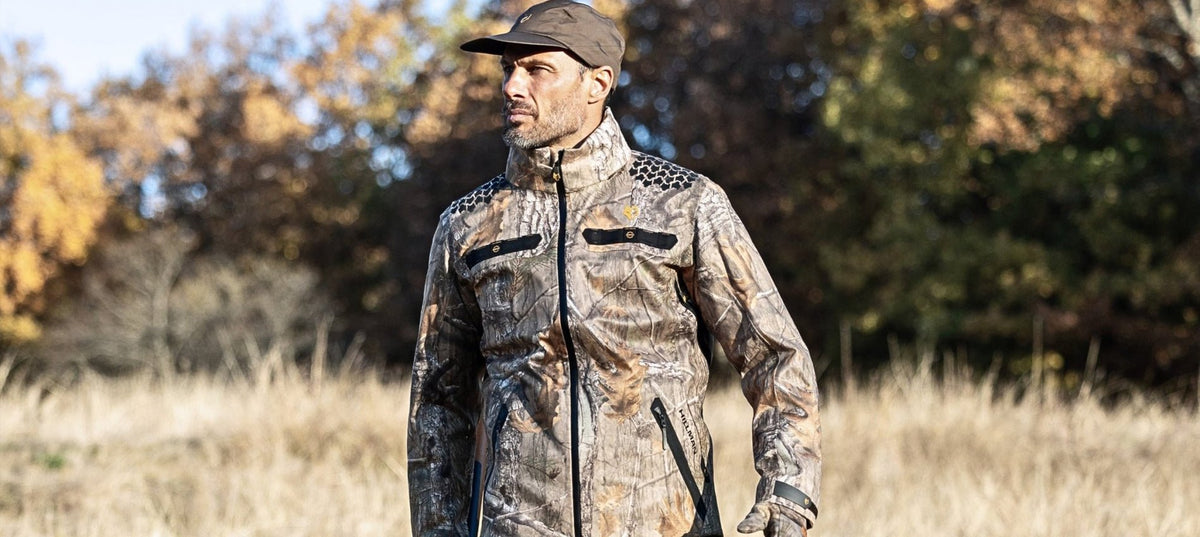
Una giacca impermeabile mimetica è utile quando il motivo si mimetizza con la vegetazione e il mimetismo è parte integrante della tecnica di caccia.
Nel bosco spezzato, camuffare può interrompere il profilo riconoscibile delle spalle e della parte superiore del corpo. In spazi aperti, il movimento lento, l'ombra e la posizione possono avere un effetto maggiore rispetto al motivo stesso. Una stampa non corrispondente può creare un forte blocco di contrasto anziché ridurre la visibilità.
La caccia al cinghiale in battuta comporta specifici requisiti di sicurezza. Le normative locali, le disposizioni della tenuta o l'organizzatore della caccia possono richiedere indumenti arancioni o altri elementi ad alta visibilità. Tali disposizioni hanno la precedenza sul mimetismo. Il mimetismo può essere parte integrante dell'abbigliamento da caccia, ma non deve interferire con la chiara identificazione delle postazioni di tiro.
Pantaloni da caccia per terreni bagnati e soste a freddo
L'erba bagnata spesso inzuppa le gambe prima che la pioggia raggiunga la parte superiore del corpo. Ogni passo preme l'umidità contro ginocchia, cosce e parte inferiore delle gambe, mentre inginocchiarsi aumenta la pressione nei punti più vicini al terreno.
I pantaloni da caccia impermeabili e leggeri sono generalmente più facili da regolare durante un avvicinamento attivo rispetto ai pantaloni imbottiti. Proteggono da pioggia e vento senza trattenere eccessivamente il calore a livello dei grandi muscoli delle gambe.
Le cerniere laterali a tutta lunghezza risolvono un problema pratico: i pantaloni possono essere indossati sopra gli scarponi da caccia quando il tempo cambia. Aprire parzialmente le cerniere permette inoltre di disperdere il calore su terreni scoscesi. Ginocchia rinforzate, vestibilità ergonomica e caviglie regolabili contribuiscono a garantire un movimento fluido del capo, evitando che il tessuto si accumuli intorno allo scarpone.
IL Pantaloni impermeabili AlphaShell 5WL Non sono imbottiti e pesano 560 g nella taglia di riferimento indicata. Le loro specifiche includono una colonna d'acqua di 11.000 mm, cuciture completamente nastrate, cerniere laterali YKK AquaGuard a tutta lunghezza e un punto di ventilazione in vita alta. Le ginocchia rinforzate antiscivolo proteggono la zona esposta al contatto ripetuto con terreni bagnati o irregolari.
Perché i normali pantaloni da tiro potrebbero non essere adatti
I tradizionali pantaloni da caccia possono essere comodi durante le giornate autunnali asciutte, in caso di pioggerella leggera o per un utilizzo sul campo meno impegnativo. La pioggia costante e il contatto ripetuto con la vegetazione bagnata mettono a dura prova i tessuti impermeabili.
Un tessuto trattato con DWR può ritardare la saturazione, ma non sostituisce un membrana impermeabile e cuciture sigillate. La neve bagnata è particolarmente impegnativa perché rimane a contatto con il capo intorno a ginocchia, cosce e glutei anziché scivolare via immediatamente.
Anche la costruzione richiede attenzione. I rinforzi dovrebbero proteggere le zone soggette a maggiore usura senza trasformare la gamba in un pannello rigido. Le ginocchia articolate dovrebbero seguire i movimenti del corpo durante l'arrampicata e l'accovacciamento. Le cuciture posizionate direttamente sui punti di pressione possono risultare scomode durante una prolungata posizione inginocchiata, anche se il tessuto in sé è performante.
Quando i pantaloni da caccia impermeabili e isolanti diventano degni del loro peso
I pantaloni isolanti si rivelano indispensabili quando la battuta di caccia prevede lunghe soste al freddo, neve bagnata, terreno ghiacciato o scarse possibilità di movimento.
Durante la camminata, le gambe producono una notevole quantità di calore. Una volta che il cacciatore si ferma, questa produzione diminuisce e la parte inferiore del corpo inizia a raffreddarsi a causa del vento e del contatto con il terreno. Una giacca calda non può compensare completamente la presenza di pantaloni bagnati o scarsamente isolanti.
Pantaloni da caccia Fusion Questi capi si collocano nella fascia più leggera dell'abbigliamento impermeabile e isolante. Utilizzano una membrana impermeabile e traspirante Atmotec®, cuciture termosaldate, trattamento DWR e imbottitura in fibra cava Duraheat®. Questa struttura è adatta a condizioni climatiche moderatamente fredde in cui è comunque possibile muoversi durante la giornata.
IL Pantaloni da caccia invernali AlphaShell 6OL Sono pensati per battute di caccia più fredde e meno impegnative. La loro struttura isolante e impermeabile, unita all'ampia copertura della parte superiore del corpo, li rende più adatti alla neve, alle postazioni esposte e alle lunghe attese che a un faticoso avvicinamento in salita.
Non indossate pantaloni da caccia impermeabili e imbottiti solo perché le previsioni del tempo annunciano freddo. Sceglieteli in base alla parte meno attiva della giornata e valutate se potete portarli con voi o se è meglio indossarli prima che inizi quella fase.
Come la caccia al cervo e al cinghiale cambia la scelta dell'abbigliamento
caccia al cervo Dà priorità alla silenziosità dei movimenti, al minimo ingombro e alla termoregolazione. Il cacciatore può arrampicarsi, osservare con il binocolo, accovacciarsi, muoversi di nuovo e trascorrere solo una parte della giornata in attesa. Una giacca a guscio non imbottita indossata sopra strati regolabili offre solitamente un maggiore controllo rispetto a una pesante tuta da caccia indossata continuamente.
Il rumore del tessuto diventa più evidente a distanza ravvicinata. La giacca deve rimanere silenziosa quando si alza il fucile, mentre i pantaloni devono avere una sufficiente libertà di movimento per i passi bassi e per inginocchiarsi. Portate con voi l'imbottitura isolante durante la fase attiva e aggiungetela prima di ispezionare il terreno per un periodo prolungato o di sistemarvi nella posizione finale.
La caccia al cinghiale può mettere a dura prova l'abbigliamento. Spine, fango e vegetazione fitta aumentano l'abrasione intorno a ginocchia, gambe, spalle e avambracci. Pannelli rinforzati e cerniere protette offrono in questo caso un vantaggio pratico maggiore rispetto alla sola leggerezza.
Una battuta di caccia può prevedere una breve camminata seguita da ore in appostamento. Aprite la giacca o riducete gli strati durante l'avvicinamento, anche se l'aria mattutina è fredda. Rivestitevi nuovamente con indumenti isolanti non appena raggiungete il luogo assegnato. Verificate le norme di visibilità stabilite dall'organizzatore prima di scegliere indumenti esterni di colore verde, marrone, blu o mimetico.
Aggiungete calore prima che arrivi la fredda sera
Aggiungere lo strato isolante asciutto al termine della fase attiva, non dopo l'inizio del brivido.
Nei primi minuti dopo aver iniziato a camminare, il corpo continua a trattenere il calore. Sfrutta questo lasso di tempo. Indossa uno strato intermedio, chiudi le cerniere di ventilazione sotto le ascelle, regola l'orlo e i polsini e copri testa e collo. In questo modo, conserverai il calore già prodotto dal corpo.
Uno strato base bagnato cambia le carte in tavola. Indossare altri indumenti sopra potrebbe intrappolare l'umidità vicino alla pelle. Se lo zaino lo permette, porta con te una maglia asciutta in una sacca impermeabile e cambiati prima dell'attesa serale. Guanti asciutti, un cappello e calze di lana occupano poco spazio rispetto al comfort che possono offrire.
Tratta le gambe con la stessa cura. Cambiati in pantaloni isolanti impermeabili Prima di sedersi o stare in piedi vicino a un terreno ghiacciato, è necessario indossare stivali impermeabili, con un isolamento adeguato e una buona aderenza su fango, neve o ghiaccio. Le linee guida NIOSH sullo stress da freddo raccomandano di indossare abiti larghi a strati, stivali impermeabili e isolanti e di portare con sé calze, guanti, cappelli e indumenti esterni di ricambio in caso di esposizione prolungata al freddo.
L'attrezzatura migliore per la caccia in climi estremamente freddi è anche la più pesante?
Una giacca spessa indossata durante un avvicinamento impegnativo può lasciare la fodera e gli strati sottostanti umidi. Può anche interferire con i movimenti delle spalle, con la vestibilità dello zaino e con la maneggevolezza silenziosa del fucile. Un maggiore isolamento termico è di scarsa utilità se utilizzato nella fase sbagliata della caccia.
La protezione dal vento merita un'attenzione particolare. L'isolamento termico rallenta la dispersione del calore, mentre una giacca antivento protegge la sacca d'aria calda che circonda il corpo. In zone esposte, crinali e boschi aperti, la temperatura percepita può essere molto più bassa rispetto a terreni riparati, a parità di temperatura ambiente.
Pianifica tenendo conto del periodo più freddo e con minori prestazioni, poi decidi come far sì che l'attrezzatura arrivi asciutta a quel punto. Una giacca isolante ripiegabile, pantaloni caldi, guanti e calzini di ricambio potrebbero essere più utili la sera rispetto a indossare un abito pesante dall'alba.
Cosa controllare prima del primo ordine di abbigliamento impermeabile per esterni
Iniziate la vostra ricerca concentrandovi prima sulla caccia vera e propria, piuttosto che su una generica indicazione della temperatura. Stimate la distanza e il dislivello del percorso di avvicinamento, le precipitazioni previste, l'esposizione al vento e il tempo che trascorrerete fermi.
Leggete le specifiche tecniche anziché affidarvi a termini come "impermeabile" o "per tutte le stagioni". Verificate la membrana, la colonna d'acqua, la costruzione delle cuciture, la ventilazione, l'isolamento e il tessuto esterno. Esaminate con la stessa attenzione riservata al materiale principale la regolazione del cappuccio, il design dei polsini e l'accesso alle tasche.
La vestibilità deve essere verificata con gli strati di abbigliamento che si intendono indossare sotto. Consultare la tabella delle taglie specifica per il modello e confrontarla con le proprie misure corporee. I tagli possono variare tra giacche e pantaloni da caccia della stessa marca. Se si prevede di indossare biancheria intima termica o un isolamento più spesso, è necessario tenere conto di questo volume aggiuntivo prima di scegliere la taglia.
Verifica la disponibilità attuale sulla pagina del prodotto, soprattutto se stai componendo un completo giacca e pantaloni. Un prezzo scontato è conveniente solo se il capo si adatta al sistema di stratificazione che hai pianificato e alle condizioni in cui lo indosserai.
La cura influisce sulle prestazioni future. Seguire le istruzioni sull'etichetta, chiudere le chiusure a strappo ed evitare l'uso di ammorbidente se sconsigliato dal produttore. Quando l'acqua smette di scivolare via dal tessuto esterno, il trattamento DWR potrebbe necessitare di pulizia, attivazione termica o rinnovo, secondo le istruzioni del capo.
Vestiti per la prossima parte della caccia
Inizia la mattinata piovosa in un strato base traspirante e guscio impermeabile leggero. Mantieni l'isolamento protetto all'interno dello zaino.
Ventilare ai primi segni di eccessivo calore. Al termine della fase attiva, aggiungere uno strato asciutto mentre il corpo è ancora caldo. Utilizzare pantaloni isolanti in caso di vento, neve, terreno ghiacciato o prolungata posizione statica.
Questo è lo scopo operativo di abbigliamento da caccia impermeabileL'abbigliamento si adatta alla caccia: protezione dalla pioggia durante gli spostamenti, ventilazione controllata durante la salita e calore asciutto per le ore fredde che seguono.
Pieter Van Dalen looks at hunting clothing from the inside out. Fabrics, membranes, insulation, seams, ventilation, zippers and wear resistance are the details he pays attention to, especially when they affect comfort in rain, cold or heavy movement. He writes for hunters who want to understand why one jacket breathes better than another, why some boots stay dry longer, and why material choice matters after the first season of use.
La scelta dell'abbigliamento antipioggia più adatto per la caccia dipende dal tempo di esposizione, dallo sforzo fisico e dalle caratteristiche del terreno, piuttosto che da singoli test di valutazione. Mentre le giacche ripiegabili offrono una protezione leggera per gli acquazzoni improvvisi, i sistemi impermeabili per l'intera giornata garantiscono una difesa duratura contro pioggia continua, vento e vegetazione abrasiva. Un'adeguata ventilazione, una costruzione ergonomica e un sistema di strati traspiranti assicurano di rimanere asciutti sia dalle precipitazioni esterne che dalla condensa interna.
L'affidabilità di un capo di abbigliamento da caccia impermeabile dipende dalla sua costruzione, e la realizzazione delle cuciture gioca un ruolo fondamentale nel tenere fuori la pioggia laddove i tessuti da soli non bastano. Questa guida spiega come cuciture, pannelli di rinforzo, articolazioni, membrane e vestibilità lavorano insieme per mantenere i cacciatori asciutti, comodi e liberi di muoversi con naturalezza nelle condizioni più impegnative sul campo.
Le migliori giacche da caccia si distinguono per i piccoli dettagli che si apprezzano solo una volta sul campo. Questa guida spiega come vestibilità, tasche, polsini, cappucci, tessuti e protezione dalle intemperie influenzino comfort, libertà di movimento e prestazioni durante le battute di caccia al cervo e al cinghiale.
Il rodaggio degli scarponi da caccia non consiste nel forzare la pelle rigida ad ammorbidirsi durante la notte. Si tratta piuttosto di imparare a conoscere il comportamento degli scarponi prima che terreni accidentati, intemperie e lunghe ore di utilizzo inizino a evidenziare eventuali problemi. Un rodaggio adeguato vi dà il tempo di sistemare il movimento del tallone, i punti di pressione, le calze e il supporto prima che la caccia entri nel vivo.
L'articolo esamina i migliori indumenti antipioggia per la caccia del 2026, pensati per le condizioni meteorologiche imprevedibili e spesso estreme del Regno Unito e dell'UE. Sottolinea l'importanza di un equipaggiamento traspirante, leggero, silenzioso e resistente per i diversi stili di caccia e terreni. L'abbigliamento antipioggia di Hillman viene evidenziato come uno dei migliori, superando la concorrenza in termini di versatilità e resistenza alle intemperie. L'articolo offre anche consigli pratici su come vestirsi a strati, sulla manutenzione dell'attrezzatura e sulla scelta della configurazione più adatta per la caccia d'appostamento nei boschi, in collina e in battuta.
Per la caccia su terreni misti, non esiste lo scarpone perfetto: esiste solo quello che rimane stabile, asciutto e offre supporto al variare delle condizioni. Un solo paio è sufficiente se versatile e affidabile, ma due paia sono utili in ambienti umidi dove il tempo di asciugatura è fondamentale. In definitiva, la calzata, il periodo di rodaggio e le prestazioni sul campo contano più delle etichette o delle categorie.
Scegliere degli scarponi da caccia per terreni sconosciuti è una questione di equilibrio, non di marche o reputazione. Quando aderenza, calzata, impermeabilità, isolamento e supporto lavorano in sinergia, gli scarponi si integrano perfettamente nell'ambiente circostante e consentono movimenti naturali al variare delle condizioni. Il paio giusto mantiene i piedi asciutti, stabili e comodi per lunghe ore, anche quando il terreno e il meteo si rifiutano di comportarsi come previsto.
Questo articolo spiega perché un equipaggiamento da caccia leggero sia importante per chi viaggia spesso, sottolineando come il peso eccessivo disperda energia, rallenti i movimenti e comprometta la concentrazione. Evidenzia come un abbigliamento adattabile, traspirante e facilmente ripiegabile migliori il comfort in condizioni climatiche variabili e semplifichi la logistica del viaggio. In definitiva, sostiene che un equipaggiamento leggero rappresenti un investimento a lungo termine perché riduce gli ostacoli, semplifica le decisioni e favorisce prestazioni migliori sul campo.
La caccia in paesi con temperature variabili richiede giacche che si adattino alle oscillazioni climatiche, passando da mattine fredde a giornate calde e viceversa. Le migliori giacche da caccia moderne offrono un equilibrio ottimale tra isolamento termico, traspirabilità, protezione dalle intemperie e libertà di movimento, senza necessità di continue regolazioni. In definitiva, versatilità e vestibilità sono più importanti di qualsiasi singola caratteristica, consentendo ai cacciatori di concentrarsi sul campo anziché sulle previsioni del tempo.
L'equipaggiamento da caccia si è evoluto, passando da pesanti indumenti di lana e cuoio a attrezzature tecniche e leggere che migliorano comfort, sicurezza e prestazioni sul campo. Mentre un tempo la tradizione influenzava l'abbigliamento tanto quanto la funzionalità, i materiali moderni privilegiano oggi la protezione dalle intemperie, la mobilità e l'efficienza. I cacciatori di oggi coniugano tradizione e tecnologia, adattandosi alle mutevoli condizioni senza perdere il rispetto per le radici di questo sport.
Prepararsi per una battuta di caccia all'estero significa portare con sé attrezzatura affidabile e pratica che vi permetta di stare comodi, concentrati e pronti ad affrontare condizioni sconosciute. Date la priorità ad abbigliamento, scarponi, ottiche e accessori essenziali per il campo, piuttosto che a oggetti superflui. Un bagaglio ben studiato vi proteggerà dalle energie, affinerà le vostre decisioni e vi permetterà di godervi appieno l'esperienza, ovunque decidiate di cacciare.
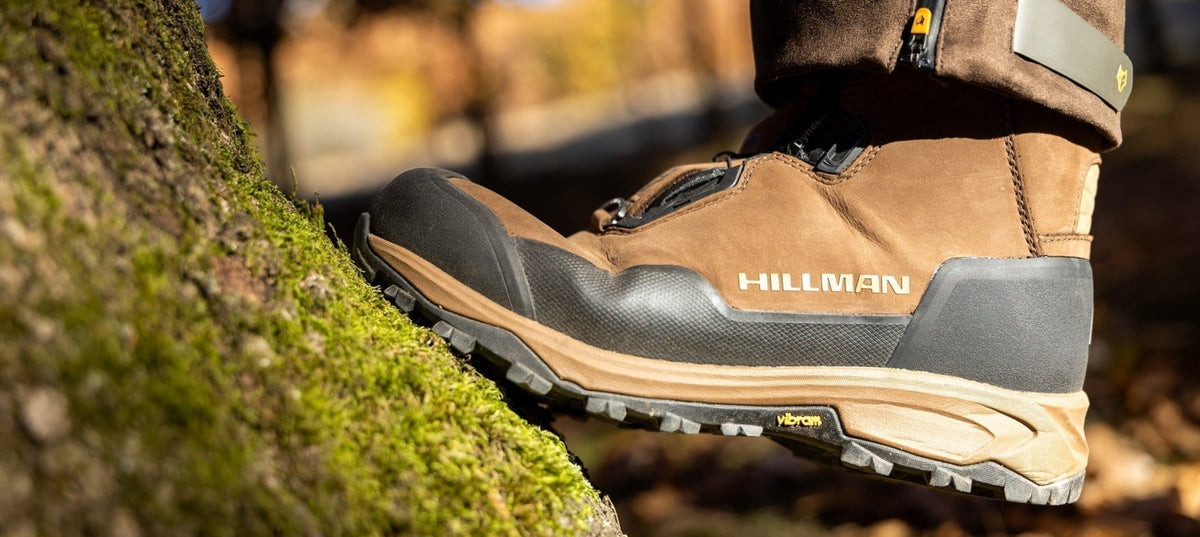
I migliori stivali da caccia in pelle offrono un equilibrio perfetto tra comfort, resistenza e protezione su qualsiasi terreno e in qualsiasi clima. I modelli artigianali di Hillman combinano pelle di prima qualità, membrane impermeabili e un supporto superiore alla caviglia per mantenere i cacciatori stabili, al caldo e all'asciutto in ogni stagione. Progettati per la resistenza piuttosto che per il lusso, trasformano i terreni accidentati in una base d'appoggio sicura e le lunghe battute di caccia in un comfort duraturo.
Devo indossare una giacca da caccia impermeabile per tutta la durata della caccia?
Indossala quando pioggia, vento o vegetazione bagnata comportano un'esposizione significativa. Apri le prese di ventilazione durante gli spostamenti impegnativi e togli brevemente il guscio se le condizioni meteorologiche e il terreno lo consentono. Una membrana traspirante non può compensare indefinitamente un isolamento eccessivo o un'andatura che provoca una forte sudorazione.
Ho bisogno di pantaloni impermeabili imbottiti per una caccia di avvicinamento attiva al cervo?
Di solito non durante la fase attiva. I pantaloni guscio leggeri consentono di regolare più facilmente la temperatura corporea. I pantaloni imbottiti diventano più utili dopo l'avvicinamento, durante lunghe osservazioni con il binocolo o quando la posizione finale è esposta al vento e al terreno freddo.
Come posso ridurre la sudorazione all'interno dell'abbigliamento da caccia impermeabile?
Parti con meno strati, apri le prese di ventilazione prima di sentire caldo e mantieni un'andatura controllata nei tratti ripidi. Porta con te lo strato isolante invece di indossarlo durante l'intero avvicinamento. Vale la pena mettere nello zaino uno strato base asciutto di ricambio se la sera farà freddo.
Quali caratteristiche devo cercare nelle migliori giacche da caccia per il tiro in condizioni di pioggia?
Verifica che siano presenti una membrana impermeabile, cuciture nastrate, cerniere protette, un cappuccio che preservi la visione periferica e una mobilità delle spalle sufficiente per imbracciare l'arma. L'accessibilità delle tasche e la rumorosità del tessuto devono essere adatte al tipo di caccia praticato.
Le giacche impermeabili sono necessarie per le condizioni di caccia nel Regno Unito?
Un guscio impermeabile è una scelta sensata nell'abbigliamento da caccia nel Regno Unito, poiché pioggia persistente, vento e vegetazione bagnata possono essere frequenti durante gran parte della stagione. La giacca deve comunque offrire una ventilazione sufficiente per camminare e un taglio compatibile con l'arma da fuoco e l'attrezzatura da campo.
L'abbigliamento mimetico impermeabile è necessario per la caccia al cinghiale?
No. Il terreno, il tipo di caccia e le norme locali sulla visibilità sono fattori decisionali più importanti. Nelle battute di caccia organizzate può essere obbligatorio indossare l'arancione o un altro colore ad alta visibilità, anche quando il resto dell'abbigliamento è mimetico.
Con quale frequenza va lavato l'abbigliamento da caccia impermeabile?
Lavalo quando sporco, sudore o residui iniziano a compromettere il comfort o l'idrorepellenza. Segui le istruzioni specifiche del singolo capo. Evita detergenti non adatti e ammorbidenti e ripristina il trattamento DWR esclusivamente con un prodotto approvato per quel tessuto.
Scelto da migliaia di persone - Realizzato apposta per te!
Un servizio clienti che rende la tua esperienza eccezionale.
Spedizione gratuita veloce
Spedizione gratuita per tutti gli ordini UE superiori a 299 €.
Consegna senza problemi
Zero dazi doganali e zero costi nascosti per tutti i paesi dell'UE. Procedura semplificata.
Sicuro al 100%.
Massima sicurezza nell'elaborazione dei pagamenti e delle informazioni personali.
Hillmanhunting.com is our official online hunting shop in English, dedicated to hunters from Austria, Belgium, Bulgaria, Croatia, Cyprus, Czechia, Denmark, Estonia, Finland, France, Germany, Greece, Hungary, Ireland, Italy, Latvia, Lithuania, Luxembourg, Malta, the Netherlands, Poland, Portugal, Romania, Slovakia, Slovenia, Spain, Sweden, Norway, Iceland, the United Arab Emirates, Russia, Serbia, Israel, Armenia, Turkey, and Lebanon. You may also visit Hillman's websites in
German,
French,
Български,
Română, and in English:
Hillman North America |
Hillman UK.
Scegliendo una selezione si ottiene un aggiornamento completo della pagina.



Condividere: