
Tvari medžioklės įranga: kaip ekologiškos medžiagos keičia žaidimo taisykles

Sužinokite, kaip tvari medžioklės įranga ir ekologiškos medžiagos padeda apsaugoti laukinės gamtos buveines ir užtikrina patikimą veikimą lauke.
Dauguma medžiotojų pastebi pokyčius žemėje gerokai anksčiau nei likęs pasaulis. Sausas pavasaris, kuris turėjo būti žalias. Miško ruožas, kuriame žemė atrodo kitaip nei pernai. Mažiau paukščių plotelyje, kuris paprastai auštant būna triukšmingas. Jei atkreipi dėmesį, reljefas kalba, o pastaruoju metu istorijos keičiasi.
Tai viena iš priežasčių, kodėl tvari medžioklės įranga nėra tik dar viena mada. Ji kyla iš medžiotojų, stebinčių natūralią aplinką, kurioje jie juda: miškus, laukus, upelius, tankias grobio nakvynės vietas, ir suvokiančių, kad gamtosaugos pastangos turi atsispindėti kasdieniuose pasirinkimuose. Dėvimuose drabužiuose. Nešiojamose medžiagose. Net maskuojamieji drabužiai buvo ištraukti iš kuprinės.
Tvarios medžioklės praktika nereiškia kažko atsisakymo. Tai reiškia kažko išsaugojimą. Žemę, gyvūnus ir metų laikus, nuo kurių visi esame priklausomi. O prekių ženklams pereinant prie tvarių medžiagų ir... ekologiškos medžiagos, įranga pradeda atrodyti ir jaustis kitaip: lengvesnis, švaresnis, sukurtas su didesniu sąmoningumu.
Medžiotojai visada rėmėsi striukių, kelnių ir drabužių sluoksnių patvarumu, šiluma ir stabilumu. Tačiau dabar prie šio seno sąrašo pridėtas naujas lūkestis: tvarumas. Jei medžioklės įranga gali atlikti savo funkciją neapkraudama aplinkos daugiau, nei jai reikia, tai yra geriausias medžiotojo pasirinkimas.
Tvari medžioklės įranga ir kodėl ji svarbiau nei bet kada anksčiau

Praleiskite pakankamai laiko lauke ir pradėsite matyti mažus pokyčius, kurie kaupiasi. Žemės sklypas, kuriame plinta invaziniai augalai. Pėdsakai, kuriuos anksčiau matydavote kiekvieną metų laiką, staiga išnyksta. Vanduo telkšo tose vietose, kur niekada nestovėjo. Šie pokyčiai kyla dėl daugelio šaltinių, tačiau poveikis aplinkai visada yra istorijos dalis.
Tvari medžioklės įranga yra atsakas į tai: būdas gerbti gamtą ir vis tiek gilintis į ją. Naudojant tvarias medžiagas mažinamas gamtos išteklių naudojimas, ir stebina, kiek daug skirtumo gali padaryti tinkama įranga. Viena striukė pagaminta iš perdirbtų medžiagų, o ne iš žalių audinių. Vienos kelnės pagamintos naudojant švaresnius procesus. Vienas sluoksnis, kurio gamybai sunaudojama mažiau vandens. Smulkūs dalykai, bet jie prisideda prie kažko didesnio.
Kaip tvari medžioklės įranga mažina poveikį aplinkai

Kiekvienas komponentas svarbus: audinys, izoliacija, spalva, maskuojantis raštas ir net siūlai. Tvari medžioklės įranga padeda išvengti nereikalingų atliekų ir sumažina kenksmingų cheminių medžiagų naudojimą. Medžiotojai ne visada gali tai tiesiogiai matyti, tačiau skirtumas laikui bėgant išryškėja – upeliai tampa švaresni, dirva sveikesnė, o laukinės gamtos buveinės tampa stabilesnės.
Medžiotojų vaidmuo šiuolaikinėje tvarioje medžioklės praktikoje
Medžiotojai jau seniai supranta gamtosaugos svarbą, net jei likęs pasaulis šią dalį pamiršta. Žymės, apribojimai, buveinių priežiūra – visa tai skirta biologinės įvairovės išsaugojimui ir gyvūnų ateities užtikrinimui. Tvarios medžioklės praktikos tiesiog perkelia šią mąstyseną į pačią įrangą.
Kai medžiotojai renkasi drabužius ir aksesuarus, pagamintus iš tvarios medžiagos, jie palaiko aplinką, nuo kurios priklauso. Tai tylus, bet galingas pasirinkimas.
Maskuojantys drabužiai, sukurti su tikslu ir atsakomybe

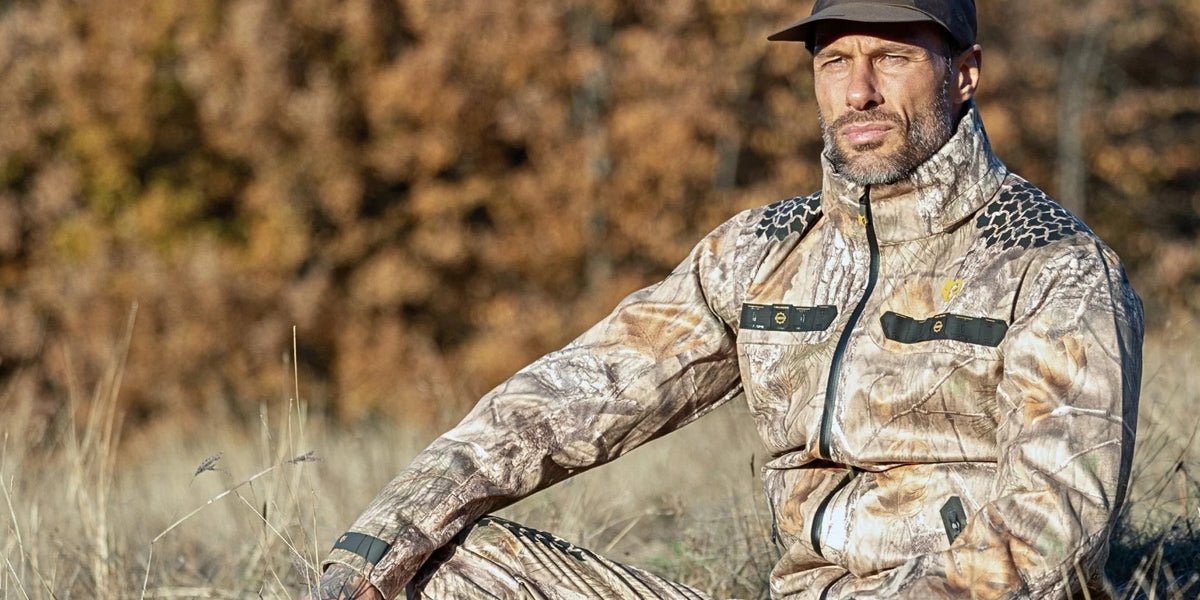
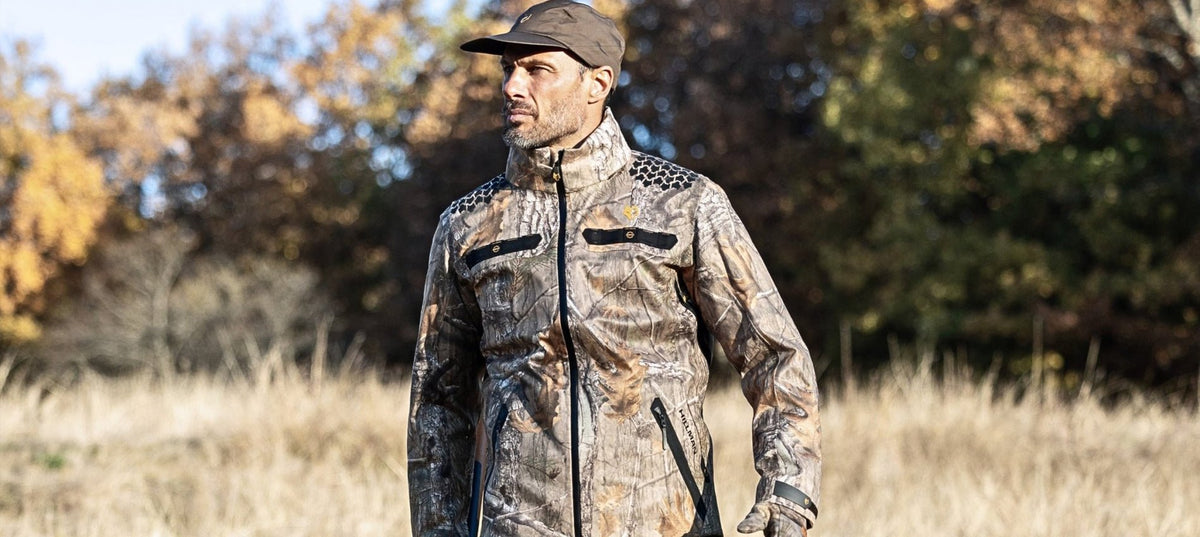
Gerai maskuojamieji drabužiai niekada neklykia dėl dėmesio. Jie susilieja, sušvelnina kraštus, išblukina formą. Medžiotojai pasikliauja maskuojančiais raštais, nes grobis mato judesį ir kontūrus anksčiau nei pastebi ką nors kita. Tačiau maskuojamųjų drabužių istorija taip pat keičiasi. Svarbu ne tik susilieti su reljefu; svarbu jam nepakenkti.
Maskuojantys drabužiai, pagaminti iš ekologiškų medžiagų
Tradiciniam maskuojančiajam audiniui anksčiau reikėjo stiprių dažų ir cheminių vonių. Dabar daugelis prekių ženklų perėjo prie ekologiškų medžiagų: perdirbtų pluoštų, augalinių dažiklių ir spausdinimo metodų, kurie naudoja mažiau vandens. Tokiu būdu pagaminti drabužiai palieka mažiau teršalų.
Medžiotojai vis dar gauna šilumą, patvarumą ir laidumą orui, kurio tikisi, tačiau drabužių poveikis aplinkai sumažėja.
Kaip kamufliažo raštai susilieja su natūralia aplinka joms nepakenkiant

Maskuojančio rašto esmė turėtų atspindėti reljefą: medžio tekstūras, lapų grupes, erškėčių šešėlius, uolėtas plyšius. Tačiau modernus kamufliažo raštai galima kurti naudojant procesus, kurie mažina atliekas. Dėl geresnės skaitmeninės spaudos, mažų partijų ir perdirbtų medžiagų, maskuotės raštai tampa atsakingesni neprarandant efektyvumo. Medžiotojai į žemę žengia lengviau, nepalikdami tylios pasenusių audinių apdorojimo būdų taršos.
Tvari medžioklė ir perėjimas prie geresnių medžiagų
Šiandien pagaminta įranga turi ne tik funkcionuoti; ji turi tarnauti ilgiau, tuo pačiu mažiau teršdama aplinkinį pasaulį. Tvarios medžiagos padeda tai išspręsti. Ji atlaiko ilgus sezonus, nelygų reljefą ir šaltus rytus neeikvodama gamtos išteklių.
Tvarių medžiagų, kurios palaiko laukinės gamtos buveines, pasirinkimas

Kai kurios tvarios medžiagos gaunamos iš atsinaujinančių šaltinių. Kitos pagamintos iš perdirbtų atliekų. Bet kuriuo atveju, jos padeda apsaugoti laukinės gamtos buveines, sumažindamos naujų išteklių poreikį. Medžiotojai juda per šepetį ir nelygios žemės žino, kokios trapios gali būti šios vietovės. Tvarios medžioklės įrangos naudojimas tampa reikšmingu žingsniu siekiant išsaugoti šias erdves.
Kodėl perdirbtos medžiagos tampa pagrindine medžioklės įrangos dalimi
Perdirbtos medžiagos nėra tokie pigūs, trapūs audiniai, kaip anksčiau manyta. Šiuolaikiniai perdirbti komponentai yra tvirtesni, šiltesni ir stabilesni nei bet kada anksčiau. Perdirbtas poliesteris, perdirbti izoliacijos mišiniai ir perdirbtas... vandeniui atsparūs sluoksniai atlaiko intensyvų naudojimą, lietų, vėją ir ilgas medžiokles.
Medžiotojai gali tyrinėti vietovę, lipti į medžioklės duobes, sėlinti žvėris ir žygiuoti per purvą nesijaudindami, kad perdirbtas reiškia silpnesnis.
Kaip kitos medžiagos dera prie tvarios medžioklės ateities

Ne viską dar galima perdirbti. Kai kuri įranga vis dar gaminama iš kitų medžiagų, tačiau naujesni procesai leidžia prekių ženklams kurti tvirtą ir patikimą įrangą su daug mažiau atliekų. Natūralių pluoštų, perdirbtų komponentų ir... mažo poveikio vandeniui atsparios procedūros daro drabužius saugesnius aplinkai ir vis tiek pakankamai tvirtus bet kokiai medžioklei.
Kamufliažiniai raštai, sukurti medžiotojams ir aplinkai
Maskuojantys raštai atspindi reljefą: atvirus laukus, tankius krūmynus, uolėtus šlaitus, medžių žievę ir laužytas laukinės gamtos formas. Tvarūs maskuojantys raštai kuriami naudojant švaresnius spausdinimo procesus ir vengiant toksiškų dažiklių, kurie kenkia dirvožemiui ir vandeniui.
Kas daro kamufliažo raštus veiksmingus nepaveikiant gamtos

Geras maskuotės raštas nėra ryškus nei dizainu, nei spalvomis. Jis natūraliai susilieja, išnyksta ir reaguoja į reljefą. Kai kuriuose raštuose naudojami prislopinti tonai, kituose – fragmentiškos formos, o dar kituose – švelnus pavasario augmenijos vaizdas.
Kai raštai spausdinami tvariai, žemė lieka švaresnė, vandens šaltiniai – saugesni gyvūnams ir... maskuotė išlieka efektyvi nepaliekant cheminių pėdsakų.
Kamufliažinio rašto, kuris subalansuotų medžioklės elgesį ir aplinkos apsaugą, kūrimas
Medžiotojai žino, kad medžiojamieji gyvūnai atidžiai skaito savo aplinką. Raštas turi atsižvelgti į tai, kaip grobis reaguoja į formą ir judesį. Tuo pačiu metu aplinkosauga reiškia maskuotės kūrimą taip, kad nebūtų užterštas dirvožemis ir neeikvotas vanduo. Geriausi raštai sugeba padaryti abu, nematomas susiliejant su reljefu, kartu išsaugant tvarumą.
Medžioklės įranga, kuri suderina našumą ir tvarumą

Našumas visada bus svarbus. Medžiotojams reikia drabužių, kurie išlaikytų šilumą, išliktų sausi ir patikimi net ir sunkiausioje vietovėje. Tačiau tvari medžioklės įranga įrodė, kad švari gamyba nereiškia silpnesnės įrangos. Tvarumas labiau skatina inovacijas.
Medžioklės įrangos atnaujinimas naudojant perdirbtas medžiagas ir atsakingus komponentus
Kiekvienas sezonas siūlo geresnių variantų: apranga, pagaminta iš atsakingų komponentų, perdirbamų pluoštų ir siūlių, kurios atlaiko spaudimą. Striukės, kelnės ir... medžioklės dedeklės Pagaminti iš perdirbtų medžiagų, dabar yra tokie pat tvirti, kaip ir tradiciniai variantai. Pokytis yra subtilus, tačiau medžiotojai jį jaučia. Įranga veikia gerai, yra ilgaamžė ir vis tiek tausoja žemę.
Kaip tvarios medžiagos pagerina patvarumą, šilumą ir stabilumą lauke

Perdirbti izoliacijos mišiniai stebėtinai gerai išlaiko šilumą. Lengvi, tvarūs audiniai padeda medžiotojams judėti tyliai. Net ir vandeniui atsparūs korpusai, pagaminti su atsakingesne danga, atlaiko lietų ir šlapius krūmus.
Tai ne teorija. Tai vyksta realiomis sąlygomis. Medžiotojai, keliaujantys per šaltus slėnius, purvinus pakraščius ir nelygų reljefą, pastebi, kad tvari įranga suteikia jiems reikalingą stabilumą ir ilgaamžiškumą.
Striukės, kelnės, sluoksniai ir aksesuarai, sukurti tvariai medžioklei

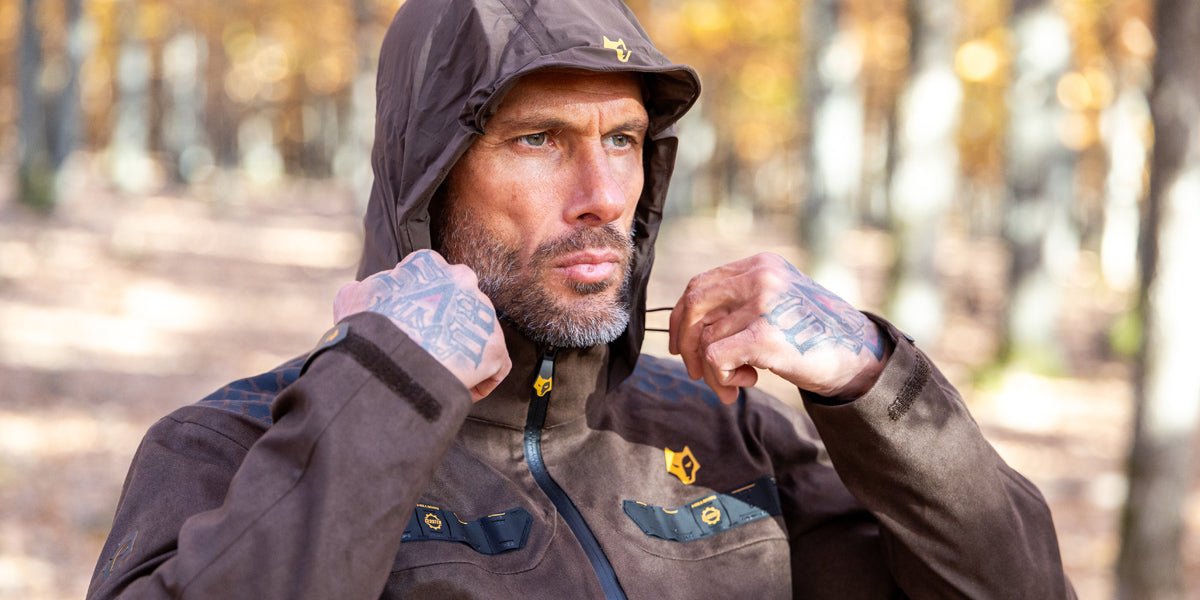
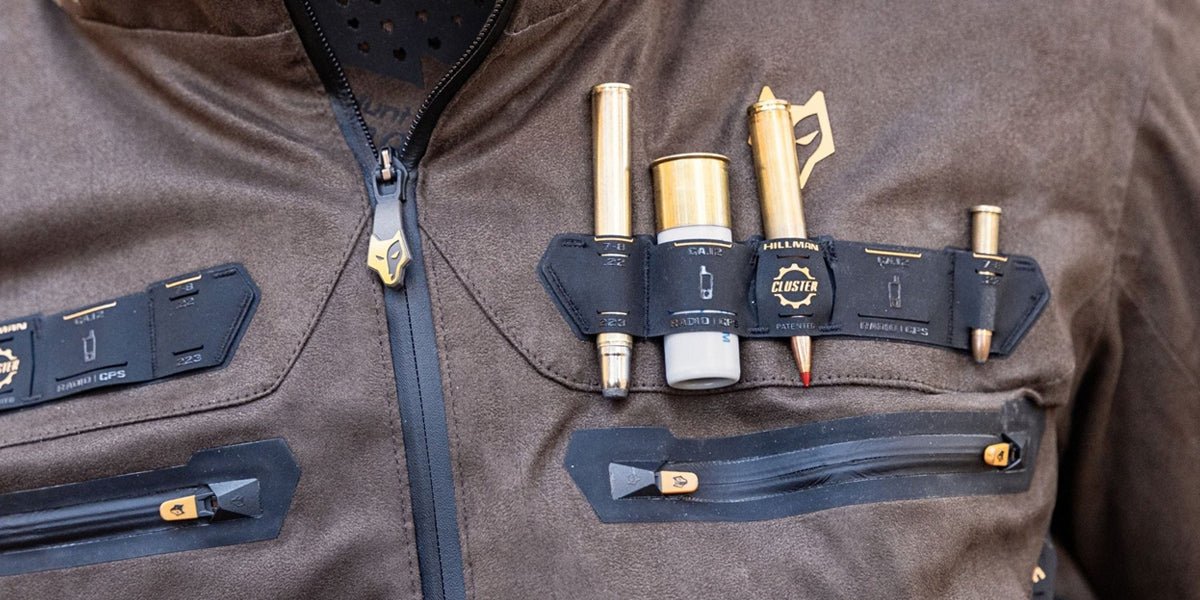
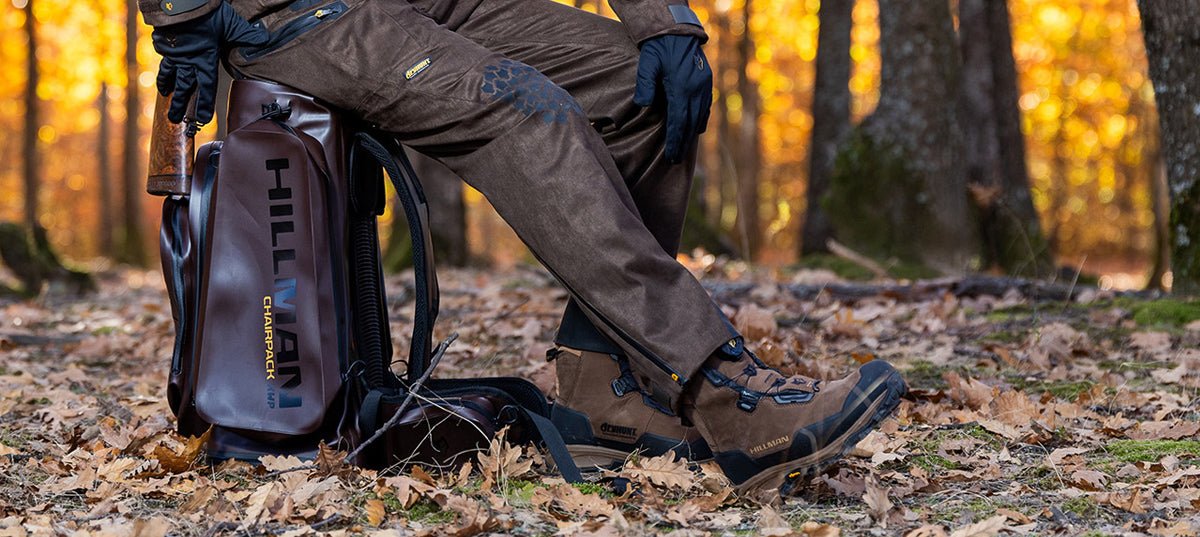
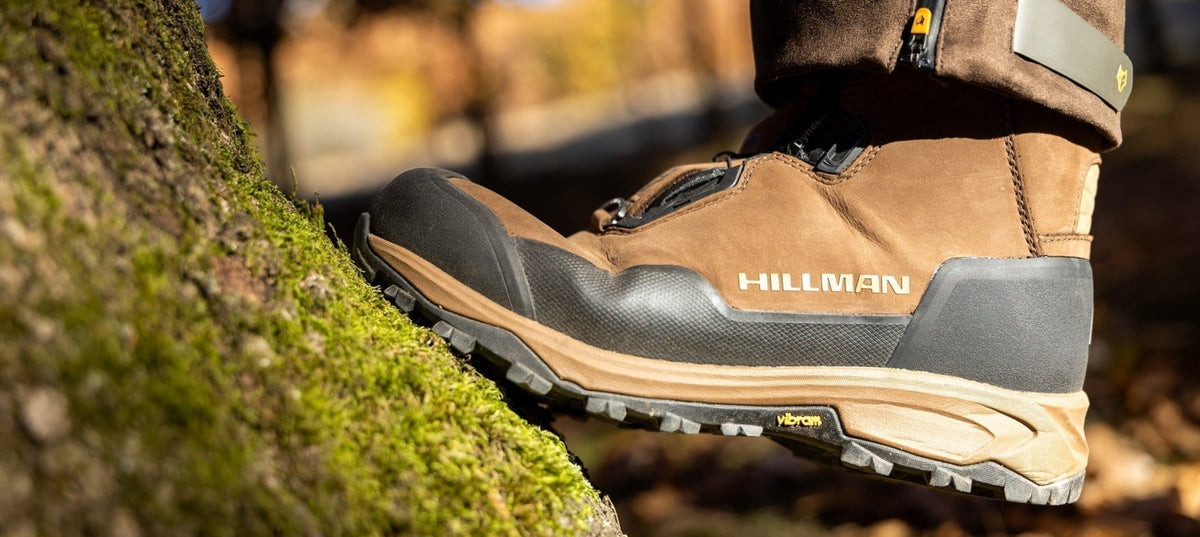
Šiluma, saugumas, ilgaamžiškumas – niekas neprarandama. Striukės nepraleidžia vėjo. Kelnės apsaugo nuo storų krūmų. Sluoksniuotos medžiagos izoliuoja, bet neapkrauna. Medžioklės reikmenys, sukurti atsižvelgiant į tvarumą: pirštinės, liemenės, džemperiai su gobtuvu ir lengvos kuprinės – visa tai tinka ilgoms dienoms lauke.
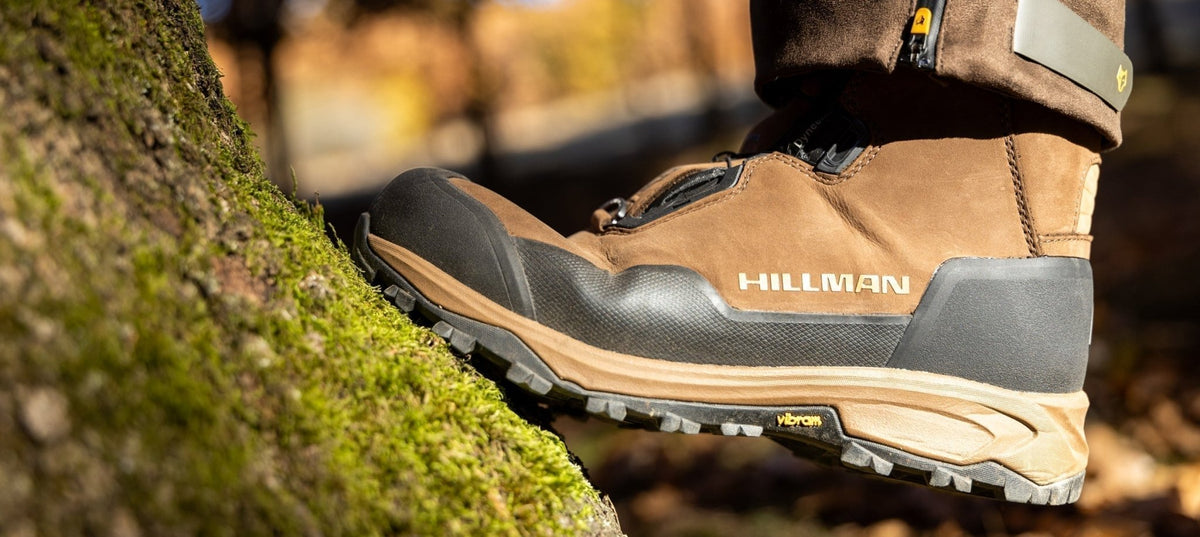
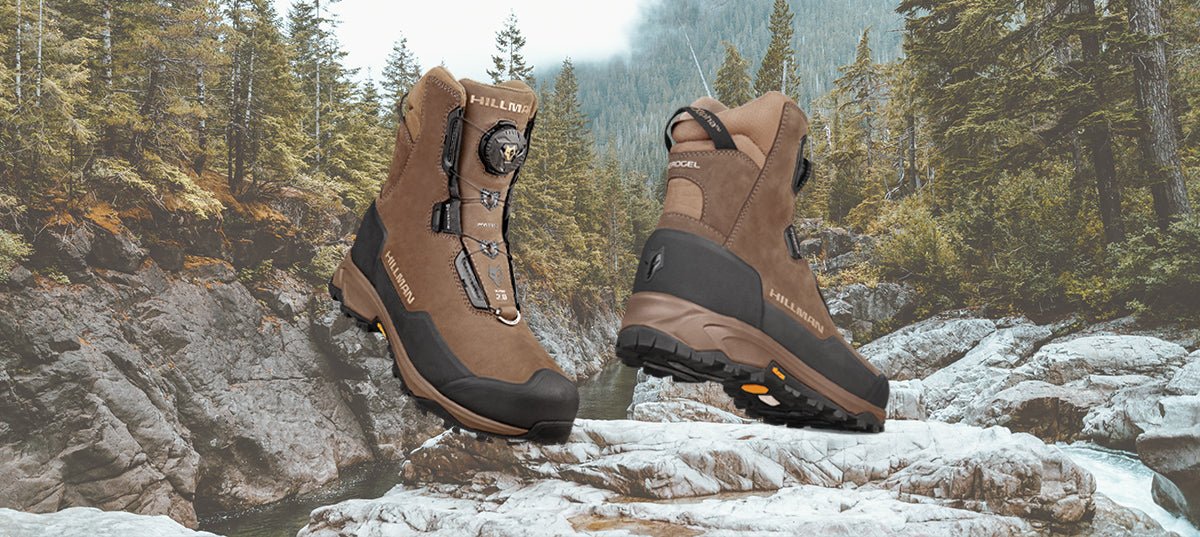
„Hillman“ čia, žinoma, paminėjo vieną dalyką: įmonė naudoja tvarias medžiagas visuose pagrindiniuose gaminiuose, parodydama, kaip atsakingas dizainas dera su realiais medžioklės poreikiais.
Tvarumas formuoja medžioklės ateitį

Tvari medžioklė nėra šūkis. Tai kryptis, kuria vadovaujasi medžiotojai, norintys išsaugoti žemę, apsaugoti biologinę įvairovę ir užtikrinti, kad ateities kartos galėtų patirti tas pačias laukines erdves.
Tvari medžioklės įranga sujungia našumą ir atsakomybę. Maskuojantys drabužiai, perdirbtų medžiagų, ekologiškos medžiagos ir modernūs medžioklės reikmenys dabar pasižymi patvarumu, neeikvodami gamtos išteklių. Medžiotojai stovi lauke vilkėdami ateities drabužiais ir įranga, kurie susilieja su reljefu, kartu jį tausodami.

Kiekvienas žingsnis, kiekvienas sezonas, kiekviena medžioklė tampa kažko didesnio dalimi – įsipareigojimu žemei ir joje esančiam gyvenimui.




Dalintis: