
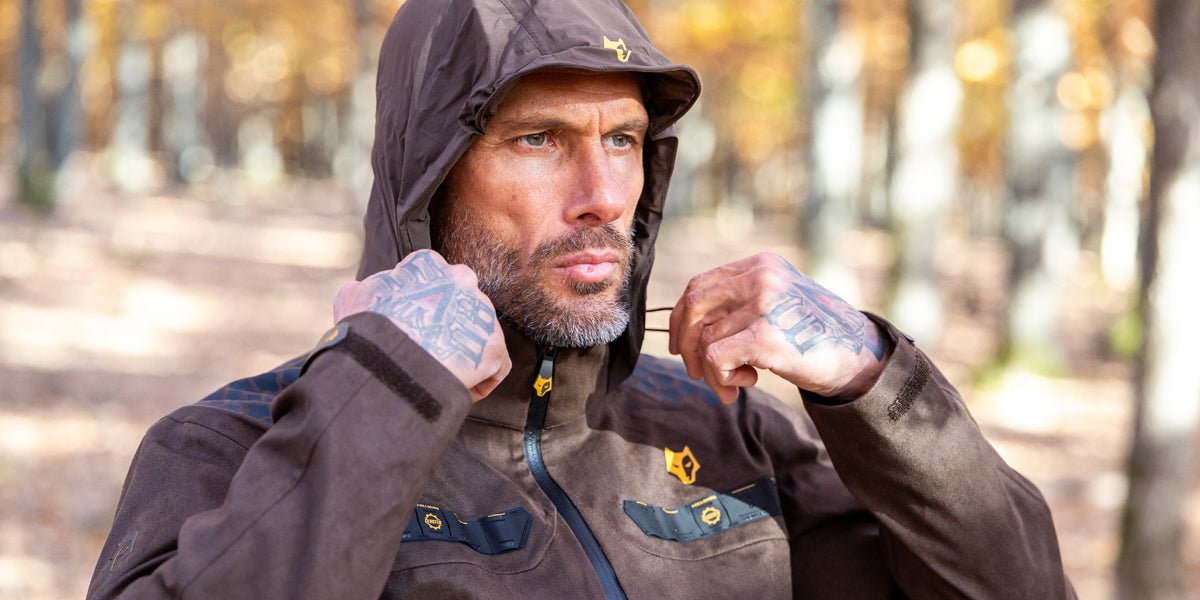
Erros de ajuste que comprometem um sistema de vestuário de caça em longas expedições nas montanhas e florestas.

Cada peça de roupa pode parecer adequada individualmente e ainda assim falhar como parte de um sistema de vestuário para a caça. Uma camada base assenta confortavelmente em contacto com a pele, uma camada intermédia é quente em ambientes fechados e um casaco impermeável fecha-se facilmente sobre uma camisa. Junte o sistema completo, coloque uma espingarda ao ombro, aperte a mochila carregada e dê um passo largo, e o verdadeiro ajuste começa a revelar-se.
O ajuste correto não se resume a simplesmente comparar as medidas do peito, cintura e entrepernas com uma tabela de tamanhos. As roupas de caça precisam de continuar a funcionar enquanto o corpo sobe, ajoelha, rasteja, faz pontaria, espera e carrega equipamento. As peças também precisam de se manter na posição correta em condições de vento, chuva, neve e variações de temperatura.
Esta é a diferença entre o ajuste da roupa e ajuste do sistemaUma peça de roupa pode ter o tamanho correto individualmente, mas ser inadequada para as camadas de roupa, o terreno e os movimentos envolvidos na caçada.
Porque é que o tamanho correto não garante o ajuste correto de um sistema de vestuário para caça?

A maioria de roupas de caça para homem A avaliação inicial é feita com o utilizador de pé. Isto revela se o casaco fecha e se as calças chegam até às botas, mas diz pouco sobre o desempenho em campo.
Os ombros podem ficar tensos quando se empunha uma espingarda. A bainha do casaco pode subir acima da cintura quando ambos os braços estão estendidos. O joelho da calça pode estar na posição correta quando se está de pé, mas deslocar-se para baixo da rótula ao dar um passo largo. Uma gola que pareça confortável na loja pode restringir os movimentos da cabeça quando uma mochila e um suporte para binóculos alteram a posição da parte superior do corpo.
O ajuste do sistema deve, portanto, ser testado através dos movimentos da experiência real de caça. Para a aproximação furtiva, isto inclui um passo alto controlado, um agachamento profundo, ajoelhar-se sobre os dois joelhos, sentar-se, rastejar e levantar a arma de fogo a partir de diferentes posições. Para dias longos num posto de observação, significa também verificar se a cintura, os punhos e a gola se mantêm confortáveis após períodos prolongados com pouco movimento.
Um bom ajuste permite que a roupa acompanhe os movimentos do corpo sem forçar as camadas adjacentes a moverem-se em conjunto. Preserva a sobreposição protetora nos punhos, cintura e tornozelos, evitando o excesso de tecido que pode ficar solto, provocar fricção ou enroscar na vegetação.
Erro de ajuste nº 1: Comprar roupa térmica, roupa intermédia e fato de treino em separado.

UM sistema de camadas Só funciona quando os seus componentes são fisicamente compatíveis. Comprar cada peça como se fosse usá-la sozinha, geralmente cria volume excessivo em algumas zonas e compressão noutras.
A camada base, a camada intermédia, o isolamento e a camada exterior desempenham funções diferentes, pelo que não devem ser instaladas da mesma forma.
Como as camadas de base devem gerir a humidade
As camadas de base precisam de estar em contacto constante com o corpo para absorver e transportar a humidade. Ajustado ao corpo não significa restritivo: o tecido deve acompanhar o tronco e os membros sem apertar as axilas, repuxar os ombros ou prejudicar a circulação.
As dobras soltas reduzem este contacto e podem acumular-se sob as camadas superiores. Uma t-shirt térmica que se amontoa na zona lombar torna-se especialmente desconfortável debaixo de uma mochila. O excesso de tecido nos punhos também pode interferir com as luvas e os punhos dos casacos.
A lã merina é muito utilizada em vestuário técnico para a caça, uma vez que auxilia na regulação da temperatura, no controlo da humidade e no controlo de odores. A sua elasticidade natural permite também que a peça acompanhe os movimentos do corpo. A lã é renovável e biodegradável, embora o perfil ambiental de uma peça acabada dependa ainda da composição completa da fibra e do processo de produção.
O Camada base de lã merina Hillman 2BLPor exemplo, a peça é especificada como uma camada de ajuste preciso, concebida para ser usada sobre a roupa interior. A sua mistura de lã merina e bambu, costuras planas e tecido elástico demonstram porque é que uma camada base técnica deve ser ajustada de acordo com a sua posição no sistema, em vez de ser escolhida como uma camisa larga para atividades ao ar livre.
O algodão é menos adequado como camada íntima em contacto direto com a pele durante as caçadas em climas frios, húmidos ou com paragens frequentes. Retém a humidade e seca lentamente, pelo que o suor acumulado durante uma escalada pode começar a arrefecer o corpo enquanto o caçador aguarda no seu posto.
Quanto espaço necessita uma camada intermédia e o isolamento?
Uma camada intermédia proporciona isolamento ao reter o ar quente, mas mais espaço não significa automaticamente mais aquecimento. Se for excessivamente folgada, pode dobrar-se sob o casaco, obstruir a ventilação e provocar movimentos indesejados no interior do conjunto.
A camada intermédia correta acompanha os movimentos do corpo com mais facilidade do que um hoodie casual, permitindo que a camada base por baixo permaneça sem compressão. Hillman's Sweatshirt de caça em lã merina 3ML é dimensionada para ser utilizada sobre uma camada base. Este é um requisito de design diferente de um hoodie usado sozinho, escolhido principalmente para uso casual no dia a dia.
Um casaco isolante precisa de espaço suficiente para manter o seu volume. Quando o isolamento é comprimido sob uma camada exterior justa, não consegue reter o volume de ar estagnado ideal. Esta restrição pode também limitar a mobilidade dos ombros e criar pressão sob as alças da mochila.
O Casaco de caça 4IL A figura ilustra esta lógica posicional. Foi concebida como uma camada isolante que se ajusta sobre a roupa interior, a camada base e a camada intermédia. A camada exterior deve, então, acomodar esta combinação completa sem a comprimir.
Erro de ajuste 2: Comprimir o vestuário de caça de inverno e o isolamento avançado

Roupas de caça de inverno Por vezes, a escolha é feita com base na espessura visível. Isto ignora a forma como o isolamento, os espaços de ar, a humidade e a circulação interagem.
Um sistema de aquecimento demasiado apertado pode achatar o isolamento térmico e restringir o fluxo sanguíneo nos pulsos, cintura, gémeos ou pés. Um sistema demasiado folgado pode permitir que o ar quente se escape sempre que o caçador se vira, se inclina ou se estica. Nenhuma destas condições é resolvida simplesmente adicionando outra peça de roupa.
Porque é que as melhores roupas de caça de inverno protegem o isolamento térmico e a circulação do ar?
A melhor roupa para a caça no inverno não é a mais volumosa. Trata-se de um sistema equilibrado em que a camada base controla a humidade, o isolamento mantém o volume e a camada exterior protege contra o vento e a precipitação sem restringir os movimentos ou a circulação de ar.
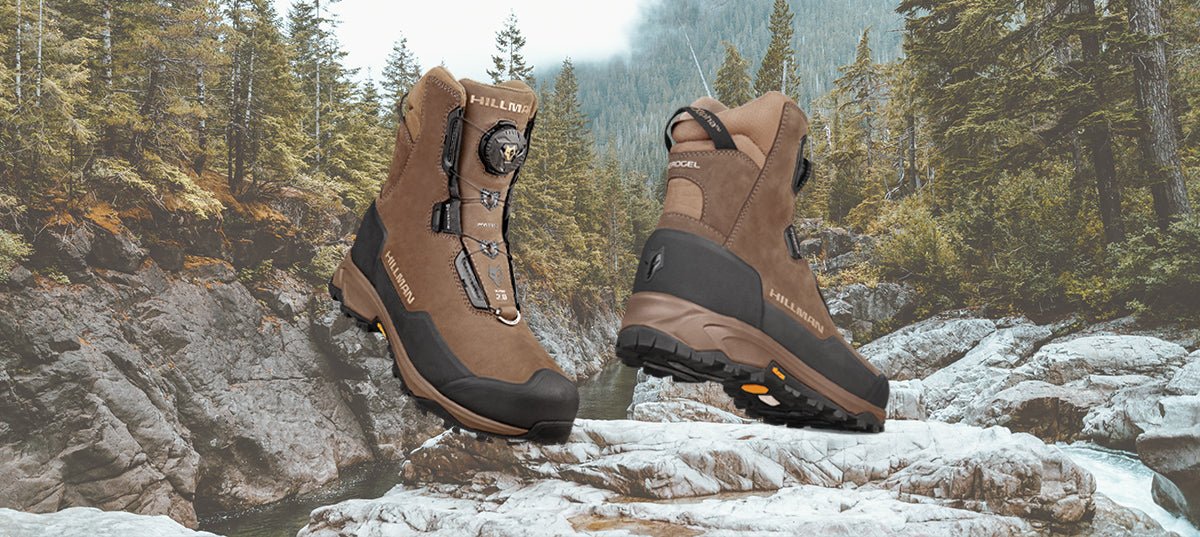
O isolamento de baixo volume pode reduzir a necessidade de vestuário com volume excessivo. O aerogel, por exemplo, oferece uma elevada resistência térmica com baixo peso e é utilizado em equipamentos especializados para climas frios. Na linha Hillman, o isolamento Matrix é utilizado em Casaco de inverno AlphaShell 6OL e combinando calças isolantes 6OL, enquanto a Matrix e a Aerogel são combinadas em botas isolantes selecionadas.
Como as roupas de caça em frio extremo devem ajustar-se em movimento e quando se está parado.

As roupas para caça em frio extremo devem ser avaliadas em dois estados diferentes: alta atividade e imobilidade prolongada.
Um sistema de vestuário que parece ideal durante uma subida pode ser insuficiente quando o caçador deixa de gerar calor. Por outro lado, as roupas escolhidas apenas para esperar podem causar transpiração excessiva no trilho. Esta humidade permanece no corpo e aumenta o arrefecimento quando o movimento termina.
A ventilação deve ser acessível sem ter de retirar a mochila ou expor o corpo às intempéries. O ajuste deve também permitir espaço para um isolante térmico adicional, caso as condições previstas o exijam realmente. É neste caso que... aumentando o tamanho Pode ser apropriado, mas apenas após a combinação completa das camadas ter sido testada.
Não existe uma recomendação universal de temperatura para todos os caçadores. O vento, a humidade, o tempo de exposição, o ritmo, a composição corporal e a tolerância individual ao frio são fatores importantes. Uma longa perseguição a um alce no ar seco da montanha exige vestuário diferente de uma caçada húmida de inverno numa zona arborizada, mesmo quando a temperatura indicada é semelhante.
Erro de ajuste 3: Testar vestuário de caça impermeável sobre as camadas erradas

UM roupa impermeável Deve ser testado exatamente sobre a roupa que se espera que cubra. Experimentá-lo sobre uma t-shirt fina e depois usá-lo sobre uma camada base, uma camada intermédia e uma camada de isolamento pode alterar completamente o ajuste.
A classificação de impermeabilidade do material em laboratório não se altera com o tamanho errado. No entanto, a proteção prática pode ficar comprometida se o capuz, a gola, os punhos, a bainha ou as pernas das calças forem puxados para fora da posição correta.
Porque é que os casacos de caça e os casacos de tiro precisam de ser respiráveis e elásticos?
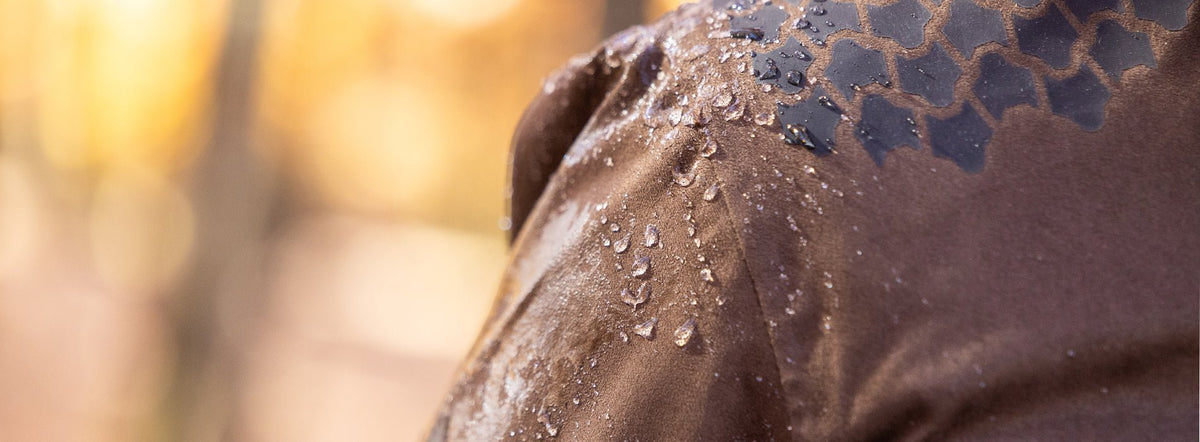
Os casacos de caça impermeáveis devem bloquear a água exterior, permitindo ao mesmo tempo que a humidade interior escape. As membranas respiráveis auxiliam neste processo, mas a respirabilidade depende também da atividade, da temperatura, da humidade e da disponibilidade de ventilação mecânica.
A elasticidade é importante porque a barreira impermeável necessita de se manter na posição correta quando o caçador sobe a uma montanha ou levanta uma arma de fogo. Se o casaco estiver demasiado apertado nos ombros, as mangas e a bainha sobem. Se estiver demasiado folgada, o tecido pode mover-se com o vento, roçar em painéis adjacentes e enroscar-se em arbustos.
O AlphaShell 6OL utiliza um membrana impermeávelO casaco possui costuras totalmente seladas e fechos resistentes às intempéries. As suas axilas que não sobem, os cotovelos articulados e a barra traseira alongada são igualmente importantes para uma proteção prática, pois ajudam o casaco a manter a cobertura enquanto o corpo se move.
Um casaco totalmente impermeável precisa, portanto, de mais do que apenas tecido impermeável. A membrana, a construção das costuras, os fechos, o capuz, os punhos e a barra devem funcionar como um sistema.
O que os melhores casacos de tiro precisam para além da proteção impermeável
Os melhores casacos para tiro oferecem o equilíbrio perfeito entre a proteção contra as intempéries e um encaixe preciso e consistente da arma. A coronha deve chegar ao ombro sem se enroscar em tecido solto no peito, dobras acentuadas ou bolsos mal posicionados. A gola deve proteger da chuva sem interferir com o posicionamento das bochechas ou com os movimentos da cabeça.
As roupas clássicas de caça, incluindo o tweed, foram desenvolvidas com base em expectativas diferentes das roupas técnicas modernas para a caça. Os casacos de caça tradicionais podem ser adequados para dias de caça com batida e um estilo campestre consagrado, enquanto os casacos contemporâneos com membrana são frequentemente escolhidos para movimentos prolongados e condições meteorológicas severas. Nenhuma das categorias deve ser julgada apenas pela aparência.
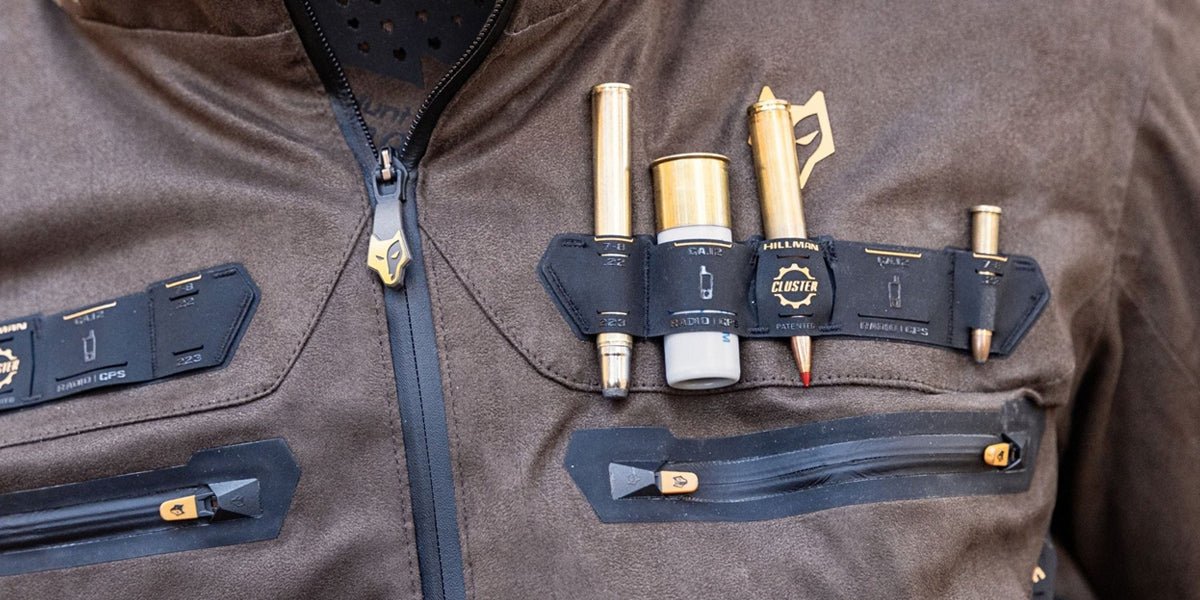
Os casacos impermeáveis para tiro precisam de ser respiráveis, elásticos e silenciosos o suficiente para o uso pretendido. Necessitam também de bolsos que permaneçam acessíveis mesmo quando o utilizador transporta cartuchos, rádio, mapas, licenças ou outros equipamentos. O volume de armazenamento só é útil quando os bolsos cheios não distorcem o caimento nem obstruem os movimentos.
Erro de ajuste 4: Ignorar a movimentação em vestuário para caça na montanha

O vestuário para caça em montanha revela problemas de ajuste rapidamente. Subidas íngremes expõem o aperto nas ancas e nos joelhos. As descidas empurram os pés para a frente dentro das botas e aumentam a tensão na parte frontal das calças. Uma mochila cheia Altera a pressão nos ombros, restringe o uso de alguns tecidos e cobre os bolsos ou aberturas de ventilação.
A caça na floresta expõe diversas fragilidades. O excesso de tecido fixa-se nos ramos, causa fricção durante a aproximação furtiva e torna-se mais pesado após o contacto repetido com a vegetação húmida. A necessidade frequente de ajoelhar e as rápidas mudanças de posição exigem um volume controlado em torno dos joelhos e da parte inferior das pernas.
Ombros, joelhos e parte inferior das pernas sob carga
Um blusão deve ser testado empunhando a arma, e não apenas levantando ambos os braços. As duas ações carregam os ombros de formas diferentes. O utilizador deve também rodar o tronco enquanto a mochila e o suporte para binóculos estiverem no lugar.
As calças requerem um teste de passada alta, agachamento profundo, posição de joelhos e posição sentada. O cós deve manter-se estável, o assento não deve repuxar e o joelho articulado deve manter-se alinhado com a articulação.
O volume da parte inferior da perna é importante quando as calças são usadas sobre camadas de base, meias, botas ou polainas. A bainha precisa de cobrir a bota em segurança, sem ficar tão larga que se acumule neve, chuva ou detritos.
Hillman's Calças impermeáveis AlphaShell 5WL São calças sem isolamento térmico, concebidas para serem usadas por camadas. Os seus joelhos articulados, zonas ajustáveis nos joelhos e tornozelos e fechos laterais de comprimento total demonstram como o ajuste de uma calça exterior de proteção se pode adaptar às roupas e calçado usados por baixo.

Onde a elasticidade, a resistência ao rasgo e o reforço fazem a diferença
Os painéis elásticos melhoram o alcance e a passada apenas quando posicionados onde o corpo gera tensão. O reforço é mais útil nos joelhos, no assento, na parte inferior das pernas e nos ombros: áreas repetidamente expostas a pedras, cascas de árvores, espinhos, alças de mochilas e ao ato de ajoelhar.
A construção ripstop pode limitar a propagação de um pequeno rasgão, enquanto os painéis resistentes à abrasão protegem as zonas de maior contacto. Nenhuma destas características compensa um corte mal feito. Um reforço no joelho que fica abaixo da rótula durante uma escalada não oferece a proteção adequada.
A durabilidade deve ser avaliada como parte do movimento, e não em separado. O tecido deve proteger o caçador sem impor uma marcha rígida, ruidosa ou restritiva.
Erro de ajuste 5: Tratar o vestuário de caça silencioso e camuflado como itens separados do ajuste.

Um tecido silencioso pode tornar-se barulhento quando em excesso. O material em excesso move-se com o vento, roça em si mesmo e prende-se na vegetação. Uma peça de roupa demasiado apertada também pode criar mais fricção à medida que os painéis são puxados sobre o corpo.
As superfícies de poliéster escovado, lã e materiais semelhantes à camurça produzem frequentemente um som mais suave do que as conchas duras e lisas. Durasuede de Hillman O tecido exterior foi concebido com base neste princípio, combinando uma superfície escovada com elasticidade e proteção para uma movimentação furtiva no meio da vegetação.
Tecidos silenciosos, cores e camuflagem no meio da natureza.
A camuflagem funciona ao desfazer o contorno de quem a veste, mas o padrão deve adequar-se à paisagem local. Os tons de verde e castanho podem funcionar bem em vegetação florestal, enquanto os tons de cinzento e pedra podem ser mais apropriados em terrenos montanhosos abertos. Até mesmo rochas azul-acinzentadas, sombras de neve e mudanças de luz podem afetar a aparência de um padrão à distância.
A cor não consegue corrigir movimentos descontrolados. A camuflagem mais tecnicamente precisa perde a sua eficácia se as mangas soltas balançarem, as barras das calças fizerem barulho ou um casaco apertado provocar movimentos exagerados.
O mesmo se aplica a roupas de caça de cor sólida. A camuflagem depende da interação entre o padrão, a cor, a silhueta, o som e o comportamento do caçador.
Erro de ajuste 6: Esquecer as botas, as meias de lã, as luvas e o ajuste da mochila

O sistema de vestuário não se esgota nos pulsos e tornozelos. Meias de lã, luvas, gorros, botas, polainas e a mochila podem alterar o desempenho das peças de roupa adjacentes.
As meias grossas de inverno não tornam automaticamente as botas mais quentes. Se reduzirem o espaço interior e comprimirem o pé, a circulação pode ser prejudicada e os dedos podem ficar mais frios. As botas devem ser testadas com o mesmo par de meias que vai usar para a caça.
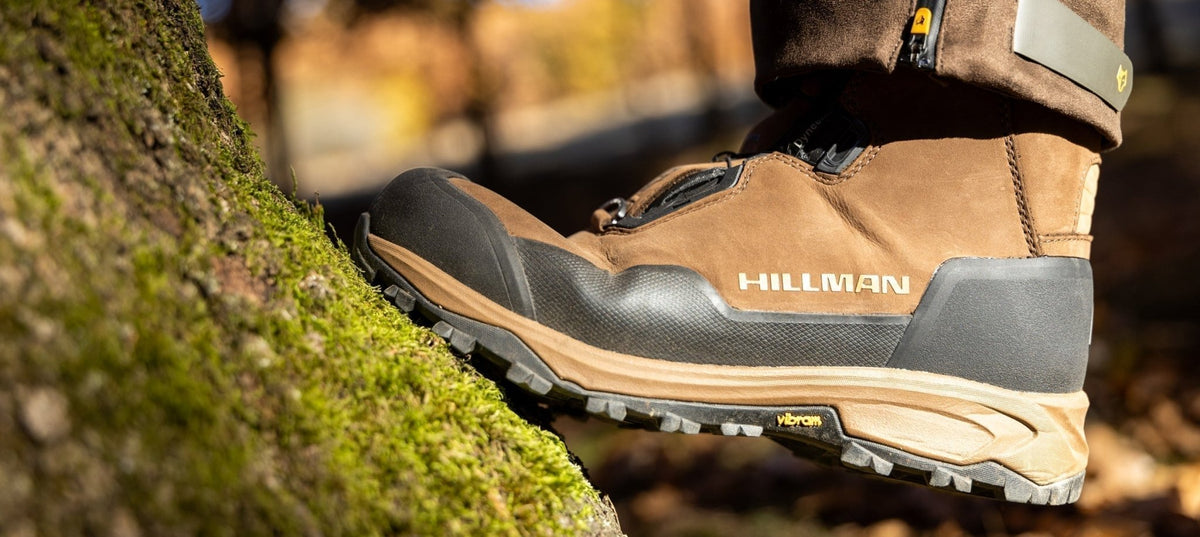
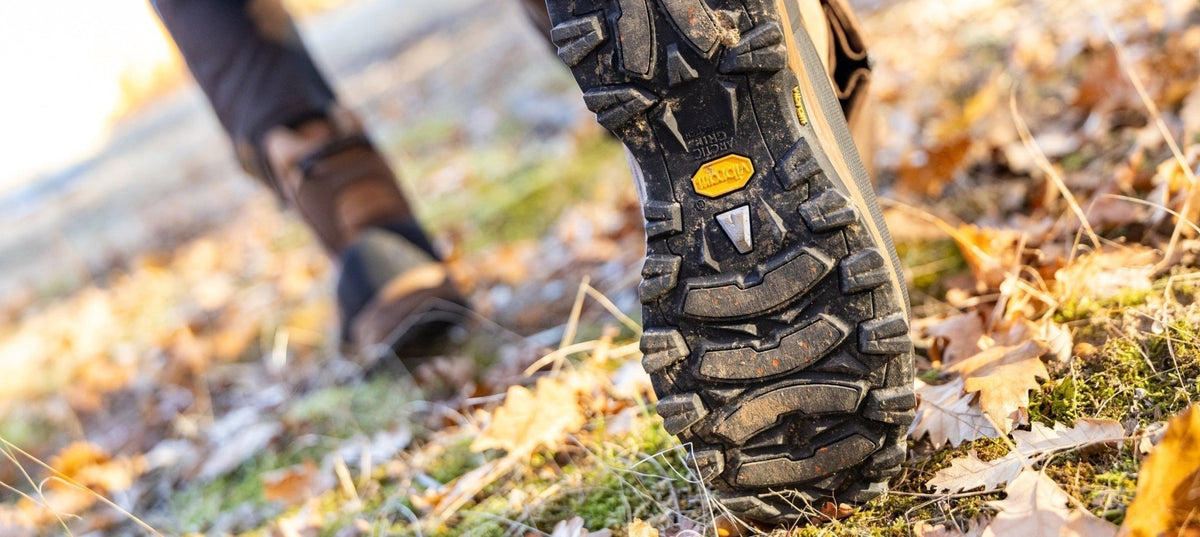
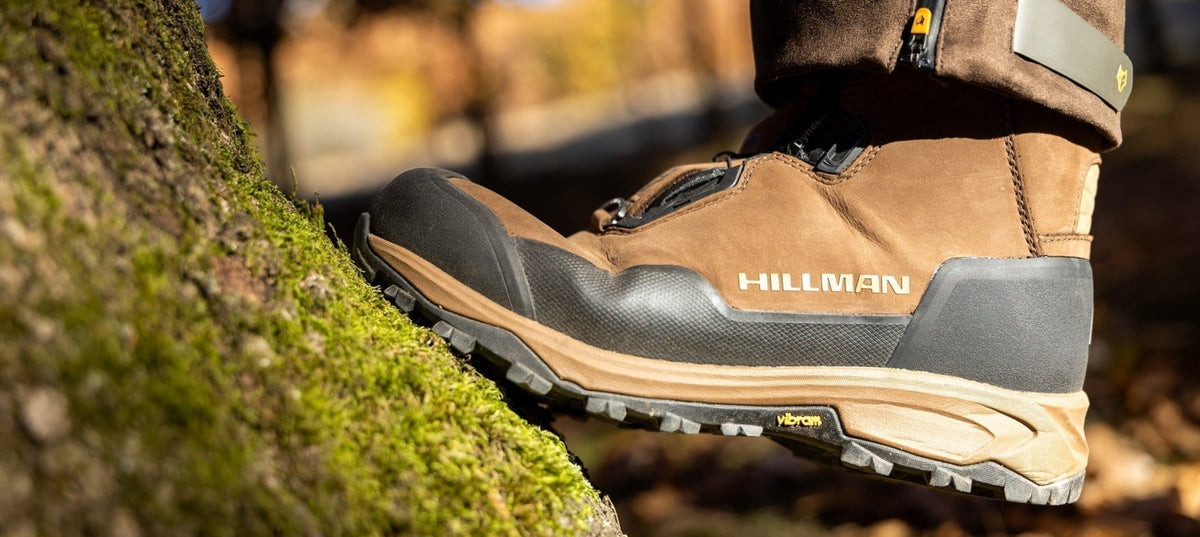
A tração também afeta todo o sistema. Uma sola estável reduz as correções desnecessárias e a tensão muscular em terrenos molhados ou irregulares. São desenvolvidos compostos específicos para superfícies específicas: Vibram Arctic Grip, utilizado em Botas Hillman Aerogel 2.0Este pneu foi concebido para oferecer tração em gelo molhado. Lama, pedras soltas e terrenos mistos de floresta podem exigir um equilíbrio diferente da banda de rodagem.
As luvas devem proporcionar aquecimento sem comprometer a destreza necessária para manusear o equipamento em segurança. Os punhos dos casacos devem fechar por cima ou por baixo das luvas, sem deixar folga. Os gorros e capuzes precisam de proteger a cabeça, preservando a audição e permitindo movimentos sem restrições.
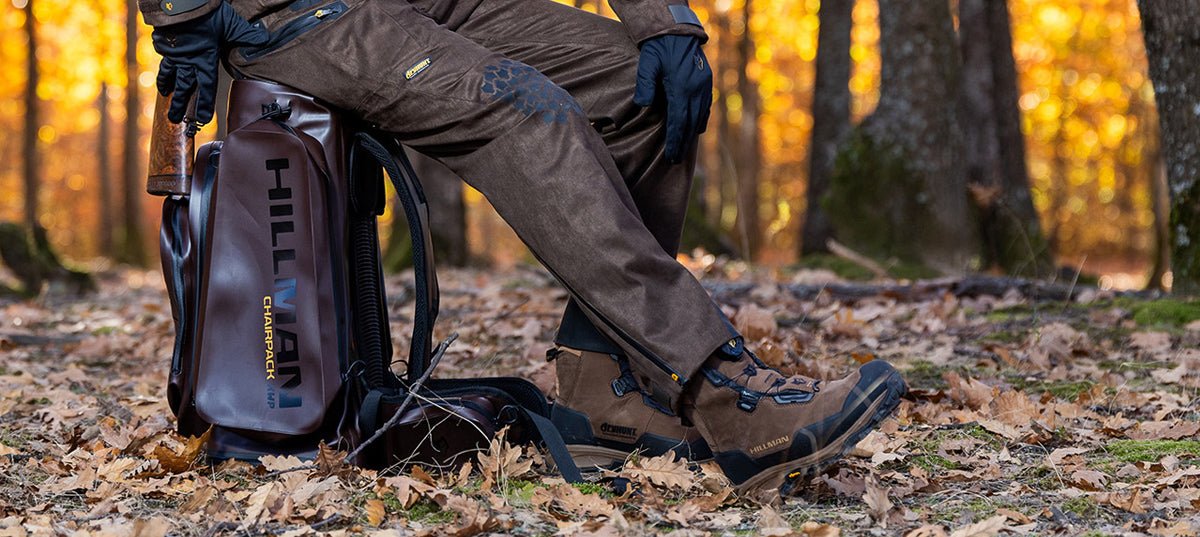
A mochila deve ser transportada antes da avaliação do casaco. As correias comprimem o isolamento térmico, alteram a ventilação e podem dificultar o acesso aos bolsos. Uma bolsa impermeável ou um compartimento interior seco também protegem os mapas, as licenças, as luvas extra e outros equipamentos que precisam de permanecer utilizáveis em tempo chuvoso.
Erro de ajuste nº 7: Escolher o vestuário de tiro apenas pela marca ou etiqueta de tamanho

O tamanho não é padronizado em todas as coleções. Um tamanho médio numa linha pode ser diferente de um tamanho médio noutra, porque o padrão, as camadas pretendidas e a atividade a que se destina são diferentes.
Quando comparar roupa da Hillman, da Deerhunter ou de outra marca de caça completa, não presuma que o mesmo tamanho (em letras) resultará no mesmo caimento. Compare as medidas do corpo, as medidas da peça pronta (quando disponíveis), as descrições de caimento e a posição pretendida da peça dentro do sistema de camadas.
Uma coleção extensa pode incluir camadas baseCamisas, casacos, calças, um fato completo, calçado e acessórios. O facto de uma linha incluir todas estas categorias não significa que cada artigo deva ser adquirido no mesmo tamanho nominal.
As etiquetas de cor e estilo são igualmente limitadas. Castanho, verde, cinzento, azul ou camuflado descrevem a aparência, não a proteção contra as intempéries, o isolamento térmico ou a liberdade de movimentos. A disponibilidade em stock e o preço promocional também não devem determinar o tamanho. Uma peça de roupa com desconto que restringe os ombros ou deixa folgas nos punhos não oferece uma melhor relação qualidade-preço.
Teste completo do sistema para atividades ao ar livre antes do seu primeiro pedido
Antes de fazer o primeiro pedido, recrie o sistema de vestuário desejado da forma mais fiel possível. Consulte a tabela de tamanhos com medidas corporais precisas e considere todas as camadas de roupa que ficarão por baixo da peça escolhida.
Assim que o conjunto estiver completo, vista-o com botas verdadeiras e meias de lã. luvasMochila e arnês. Caminhe, dê passos largos, agache-se, ajoelhe-se, sente-se, rode a cabeça e o tronco e empunhe a arma várias vezes. Abra a ventilação enquanto estiver a usar a mochila. Alcance todos os bolsos importantes. Verifique se o capuz acompanha o contorno da cabeça e se as bainhas das calças se mantêm bem cobertas pelas botas.
Preste atenção ao que se move quando o corpo se move. Se levantar um braço fizer com que todo o casaco suba, o corte ou o tamanho não são adequados para este movimento. Se as calças escorregarem para baixo durante um passo largo, os joelhos articulados e a sobreposição da bota também sairão do lugar.
Não se esqueça de repetir o teste com os bolsos cheios. Munições, telemóvel, rádio e outros artigos de campanha acrescentam peso e alteram a forma como a roupa se comporta.
O ajuste correto do sistema é conseguido quando as camadas preservam simultaneamente o controlo da humidade, o isolamento térmico, a proteção e a liberdade de movimento. É isso que permite que a roupa se torne impercetível para o caçador, possibilitando que este se volte a concentrar no trilho, no clima e na caçada.

Participação: