
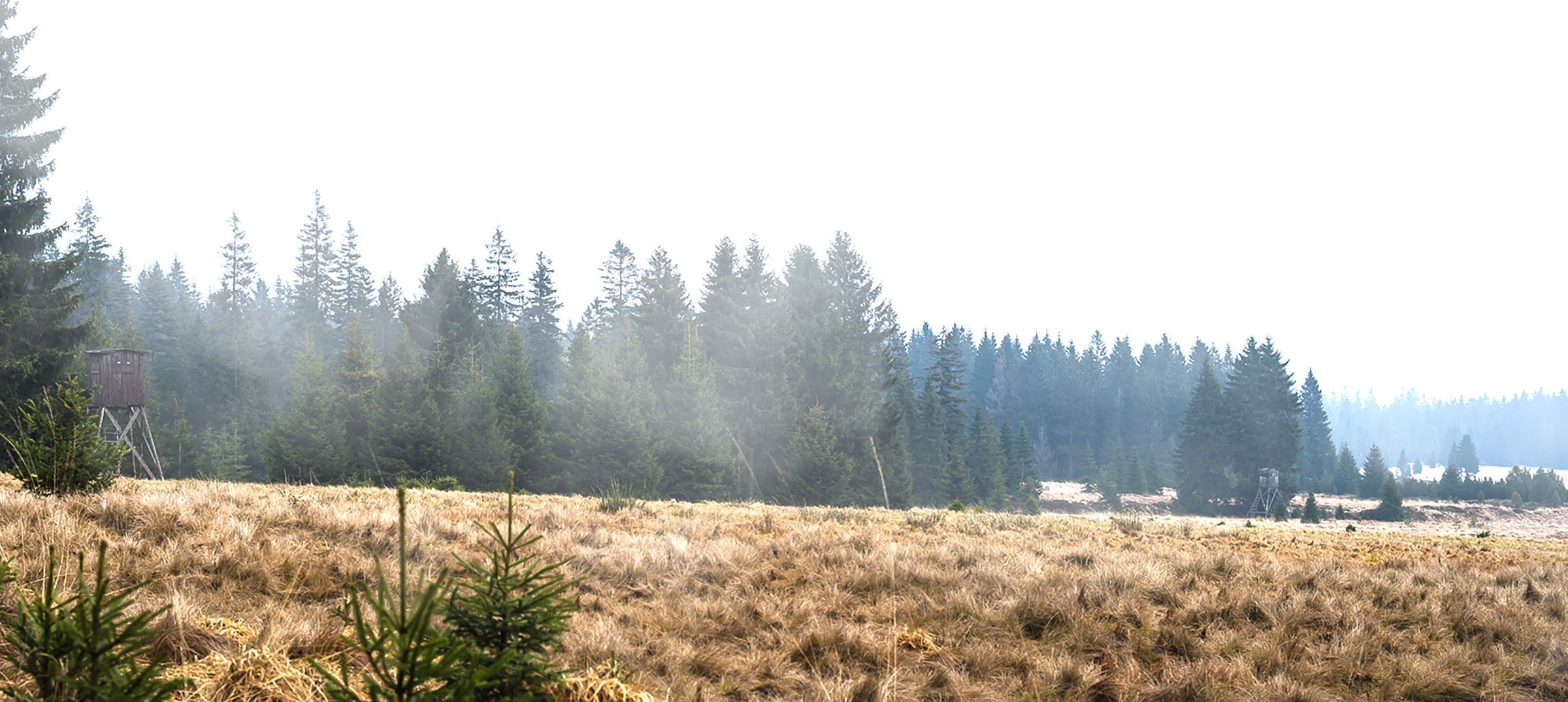
Lov v škótskej hmle, balkánskom daždi a pri náhlych zmenách počasia

Jasné ráno môže klamať. Naučil som sa to tvrdo, zvyčajne niekde medzi prvým stúpaním a prvým dlhým čakaním. Vystúpite z vozidla s pokojnou predpoveďou v hlave, ľahkým oblakom na obrazovke, žiadnym vážnym varovaním, ničím dramatickým. Potom sa terén zmení. Vietor nájde chladnejšiu líniu. Tráva je mokrá po kolená. Hmla padá do nízkych častí terénu alebo dážď začne stekať bokom cez stromy.
Vtedy oblečenie prestáva byť len detailom pohodlia. Stane sa súčasťou lovu. Nemyslím na... nepremokavé poľovnícke oblečenie tak, ako som to robil pred rokmi. Vtedy som chcel niečo, čo vyzeralo odolne a sľubovalo, že ochráni pred dažďom. Teraz hľadám dôslednejšie. Záleží mi na materiáli na tvár, membráne, švoch, manžetách, kapucni, hluku bundy, keď zdvihnem pušku, a na tom, ako sa celý systém správa po dvoch hodinách chôdze a ďalších dvoch hodinách čakania.
Zlé počasie nie vždy prichádza ako búrka. Niekedy prichádza ako škótska hmla, chladná a tichá. Niekedy ako balkánsky dážď, silný v kopcoch a špinavý pod nohami. Niekedy je to len malá zmena počasia, ktorá vás zastihne zle oblečeného. A keď ste zmoklí, lov sa zmení.
Škótska hmla a druh mokra, ktorý si na prvý pohľad nevšimnete

Škótska hmla má svoje zvláštne ponaučenie. Miestne vlasy, ktoré sa valia od Severného mora, môžu z diaľky vyzerať takmer krásne, ale vo vnútri sa svet zmenšuje, ochladzuje a je oveľa vlhkejší, než by ste očakávali. Neprší v obvyklom zmysle slova. Nie vždy to počujete. Nie vždy cítite kvapky dopadajúce na bundu. Ale dajte tomu čas a začne to pôsobiť na všetko.
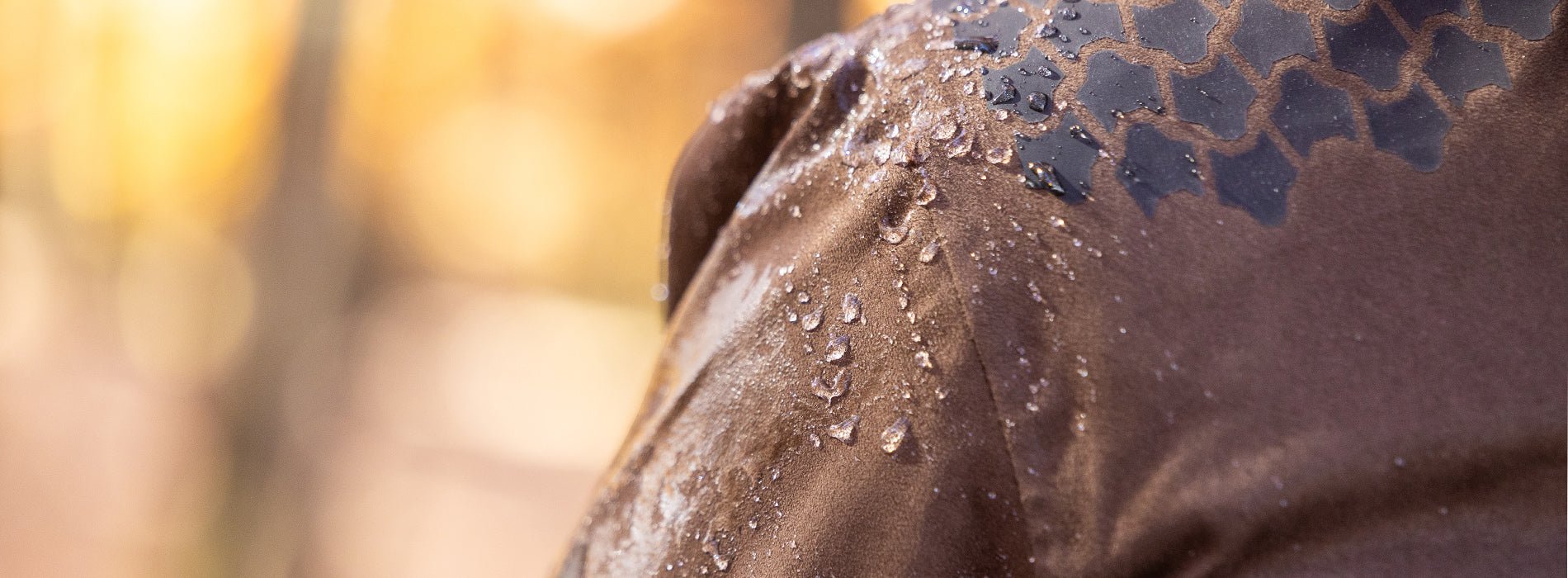
Najprv stmavnú ramená. Potom kapucňa. Potom rukávy, kde sa dotýkajú mokrej trávy, kameňov, konárov a popruhov. Ak vrchná látka stratila svoju vodoodpudivosť, začne premoknúť. Akonáhle vrchná látka namočí, priedušnosť trpí. Preto si mnohí poľovníci nesprávne predstavujú nepremokavé oblečenie. Myslia len na vodu prichádzajúcu zvonku. Ja si rovnako myslím na vlhkosť, ktorá sa snaží dostať von zvnútra.
Bunda, ktorá blokuje dážď Ale zachytávanie potu robí len polovicu práce. V hmle sa často pohybujete pomaly. Viac sa zastavujete. Viditeľnosť klesá, takže každý zvuk je dôležitý. Látka musí zostať tichá. Pevná škrupina, ktorá pri každom pohybe praská a šuští, môže byť prijateľná na turistickom chodníku, ale nie pri streľbe v náročných podmienkach alebo pri prenasledovaní. Pri love musí technická tkanina plniť niekoľko úloh naraz: odolávať vlhkosti, dostatočne dobre dýchať počas pohybu, zostať mäkká v studenom vzduchu a umožniť ramenám prirodzene fungovať.
Preto neposudzujem nepremokavé poľovnícke oblečenie na vešiaku. Posudzujem ho, keď je nízko v hmle, remeň pušky je vlhký a prvý chlad sa začína vkrádať cez slabé miesta.
Môže sa predpoveď počasia zmeniť pred poľovačkou?

Kedysi som sa pýtal: Môže sa predpoveď počasia zmeniť tak tesne pred poľovačkou? Teraz predpokladám, že áno.
Predpoveď je užitočná. Stále si ju kontrolujem. Kontrolujem vietor, dážď, teploty a oblačnosť. Ale nikdy sa neobliekam len podľa predpovede. Obliekam sa podľa chyby v predpovedi.
V skutočnom poľovníckom teréne, zmeny počasia nie vždy nasledujú čistú logiku aplikácie. Údolie dokáže udržať vlhký vzduch dlho potom, čo otvorená zem vyzerá suchá. Vyššie terény môžu zachytiť vietor, ktorý doma nebol zrejmý. Les môže kvapkať ešte hodiny po tom, čo dážď ustal. Na Balkáne som videl ráno, ktoré sa začalo mäkko a pokojne, a potom sa pred poludním zmenilo na silný dážď, s takým druhom mokrej kefy, ktorá premokne nohavice rýchlejšie ako padajúci dážď.
Problém nie je v tom, že predpovede sú zbytočné. Problém je v tom, že lov sa deje detailne. Ikona počasia vám nemôže povedať, koľko studenej vlhkosti čaká v tráve. Nemôže vám povedať, aký exponovaný bude ďalší hrebeň. Nemôže vám povedať, či sa pri výstupe zapotíte a potom počas čakania zmrznete.
Takže plánujem pohyb a pokoj. Oboje je dôležité. Ak viem, že budem tvrdo kráčať, chcem viac priedušnosť a vetranie ako silnú izoláciu. Ak viem, že budem čakať dlhé hodiny, premýšľam o teple, odolnosti voči vetru a o tom, ako dobre vonkajšia vrstva vydrží, keď prestanem generovať teplo. Ak sa deň zdá byť nestabilný, vyberám si systém, ktorý sa dokáže prispôsobiť, a nie jeden ťažký kus, ktorý funguje len za jednej podmienky.
Balkan Rain je iný test pre poľovnícke vybavenie do dažďa

Balkánsky dážď má svoj vlastný charakter. Môže byť nepríjemný. Môže prísť s vetrom, blatom, mokrým lístím, tŕnistým porastom a strmým terénom, čo spôsobuje, že sa telo príliš rýchlo zahrieva. Zriedkakedy ide len o dážď padajúci zhora.
Dážď prší zo strán. Z konárov. Z premočenej trávy. Z kľačania na mokrej zemi. Z popruhu batohu, ktorý tlačí vodu do ramien. Z manžiet, ktoré sa poriadne nezapínajú. Z goliera, ktorý necháva otvorený jeden malý kanálik pri krku. Tu sa oddeľuje bežné pršiplášť od seriózneho poľovníckeho pršiplášťa.
Jednoduchá pršiplášťová bunda síce môže udržať vodu pred behom krátkej prechádzky, ale poľovačka zvyšuje záťaž. Nosíte výstroj. Pohybujete sa potichu. Zdvihnete zbraň. Sedíte, potom kráčate a potom sa znova zastavíte. Látka sa trie o stromy, popruhy batoha a drsnú zem. Bunda nemôže byť príliš hlučná. Nemôže byť príliš tesná cez ramená. Nemôže byť taká voľná, aby sa zachytávala o všetko alebo aby cez telo prúdil studený vzduch.
Dobré nepremokavé poľovnícke vybavenie musí rozumieť rytmu lovu. Tento rytmus nikdy nie je plynulý. Keď poľovník zmokne od potu, môže mať takmer rovnaký pocit ako dážď. základná vrstva zvlhčí, stredná vrstva sa ochladí a telo začne počas pokojnej časti dňa strácať teplo. V studenom daždi to môže rýchlo narušiť sústredenie. Možno ste stále vonku, ale nie ste takí bystrí, ako by ste mali byť.
Prečo je nepremokavé poľovnícke oblečenie látkový systém, nielen bunda?

Slovo vodotesný sa používa príliš ľahko. V teréne musí znamenať niečo presnejšie. Pre mňa poriadny nepremokavé poľovnícke oblečenie začína sa vrchnou látkou. Potrebuje dostatočnú odolnosť, aby odolala krovinám, popruhom batohu, mokrej zemi a opakovanému používaniu. Odolná vodoodpudivá úprava pomáha dažďu zbiehať sa a odvaľovať sa namiesto toho, aby sa vsakoval do vrchnej látky. To je prvá obranná línia, ale nie celý príbeh.
Pod tým membrána vykonáva ťažšiu prácu. Vodotesná a priedušná membrána zabraňuje vnikaniu kvapiek vody a zároveň umožňuje únik vodnej pary z potu. Napísané to znie jednoducho. Nie je to jednoduché, keď leziete, nosíte batoh, potíte sa a potom stojíte v chladnom vzduchu.
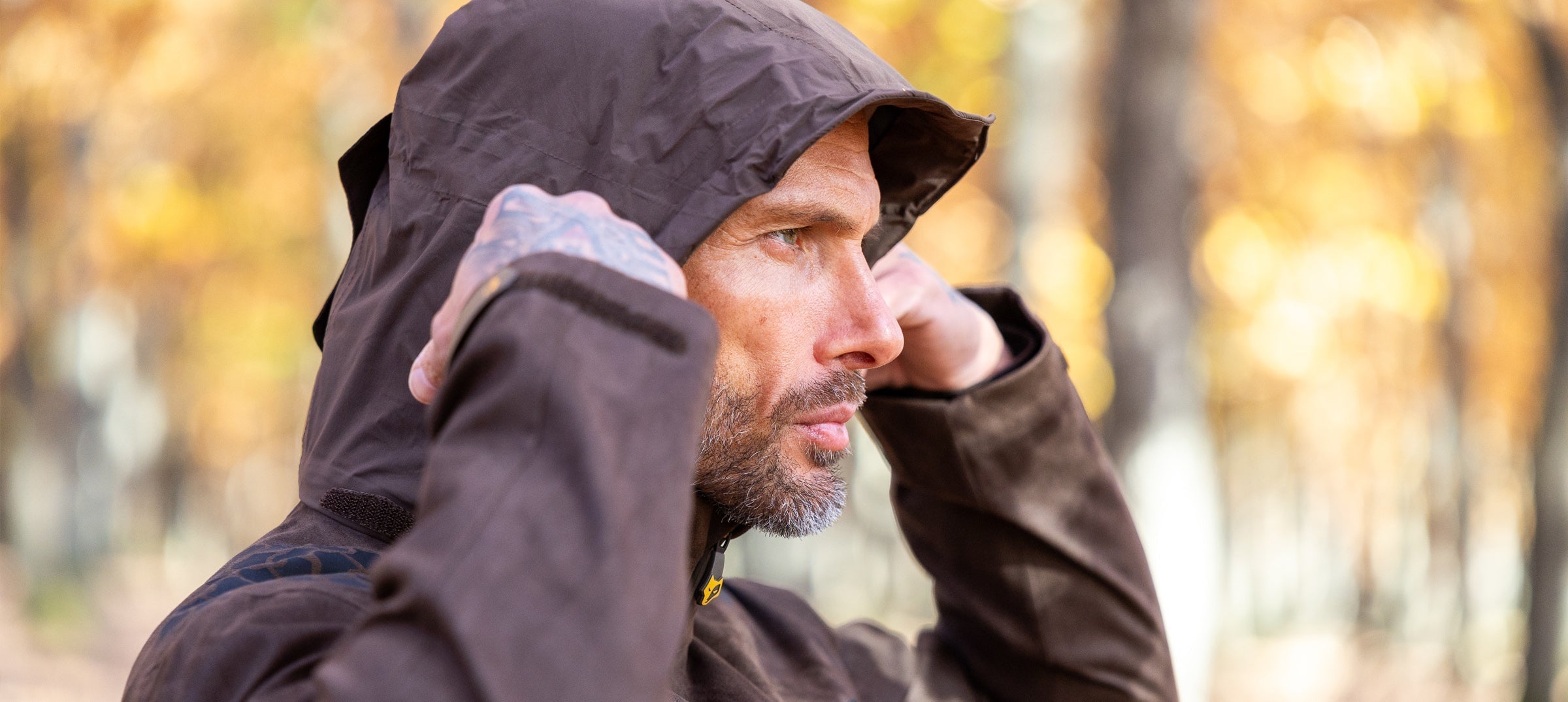
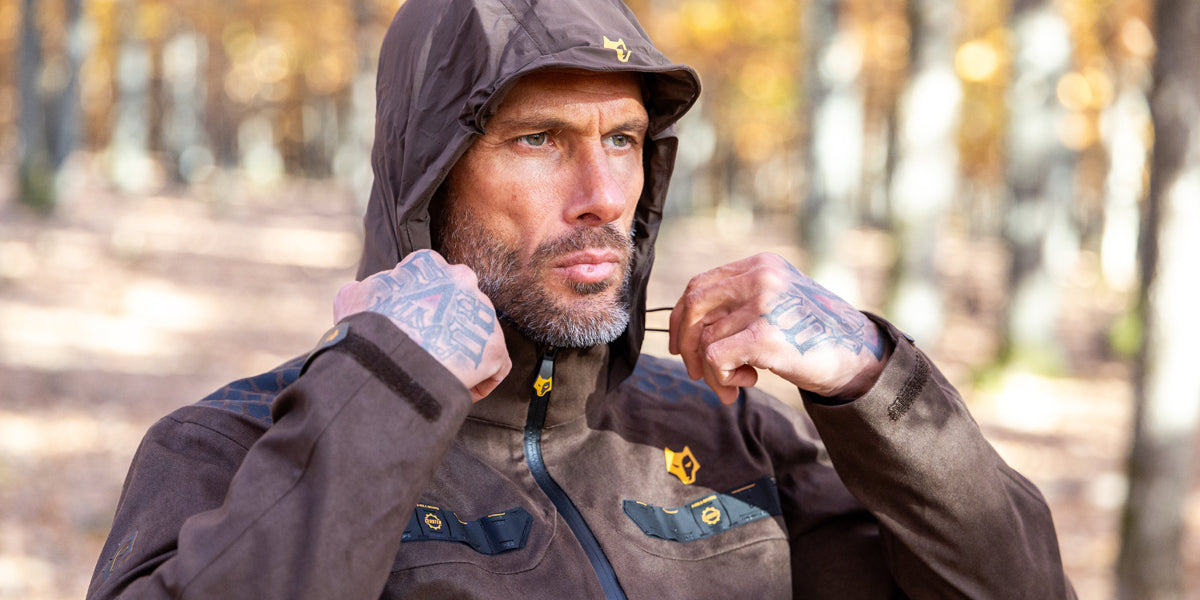
Potom prichádzajú na rad detaily konštrukcie. Plne podlepené švy sú dôležité, pretože voda si nájde stehy. Zipsy sú dôležité, pretože slabé zipsy sa menia na kanáliky. Manžety sú dôležitejšie, než si mnohí ľudia myslia. Zlá manžeta vás o daždi naučí viac ako etiketa na výrobku. To isté platí pre kapucňu. Musí chrániť bez toho, aby blokovala sluch alebo zrak. V hmle a daždi nie je táto rovnováha dobrovoľná.
Vetranie je ďalší detail, ktorému teraz venujem pozornosť. Pred rokmi som si myslel, že vetracie otvory sú pekným doplnkom. Teraz ich beriem ako súčasť systému regulácie vlhkosti. Pri intenzívnej chôdzi, najmä do kopca, môže mať aj dobrá membrána problémy, ak sa príliš rýchlo hromadí teplo a pot. Schopnosť uvoľniť teplo skôr, ako vnútorné vrstvy navlhnú, je jedným z nepatrných rozdielov medzi priemernou výstrojou a najlepšou nepremokavou poľovníckou výstrojou. Najlepšia výstroj nielenže chráni pred počasím, ale pomáha udržať poľovníka v nej stabilného.
Nepremokavé strelecké bundy potrebujú viac než len nepremokavú látku

Poľovnícka bunda nie je len pršiplášť v maskáčovom prevedení. To je zrejmé hneď, ako si prvýkrát oblečiete pevnú bundu, ktorá sa pri upevnení zbrane pretiahne cez ramená. Alebo takú, ktorá sa vyhrnie, keď zdvihnete ruky. Alebo takú, ktorá pri každom dotyku rukáva znie ako suchý papier. Nepremokavá ochrana je dôležitá, ale strelecké bundy potrebujú pohyb.
Dobré nepremokavé strelecké bundy by mali umožňovať prirodzené zdvíhanie paží. Nemali by sa tlačiť na telo. Strih okolo ramien a lakťov je dôležitý, najmä pri náročnej streľbe, kde je pohyb neustály a zriedkakedy úhľadný. Bunda, v ktorej sa dobre nosí pri státí pred zrkadlom, sa môže zdať úplne nevhodná pri prechádzaní nerovným terénom alebo pri rýchlom a kontrolovanom streľbe.
Strih je strategický. Príliš tesná bunda obmedzuje pohyb alebo stláča strednú vrstvu pod ňou. Príliš voľná bunda sa stáva hlučnou, objemnou a menej účinnou pri udržiavaní tepla. Platí to najmä pre pánske strelecké bundy, kde si mnohí poľovníci naberajú priveľa oblečenia, pretože chcú mať priestor na vrstvenie. Trochu miesta sa hodí. Prebytočná látka nie.
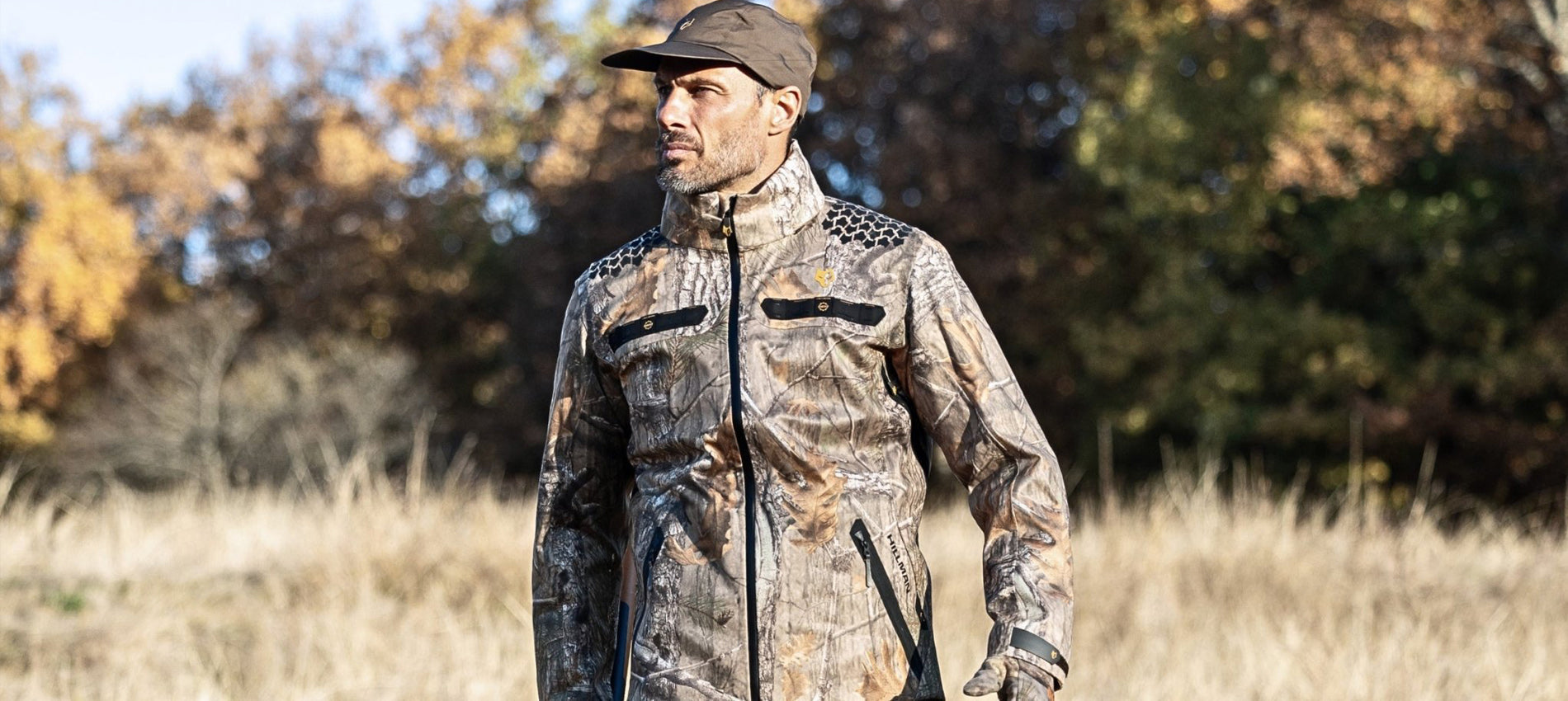
Tiež sa pozerám na omak látky. Mala by byť dostatočne mäkká, aby zostala tichá, ale zároveň dostatočne pevná, aby prežila skutočný terén. Zelené, hnedé alebo maskáčové vzory sú druhoradé, ak odev mechanicky zlyhá. Farba vám pomôže splynúť s davom. Výkon látky vám pomôže zostať v love. Tomuto poradiu verím.
Ako si vybrať vodotesné poľovnícke vybavenie pre náhle zmeny počasia?

Keď sa pripravujem na nestabilné počasie, nezačínam otázkou, ktorá bunda je najteplejšia. Začínam dňom. Koľko budem musieť chodiť? Koľko budem čakať? Aký je terén exponovaný? Budem sa pohybovať cez mokré krovie? Existuje možnosť hmly? Klesnú teploty, keď slnko zmizne? Potrebujem ľahkú ochranu, ktorú sa dá zbaliť, alebo silnejšiu vonkajšiu vrstvu na dlhé hodiny v drsnom počasí?
Tieto otázky rozhodujú o systéme. Na aktívne dni chcem priedušnú škrupinu, kontrolovanú stredná vrstvaa dostatočné vetranie, aby sa pot nestal problémom. V chladnejšom počasí chcem pod bundou viac tepla, ale stále nie taký objem, aby sa pohyb stal nemotorným. Počas dlhých mokrých dní sú nohavice rovnako dôležité ako bunda. Mnohí poľovníci sa to naučia neskoro. Horná časť tela zostáva suchá, zatiaľ čo nohy sú premočené od trávy, papradia a kríkov ešte predtým, ako začne skutočný dážď.
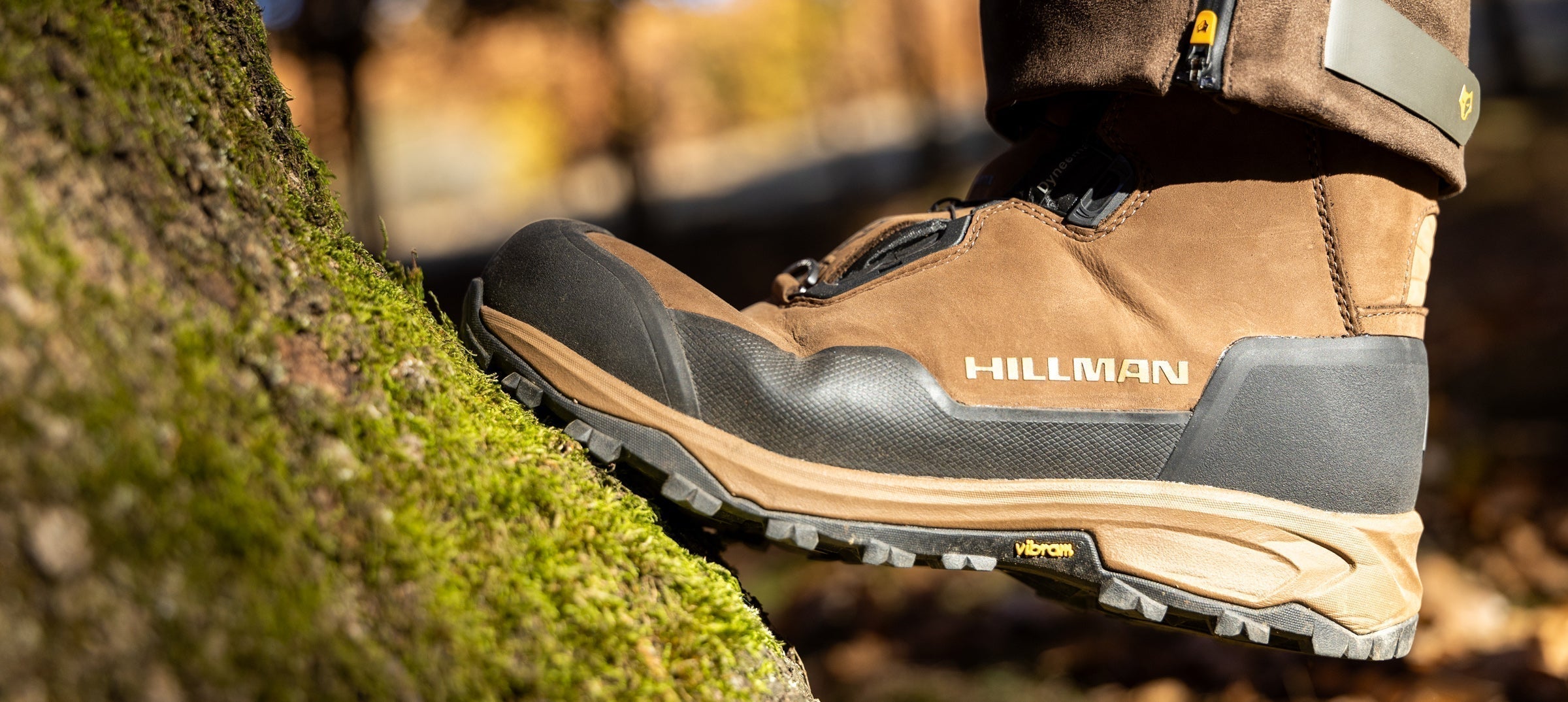
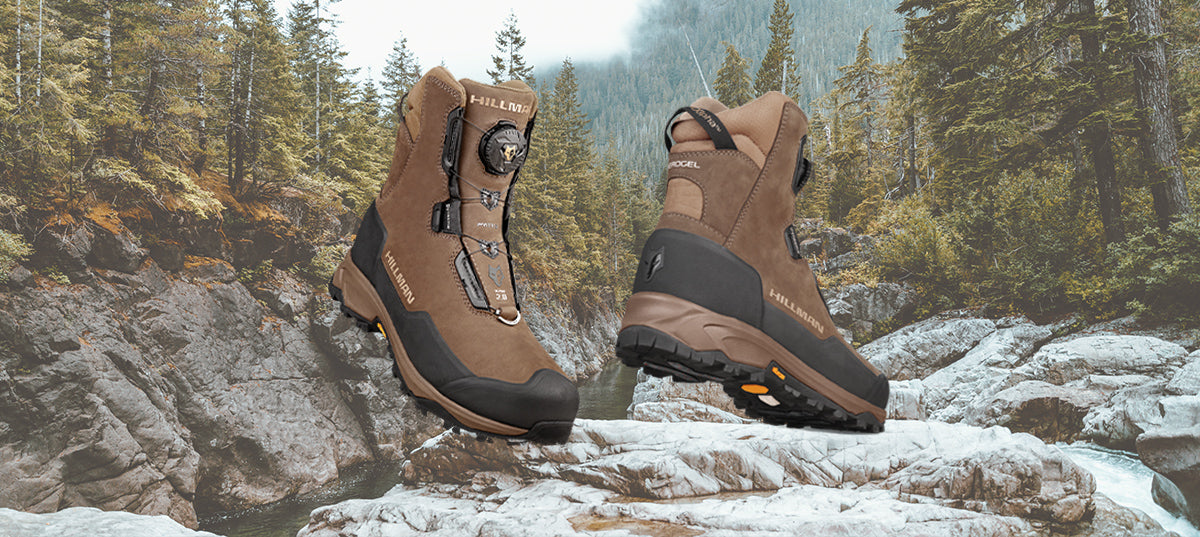
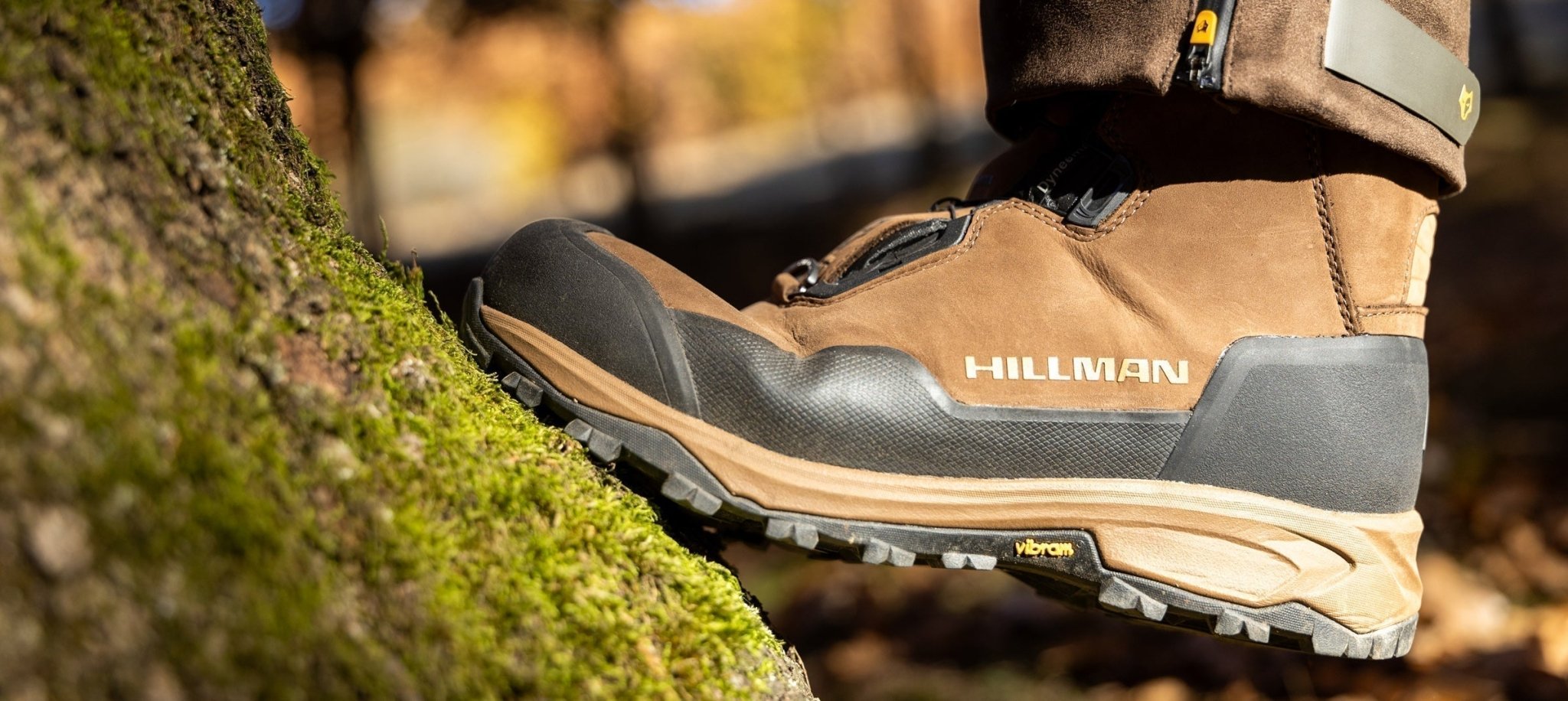
Najlepšia nepremokavá poľovnícka výstroj nie je vždy tá najťažšia. Je to výstroj, ktorá zodpovedá vášmu spôsobu pohybu, zastavovania, potenia, ochladzovania a streľby. Aj v tomto smere vidím hodnotu v technickom poľovníckom oblečení vyrobenom s ohľadom na skutočné použitie v teréne. Značka ako Hillman prirodzene zapadá do tejto diskusie, pretože cieľom nie je len vyzerať pripravene, ale vytvoriť systém oblečenia, ktorý zvládne mokrý terén, studený vzduch, pohyb, nehybnosť a náhle zmeny bez toho, aby poľovník musel bojovať s vlastnou výstrojou. Jedna zmienka o značke stačí. Zvyšok by sa mal overiť vonku.
Nepremokavé poľovnícke oblečenie do dažďa na dlhé hodiny vonku

Na dlhé hodiny vo vlhkých podmienkach si myslím, že vo vrstvách. Základná vrstva reguluje pot. Mala by odvádzať vlhkosť od pokožky a rýchlo schnúť. Ak základná vrstva zostane vlhká, každá prestávka sa bude zdať chladnejšia.
Stredná vrstva poskytuje teplo. Flísová alebo technická izolácia môžu dobre fungovať v závislosti od teploty a úrovne aktivity. Príliš veľa tepla počas lezenia sa premení na pot. Pot sa neskôr zmení na chlad. To je jedna z najstarších chýb pri love v zlom počasí.
Vonkajšia vrstva znáša najväčšie zaťaženie. Tu sa osvedčí nepremokavý poľovnícky pršiplášť. Bunda a nohavice musia blokovať dážď, odolávať mokrej vegetácii, umožňovať pohyb a zostať dostatočne priedušné pre skutočné použitie. Pridajte kapucňu, ktorá nebráni vo výhľade, vrecká, ktoré fungujú aj so studenými rukami, a manžety, ktoré dobre tesnia bez toho, aby boli otravné.
Potom prichádzajú na rad doplnky: rukavice, čiapka, ochrana krku a náhradná suchá vrstva, keď je to potrebné. Zdá sa, že sú to maličkosti, kým sa podmienky nezmenia. Studené ruky skúšajú trpezlivosť. Mokrý krk kradne teplo. Premočená čiapka predlžuje každú zastávku.
Preto si myslím, vodotesné oblečenie do dažďa na lov ako kompletné riešenie, nie jedna bunda, ktorá by robila všetku prácu. Dážď hľadá medzery. Hmla tiež. Rovnako ako studený vietor. Ak má systém slabé miesta, počasie ich zvyčajne nájde ako prvé.
Oblečte sa do počasia, ktoré môže prísť

Už sa pri vozidle neobliekam podľa počasia. To počasie je často najľahšou časťou dňa. Skutočná skúška prichádza neskôr: mokré manžety, hmla, dážď prichádzajúci skôr, ako sa očakávalo, dlhé čakanie po náročnom stúpaní alebo ten pomalý pokles telesného tepla, keď sa pohyb zastaví. Lovec nemôže ovládať hmlu, dážď ani náhle zmeny počasia. Môže ovládať, ako sa na ne pripraví.
To znamená vybrať si tichú látku, nielen vodeodolnú. Priedušnú, nielen ochranu. Strih, ktorý umožňuje streľbu, nielen státie. Vrstvy, ktoré spolupracujú, namiesto toho, aby sa navzájom bitky. Výstroj, ktorá vás udrží v suchu, sústredení a v pohodlí aj potom, čo predpoveď prestane zodpovedať realite. Počasie nemusí byť extrémne, aby vás preverilo. Niekedy stačí malá zmena.

zdieľam: