Country / shop
Table of Contents

Signs Your Hunting Setup Is Slowing You Down, Making Noise, or Losing Comfort

hunting gear setup, packing, hunting gear for men, hunting clothing layering, waterproof jacket, quiet packs for no-noise hunts, boots

By the second gate, Peter had hoisted his pack back onto his shoulders three times. I nearly suggested slowing the pace. We had a steady climb ahead, he was breathing comfortably, and I had already decided that the hill would be the difficult part of the morning. Then he lifted the pack again, using both hands this time, and I finally paid attention to what was happening in front of me.

I reached for a shoulder strap and tightened it. Peter walked a few yards, stopped and looked back. The pack had become more firmly attached to the wrong place. He was courteous enough to let me arrive at this conclusion myself. At the next level patch, I asked him to take it off so we could start again. It was an unpromising beginning for the person who was supposed to know about these things.

When someone asks me to assess a hunting gear setup, I now want to see them walk in it. Peter liked his pack and knew its pockets well. He had become so good at hauling it upwards that I had barely noticed the inconvenience.

The Pack Keeps Sliding Despite Your Adjustments

hunting gear setup, hunting gear for men, quiet packs for no-noise hunts: chairpack

We put it on a flat stone and opened the main compartment. The flask was towards the outside, with room around it for other contents to shift. I moved the heavier pieces closer to his back and began filling the gaps. Peter promptly rescued a small pouch before I buried it. He used it during the day and wanted it accessible. Fair enough. My tidy arrangement had survived perhaps ten seconds of consultation with its actual user.

Once the contents were secure, we reset the harness according to the maker's instructions. With this framed pack, the padded hip belt needed to sit around the top of his hip bones. We checked the torso adjustment and tightened the shoulder straps without hauling the belt upwards. He walked back over the same short rise. The load moved less, although the belt still needed attention. We would come back to that after the walk.

There is research behind taking pressure seriously. In a 2015 PLOS ONE study, ten men tried twelve configurations of one modified backpack, using total pack weights of 15, 20 and 25 kilograms. Peak pressure measured beneath the shoulder straps while standing accounted for 85% of the variation in average shoulder-discomfort ratings between configurations. That was a small laboratory study, but it gave me a useful reason to look closely at where a load presses, rather than judging it solely by its weight.

Peter had been trying to relieve the pressure by tightening whichever strap he could reach. If a quick adjustment keeps failing, look at the fit before trying it again. A belt at the end of its range or a harness that cannot suit your torso may need a different size or design.

The Small Extras Have Become a Heavy Load

field and forest, hunting gear setup, hunting gear for men, hunting clothing layering, waterproof jacket, quiet packs for no-noise hunts, boots

Peter asked whether the pack was too heavy. I could have lifted it, made a thoughtful face and offered an opinion. The performance looks convincing. We had no scale with us, so we agreed to weigh it at home, packed as it had been that morning, including the water. A number would give us something useful to discuss before his next trip.

In a 2014 Journal of Experimental Biology study, eight young adults walked on a level treadmill at 4.5 kilometres per hour. Each extra kilogram raised the rate at which their bodies used energy by about 7.6 watts on average. That result describes a particular pace and laboratory setting, rather than predicting the energy Peter would use on our hillside. Still, an extra five kilograms would represent about 38 watts more under those test conditions. Weight continues to ask for effort even when you have arranged it comfortably.

I am reluctant to remove anything that has a sensible purpose for the route. Water, weather protection, navigation and emergency supplies need their place. But I have carried optional things for years because I once packed them for a different kind of outing and never reconsidered them. Five unnecessary items weighing 200 grams each add a kilogram. I find that arithmetic harder to argue with than the reassuring thought that each item weighs very little.

You Start Walking Differently to Avoid a Noise

hunting gear setup, hunting gear for men, hunting clothing layering, no-noise hunts, quiet boots

Beyond the pasture, the track narrowed between hazels. I heard a click whenever Peter took a longer step. He shortened his stride and the clicking became less frequent. When I asked about it, he touched the binocular case on his chest. He had noticed the noise earlier and assumed there was little to be done about it. We had spent the morning moving things around; he understandably had limited enthusiasm for another conference about straps.

This one was quick. A buckle on a loose accessory strap swung against the case. I held it clear while he repeated the movement, and the click disappeared. We shortened the strap and secured the spare webbing, then walked on. Peter took his normal stride again. I was pleased with the result, although I remembered a loose zip pull I had once held in my fingers for most of an approach rather than stop and sort it out.

To find a noise, I repeat the movement and change one suspected contact at a time. Another person can listen while you walk, crouch and lift the binoculars. Separate hard objects and secure loose straps without obstructing closures. If the sound comes from the frame or a damaged buckle, ask the manufacturer about the appropriate repair.

A Useful Pocket Disappears Under Another Layer

hunting gear setup, hunting gear for men, hunting clothing layering, waterproof jacket, pockets

At the woodland edge we stopped to put on warmer layers before sitting down. Peter's gloves were inside his spare clothing, where he had moved them to keep them dry. He knew their location perfectly well. Reaching them meant opening the pack and lifting things out onto his knees. We found a more accessible place that kept them protected, then left the rest of his familiar arrangement alone.

I began explaining how much easier life became when frequently used things were within reach. Halfway through, I discovered that my own chest harness was obstructing the pocket I wanted. Peter watched while I lifted it out of the way. He said nothing, which I felt was unnecessarily eloquent. I adjusted the harness, checked that I could close the pocket again and returned to the business of getting us settled.

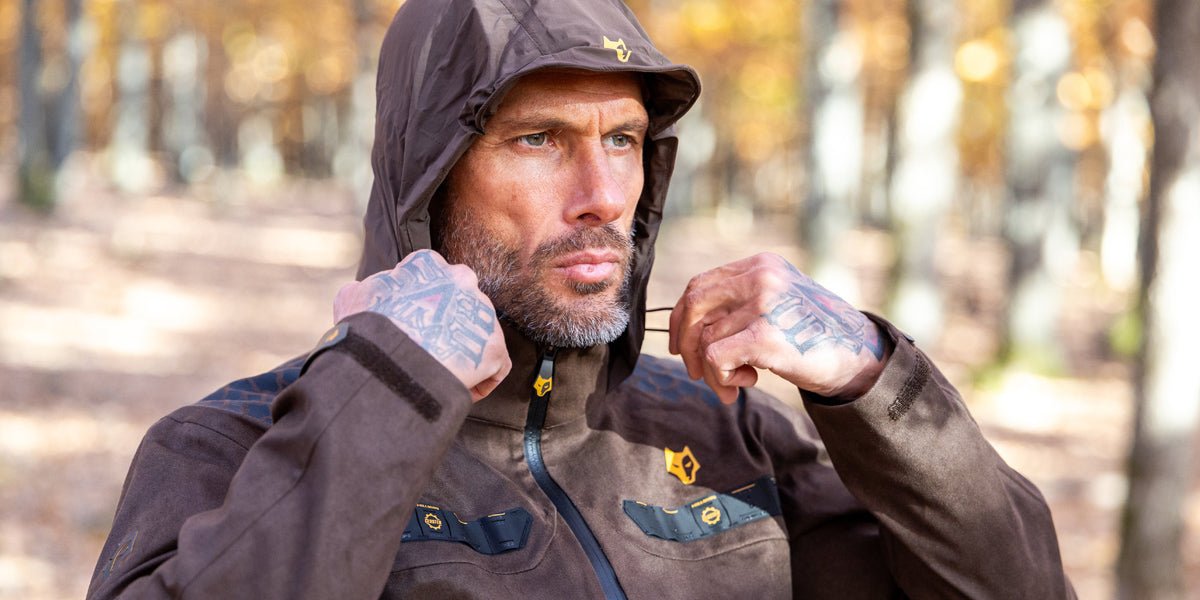
This is why I try hunting clothing with my pack and harness. A pocket can be perfectly usable until a hip belt covers the opening. A shell can fit over a shirt and pull across the shoulders once insulation goes underneath. Sit down, reach and turn with the whole combination on. You want to discover whether the problem is a full pocket, an adjustment or the cut of the garment before deciding what to buy.

Discomfort Starts Taking Your Attention Away

hunting gear setup, hunting gear for men, hunting clothing layering, waterproof jacket, camo, boots

We sat overlooking an opening in the timber. Peter could reach his gloves now, and I could reach my pocket without a demonstration. After a while, a roe appeared at the far side, fed briefly and moved back into cover. Peter checked the gap again before putting his binoculars down. I enjoyed the quiet, partly because we had finally stopped discussing equipment.

While sitting there, I noticed pressure from a small object in my thigh pocket. It had caused no trouble on the walk. I moved it and settled again, reminded that a standing fitting tells you very little about an hour on a low seat. The same applies to warmth. On a climb I want layers and vents I can adjust easily; when we stop, I want dry insulation ready before the warmth of walking fades.

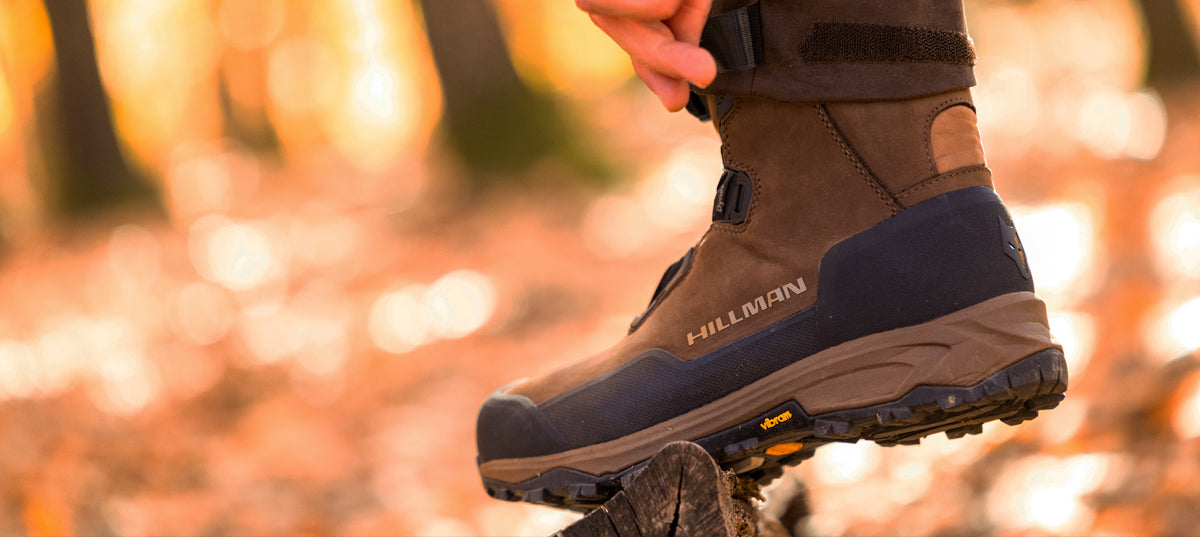
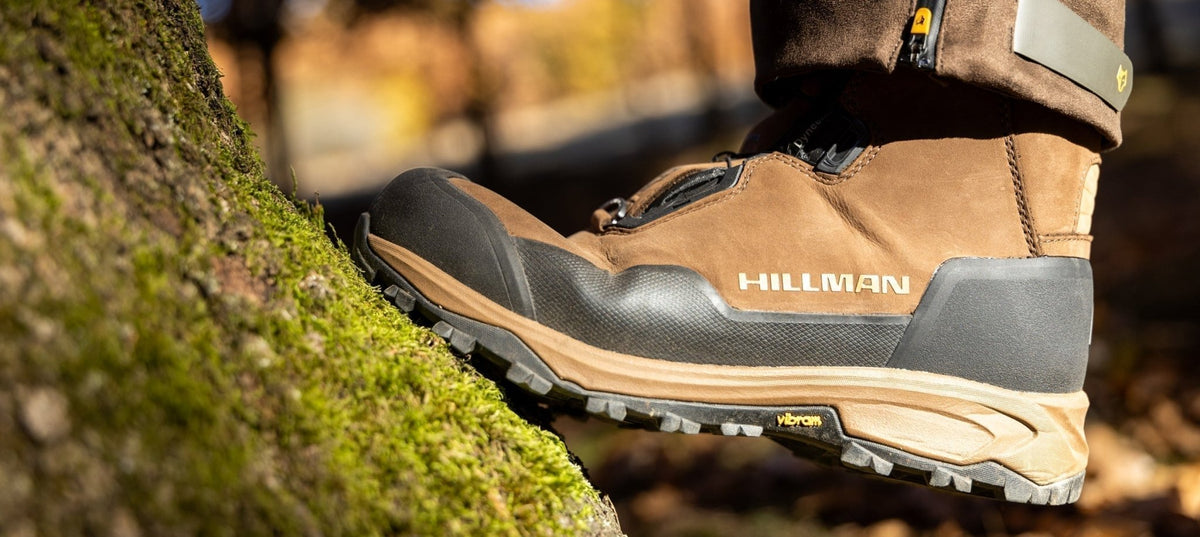
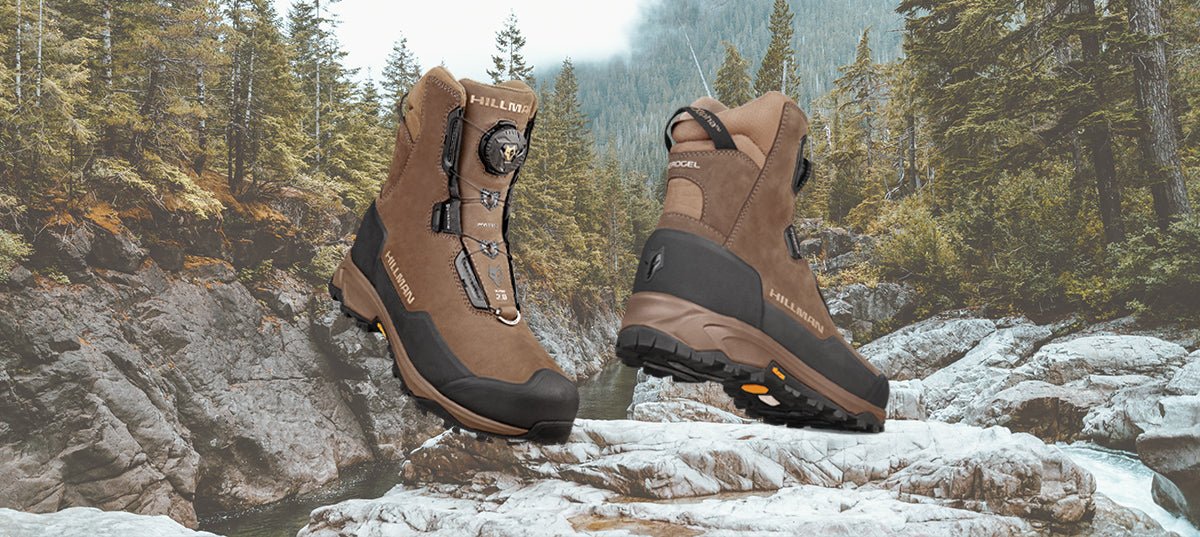
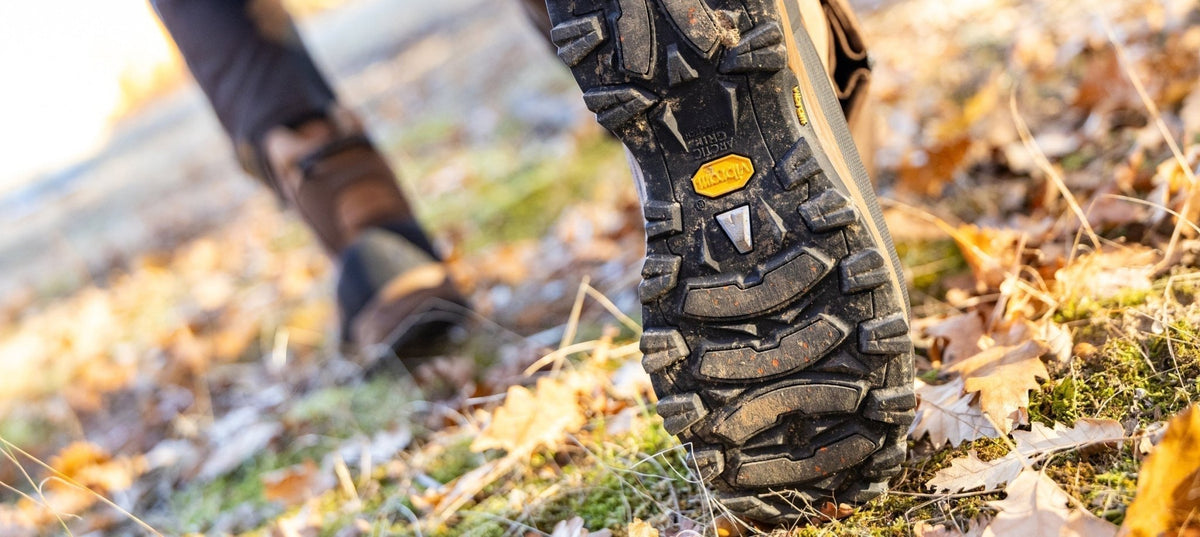
Feet can demand attention in much the same gradual way. You begin choosing a different foot placement because a heel rubs, or hesitate on a descent because your toes touch the boot front. Stop on suitable ground and check for debris, sock folds or lacing pressure. I try boots with the socks and pack I intend to use, including some downhill walking. Persistent pain or numbness calls for stopping and reassessing. I have never found a distant vehicle makes a doubtful boot fit more agreeable.

Give the Remaining Problem a Name Before You Shop

The belt crept down again on the return. Back at the vehicle, Peter asked about replacing the pack. He liked it, and I could see why he wanted a clear answer. We had reduced the load movement and stopped the buckle tapping, but the belt still needed a proper fitting assessment. I suggested another short local walk after that assessment, using the same packing arrangement. Then he could judge the remaining issue without changing five things at once.

When buying hunting gear for men, I would bring that specific complaint to the fitting. Explain where the belt slips, what load you carry and which layers you wear. Jacket size alone will not determine the right pack length. If the existing equipment cannot fit properly or do the required job, replacement makes sense. If it needs an adjustment or a suitable repair, you have a smaller problem to solve.

Peter kept a brief note of what we had changed. I wrote one too, to remind myself that I had reached for his strap before understanding the trouble. There is plenty of satisfaction in choosing new hunting gear, but I was happy with our less expensive morning. On our next outing, Peter showed me where the gloves lived. I reached towards the pocket, thought better of it and left his arrangement alone.

Henrik Larsen
Author

Henrik Larsen

Hunting Guide / Fieldcraft Specialist

Henrik Larsen writes about the part of hunting that starts before leaving home. Packing, layering, route choice, weather judgement, safety habits and field discipline are regular themes in his articles. His approach is calm and practical: take what you need, know why you are taking it, and avoid learning simple lessons the hard way once you are already in the field.

Post di blog correlati

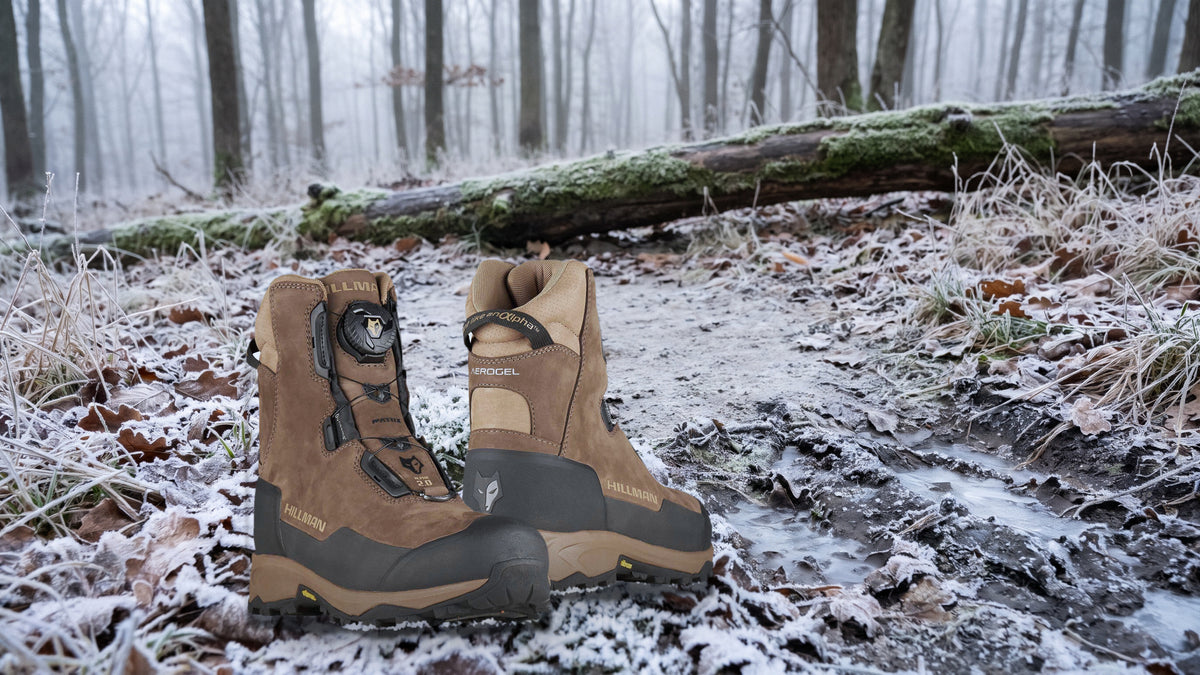
Pair of Aerogel 2.0 insulated hunting boots on frosted forest ground

Why Your Feet Get Cold When Hunting, and How to Keep Them Warm

In short Most cold feet on a high seat start with damp socks: you sweat on the walk in, then sit still. A boot laced too tight or a size too small cuts blood flow. You should be able to...

Continua a leggere

Balkan and Alpine hunts with new hunting boots for men, waterproof hunting boots, insulated hunting boots, merino socks

Scarponi da caccia nuovi: i primi 16 chilometri prima della caccia

Breaking in new hunting boots across a structured 10-mile trial allows hunters to evaluate fit, lace closures, sock compatibility, and downhill toe clearance under realistic pack weight before an overseas mountain hunt. Testing boots across varied terrain, including wet grass, steep descents, and stationary cold waits, helps surface minor pressure points, test waterproofing integrity, and confirm sole traction. Taking time to resolve fit issues and adjust insoles locally ensures maximum stability and comfort when navigating demanding Alpine or Balkan terrain.

Continua a leggere

packable vs all day hunting rain gear for mountains, wet forests: waterproof rain gear, rain jackets, pants, moisture-wicking mid, base layers

Abbigliamento antipioggia pieghevole vs. abbigliamento antipioggia per la caccia in montagna e nelle foreste umide, adatto a lunghe giornate di caccia.

La scelta dell'abbigliamento antipioggia più adatto per la caccia dipende dal tempo di esposizione, dallo sforzo fisico e dalle caratteristiche del terreno, piuttosto che da singoli test di valutazione. Mentre le giacche ripiegabili offrono una protezione leggera per gli acquazzoni improvvisi, i sistemi impermeabili per l'intera giornata garantiscono una difesa duratura contro pioggia continua, vento e vegetazione abrasiva. Un'adeguata ventilazione, una costruzione ergonomica e un sistema di strati traspiranti assicurano di rimanere asciutti sia dalle precipitazioni esterne che dalla condensa interna.

Continua a leggere

waterproof hunting clothes with reinforced seams, waterproof hunting jacket with taped seams, waterproof hunting boots, pants

Perché la costruzione delle cuciture è importante negli indumenti impermeabili da caccia

L'affidabilità di un capo di abbigliamento da caccia impermeabile dipende dalla sua costruzione, e la realizzazione delle cuciture gioca un ruolo fondamentale nel tenere fuori la pioggia laddove i tessuti da soli non bastano. Questa guida spiega come cuciture, pannelli di rinforzo, articolazioni, membrane e vestibilità lavorano insieme per mantenere i cacciatori asciutti, comodi e liberi di muoversi con naturalezza nelle condizioni più impegnative sul campo.

Continua a leggere

best hunting jacket for deer and boar hunting, waterproof leather hunting jacket, rain camo jacket

Piccoli dettagli della giacca da caccia che contano per la caccia al cervo e al cinghiale

Le migliori giacche da caccia si distinguono per i piccoli dettagli che si apprezzano solo una volta sul campo. Questa guida spiega come vestibilità, tasche, polsini, cappucci, tessuti e protezione dalle intemperie influenzino comfort, libertà di movimento e prestazioni durante le battute di caccia al cervo e al cinghiale.

Continua a leggere

how to break in hunting boots, best socks to break in boots: waterproof, insulated boots leather

Come rodare gli scarponi da caccia prima di una battuta di caccia importante?

Il rodaggio degli scarponi da caccia non consiste nel forzare la pelle rigida ad ammorbidirsi durante la notte. Si tratta piuttosto di imparare a conoscere il comportamento degli scarponi prima che terreni accidentati, intemperie e lunghe ore di utilizzo inizino a evidenziare eventuali problemi. Un rodaggio adeguato vi dà il tempo di sistemare il movimento del tallone, i punti di pressione, le calze e il supporto prima che la caccia entri nel vivo.

Continua a leggere

Best Hunting Rain Gear for Hunters (2025 guide) - Hunting Boots - Winter, Waterproof Gear | Men's Hunt Clothes

Miglior abbigliamento antipioggia per la caccia (guida 2026)

L'articolo esamina i migliori indumenti antipioggia per la caccia del 2026, pensati per le condizioni meteorologiche imprevedibili e spesso estreme del Regno Unito e dell'UE. Sottolinea l'importanza di un equipaggiamento traspirante, leggero, silenzioso e resistente per i diversi stili di caccia e terreni. L'abbigliamento antipioggia di Hillman viene evidenziato come uno dei migliori, superando la concorrenza in termini di versatilità e resistenza alle intemperie. L'articolo offre anche consigli pratici su come vestirsi a strati, sulla manutenzione dell'attrezzatura e sulla scelta della configurazione più adatta per la caccia d'appostamento nei boschi, in collina e in battuta.

Continua a leggere

best hunting boots for mixed terrain guide: waterproof, insulated, hiking boots

I migliori scarponi da caccia per escursioni su terreni misti: uno o due?

Per la caccia su terreni misti, non esiste lo scarpone perfetto: esiste solo quello che rimane stabile, asciutto e offre supporto al variare delle condizioni. Un solo paio è sufficiente se versatile e affidabile, ma due paia sono utili in ambienti umidi dove il tempo di asciugatura è fondamentale. In definitiva, la calzata, il periodo di rodaggio e le prestazioni sul campo contano più delle etichette o delle categorie.

Continua a leggere

how to choose hunting boots for unknown terrain & conditions: waterproof insulated footwear with reliable grip, ankle support, socks

Come scegliere gli scarponi da caccia per terreni sconosciuti

Scegliere degli scarponi da caccia per terreni sconosciuti è una questione di equilibrio, non di marche o reputazione. Quando aderenza, calzata, impermeabilità, isolamento e supporto lavorano in sinergia, gli scarponi si integrano perfettamente nell'ambiente circostante e consentono movimenti naturali al variare delle condizioni. Il paio giusto mantiene i piedi asciutti, stabili e comodi per lunghe ore, anche quando il terreno e il meteo si rifiutano di comportarsi come previsto.

Continua a leggere

lightweight hunting gear for frequent travel, layering system: breathable base layers, waterproof hunting jackets, accessories

Attrezzatura da caccia leggera per cacciatori che viaggiano spesso

Questo articolo spiega perché un equipaggiamento da caccia leggero sia importante per chi viaggia spesso, sottolineando come il peso eccessivo disperda energia, rallenti i movimenti e comprometta la concentrazione. Evidenzia come un abbigliamento adattabile, traspirante e facilmente ripiegabile migliori il comfort in condizioni climatiche variabili e semplifichi la logistica del viaggio. In definitiva, sostiene che un equipaggiamento leggero rappresenti un investimento a lungo termine perché riduce gli ostacoli, semplifica le decisioni e favorisce prestazioni migliori sul campo.

Continua a leggere

best hunting jackets for extreme temperature swings: insulated cold-weather jackets, waterproof warm weather jackets

Le migliori giacche da caccia per sbalzi di temperatura estremi

La caccia in paesi con temperature variabili richiede giacche che si adattino alle oscillazioni climatiche, passando da mattine fredde a giornate calde e viceversa. Le migliori giacche da caccia moderne offrono un equilibrio ottimale tra isolamento termico, traspirabilità, protezione dalle intemperie e libertà di movimento, senza necessità di continue regolazioni. In definitiva, versatilità e vestibilità sono più importanti di qualsiasi singola caratteristica, consentendo ai cacciatori di concentrarsi sul campo anziché sulle previsioni del tempo.

Continua a leggere

hunting gear evolution: tradition and technology, leather, wool, waterproof boots, footwear, jackets

L'evoluzione dell'attrezzatura da caccia: dalla tradizione alla tecnologia.

L'equipaggiamento da caccia si è evoluto, passando da pesanti indumenti di lana e cuoio a attrezzature tecniche e leggere che migliorano comfort, sicurezza e prestazioni sul campo. Mentre un tempo la tradizione influenzava l'abbigliamento tanto quanto la funzionalità, i materiali moderni privilegiano oggi la protezione dalle intemperie, la mobilità e l'efficienza. I cacciatori di oggi coniugano tradizione e tecnologia, adattandosi alle mutevoli condizioni senza perdere il rispetto per le radici di questo sport.

Continua a leggere

Domande frequenti

Is there a maximum pack weight every hunter should follow?

There is no single percentage of body weight that guarantees comfort or safety for everyone. The route, duration, conditioning and fit all matter. Weigh the complete load and test it on a manageable local route. Consider the return as well, especially if you may need to carry additional weight after a successful hunt.

Should a waterproof jacket be completely silent?

Expect some fabrics to rustle during movement. Compare suitable jackets while wearing your usual layers and pack, and listen for avoidable rubbing or loose hardware. Keep the weather protection your route requires. A quiet room is useful for comparison, but it cannot establish how far an animal will hear you outdoors.

Can thicker socks fix boots that rub?

They may change how the boot fits, but they also reduce the space available inside it. Try your intended socks when fitting the boots and check heel movement, width and toe room on a descent. If rubbing returns despite sensible adjustments, seek fitting advice rather than relying on extra padding or more walking.

How can I tell whether an adjustment actually helped?

Repeat the same manageable walk with a similar load and clothing combination. Note the specific problem, such as belt slipping or pressure beneath one strap, and when it returns. Change one suspected cause at a time where practical. Include sitting and reaching for essentials, because walking alone does not test every part of the setup.

Should I replace uncomfortable gear or rearrange what I already own?

Start with fit and arrangement, provided the equipment is sound and suitable for the trip. A swinging pouch or badly positioned strap can make a decent item awkward to use. I adjust one part of my hunting gear setup and repeat a short walk. If the problem remains, I can describe what a replacement needs to do better.

How should I arrange equipment around my pack’s hip belt?

Fit the loaded pack first, then decide which pockets and pouches remain useful. Frequently needed items should be reachable without loosening the belt, and hard objects should not sit beneath it. I check the arrangement while seated and stepping uphill too. A pouch that feels comfortable on level ground may catch against your thigh on a climb.

How do I stop my binocular harness from interfering with my jacket and pack?

Fit the harness over your usual hunting clothing, then put on the loaded pack and check where the straps overlap. Adjust anything that presses or rubs, and make sure you can still retrieve and return the binoculars. I also open the jacket and reach for its pockets before deciding whether the whole arrangement works.