

Why Moisture Transfer Matters on Wet Grass, Long Walks, and Cold Waiting

Ten minutes on the upper slope and I was already looking for somewhere else to sit. We had the view I wanted. Open ground opposite, timber along the edge, enough daylight to pick apart the gaps between the trees. I raised the binoculars, felt the cold across my damp back and shifted lower behind the bank. From there I could see a strip of sky and the back of Martin's head. I sat up again.
Martin tried a place farther along, came back and pointed towards the clearing below us. He had suggested it before we left the vehicles. I had argued for the extra height, then worked hard to get us there. Now I was cold, irritated and reluctant to admit that a better view was doing us very little good. We could move while the clearing was empty. I took one more look at the opposite slope and put the binoculars away.
Before We Reached the Wood

The morning had started well. Martin brought coffee and bread wrapped in a red tea towel. We stood beside the vehicles discussing two roe deer we had seen on our previous visit. Both had stayed behind branches, then disappeared before we had a clear opportunity. I had spent much of the intervening week thinking about where we should have been sitting. Given a few evenings indoors, I can make a very convincing case for almost any patch of hillside.
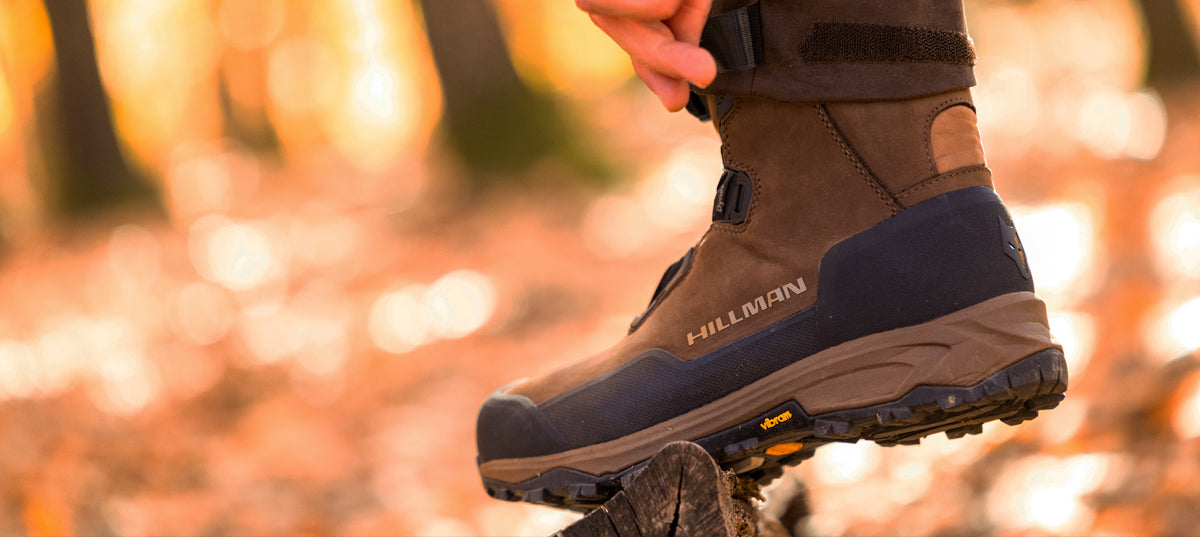
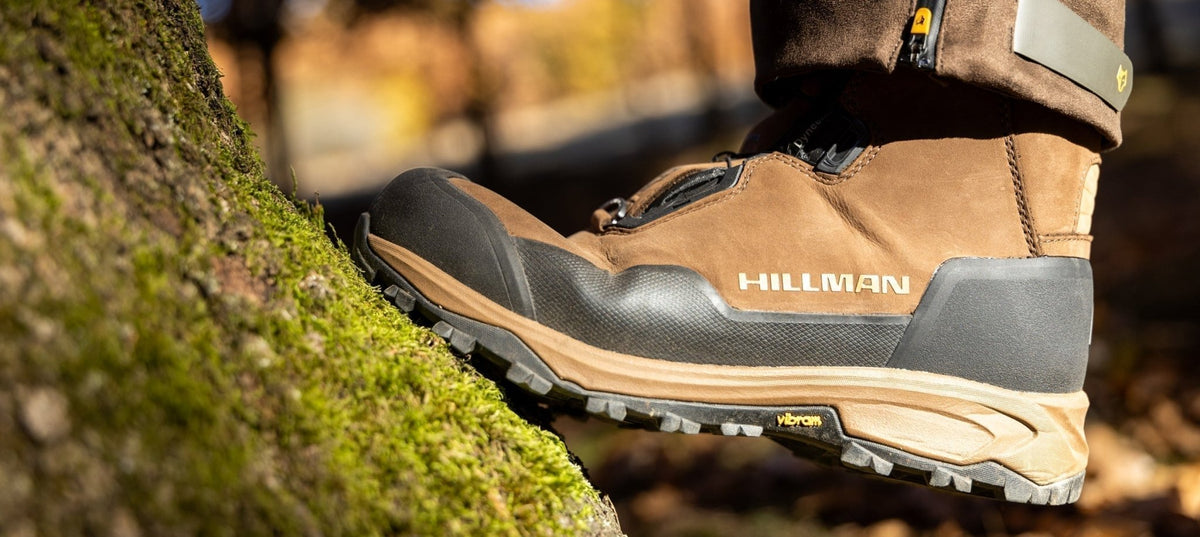
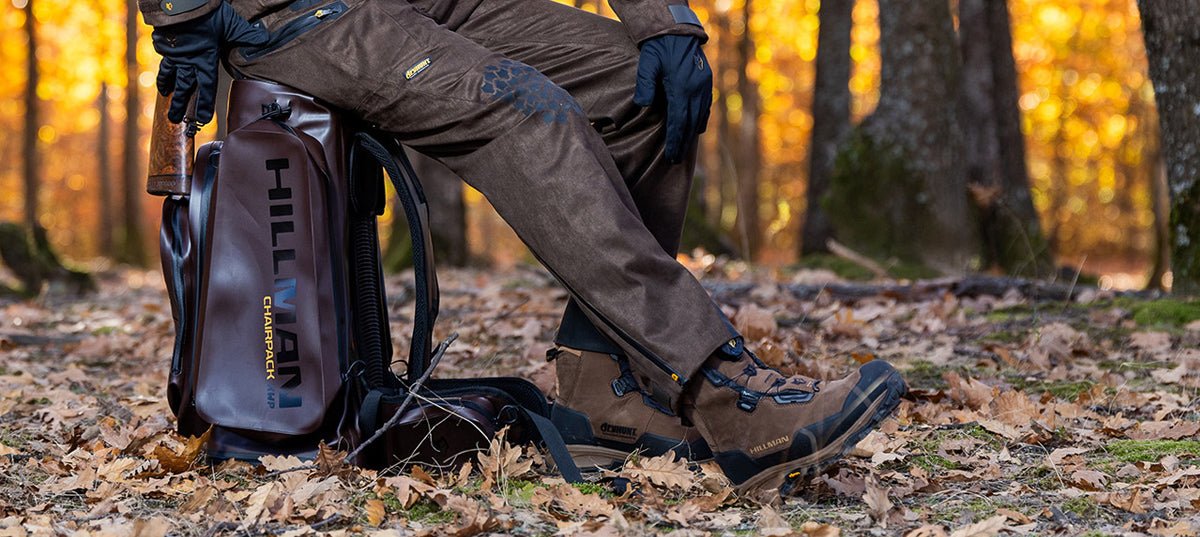
Martin carried the folded deer carrier. I took the food and spare layers, including a dry shirt in a waterproof bag. We knew the way in and had left enough time. Still, once we were through the gate I started walking as though the morning might get away from us. The meadow was soaked. Grass brushed our knees, and water gathered along the laces of my waterproof hunting boots. I stopped to straighten a trouser hem outside the collar, fastened my gaiters and followed Martin's track towards the wood.
At the first trees we found prints crossing soft earth towards the lower clearing. We crouched to look, then continued uphill. The route would let us watch more ground, and I wanted to see what was using the opposite timber edge. I had kept on the fleece that felt comfortable beside the car. By the second bend, sweat was running beneath the pack straps, and I was wishing I had packed it before we left.
I stopped and took it off. Martin waited by a beech, studying the bark with the concentration of a man who had decided to keep his opinions to himself. He held my jacket while I sorted the layers, then handed it back. I opened the vents and loosened the collar before putting the pack on. We lost a few minutes. I promptly tried to recover them by walking faster on the next section.
The Last Part of the Climb

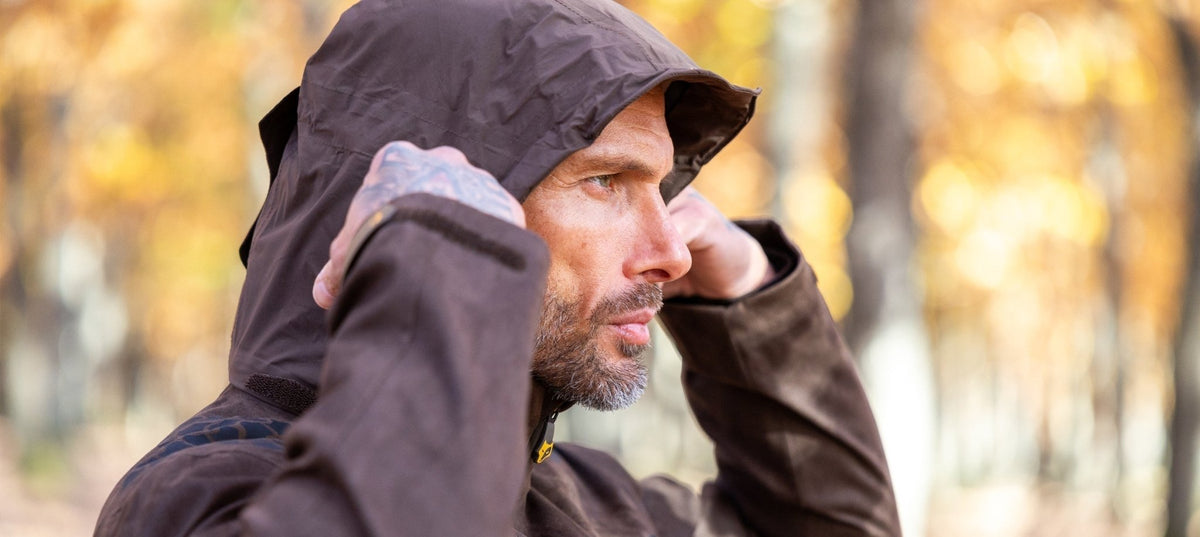
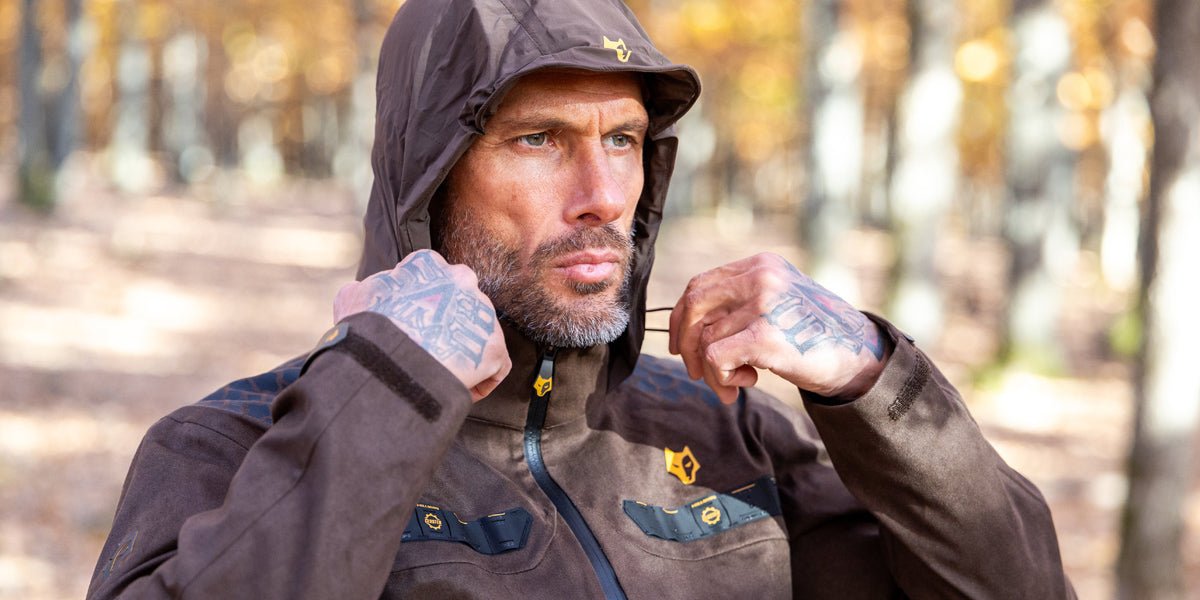
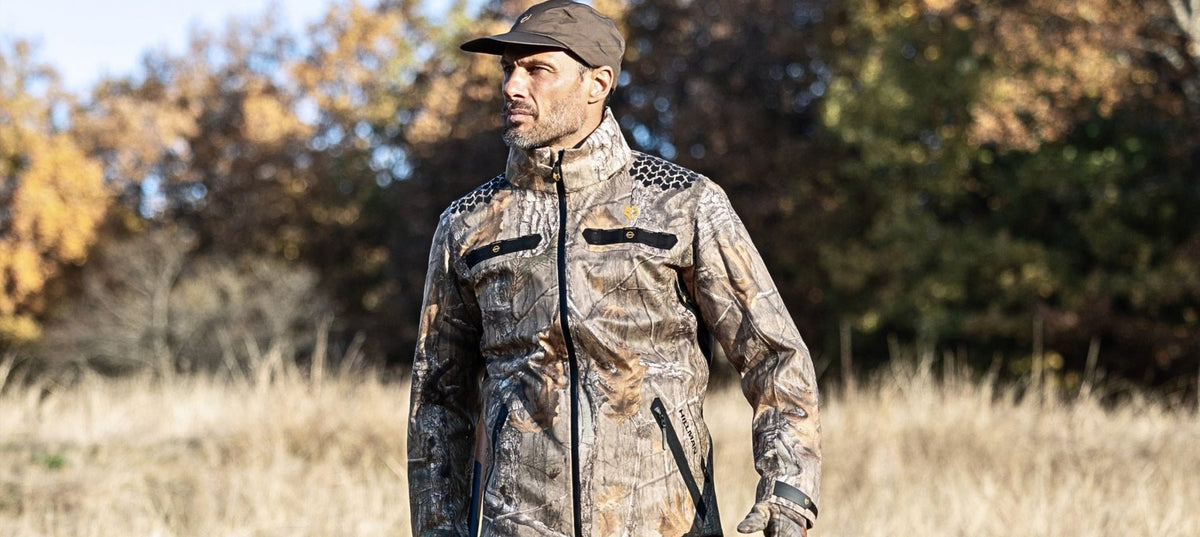
I could reach the vents on my hunting waterproof jacket with the pack fastened. That was one reason I had chosen it, and I used them as we climbed. The shirt beneath was already damp. Opening everything helped, but the steep ground kept me working, and the pack covered most of my back. At the junction Martin glanced towards the lower clearing. I pointed uphill, where the cloud was beginning to lift.
I knew what the damp shirt meant for the wait ahead. I also wanted to reach that viewpoint, and I kept giving the next few hundred yards priority over how I would feel when we stopped. My shirt could spread sweat away from the skin, but the moisture still needed to evaporate and escape. I was producing it faster than the clothing could clear it. I shortened my stride and eased the pace for the remaining climb.
At the top I added the fleece before the warmth of walking faded and closed the vents. The insulation helped, though the shirt underneath was still wet. After those first ten minutes behind the bank, the lower clearing looked worth trying. We gathered our things and took the path back to the fallen beech.
A Place We Could Stay

The clearing was still empty. Behind the bank beside the fallen trunk, I changed into the dry shirt with the other layers ready to go back on. The damp one went into a separate bag. Martin made room beside him, moving a broken branch that would have pressed against my leg. I sat down, checked the view through the binoculars and adjusted my feet. This time I could stay where I was.
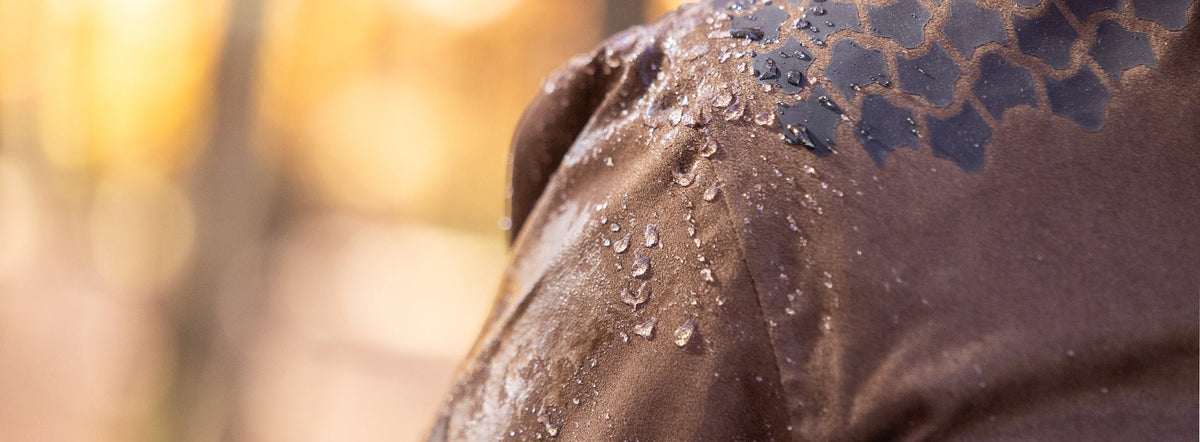
Rain started tapping on the leaves. Mud darkened the knees of my trousers, and drops worked their way down from the branches overhead. My waterproof hunting clothes kept that water outside while we waited. With the fleece back on and the vents closed, I was comfortable enough to leave everything alone. Martin poured coffee. He turned his dented cup before drinking, finding the good part of the rim without looking.
Across the clearing stood a stump I knew well. On an earlier visit I had watched it for several minutes before accepting that it was unlikely to move. Beyond it were two young trees, brambles and a narrow opening into the wood. I worked along that edge slowly with the binoculars, lowered them and started again. Martin watched farther to the left. We had used this position before, and neither of us needed to explain where the other should look.
I enjoy this part more than I used to. Years ago, a quiet half-hour had me planning the next move. I still like covering ground, but there are mornings when I want time to examine the place I have already reached. A dark patch resolves into a fallen limb. Grass moves where there seemed to be no wind. You look again. Beside me, Martin shifted his cup away from his elbow and settled his binoculars on his knees.
Something began moving through the leaves behind us. I turned twice before seeing the bird responsible. Martin turned the next time, caught my eye and smiled. We left it to carry on. The rain eased, and I was following a gap beneath the brambles when he touched my sleeve. His binoculars were already up, pointing between the young trees.
When the Deer Stepped Out

I found the head first. A roe stood close to the woodland edge, with most of its body hidden. It lowered its muzzle, took a step and stopped. I watched through the binoculars while Martin stayed still beside me. After our previous visit, I expected it to feed back into cover. For a while that seemed likely. Every small movement put another branch across it, and I waited for it to disappear.
Then it turned and came into the open. The deer stood clear of the branches, with a steep earth bank behind it. I took the shot, and it went down. We stayed still, watching carefully before approaching. Martin rested a hand on my shoulder. I remember noticing how dry my mouth had become, then reaching for the water bottle beside my pack. Neither of us had much to say.
We confirmed the deer was dead and stood beside it for a moment. I was relieved the shot had done its work cleanly. Martin put his pack down with a strap in a puddle, and I moved it while he unfolded the carrier. We dressed the deer, secured it for transport and went back over the ground where we had been sitting to collect our things. The flask was still in its hollow between the roots. My gloves were less obvious, and Martin found them under his pack.
Getting Back with the Load

We had bread left, so we ate a piece each while deciding how to reach the forestry track below. There was no reason to repeat the upper route with a load between us. Before we lifted the carrier, I took the fleece off. The return would involve work from the first few yards, and I wanted to keep the dry shirt comfortable. I opened the jacket vents and helped Martin settle his grip.
We moved carefully through the roots. I watched Martin's footing as well as my own, and we stopped before awkward sections to adjust our grips. On the track we could walk more steadily, though the load soon made itself felt. He found a stump at a good height and sat down. I took the bank opposite. We drank the remaining coffee, barely warm by then, while looking back towards the wood.
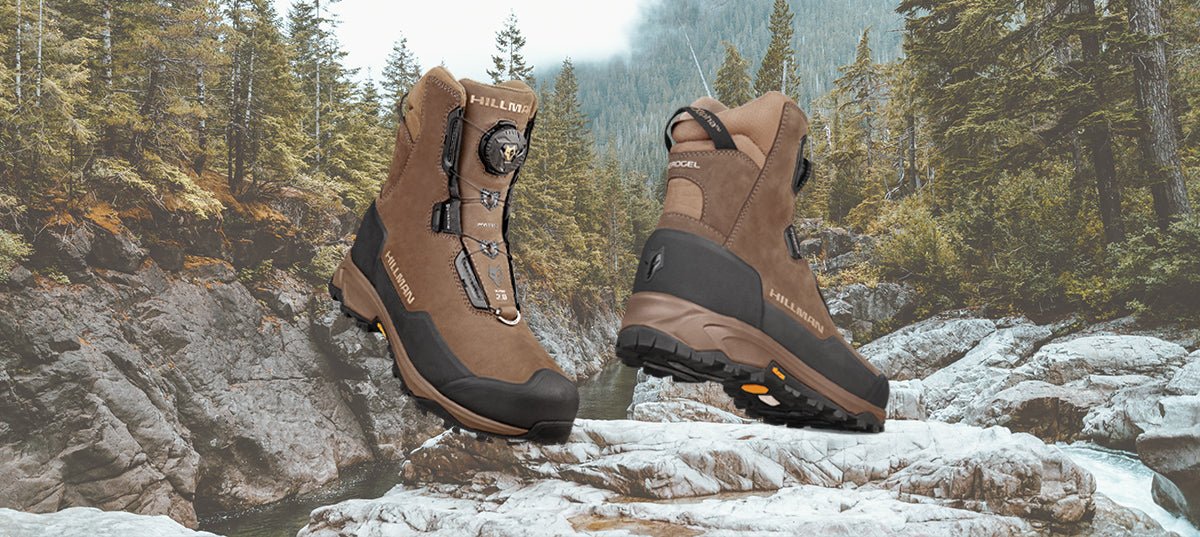
I opened my boots at home, removed the detachable insoles and left them where air could circulate, away from the radiator. To help keep my hunting boots waterproof, I follow their care instructions and check for damage while cleaning them. The jacket needed cleaning too, and the damp shirt came straight out of its bag. Unpacking the last of the food, I found Martin's red tea towel. I sent him a photograph. He replied with a photograph of my gloves on his kitchen table.

Del: