
Breathable Rain Gear That Doesn’t Turn Into a Sauna: Choosing Waterproof Layers for High-Output Days

Serious rain protection for serious hunters. Breathable rain gear built for sustained rain and long walks.
There is a moment every serious hunter eventually experiences. You step into wet weather confident in your rain jacket. The forecast predicts sustained rain, the terrain demands long walks, and you trust your waterproof jackets to deliver reliable rain protection. Two hours later, you are soaked. Not from heavy rain. Not from sideways rain. From the inside.
That is when you learn the hard truth. Waterproof protection alone is not enough. If your breathable rain gear cannot manage moisture during movement, it becomes a portable sauna.
After years of hunting across European terrain, from dense woodland to exposed ridgelines in conditions similar to North Wales and coastal climates comparable to the Pacific Northwest, I have learned that the right rain gear is not simply about blocking water. It is about regulating body temperature, allowing moisture vapour to escape, and maintaining waterproof performance during high-output days.
For serious hunters and dedicated outdoor enthusiasts, understanding how breathable rain gear works is not marketing theory. It is field survival.
Why Breathable Rain Gear Is Essential in Wet Conditions?

Many hunters believe that fully waterproof automatically means fully protected. In reality, a waterproof layer that does not breathe will trap heat and moisture. When exertion increases, your body produces sweat vapour. If the breathable membrane cannot move that vapour outward fast enough, the dew point forms inside the outer shell. Condensation develops, and it feels like the jacket is leaking.
A proper breathable rain jacket combines a waterproof membrane with a breathable fabric structure. The membrane blocks liquid water while allowing moisture vapour to pass through. The effectiveness of this system depends on both the waterproof rating and the breathability rating.
For active hunting in warmer weather or during steep climbs, I look for a breathability rating in the range of 10,000 to 15,000 grams per square metre per 24 hours. That range allows efficient moisture management during high exertion. If breathability is lower, you will struggle to manage moisture on long walks.
Waterproof rating matters just as much. In many European maritime climates, a 10,000 millimetre hydrostatic head is sufficient for moderate rain and typical wet conditions. However, in heavy rain or prolonged sustained rain exposure, higher ratings offer better waterproof protection. Fully taped seams are equally critical. Without sealed seams, water resistance is compromised, regardless of how advanced the waterproof fabric may be.
True waterproof performance is a balance between the outer fabric, the breathable membrane, and seam construction. Ignore one element and the system fails.
Hunting Rain Gear for Serious Hunters in Light Rain, Moderate Rain, and Heavy Rain

Hunting rain gear is fundamentally different from other jackets designed for casual hiking or urban use. When I move through rough stuff, pushing through brush or crossing uneven ground, I need abrasion-resistant outer fabric and durable construction. Water-resistant fabrics may survive light rain, but they collapse during sustained rain.
Hunting jackets must perform in light rain during early-season stalks and also withstand heavy rain driven by wind. Sideways rain on exposed terrain quickly reveals a weak design. In moderate rain, breathability becomes just as important as waterproofing because movement generates heat.
For me, the best hunting rain gear balances three elements. It must be fully waterproof. It must be breathable. It must be durable enough to survive repeated contact with vegetation and terrain.
Lightweight jacket construction also plays a major role. A lightweight shell that is fairly light yet maintains waterproof performance reduces fatigue on long walks. Over a full day in wet conditions, the difference in weight becomes noticeable. Lightweight rain gear allows freedom of movement and improves overall endurance.
I have learned that serious hunters should not evaluate rain gear based on short dog walks. It must perform during sustained rain, during steep climbs, and during high-output tracking sessions.
Best Hunting Rain Gear vs Other Jackets: What Makes It Different?

When comparing the best hunting rain gear to other jackets, the differences become clear in the details. Many general outdoor designs prioritise aesthetics or packability over durability and function.
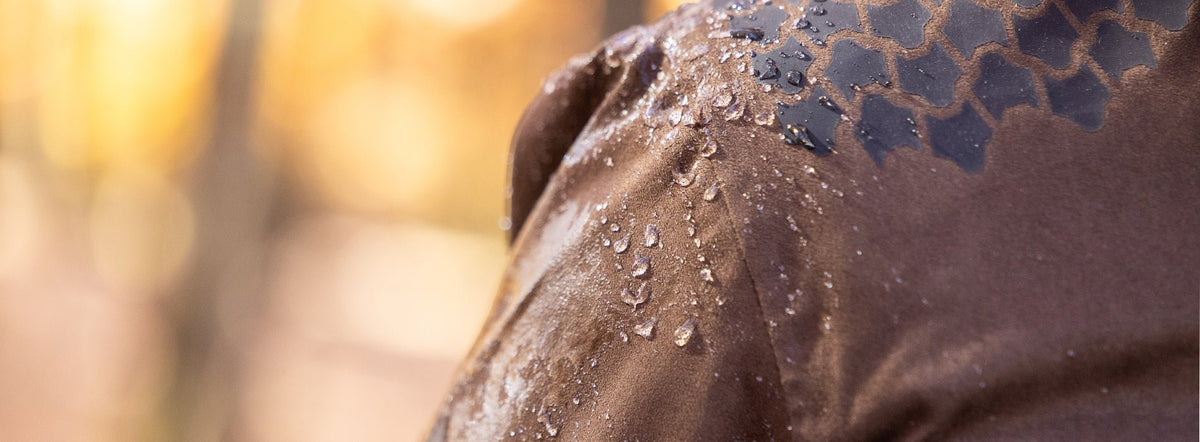
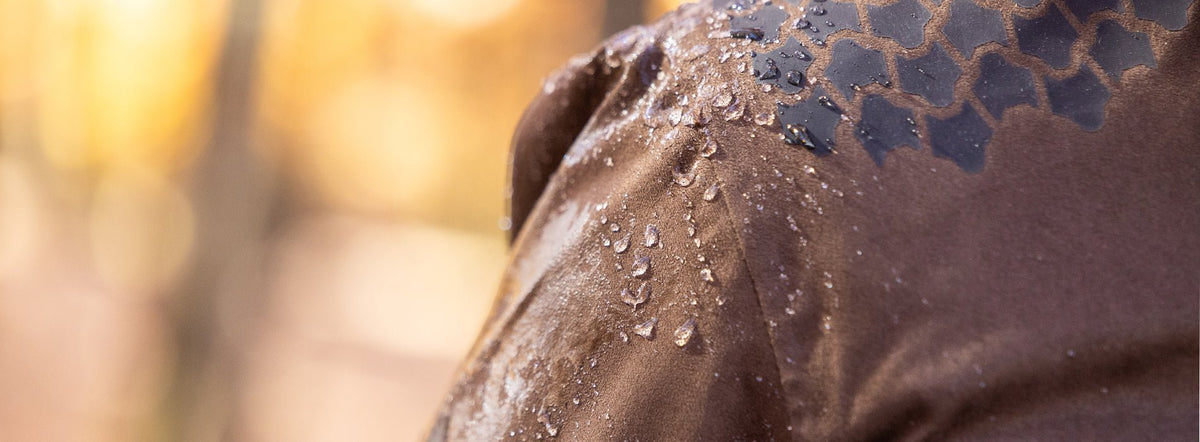
Durable water repellent treatment on the outer fabric is essential. This water repellent layer causes water to bead and roll off, delaying outer fabric saturation. Once the outer shell becomes saturated, breathability drops significantly because moisture vapour struggles to escape through a soaked surface.
It is important to understand that water repellent does not mean fully waterproof. Water-resistant materials offer limited protection. Only a fully waterproof construction with a proper waterproof membrane and fully taped seams ensures reliable rain protection during heavy rain.
Maintenance also matters. The effectiveness of waterproof jackets diminishes over time if durable water repellent coatings are not refreshed. Regular cleaning and reproofing restore water resistance and maintain breathable performance.
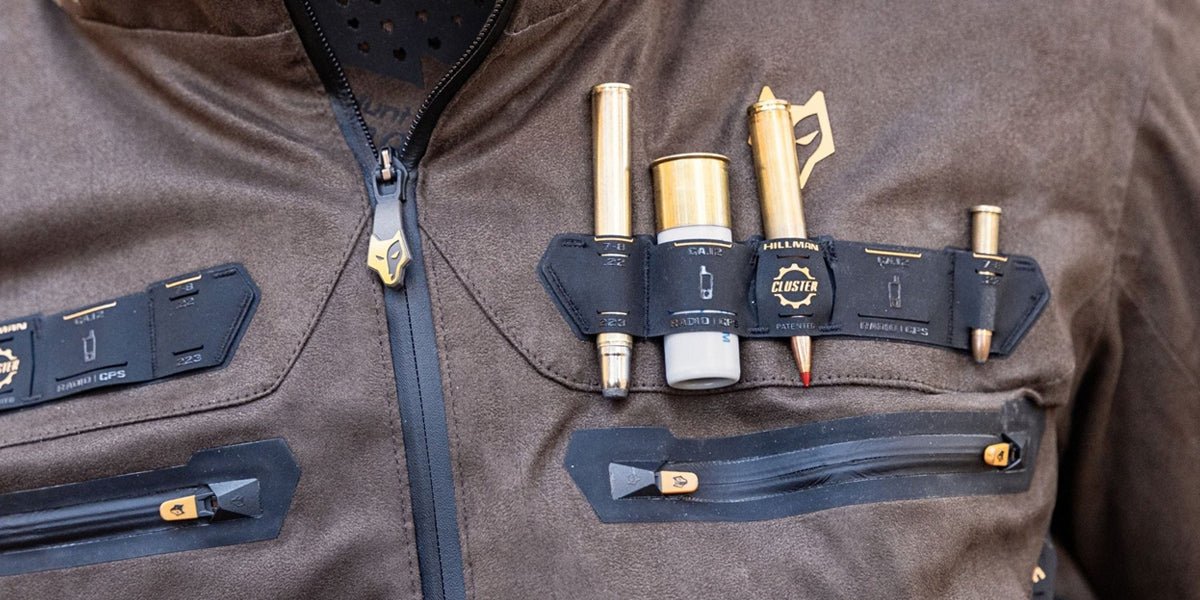
Functional design elements separate hunting gear from standard mountain equipment. A well-positioned chest pocket remains accessible under a pack. Mesh-lined pockets can assist ventilation. A stuff sack increases packability for unpredictable weather. These small elements contribute to what truly defines the best waterproof solution for the field.
Best Waterproof Jacket Construction: Three Layer Fabric, Gore-Tex & Dryhunt Explained

Construction technology defines long-term performance. Three-layer fabric systems integrate outer fabric, waterproof membrane, and inner protective lining into a single laminated structure. This increases durability and improves resistance to abrasion from rough terrain.
Gore-Tex remains one of the most recognised breathable membrane technologies used in rain gear. Whether using Gore-Tex or a comparable waterproof membrane, the principle is similar. The membrane blocks liquid water while allowing moisture vapour to pass outward, though this process relies on slower diffusion through the material.
More advanced systems like Dryhunt® take a different approach. Instead of a solid membrane, it uses a nanoporous structure with microscopic openings around 0.5 microns wide. This allows sweat vapour to escape directly and much faster, while still blocking water droplets that are significantly larger. The result is noticeably better moisture control during high-output movement, along with added flexibility and quieter fabric performance in the field.
Three-layer fabric systems outperform simpler water-resistant fabrics in sustained rain because they protect the membrane from mechanical wear. For serious hunters operating in demanding terrain, that durability, combined with efficient breathability, becomes critical over time.
Durable Water Repellent and Why Your Outer Fabric Matters

Durable water repellent treatment plays a decisive role in waterproof performance. Without effective DWR, the outer fabric absorbs water quickly. When saturation occurs, the jacket may remain technically waterproof, but internal humidity increases and condensation becomes more likely.
Water resistance declines over time with abrasion and washing. Reproofing restores water repellent capability and supports long-term breathable performance. In my experience, many hunters replace rain gear prematurely when proper maintenance would have restored reliable rain protection.
Investing in high-quality rain gear is essential. Maintaining it correctly is equally important.
Mid Layers, Layering Underneath, and Managing the Dew Point

Breathable rain gear functions best as part of a complete layering system. Mid layers and layering underneath determine how effectively you manage moisture and regulate body temperature.
A proper system includes a moisture-wicking base layer, insulating mid layers, and a waterproof outer shell. If mid layers trap moisture, the dew point forms inside the jacket more rapidly. Breathable fabric throughout the system improves moisture transfer efficiency.
Pit zips are essential for heat regulation during high exertion. They allow you to dump heat without opening the front zipper and compromising waterproof protection. Adjustable cuffs and velcro cuffs help control airflow and prevent water ingress at the wrists.
Proper fit is crucial. The jacket must allow layering underneath without restricting freedom of movement. A well-designed hunting style cut supports dynamic movement while maintaining weather protection.
Hunting Jackets with All the Features – From Helmet Compatible Hood to Mesh Lined Pockets

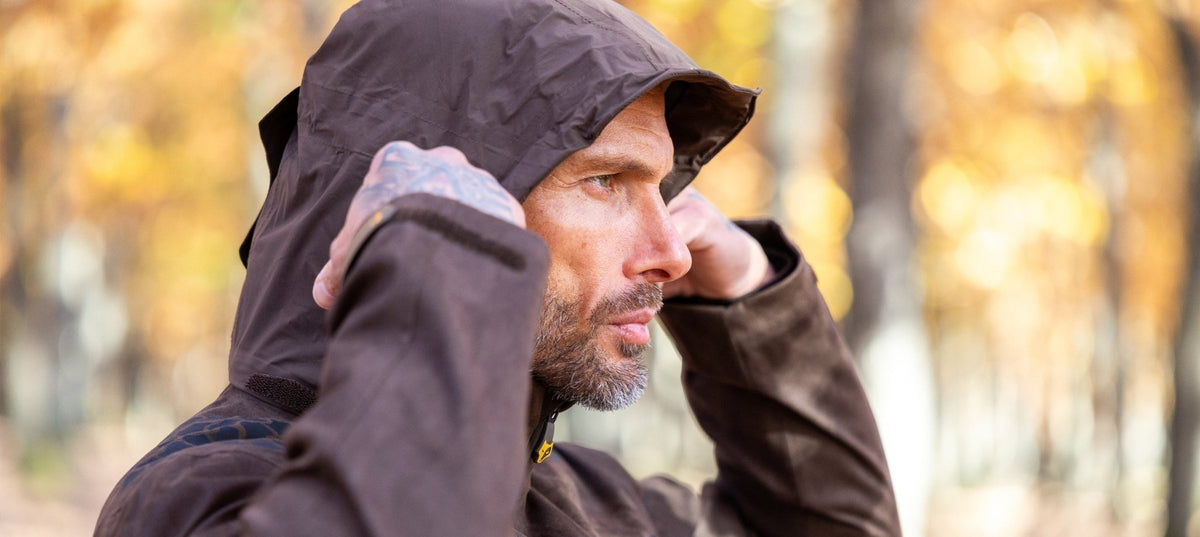
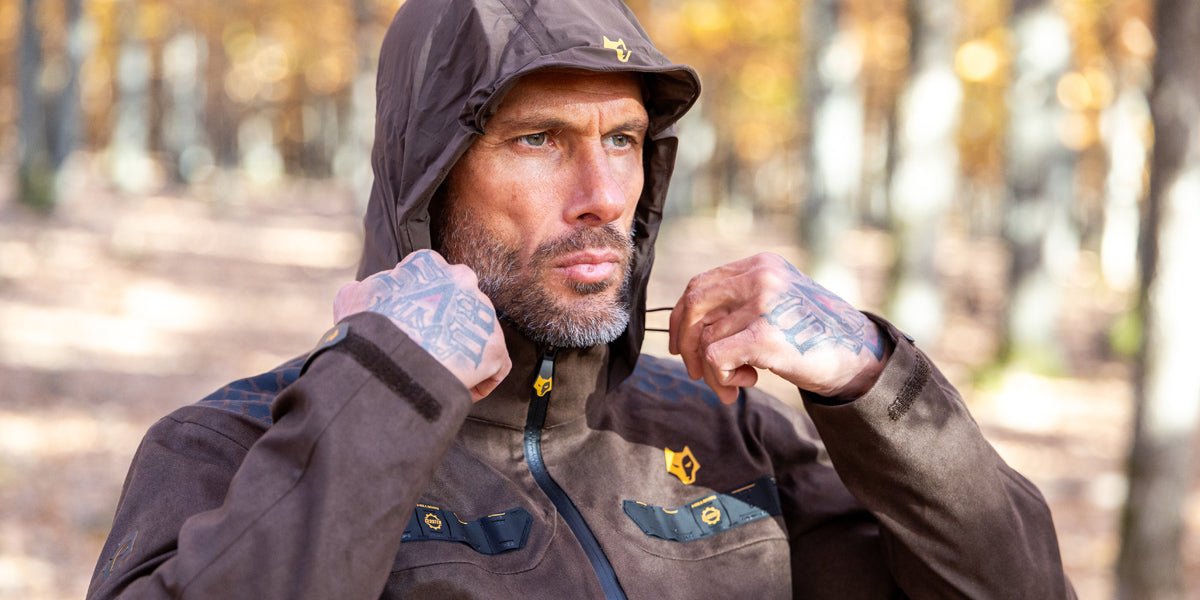
In poor weather, details matter. A fully adjustable hood ensures protection during heavy rain and wind. A helmet-compatible hood or helmet-friendly hood with an oversized hood design accommodates headwear and improves coverage. An adjustable hood maintains visibility while sealing out rain.
Adjustable cuffs and velcro cuffs reduce water entry during extended exposure. Mesh-lined pockets contribute to ventilation during moderate rain and high exertion. A strategically placed chest pocket provides practical storage while wearing a pack.
These features are not luxuries. They are functional elements that enhance waterproof performance and comfort during unpredictable weather.
Choosing the Right Rain Jacket for the European Climate and Long Walks

Selecting the right rain jacket requires understanding your climate and activity level. North Wales-style maritime conditions involve sustained rain and shifting winds. Alpine regions introduce heavy rain combined with temperature drops. Coastal forests resemble Pacific Northwest conditions with persistent wet exposure.
For outdoor enthusiasts covering long walks in variable terrain, breathable rain gear must balance waterproof rating and breathability rating. In warmer weather hunts, breathability becomes the priority. In colder, sustained rain, a higher waterproof rating and durable construction become essential.
Lightweight shell designs work well for moderate rain and shorter exposure. Three-layer fabric constructions excel during prolonged poor weather. Matching rain gear to expected conditions is the key to long-term comfort and performance.
Conclusion

Breathable rain gear that does not turn into a sauna is not about hype. It is about understanding waterproof membrane technology, breathable fabric performance, and intelligent layering. When you choose the right rain jacket for your conditions, manage moisture correctly, and maintain your gear properly, you stay dry from both directions. That is the difference between discomfort and confidence in serious wet conditions.

Share: