
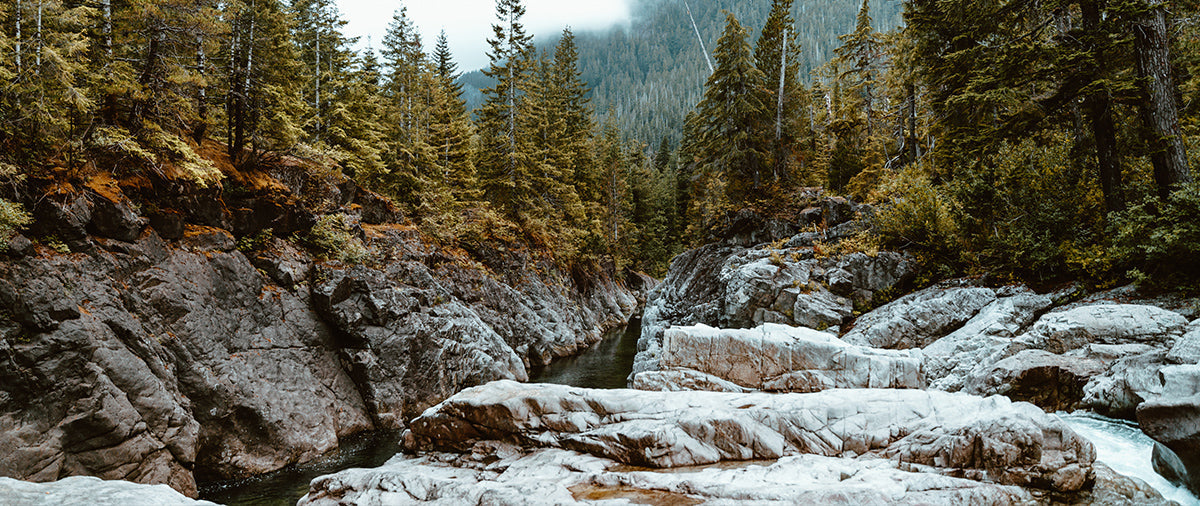
When hunting in unfamiliar terrain, clothing needs to be adaptable rather than specialised, with breathable fabrics and a layered system that manages moisture, movement, and weather changes. Waterproof and windproof protection matter, but breathability and comfort over long hours are just as important. Experienced hunters judge hunting clothing by real performance, not first impressions.

How to Choose Hunting Clothing When You Don’t Know Local Terrain
Knowing how to choose hunting clothing becomes far more important when the terrain is unfamiliar. In known environments, hunters rely on experience and routine. They know what to wear, how their body will react, and how the weather usually behaves. When hunting in new terrain, those reference points disappear.
Not sure what to wear when hunting in unfamiliar terrain? Discover practical guidance on breathable fabrics, weather protection, and comfort.
Unknown ground, different vegetation, and changing weather patterns affect how the body moves, heats up, and cools down. Clothing that works well in one place may feel uncomfortable or limiting somewhere else. This is why hunting clothing must be approached as a practical system rather than a collection of individual clothes.
In the great outdoors, performance is measured over hours, not minutes. The goal is to stay comfortable, protected, and focused, even when terrain and weather do not behave as expected.

How to Choose Hunting Clothing When Terrain and Conditions Are Unknown?
When terrain is unknown, it helps to begin with the basics and consciously forget habits built in familiar environments. Clothing intended for open ground may not perform well in dense cover. Gear chosen for constant movement may feel wrong when long periods of rest are required.
Experienced hunters approach this challenge by focusing on function rather than individual items. Every piece of hunting clothing has a job. Base layers manage moisture. Insulating layers provide warmth. Outer layers protect from wind and rain. When these roles are clear, the system works together instead of against the body.
Choosing how to choose hunting clothing in unfamiliar terrain means prioritising adaptability. Clothing should allow adjustment as conditions change, rather than forcing the hunter to endure discomfort until the day is over.
Why Unpredictable Weather Shapes Every Clothing Decision?

Unpredictable weather is often the biggest challenge when hunting in new environments. Rain, wind, sun, and temperature shifts rarely happen in isolation. They combine with movement and terrain to affect comfort and performance.
Cold weather highlights these challenges quickly. During physical effort, the body produces heat and moisture even when temperatures are low. If that moisture remains trapped inside clothing, it cools rapidly once movement slows. In many cases, internal moisture causes more discomfort than rain itself.
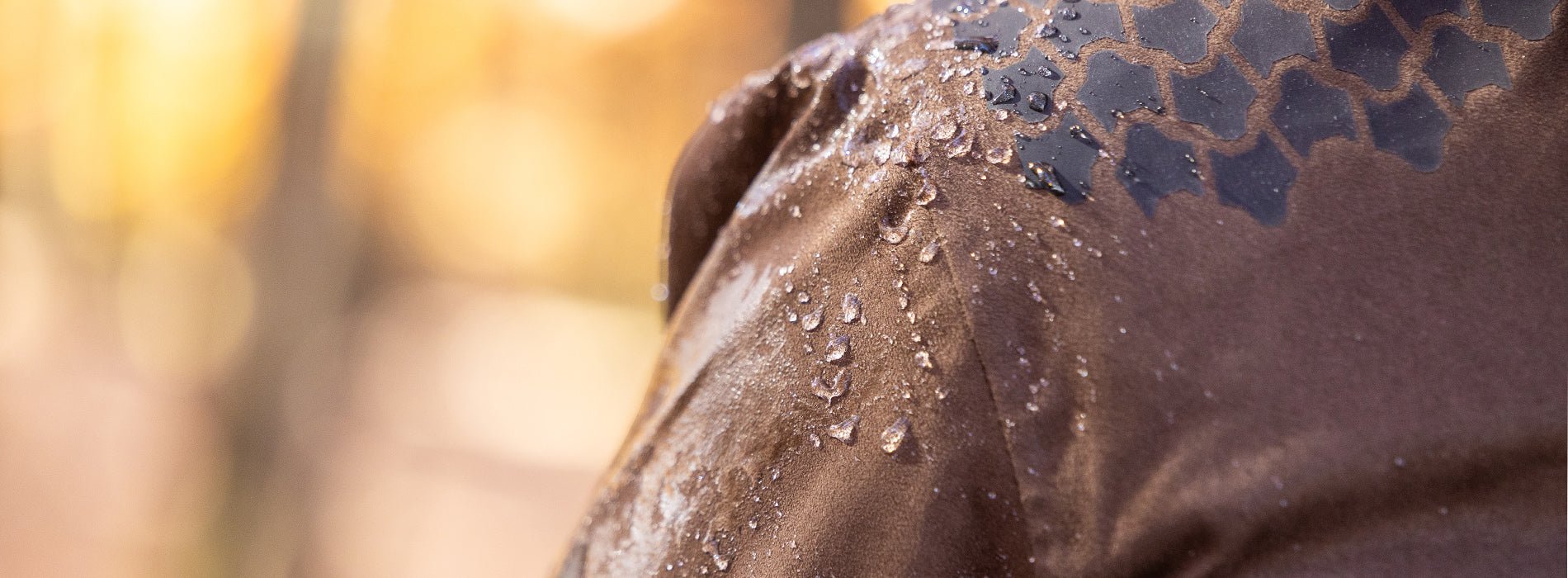
For this reason, hunting clothing must balance protection with breathability. Staying dry matters, but so does allowing moisture to escape. Waterproof clothing that traps sweat makes it harder to stay warm over time.
Hunting Clothing as a Practical System, Not Individual Clothes
Thinking of hunting clothing as a system rather than isolated garments is essential in unknown terrain. No single jacket or pair of trousers can perform perfectly in every condition. Every design involves compromise.
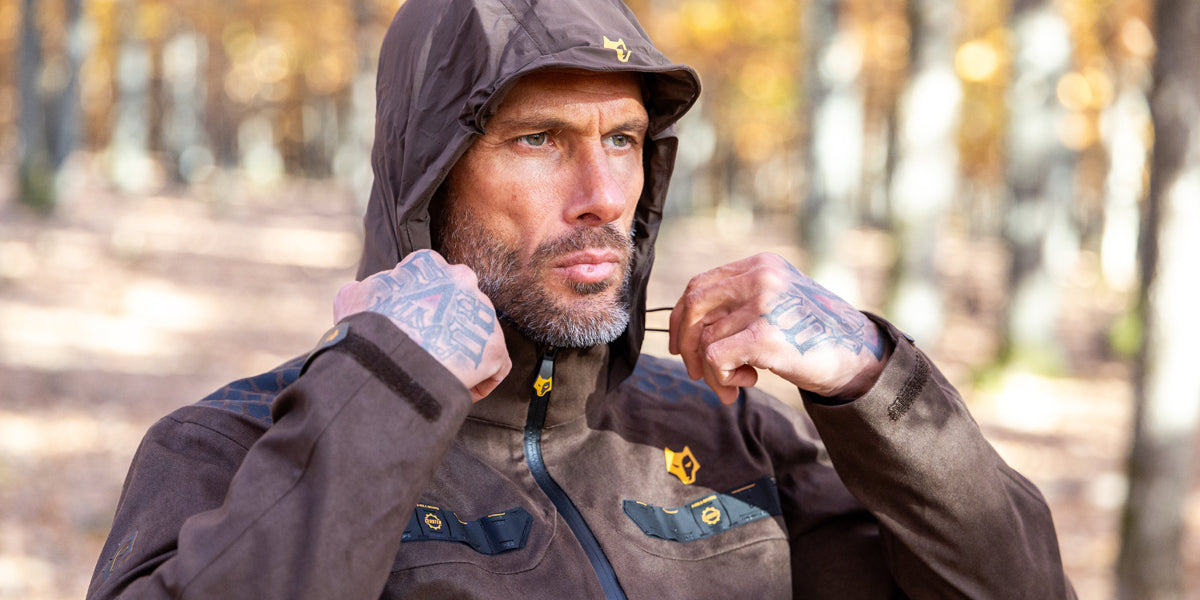
Layers provide control over these compromises. Base layers sit close to the body and move moisture away from the skin. Mid layers add adjustable warmth. Outer layers shield the body from wind, rain, and other elements without restricting movement.
This layered approach allows hunters to adapt across seasons and changing conditions. It is a staple method because it works reliably in a wide range of environments.
Cold Weather, Body Heat, and Moisture Control

Managing body heat in cold weather depends on more than insulation. It depends on how effectively moisture is handled. Sweat left against the body cools quickly and draws warmth away, especially during rest.
Warmth comes from keeping the body dry and stable. This is why breathability is essential. Clothing that allows moisture to escape helps maintain a consistent body temperature throughout the day.
A well-designed clothing system prevents overheating during movement and chilling during rest, allowing hunters to remain comfortable and alert.
Breathable Fabrics and Breathable Membranes Explained

Breathable fabrics are designed to release internal moisture while maintaining protection from the elements. Their role is not to feel lighter, but to support temperature control over time.
A breathable membrane adds waterproof protection while still allowing moisture vapour to pass through. This balance is never perfect. Increasing waterproof performance can reduce breathability, while maximising breathability may limit protection. Quality hunting clothing manages this balance through careful fabric selection and construction.
Modern hunting garments rely on advanced fabric technologies and synthetics to deliver reliable performance in changing conditions.
Staying Dry Without Sacrificing Movement

Staying dry is essential when hunting in rain or wet terrain, but waterproof clothing must not restrict movement. A jacket that becomes stiff or heavy when wet increases fatigue and reduces efficiency.
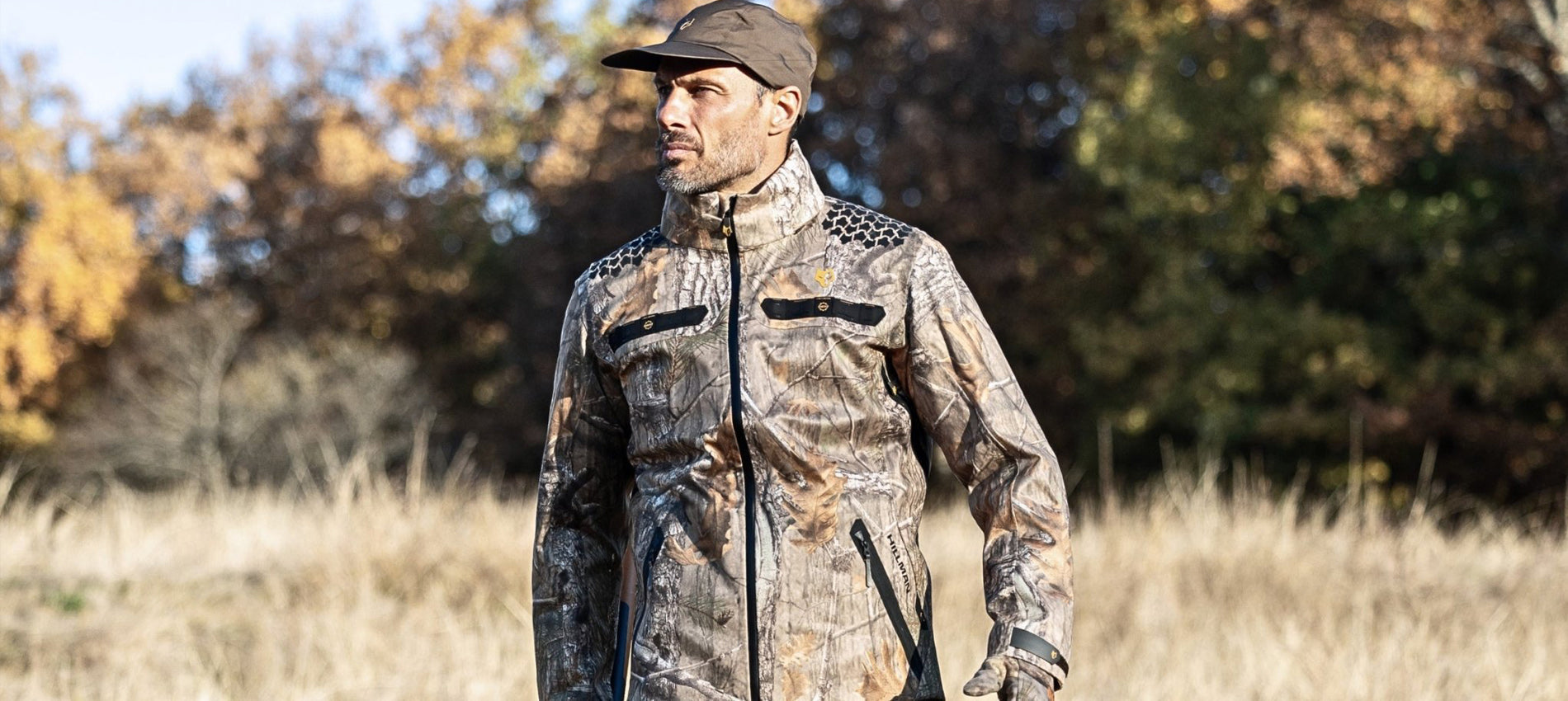
A practical hunting jacket protects from rain and wind while allowing natural movement. Trousers must offer enough room for climbing, walking, and long periods of wear without limiting flexibility or grip.
The ability to stay dry while moving freely makes a significant difference during long days in unfamiliar terrain.
Jackets, Trousers, and Integrated Design

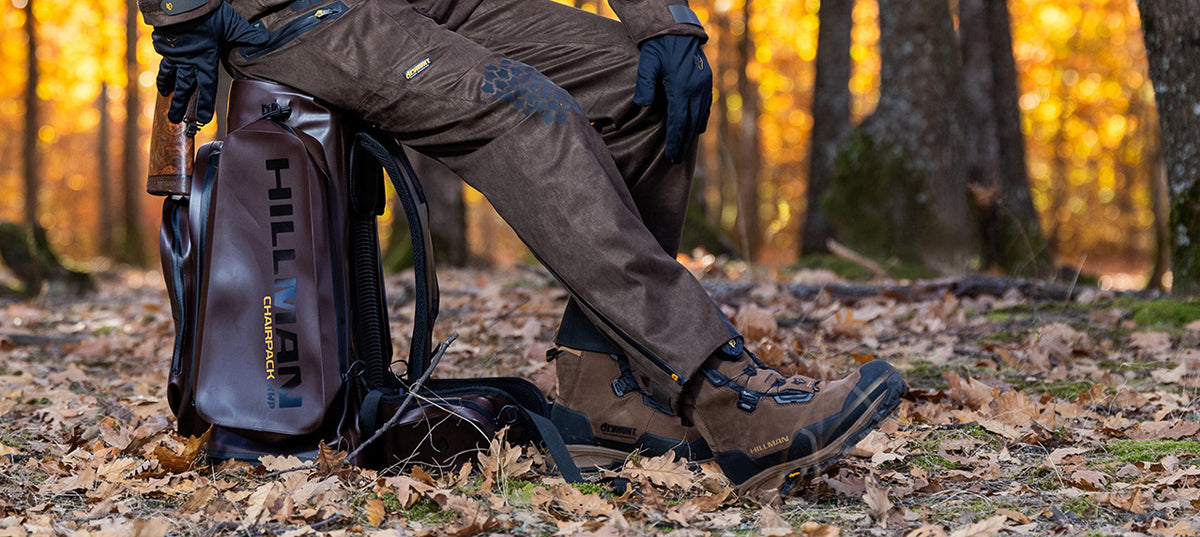
Jackets and trousers should be evaluated together, not separately. Movement, climbing, and carrying equipment place stress on clothing at multiple points, including cuffs, seams, and overall shape.
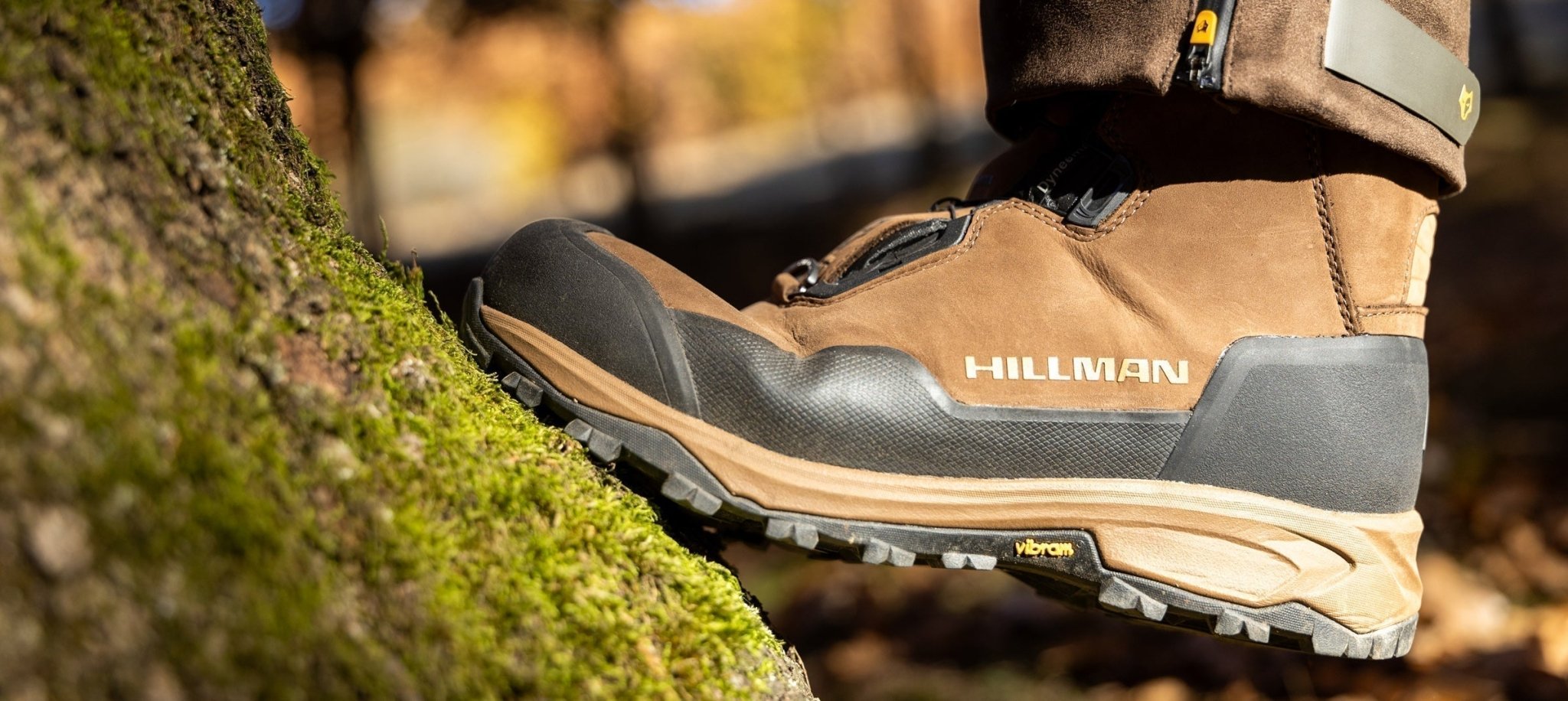
Trousers require good grip and durability for uneven ground. Jackets must allow access to pockets and gear without interfering with movement. When designed as a system, clothing supports the body rather than forcing constant adjustment.
Movement, Stalking, and Quiet Progress
Successful stalking depends on controlled movement and awareness. Clothing should allow smooth motion and maintain a quiet presence in the terrain.
Breathable materials reduce friction and noise, helping hunters move naturally. When clothing works with the body, attention remains on the hunt rather than on managing discomfort.
Pockets, Carrying, and Practical Access to Gear
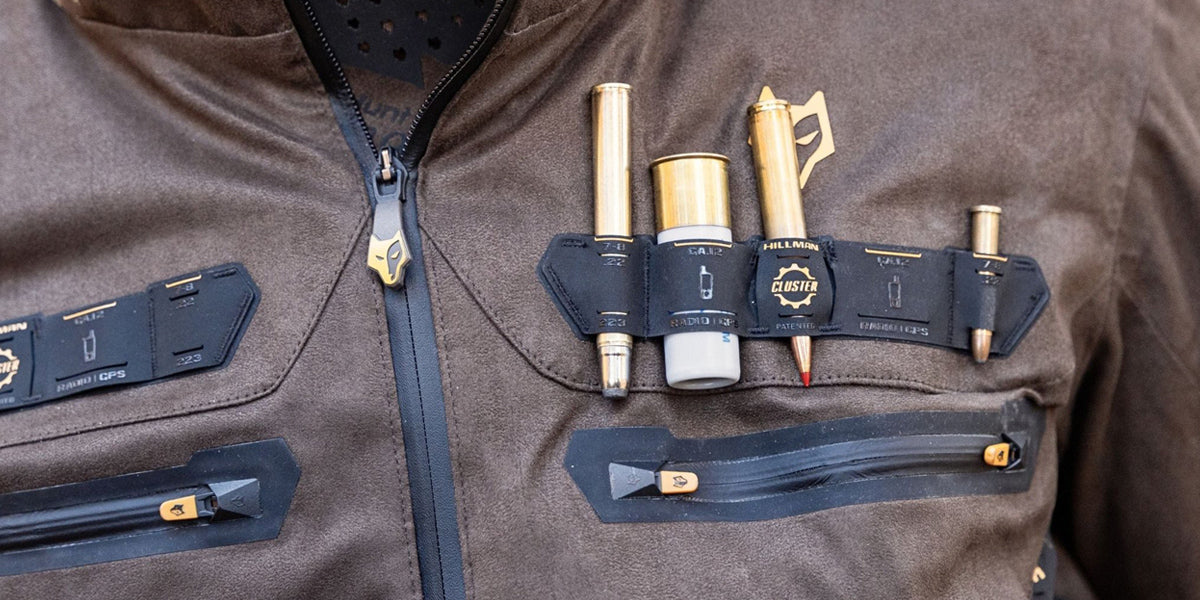
In unknown terrain, pockets, carrying capacity, and access to equipment matter more than expected. Poorly placed pockets make it harder to reach essential items while wearing a pack.
Well-designed storage improves efficiency and reduces unnecessary movement. Over long days, this practical design choice saves energy and helps maintain focus.
Gloves and Small Details That Matter
Gloves play a critical role in cold and wet conditions. They protect the hands, maintain warmth, and preserve grip and dexterity. Poor gloves quickly compromise performance.
Accessories may seem secondary, but they often determine comfort during prolonged exposure. Quality details contribute to overall effectiveness and reliability.
Lessons From the British Countryside and Europe

The British countryside offers a useful reference for evaluating hunting clothing. Frequent rain, wind exposure, and mixed terrain highlight the importance of breathability, waterproof protection, and adaptable design.
These conditions are not unique to the UK and Europe. Similar challenges exist in many hunting environments worldwide. Clothing that performs well here tends to handle moisture and weather changes effectively elsewhere.
How Experienced Hunters Judge Quality and Value?
An experienced hunter judges clothing based on long-term use rather than first impressions. Quality becomes clear through durability, comfort, and consistent performance.
Customers who invest in premium hunting clothing expect reliability and thoughtful design. The ability to adapt to different terrain and weather conditions is what separates high-quality gear from average products.

Discover Hunting Clothing That Performs in Unknown Terrain
To discover what truly works, hunters must look beyond individual garments and focus on how clothing performs as a system. Knowing what to wear in unfamiliar environments means choosing layers, fabrics, and designs that protect the body while allowing movement and adaptability.
When hunting clothing is built with these principles in mind, it supports performance, comfort, and confidence across a wide range of conditions.
How to Choose Hunting Clothing for Unknown Terrain

Let's look at some of the common questions hunters might have.
How do I choose hunting clothing if I don’t know the local terrain?
When the terrain is unfamiliar, it helps to focus on flexibility rather than precision. Instead of choosing clothing for one specific condition, look for a layered system that can adapt to different levels of movement, weather, and exposure. Breathable fabrics, adjustable layers, and practical design matter more than highly specialised pieces.
What should I prioritise in cold-weather hunting clothing?
In cold weather, managing moisture is just as important as insulation. Warmth comes from keeping the body dry and regulating temperature, not from adding as many layers as possible. A breathable base layer, adjustable insulation, and wind protection usually perform better than heavy insulation alone.
How do jackets and trousers work together in a hunting outfit?
Jackets and trousers should be considered as a single system. The jacket protects the upper body from wind and rain, while the trousers support movement, climbing, and stability on uneven ground. When both are designed to work together, they allow better freedom of movement and reduce fatigue during long days.
Do pockets and carrying features really make a difference?
Yes, especially in unknown terrain. Well-placed pockets and sensible carrying options reduce the need to stop and adjust gear. Easy access to essential items saves time and energy, which becomes increasingly important during long hunts or when conditions change unexpectedly.
How does hunting in the British countryside influence clothing choices?
The British countryside is known for changeable weather, high moisture, and regular wind exposure. Clothing that performs well in these conditions usually manages breathability, waterproof protection, and comfort effectively. These same principles apply to many other regions with similar challenges.

Share: