Table of Contents

Why Moisture Transfer Matters on Wet Grass, Long Walks, and Cold Waiting

waterproof hunting boots, waterproof hunting clothes, deer hunting waterproof jacket, insulated moisture-wicking layers

Ten minutes on the upper slope and I was already looking for somewhere else to sit. We had the view I wanted. Open ground opposite, timber along the edge, enough daylight to pick apart the gaps between the trees. I raised the binoculars, felt the cold across my damp back and shifted lower behind the bank. From there I could see a strip of sky and the back of Martin's head. I sat up again.

Martin tried a place farther along, came back and pointed towards the clearing below us. He had suggested it before we left the vehicles. I had argued for the extra height, then worked hard to get us there. Now I was cold, irritated and reluctant to admit that a better view was doing us very little good. We could move while the clearing was empty. I took one more look at the opposite slope and put the binoculars away.

Before We Reached the Wood

The morning had started well. Martin brought coffee and bread wrapped in a red tea towel. We stood beside the vehicles discussing two roe deer we had seen on our previous visit. Both had stayed behind branches, then disappeared before we had a clear opportunity. I had spent much of the intervening week thinking about where we should have been sitting. Given a few evenings indoors, I can make a very convincing case for almost any patch of hillside.

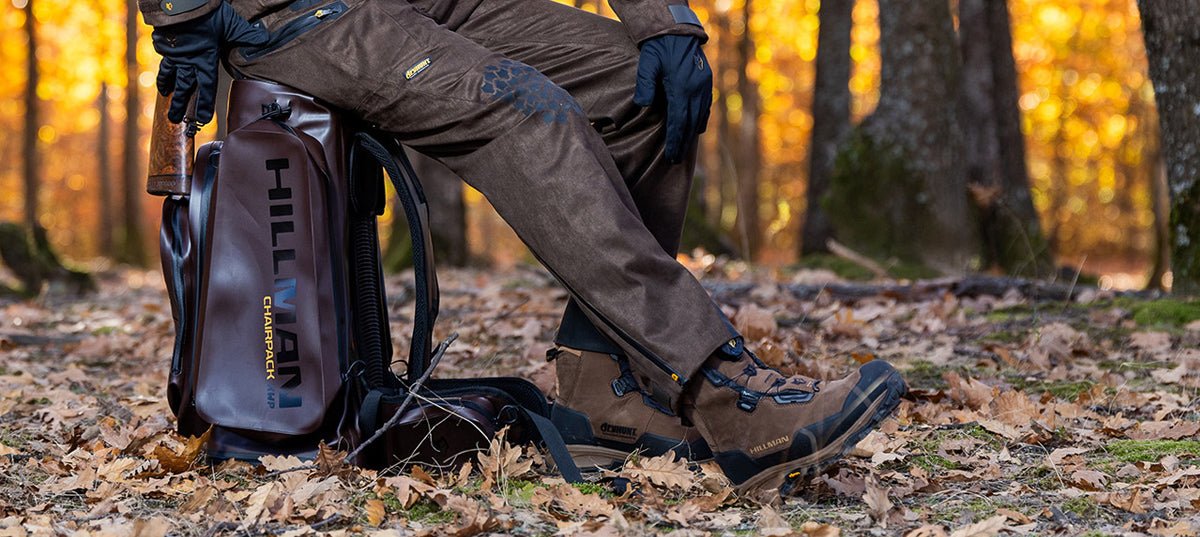
Martin carried the folded deer carrier. I took the food and spare layers, including a dry shirt in a waterproof bag. We knew the way in and had left enough time. Still, once we were through the gate I started walking as though the morning might get away from us. The meadow was soaked. Grass brushed our knees, and water gathered along the laces of my waterproof hunting boots. I stopped to straighten a trouser hem outside the collar, fastened my gaiters and followed Martin's track towards the wood.

At the first trees we found prints crossing soft earth towards the lower clearing. We crouched to look, then continued uphill. The route would let us watch more ground, and I wanted to see what was using the opposite timber edge. I had kept on the fleece that felt comfortable beside the car. By the second bend, sweat was running beneath the pack straps, and I was wishing I had packed it before we left.

I stopped and took it off. Martin waited by a beech, studying the bark with the concentration of a man who had decided to keep his opinions to himself. He held my jacket while I sorted the layers, then handed it back. I opened the vents and loosened the collar before putting the pack on. We lost a few minutes. I promptly tried to recover them by walking faster on the next section.

The Last Part of the Climb

mountain waterproof hunting boots, waterproof hunting clothes, deer hunting waterproof jacket, insulated moisture-wicking layers

I could reach the vents on my hunting waterproof jacket with the pack fastened. That was one reason I had chosen it, and I used them as we climbed. The shirt beneath was already damp. Opening everything helped, but the steep ground kept me working, and the pack covered most of my back. At the junction Martin glanced towards the lower clearing. I pointed uphill, where the cloud was beginning to lift.

I knew what the damp shirt meant for the wait ahead. I also wanted to reach that viewpoint, and I kept giving the next few hundred yards priority over how I would feel when we stopped. My shirt could spread sweat away from the skin, but the moisture still needed to evaporate and escape. I was producing it faster than the clothing could clear it. I shortened my stride and eased the pace for the remaining climb.

At the top I added the fleece before the warmth of walking faded and closed the vents. The insulation helped, though the shirt underneath was still wet. After those first ten minutes behind the bank, the lower clearing looked worth trying. We gathered our things and took the path back to the fallen beech.

A Place We Could Stay

waterproof hunting boots, waterproof hunting clothes, deer hunting waterproof jacket insulated

The clearing was still empty. Behind the bank beside the fallen trunk, I changed into the dry shirt with the other layers ready to go back on. The damp one went into a separate bag. Martin made room beside him, moving a broken branch that would have pressed against my leg. I sat down, checked the view through the binoculars and adjusted my feet. This time I could stay where I was.

Rain started tapping on the leaves. Mud darkened the knees of my trousers, and drops worked their way down from the branches overhead. My waterproof hunting clothes kept that water outside while we waited. With the fleece back on and the vents closed, I was comfortable enough to leave everything alone. Martin poured coffee. He turned his dented cup before drinking, finding the good part of the rim without looking.

Across the clearing stood a stump I knew well. On an earlier visit I had watched it for several minutes before accepting that it was unlikely to move. Beyond it were two young trees, brambles and a narrow opening into the wood. I worked along that edge slowly with the binoculars, lowered them and started again. Martin watched farther to the left. We had used this position before, and neither of us needed to explain where the other should look.

I enjoy this part more than I used to. Years ago, a quiet half-hour had me planning the next move. I still like covering ground, but there are mornings when I want time to examine the place I have already reached. A dark patch resolves into a fallen limb. Grass moves where there seemed to be no wind. You look again. Beside me, Martin shifted his cup away from his elbow and settled his binoculars on his knees.

Something began moving through the leaves behind us. I turned twice before seeing the bird responsible. Martin turned the next time, caught my eye and smiled. We left it to carry on. The rain eased, and I was following a gap beneath the brambles when he touched my sleeve. His binoculars were already up, pointing between the young trees.

When the Deer Stepped Out

waterproof hunting boots, clothes, deer hunting waterproof jacket, insulated moisture-wicking layers

I found the head first. A roe stood close to the woodland edge, with most of its body hidden. It lowered its muzzle, took a step and stopped. I watched through the binoculars while Martin stayed still beside me. After our previous visit, I expected it to feed back into cover. For a while that seemed likely. Every small movement put another branch across it, and I waited for it to disappear.

Then it turned and came into the open. The deer stood clear of the branches, with a steep earth bank behind it. I took the shot, and it went down. We stayed still, watching carefully before approaching. Martin rested a hand on my shoulder. I remember noticing how dry my mouth had become, then reaching for the water bottle beside my pack. Neither of us had much to say.

We confirmed the deer was dead and stood beside it for a moment. I was relieved the shot had done its work cleanly. Martin put his pack down with a strap in a puddle, and I moved it while he unfolded the carrier. We dressed the deer, secured it for transport and went back over the ground where we had been sitting to collect our things. The flask was still in its hollow between the roots. My gloves were less obvious, and Martin found them under his pack.

Getting Back with the Load

waterproof hunting boots, waterproof hunting clothes, deer hunting waterproof trousers

We had bread left, so we ate a piece each while deciding how to reach the forestry track below. There was no reason to repeat the upper route with a load between us. Before we lifted the carrier, I took the fleece off. The return would involve work from the first few yards, and I wanted to keep the dry shirt comfortable. I opened the jacket vents and helped Martin settle his grip.

We moved carefully through the roots. I watched Martin's footing as well as my own, and we stopped before awkward sections to adjust our grips. On the track we could walk more steadily, though the load soon made itself felt. He found a stump at a good height and sat down. I took the bank opposite. We drank the remaining coffee, barely warm by then, while looking back towards the wood.

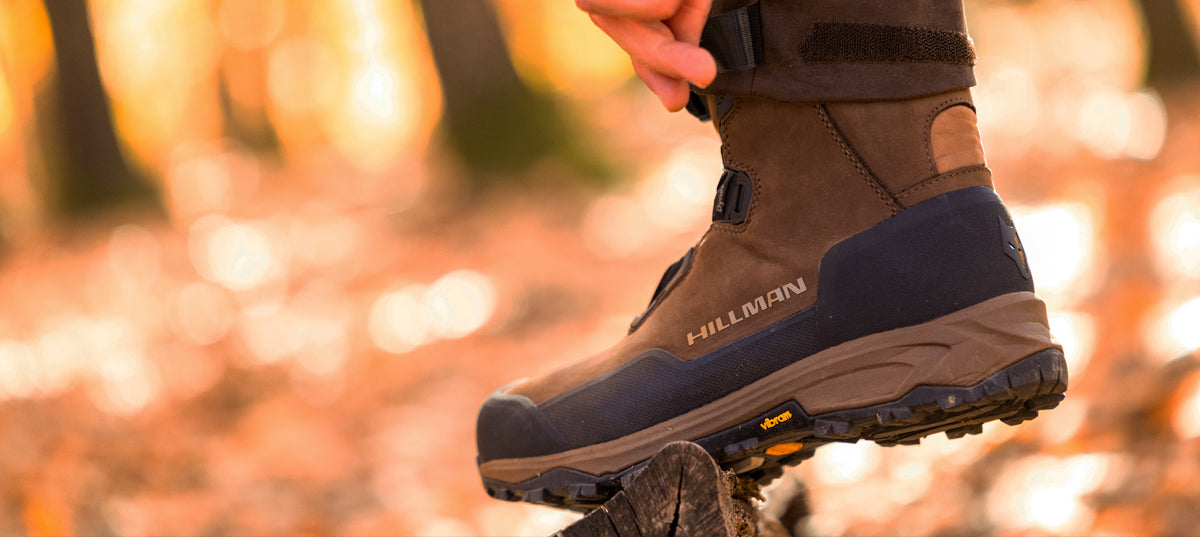
I opened my boots at home, removed the detachable insoles and left them where air could circulate, away from the radiator. To help keep my hunting boots waterproof, I follow their care instructions and check for damage while cleaning them. The jacket needed cleaning too, and the damp shirt came straight out of its bag. Unpacking the last of the food, I found Martin's red tea towel. I sent him a photograph. He replied with a photograph of my gloves on his kitchen table.

Henrik Larsen
Author

Henrik Larsen

Hunting Guide / Fieldcraft Specialist

Henrik Larsen writes about the part of hunting that starts before leaving home. Packing, layering, route choice, weather judgement, safety habits and field discipline are regular themes in his articles. His approach is calm and practical: take what you need, know why you are taking it, and avoid learning simple lessons the hard way once you are already in the field.

Entradas de blog relacionadas

Balkan and Alpine hunts with new hunting boots for men, waterproof hunting boots, insulated hunting boots, merino socks

Botas de caza nuevas: los primeros 16 kilómetros antes de la cacería

Breaking in new hunting boots across a structured 10-mile trial allows hunters to evaluate fit, lace closures, sock compatibility, and downhill toe clearance under realistic pack weight before an overseas mountain hunt. Testing boots across varied terrain, including wet grass, steep descents, and stationary cold waits, helps surface minor pressure points, test waterproofing integrity, and confirm sole traction. Taking time to resolve fit issues and adjust insoles locally ensures maximum stability and comfort when navigating demanding Alpine or Balkan terrain.

Leer más

packable vs all day hunting rain gear for mountains, wet forests: waterproof rain gear, rain jackets, pants, moisture-wicking mid, base layers

Equipo impermeable plegable vs. equipo impermeable para cazar durante todo el día en montañas y bosques húmedos.

La elección del equipo impermeable adecuado para la caza depende del tiempo de exposición, el esfuerzo físico y las exigencias del terreno, más que de una sola prueba de resistencia. Si bien las chaquetas plegables ofrecen protección ligera para chaparrones repentinos, los sistemas impermeables para todo el día brindan una defensa duradera contra la lluvia continua, el viento y la vegetación abrasiva. Una ventilación adecuada, una confección articulada y un sistema de capas que absorben la humedad garantizan que te mantengas seco tanto de la precipitación externa como de la condensación interna.

Leer más

waterproof hunting clothes with reinforced seams, waterproof hunting jacket with taped seams, waterproof hunting boots, pants

Por qué la confección de las costuras es importante en la ropa de caza impermeable.

La eficacia de la ropa de caza impermeable depende de su confección, y la construcción de las costuras es fundamental para evitar la entrada de lluvia, algo que la tela por sí sola no puede lograr. Esta guía explica cómo las costuras, los paneles reforzados, la articulación, las membranas y el ajuste se combinan para mantener a los cazadores secos, cómodos y con libertad de movimiento en condiciones exigentes en el campo.

Leer más

best hunting jacket for deer and boar hunting, waterproof leather hunting jacket, rain camo jacket

Detalles importantes de una chaqueta de caza pequeña para la caza de ciervos y jabalíes.

Las mejores chaquetas de caza se definen por pequeños detalles que solo se aprecian una vez en el campo. Esta guía explica cómo el ajuste, los bolsillos, los puños, la capucha, los tejidos y la protección contra la intemperie influyen en la comodidad, la libertad de movimiento y el rendimiento durante la caza de ciervos y jabalíes.

Leer más

how to break in hunting boots, best socks to break in boots: waterproof, insulated boots leather

¿Cómo amoldar las botas de caza antes de una expedición de caza importante?

El proceso de adaptación de las botas de caza no consiste en ablandar el cuero rígido de la noche a la mañana. Se trata de aprender cómo se comportan antes de que el terreno accidentado, la lluvia y las largas jornadas de caza empiecen a revelar problemas. Un buen periodo de adaptación te da tiempo para ajustar el movimiento del talón, los puntos de presión, los calcetines y la sujeción antes de que la caza se vuelva más exigente.

Leer más

Best Hunting Rain Gear for Hunters (2025 guide) - Hunting Boots - Winter, Waterproof Gear | Men's Hunt Clothes

La mejor ropa impermeable para cazadores (guía 2026)

El artículo analiza la mejor ropa impermeable para la caza en 2026, diseñada para las condiciones climáticas impredecibles y a menudo extremas del Reino Unido y la UE. Destaca la importancia de un equipo transpirable, ligero, silencioso y duradero para diferentes estilos y terrenos de caza. La ropa impermeable de Hillman se presenta como una de las mejores, superando a la competencia en versatilidad y resistencia a la intemperie. El artículo también ofrece consejos prácticos sobre cómo vestirse por capas, el mantenimiento del equipo y cómo elegir la configuración adecuada para la caza en bosques, la caza en la montaña y las batidas.

Leer más

best hunting boots for mixed terrain guide: waterproof, insulated, hiking boots

Las mejores botas de caza para excursiones por terrenos mixtos: ¿Un par o dos?

Para la caza en terrenos mixtos, no existe la bota perfecta; solo la que se mantiene estable, seca y ofrece buen soporte ante los cambios de las condiciones. Un par es suficiente si es versátil y fiable, pero dos pares son útiles en entornos húmedos donde el tiempo de secado es crucial. En definitiva, el ajuste, el periodo de adaptación y el rendimiento en condiciones reales importan más que las marcas o las categorías.

Leer más

how to choose hunting boots for unknown terrain & conditions: waterproof insulated footwear with reliable grip, ankle support, socks

Cómo elegir botas de caza para terrenos desconocidos

Elegir botas de caza para terrenos desconocidos se trata más de equilibrio que de marcas o reputación. Cuando el agarre, el ajuste, la impermeabilidad, el aislamiento y la sujeción se combinan, las botas pasan desapercibidas y permiten un movimiento natural a medida que cambian las condiciones. El par adecuado mantiene los pies secos, estables y cómodos durante largas horas, incluso cuando el terreno y el clima no se comportan como se espera.

Leer más

lightweight hunting gear for frequent travel, layering system: breathable base layers, waterproof hunting jackets, accessories

Equipo de caza ligero para cazadores que viajan con frecuencia.

Este artículo explica por qué el equipo de caza ligero es importante para los viajes frecuentes, haciendo hincapié en que el exceso de peso consume energía, ralentiza el movimiento y dificulta la concentración. Destaca cómo la ropa adaptable, transpirable y plegable mejora la comodidad en condiciones cambiantes y simplifica la logística del viaje. En definitiva, argumenta que el equipo ligero se convierte en una inversión a largo plazo porque reduce la fricción, simplifica la toma de decisiones y favorece un mejor rendimiento en el campo.

Leer más

best hunting jackets for extreme temperature swings: insulated cold-weather jackets, waterproof warm weather jackets

Las mejores chaquetas de caza para cambios extremos de temperatura

La caza en países con temperaturas variables exige chaquetas que se adapten a los cambios bruscos de temperatura, desde mañanas frías hasta mediodías cálidos y viceversa. Las mejores chaquetas de caza modernas combinan aislamiento térmico, transpirabilidad, protección contra la intemperie y libertad de movimiento sin necesidad de ajustes constantes. En definitiva, la versatilidad y el ajuste son más importantes que cualquier otra característica, permitiendo a los cazadores concentrarse en el campo en lugar de en el pronóstico del tiempo.

Leer más

hunting gear evolution: tradition and technology, leather, wool, waterproof boots, footwear, jackets

La evolución del equipo de caza: de la tradición a la tecnología.

El equipo de caza ha evolucionado desde la lana y el cuero pesados hasta el equipamiento técnico y ligero que mejora la comodidad, la seguridad y el rendimiento en el campo. Si bien la tradición influyó tanto en la vestimenta como en la funcionalidad, los materiales modernos ahora priorizan la protección contra la intemperie, la movilidad y la eficiencia. Los cazadores de hoy combinan tradición y tecnología, adaptándose a las condiciones cambiantes sin perder el respeto por las raíces de este deporte.

Leer más

hunting gear guide for international trip: clothes, bags, boots, accessories

Guía de equipo de caza: qué empacar para un viaje al extranjero

Prepararse para un viaje de caza en el extranjero implica llevar equipo práctico y confiable que te permita sentirte cómodo, concentrado y listo para condiciones desconocidas. Prioriza la ropa, las botas, los prismáticos y los artículos básicos de campo en buen estado, por encima de los extras innecesarios. Empacar con inteligencia te permite conservar tu energía, tomar mejores decisiones y disfrutar de la experiencia dondequiera que caces.

Leer más

preguntas frecuentes

Should I wear two pairs of socks inside waterproof boots?

A thin liner beneath an outer sock can work if the boots have enough room. Try the combination on a slope and check for folds, pressure and crowded toes. Extra thickness may add warmth you do not need on a long approach, particularly in insulated boots. I choose the socks with the day's walking in mind.

What can I adjust when I am sweating but need my rain jacket on?

Ease your pace and remove an insulating layer when shelter allows. Open vents without admitting rain. Wicking spreads liquid sweat through the fabric; drying also needs evaporation and a way for moisture to escape. Temperature and humidity affect that process. Make adjustments early, before the shirt underneath becomes thoroughly wet.

Is changing socks useful when the boot lining is damp?

Fresh socks can improve comfort, although they will absorb moisture from the lining. Consider the remaining walk, the length of any wait and how many spare pairs you have. If the wetness keeps returning, check perspiration, fit and possible water entry. Damp socks alone do not establish that the waterproof lining has failed.

How should I dry boots between consecutive hunting days?

Open them promptly, remove detachable insoles where permitted and let air circulate at a moderate temperature. Keep them away from fires and radiators. Use a boot dryer only if it suits the manufacturer's guidance. Check the lining before setting off again; the inside can remain damp after the uppers look dry.

Does water soaking into the outside of my jacket mean it is leaking?

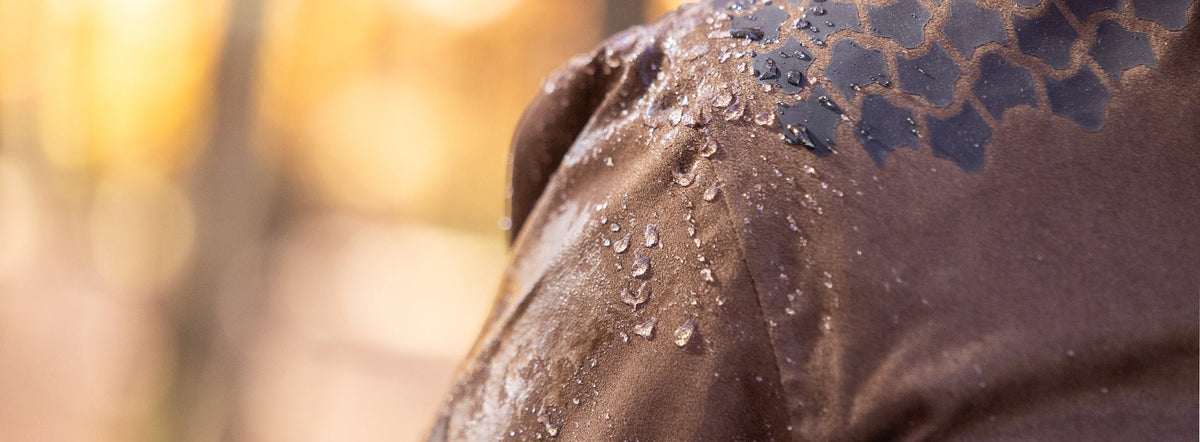
Not necessarily. The outer fabric can become saturated while the waterproof membrane underneath remains intact. If water stops beading, check the garment’s cleaning and water-repellent treatment instructions. I inspect any repeated wet patch inside separately, particularly near seams or zips. Restoring the surface treatment on waterproof hunting clothes will not repair a damaged membrane.

Should I change my base layer before a long wait?

If it is thoroughly damp and I have a dry spare, I change in a sheltered spot before settling down. I keep the replacement in a waterproof bag and have my warmer layers ready to put back on. A slightly damp shirt on a mild day may not need changing; the length of the wait and exposure matter.

Do gaiters help if my boots are already waterproof?

Water can still enter waterproof hunting boots through the opening around your leg. Well-fitting waterproof gaiters help protect that gap from wet grass, rain and debris. I check their overlap with my trousers and boots before walking. They do not make the footwear watertight above the boot collar, and they cannot prevent sweat building up inside.