
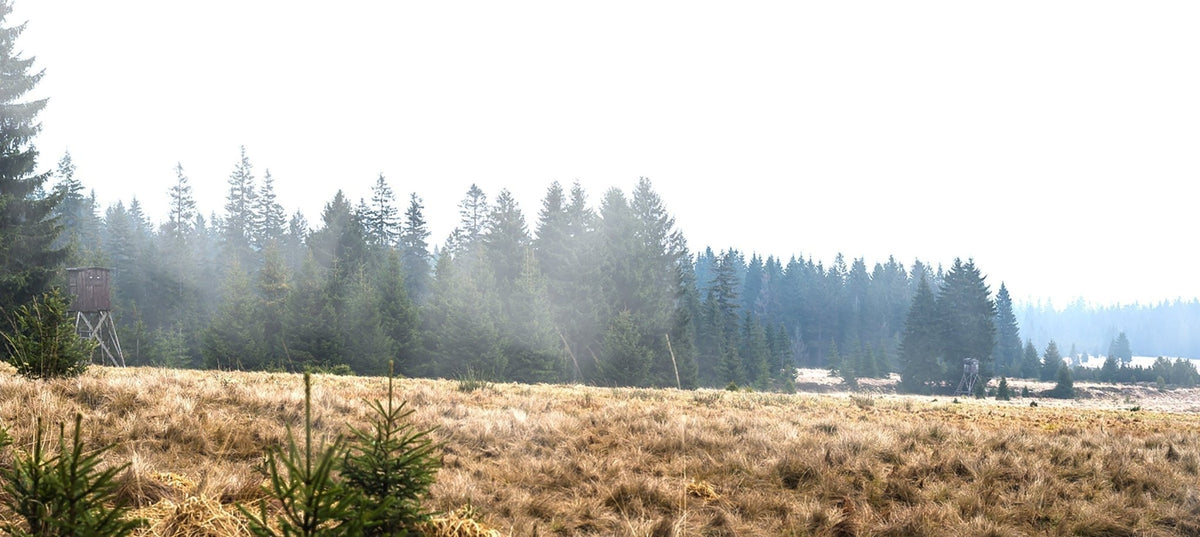
Jagen in Schotse mist, Balkanregen en bij plotselinge weersveranderingen

Een heldere ochtend kan bedrieglijk zijn. Dat heb ik op de harde manier geleerd, meestal ergens tussen de eerste klim en de eerste lange wachttijd. Je stapt uit de auto met een kalme weersverwachting in je hoofd, lichte bewolking op het scherm, geen serieuze waarschuwing, niets dramatisch. Dan verandert het terrein. De wind krijgt een koudere stroming. Het gras is tot aan je knieën nat. Mist trekt naar de lager gelegen delen van het terrein, of de regen begint zijwaarts door de bomen te trekken.
Dat is het moment waarop kleding ophoudt een comfortdetail te zijn. Het wordt onderdeel van de jacht. Ik denk er niet over na. waterdichte jachtkleding Net zoals jaren geleden. Toen wilde ik iets dat er stoer uitzag en de regen buiten hield. Nu let ik er meer op. Ik kies voor de buitenstof, het membraan, de naden, de manchetten, de capuchon, het geluid van de jas als ik mijn geweer ophef, en hoe het hele systeem zich gedraagt na twee uur lopen en nog eens twee uur wachten.
Slecht weer hoeft niet altijd een storm te zijn. Soms komt het als Schotse mist, koud en stil. Soms als Balkanregen, zwaar in de heuvels en modderig onder de voeten. Soms is het gewoon een kleine weersverandering die je overvalt, terwijl je slecht gekleed bent. En als je eenmaal nat bent, verandert de jacht.
Schotse mist en het soort nattigheid dat je in eerste instantie niet merkt.

Er valt een bijzondere les te leren van de Schotse mist. De plaatselijke nevel die vanuit de Noordzee komt aanrollen, kan er van een afstand bijna prachtig uitzien, maar erin wordt de wereld kleiner, kouder en veel natter dan verwacht. Het regent niet in de gebruikelijke zin. Je hoort het niet altijd. Je voelt niet altijd de druppels op je jas vallen. Maar geef het even de tijd, en het dringt overal in door.
De schouders worden als eerste donker. Dan de capuchon. Vervolgens de mouwen, waar ze langs nat gras, stenen, takken en riemen schuren. Als de buitenstof zijn waterafstotende eigenschappen heeft verloren, begint deze doorweekt te raken. Zodra de buitenstof nat is, neemt het ademend vermogen af. Dat is waar veel jagers waterdichte kleding verkeerd begrijpen. Ze denken alleen aan water dat van buitenaf binnenkomt. Ik denk net zo goed aan vocht dat van binnenuit naar buiten probeert te ontsnappen.
Een jas die de regen tegenhoudt. Maar het vasthouden van zweet doet slechts de helft van het werk. In de mist beweeg je vaak langzamer. Je stopt vaker. Het zicht neemt af, dus elk geluid telt. De stof moet stil blijven. Een stijve buitenlaag die bij elke beweging kraakt en ritselt, is misschien acceptabel op een wandelpad, maar niet tijdens het schieten in ruig terrein of bij het besluipen van wild. Voor de jacht moet de technische stof meerdere functies tegelijk vervullen: vocht afstoten, voldoende ademend zijn tijdens beweging, zacht blijven in de koude lucht en de schouders natuurlijke bewegingsvrijheid geven.
Daarom beoordeel ik waterdichte jachtkleding niet aan de hanger. Ik beoordeel ze pas als de mist laag hangt, de geweergordel vochtig is en de eerste kou door de zwakke plekken begint te sijpelen.
Kan een weersvoorspelling veranderen vóór een jachtpartij?

Vroeger vroeg ik me af: kan een weersvoorspelling zo vlak voor een jachtpartij nog veranderen? Nu ga ik ervan uit dat dat kan.
Een weersvoorspelling is nuttig. Ik kijk er nog steeds naar. Ik check de wind, regen, temperatuur en bewolking. Maar ik kleed me nooit alleen op basis van de voorspelling. Ik kleed me op basis van de fout in de voorspelling.
In echt jachtterreinWeersveranderingen volgen niet altijd de nette logica van een app. Een vallei kan vochtige lucht vasthouden lang nadat de open grond er droog uitziet. Op hoger gelegen gebieden kan wind waaien die thuis niet merkbaar was. Een bos kan urenlang blijven druppelen nadat de regen is gestopt. Op de Balkan heb ik meegemaakt dat een ochtend zacht en windstil begon, om vervolgens voor het middaguur om te slaan in een harde regenbui, met zo'n natte begroeiing dat je broek sneller doorweekt raakt dan vallende regen.
Het probleem is niet dat voorspellingen nutteloos zijn. Het probleem is dat jagen een gedetailleerd proces is. Een weerpictogram kan je niet vertellen hoeveel koude vochtigheid er in het gras schuilt. Het kan je niet vertellen hoe open de volgende bergkam zal aanvoelen. Het kan je niet vertellen of je tijdens de klim zult zweten en vervolgens zult bevriezen tijdens het wachten.
Ik plan dus voor zowel beweging als stilstand. Beide zijn belangrijk. Als ik weet dat ik veel ga lopen, geef ik de voorkeur aan ademend vermogen en ventilatie boven zware isolatie. Als ik weet dat ik lange tijd moet wachten, denk ik aan warmte, windbestendigheid en hoe goed de buitenste laag zich houdt wanneer ik geen warmte meer produceer. Als het weer onvoorspelbaar lijkt, kies ik voor een systeem dat zich kan aanpassen in plaats van één zwaar kledingstuk dat alleen onder één bepaalde omstandigheid werkt.
De regen op de Balkan stelt je jachtregenkleding op een heel andere manier op de proef.

De regen op de Balkan heeft een eigen karakter. Hij kan bot zijn. Hij kan gepaard gaan met wind, modder, natte bladeren, doornstruiken en een steile helling, waardoor het lichaam snel opwarmt. Het is zelden gewoon regen die rustig uit de lucht valt.
Regen komt van de zijkanten. Van takken. Van doorweekt gras. Van knielen op natte grond. Van de schouderbanden van een rugzak die water in de schouders drukken. Van manchetten die niet goed sluiten. Van een kraag die een klein kanaaltje bij de nek openlaat. Dit is waar normale regenkleding en serieuze regenkleding voor de jacht van elkaar verschillen.
Een eenvoudige regenjas houdt je misschien wel droog tijdens een korte wandeling, maar jagen brengt extra druk met zich mee. Je draagt uitrusting. Je beweegt geruisloos. Je richt een vuurwapen. Je gaat zitten, loopt weer verder en stopt opnieuw. De stof schuurt tegen bomen, rugzakriemen en de oneffen ondergrond. De jas mag niet te veel lawaai maken. Hij mag niet te strak zitten over de schouders. Hij mag ook niet zo los zitten dat hij overal aan blijft haken of dat er koude lucht langs je lichaam stroomt.
Goede waterdichte jachtkleding moet het ritme van een jacht begrijpen. Dat ritme is nooit rustig. Wanneer een jager nat wordt van het zweet, kan het gevoel bijna hetzelfde zijn als regen. basislaag Het wordt vochtig, de middelste laag koelt af en het lichaam verliest warmte tijdens de rustigere uren van de dag. Bij koude regen kan dat de concentratie snel verstoren. Je bent misschien nog wel buiten, maar je bent niet zo scherp als je zou moeten zijn.
Waarom waterdichte jachtkleding een systeem van stoffen is en niet zomaar een jas?

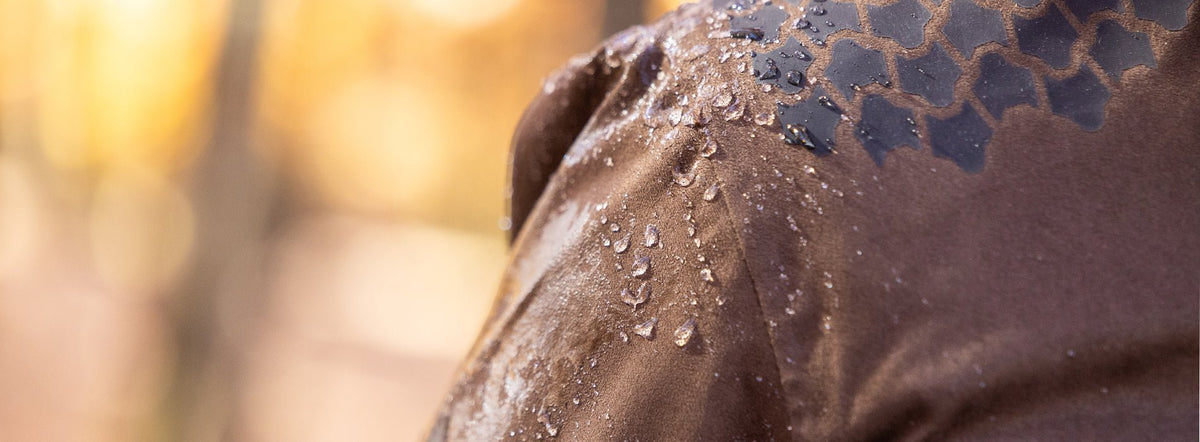
Het woord waterdicht wordt te gemakkelijk gebruikt. In de praktijk moet het iets preciezer betekenen. Voor mij betekent dat: waterdichte jachtkleding Het begint met de buitenstof. Die moet duurzaam genoeg zijn om bestand te zijn tegen struikgewas, rugzakriemen, natte ondergrond en herhaald gebruik. Een duurzame waterafstotende behandeling zorgt ervoor dat regendruppels eraf rollen in plaats van in de buitenstof te trekken. Dat is de eerste verdedigingslinie, maar niet het hele verhaal.
Daaronder doet het membraan het zware werk. Een waterdicht en ademend membraan voorkomt dat waterdruppels binnendringen, terwijl het de waterdamp van zweet wel laat ontsnappen. Dat klinkt eenvoudig als je het opschrijft. Maar het is niet zo eenvoudig als je aan het klimmen bent, spullen draagt, zweet en vervolgens stilstaat in de koude lucht.
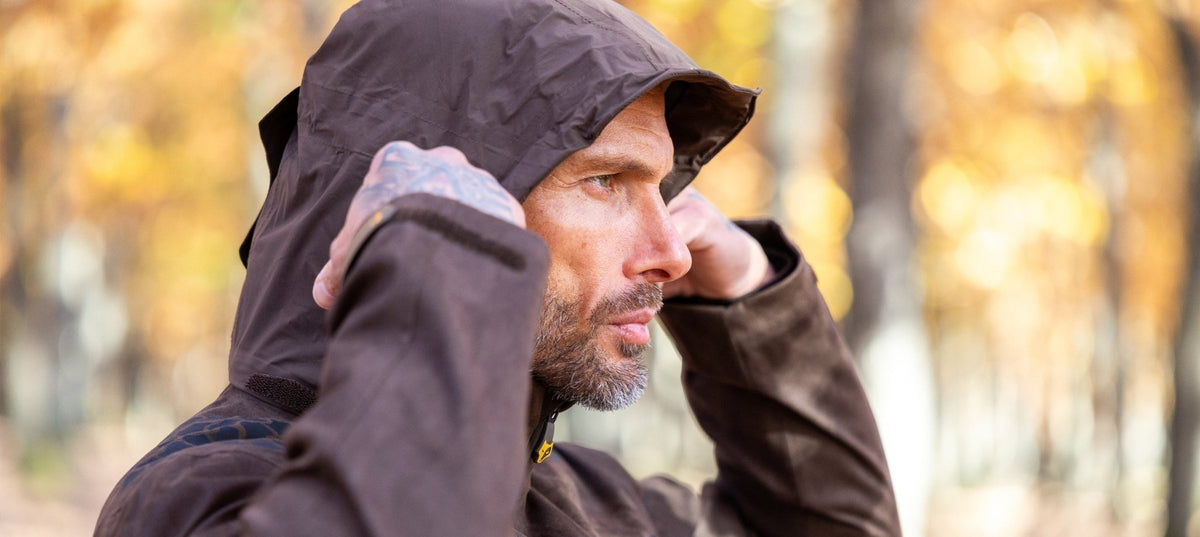
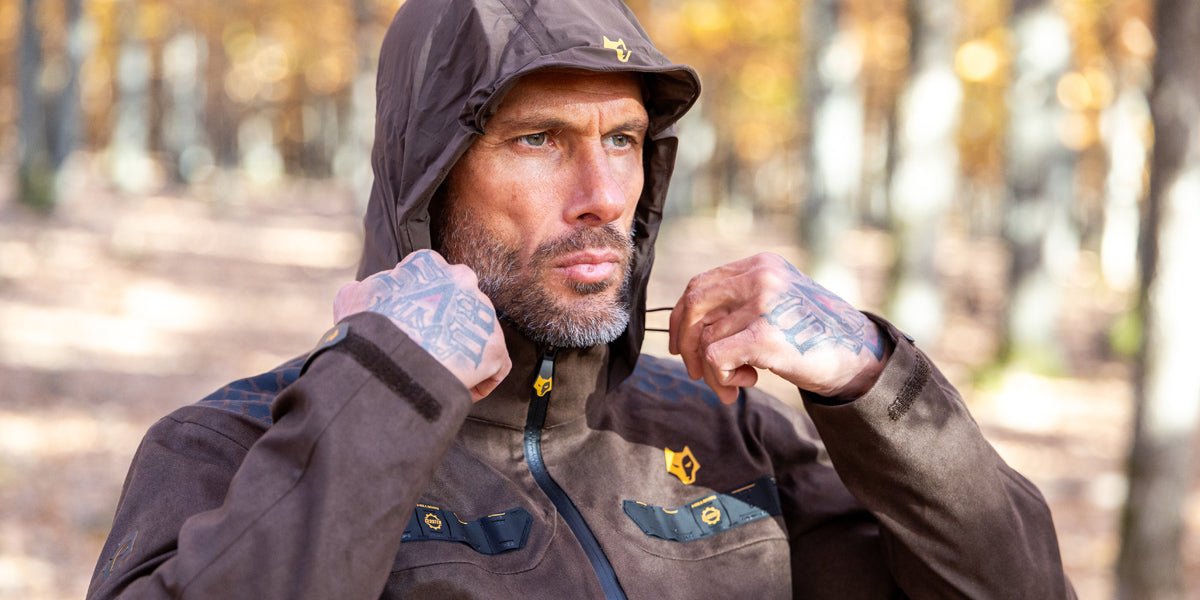
Dan komen de constructiedetails aan bod. Volledig getapete naden zijn belangrijk, omdat water zich een weg baant door de stiksels. Ritsen zijn belangrijk, omdat zwakke ritsen kanalen worden. Manchetten zijn belangrijker dan veel mensen denken. Een slechte manchet leert je meer over regen dan een productetiket ooit zal doen. Hetzelfde geldt voor de capuchon. Die moet beschermen zonder het gehoor of zicht te belemmeren. In mist en regen is die balans essentieel.
Ventilatie is een ander detail waar ik nu op let. Jaren geleden vond ik ventilatieopeningen een prettige extra. Nu beschouw ik ze als onderdeel van het vochtregulerende systeem. Bij intensief lopen, vooral bergopwaarts, kan zelfs een goed waterdicht membraan het moeilijk hebben als warmte en zweet zich te snel ophopen. Het vermogen om warmte af te voeren voordat de binnenste lagen vochtig worden, is een van de subtiele verschillen tussen gemiddelde uitrusting en de beste waterdichte jachtkleding. De beste uitrusting houdt niet alleen het weer buiten, maar zorgt er ook voor dat de jager zich erin stabiel voelt.
Waterdichte schietjassen hebben meer nodig dan alleen waterdichte stof.

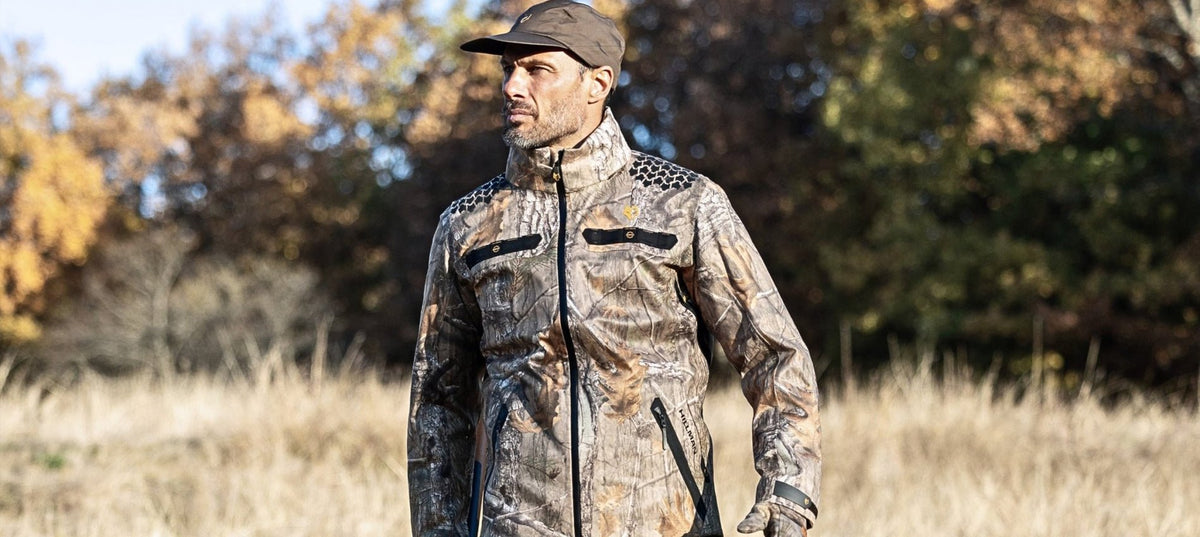
Een jachtjas is meer dan alleen een regenjas in camouflageprint. Dat merk je al snel als je een stijve jas draagt die over je schouders trekt wanneer je je geweer aanlegt. Of een jas die omhoog kruipt als je je armen omhoog doet. Of een jas die klinkt als droog papier elke keer dat de mouw langs je lichaam schuurt. Waterdichte bescherming is belangrijk, maar een jachtjas moet ook voldoende bewegingsvrijheid bieden.
Goede waterdichte schietjassen moeten de armen op een natuurlijke manier laten bewegen. Ze mogen het lichaam niet tegenwerken. De pasvorm rond de schouders en ellebogen is belangrijk, vooral tijdens het schieten in ruig terrein, waar de beweging constant en zelden gecontroleerd is. Een jas die prettig aanvoelt als je voor een spiegel staat, kan totaal onprettig aanvoelen bij het lopen over oneffen terrein of bij het afvuren van een snel, gecontroleerd schot.
De pasvorm is cruciaal. Te strak, en de jas beperkt de bewegingsvrijheid of drukt de tussenlaag eronder plat. Te los, en hij wordt lawaaierig, volumineus en houdt de warmte minder goed vast. Dit geldt met name voor jachtjassen voor herenVeel jagers kiezen een te grote maat omdat ze ruimte willen hebben voor laagjes kleding. Een beetje extra ruimte is handig. Te veel stof niet.
Ik kijk ook naar hoe de stof aanvoelt. Hij moet zacht genoeg zijn om geluidloos te blijven, maar stevig genoeg om ruig terrein te doorstaan. Groene, bruine of camouflagepatronen zijn van ondergeschikt belang als het kledingstuk mechanisch gezien niet voldoet. Kleur helpt je op te gaan in de omgeving. De eigenschappen van de stof helpen je om in de jacht te blijven. Dat is de volgorde waar ik op vertrouw.
Hoe kies ik waterdichte jachtkleding voor plotselinge weersveranderingen?

Als ik me voorbereid op onvoorspelbaar weer, begin ik niet met de vraag welke jas het warmst is. Ik begin met de dag zelf. Hoeveel loop ik? Hoeveel moet ik wachten? Hoe open is het terrein? Loop ik door natte begroeiing? Is er kans op mist? Dalen de temperaturen als de zon ondergaat? Heb ik een lichte, compacte jas nodig, of juist een dikkere buitenlaag voor lange uren in ruw weer?
Die vragen bepalen het systeem. Voor actieve dagen wil ik een ademende buitenlaag, een gecontroleerde ventilatie. middelste laagEn voldoende ventilatie om te voorkomen dat transpiratie een probleem wordt. Bij kouder weer wil ik meer warmte onder de shell, maar nog steeds niet zo volumineus dat bewegen onhandig wordt. Op lange, natte dagen is een goede broek net zo belangrijk als een jas. Veel jagers komen hier pas laat achter. Het bovenlichaam blijft droog, terwijl de benen doorweekt zijn van gras, varens en struikgewas voordat de echte regen begint.
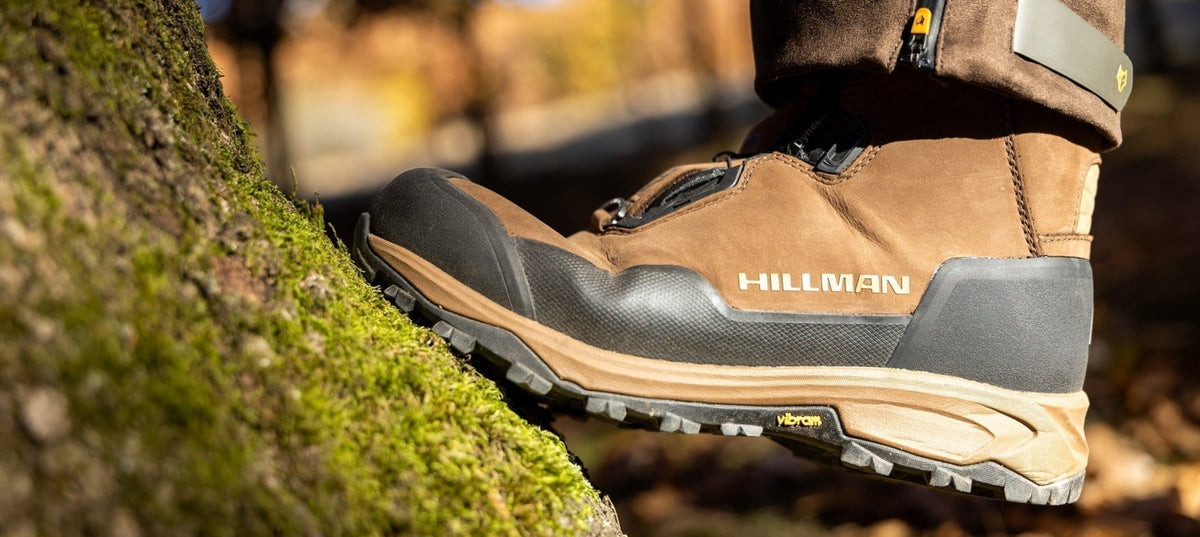
De beste waterdichte jachtkleding is niet altijd de zwaarste. Het gaat erom dat de kleding aansluit bij hoe je beweegt, stopt, zweet, afkoelt en schiet. Dat is ook waar ik de waarde zie van technische jachtkleding die is ontworpen voor gebruik in het veld. Een merk als Hillman past perfect in dit plaatje, omdat het er niet alleen om gaat voorbereid over te komen, maar om een kledingsysteem te creëren dat bestand is tegen nat terrein, koude lucht, beweging, stilstand en plotselinge veranderingen, zonder dat de jager hoeft te worstelen met zijn eigen uitrusting. Eén merkvermelding is genoeg. De rest moet in de praktijk bewezen worden.
Waterdichte jachtkleding voor lange uren buiten.

Bij lange uren in natte omstandigheden denk ik in laagjes. De basislaag voert zweet af. Deze moet vocht van de huid afvoeren en snel drogen. Als de basislaag vochtig blijft, voelt elke pauze kouder aan.
De tussenlaag zorgt voor warmte. Fleece of technische isolatie kan goed werken, afhankelijk van de temperatuur en de activiteit. Te veel warmte tijdens een klim leidt tot zweten. Zweet koelt later af. Dat is een van de oudste fouten bij de jacht in slecht weer.
De buitenste laag krijgt het zwaar te verduren. Dit is waar waterdichte jachtregenkleding zijn waarde bewijst. De jas en broek moeten regen tegenhouden, bestand zijn tegen natte begroeiing, bewegingsvrijheid bieden en ademend genoeg zijn voor echt gebruik. Voeg daar een capuchon aan toe die het zicht niet belemmert, zakken die ook met koude handen nog bruikbaar zijn en manchetten die goed sluiten zonder te irriteren.
Dan komen de accessoires: handschoenen, een muts, nekbescherming en een extra droge laag kleding voor als dat nodig is. Dit lijkt onbelangrijk totdat de omstandigheden veranderen. Koude handen stellen je geduld op de proef. Een natte nek onttrekt warmte. Een doorweekte muts zorgt ervoor dat elke stop langer lijkt te duren.
Daarom denk ik aan Waterdichte regenkleding voor de jacht Als een compleet systeem, niet één jas die al het werk doet. Regen zoekt naar zwakke plekken. Mist ook. En koude wind eveneens. Als het systeem zwakke punten heeft, vindt het weer die meestal als eerste.
Kleed je naar het weer dat mogelijk aankomt.

Ik kleed me niet meer aan op basis van het weer bij de auto. Dat weer is vaak het makkelijkste deel van de dag. De echte test komt later: natte manchetten, opkomende mist, regen die eerder begint dan verwacht, lang wachten na een zware klim, of die langzame daling van de lichaamstemperatuur wanneer de beweging stopt. Een jager kan mist, regen of plotselinge weersveranderingen niet beheersen. Hij kan wel beheersen hoe hij zich erop voorbereidt.
Dat betekent kiezen voor een stof die niet alleen waterdicht is, maar ook voor een stof die niet alleen ademend is. Ademend vermogen, niet alleen bescherming. Een pasvorm waarmee je kunt schieten, niet alleen maar stil kunt staan. Lagen die samenwerken in plaats van elkaar tegenwerken. Kleding die je droog, gefocust en comfortabel houdt, ook als de weersvoorspelling niet meer overeenkomt met de werkelijkheid. Het weer hoeft niet extreem te worden om je op de proef te stellen. Soms is een kleine verandering al genoeg.

Deel: