
One Layering System, Three Climates: How to Stay Ready as Conditions Change

From cold starts to changing conditions, discover how one hunting layering system helps regulate body temperature as the day unfolds.
You rarely realise whether a layering system works when you first step outside. At that point, everything still feels fine. Body heat builds slowly, the air feels manageable, and the jacket you chose at home seems like the right decision.
It’s later that things start to change.
You stop moving for longer than planned. Wind finds its way through gaps you didn’t notice before. Sweat that felt harmless ten minutes ago starts to cool against the skin. Body temperature drops faster than expected. That’s usually when people begin adjusting layers, opening zips, pulling collars up, and wondering why the same clothing suddenly feels wrong.
A layering system isn’t there to keep you warm all the time. Its real job is to deal with change. Cold weather, warm weather, rain, dry conditions, often on the same day. The perfect layering system is the one that lets you respond without having to rethink everything you’re wearing.
Layering System

A layering system consists of three layers. That’s the simple version everyone hears. In practice, those three layers rarely behave in a neat, predictable way.
The body generates heat as soon as you start moving. Warm air builds under clothing, moisture follows, and sweat vapour looks for a way out. When layers allow moisture to move, the system holds together. When they don’t, things fall apart quietly at first. A damp feeling. A chill you didn’t expect yet.
This is why the layering system only works if it stays flexible. Layers are opened, closed, added, or removed as the weather changes. Wearing three layers in the same way all day almost never works, no matter how good the clothing is.
Base Layer
You don’t usually notice the base layer when it’s doing its job properly. You notice it when it fails.
Moisture stays on the skin. Clothing starts to feel heavy. As soon as activity slows, cold creeps in. That’s the moment when people realise how much the base layer matters.
Base layers made from polyester or merino wool are designed to move moisture away from the body. Merino wool has an advantage here. It’s breathable, it regulates body temperature well, and it still keeps you warm even when it’s wet. That combination makes a difference in unpredictable weather.
Cotton behaves oppositely. It absorbs moisture and holds onto it. Once wet, it cools the body quickly, especially when the temperature drops. In cold conditions, cotton works against the layering system rather than supporting it.
A good base layer sits close to the skin. Not tight, but close enough to allow moisture wicking to actually happen.
Mid Layers
Mid layers are where most people get layering wrong. Too thick, and you overheat. Too light, and warmth disappears as soon as you stop moving.
The purpose of mid layers is to trap warm air created by the body. How much insulation you need depends on what you’re doing. High-output activities generate plenty of heat, which means lightweight fleece often works better. Thicker insulation makes sense on colder days or during long periods of low movement.
Fleece remains popular because it’s breathable, lightweight, and quick to dry. Synthetic insulation is another reliable option, especially in wet conditions. It keeps working even when moisture is present, which is important in winter and damp climates.
Mid layers don’t stay constant all day. They’re the layer you adjust most often, depending on how warm you feel and how fast conditions change.
Outer Layer

The outer layer decides how exposed you feel once the weather turns.
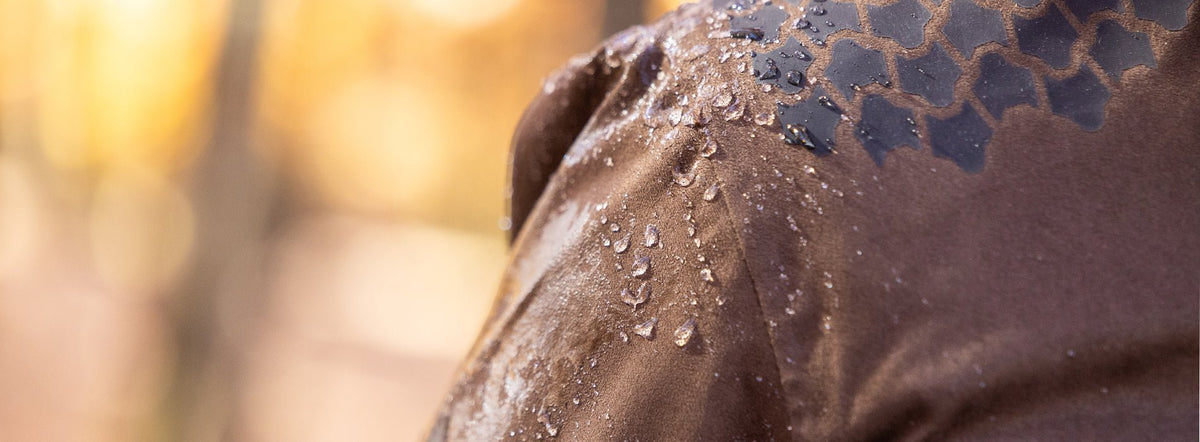
Wind, rain, snow: this is where protection matters. But breathability matters just as much. An outer shell that blocks everything from the outside but traps moisture inside quickly becomes uncomfortable.
Soft shells work well in breezy conditions and milder weather. They block wind, offer some protection, and allow movement. Hardshells provide the highest level of weather protection. They’re waterproof, windproof, and essential when rain sets in properly.
A waterproof jacket or waterproof outer layer should protect you from the elements while still allowing sweat vapour to escape. If moisture can’t move out, the body ends up wet anyway, even in dry conditions.
Cold Weather

Cold weather changes how the layering system behaves. When movement slows, the body generates less heat. That’s when insulation really matters.
A moisture-wicking base layer, combined with insulating mid layers and a protective outer shell, helps keep you warm as the temperature drops. On colder days, adding an insulated jacket provides extra warmth, especially during static periods.
People react to cold differently. Some need more insulation, others less. Important considerations include wind, moisture, and how quickly body temperature falls once you stop moving.
There is no single setup that works for everyone, only systems that can be adjusted when conditions demand it.
Perfect Layering System

The perfect layering system doesn’t look impressive on a hanger. It proves itself over time.
Layers open when heat builds. They close when the wind picks up. Extra insulation comes out when the warmth drops unexpectedly. The system shifts as conditions change.
What matters is not wearing the thickest clothing, but wearing layers that work together. A system that lets you stay warm without trapping moisture. A setup that keeps you comfortable without forcing constant adjustments.
That’s when layering stops being something you think about and starts quietly doing its job.
Layering System Work

You really understand how a layering system works when the pace keeps changing. A steady walk turns into a pause. A pause turns into standing still longer than expected. Then the movement starts again, and suddenly the layers that felt fine minutes ago need adjusting.
This is normal. The system isn’t meant to stay fixed. It’s meant to move with you.
When activity increases, the body generates more heat. Layers that were closed opened slightly. Zips come down. Warm air escapes. Sweat vapour moves out instead of staying trapped. When movement slows, everything shifts again. Insulation becomes more important, and gaps that felt harmless earlier start letting cold air through.
A layering system only works if you accept that you’ll interact with it throughout the day.
Stay Warm

Staying warm is often misunderstood. It’s not about piling on clothing early and hoping it lasts. That approach usually ends with sweat, followed by cold once the body cools down.
Warmth comes from balance. Layers that trap heat when you need it and release it when you don’t. When the temperature drops suddenly, extra warmth matters most during rest, not movement. That’s when adding an insulating layer makes sense.
The body doesn’t stop generating heat entirely, but it produces far less when you’re inactive. That’s why people often feel cold not at the coldest moment of the day, but later, when they stop.
Warm and Dry
Staying warm and dry at the same time is where many systems fail. Moisture builds quietly. Sweat collects under clothing. Everything still feels fine, until it doesn’t.
Once moisture sits close to the body, warmth disappears faster. Even in dry conditions, trapped sweat cools the skin. That’s why moisture wicking matters just as much as insulation.
Layers that allow moisture to move keep the body drier, even when working hard. When sweat vapour escapes instead of condensing, warmth stays more stable. This is especially noticeable during stop-start activity, where overheating and cooling happen repeatedly.
Layer Insulation

Layer insulation isn’t about choosing the thickest option available. It’s about choosing the right amount for the moment.
Synthetic insulation performs well when conditions are damp or unpredictable. It keeps insulating even when wet and dries quickly once movement resumes. Fleece offers a different advantage: breathability and flexibility, especially during high-output activities.
On colder days or when activity drops, an extra insulating layer becomes important. A lightweight insulated jacket or vest can make the difference between staying comfortable and slowly losing warmth.
The key is carrying options, not committing too early.
Unpredictable Weather

Unpredictable weather is where layering proves its value. Conditions change without warning. Wind picks up. Rain arrives sideways. Temperature shifts faster than expected.
Coastal areas and open ground are especially challenging. Breezy conditions strip heat quickly, even when the air temperature doesn’t feel extreme. A wind-resistant outer shell helps here, blocking airflow without trapping too much heat.
Checking forecasts helps, but it never replaces preparation. Carrying extra layers, even when the sky looks clear, is often what keeps you comfortable later on.

Important Considerations
No two people experience temperature the same way. Some run warm, others lose heat quickly. Personal preference matters more than generic advice.
Important considerations include how much you’ll be moving, how long you’ll be still, and how exposed you’ll be to wind and rain. High-output activities demand breathability and lighter layers. Low-output situations demand insulation and protection.
The approach you take to layering depends as much on your body as it does on the weather.

Cold Conditions Revisited
Cold conditions don’t always feel cold at first. They creep in. Moisture builds, wind increases, and warmth slowly drains away.
In these moments, the layering system shows its real purpose. A base layer that keeps moisture away from the skin. Mid layers that trap heat without smothering it. An outer layer that blocks the elements without sealing everything shut.
Staying warm becomes easier when layers work together instead of competing with each other.
Three Different Types of Days, One System

Some days are cold and dry. Others are mild and wet. Some start warm and end colder than expected. The same layering system needs to handle all three.
The difference lies in how you use it. Fewer layers during movement. More insulation during rest. Open layers when heat builds. Close them when wind or rain arrives.
That flexibility is what allows one system to work across varying conditions.
When Layers Stop Being the Focus
Eventually, you reach a point where you stop thinking about your layers altogether. You’re no longer adjusting constantly. You’re no longer guessing whether you’ll get cold in ten minutes.
That’s when the system is doing its job.
A good layering setup fades into the background. It keeps you warm when needed, cool when necessary, and protected when conditions turn. It doesn’t fight the body. It works with it.
And when the weather changes, as it always does, you’re ready to change with it.



Share: