
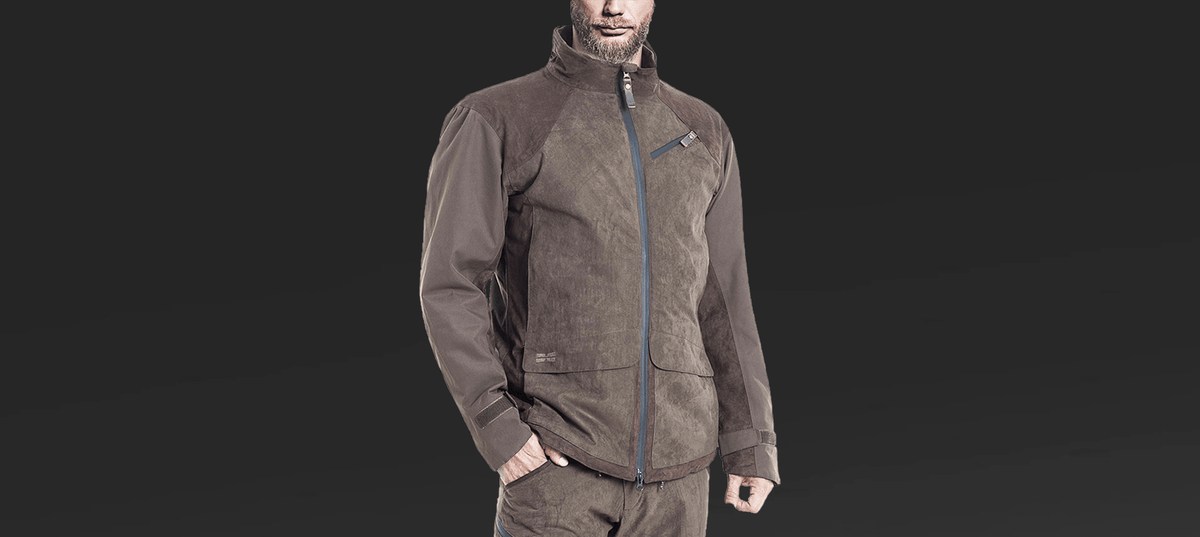
Hunting Jackets Built for Rain, Wind, and Adventure

Hunting jackets are built for rain, wind, and rugged terrain. Stay dry, warm and comfortable in any weather with durable and breathable protection.
There’s a moment in every hunt when the weather decides it wants to test you. Not in a dramatic, cinematic way, more like a slow shift you only notice when your shoulders suddenly cool or the wind sneaks in under the collar. British weather is famous for this. A bit of wind, then a splash of wet weather, then a thin blade of cold settling through the air. Hunters who spend long days outside know it well: you start the morning zipped up tight, by midday you’re too warm, and just when you relax, the rain rolls in sideways. Hunting jackets built for this kind of unpredictability don’t just keep you dry; they keep you moving, thinking, adjusting, and staying focused without constantly fixing your clothing.
Serious hunters don’t chase storms, but they’re ready for them. Hunting jackets that combine waterproof protection, breathability, warmth, and freedom of movement matter more than any single feature on paper. They’re what let you adapt to elements without losing your rhythm. They’re what keep long walks comfortable, active stalking silent, and long hours behind cover manageable. In woodland, open terrain, or rugged foothills where wind carries faster than sound, a jacket becomes part of your hunting style, not just something you wear.
For outdoor enthusiasts who spend many seasons with a single piece of gear, a hunting jacket isn’t just another item. It’s a partner that should offer comfort, protection, and enough versatility to follow you through rain, wind, snow, and warmer days without slowing you down.
Hunting Jackets: Why Weather Protection Matters More Than Ever

If you’ve ever walked into a hunt thinking the day would stay dry, you already know how fast things can change. One cloud drifts, one gust of wind shows up, and suddenly you’re in the middle of conditions that test every seam of your jacket. Hunting jackets built with modern materials aren’t just waterproof on the surface. They’re engineered to protect from wind, cold, rain, and shifting weather conditions without sacrificing movement.
Weather protection isn’t simply about blocking water. Fully waterproof membranes keep rain out, but what matters just as much is how they handle warmth. On warmer days, heat builds under layers the moment you start moving. Without breathability, that heat becomes sweat, and sweat becomes chill the second you pause. Jackets that blend waterproof protection with highly breathable construction keep your temperature steady.
Modern hunting jackets don’t just shield; they adapt. They protect without trapping heat, offer warmth without bulk, and stay breathable even when the weather keeps threatening to close in on you. And if you’ve ever climbed into position after a long walk and needed to quiet your breathing, you know how important it is for your clothing not to work against you.
Hunting Gear for Unpredictable Weather

Built for British Weather and Beyond
Hunting gear tested in British weather has to be ready for anything. Wet weather that arrives without warning. Wind that swings between mild and sharp. Cold that seeps in along valleys and woodland edges. Snow that doesn’t fall heavily, but still manages to find every gap.
Good hunting gear responds to terrain just as quickly as to weather. Moving from open ground into dense woodland? Your jacket should allow freedom of movement without snagging. Climbing rocky stretches? It should stay close to the body without restricting motion. Crossing rugged, uneven terrain? Its protection should stay consistent.
Wet, windy, mixed-weather days are exactly where waterproof protection meets breathability. Hunters walking through terrain that changes every half kilometer know how important it is for a jacket to manage both moisture and heat, not one or the other.
Outdoor Enthusiasts and Serious Hunters Demand More
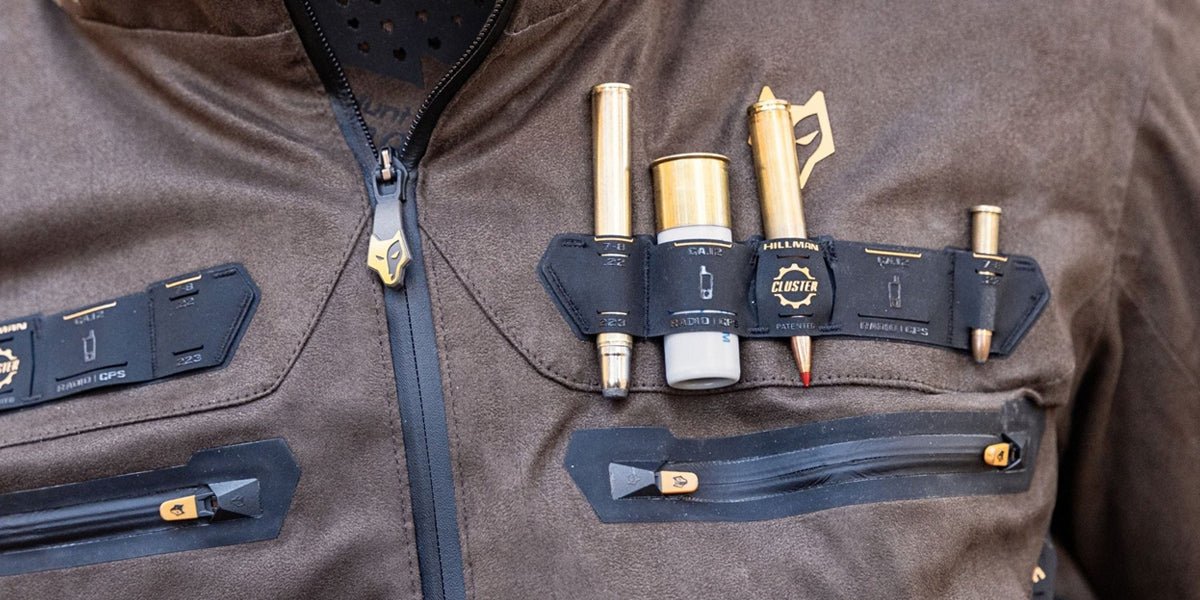
Serious hunters notice the small things. Adjustable cuffs that keep wind from creeping in. Hand warmer pockets are positioned where the hands naturally rest. A perfect fit that doesn’t pull across the back when you lift your rifle. Features that don’t sound impressive on a label, but make long days easier.
Outdoor enthusiasts and seasoned shooters look for jackets that last many seasons, not just one. Performance matters, but so does versatility. They want something that handles warm afternoons, cold mornings, and wet dusk hours with the same consistency. Jackets that offer freedom without sacrificing protection become the ones hunters reach for year after year.
Waterproof Jackets That Keep Hunters Moving

Fully Waterproof Without Losing Breathability
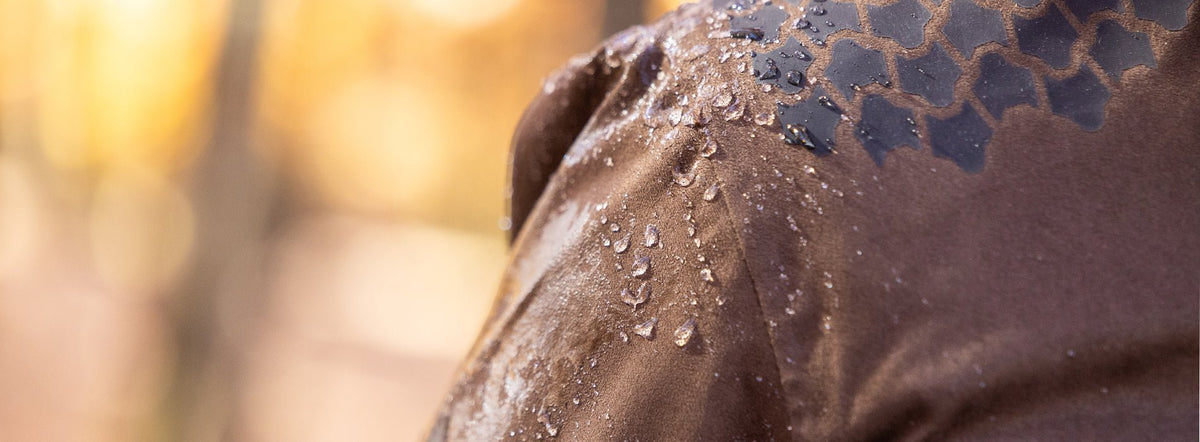
The old days of choosing between waterproof protection and breathability are mostly gone. Modern waterproof jackets achieve both. Fully waterproof membranes keep rain out, but they also let moisture escape, allowing sweat to move outward instead of staying trapped.
Highly breathable designs matter more than people think. When you walk, climb, or push through thick cover, steam builds inside your clothing. Allowing moisture to escape means staying dry in more ways than one. Wool and synthetics each have their place, but cotton stays wet too long; waterproof jackets built for hunters solve this problem by balancing warmth and breathability.
A jacket that breathes well doesn’t stick, doesn’t turn clammy, and doesn’t create the uncomfortable film that makes you want to take it off exactly when you should keep it on.

Features That Matter in Wet Conditions
A good waterproof jacket isn’t just about its membrane. The details matter:
-
adjustable cuffs that seal tightly around the gloves;
-
hand warmer pockets to keep your fingers supple when temperatures drop;
-
reinforced seams to stop water from creeping in;
-
camo, green, or brown options that blend into woodland and open ground.
Every small feature adds up to one thing: a jacket that helps hunters stay dry without interrupting their rhythm.
Shooting Jackets Designed for Long Walks and Sharp Focus

Jackets That Support Active Shooting and Movement
Shooting jackets aren’t built like standard jackets. They’re designed for long walks, woodland routes, and moments when a hunter needs to lift the rifle with zero restriction. When walking through wet ground or moving slowly through cover, shooting jackets balance movement with stability. They help shooters stay focused on the game, not on adjusting fabric or pulling sleeves into place.
 Weather Resistance for Shooters Who Move Constantly
Shooters spend hours outdoors under shifting weather. Wind, cold, and rain often arrive in short bursts, not long stretches. Jackets that hold warmth while remaining breathable become crucial. They keep your central warmth steady while letting moisture escape, so the inside never becomes uncomfortable.
And in shooting clothing, quietness matters. Breathable fabric stays quiet because it doesn’t stick to the skin. When you're focused on the game, even a small rustle can matter.
Men’s Shooting Jackets for Performance and Comfort

Men’s shooting jackets often come with a more tailored cut, helping the jacket stay close without restricting movement. Durable materials support rugged use: crossing brambles, sliding through brush, moving across rough terrain. Brands that understand this build jackets meant for long-term wear, not single-use adventures.
A wide selection of men’s shooting jackets means hunters can focus on perfect fit and personal style without losing performance. Warmth, stability, and weather protection don’t have to come at the cost of freedom of movement.
Base Layers: The Foundation Behind Every Jacket System

Base layers are the unnoticed heroes. They handle moisture before it reaches your jacket. They keep the warmth stable. They add breathability from the inside out. Whether made of wool blends or high-performance synthetics, base layers prevent sweat from cooling too quickly in the cold or staying trapped in the heat.
Good hunting jackets work best when paired with base layers that manage moisture and provide comfort without bulk. The jacket is only half the system. The foundation is underneath.
Stay Dry in Rain, Wind, and Shifting Terrain

Why Staying Dry Is More Than Waterproofing
Staying dry doesn’t just mean keeping rain out. It means managing moisture from movement. Walking through rugged terrain builds heat fast; stopping to glass cools you down even faster. Every hunter knows the familiar cycle: sweat, cool, repeat. Breathable waterproof jackets keep that cycle under control.
Combining Breathability and Waterproof Protection
When it comes to staying dry, cold, and wind matters too. A waterproof jacket that doesn’t breathe just traps moisture inside. A breathable jacket that isn’t truly waterproof won’t hold up in steady rain. Hunters need both. Camo jackets built for woodland and snow-covered terrain strike a balance, protecting from the weather while allowing the body to adapt without constant adjustments.
Hunting Style and the Perfect Fit

The right jacket should feel like part of your movement: not something you’re wearing on top of it. Perfect fit means:
-
room for layers
-
freedom of movement in the shoulders and elbows
-
enough length to cover the back
-
cuffs that hold but don’t squeeze
-
comfort for your feet and stride
A jacket that fits well helps you stay warm, stay quiet, and stay focused. And because hunting style varies: woodland stalking, high seat waits, walking through open ground: the fit has to adapt to each hunter's rhythm.
Choosing the Right Jacket for the Season

Warm days require breathability and light layering. Cold seasons require insulation and protection. Rugged, wet terrain calls for fully waterproof jackets that stay breathable. Wool layers excel in cold, while cotton lags in moisture management. A jacket that handles all seasons and weather conditions becomes the one hunters trust for years.
Camo, Green, Brown: Colours That Adapt to Terrain
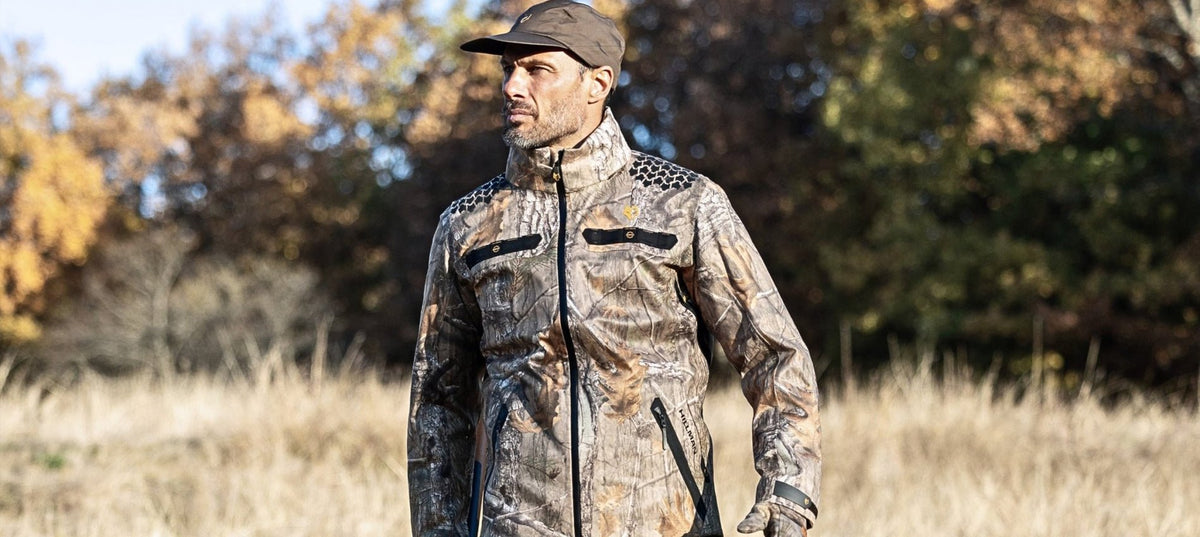
Camouflage isn’t just a pattern; it’s behaviour. Green for woodland, brown for open fields, camo for mixed terrain. Hunters who move through different covers need colours that don’t stand out when the light shifts or the clouds thicken. A jacket’s ability to adapt visually is almost as important as how it handles weather.
A Jacket That Works Through Many Seasons

A good hunting jacket doesn’t need to shout about its features. It proves itself over many seasons, in wind, in rain, in snow, and on warm days when breathability matters most. A jacket built for adventure protects, adapts, and moves with the hunter.
And when a jacket can offer comfort, protection, weather resistance, and a perfect fit without limiting movement, that’s when it becomes more than gear. It becomes part of the hunt.

Share: