Table of Contents

Why Moisture Transfer Matters on Wet Grass, Long Walks, and Cold Waiting

waterproof hunting boots, waterproof hunting clothes, deer hunting waterproof jacket, insulated moisture-wicking layers

Ten minutes on the upper slope and I was already looking for somewhere else to sit. We had the view I wanted. Open ground opposite, timber along the edge, enough daylight to pick apart the gaps between the trees. I raised the binoculars, felt the cold across my damp back and shifted lower behind the bank. From there I could see a strip of sky and the back of Martin's head. I sat up again.

Martin tried a place farther along, came back and pointed towards the clearing below us. He had suggested it before we left the vehicles. I had argued for the extra height, then worked hard to get us there. Now I was cold, irritated and reluctant to admit that a better view was doing us very little good. We could move while the clearing was empty. I took one more look at the opposite slope and put the binoculars away.

Before We Reached the Wood

The morning had started well. Martin brought coffee and bread wrapped in a red tea towel. We stood beside the vehicles discussing two roe deer we had seen on our previous visit. Both had stayed behind branches, then disappeared before we had a clear opportunity. I had spent much of the intervening week thinking about where we should have been sitting. Given a few evenings indoors, I can make a very convincing case for almost any patch of hillside.

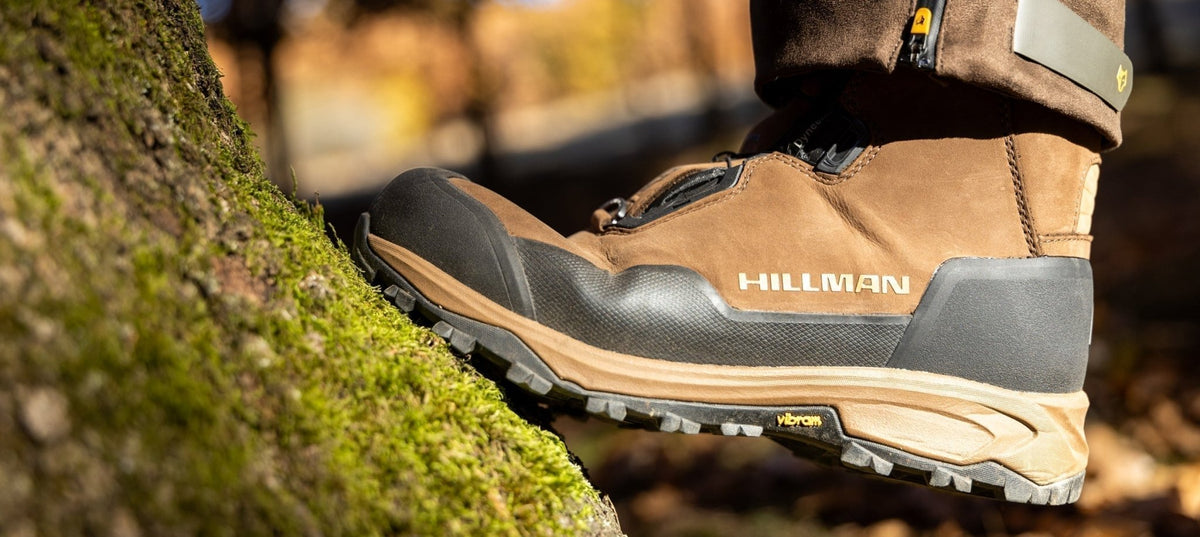
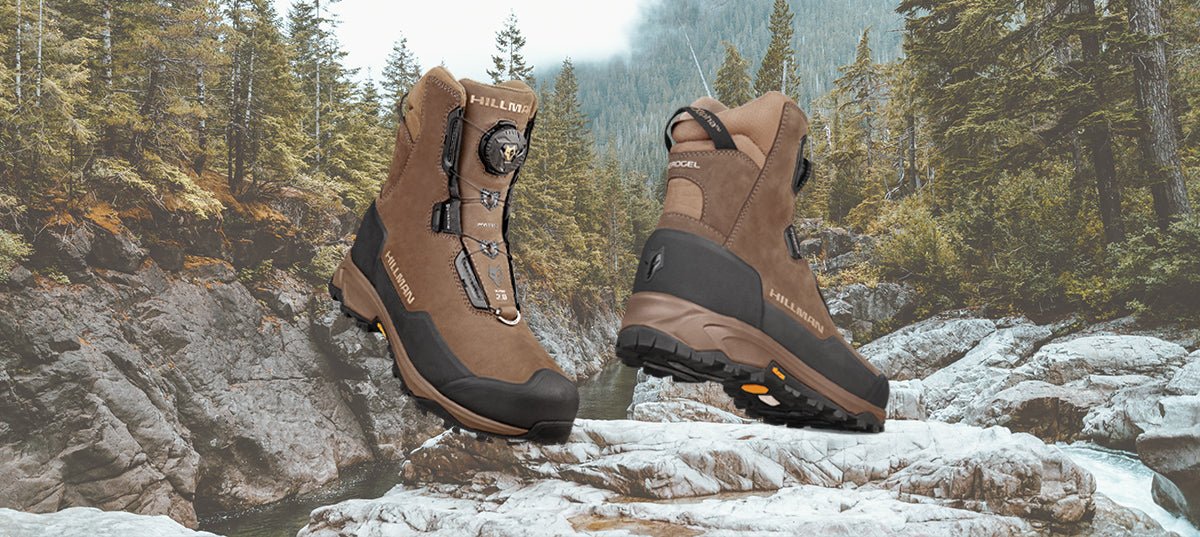
Martin carried the folded deer carrier. I took the food and spare layers, including a dry shirt in a waterproof bag. We knew the way in and had left enough time. Still, once we were through the gate I started walking as though the morning might get away from us. The meadow was soaked. Grass brushed our knees, and water gathered along the laces of my waterproof hunting boots. I stopped to straighten a trouser hem outside the collar, fastened my gaiters and followed Martin's track towards the wood.

At the first trees we found prints crossing soft earth towards the lower clearing. We crouched to look, then continued uphill. The route would let us watch more ground, and I wanted to see what was using the opposite timber edge. I had kept on the fleece that felt comfortable beside the car. By the second bend, sweat was running beneath the pack straps, and I was wishing I had packed it before we left.

I stopped and took it off. Martin waited by a beech, studying the bark with the concentration of a man who had decided to keep his opinions to himself. He held my jacket while I sorted the layers, then handed it back. I opened the vents and loosened the collar before putting the pack on. We lost a few minutes. I promptly tried to recover them by walking faster on the next section.

The Last Part of the Climb

mountain waterproof hunting boots, waterproof hunting clothes, deer hunting waterproof jacket, insulated moisture-wicking layers

I could reach the vents on my hunting waterproof jacket with the pack fastened. That was one reason I had chosen it, and I used them as we climbed. The shirt beneath was already damp. Opening everything helped, but the steep ground kept me working, and the pack covered most of my back. At the junction Martin glanced towards the lower clearing. I pointed uphill, where the cloud was beginning to lift.

I knew what the damp shirt meant for the wait ahead. I also wanted to reach that viewpoint, and I kept giving the next few hundred yards priority over how I would feel when we stopped. My shirt could spread sweat away from the skin, but the moisture still needed to evaporate and escape. I was producing it faster than the clothing could clear it. I shortened my stride and eased the pace for the remaining climb.

At the top I added the fleece before the warmth of walking faded and closed the vents. The insulation helped, though the shirt underneath was still wet. After those first ten minutes behind the bank, the lower clearing looked worth trying. We gathered our things and took the path back to the fallen beech.

A Place We Could Stay

waterproof hunting boots, waterproof hunting clothes, deer hunting waterproof jacket insulated

The clearing was still empty. Behind the bank beside the fallen trunk, I changed into the dry shirt with the other layers ready to go back on. The damp one went into a separate bag. Martin made room beside him, moving a broken branch that would have pressed against my leg. I sat down, checked the view through the binoculars and adjusted my feet. This time I could stay where I was.

Rain started tapping on the leaves. Mud darkened the knees of my trousers, and drops worked their way down from the branches overhead. My waterproof hunting clothes kept that water outside while we waited. With the fleece back on and the vents closed, I was comfortable enough to leave everything alone. Martin poured coffee. He turned his dented cup before drinking, finding the good part of the rim without looking.

Across the clearing stood a stump I knew well. On an earlier visit I had watched it for several minutes before accepting that it was unlikely to move. Beyond it were two young trees, brambles and a narrow opening into the wood. I worked along that edge slowly with the binoculars, lowered them and started again. Martin watched farther to the left. We had used this position before, and neither of us needed to explain where the other should look.

I enjoy this part more than I used to. Years ago, a quiet half-hour had me planning the next move. I still like covering ground, but there are mornings when I want time to examine the place I have already reached. A dark patch resolves into a fallen limb. Grass moves where there seemed to be no wind. You look again. Beside me, Martin shifted his cup away from his elbow and settled his binoculars on his knees.

Something began moving through the leaves behind us. I turned twice before seeing the bird responsible. Martin turned the next time, caught my eye and smiled. We left it to carry on. The rain eased, and I was following a gap beneath the brambles when he touched my sleeve. His binoculars were already up, pointing between the young trees.

When the Deer Stepped Out

waterproof hunting boots, clothes, deer hunting waterproof jacket, insulated moisture-wicking layers

I found the head first. A roe stood close to the woodland edge, with most of its body hidden. It lowered its muzzle, took a step and stopped. I watched through the binoculars while Martin stayed still beside me. After our previous visit, I expected it to feed back into cover. For a while that seemed likely. Every small movement put another branch across it, and I waited for it to disappear.

Then it turned and came into the open. The deer stood clear of the branches, with a steep earth bank behind it. I took the shot, and it went down. We stayed still, watching carefully before approaching. Martin rested a hand on my shoulder. I remember noticing how dry my mouth had become, then reaching for the water bottle beside my pack. Neither of us had much to say.

We confirmed the deer was dead and stood beside it for a moment. I was relieved the shot had done its work cleanly. Martin put his pack down with a strap in a puddle, and I moved it while he unfolded the carrier. We dressed the deer, secured it for transport and went back over the ground where we had been sitting to collect our things. The flask was still in its hollow between the roots. My gloves were less obvious, and Martin found them under his pack.

Getting Back with the Load

waterproof hunting boots, waterproof hunting clothes, deer hunting waterproof trousers

We had bread left, so we ate a piece each while deciding how to reach the forestry track below. There was no reason to repeat the upper route with a load between us. Before we lifted the carrier, I took the fleece off. The return would involve work from the first few yards, and I wanted to keep the dry shirt comfortable. I opened the jacket vents and helped Martin settle his grip.

We moved carefully through the roots. I watched Martin's footing as well as my own, and we stopped before awkward sections to adjust our grips. On the track we could walk more steadily, though the load soon made itself felt. He found a stump at a good height and sat down. I took the bank opposite. We drank the remaining coffee, barely warm by then, while looking back towards the wood.

I opened my boots at home, removed the detachable insoles and left them where air could circulate, away from the radiator. To help keep my hunting boots waterproof, I follow their care instructions and check for damage while cleaning them. The jacket needed cleaning too, and the damp shirt came straight out of its bag. Unpacking the last of the food, I found Martin's red tea towel. I sent him a photograph. He replied with a photograph of my gloves on his kitchen table.

Henrik Larsen
Author

Henrik Larsen

Hunting Guide / Fieldcraft Specialist

Henrik Larsen writes about the part of hunting that starts before leaving home. Packing, layering, route choice, weather judgement, safety habits and field discipline are regular themes in his articles. His approach is calm and practical: take what you need, know why you are taking it, and avoid learning simple lessons the hard way once you are already in the field.

Posts relacionados no blog

Why Your Feet Get Cold When Hunting, and How to Keep Them Warm

In short Most cold feet on a high seat start with damp socks: you sweat on the walk in, then sit still. A boot laced too tight or a size too small cuts blood flow. You should be able to...

Consulte Mais informação

Balkan and Alpine hunts with new hunting boots for men, waterproof hunting boots, insulated hunting boots, merino socks

Botas de caça novas: os primeiros 16 quilómetros antes da caçada

Breaking in new hunting boots across a structured 10-mile trial allows hunters to evaluate fit, lace closures, sock compatibility, and downhill toe clearance under realistic pack weight before an overseas mountain hunt. Testing boots across varied terrain, including wet grass, steep descents, and stationary cold waits, helps surface minor pressure points, test waterproofing integrity, and confirm sole traction. Taking time to resolve fit issues and adjust insoles locally ensures maximum stability and comfort when navigating demanding Alpine or Balkan terrain.

Consulte Mais informação

packable vs all day hunting rain gear for mountains, wet forests: waterproof rain gear, rain jackets, pants, moisture-wicking mid, base layers

Equipamento de chuva compacto versus equipamento para uso diário em montanhas e florestas húmidas.

A escolha do equipamento de chuva ideal para a caça depende do tempo de exposição, do esforço físico e das exigências do terreno, e não apenas de classificações de ensaios isolados. Enquanto os casacos compactáveis oferecem uma proteção ligeira para chuvas repentinas, os sistemas impermeáveis para uso durante todo o dia proporcionam uma defesa duradoura contra a chuva contínua, o vento e a vegetação abrasiva. A ventilação adequada, a construção articulada e um sistema de camadas que absorvem a humidade garantem que se mantém seco tanto da precipitação exterior como da condensação interior.

Consulte Mais informação

waterproof hunting clothes with reinforced seams, waterproof hunting jacket with taped seams, waterproof hunting boots, pants

Porque é que a construção das costuras é importante em roupas de caça impermeáveis?

A eficácia do vestuário de caça impermeável depende da sua construção, e a qualidade das costuras desempenha um papel fundamental na proteção contra a chuva, algo que o tecido por si só não consegue fazer. Este guia explica como as costuras, os painéis reforçados, a articulação, as membranas e o ajuste trabalham em conjunto para manter os caçadores secos, confortáveis e com movimentos naturais em condições de campo exigentes.

Consulte Mais informação

best hunting jacket for deer and boar hunting, waterproof leather hunting jacket, rain camo jacket

Detalhes importantes sobre casacos de caça de pequena dimensão para caça de veados e javalis

Os melhores casacos de caça são definidos por pequenos detalhes que só se tornam evidentes quando se está em campo. Este guia explica como o ajuste, os bolsos, os punhos, os capuzes, os tecidos e a proteção contra as intempéries afetam o conforto, a mobilidade e o desempenho nas caçadas ao veado e ao javali.

Consulte Mais informação

how to break in hunting boots, best socks to break in boots: waterproof, insulated boots leather

Como amaciar as botas de caça antes de uma viagem de caça a sério?

Amaciar as botas de caça não significa forçar o couro rígido a amolecer de um dia para o outro. Trata-se de aprender como as botas se comportam antes que terrenos acidentados, tempo húmido e longas horas comecem a revelar problemas. Um período de amaciamento adequado permite ajustar a mobilidade do calcanhar, os pontos de pressão, as meias e o suporte antes que a caçada se torne mais intensa.

Consulte Mais informação

Best Hunting Rain Gear for Hunters (2025 guide) - Hunting Boots - Winter, Waterproof Gear | Men's Hunt Clothes

Melhor Equipamento de Chuva para Caçadores (Guia de 2026)

Este artigo analisa os melhores equipamentos de chuva para caça em 2026, adaptados às condições meteorológicas imprevisíveis e muitas vezes extremas do Reino Unido e da União Europeia. Realça a importância de equipamentos respiráveis, leves, silenciosos e duráveis para diferentes estilos de caça e terrenos. Os equipamentos de chuva da Hillman são destacados como os melhores, superando os concorrentes em versatilidade e resistência às intempéries. O artigo oferece ainda dicas práticas sobre como usar camadas de roupa, manutenção do equipamento e como escolher a configuração ideal para a caça em bosques, em colinas e em batidas.

Consulte Mais informação

best hunting boots for mixed terrain guide: waterproof, insulated, hiking boots

As melhores botas de caça para terrenos mistos: um par ou dois?

Para caçadas em terrenos mistos, não existe a bota perfeita — apenas aquela que se mantém estável, seca e oferece um bom suporte à medida que as condições se alteram. Um par funciona se for versátil e fiável, mas dois pares ajudam em ambientes húmidos, onde o tempo de secagem é crucial. No final do dia, o ajuste, o período de rodagem e o desempenho no mundo real importam mais do que as marcas ou as categorias.

Consulte Mais informação

how to choose hunting boots for unknown terrain & conditions: waterproof insulated footwear with reliable grip, ankle support, socks

Como escolher botas de caça para terrenos desconhecidos

Escolher botas de caça para terrenos desconhecidos tem mais a ver com equilíbrio do que com marcas ou reputação. Quando a aderência, o ajuste, a impermeabilidade, o isolamento e o suporte trabalham em conjunto, as botas tornam-se impercetíveis e permitem movimentos naturais à medida que as condições mudam. O par certo mantém os pés secos, estáveis e confortáveis durante longas horas, mesmo quando o terreno e o clima se comportam de forma imprevisível.

Consulte Mais informação

lightweight hunting gear for frequent travel, layering system: breathable base layers, waterproof hunting jackets, accessories

Equipamento de caça ligeira para caçadores que viajam frequentemente.

Este artigo explica porque é que o equipamento de caça leve é importante para viagens frequentes, enfatizando que o excesso de peso consome energia, torna os movimentos mais lentos e prejudica a concentração. Destaca como as roupas adaptáveis, respiráveis e compactáveis melhoram o conforto em condições climatéricas variáveis e facilitam a logística de viagem. Em última análise, defende que os equipamentos leves se tornam um investimento a longo prazo, uma vez que reduzem a fricção, simplificam as decisões e proporcionam um melhor desempenho em campo.

Consulte Mais informação

best hunting jackets for extreme temperature swings: insulated cold-weather jackets, waterproof warm weather jackets

Os melhores casacos de caça para variações extremas de temperatura

A caça em países com temperaturas instáveis exige casacos que se adaptem às alterações climáticas, desde manhãs frias a tardes quentes e vice-versa. Os melhores casacos de caça modernos equilibram o isolamento térmico, a respirabilidade, a proteção contra as intempéries e a liberdade de movimentos, sem necessidade de ajustes constantes. Em última análise, a versatilidade e o caimento são mais importantes do que qualquer característica isolada, permitindo aos caçadores concentrarem-se no campo em vez da previsão meteorológica.

Consulte Mais informação

hunting gear evolution: tradition and technology, leather, wool, waterproof boots, footwear, jackets

A Evolução dos Equipamentos de Caça: Da Tradição à Tecnologia

Os equipamentos de caça evoluíram de peças pesadas de lã e couro para equipamentos leves e técnicos que melhoram o conforto, a segurança e o desempenho no campo. Enquanto a tradição antes moldava as roupas tanto quanto a funcionalidade, os materiais modernos agora priorizam a proteção contra as intempéries, a mobilidade e a eficiência. Os caçadores de hoje equilibram a tradição e a tecnologia, adaptando-se às condições em mudança sem perder o respeito pelas raízes do desporto.

Consulte Mais informação

Perguntas frequentes

Should I wear two pairs of socks inside waterproof boots?

A thin liner beneath an outer sock can work if the boots have enough room. Try the combination on a slope and check for folds, pressure and crowded toes. Extra thickness may add warmth you do not need on a long approach, particularly in insulated boots. I choose the socks with the day's walking in mind.

What can I adjust when I am sweating but need my rain jacket on?

Ease your pace and remove an insulating layer when shelter allows. Open vents without admitting rain. Wicking spreads liquid sweat through the fabric; drying also needs evaporation and a way for moisture to escape. Temperature and humidity affect that process. Make adjustments early, before the shirt underneath becomes thoroughly wet.

Is changing socks useful when the boot lining is damp?

Fresh socks can improve comfort, although they will absorb moisture from the lining. Consider the remaining walk, the length of any wait and how many spare pairs you have. If the wetness keeps returning, check perspiration, fit and possible water entry. Damp socks alone do not establish that the waterproof lining has failed.

How should I dry boots between consecutive hunting days?

Open them promptly, remove detachable insoles where permitted and let air circulate at a moderate temperature. Keep them away from fires and radiators. Use a boot dryer only if it suits the manufacturer's guidance. Check the lining before setting off again; the inside can remain damp after the uppers look dry.

Does water soaking into the outside of my jacket mean it is leaking?

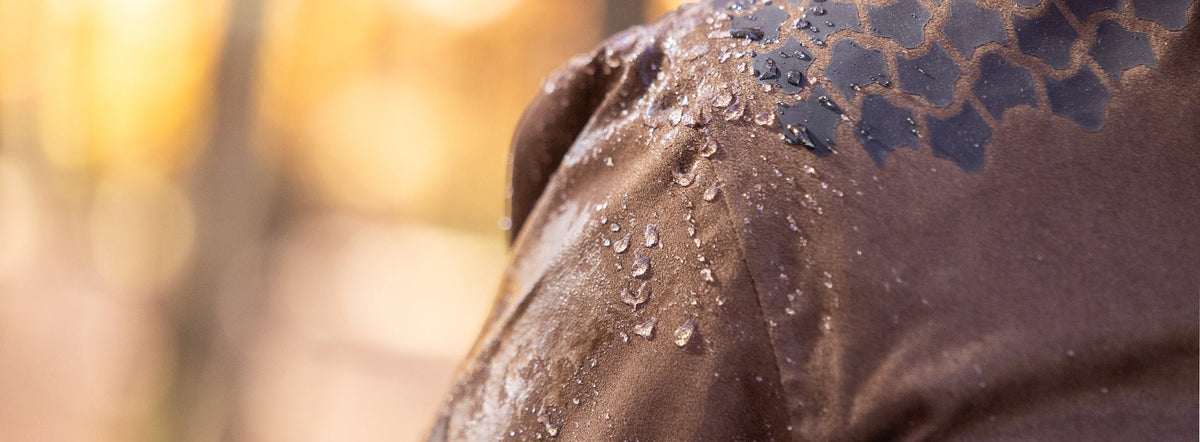
Not necessarily. The outer fabric can become saturated while the waterproof membrane underneath remains intact. If water stops beading, check the garment’s cleaning and water-repellent treatment instructions. I inspect any repeated wet patch inside separately, particularly near seams or zips. Restoring the surface treatment on waterproof hunting clothes will not repair a damaged membrane.

Should I change my base layer before a long wait?

If it is thoroughly damp and I have a dry spare, I change in a sheltered spot before settling down. I keep the replacement in a waterproof bag and have my warmer layers ready to put back on. A slightly damp shirt on a mild day may not need changing; the length of the wait and exposure matter.

Do gaiters help if my boots are already waterproof?

Water can still enter waterproof hunting boots through the opening around your leg. Well-fitting waterproof gaiters help protect that gap from wet grass, rain and debris. I check their overlap with my trousers and boots before walking. They do not make the footwear watertight above the boot collar, and they cannot prevent sweat building up inside.