🔥 -15% EXTRA com o código BF26

Termina em6dias 03h 19min 09s
Country / shop
Table of Contents

What to Keep in Your Jacket Pockets During a Deer or Wild Boar Hunt

best hunting jackets with accessible handwarmer pockets, men's hunting jacket, hunting packs, gloves, insulated waterproof jackets, boar, deer stalks

The evening before the hunt, I emptied my jacket onto the kitchen table and found the shed key. For three weeks I had suspected everyone in the house, including a dog whose interest in gardening equipment was slight. Beside it lay a lens cloth, a folded receipt and a hazelnut. I could account for the cloth and the receipt. The hazelnut would have to remain an open investigation.

I was meeting Milan before dawn for a deer stalk through the beech woods. We expected wet undergrowth, a slow approach and a wait above a clearing where he had seen deer feeding. I laid out what I would need along the way: gloves, a small snack, the cloth in its protective sleeve, my phone, documents and a compact pouch containing a headlamp and whistle. Water, spare insulation, first aid and the rest of the day’s equipment went into the pack. The shed key stayed home, having contributed enough to the preparations.

I have become particular about what goes into a hunting jacket, partly because I enjoy walking with my hands free and partly because I dislike interrupting a good morning to search for myself. I keep the same few things in familiar places. There is still room to change the arrangement when the hunt changes, but I want a reason for every object I carry against my ribs.

What I kept within reach

best hunting jackets with accessible handwarmer pockets, men's hunting jacket, hunting packs, insulated jackets, boar, deer stalk

The woods were dripping when we arrived. Water collected on the ends of the beech branches and fell whenever a bird landed above us. Milan took the narrow path beside the ditch, and I followed with my jacket pockets closed. A deep pocket can look secure while you are standing upright; bend beneath a fallen branch and its contents get a rather different view of the world. My phone and documents were zipped inside, with separate waterproof protection for anything that needed to stay dry.

That protection matters even when the jacket itself is waterproof. I check how the manufacturer describes the pockets, including their seams and closures, before trusting them with electronics or paper. Wet gloves also carry water through an open zip. A small waterproof pouch is easier to arrange than an explanation for an unreadable permit. I carry whatever identification and documents the particular hunt requires, with the organiser’s contact details available offline.

The phone rode in an inner pocket where it did not interfere with my binocular harness. Cold is another reason I prefer that position. Apple specifies an ambient operating range of 0–35°C for iPhones and warns that very cold conditions outside that range can temporarily shorten battery life or switch the device off. I check the guidance for the device I am carrying and keep a navigation backup appropriate to the ground.

At the first opening, I found a droplet on the binocular lens and reached for the cloth in my left chest pocket. It lives in a clean sleeve of its own, away from crumbs and grit. Once the lens was clear, the cloth went straight back. I like being able to do that while watching the clearing, although I make no claim that knowing where my cloth lives has improved my ability to spot deer. Milan found the first one. I was still studying a stump that had shown considerable promise.

Leaving room for cold hands

best hunting jackets with accessible handwarmer pockets, men's hunting jacket, hunting packs, gloves insulated

We settled above the clearing with a broad trunk behind us. I put on the warmer gloves I had carried in a lower pocket and moved the small food pouch aside, leaving the handwarmer pockets free of hard objects. A lined pocket loses much of its appeal when your knuckles meet a bunch of keys. The vehicle key was already secured in a zipped trouser pocket, where it would remain if I took the jacket off later.

The snack was a modest piece of flapjack in a reusable food pouch. I had dealt with the crackling packaging at home. I am fond of eating outdoors, but less fond of providing a lengthy sound check beforehand. This is also why I separate hard objects rather than dropping a torch, keys and loose change into the same pocket. Before leaving, I walk about wearing the loaded jacket and listen as I bend and turn. It is a simple check that often tells me more than rubbing the fabric between two fingers.

Gloves deserve the same rehearsal. In a 2022 pilot study, six men completed small assembly tasks in a climate chamber. Average total times were roughly 23–25 minutes with protective gloves at +5°C or −1°C, compared with about 14 minutes barehanded at +20°C. Temperature, clothing and gloves changed between those conditions, so the result cannot isolate the effect of cold or predict how quickly a hunter will open a pocket. For me, it reinforces a practical habit: I try the actual zip with the actual gloves before buying the jacket.

On that morning, the pull was easy to find and the opening wide enough to return the gloves without feeding them in one finger at a time. When choosing a men's hunting jacket, I bring the layers and harness I expect to wear. Otherwise, I am testing an arrangement that may never leave the shop.

For a while, nothing entered the clearing. A woodpecker worked somewhere behind us, and Milan watched the far edge with the patient expression of a man who had eaten a larger breakfast. I passed him the remaining flapjack. There was enough room in the pocket for the empty pouch afterwards, which spared us the usual question of whose turn it was to carry something sticky.

The things that stay with me

Eventually, a deer appeared near the far side of the clearing. This time I was looking in the right place. We had time to assess it properly, and the morning eventually ended with a clean shot and a recovered deer. There was work to do afterwards, and my jacket came off as we warmed up. Before putting it away, I transferred the compact essentials pouch, phone and documents to secure pockets in the layer I was keeping on.

That transfer is easy to forget after a successful hunt. A headlamp hanging inside a jacket on a distant branch is of limited use to the person who has walked away from it. Mine stays with me, along with the whistle, communication device and essential documents. Anyone carrying personally essential medication needs an equally deliberate arrangement. Texas Parks & Wildlife includes a whistle, light, communication and navigation equipment in its hunting survival guidance. My pocket selection carries a few of those essentials; it does not replace the full kit appropriate to the outing.

What changes on a wild boar hunt

men's hunting jackets with accessible handwarmer pockets for deer, boar stalks, quiet fabrics

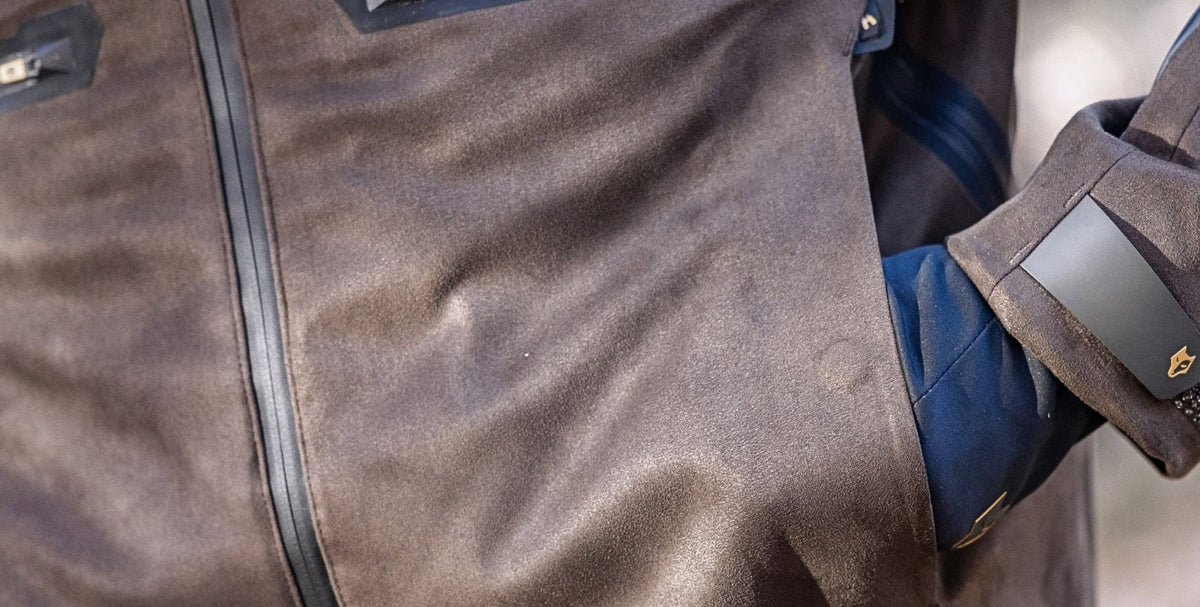
An organised wild boar hunt asks for different things from my pockets. On a previous outing, I had spent much of the morning at an assigned position on a wooded slope. The walk in had been short, and the waiting felt long. Before the drive began, I arranged the radio where I could hear and use it as instructed at the briefing, with its controls protected against accidental presses. A convenient pocket is useful only if it suits the radio and the communication plan.

I also sorted my hearing protection before the hunt, rather than leaving it buried in a pouch until it was needed. Warm gloves and a dry hat had places I could reach without opening the pack. Handwarmer pockets remained available during the wait. I followed the organiser’s visibility requirements and instructions about remaining at my position; pocket organisation gave me no reason to wander off or miss a call. There was plenty to watch from where I stood, including a squirrel that appeared to have a much fuller programme for the morning than I did.

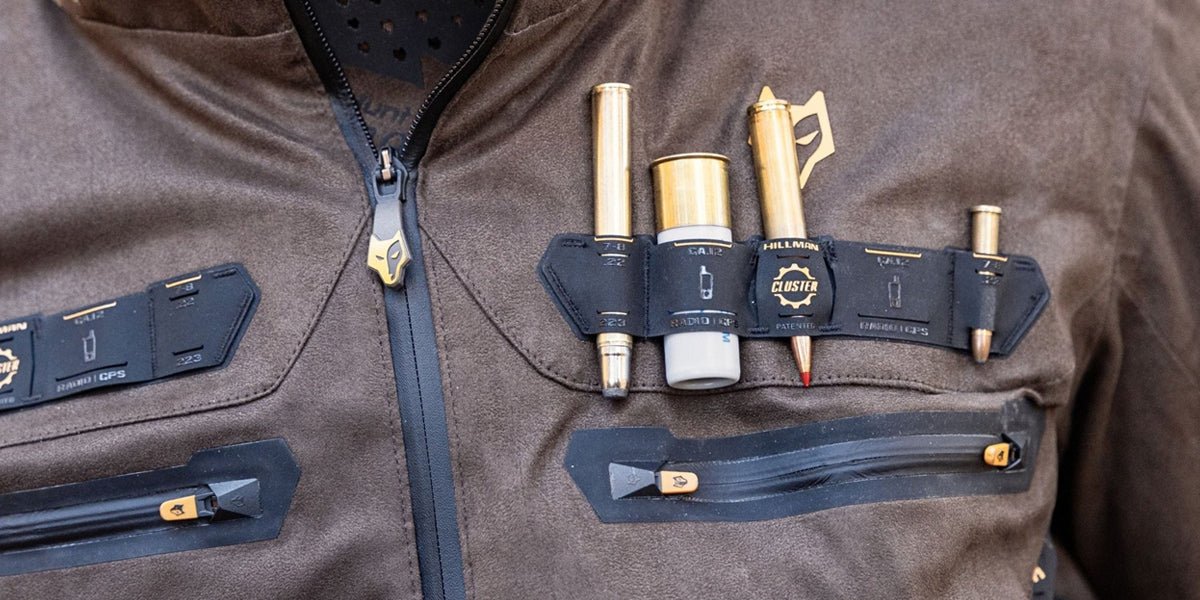
If spare ammunition is carried in a jacket, I want it secured in a suitable holder, separate from other objects and in accordance with the applicable requirements and hunt instructions. A knife belongs in a secure sheath or closed carrier appropriate to its design. Neither needs to share a loose heap with food, a phone or bare spare batteries. I keep batteries in a protective case and put bulky field equipment in the pack, where it can be carried without dragging down the front of the jacket.

How I would choose the next jacket

best hunting jackets with accessible handwarmer pockets, waterproof hunting packs

When people ask me about the best hunting jackets, I want to know how they hunt and what they carry. A stalking jacket needs to move comfortably with loaded pockets and the equipment worn over it. For long waits, I give more attention to accessible handwarmer pockets and space for the insulation underneath. Pocket count tells me little until I know which openings I can reach and what happens when I sit down.

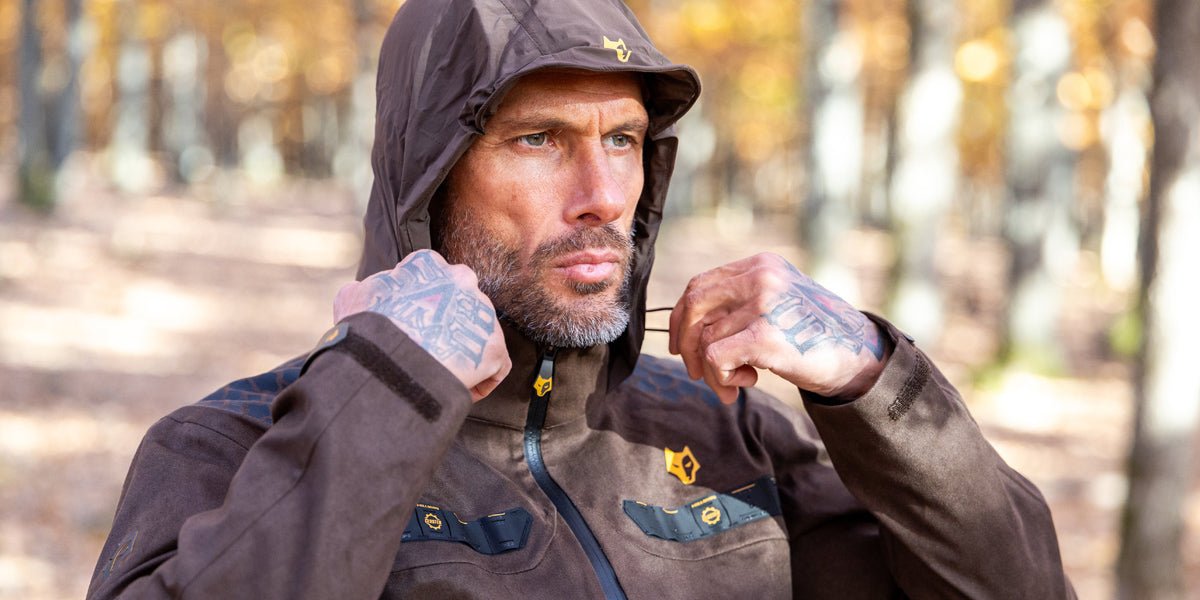
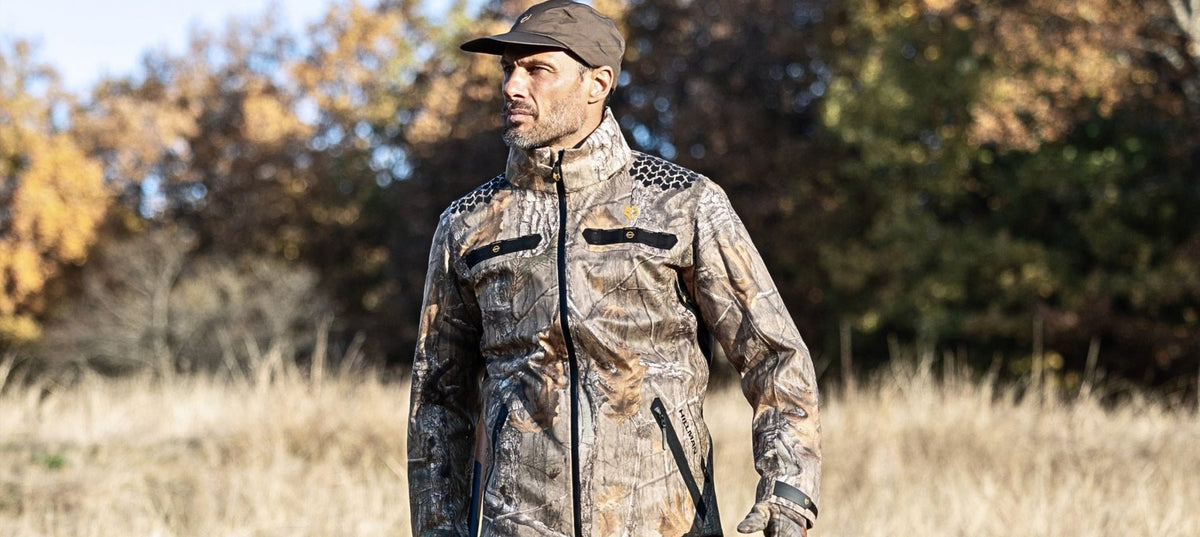
Before committing to a jacket, load it with your own phone, gloves and small essentials. Fasten your pack belt or harness, then reach for each item. Check whether the closures retain things when you bend, whether the lining catches your fingers and whether a full pocket pulls across your chest. If shopping online, look for photographs that show pocket placement clearly and descriptions that explain weather protection. Ask about anything the pictures leave uncertain, and check the returns policy so you can assess the fit properly.

At home that evening, I emptied the jacket again. The cloth needed drying, the food pouch needed washing, and everything else went back into its usual place once checked. I left the jacket open on its hanger and put the vehicle key where I would find it in the morning. The shed key was already there. After three weeks of accusations, it seemed only fair to give the household a quiet evening.

Henrik Larsen
Author

Henrik Larsen

Hunting Guide / Fieldcraft Specialist

Henrik Larsen writes about the part of hunting that starts before leaving home. Packing, layering, route choice, weather judgement, safety habits and field discipline are regular themes in his articles. His approach is calm and practical: take what you need, know why you are taking it, and avoid learning simple lessons the hard way once you are already in the field.

Posts relacionados no blog

best hunting jackets with accessible handwarmer pockets, men's hunting jacket, packs, gloves, insulated waterproof jackets, boar, deer stalks

What to Keep in Hunting Jacket Pockets | Deer & Wild Boar

Keeping your jacket pockets organized ensures essential items like gloves, a lens cloth, a phone, and survival basics stay quiet, dry, and reachable without interfering with a binocular harness or pack belt. While deer stalking requires streamlined pocket arrangements for moving and sitting, driven wild boar hunts shift the focus to quick radio access, hearing protection, and warm handwarmer pockets during long stationary waits. Testing pocket zippers with cold-weather gloves and transferring essentials whenever you remove an outer layer prevents gear loss and improves field efficiency.

Consulte Mais informação

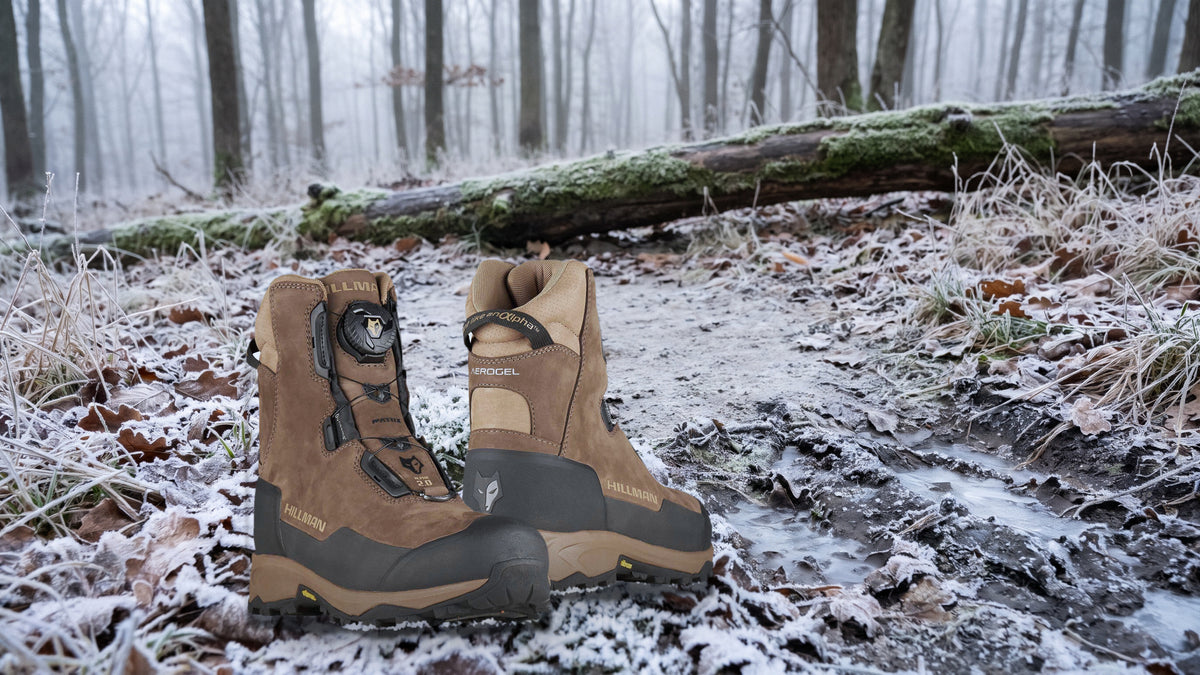
Pair of Aerogel 2.0 insulated hunting boots on frosted forest ground

Why Your Feet Get Cold When Hunting, and How to Keep Them Warm

In short Most cold feet on a high seat start with damp socks: you sweat on the walk in, then sit still. A boot laced too tight or a size too small cuts blood flow. You should be able to...

Consulte Mais informação

Balkan and Alpine hunts with new hunting boots for men, waterproof hunting boots, insulated hunting boots, merino socks

Botas de caça novas: os primeiros 16 quilómetros antes da caçada

Breaking in new hunting boots across a structured 10-mile trial allows hunters to evaluate fit, lace closures, sock compatibility, and downhill toe clearance under realistic pack weight before an overseas mountain hunt. Testing boots across varied terrain, including wet grass, steep descents, and stationary cold waits, helps surface minor pressure points, test waterproofing integrity, and confirm sole traction. Taking time to resolve fit issues and adjust insoles locally ensures maximum stability and comfort when navigating demanding Alpine or Balkan terrain.

Consulte Mais informação

packable vs all day hunting rain gear for mountains, wet forests: waterproof rain gear, rain jackets, pants, moisture-wicking mid, base layers

Equipamento de chuva compacto versus equipamento para uso diário em montanhas e florestas húmidas.

A escolha do equipamento de chuva ideal para a caça depende do tempo de exposição, do esforço físico e das exigências do terreno, e não apenas de classificações de ensaios isolados. Enquanto os casacos compactáveis oferecem uma proteção ligeira para chuvas repentinas, os sistemas impermeáveis para uso durante todo o dia proporcionam uma defesa duradoura contra a chuva contínua, o vento e a vegetação abrasiva. A ventilação adequada, a construção articulada e um sistema de camadas que absorvem a humidade garantem que se mantém seco tanto da precipitação exterior como da condensação interior.

Consulte Mais informação

waterproof hunting clothes with reinforced seams, waterproof hunting jacket with taped seams, waterproof hunting boots, pants

Porque é que a construção das costuras é importante em roupas de caça impermeáveis?

A eficácia do vestuário de caça impermeável depende da sua construção, e a qualidade das costuras desempenha um papel fundamental na proteção contra a chuva, algo que o tecido por si só não consegue fazer. Este guia explica como as costuras, os painéis reforçados, a articulação, as membranas e o ajuste trabalham em conjunto para manter os caçadores secos, confortáveis e com movimentos naturais em condições de campo exigentes.

Consulte Mais informação

best hunting jacket for deer and boar hunting, waterproof leather hunting jacket, rain camo jacket

Detalhes importantes sobre casacos de caça de pequena dimensão para caça de veados e javalis

Os melhores casacos de caça são definidos por pequenos detalhes que só se tornam evidentes quando se está em campo. Este guia explica como o ajuste, os bolsos, os punhos, os capuzes, os tecidos e a proteção contra as intempéries afetam o conforto, a mobilidade e o desempenho nas caçadas ao veado e ao javali.

Consulte Mais informação

how to break in hunting boots, best socks to break in boots: waterproof, insulated boots leather

Como amaciar as botas de caça antes de uma viagem de caça a sério?

Amaciar as botas de caça não significa forçar o couro rígido a amolecer de um dia para o outro. Trata-se de aprender como as botas se comportam antes que terrenos acidentados, tempo húmido e longas horas comecem a revelar problemas. Um período de amaciamento adequado permite ajustar a mobilidade do calcanhar, os pontos de pressão, as meias e o suporte antes que a caçada se torne mais intensa.

Consulte Mais informação

Best Hunting Rain Gear for Hunters (2025 guide) - Hunting Boots - Winter, Waterproof Gear | Men's Hunt Clothes

Melhor Equipamento de Chuva para Caçadores (Guia de 2026)

Este artigo analisa os melhores equipamentos de chuva para caça em 2026, adaptados às condições meteorológicas imprevisíveis e muitas vezes extremas do Reino Unido e da União Europeia. Realça a importância de equipamentos respiráveis, leves, silenciosos e duráveis para diferentes estilos de caça e terrenos. Os equipamentos de chuva da Hillman são destacados como os melhores, superando os concorrentes em versatilidade e resistência às intempéries. O artigo oferece ainda dicas práticas sobre como usar camadas de roupa, manutenção do equipamento e como escolher a configuração ideal para a caça em bosques, em colinas e em batidas.

Consulte Mais informação

best hunting boots for mixed terrain guide: waterproof, insulated, hiking boots

As melhores botas de caça para terrenos mistos: um par ou dois?

Para caçadas em terrenos mistos, não existe a bota perfeita — apenas aquela que se mantém estável, seca e oferece um bom suporte à medida que as condições se alteram. Um par funciona se for versátil e fiável, mas dois pares ajudam em ambientes húmidos, onde o tempo de secagem é crucial. No final do dia, o ajuste, o período de rodagem e o desempenho no mundo real importam mais do que as marcas ou as categorias.

Consulte Mais informação

how to choose hunting boots for unknown terrain & conditions: waterproof insulated footwear with reliable grip, ankle support, socks

Como escolher botas de caça para terrenos desconhecidos

Escolher botas de caça para terrenos desconhecidos tem mais a ver com equilíbrio do que com marcas ou reputação. Quando a aderência, o ajuste, a impermeabilidade, o isolamento e o suporte trabalham em conjunto, as botas tornam-se impercetíveis e permitem movimentos naturais à medida que as condições mudam. O par certo mantém os pés secos, estáveis e confortáveis durante longas horas, mesmo quando o terreno e o clima se comportam de forma imprevisível.

Consulte Mais informação

lightweight hunting gear for frequent travel, layering system: breathable base layers, waterproof hunting jackets, accessories

Equipamento de caça ligeira para caçadores que viajam frequentemente.

Este artigo explica porque é que o equipamento de caça leve é importante para viagens frequentes, enfatizando que o excesso de peso consome energia, torna os movimentos mais lentos e prejudica a concentração. Destaca como as roupas adaptáveis, respiráveis e compactáveis melhoram o conforto em condições climatéricas variáveis e facilitam a logística de viagem. Em última análise, defende que os equipamentos leves se tornam um investimento a longo prazo, uma vez que reduzem a fricção, simplificam as decisões e proporcionam um melhor desempenho em campo.

Consulte Mais informação

best hunting jackets for extreme temperature swings: insulated cold-weather jackets, waterproof warm weather jackets

Os melhores casacos de caça para variações extremas de temperatura

A caça em países com temperaturas instáveis exige casacos que se adaptem às alterações climáticas, desde manhãs frias a tardes quentes e vice-versa. Os melhores casacos de caça modernos equilibram o isolamento térmico, a respirabilidade, a proteção contra as intempéries e a liberdade de movimentos, sem necessidade de ajustes constantes. Em última análise, a versatilidade e o caimento são mais importantes do que qualquer característica isolada, permitindo aos caçadores concentrarem-se no campo em vez da previsão meteorológica.

Consulte Mais informação

Perguntas frequentes

What should I carry in jacket pockets for deer hunting?

I start with accessible gloves, a protected lens cloth, a small snack and a secured phone. A compact light, whistle and required documents stay on my person. The arrangement depends on weather, terrain and what remains accessible beneath my harness or pack.

Are waterproof jacket pockets safe for a phone?

Check the pocket specification separately from the jacket’s main fabric. Closures, seams and wet items placed inside can affect protection. I use a suitable waterproof pouch for electronics and documents, then check that the loaded pocket remains comfortable and closes fully.

Should I put all my emergency equipment in the jacket?

Bulky supplies belong in a suitable pack. I keep a small selection of essentials with me and transfer them deliberately when removing a layer. The complete emergency kit should still suit the route, conditions and likely time away from help.

How can I compare hunting jackets online?

When comparing men's hunting jacket results, examine loaded fit, glove access and pocket placement beneath your usual equipment. Choose the weather protection and insulation your hunt requires, then confirm that the pockets work while you are seated, bending and walking.

How can I stop small items rattling in my jacket pockets?

Separate hard objects and put small loose items in a soft pouch that fits the pocket. Secure the keys in their own place and check whether zip pulls knock against nearby hardware. I listen while walking, bending and sitting in the loaded hunting jacket. The source of the noise is often easier to identify when everything is being worn together.

Where should I put gloves after they become wet?

Keep them away from your phone, documents and dry spare gloves. I use a separate pouch or suitable compartment until I can take them out to dry. A waterproof bag contains the moisture during transport, but it also keeps that moisture with the gloves, so I unpack them promptly rather than leaving them sealed until the next outing.

Are chest pockets or lower pockets more useful during a hunt?

Chest pockets can suit small items such as a lens cloth, provided your binocular harness leaves the opening accessible. Lower pockets may be more comfortable for warming hands or carrying soft gloves, depending on the cut and your pack belt. I try both positions while seated; a phone that hangs comfortably when standing can press awkwardly when sitting.