
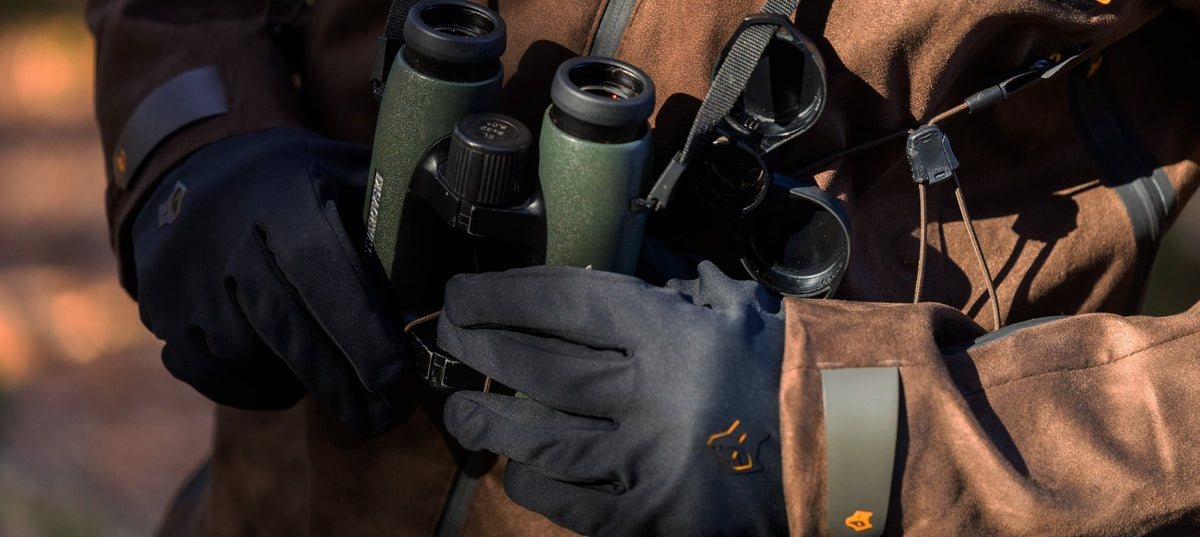
Gloves, Hats & Neck Gaiters: The Small Layers That Decide Comfort on Long Stalks

Cold hands ruin precision. Learn how hunting gloves, leather palm grip, hats, and waterproof protection improve control, durability, and comfort across wet conditions and cold weather hunts.
The first time I really understood the value of hunting gloves, I wasn’t freezing. I was just uncomfortable enough to notice something wasn’t right.
It was a wet morning on open ground, wind pushing across the moor with that steady pressure that never quite becomes dramatic but never lets up either. My jacket was doing its job. My boots were solid. But my hands were slowly losing responsiveness. Not numb. Not useless. Just dull.
And dull fingers change everything.
You don’t lose control all at once. You lose it gradually. Grip tightens because you’re compensating. Your shot feels slightly forced. Adjusting your optics takes longer than it should. That’s when it becomes clear that gloves are not optional gear; they’re part of the system.
In the hunting field, gloves sit quietly among the most essential pieces of hunting apparel. They don’t draw attention. They don’t look impressive hanging at the regular price. But they shape the shooting experience more than most hunters admit.
Hunting Gloves – Why They Matter More Than Most Hunters Expect

High-performance hunting gloves provide warmth, grip, and stealth across a wide range of outdoor conditions. That sounds straightforward, but in practice, it means something more specific: they allow you to stay focused on the hunt instead of on your hands.
Gloves are designed to keep your hands warm and dry, but the real test is how they behave after hours of movement. After brush contact. After rain. After repeated exposure to the elements.
Cold weather exposes weaknesses quickly. Cold hands reduce sensitivity in the fingers, and that loss of sensitivity affects precision. You can still take a shot, of course, but it requires more conscious effort. Maintaining control becomes deliberate instead of instinctive.
In wet conditions, the problem shifts. Waterproof gloves are essential, but waterproof protection without breathability often leads to internal moisture buildup. I’ve worn waterproof gloves that kept rain out but trapped sweat inside. Technically waterproof. Practically damp.
Breathable fabrics matter just as much as waterproof membranes. Moisture management keeps hands dry from both directions. Without it, comfort deteriorates slowly and steadily.
A reliable pair of hunting gloves should offer warmth, protection, dexterity, and weather resistance in equal measure. Anything less becomes noticeable over long stalks.
Leather Shooting Gloves – Superior Grip and Lasting Durability

There’s something honest about leather shooting gloves. They don’t rely on aggressive patterns or exaggerated textures to create grip. A leather palm provides superior grip in a natural way.
In damp terrain or wet conditions, that secure grip becomes critical. Handling equipment, adjusting a sling, or steadying a rifle in the rain requires consistency. Leather offers enhanced grip without feeling artificial.
Durability is another reason I keep returning to leather shooting gloves. Dense vegetation, thorns, and repeated abrasion test fabrics quickly. Durable gloves built with reinforced panels protect fingers and hands from cuts and scratches. A reliable pair maintains structure across harsh conditions and repeated use.
Premium gloves constructed with leather often deliver a perfect balance between flexibility and durability. They maintain tactile sensitivity, allowing you to preserve control during precision moments.
Waterproof shooting gloves become necessary in persistent rain or heavy moisture. Waterproof gloves are essential when you know the day will stay wet. But waterproof protection must remain breathable to prevent internal dampness.
Across a full range of terrain, leather palm construction continues to offer excellent grip and durability without sacrificing feel.
Shooting Gloves and Dexterity – Maintaining Control in Unpredictable Weather

Shooting gloves play a critical role in how natural your movements feel during a hunt. Gloves that are stiff or restrictive disrupt firearm handling. Reloading becomes awkward. Adjustments feel delayed.
The right shooting gloves must provide a perfect balance between insulation and dexterity. An anatomical fit supports steady firearm handling, while thoughtful construction prevents material bunching around the fingers. That matters more than most people realize.
Grip consistency is vital in unpredictable weather. One moment may be dry; the next, rain or damp conditions take over. A secure grip prevents slip and preserves confidence.
Silent fabrics are equally important during stalking. Soft fleece can be beneficial for warmth, but it must remain quiet. Gloves that rustle against gear compromise stealth.
In warm weather, lightweight and breathable gloves prevent overheating and internal moisture buildup. In cold conditions, insulation becomes necessary. But dexterity should never be sacrificed entirely for warmth.
Maintaining control across varying elements is what separates functional gloves from decorative accessories.
Leather Palm and Superior Grip in Wet Conditions

Rain changes how everything feels. Equipment becomes slick. Surfaces darken with moisture. Your grip must adapt.
Waterproof gloves provide essential waterproof protection against rain and persistent damp conditions. Weather resistance guards against biting wind and sudden downpours. But waterproof alone is not sufficient.
Breathable construction allows moisture vapor to escape. Without it, sweat accumulates inside the glove, leaving hands damp despite external protection. Managing moisture from both directions is critical.
A leather palm enhances superior grip in wet conditions by maintaining friction even when surfaces are slick. Combined with textured reinforcement, it provides excellent grip on rifles and equipment.
Hands dry is not a luxury. It is a functional requirement for maintaining control and precision.
Cold Weather Performance – Keeping Hands Warm Without Losing Precision
Cold conditions demand thoughtful insulation strategies. Fleece-lined gloves provide reliable warmth while preserving dexterity. Wool blends offer natural insulation and moisture regulation. Synthetic insulation retains warmth even when exposed to damp environments.
If you are prone to cold hands, choosing gloves that offer warmth appropriate for harsh conditions becomes essential. However, excessive insulation can reduce sensitivity and control.
Mittens provide more warmth because fingers share heat. For long periods of inactivity, mittens are highly effective. But they limit precision. For that reason, I often layer, wearing lightweight gloves underneath and using mittens as an outer layer when necessary.
Layering allows flexibility. Gloves provide dexterity during active stalking. Mittens provide warmth during still periods.
Keeping hands warm supports responsiveness in the fingers, which directly affects precision when the shot presents itself.
Hats and Neck Gaiters – Completing the Small-Layer System

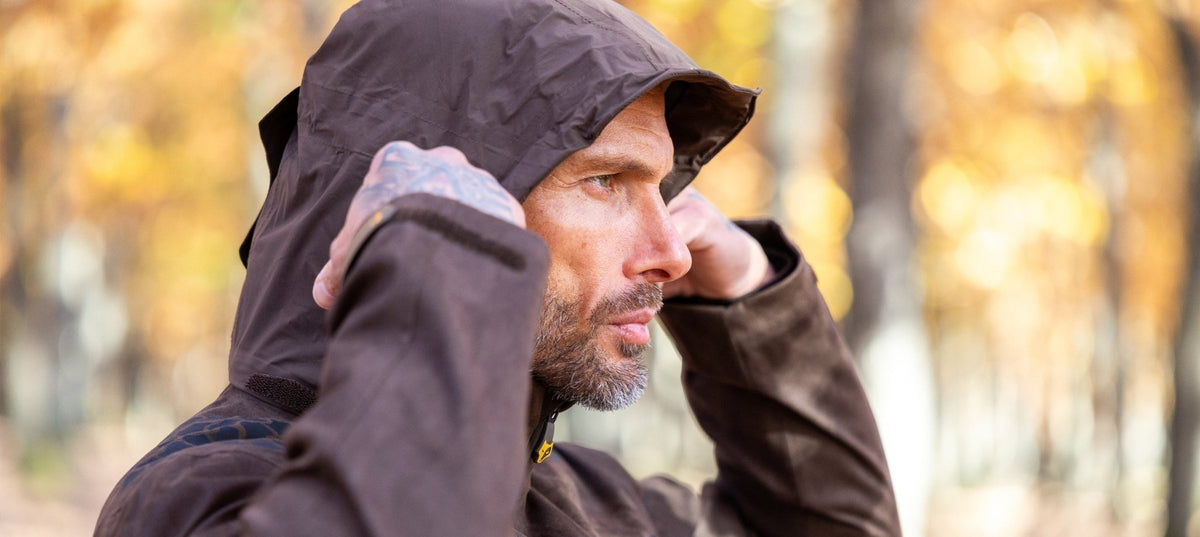
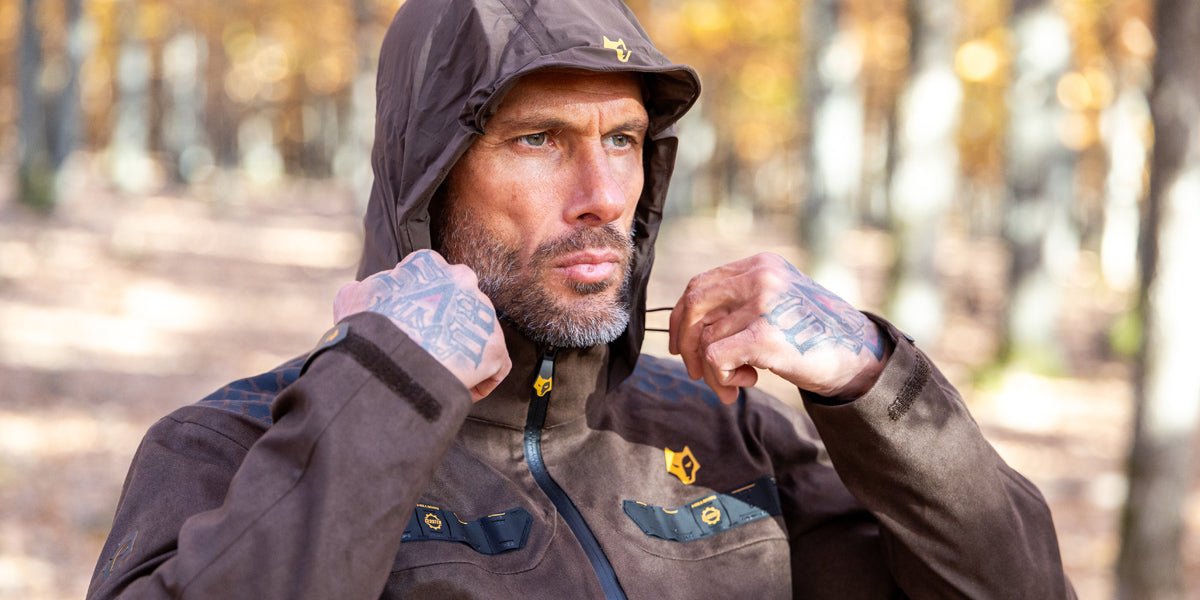
Gloves rarely operate alone. Hats and neck gaiters complete the small-layer system that manages warmth and protection.
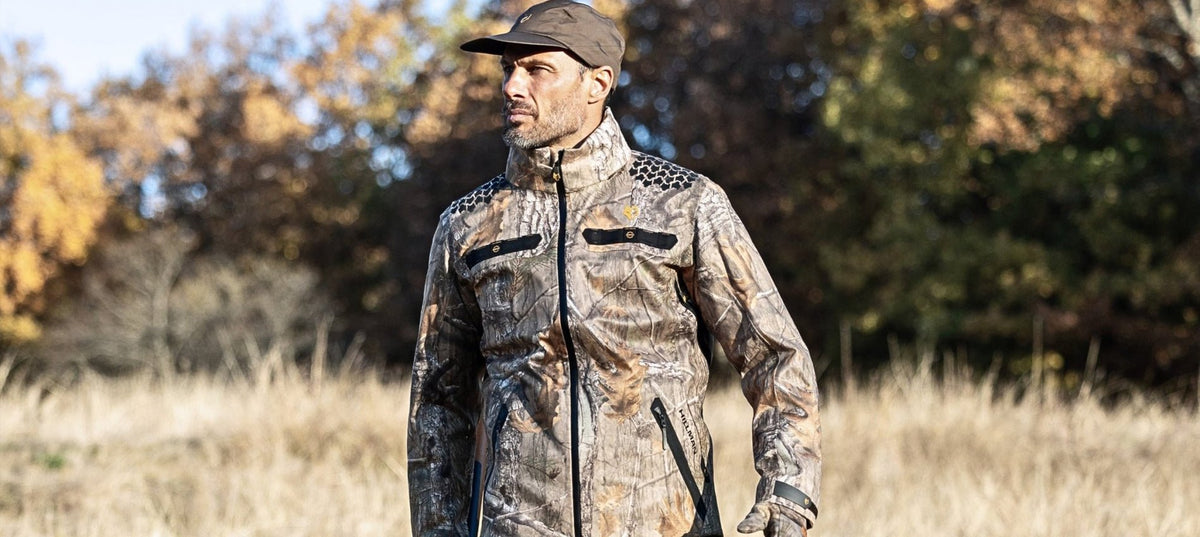
In cold weather, heat loss through exposed skin becomes noticeable, particularly when the wind increases. A simple hat adds warmth without bulk. In warmer climates, a lightweight cap protects from the sun and glare without overheating.
Neck gaiters serve multiple functions. They block wind from entering the collar, manage moisture from breath, and provide additional warmth when temperatures drop. Wool gaiters regulate temperature naturally, while synthetic fabrics dry faster during wet outdoor activities.
In damp or windy environments, a neck gaiter can make as much difference as a thicker jacket. Combined with gloves, it forms a barrier against the elements without restricting movement.
These layers are small, but they work together to create stability in unpredictable weather.
Choosing the Right Shooting Gloves for Your Hunting Apparel System

Choosing the right shooting gloves depends on climate, terrain, and personal preference. Cold weather requires insulation. Warm weather demands breathability. Wet conditions require waterproof gloves that provide reliable protection.
There is an extensive range available across various regular price levels. Budget gloves may perform adequately for moderate outdoor activities. But in harsh conditions, investing in premium gloves often delivers greater durability and long-term value.
High-quality fabrics, reinforced leather palm construction, and breathable membranes contribute to durability and performance. Gloves must integrate seamlessly into your broader hunting apparel system.
When selected carefully, a pair of gloves becomes more than equipment. It becomes part of your movement, your grip, and your control.
Editor’s Note – Small Layers, Lasting Impact

Over time, I’ve come to view gloves not as accessories but as essential pieces of my kit. Whether choosing leather shooting gloves for superior grip, waterproof gloves for wet conditions, fleece-lined gloves for insulation, or mittens for extreme cold, the goal remains consistent.
Protect your hands. Maintain control. Preserve precision.
Small layers decide how steady you feel on long stalks. And steadiness decides more than most people think.

Share: