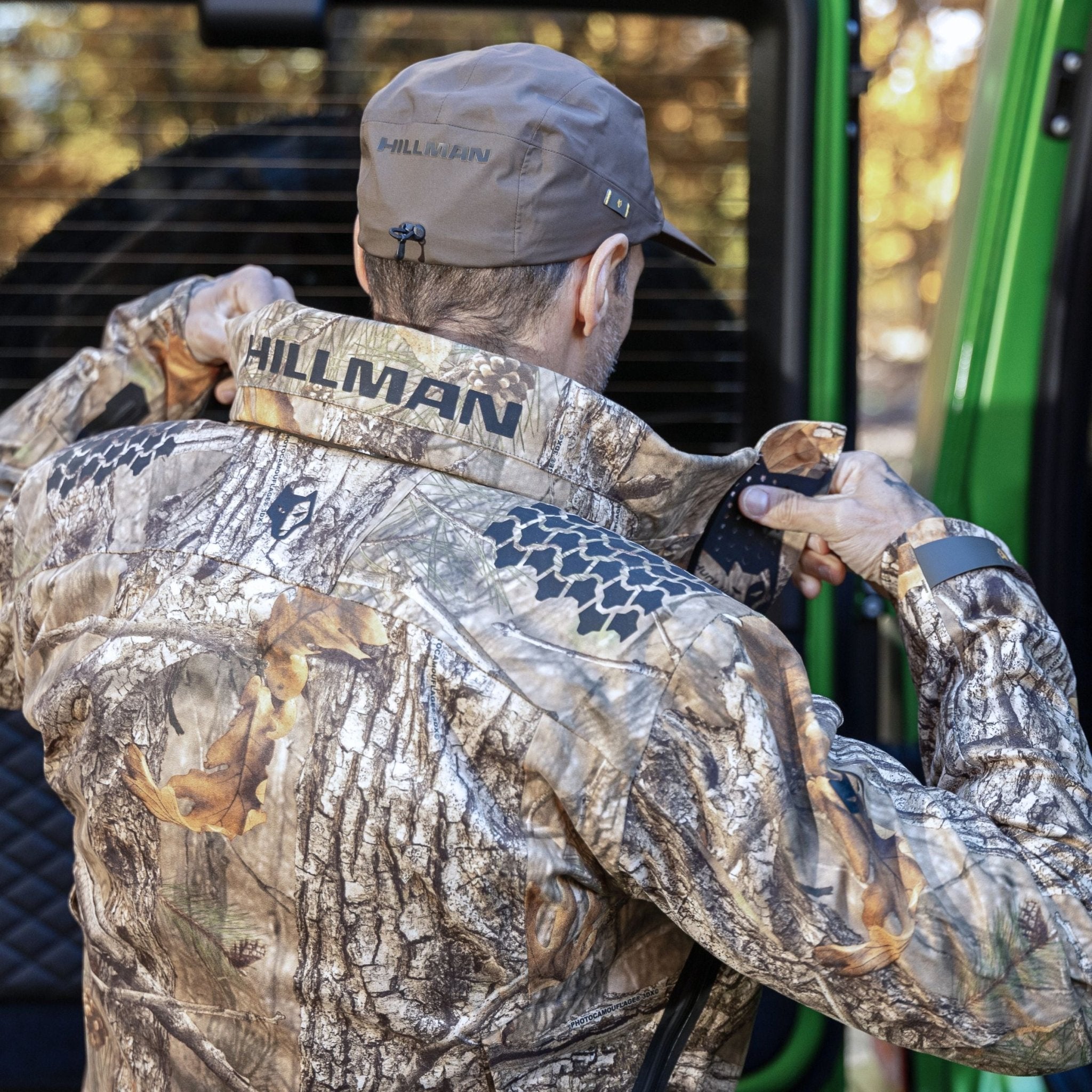
Camo Winter Jacket - Waterproof Insulated | AlphaShell 6OL
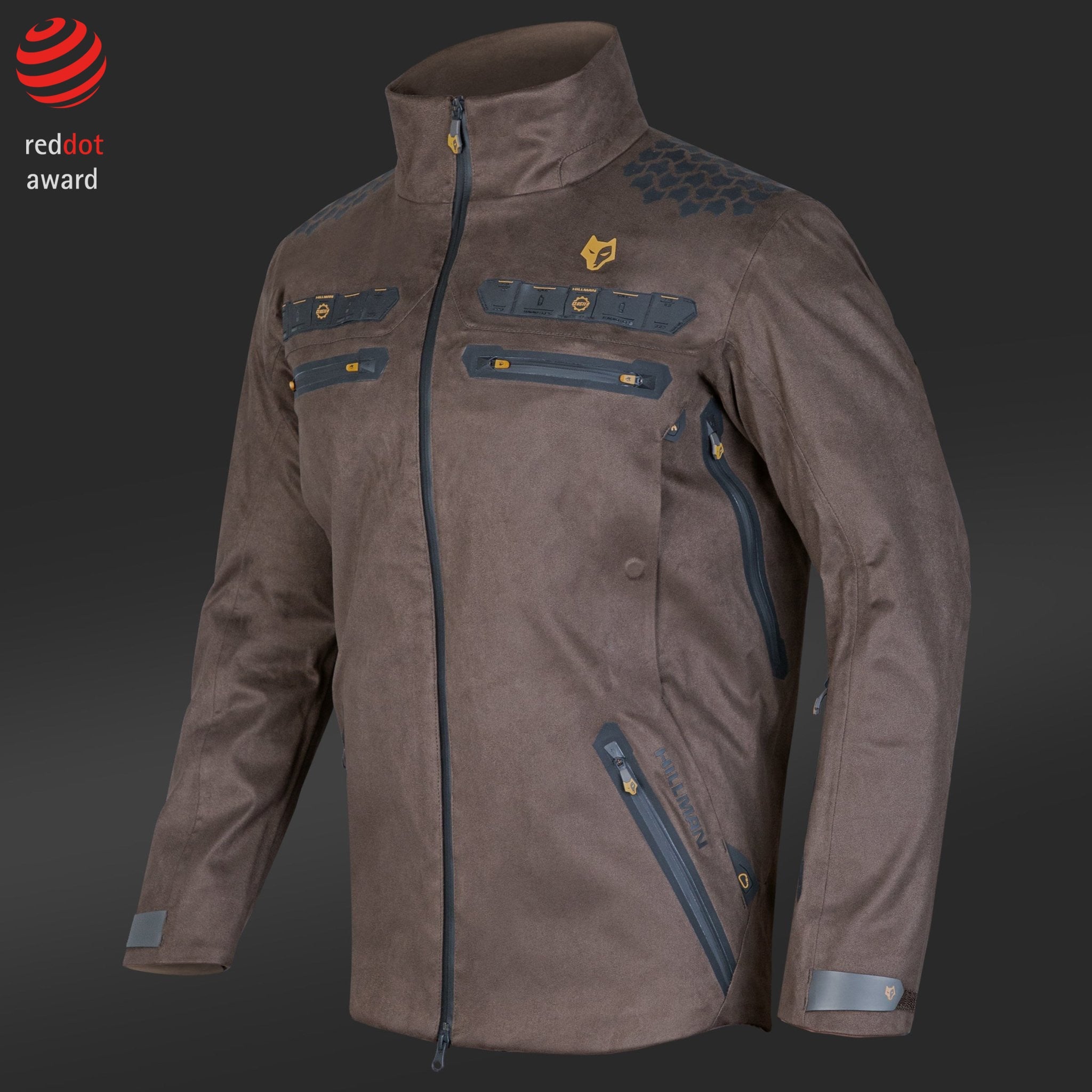
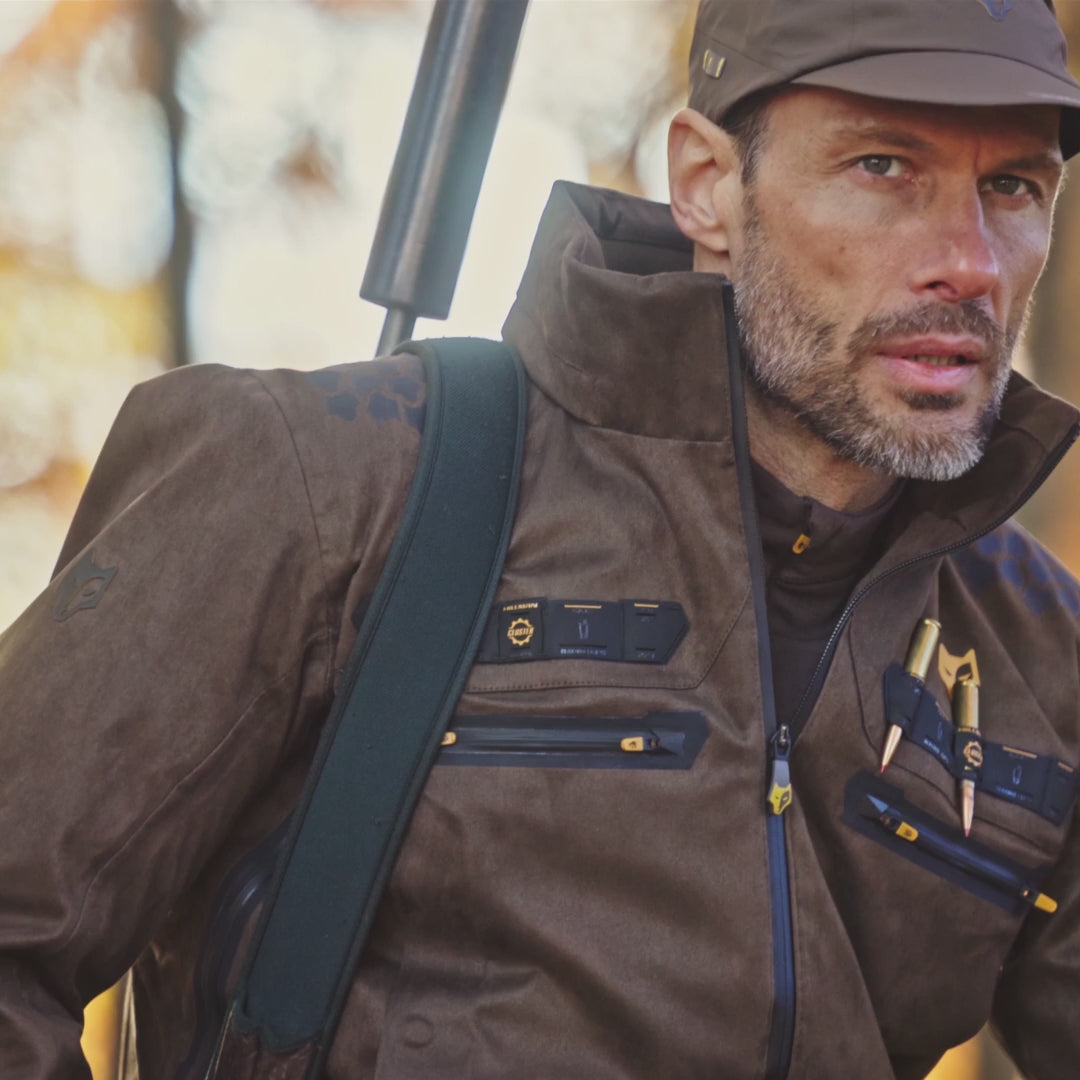
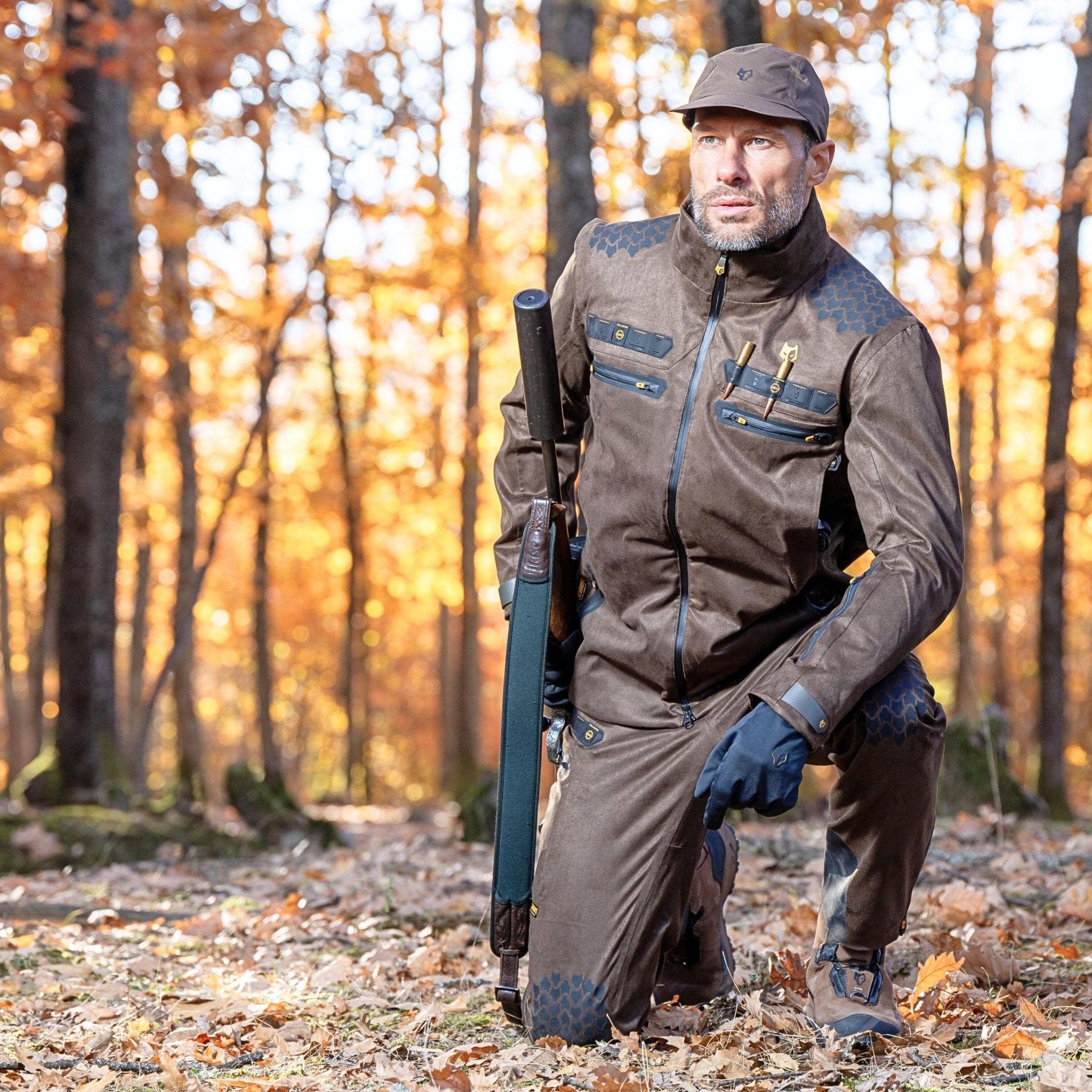
Winter Hunting Jacket - Cold Weather AlphaShell | 6OL
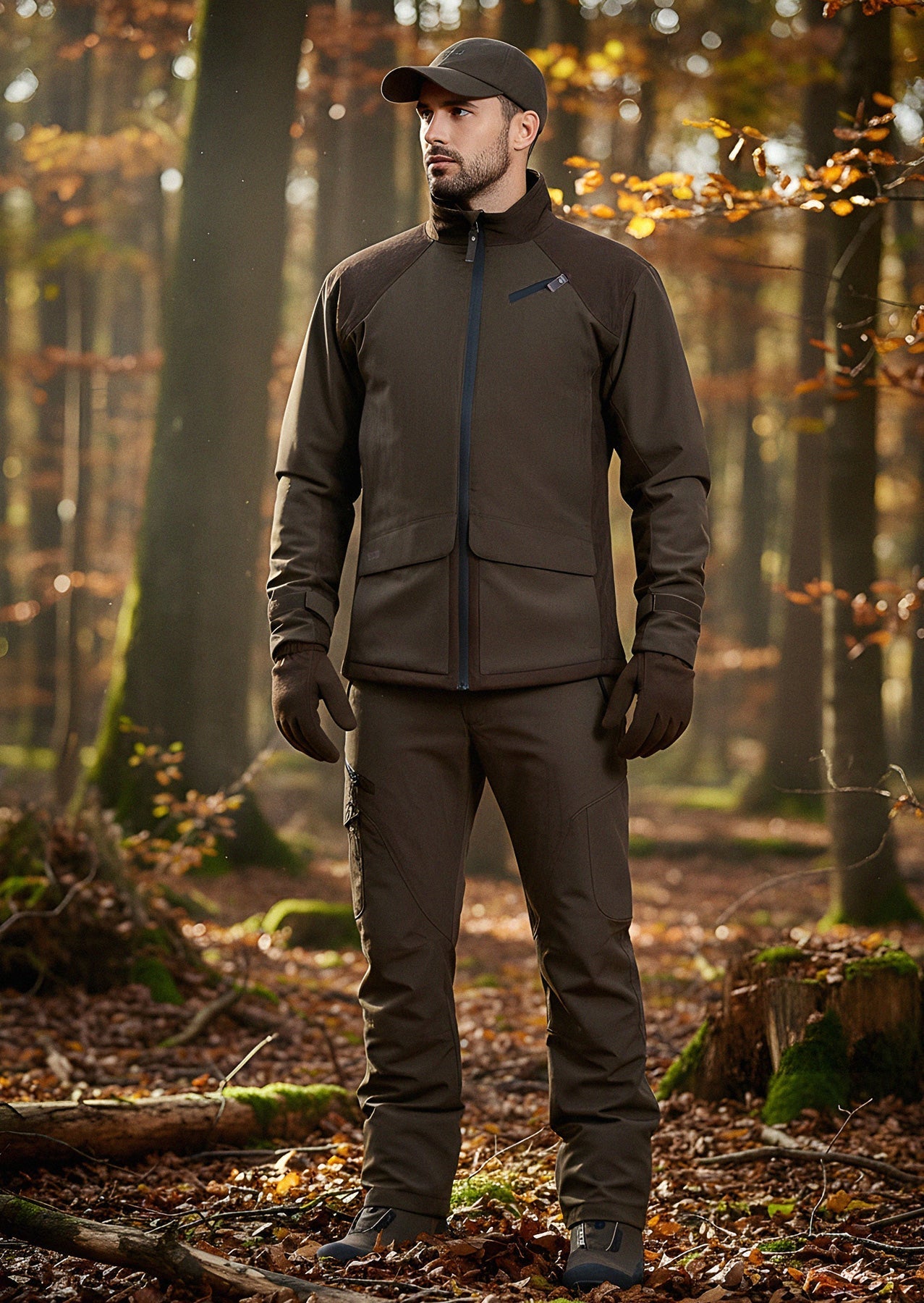
![best_Winter Hunting Suit ARGO® 3 in 1 [Jacket+Pants+Hood]_2025_top - mens_womens_gear_hillman](http://www.hillmanhunting.com/cdn/shop/files/best-winter-hunting-suit-argo-3-in-1-jacketpantshood-2025-top-rated-mens-womens-gear-hillman-2746733.jpg?v=1758770186&width=1277)
![best_Winter Hunting Suit ARGO® 3 in 1 [Jacket+Pants+Hood]_2025_top - mens_womens_gear_hillman](http://www.hillmanhunting.com/cdn/shop/files/winter-hunting-suit-argo-3-in-1-jacketpantshoodhillman-519460.jpg?v=1758738437&width=850)
![best_Winter Hunting Suit ARGO® 3 in 1 [Jacket+Pants+Hood]_2025_top - mens_womens_gear_hillman](http://www.hillmanhunting.com/cdn/shop/files/winter-hunting-suit-argo-3-in-1-jacketpantshoodhillman-977369.jpg?v=1758738437&width=850)
![best_Winter Hunting Suit ARGO® 3 in 1 [Jacket+Pants+Hood]_2025_top - mens_womens_gear_hillman](http://www.hillmanhunting.com/cdn/shop/files/winter-hunting-suit-argo-3-in-1-jacketpantshoodhillman-130607.jpg?v=1758738437&width=850)
Winter Hunting Suit ARGO® 3 in 1 [Jacket+Pants+Hood]
How to choose the best cold weather hunting jacket?
Choosing a winter hunting jacket starts with the conditions that punish the body first. Some hunts demand stronger insulation, others need better breathability and movement, but in real cold weather the right jacket has to balance protection, comfort and control over changing body temperature.
Weather protection: wind, snow, and moisture
 A cold weather hunting jacket must handle more than low temperature. Cold wind strips heat fast, wet snow works into weak seams, rain settles into outer fabric, and damp vegetation can soak a sleeve or shoulder before the first shot opportunity appears. Then there is body moisture. A steep walk to a stand can make a hunter sweat, and that moisture becomes a problem once the movement stops.
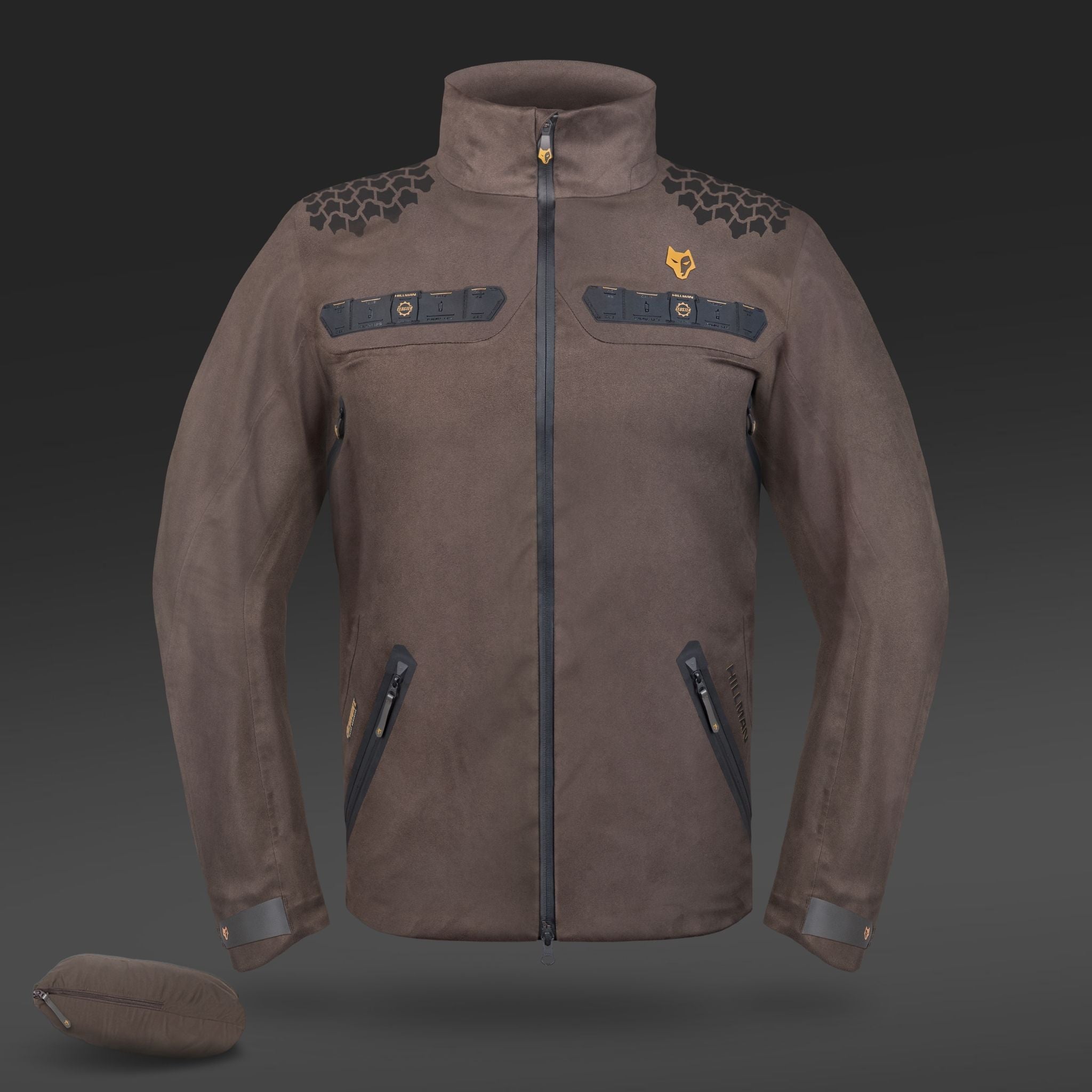
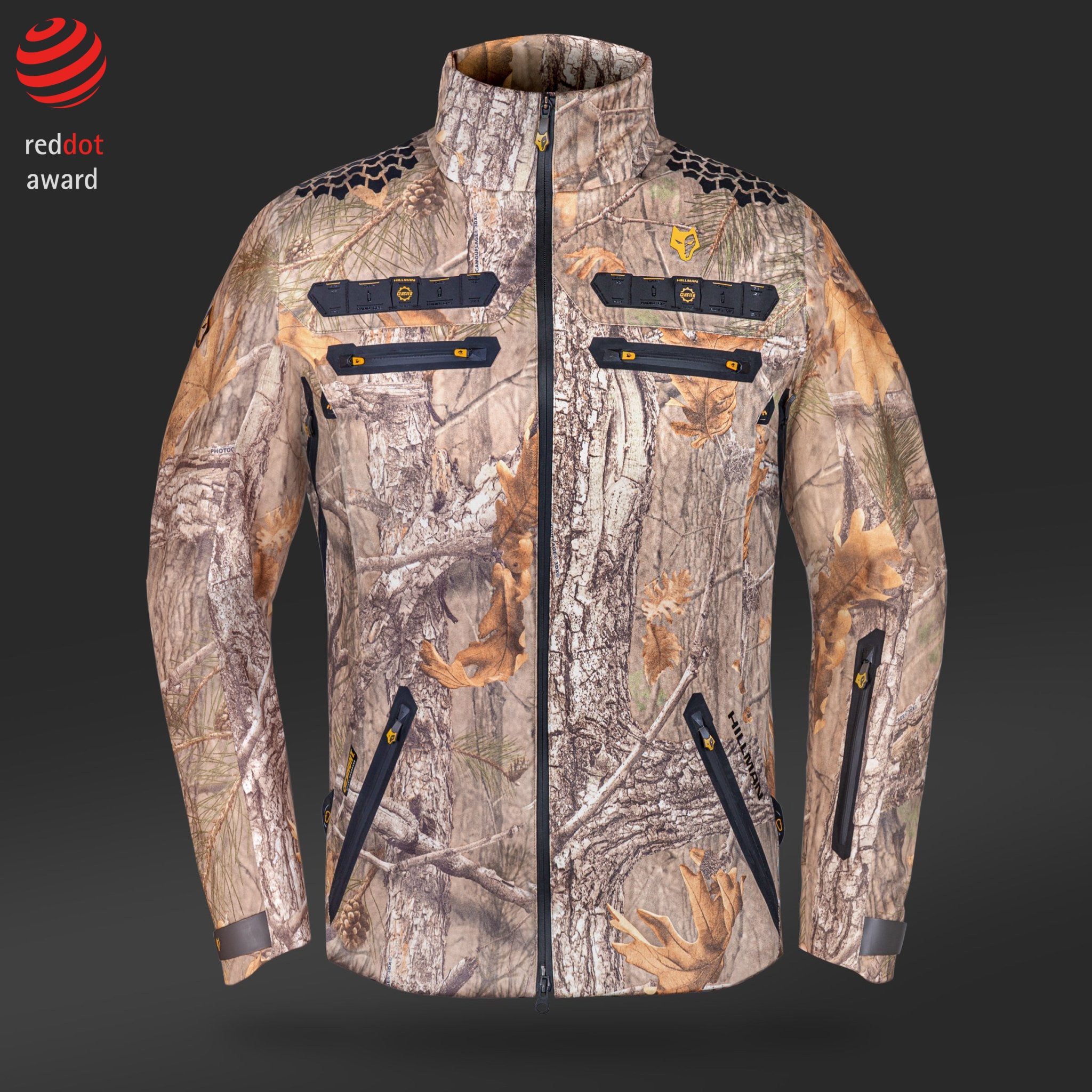
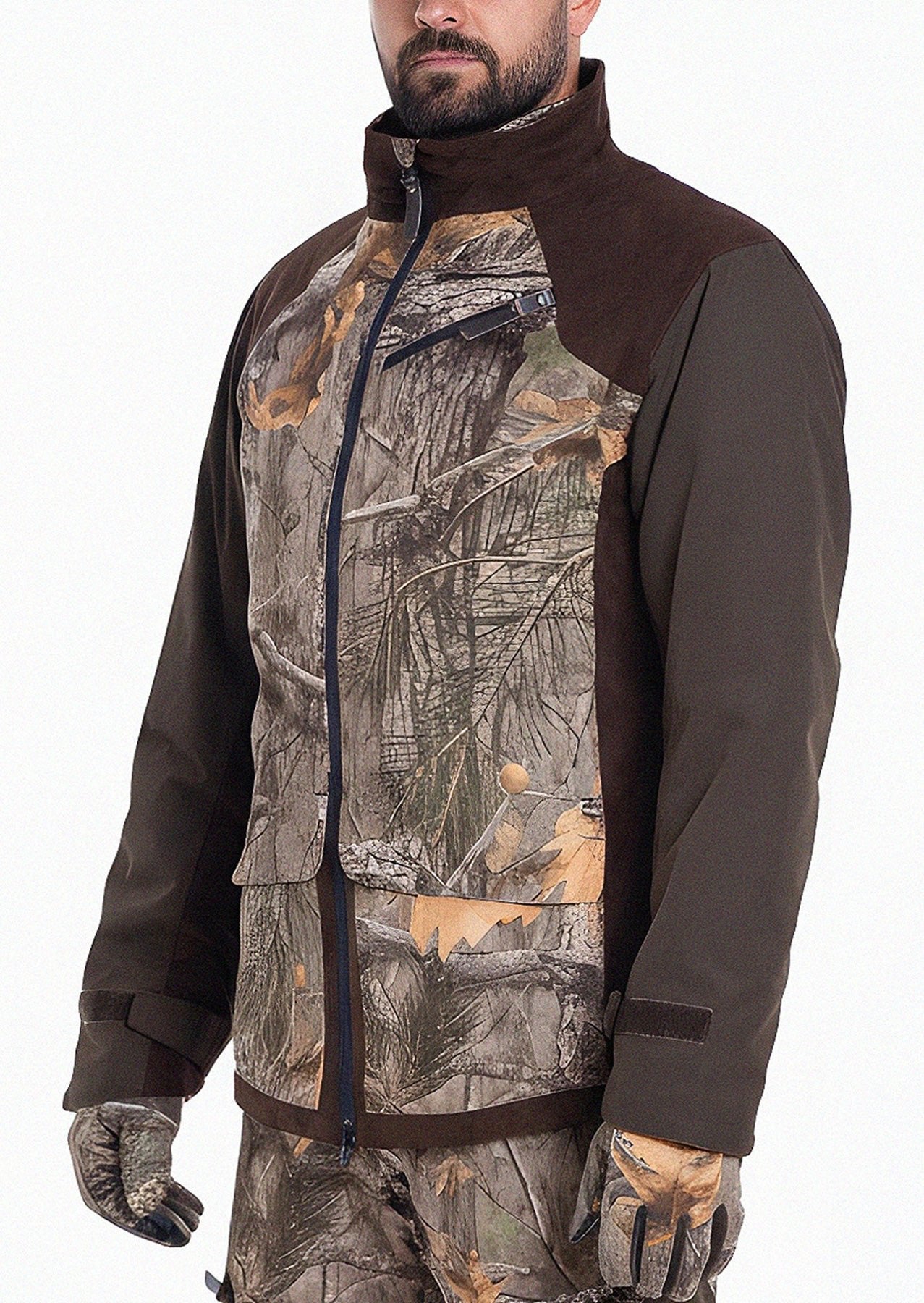
This is where shell construction matters. AlphaShell 6OL jackets use a 100% waterproof shell with eco-friendly C0 DWR, fully seam-taped construction and waterproof YKK® AquaGuard™ zippers. The Dryhunt® air-permeable nanomembrane helps moisture escape instead of trapping it inside, while windproof hem adjustments, wrist regulators and the magnetic front wind flap reduce cold air entry. Fusion jackets take a more versatile route with Atmotec® waterproof breathability, dual DWR coating and waterproof seam sealing.
See how a winter hunting jacket performs in real cold weather conditions, handling wind, low temperatures, and long hours in the field while staying comfortable.
Fit, mobility, and layering compatibility
 Fit is not only a size-chart issue. A winter outer layer must allow the shoulders to open, the arms to lift, the gun to mount cleanly and the hood to protect without blocking peripheral vision. Backpack straps, radio access, cuffs, hem regulation and pocket placement all start to matter after several hours outside.
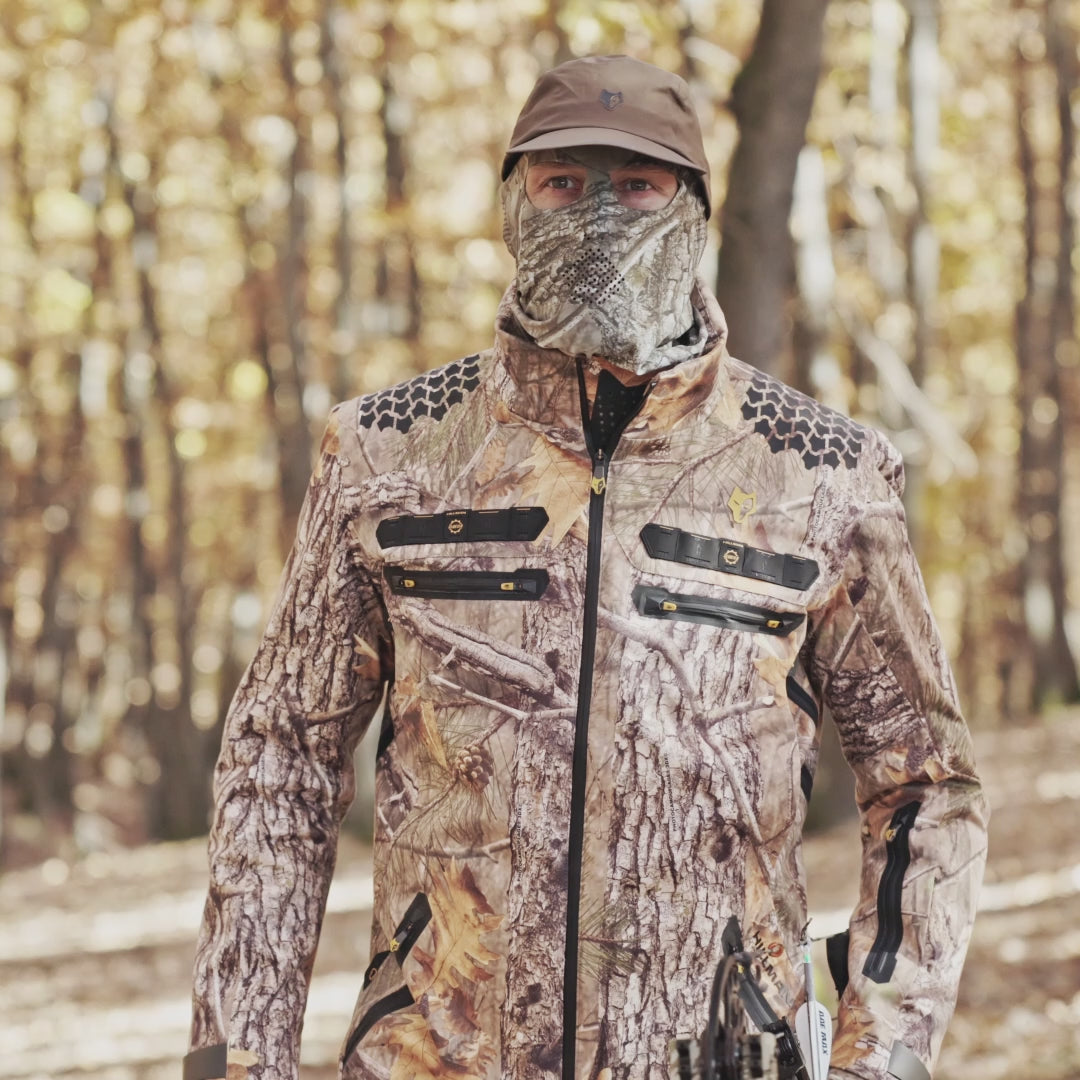
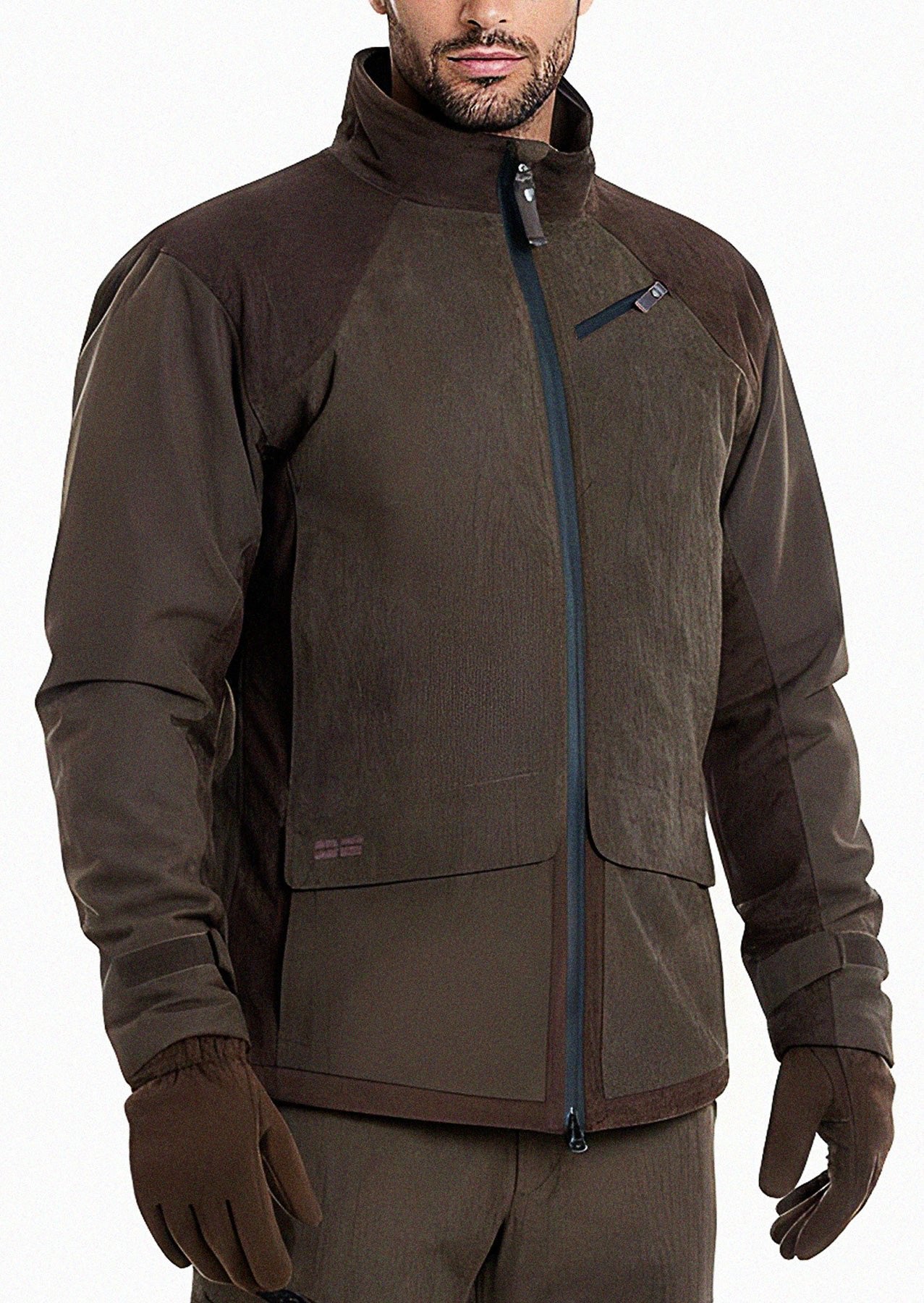
The AlphaShell 6OL jackets use ERGO anatomical patterning, articulated elbows, 2-way stretch and no-lift gusseted underarms, which helps the jacket move with the upper body rather than pulling upward with every arm movement. The OptiSight6® hood keeps protection and visibility in balance, while curved sleeve cuffs add useful hand coverage. Fusion jackets are also sized as outer layers, with space for base and mid-layers underneath.
 Static vs active hunting: what jacket do you need?
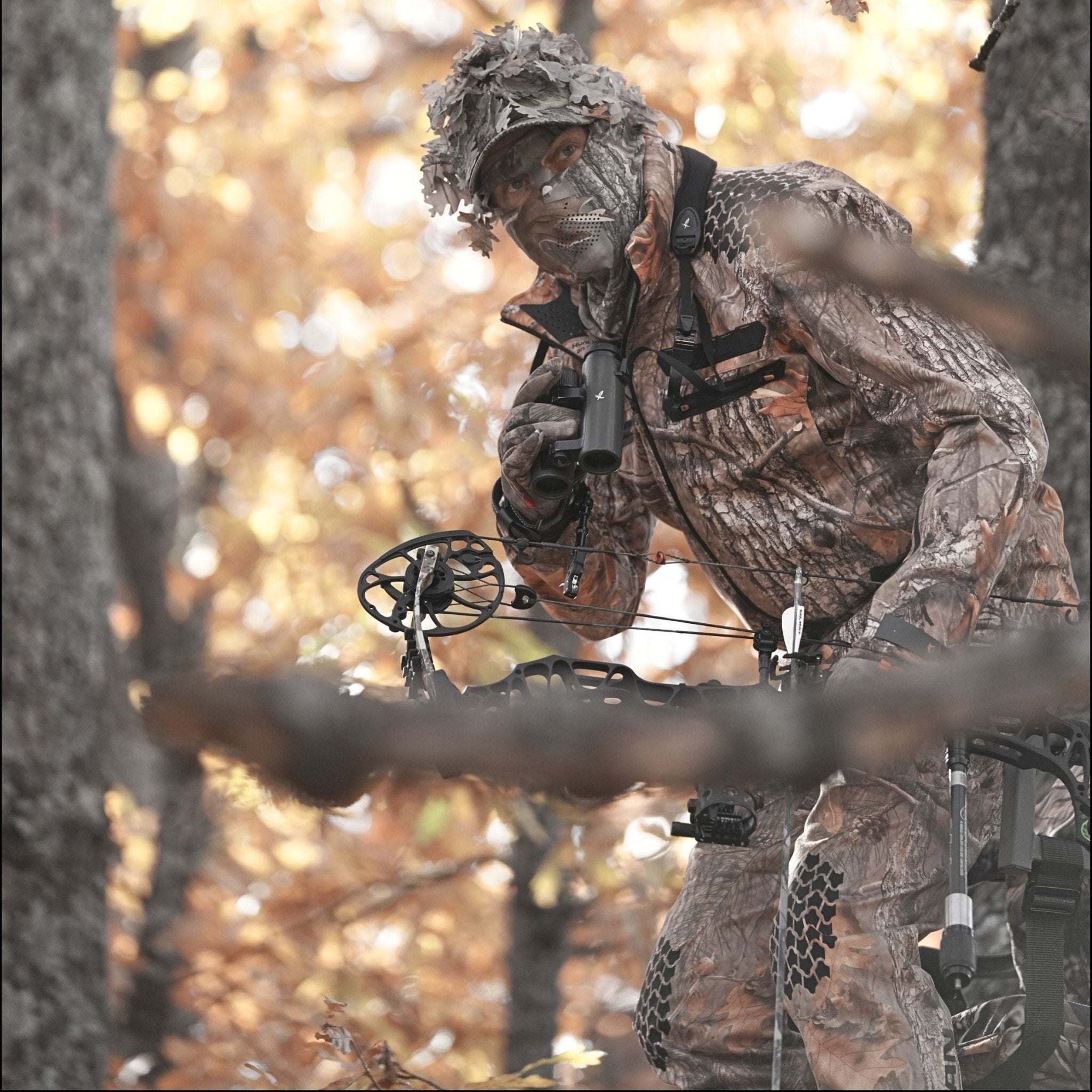
A driven day is different from woodland stalking. Standing in cold wind calls for insulation, sealed edges and warm hand placement. Walking uphill, pushing through cover or bow hunting requires breathability, ventilation and quiet movement. Mixed days are harder because the body keeps switching between heat and chill.
The best cold weather hunting jacket is usually the one that covers the hardest part of your hunt, not the easiest hour of it. For long static periods, look toward stronger insulation and wind control. For active stalking, ventilation, stretch and moisture management become more important.

Insulated winter hunting jackets for harsh conditions by Hillman
Hillman’s winter hunting range is not built around one single type of coat. The collection includes more technical insulated jackets, adaptable all-round options and full suit solutions, so hunters can choose according to weather exposure, activity level and how long they expect to stay outside.
Different types of winter hunting jackets by Hillman
 The AlphaShell 6OL jackets sit at the technical end of the collection, with waterproof shielding, advanced thermoregulation and features for driven hunting, stalking and bow hunting. Matrix® insulation, Graphene heat-flux synchronization lining, Merino fleece zonal insulation, ONzone body mapping and Heatmax7 compatibility make them suited to serious cold, wind and wet weather.
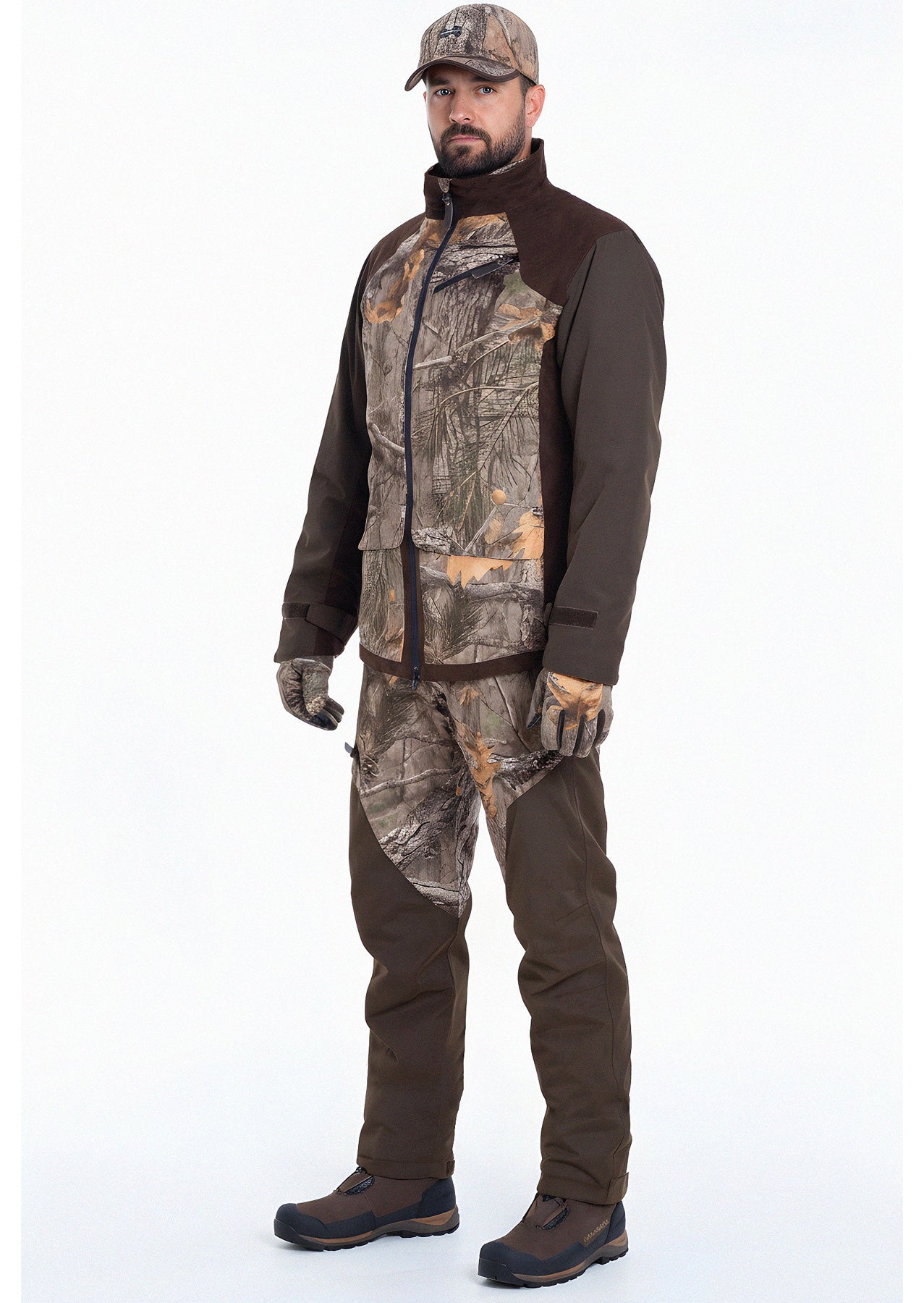
Fusion jackets are warmer, waterproof, breathable and easier to use across changing conditions. They make sense when the day may include walking, waiting, light rain, woodland cover and general winter use. ARGO® 3 in 1 is the practical suit option, combining jacket, pants and hood with waterproof membrane, glued seams, DWR coating, cotton insulation, high-waist fleece insulation, ankle adjusters and hunting storage.

Hillman hunting jacket Fusion in action
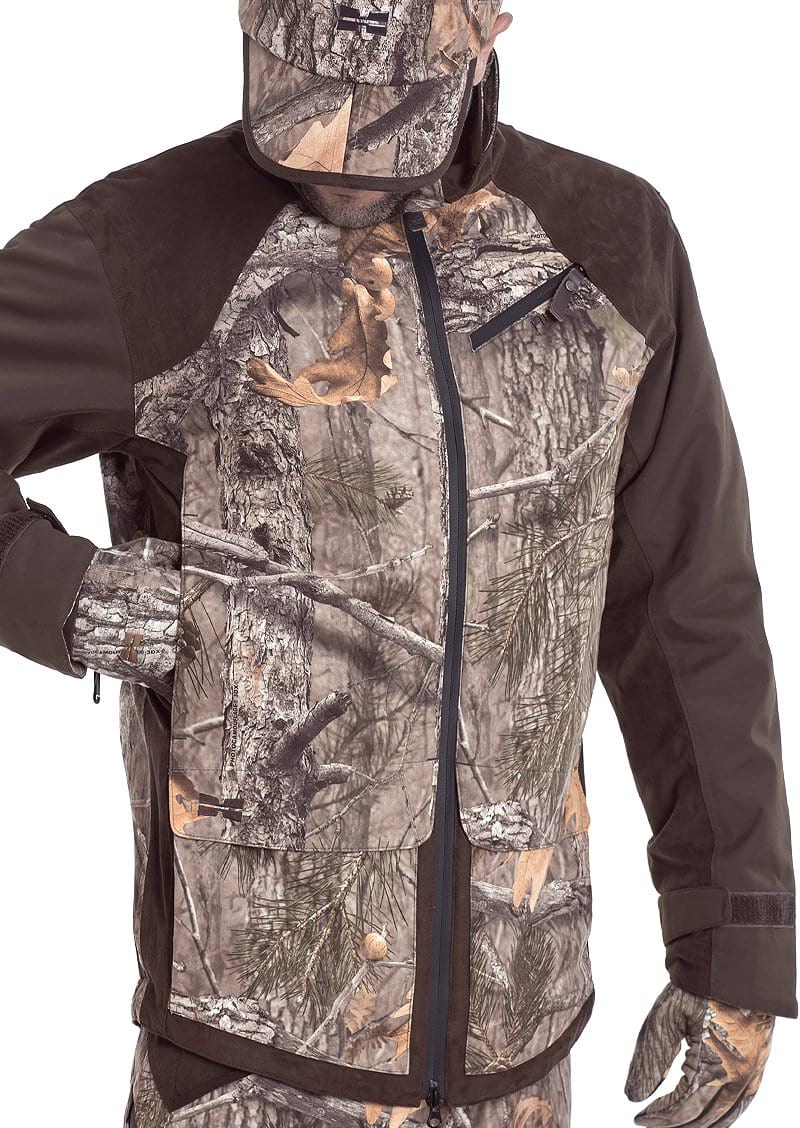
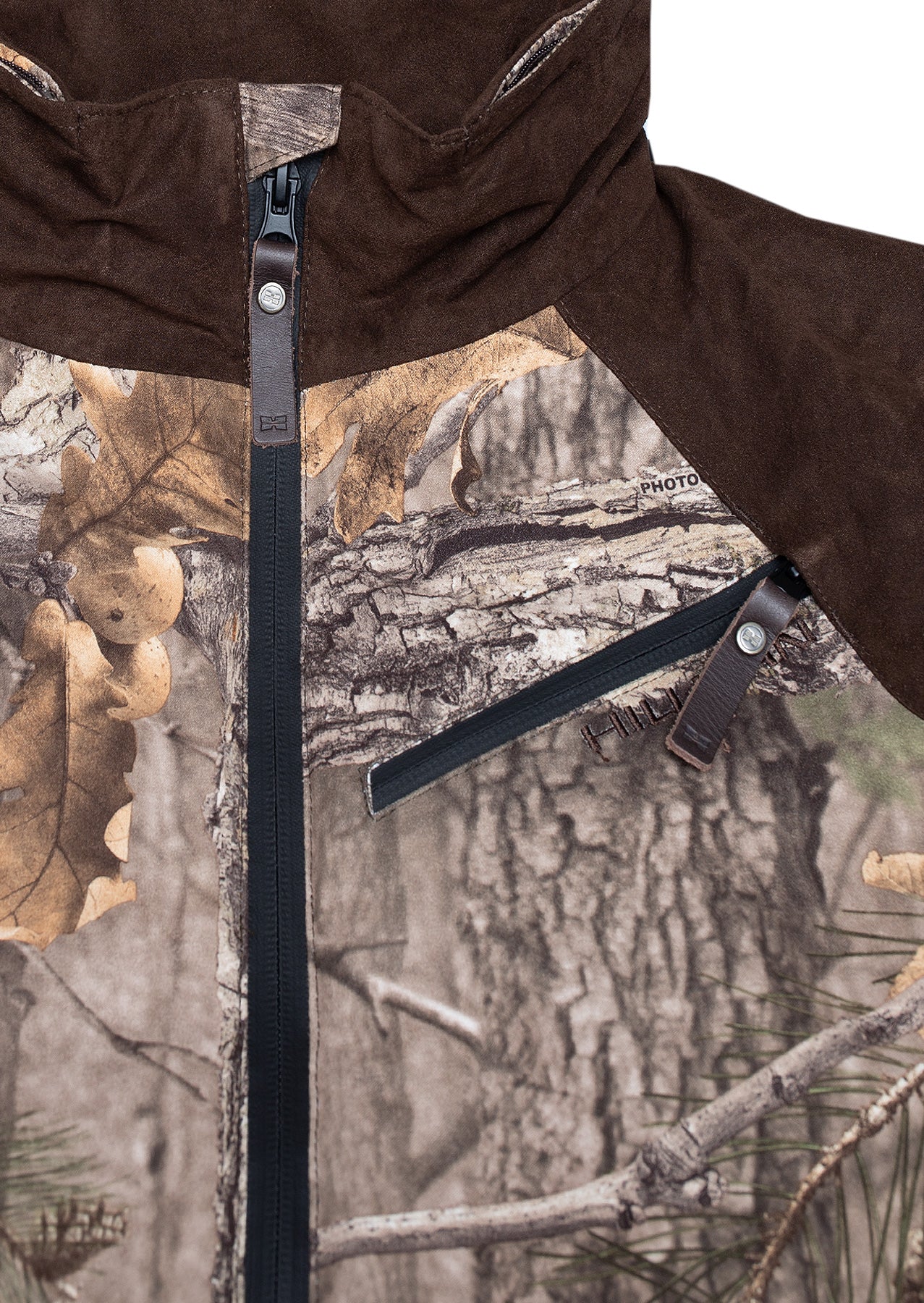
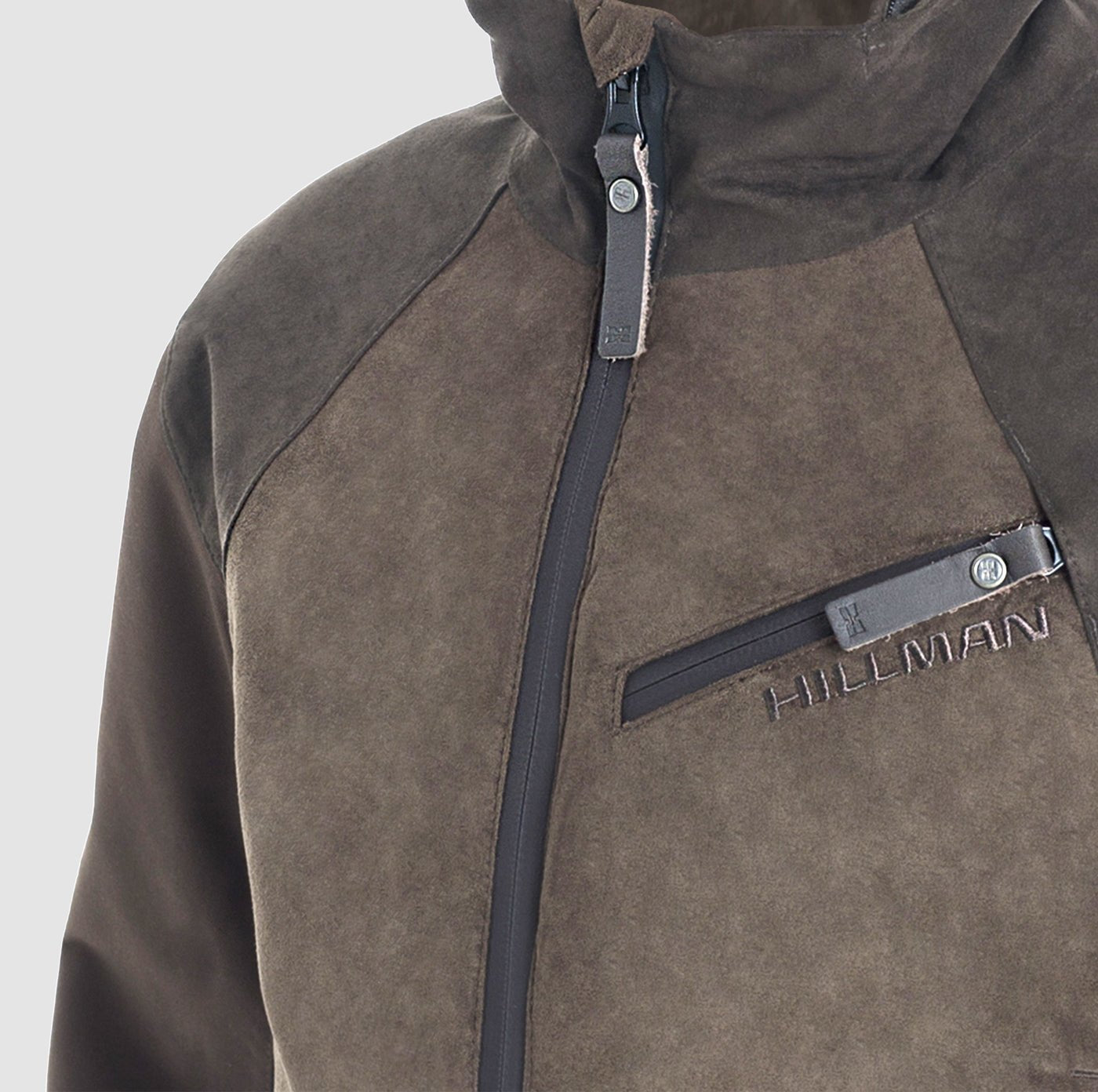
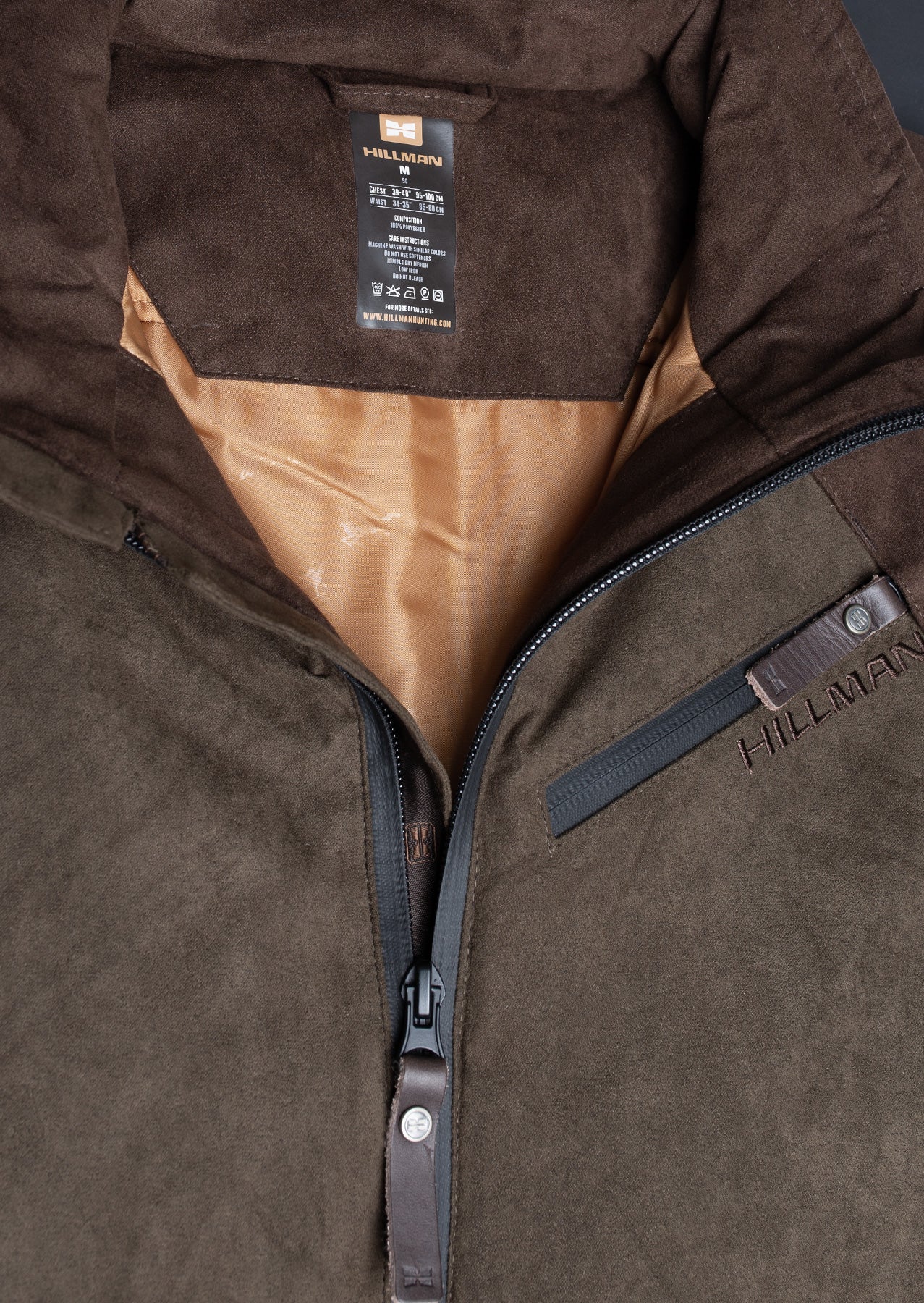
The Hillman hunting jacket Fusion is the more adaptable choice in this winter range. Duraheat® ultralight hollow fibber insulation gives warmth without making the jacket feel clumsy, while the Atmotec® waterproof breathable membrane and Deerskin® suede fabric balance protection, comfort and quiet movement. Underarm eyelet ventilation helps when the pace picks up. The detachable 2D-adjustable hood, sleeve regulators, chin protection, two-way zipper and bottom wind cord keep the fit manageable in changing weather.
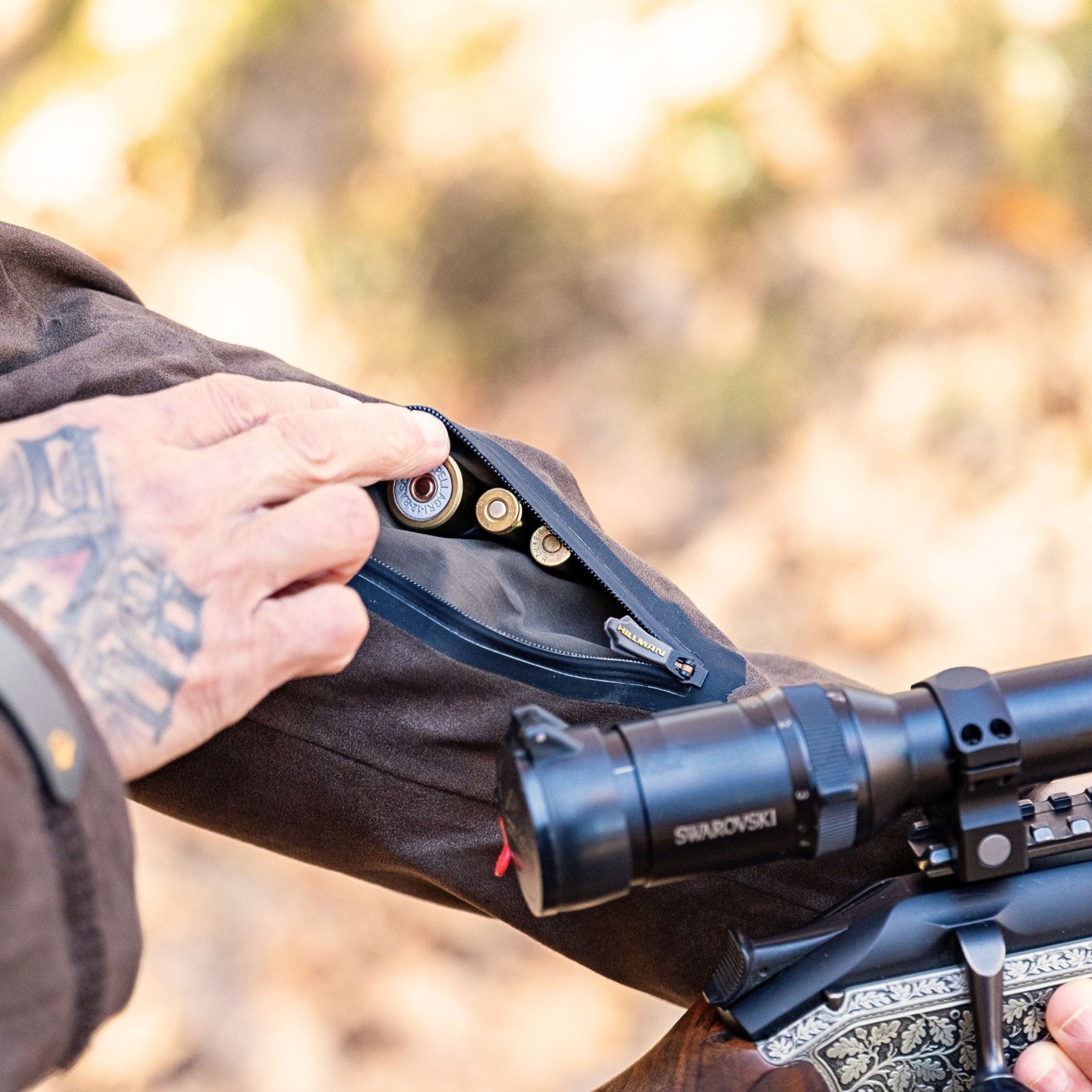
Storage is properly hunting-focused: large cargo pockets, inner mesh pockets, hidden chest pockets and a radio pocket, without turning the jacket into a bulky pack.
See how the Fusion Hunter Jacket performs in extreme cold, combining insulation, wind protection, and mobility for reliable performance during winter hunts.
Why does layering matter in cold weather hunting gear?
Layering is what turns a winter hunting jacket from a single warm garment into a working cold-weather system. The outer jacket protects against wind, snow and wet cover, but the layers underneath decide how well the body handles sweat, warmth and long periods of stillness.
Combining your winter hunting jacket with base and mid layers
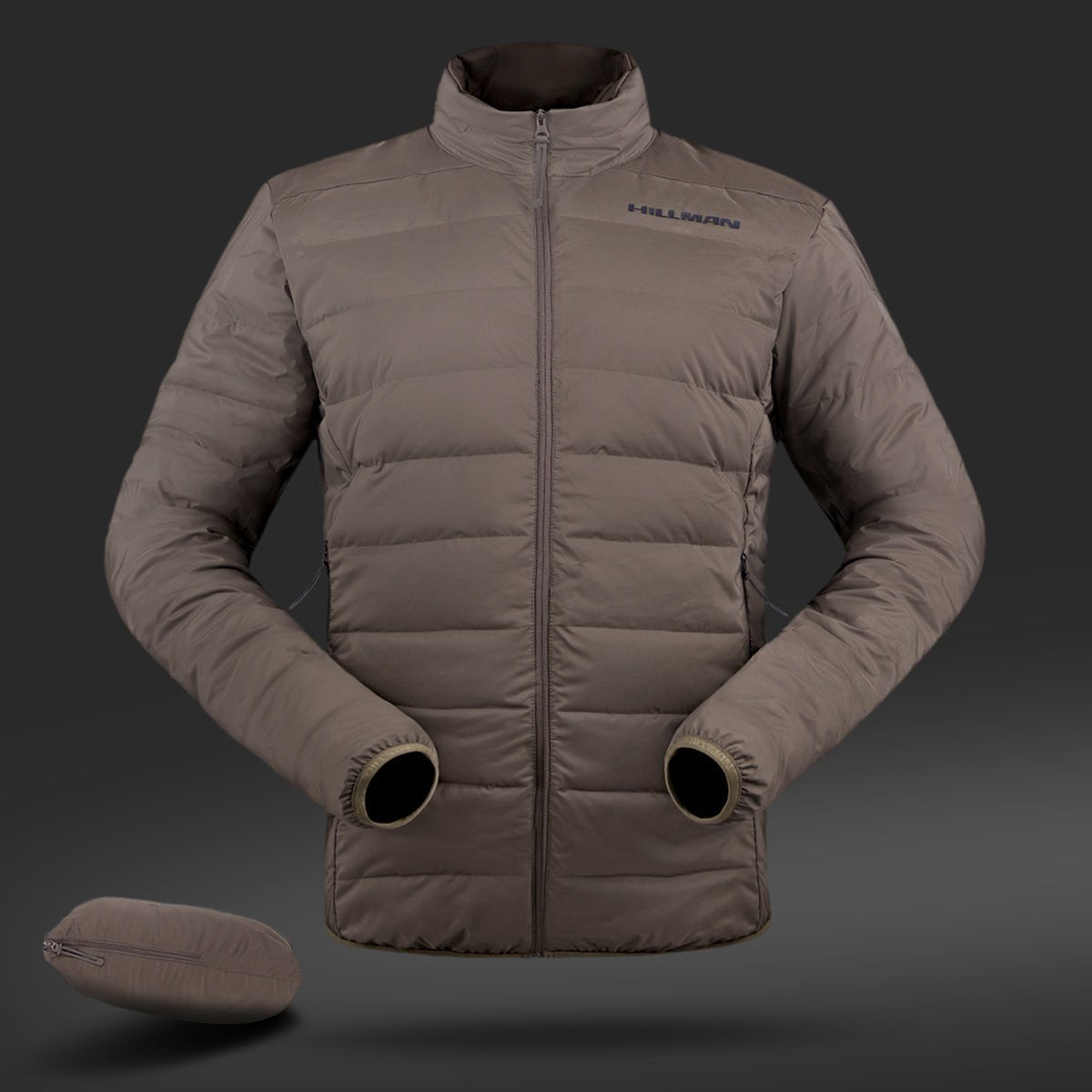
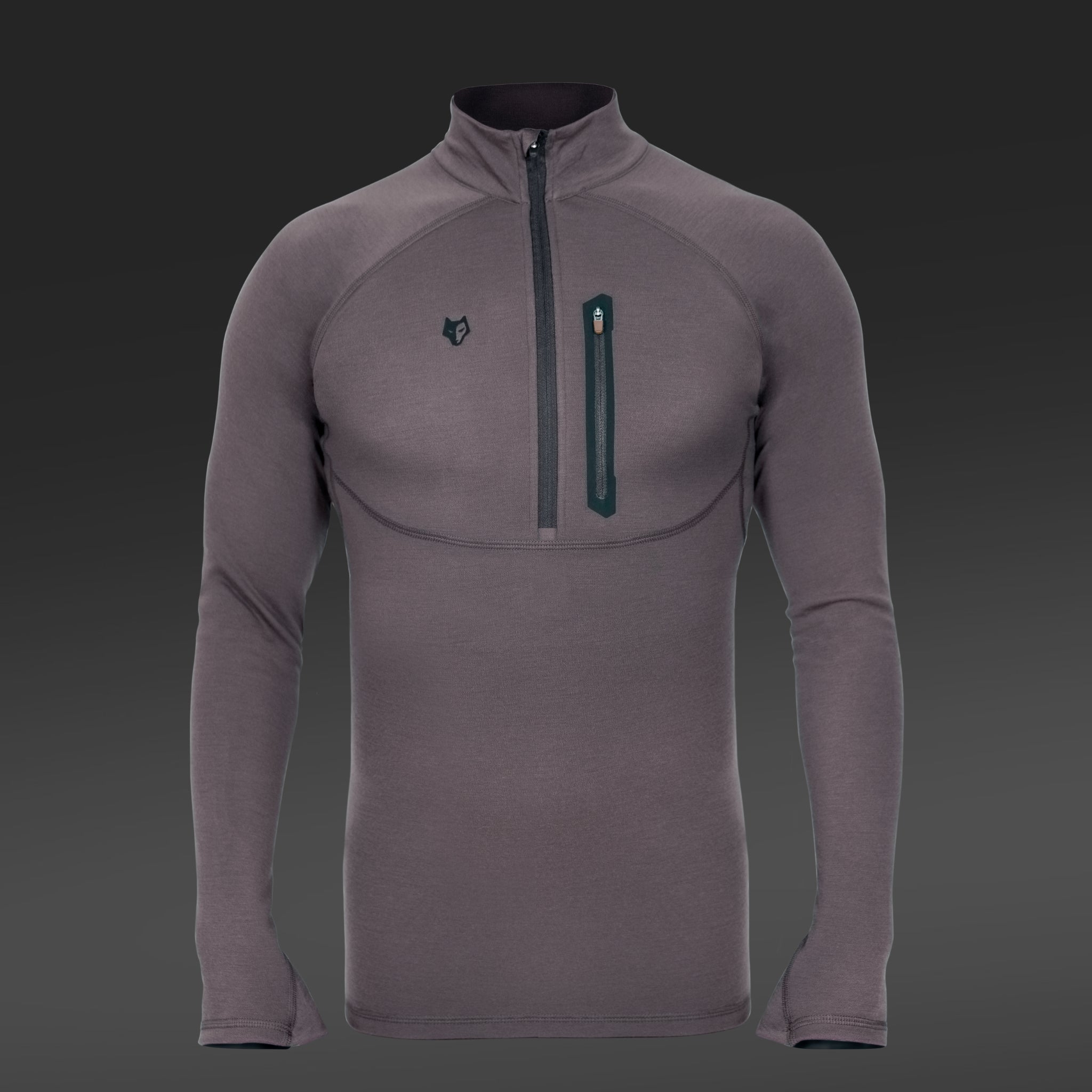
No jacket should be expected to do everything alone. Base layers move moisture away from the skin, mid-layers add warmth, and the outer jacket deals with wind, rain, snow and brush. When these layers work together, the whole setup feels warmer and drier than one oversized coat worn over poor layers.
Some Hillman jackets are sized to work over base and mid-layers, which matters in real winter use. Too tight, and insulation compresses. Too loose, and cold air moves inside the jacket.

Building a complete cold weather hunting outfit
A winter hunting setup should match the hunt, not just the forecast. Jacket, trousers or full suit, boots, gloves, socks, headwear, neck protection and storage all affect comfort. A hunter standing on a driven day may need heavier insulation and warm chest pockets. A stalker moving through woodland may need quieter fabric, ventilation and less bulk around the arms and shoulders.
Adding more clothing is not always the answer. Better-matched layers usually work better.
Choose the right boots for extreme weather
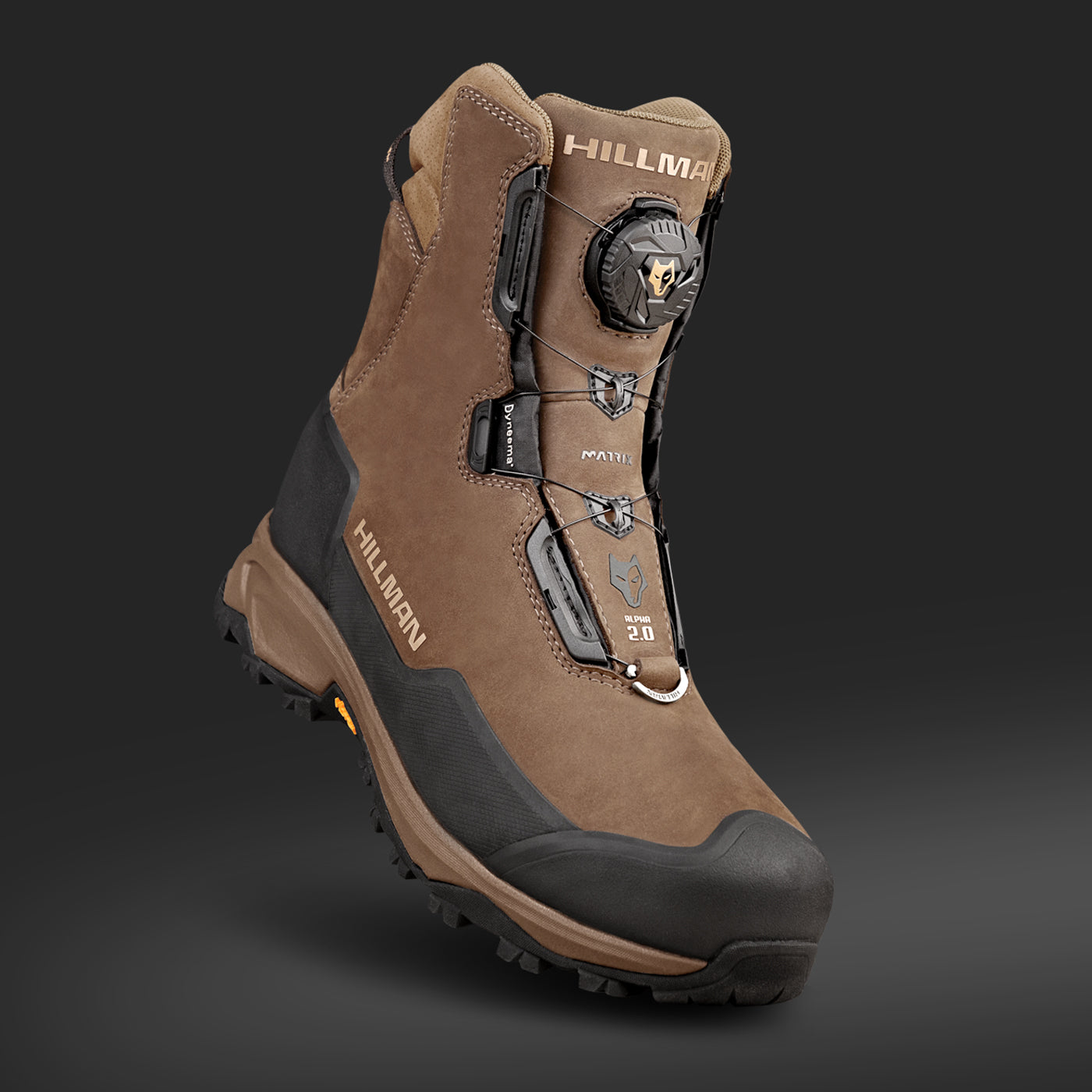
Even the strongest winter hunting jacket cannot make up for wet or cold feet. Winter hunting boots need waterproof protection, grip on mud or frozen ground, ankle support, insulation and enough breathability to stop the foot from becoming damp during movement.
The jacket keeps the core protected, but the full cold-weather setup only works when the lower body, feet and hands are handled with the same care.
FAQs
Does a winter hunting jacket need to be different from a good general outdoor jacket?
How do you actually know if a jacket is warm enough before you're already cold in the field?
What's the difference between a shooting coat and a hunting jacket in practical terms?
Does camo actually matter on a winter hunting jacket in European woodland?
How does jacket weight affect a full day's hunting across varied terrain?
How does a winter hunting jacket perform differently on a driven day versus a woodland stalk?
Is it worth spending so much on a technical hunting jacket, or does a mid-range option cover most situations?
Shop Related Collections