

The Evolution of Hunting Gear: From Tradition to Technology

Hunting gear has moved from traditional wool and leather to modern technology, improving comfort, safety, and the fieldcraft hunters depend on today.
Hunting has followed people across entire eras. It has shifted, adapted, and changed shape depending on the landscape, the climate, the food available, and the stories communities carried. What hunters wore, the gear they trusted, the dogs they trained, even the way they moved through the field: all of it has evolved. Yet something in it has always stayed the same. A focus on prey, a respect for wildlife populations, and a desire to meet the environment on its own terms.
Looking back at the long evolution of hunting gear offers a curious mix of admiration and surprise. You see clothing and footwear shaped by harsh conditions. You notice fine garments stitched for sport hunting and extravagant weekend-long events where select friends and honoured guests brought their finest sporting attire. And then, suddenly, you’re in the modern age: breathable jackets, efficient materials, scopes built with advanced devices, women joining the sport in growing numbers, and equipment refined in laboratories as much as in open fields.
From the Middle Ages to the present, hunting has been a window into how societies lived, what they valued, and what they were willing to endure for food, class, tradition, or simple sport.
The Evolution of Hunting Gear: From the Middle Ages to Modern Fieldcraft

If you were to step into the Middle Ages, you’d barely recognise the gear. Leather garments, thick wool layers, and boots suited more for horseback riding than stalking through wet undergrowth. Fox hunting dominated among the wealthy. Riders on saddles with hounds at their heels, dressed in class-coded attire, following the movement of the pack as it caught the scent. Guns existed, but firing was slow, unpredictable, and dangerous. Regulations were more about power than safety.
Durability mattered, but only in the old sense. Materials had to survive cold rain, long rides, and the breakage of branches under fast hounds. Hunters carried knives, axes, and sometimes short arms, depending on the region. Guns, when used, were heavy devices. They frequently misfired. A kill was more a test of skill and patience than equipment.
Honoured guests often accompanied royal or noble hunts. These events were not always about the game. There were opportunities to discuss business, politics, food supplies, and land rights. Occasionally, the hunt was the excuse; the social gathering was the real purpose.
The gear reflected this. Hunting clothing was built as much for display as for function. A top hat, polished boots, a dressed coat of wool or leather, these signalled status as clearly as the animals pursued. Hunters didn’t worry about efficient movement or extreme conditions in the modern sense. They expected discomfort. They simply pushed through.
Hunting Clothing Through the Ages: Function, Style, and Changing Needs

Hunting clothing has always lived in the space between protection and expression. In earlier centuries, attire felt ceremonial. Garments were heavy, layered, and rarely subtle. Wool coats protected against fall winds. Leather jerkins kept riders warm. Every day wear blended into the field because people had fewer outfits to choose from. Jackets weren’t made for weather conditions; they were made from what was available.
As centuries moved on, clothing shifted. New materials began to appear. Hunters sought protection during long walks and wanted more freedom of movement. Sport began to influence attire, too. Shooting parties demanded style. People wanted to look a certain way around select friends. Fine garments were bought to impress honoured guests, not just to survive rain.
By the 20th century, practicality took the lead. Early waterproofing, primitive breathable fabrics, and simple camouflage patterns all appeared. Clothing became lighter, more efficient during constant movement. Jackets were cut to allow the arms to lift a gun smoothly. Trousers shifted from stiff wool to fabrics that could bend without breaking seams. Extreme conditions demanded new solutions. Hunters needed garments that wouldn’t fail halfway through a long day on rough ground.
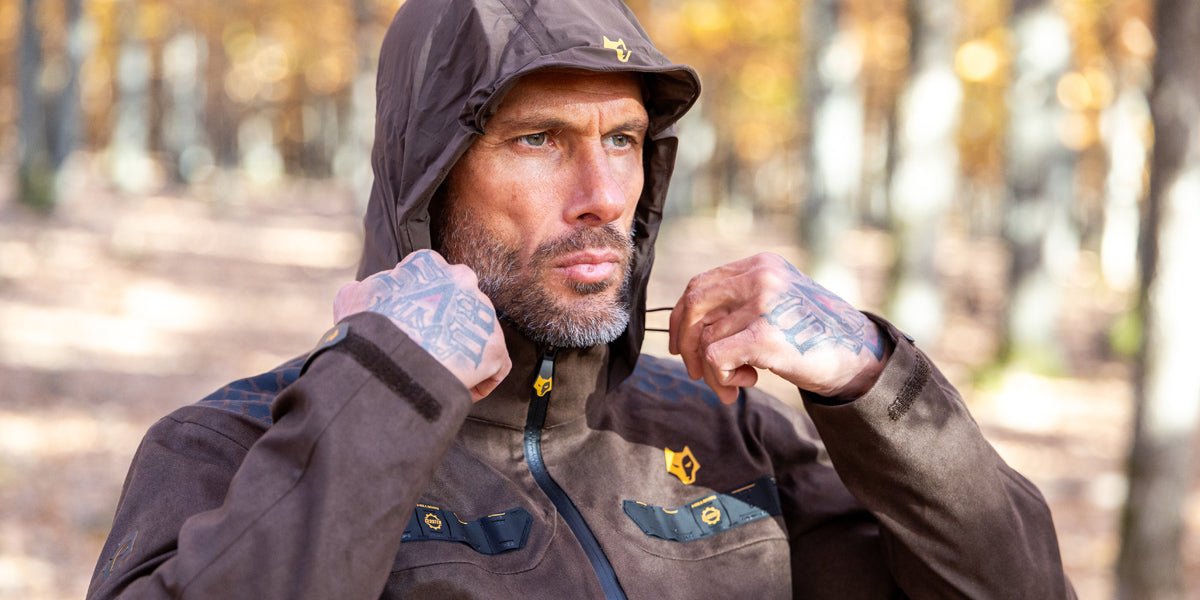
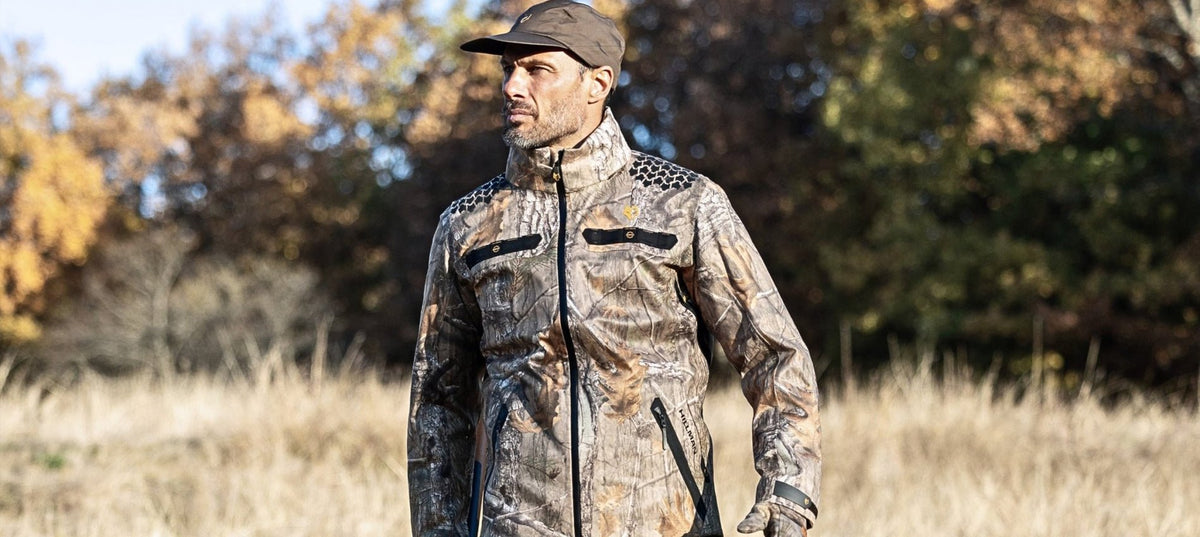
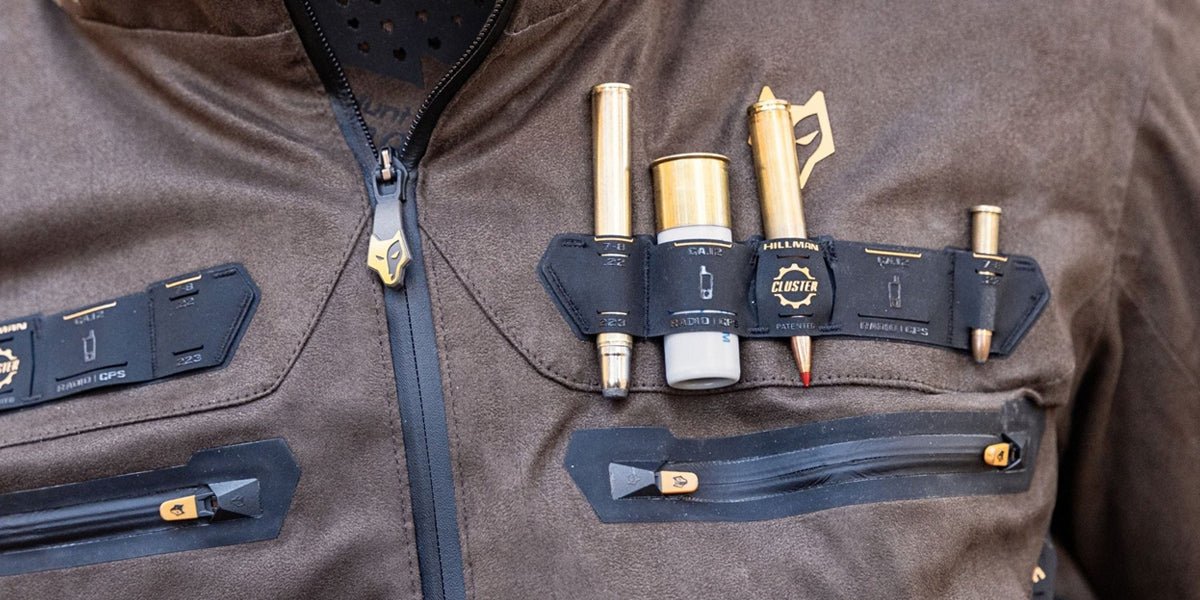
Modern hunting clothing now blends heritage with technology. Dryhunt and Gore-Tex fabrics resist weather conditions while allowing heat to escape. Camouflage patterns mimic undergrowth, reeds, woodland, and even snow. Women’s hunting clothing has grown into a serious market of its own. Everything is built to adapt: heat, rain, wind, fast movement, and sudden stillness.
Sport Hunting and the Social World Around It

Sport hunting has always existed beside its more practical origins. What began as a means of gathering food slowly developed into a form of leisure, especially among the upper classes. Fox hunting, duck shoots, and gatherings that lasted entire weekends became common. Riders appeared in immaculate attire, boots polished, dogs trained to a level that made them the pride of every estate. The best-trained gun dogs sometimes held more value than livestock.
Extravagant weekend-long events created their own culture. Honoured guests brought gifts. People dressed in their finest sporting attire. Discussions drifted from business to politics, from land management to family alliances. Occasionally, the hunt was just the background noise to these conversations.
Shooting parties evolved, too. They became more refined. Safety regulations tightened. Efficient movement between pegs, coordinated shooting, and an emphasis on fair chase became part of the code. Ducks, pheasants, foxes: each hunt demanded different techniques, different gear, and a respect for wildlife populations that grew stronger as conservation awareness increased.
Today’s sport hunting still carries those echoes. It is both a social event and a serious fieldcraft practice, shaped by tradition but increasingly influenced by modern ethics, environmental concerns, and steadily advancing technology.
Hunting Boots and Footwear: From Traditional Leather to Modern Technology

If clothing changed slowly, footwear transformed dramatically. Early boots were built around leather and thick wool linings. They were heavy but useful for riders. They didn’t bend easily. On foot, they could blister. In the rain, they soaked through. But they were what hunters had, and people made do.
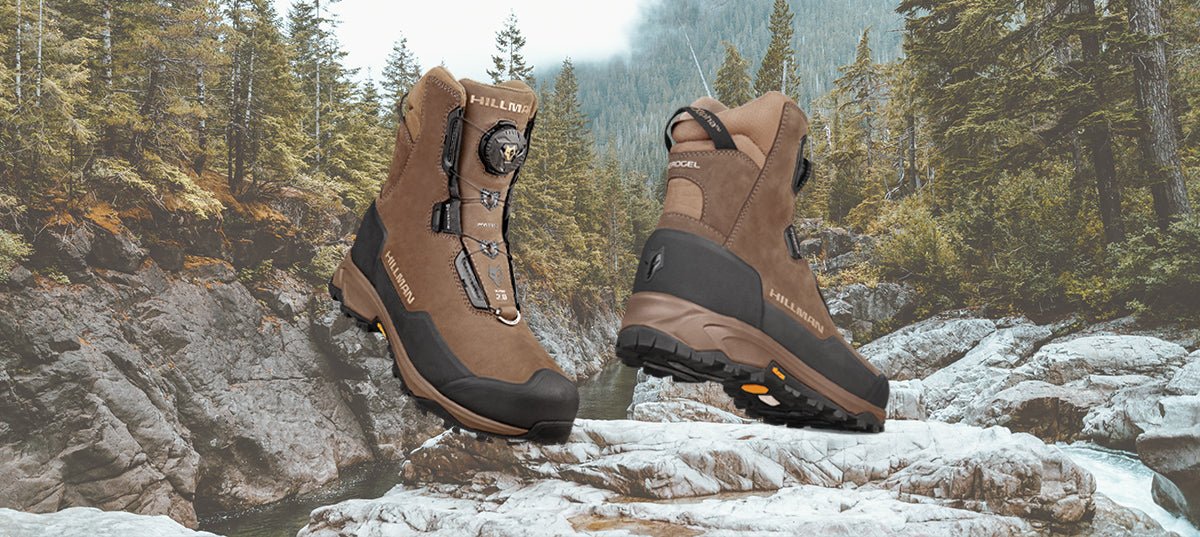
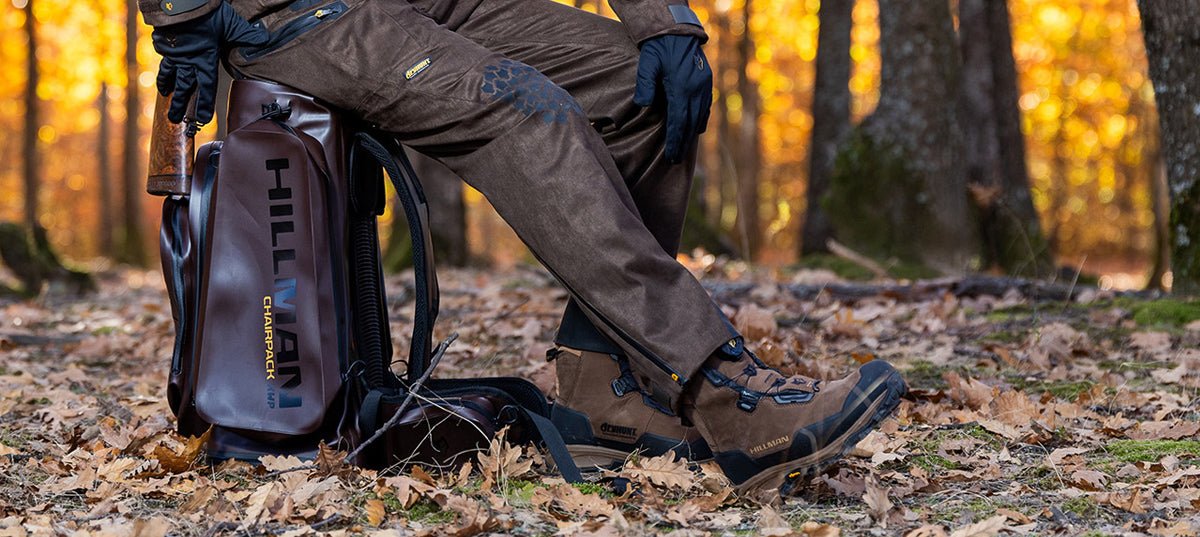
As technology advanced, boots became lighter, more flexible, and dramatically more durable. Modern hunting boots now deal with harsh conditions that older designs could never handle. Breathable membranes keep water out while allowing sweat to escape. Gore-Tex and Dryhunt linings maintain warmth without trapping moisture. Footwear now adjusts to movement: climbing, crawling, stalking.
Women’s sizing, once an afterthought, is now standard. Hunters no longer break boots painfully over weeks. Efficient materials reduce the break-in period. Modern boots offer traction on wet rock, grip in mud, and stability over uneven ground. Where older boots simply protected the feet, modern ones enhance ability, balance, and comfort for long days outdoors.
Finest Sporting Attire: When Hunting Was Both Fashion and Function

There was a time when hunting attire carried more meaning than mere protection. The finest sporting attire acted as a badge of class. Top hats, tailored jackets, boots polished to a mirror shine: even the colour of fabrics communicated status. Riders arrived dressed as if attending an important function rather than pursuing a game.
These events felt almost theatrical. Saddles were cleaned the night before. Dogs are brushed and trained to perfection. Occasionally, hunts were organised for the purpose of welcoming honoured guests. The attire mattered because the hunt itself was a social showcase.
Though much of this tradition has faded, you still see touches of it. In certain shooting parties, clothing remains sharp. Old style meets modern practicality. A jacket with the cut of the past but the fabric of the future. Boots that look traditional but wear nothing like the heavy footwear of the old days.
Fox Hunting Traditions and Their Role in the Evolution of Equipment

Fox hunting shaped the evolution of hunting gear more than people realise. It brought hounds, riders, horses, long coats designed to flow with movement, and boots made for the saddle. The environment for fox hunting demanded fast decisions, efficient coordination, and clothing that wouldn’t tear under strain.
Traditional hunts created equipment requirements: strong footwear, protection from brush, and comfortable garments during fast pursuit. Even early devices, primitive scopes and firing mechanisms, appeared partly because hunters wanted advantages during fox and game control.
As regulations changed and society shifted, fox hunting became a point of debate. Yet its influence remains. The movement of riders, the courage of hounds, the athleticism demanded by the chase: all pushed hunting gear toward greater strength, precision, and adaptability.
Modern Technology and the New Era of Efficient Hunting Gear

Today’s gear is a different world. Technological advancements changed everything. Materials that resist extreme conditions. Jackets that breathe. Boots that remain warm even during long exposure to cold. Scopes that adjust for distance, wind, and clarity. Devices that track movement. Clothing that blends into the environment using advanced camouflage mapping.
Hunters now shop for gear that didn’t exist a generation ago. Efficient materials reduce weight. Jackets fold into small pockets. Boots grip surfaces that once caused constant falls. Safety devices prevent firing accidents. Regulations have become stricter but also more sophisticated.
Modern hunters carry less but do more. Technology has tightened focus, sharpened accuracy and expanded what is possible in the field.
Bringing It All Together: How Today’s Hunters Balance Tradition and Technology
 The evolution of hunting gear is not a simple story of replacing the old with the new. It is a blend. Hunters still look at classic styles with affection. They appreciate leather, wool, old boots, and long coats. Yet they recognise the unmatched protection of modern materials. Gore-Tex and Dryhunt jackets. Lightweight footwear. Devices that improve safety and accuracy.
Hunting today sits between tradition and innovation. Women join shoots in growing numbers. Young hunters learn safety first. Older hunters embrace new gear that reduces strain. The sport survives because it adapts, not by abandoning heritage but by strengthening it.
 The hunt is still about the environment, the game, the movement of animals, and the ability of hunters to read subtle signs. Technology simply helps them do it with better protection, sharper vision, and deeper respect for wildlife populations.
And so the evolution continues: shaped by the past, refined in the present, and waiting to be carried forward by whoever steps into the field next.






Share: