
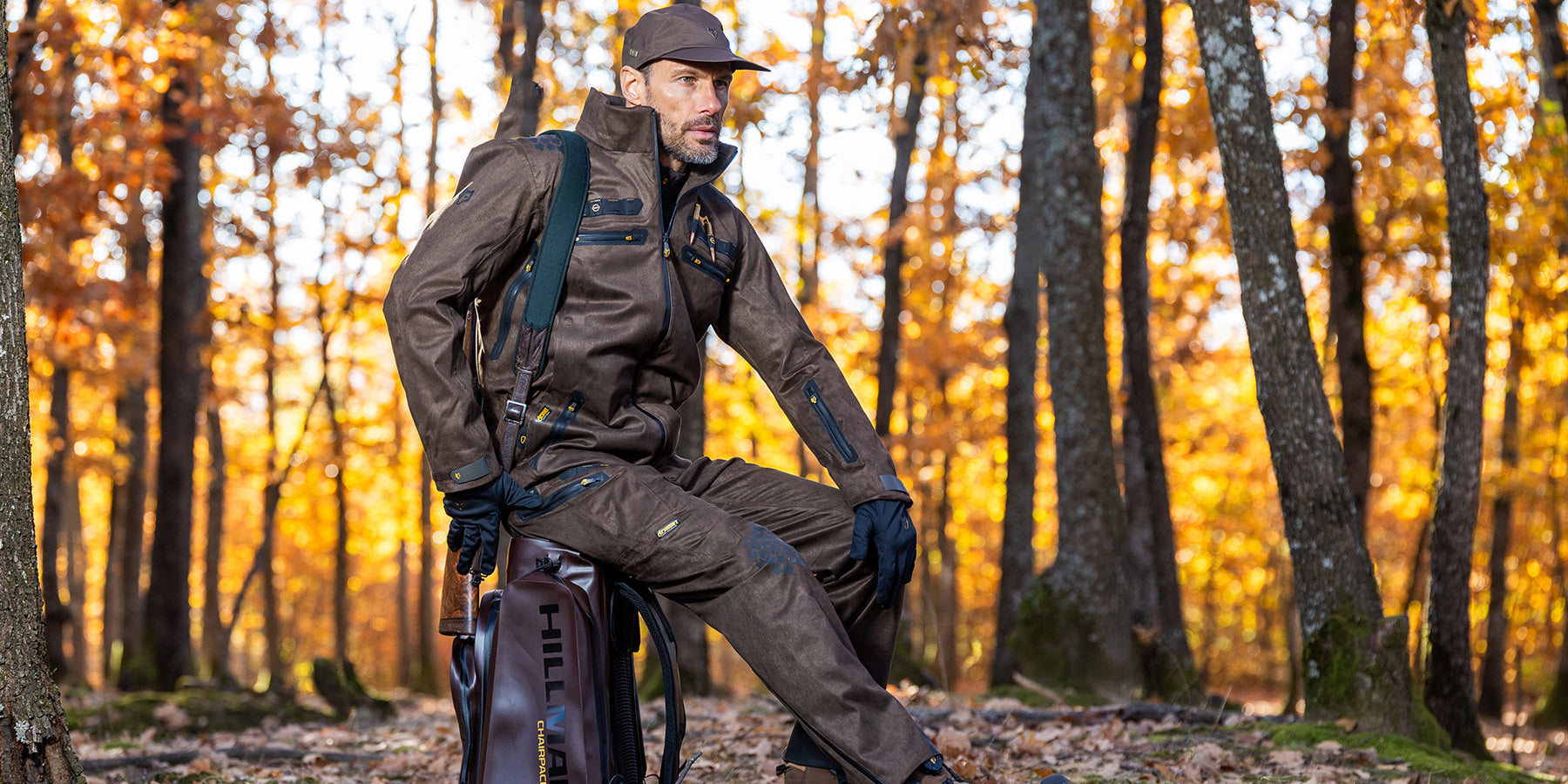
How to Dress for Stalking, Driven Hunts, and Long Waiting?

The mistake usually starts before sunrise, while the kettle is still boiling and the dog is already looking at you as if you are late. You check the weather, pull on the jacket that worked last week, grab the same boots, and tell yourself it will be fine.
Sometimes it is. Often it is not. A stalk turns longer than expected. A driven hunt moves faster than planned. The ground that looked firm becomes wet, greasy, and loud underfoot. Or you climb into a high seat, full of confidence, only to discover after forty minutes that the cold has found your toes, your lower back, and your patience.
After years of writing about gear, testing it, wearing it, regretting some of it and praising the pieces that actually deserve it, I have learned one simple thing: you do not dress only for the weather. You dress for the type of hunt.
Stalking, driven hunts, and long waiting ask completely different things from your clothing. The right system keeps you quiet, dry, mobile, warm, and focused. The wrong one reminds you of itself every five minutes.
Why the Type of Hunt Matters More Than the Forecast?

The forecast tells you rain, wind, snow, or cold. Useful, yes. But it does not tell you whether you will be creeping through wet bracken for two hours, standing in a line with dogs pushing game through cover, or sitting motionless while the temperature slowly drains out of your boots.
That difference matters. For stalking, I want clothing that moves quietly and does not fight my body. I need soft materials, controlled weight, and good moisture management. A noisy sleeve or stiff trouser leg can ruin a chance before I even see the deer.
For a driven hunt, I dress for movement, short pauses, quick reactions, and changing intensity. There may be dogs, other hunters, rough ground, brush, mud, and moments when the game appears without warning. Clothing has to protect me, but it must not slow me down.
For long waiting, everything changes again. When I sit still, breathability becomes less important than insulation. A jacket that felt warm while walking can feel thin after an hour on a high seat. Feet that were comfortable at the start can become cold and useless if the boots, socks, and lining are not up to the job. This is why I never think in single items. I think in systems: boots, socks, base layer, trousers, jacket, and pack.
Stalking Boots for Hunting: Quiet Feet, Dry Feet, Honest Feet

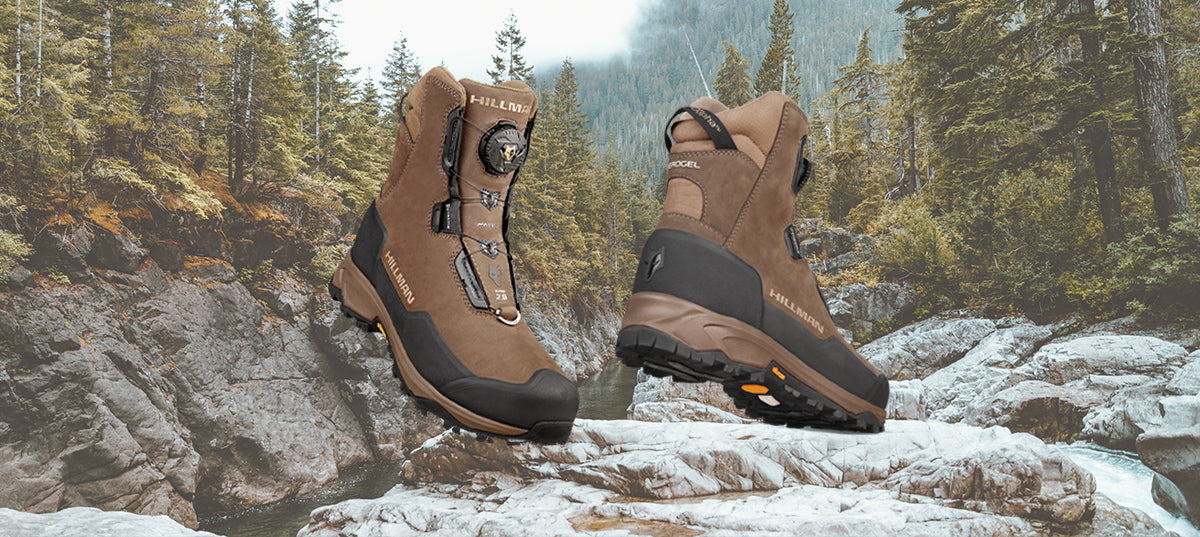
Good stalking boots for hunting are not the most dramatic piece of gear in the cupboard, but they may be the most important. Bad boots punish you slowly. They rub first, then they soak, then they make you careless with your step. And once you start thinking more about your feet than about the ground, the stalk is already slipping away.
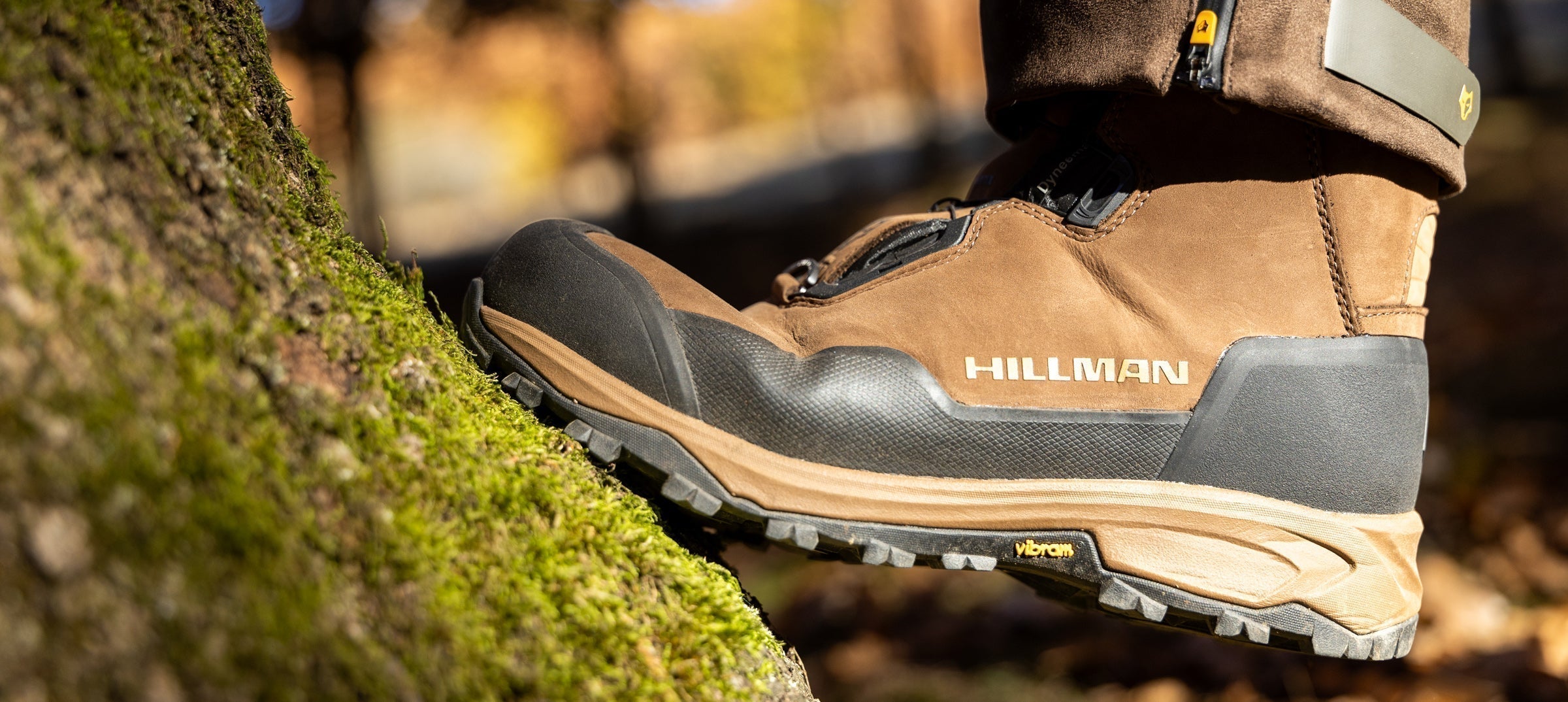
The best stalking boots give me three things: quiet contact with the ground, enough ankle support for rough terrain, and reliable protection from moisture. I do not want them too stiff. A boot built like a tank might be fine for some winter work, but stalking needs feel. I want to know what is under my sole before I put all my weight on it.
That is where many ordinary hunting boots fail. They may be waterproof, tough, and warm, yet too heavy or too loud for slow creeping. If every step feels like placing a box on the forest floor, they are not stalking boots. They are just boots.
A good pair should let me move without overthinking. The soles must grip on wet grass, mud, roots, stones, and broken ground. The upper should protect the foot but still allow enough flex. Waterproofing matters, of course, especially when the grass is wet before the sun comes up. But I also care about breathability. Feet can get wet from the inside as easily as from the outside if the boot traps sweat during a long walk.
Leather still has its place. I like the feel of a classic leather boot when it has been properly broken in. It softens, shapes to the foot, and often ages well. Modern materials, though, can be lighter and faster to dry. I do not choose by romance alone. I choose by terrain.
The best stalking boots for hunting are usually the ones I forget I am wearing. No hot spots. No heel lift. No wet toes. No clumsy step when I need to place my foot on moss, leaf litter, or shallow snow. If I remember my boots during the hunt, it is usually because something has gone wrong.
Hunting Boots: Fit, Terrain, and the Right Field System
I have stopped judging hunting boots by how tough they look on a shelf. In the field, that does not mean much. A boot earns its place after wet grass, steep ground, cold waiting, loose stones, mud, roots, and those long walks back when the legs are already tired.
Fit comes first. If the heel lifts, the toes press forward, or the ankle feels trapped rather than supported, the boot will become a problem before the hunt even begins. I always test boots with the socks I actually plan to wear. Thick socks inside a tight boot are not warmer. They usually make the feet colder by reducing circulation.
This is where comfortable stalking boots separate themselves from ordinary outdoor footwear. I do not mean soft in a weak way. I mean quiet, controlled, properly shaped footwear that lets the foot work naturally without giving up protection.
The terrain decides the rest. For stalking, I want a quieter boot with enough flex to feel the ground. For rough terrain, I accept more structure and stronger ankle support. For cold high seat work, insulation and lining matter more, but I still need room around the toes. For wet autumn hunts, waterproof protection is essential, though breathability should not be ignored. Feet can get damp from sweat just as easily as from rain.
A good pair of hunting boots is always a compromise, but it should be an intelligent one. Warmth, weight, grip, silence, protection, price, and quality all matter. The mistake is choosing one feature and forgetting the rest. Cheap boots can become expensive if they break your concentration, soak your socks, or turn a long walk into punishment.
This is also why I think about boots as part of the whole clothing system, not as a separate purchase. Trousers, socks, base layers, jacket, and pack all affect how the feet feel after several hours outside. Hillman gear fits naturally into that practical approach, because real hunting clothing has to work together in motion, in bad weather, and in the quiet moments when one careless movement is enough to lose the chance.
A good pair of hunting boots should never dominate the day. They should keep my feet dry, stable, and comfortable enough that I can think about wind, sound, movement, and game. Once I start thinking about blisters, cold toes, or heavy soles, the boots have already failed their quietest but most important job.
Hunting Base Layers: The Quiet Workhorse

I have more respect for hunting base layers than I used to. Years ago, I cared more about jackets and boots. The base layer was just something under the rest. Then I had enough cold, damp, uncomfortable days to change my mind.
A proper base layer controls moisture. That is its first job. When I am stalking uphill or walking into position on a driven hunt, I sweat, even in cold weather. If that moisture stays against the skin, it turns against me as soon as I stop moving.
Cotton is the old trap. It feels fine at home and poor in the field. Once wet, it holds moisture and cools the body. I prefer merino or good technical synthetic layers, depending on the temperature and how hard I expect to move.
For stalking, I want something light, quiet, and breathable. For a driven hunt, I want a layer that handles bursts of movement without overheating me. For long waiting, I may go heavier, but I still do not want damp fabric sitting against my back.
The base layer is not glamorous. It does not appear in many photographs. But when it fails, the whole system starts to fail.
Camo Hunting Trousers: More Than a Pattern

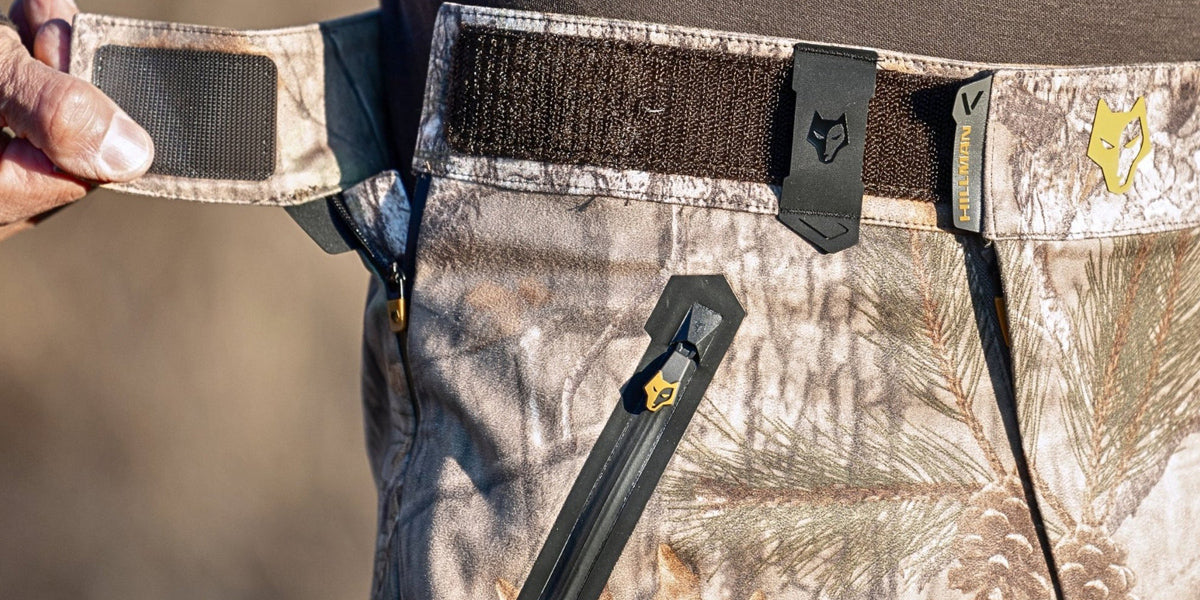
I care about camouflage, but I care more about fabric. Good camo hunting trousers should disappear visually, yes, but they should also disappear from my mind while I am moving.
For stalking, trousers must be quiet. Not almost quiet. Quiet. Some fabrics make a dry scratch with every step through cover, and once you hear it, you cannot unhear it. Soft outer materials help, especially when creeping through brush, grass, or young woodland.
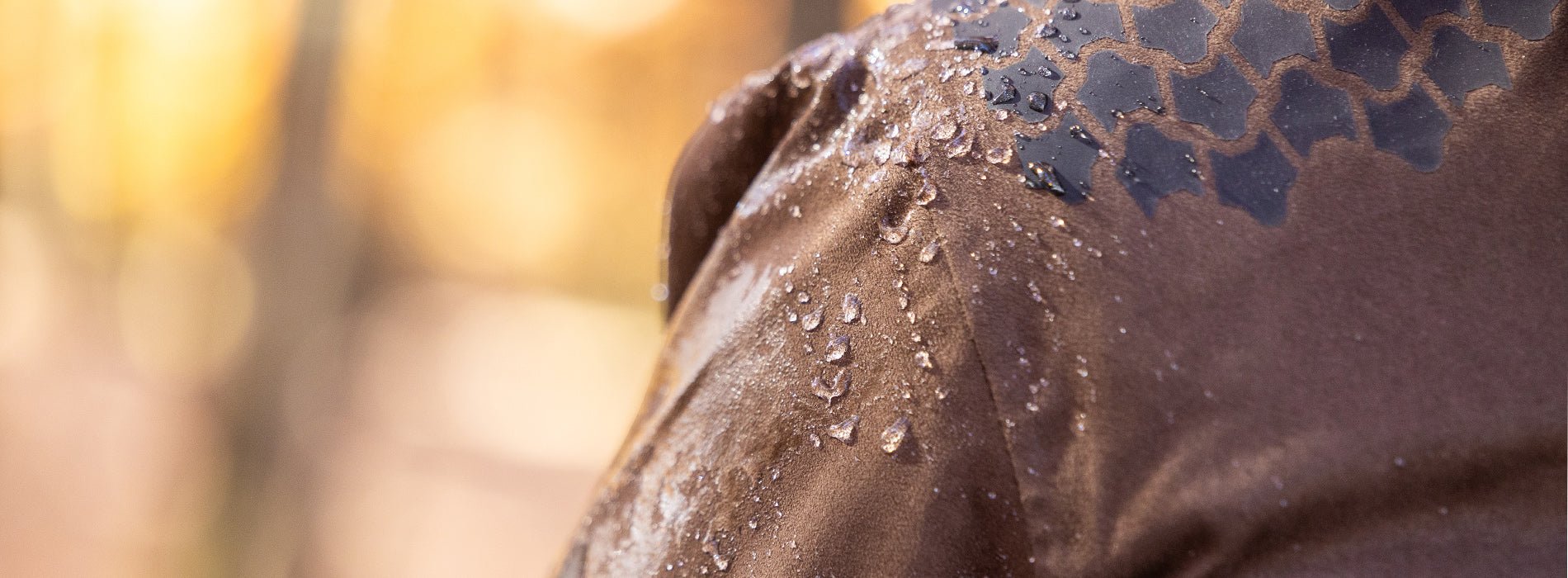
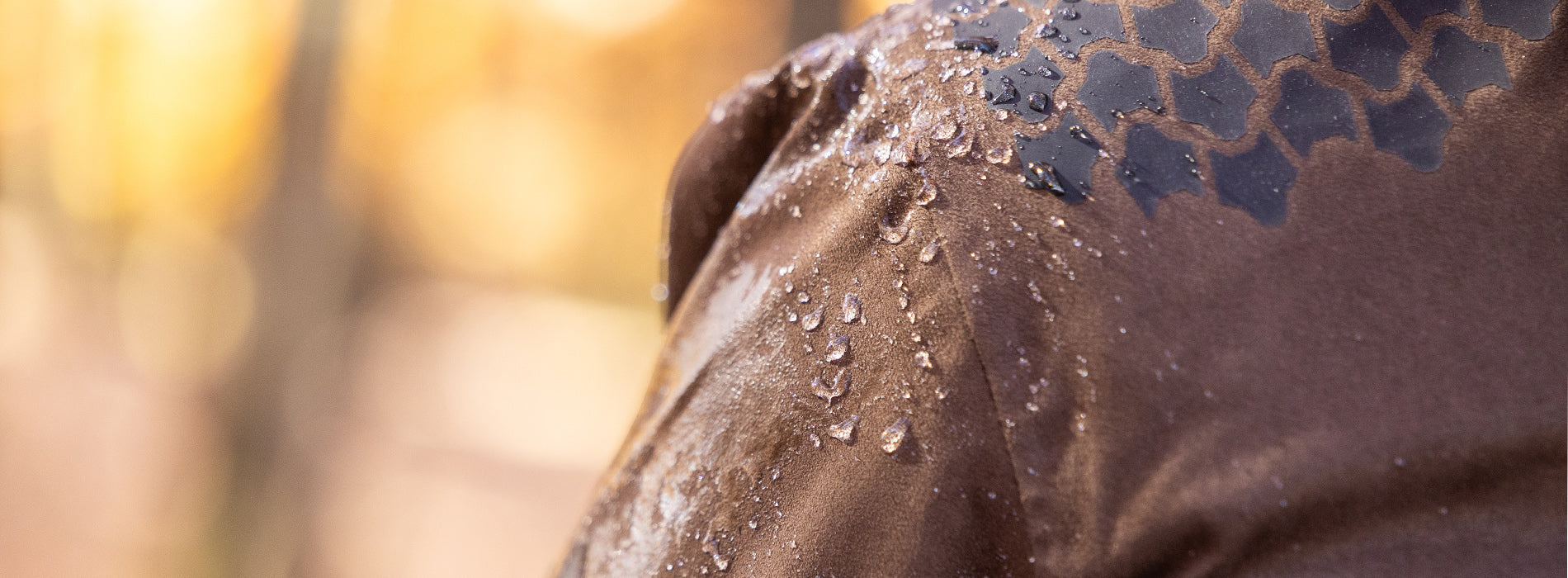
They also need practical weather resistance. Wet knees, wet thighs, and water running down into the boots are not minor problems. In light rain, dew, or melting snow, water resistant or waterproof panels can make the difference between a good hunt and an early return.
For a driven hunt, I want tougher trousers. They need to handle brush, dogs moving through cover, wet ground, and faster walking. I still need freedom of movement. A trouser that pulls at the knee when I climb, kneel, or step over a branch is not field clothing. It is decoration.
For long waiting, trousers must allow room for insulation underneath. Too tight, and the warmth disappears. Air trapped between layers is part of the system. Crush that space, and even expensive clothing loses performance.
Driven Hunt Clothing: Move, Stop, React
A driven hunt has its own rhythm. It is rarely as controlled as people imagine from outside. There is noise, pressure, movement, dogs, waiting, then sudden action. The clothing must be ready for all of it.
I do not dress for a driven hunt the same way I dress for a quiet stalk. I still want comfort and weather protection, but I accept that durability and visibility may matter more. Depending on local rules and the type of hunt, high-visibility elements can be necessary. Safety always comes before elegance.
The jacket should allow a clean mount and swing. If the shoulders are tight or the sleeves pull when I raise my arms, the jacket is wrong. Pockets should be usable with cold hands. Closures should not be noisy. The collar should protect from wind without blocking hearing too much.
Underneath, I keep the layering adaptable. A good base layer, a practical mid layer, and an outer shell or insulated piece depending on conditions. I do not want to sweat heavily on the way in and then stand damp while waiting.
Driven hunts also ask for agility. Shooters may stand still for long stretches, then need to react in a clean, controlled way when game breaks cover. That is almost impossible if the jacket binds at the shoulder, the trousers pull at the knee, or the pack shifts just as the moment arrives. This is where field-tested gear shows its value. I like clothing that is designed around real hunting movement, not just showroom appearance.
Long Waiting and High Seat Hunts: The Cold That Arrives Slowly

The cold of long waiting is different. It does not hit all at once. It creeps. At first, I feel fine. Then my toes cool. Then my knees. Then the lower back. Then concentration begins to thin. After that, every small sound feels bigger because I am no longer fully settled.
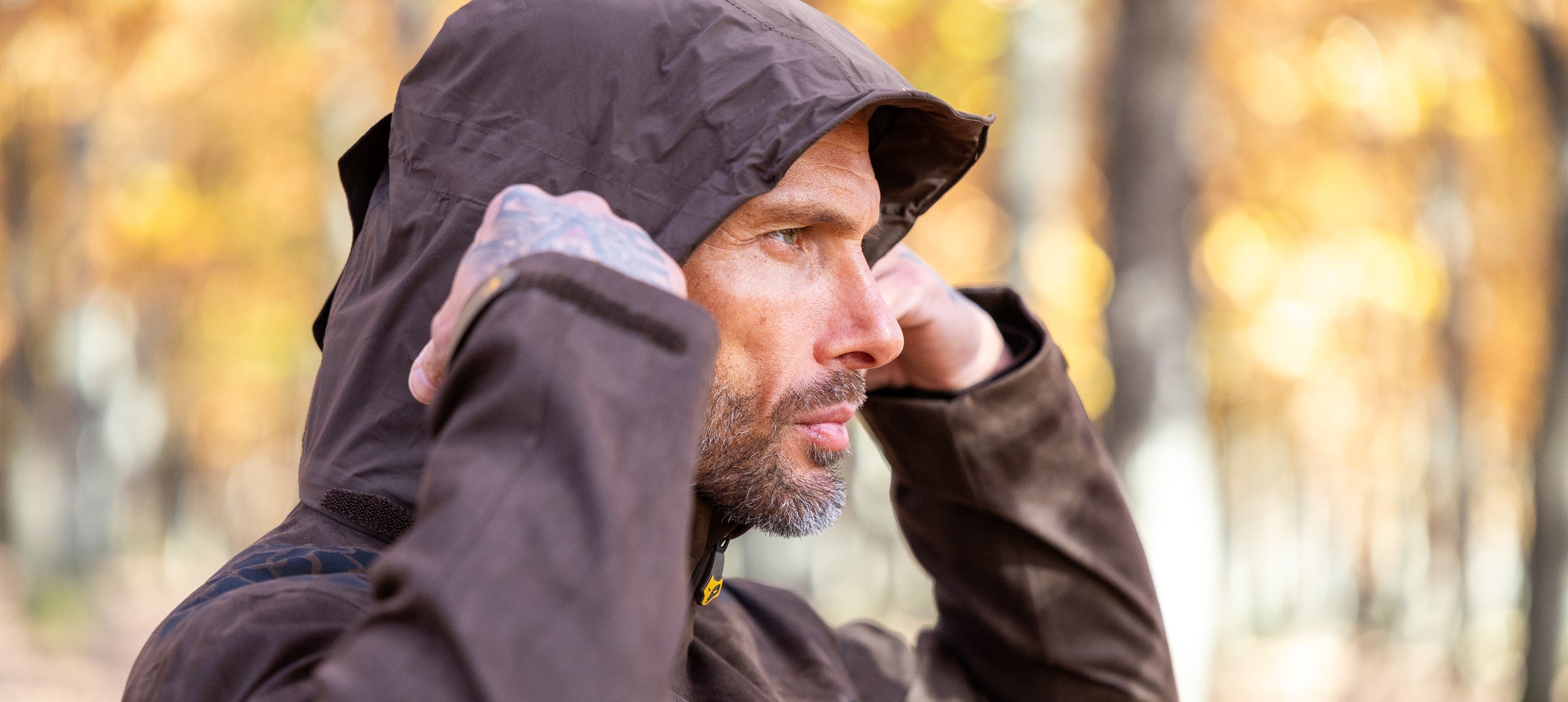
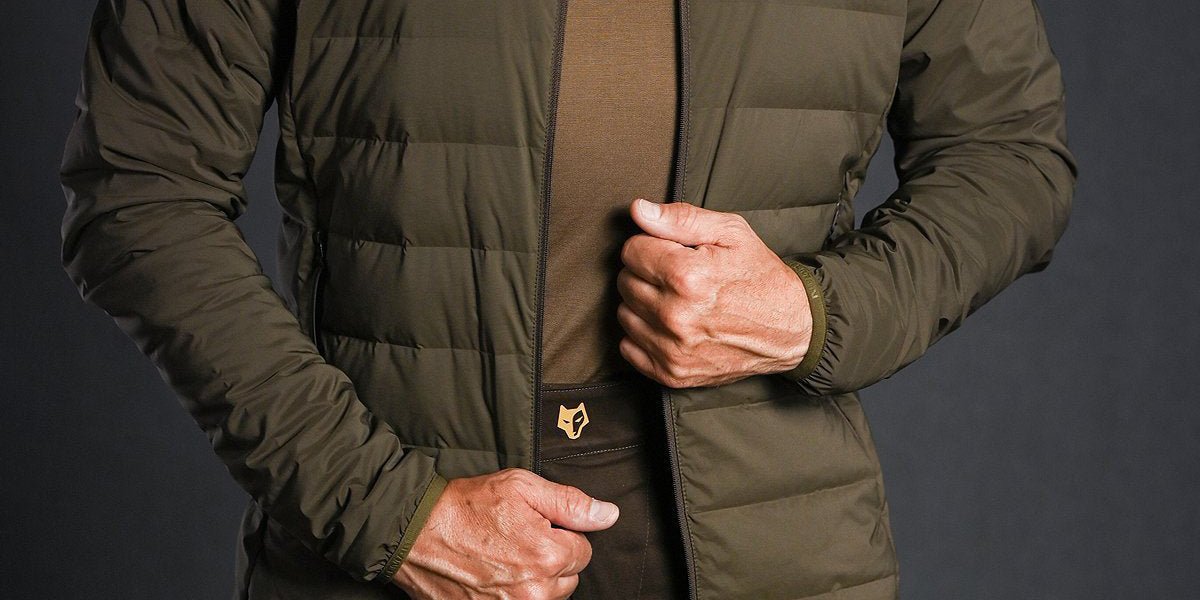
For high seat hunts or long periods in hides, I dress warmer than I think I need. An insulated hunting jacket becomes essential, especially one that protects the core without making movement awkward. I want warmth around the chest, shoulders, and lower back. I also want the collar and hood to work properly, not flap, scratch, or block awareness.
Boots matter even more when sitting still. A pair that is comfortable while walking can feel cold after an hour without movement. Insulation, lining, socks, and enough room for the toes are all important. Tight boots are cold boots. If circulation is restricted, no premium material will save you.
I often carry an extra mid layer in the pack and put it on only once I reach the seat. That way I avoid sweating on the walk in. A small seat pad, warm gloves, and a neck gaiter are not luxuries. They are the details that let me stay still longer. And staying still is often the whole game.
Hunting T-Shirt, Mid Layers, and Small Pieces That Matter

A hunting t-shirt has its place, especially in mild weather or as part of an early-season layering system. I do not expect it to do the work of a cold-weather base layer, but I do want it to breathe, dry quickly, and sit comfortably under a fleece or light jacket.
For stalking, I prefer simple, quiet layers without bulky seams. For a driven hunt, I want layers that can handle movement without becoming wet and heavy. For long waiting, a t-shirt alone is not enough, but it can still be part of the system if the layers above it are chosen well.
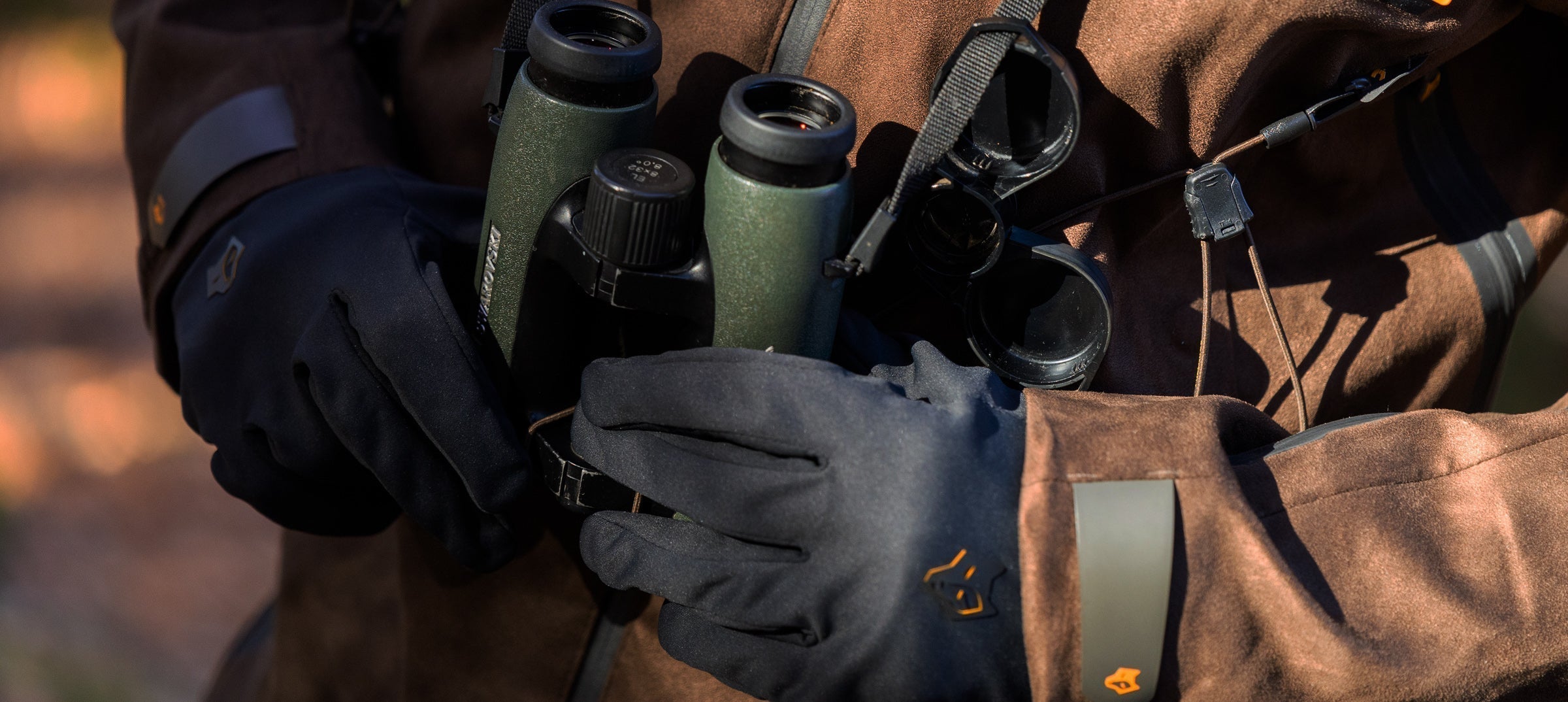
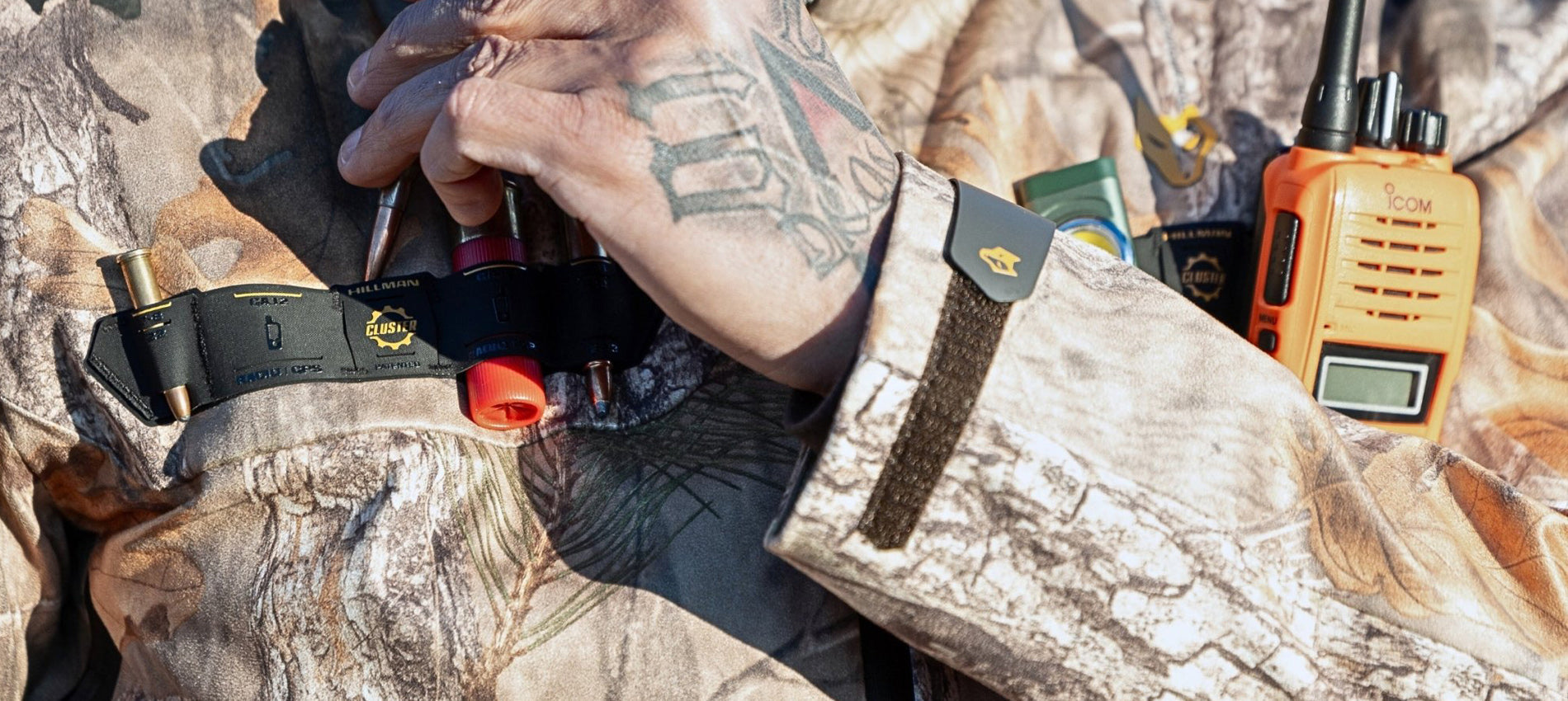
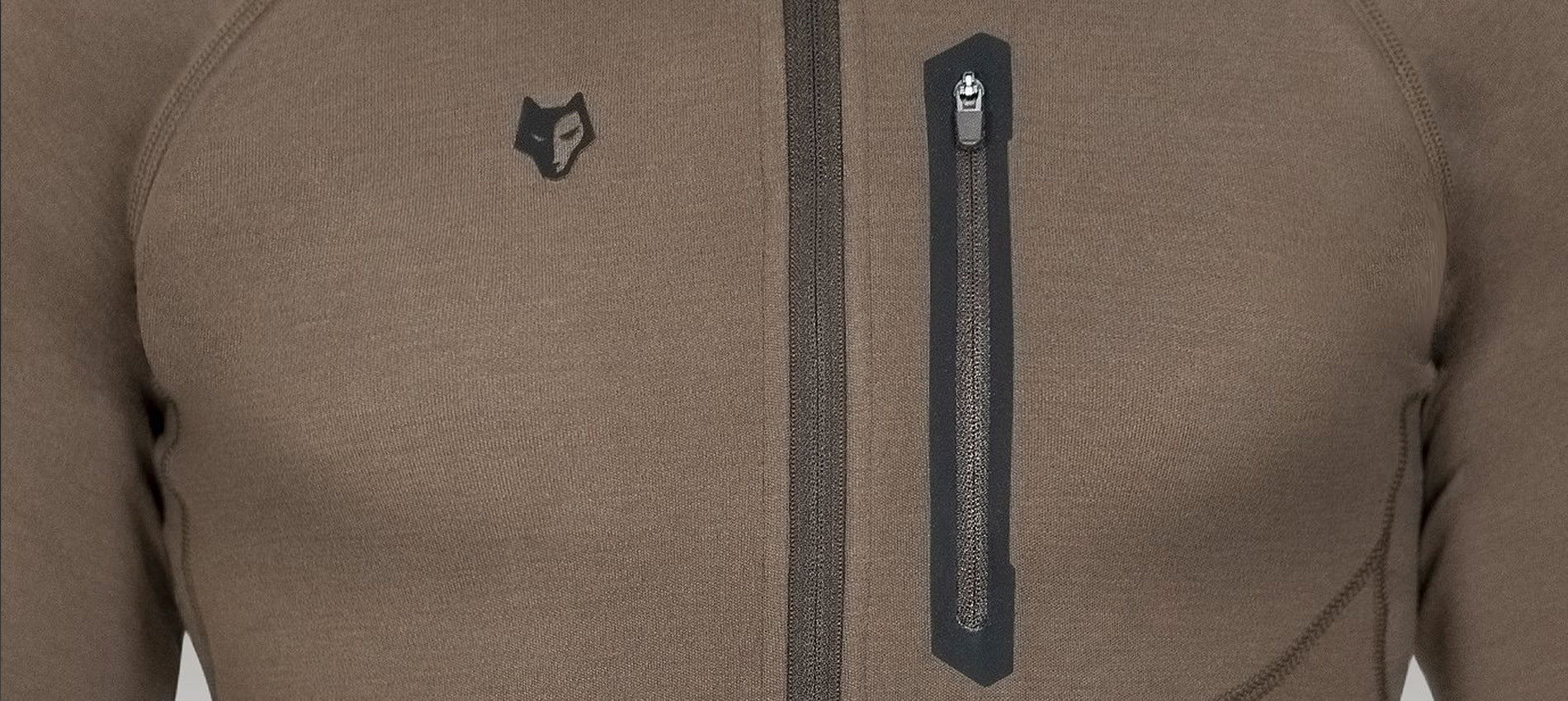
Small things matter more than people admit. Socks. Gloves. Cap. Neck protection. Zippers that do not flash or rattle. Pockets that close properly. A cuff that seals without squeezing. These are not exciting details at home. In the field, they decide whether I stay comfortable or start adjusting myself every few minutes. And movement catches the eye.
Lightweight Hunting Backpack: Carry Less, Carry Better

I have carried too much gear more times than I like to admit. A heavy pack feels sensible at the car. Two hours later, it feels like a personal mistake.
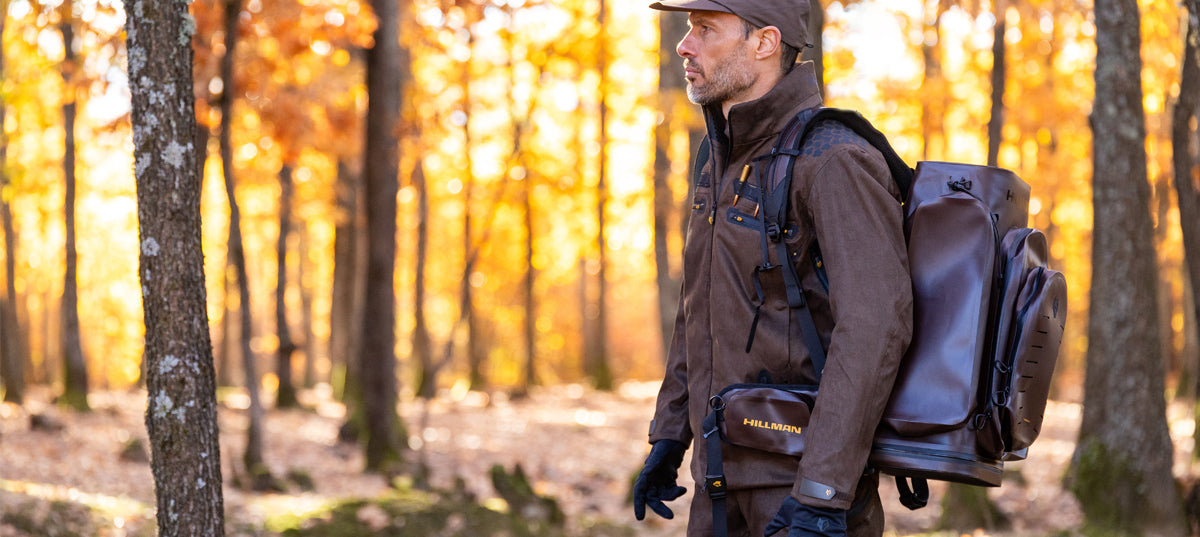
A light weight hunting backpack should carry what I need without becoming the loudest thing on my back. For stalking, I want it tight, quiet, and compact. No swinging straps. No hard objects knocking against each other. No unnecessary weight slowing my step.
For a driven hunt, the pack must stay stable while moving through cover. I do not want to fight it when stepping over branches or turning quickly. For long waiting, I allow a little more room because I may carry an extra layer, gloves, water, food, and something to sit on.
The trick is not to carry nothing. The trick is to carry the right things. Extra socks can save a day. A dry layer can save concentration. A small snack can help during a long cold wait. But carrying half the cupboard rarely makes a hunter better. It usually just makes him tired.
Choosing from a Hunting Collection Without Getting Lost

A hunting collection can look convincing online. Jackets, trousers, base layers, boots, packs, all arranged neatly, all promising comfort, protection, and performance. But the field does not care how good something looks in a product photo.
When I look at any range of hunting clothing, I ask practical questions first. Is this piece relevant to the way I actually hunt? Will it help me move quietly? Will it keep me dry when the grass is soaked? Will it still feel right after the first hour, not just the first ten minutes? Does it have features I will use, or just features that sound good?
Price matters, of course. I do not pretend it does not. But I have learned that the cheapest choice is not always the best value, and the most expensive piece is not automatically the right one. Quality shows itself later, when the weather turns, when the ground gets worse, when the hunt lasts longer than expected, and when small failures become big irritations. Good gear should reduce decisions in the field. It should not create new ones.
My Simple Dressing System by Hunt Type

For stalking, I start from the feet. Quiet stalking boots for hunting, good socks, soft camo hunting trousers, breathable hunting base layers, and a jacket that does not rustle when I raise my arm. I keep the pack light. I want to move slowly without feeling restricted.
For a driven hunt, I dress for mixed effort. I need protection from brush and weather, but I also need mobility. I choose tougher trousers, a reliable base layer, a flexible jacket, and enough warmth for pauses without overheating during movement. If visibility is required, I include it properly.
For long waiting, I dress for stillness. Warm boots, dry socks, a serious insulated hunting jacket, proper base layers, gloves, neck protection, and one extra layer in the pack. I would rather carry a little more and stay focused than sit there pretending I am not cold.
Each hunt has its own demands. The deer do not care that my jacket was expensive. The weather does not care that my boots looked good online. The ground does not forgive poor soles. Gear earns trust only when it works at the right moment.
Dress for the Hunt You Are Actually Going to Have
Good hunting clothing is not about looking fully equipped. It is about removing problems before they start. If my feet stay dry, I walk better. If my trousers are quiet, I move better. If my base layer handles moisture, I stop better. If my jacket holds warmth without trapping me, I wait better. If my pack is light and properly arranged, I react better.
That is the real test. Stalking, driven hunts, and long waiting all ask different things from the hunter. Dress for the wrong one, and the day feels harder than it should. Dress for the right one, and the gear fades into the background.
That is when I know I have chosen well. Not when I admire the clothing at home, but when I forget about it in the field and stay with the hunt.

Share: