
Cultural Differences in Hunting Clothing Around the World (What to Expect Abroad)

From tradition to performance, a hunter reflects on how hunting clothing changes across cultures and what those differences mean abroad.
I’ve never chosen hunting clothing just because it looked right. From the very beginning, my decisions were practical. I wanted clothes that kept me warm, protected me from rain, and didn’t get in the way when I was walking for hours or standing still longer than expected. For years, that approach worked without question: until I started hunting abroad. That was when I realised that hunting clothing is never just clothing. It carries habits, expectations, and traditions with it. What feels normal in one place can feel slightly off in another, even when the weather, landscape, and wildlife seem familiar. Cultural differences in hunting clothing don’t announce themselves clearly, but once you notice them, they’re hard to ignore.
Cultural Differences in Hunting Clothing and Why They Still Matter

Over the years, I’ve hunted in environments where clothing was treated purely as gear, and in others where it clearly meant more than that. In some parts of the world, hunting clothing is chosen almost entirely for performance. Jackets are judged by how they handle harsh weather conditions, pants by how they hold up during long days of walking, and everything else is secondary.
In other places, hunting clothes reflect tradition just as strongly as function. What hunters wear there follows long-established patterns, shaped by history and social norms rather than trends. These differences still matter because clothing becomes part of how hunters recognise one another. It signals whether you understand the rhythm of the hunt, the season, and the culture around it.
I’ve learned that assuming hunting clothing is universal is one of the easiest mistakes to make when travelling.
Hunting Clothing as a Reflection of History, Class, and Tradition

Some of the strongest contrasts I’ve seen come from history. In parts of Europe, hunting was once reserved for a specific class, and clothing reflected that reality. Jackets, shirts, trousers, and coats were worn in a way that emphasised continuity rather than change. Tweed, for example, wasn’t chosen for fashion, but because it was durable, resisted snags in the woods, and blended naturally with the landscape.
Breeks, or breeches cut with extra fabric below the knee, allowed freedom of movement while keeping the body warm. This style of hunting clothing still appears today, not because it is outdated, but because it works and because tradition matters. When hunters are dressed traditionally, the clothing connects the present hunt to many others before it.
Seeing this firsthand taught me that hunting attire can reflect social history as much as practical demands.
Hunting Jackets Between Visibility and Stealth

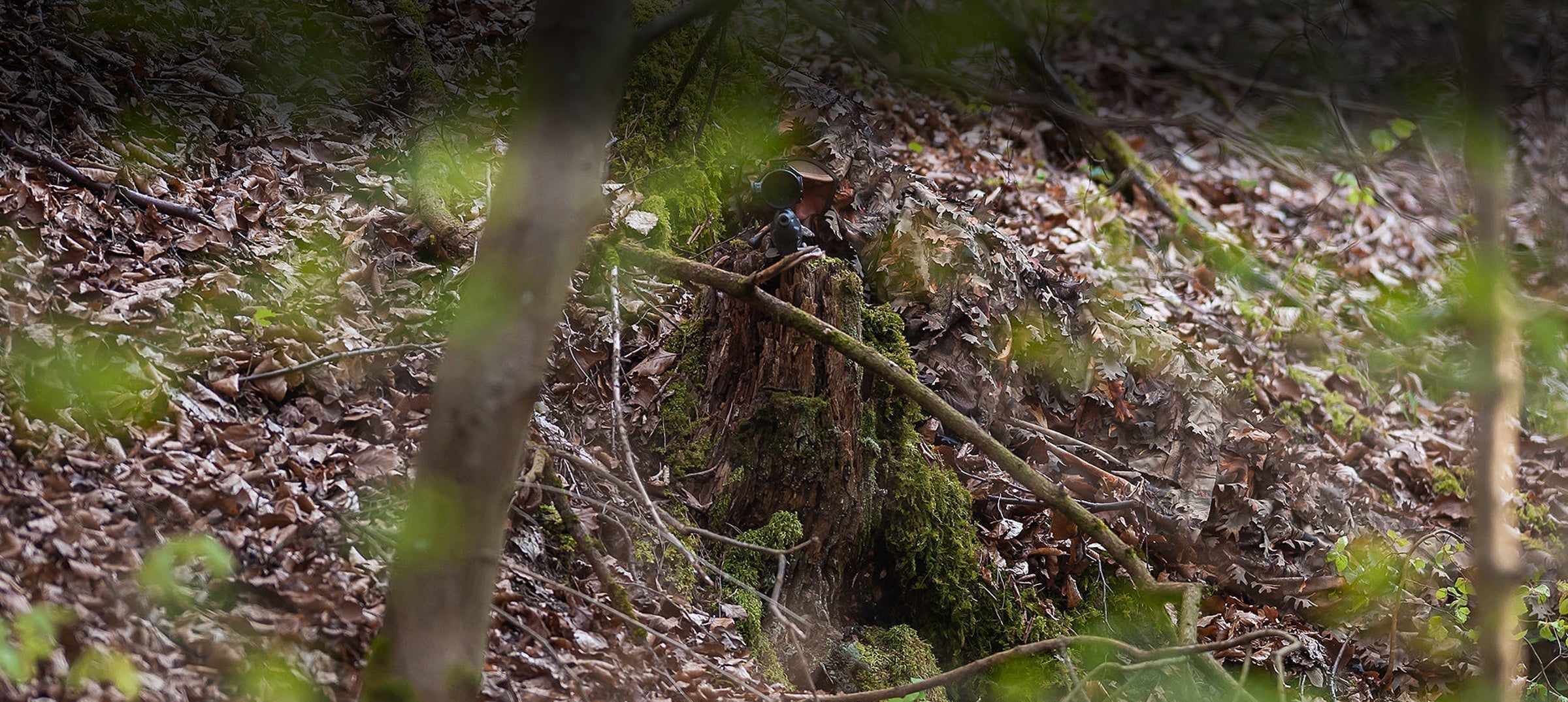
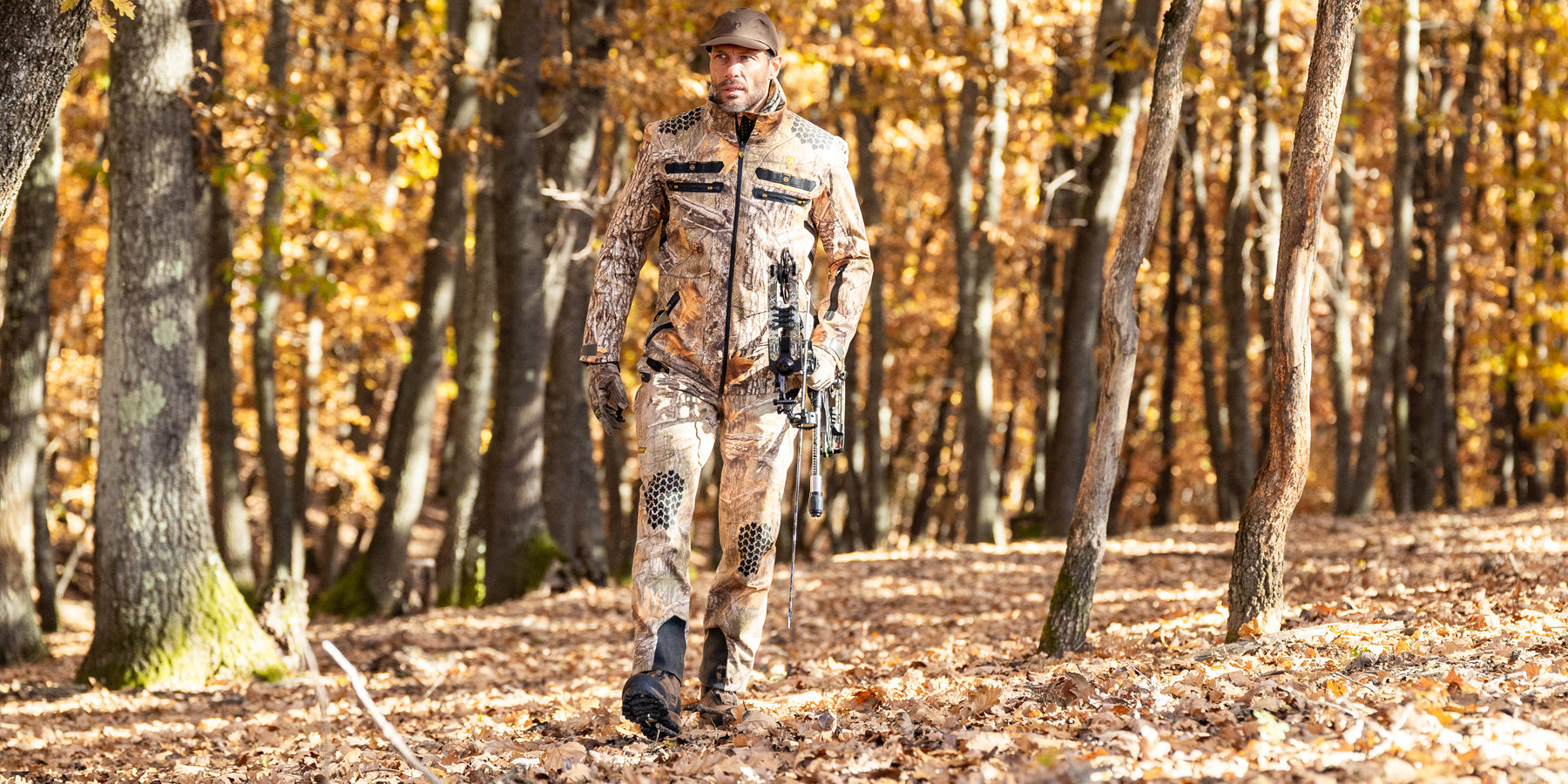
Hunting jackets are where cultural differences become most visible. I’ve worn camo pattern jackets designed to blend into the environment and others where blaze orange was an indispensable part of the outfit. In many parts of America, blaze orange is worn naturally, not as a statement, but as a shared understanding about safety among hunters.
Elsewhere, blending in matters more than standing out. In driven hunts or driven shoots, where organisation, dogs, and hounds structure the day, visibility is managed differently. In those settings, a jacket that stands out too much can feel out of place, even if it performs well.
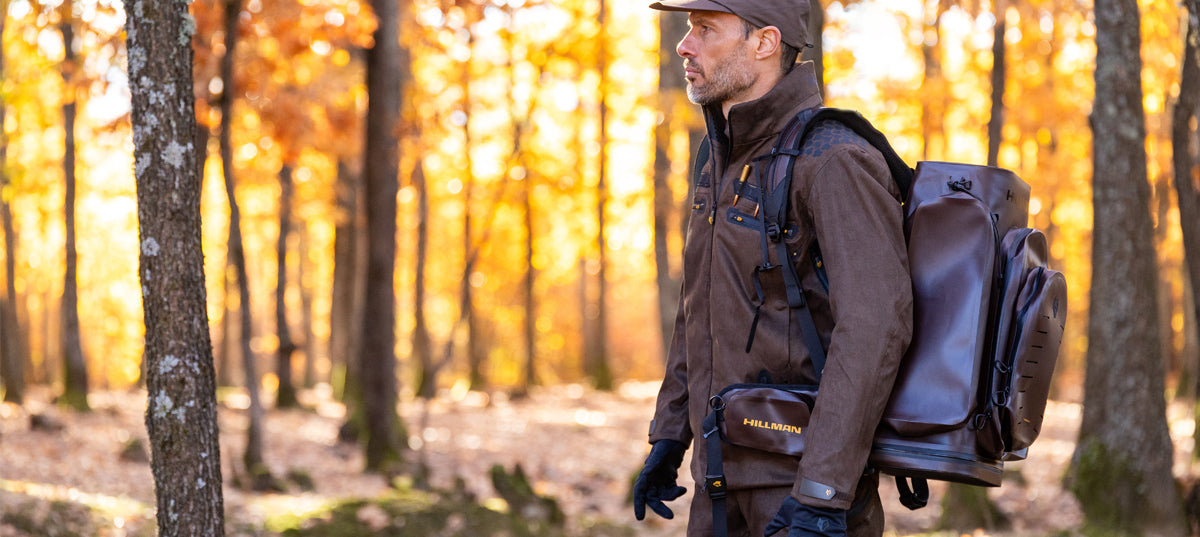
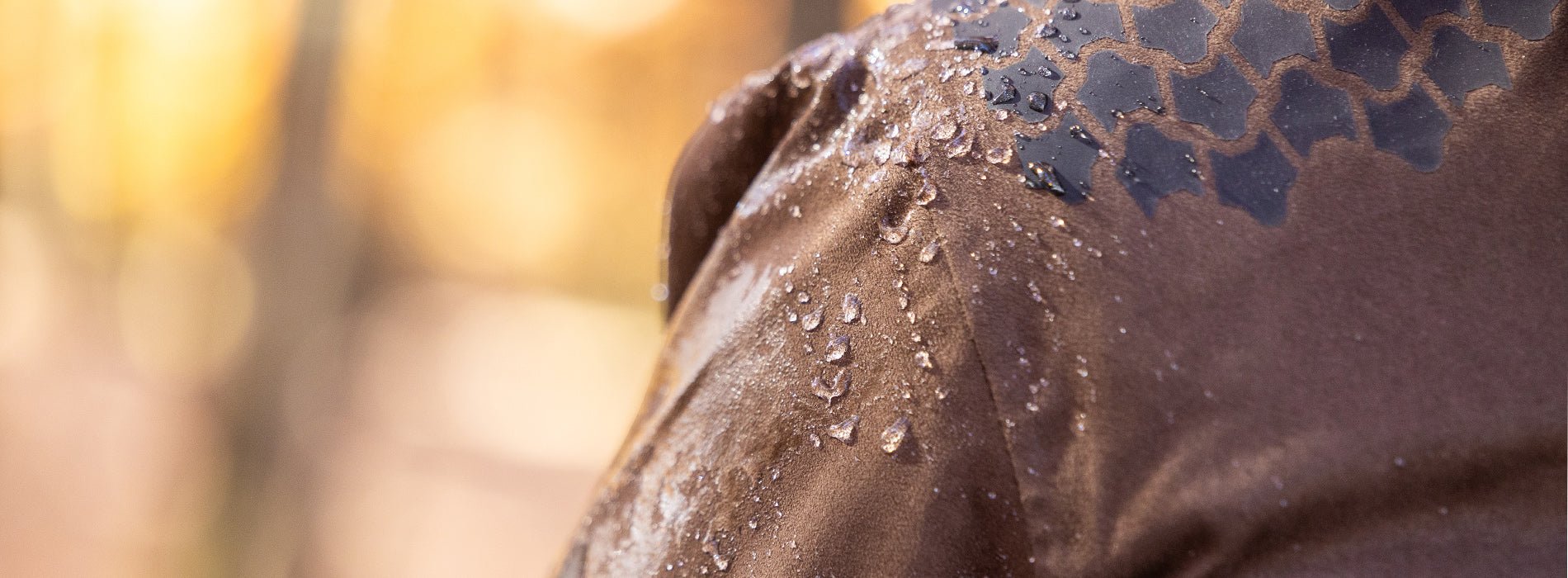
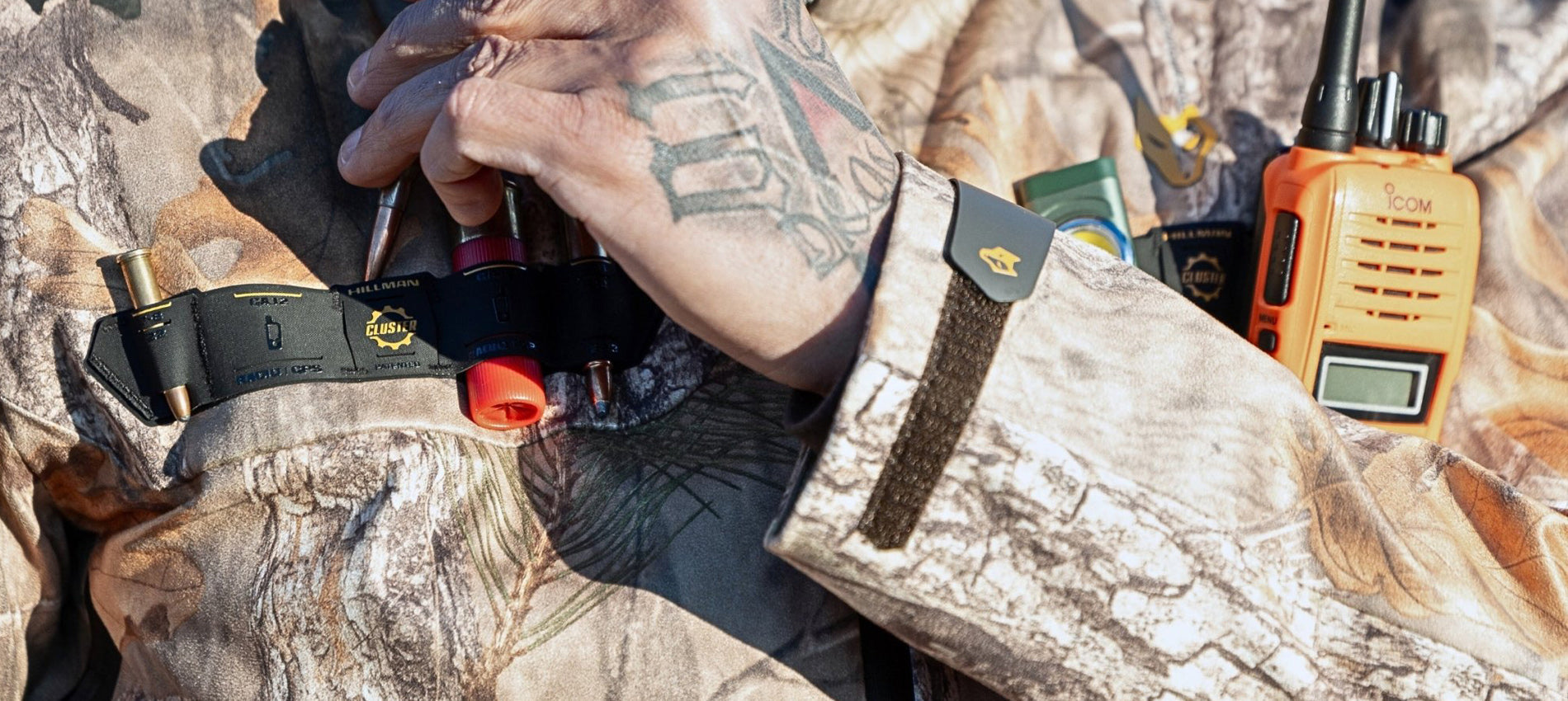
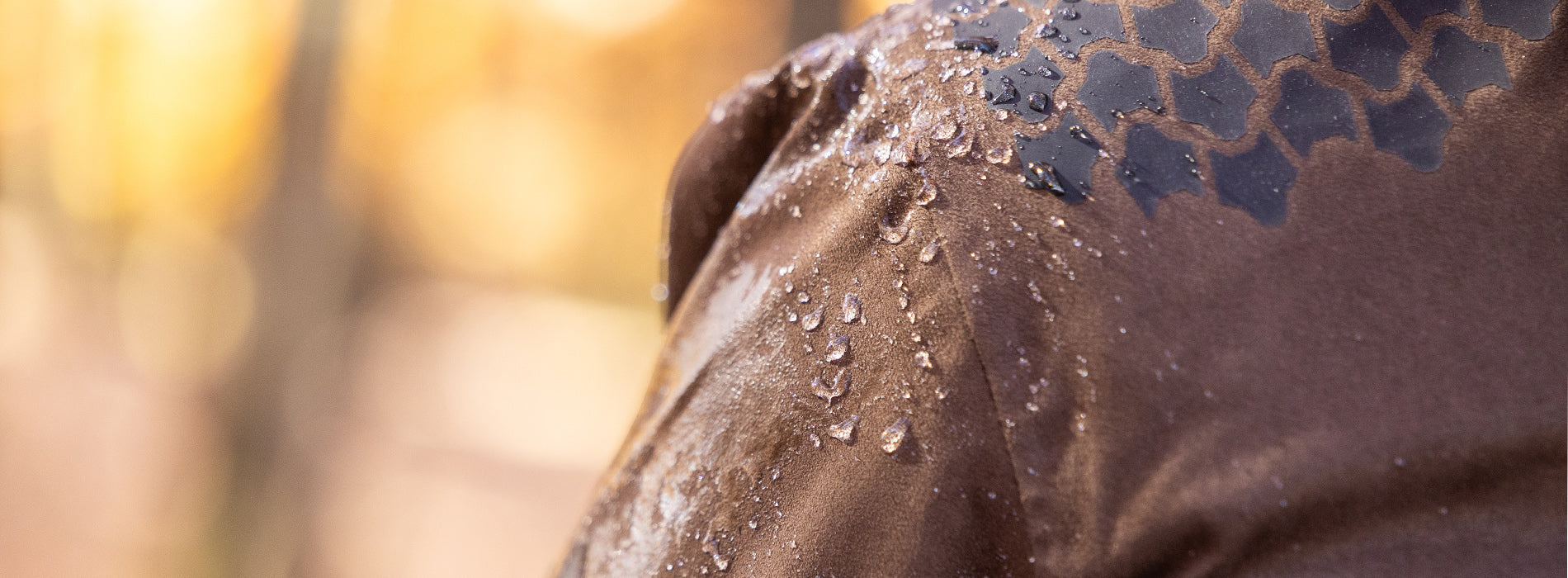
Modern hunting jackets attempt to balance these demands. Waterproof and windproof membranes protect against rain and wind, insulation keeps the body warm in extreme cold, and large pockets allow hunters to carry ammunition or essential gear without adding bulk. A good jacket has to respect both the elements and the expectations of the hunt.
Hunting Clothes Designed for Movement, Weather, and the Outdoors

Beyond jackets, hunting clothes reveal their value through movement. Walking long distances, carrying a rifle, or standing still during a shoot quickly exposes weaknesses in clothing. Pants that restrict movement or shirts that trap heat become noticeable after long periods outdoors.
Layering is something I rely on heavily, especially during unpredictable weather conditions. Base layers sit close to the body and manage moisture. Mid layers provide warmth without limiting movement. Outer layers protect against rain and wind while remaining breathable. This system allows me to stay comfortable as activity levels change throughout the day.
In wet environments, waterproof clothing becomes essential. In colder climates, warmth matters more than weight. Durability, practical pockets, and freedom of movement are not extras; they are necessary for a hunting outfit to work over long days.
Hunting Apparel Across Regions and Environments

Hunting apparel changes dramatically depending on the environment. In wetland regions, garments prioritise water resistance and quick drying. In dense woods, durability becomes critical, as clothing constantly brushes against branches and rough terrain.
In extreme cold, traditional solutions relied on animal materials. Inuit clothing, for example, was designed using thick insulating furs and hides from seals and foxes to protect the body in conditions where modern fabrics struggle. In regions with scarce wildlife, breathable plant-based fabrics allowed agility and reduced bulk during long walks.
What these approaches share is adaptation. Hunting apparel evolves because the land demands it, not because of fashion or marketing.
Men’s Shooting Clothing and the Social Side of the Sport

Men’s shooting clothing highlights the social side of hunting. In more formal shooting environments, particularly during driven shoots, appearance carries meaning. Trousers are designed to allow freedom of movement while maintaining structure. Coats keep the core warm without restricting the arms. Hats and vests complete an outfit that feels deliberate rather than casual.
I’ve felt the difference myself when my clothing didn’t quite match the tone of the day. It wasn’t uncomfortable, but it was noticeable. Over time, I learned that shooting clothing often reflects respect for the sport and the people involved, not just practicality.
Some garments even signal status. The bright red fox hunting coat, often called “pink,” is traditionally associated with seniority and commitment. It’s not worn lightly and not chosen by accident.
Camouflage, Blaze Orange, and What Most Hunters Wear Today

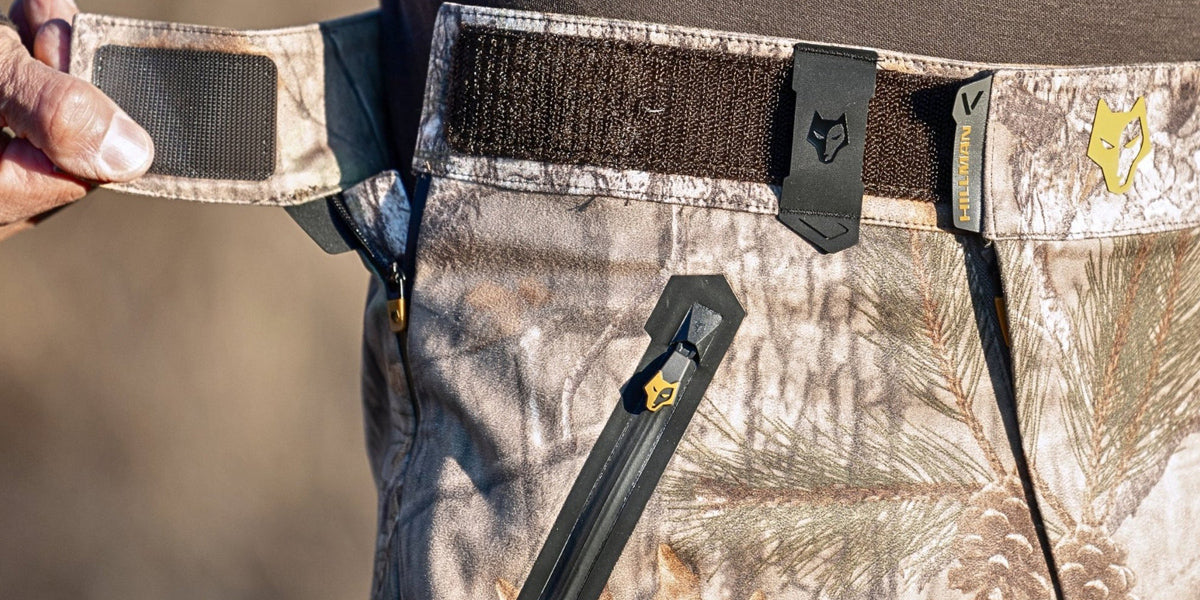
Camouflage has become one of the most recognisable elements of modern hunting clothing, especially in America. For many hunters, camo feels like a uniform, something that signals participation in the sport. Its adoption was influenced by military designs, but its popularity today reflects identity as much as performance.
At the same time, blaze orange remains common for safety reasons, making hunters visible to one another while remaining inconspicuous to animals. The combination of camouflage and blaze orange shows how hunting clothing balances tradition, safety, and modern expectations.
What’s interesting is how camo has moved beyond hunting. I’ve seen it worn during dog walking, outdoor work, and everyday activities, far from the woods. Hunting clothing has blended into the wider culture, carrying its original purpose with it.
What to Expect Abroad When It Comes to Hunting Attire

When hunting abroad, I no longer assume my usual clothing choices will fit seamlessly. I pay attention to how others are dressed, how they prepare, and what feels normal in that setting. In some places, dressing traditionally shows respect. In others, performance matters more than appearance.
There is no universal hunting outfit. Clothes communicate whether we intend them to or not. Understanding that has made my hunting experience richer and more respectful, especially when stepping into unfamiliar landscapes and traditions.
There's Always More to Learn, More Posts
The world of hunting clothing is shaped by history, environment, and evolving demands. Each season adds new layers to how garments perform and what they represent. There is always more to notice, more to learn, and more stories written quietly in the clothes we carry into the outdoors.

Share: